

Ashadhi Ekadashi 2026: Date, Pandharpur Wari Route & Maharashtra’s Largest Pilgrimage Explained
In this Blog
What is Ashadhi Ekadashi?
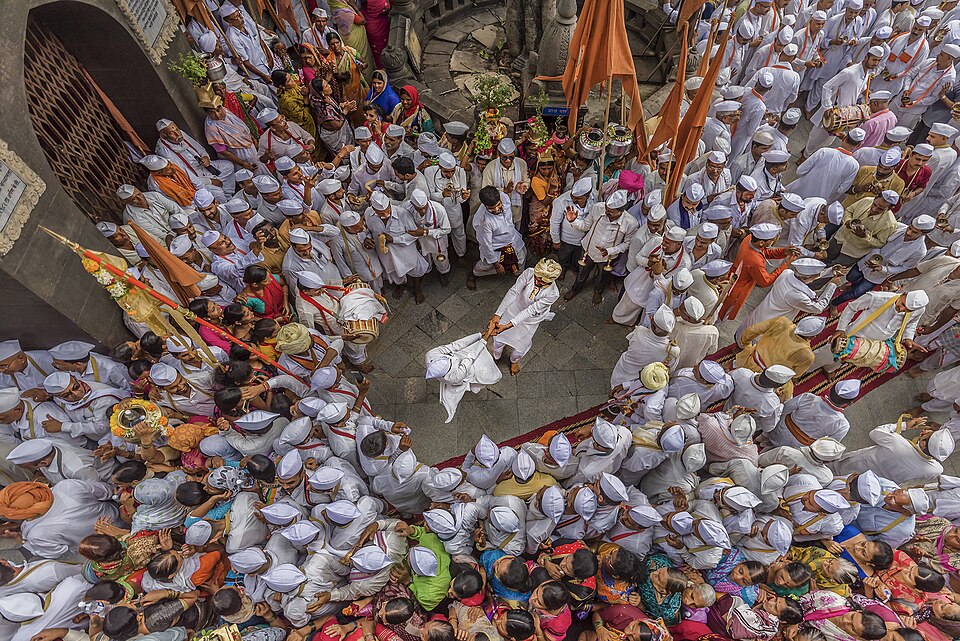
Ashadhi Ekadashi is a major Hindu fasting day dedicated to Lord Vitthal (Vithoba), an incarnation of Lord Vishnu, and is most prominently celebrated in Pandharpur, Maharashtra. The day marks the culmination of the historic Pandharpur Wari pilgrimage and the beginning of Chaturmas, the four holy months when Lord Vishnu is believed to rest. Millions of Varkaris gather at the Shri Vitthal Rukmini Temple for darshan and collective worship.
Ashadhi Ekadashi 2026 Date and Timing
The Ashadhi Ekadashi date is calculated based on the Hindu lunar calendar.
- Ashadhi Ekadashi 2026 date: 25 July 2026 (Saturday)
- Tithi: Shukla Paksha Ekadashi of Ashadha month
- Primary observance location: Pandharpur, Maharashtra
This date is one of the most significant spiritual markers in Maharashtra’s religious calendar.
Why is Ashadhi Ekadashi Celebrated in Pandharpur?
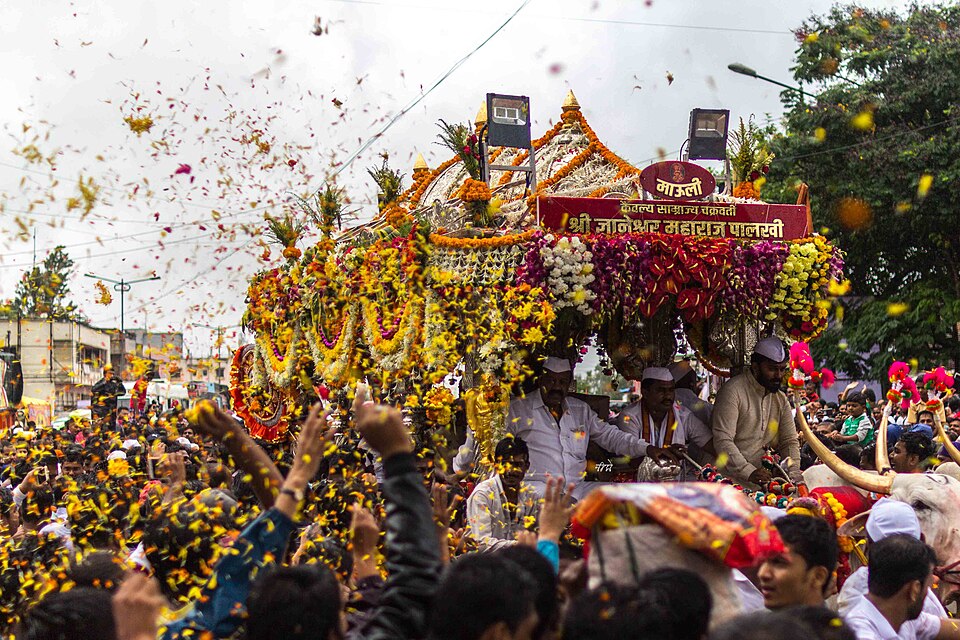
Ashadhi Ekadashi holds exceptional importance in Pandharpur due to its deep cultural and spiritual associations. It is celebrated here because:
- It marks the culmination of the Pandharpur Wari, the centuries-old walking pilgrimage of Varkaris
- It signifies the beginning of Chaturmas, when Lord Vishnu is believed to enter a cosmic rest period
- It is dedicated to Lord Vitthal (Vithoba), worshipped as a form of Lord Vishnu
- It brings together millions of devotees at the Shri Vitthal Rukmini Temple
- It represents Maharashtra’s Bhakti movement tradition of equality and devotion
Pandharpur becomes the central spiritual hub of Maharashtra during this period.
What is Pandharpur Wari and why is it important?
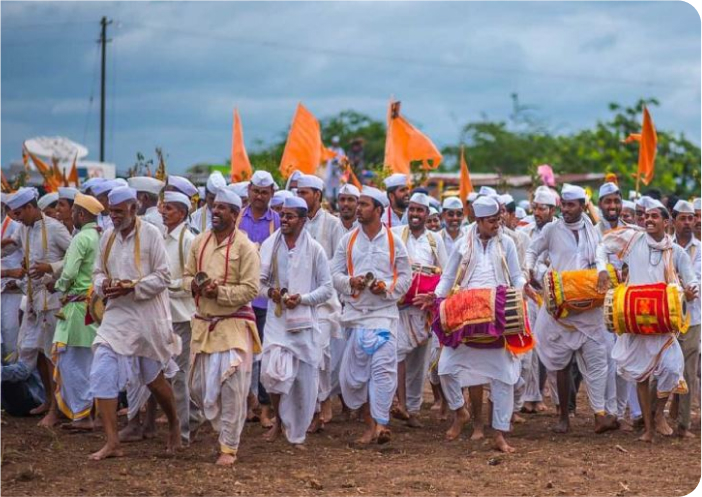
The Pandharpur Wari (also called Pandharpur Vari) is a devotional pilgrimage tradition in Maharashtra dedicated to Lord Vitthal.
Key highlights:
- Over 800–1,000 years of cultural history
- Pilgrims called Warkaris walk from various parts of Maharashtra
- The journey culminates on Ashadhi Ekadashi in Pandharpur
- It is a 18–21 day journey completed on foot before reaching the temple town
- It promotes equality across caste and social backgrounds
- Includes singing abhangs (devotional songs) of saints like Sant Dnyaneshwar and Sant Tukaram
The Wari is not just a pilgrimage but a structured cultural movement rooted in Bhakti tradition.
What is the Pandharpur Wari route in 2026?
The Pandharpur Wari route varies by palakhi (procession), but the two most prominent ones originate from:
Main Wari routes:
- Sant Dnyaneshwar Maharaj Palakhi: Alandi → Pune → Saswad → Jejuri → Pandharpur
- Sant Tukaram Maharaj Palakhi: Dehu → Pune → Indapur → Pandharpur
Key route characteristics:
- Total distance: ~250–300 km (depending on route variation)
- Duration: 18–21 days of walking
- Daily average: 20–30 km on foot
- Stops: Villages host food, shelter, and medical aid camps
The journey is designed as a disciplined spiritual walk with fixed halts called tapasthans.
What does a typical Pandharpur itinerary look like for Warkaris?
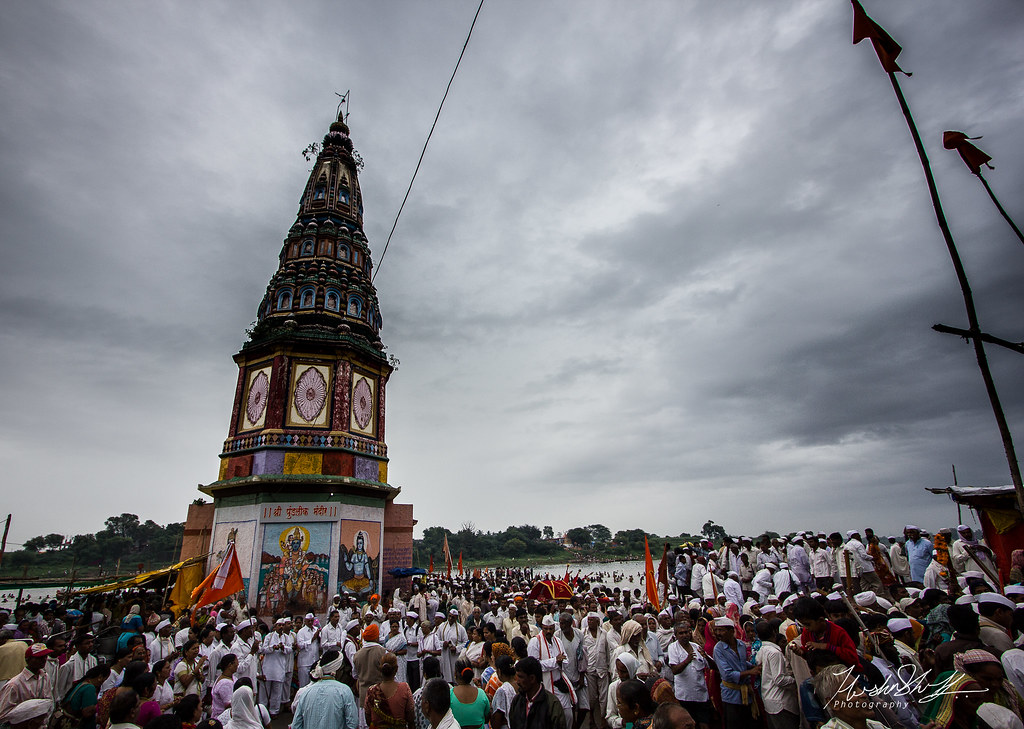
A Pandharpur itinerary for pilgrims follows a structured daily rhythm rather than tourist-style travel planning.
Daily routine of Warkaris:
- Early morning prayers and abhang chanting
- Group walking with palakhi procession
- Midday halt for rest and community meals (prasad)
- Evening bhajans and kirtans
- Overnight halt at designated village camps
The itinerary emphasizes devotion, walking discipline, and community participation rather than sightseeing.
Why is Pandharpur Wari considered Maharashtra’s largest pilgrimage?
The Pandharpur Wari is often described as one of the largest organized pilgrimages in India due to its scale and continuity.
Key reasons:
- Participation of 10–15 lakh devotees annually
- Continuous tradition spanning several centuries
- Fully organized walking pilgrimage system
- Strong volunteer and village support network
- Inclusion across caste, class, and rural-urban backgrounds
Its scale peaks on Ashadhi Ekadashi when pilgrims arrive at Pandharpur temple.
What happens at Pandharpur on Ashadhi Ekadashi?
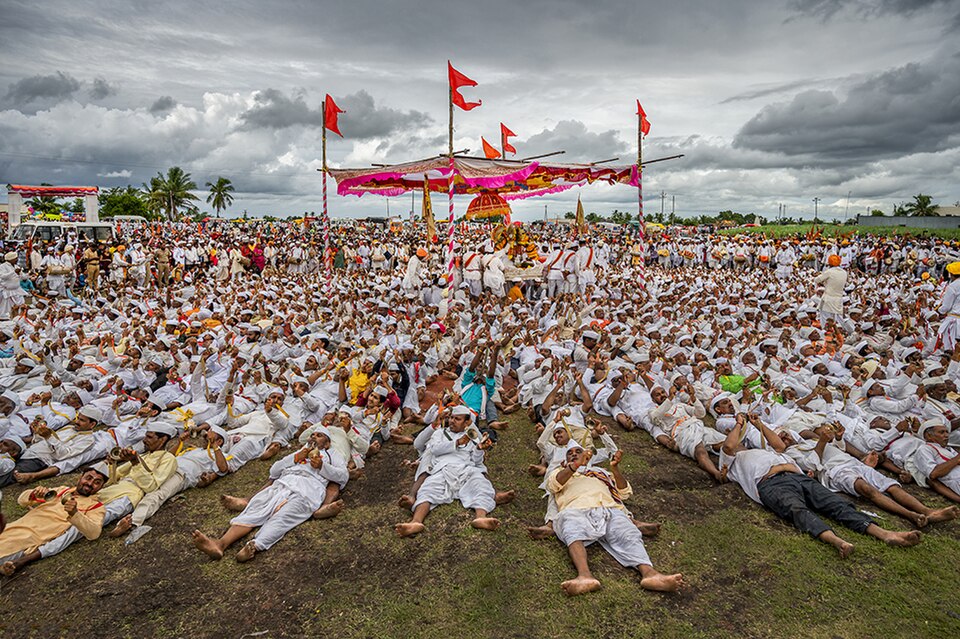
On Ashadhi Ekadashi, Pandharpur becomes the focal point of devotion.
Key events include:
- Early morning Vitthal-Rukmini darshan
- Massive queues of Warkaris for temple entry
- Continuous chanting of “Vitthal Vitthal”
- Ritual baths in Chandrabhaga River
- Collective abhang singing near the temple
The temple town operates under crowd-control systems due to extremely high footfall.
How to plan a visit to Pandharpur during Wari?
A planned visit requires early preparation due to crowd density.
Practical tips:
- Book accommodation 2–3 months in advance
- Expect heavy traffic and restricted vehicle access near temple
- Carry basic essentials and identification
- Prefer early arrival before Ekadashi day
- Use designated parking and shuttle services
Pandharpur becomes extremely crowded during the final Wari phase.
FAQs
What is the Ashadhi Ekadashi 2026 date?
Ashadhi Ekadashi 2026 falls on 25 July 2026 and is observed as a major fasting day dedicated to Lord Vitthal in Maharashtra.
Where does Pandharpur Wari start?
Pandharpur Wari mainly starts from Alandi (Sant Dnyaneshwar Palakhi) and Dehu (Sant Tukaram Palakhi), both near Pune in Maharashtra.
How long is the Pandharpur Wari pilgrimage?
The Wari typically lasts 18 to 21 days, covering approximately 250–300 km on foot depending on the route.
What is special about Pandharpur Wari?
It is one of India’s largest walking pilgrimages, uniting lakhs of devotees in a structured devotional journey rooted in Maharashtra’s Bhakti tradition.
Which river is important in Pandharpur pilgrimage?
The Chandrabhaga River (Bhima River) is sacred in Pandharpur and is central to ritual bathing during Ashadhi Ekadashi.
Can tourists join Pandharpur Wari?
Yes, visitors can walk parts of the route, but they must respect discipline, timings, and devotional practices followed by Warkaris.
What is the significance of Lord Vitthal in Pandharpur?
Lord Vitthal is considered a form of Krishna/Vishnu and is the central deity of devotion for Warkaris in Maharashtra.