
Behdienkhlam Festival 2026 (July 11–14): Meghalaya’s Most Unique Monsoon Festival in Jowai
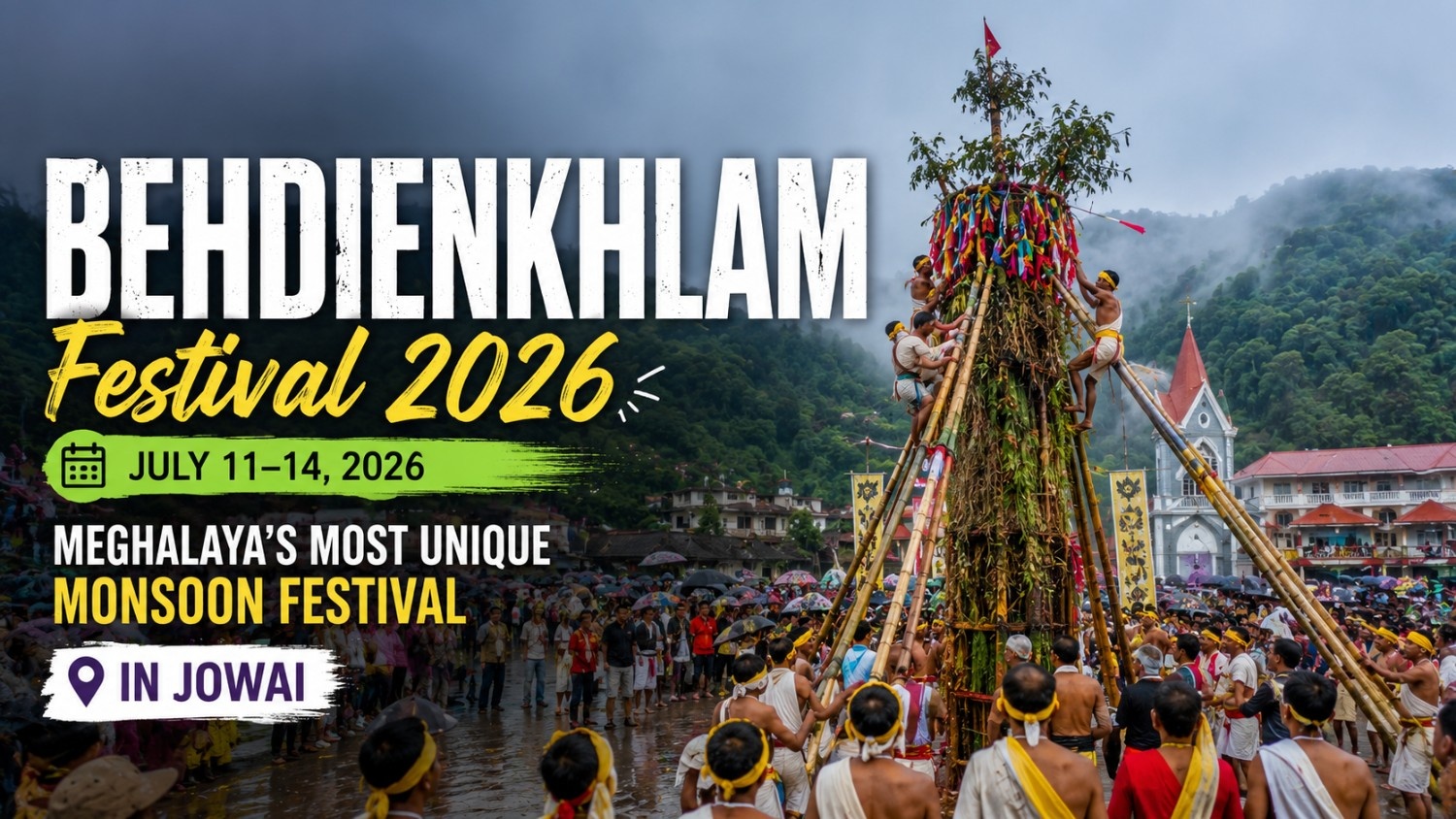
The Behdienkhlam Festival is a four-day harvest and rain festival celebrated every July by the Pnar (Jaintia) tribe of Meghalaya, rooted in ancient rituals that drive away plague and disease while praying for abundant crops. Held in Jowai, the headquarters of West Jaintia Hills district, the 2026 edition runs from July 11 to 14 — and if you’ve never seen giant wooden towers being carried through rain-drenched streets while drummers go full chaos mode, you’re missing one of India’s most visceral and underrated cultural spectacles.
No glossy stage sets. No ticketed bleachers. Just raw tradition, monsoon mud, and a crowd that genuinely means every beat of the drum.
In this Blog
What Is the Behdienkhlam Festival?
The name Behdienkhlam comes from the Pnar language: Beh (to drive away), dien (with sticks), and khlam (plague or pestilence). Literally, it means “driving away evil with sticks” — which, frankly, is the most metal origin story a festival can have.
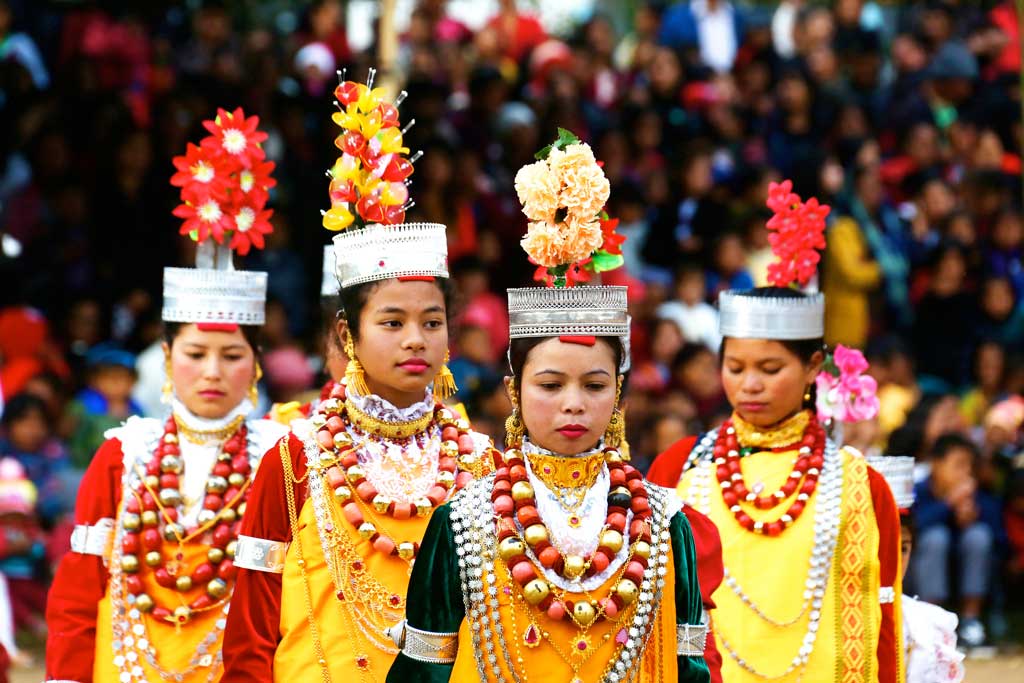
Celebrated by the Pnar tribe, one of the sub-groups of the broader Jaintia community, the Behdienkhlam Festival is celebrated in Meghalaya, specifically in and around Jowai. The Pnar people are animists who follow the Niamtre faith, and this festival is one of their most sacred annual expressions — a thanksgiving to God (Almighty U Blei) for the harvest and a communal cleansing ritual against disease.
The Behdienkhlam Festival is celebrated by the Pnar (Jaintia) tribe of Meghalaya, every year in July, in Jowai. In 2026, it falls on July 11–14.
Is Behdienkhlam a state holiday? Yes — it is a gazetted public holiday in Meghalaya, recognised by the state government, which reflects how central this festival is to the region’s cultural identity.
Behdienkhlam Festival Date 2026: Mark Your Calendar
The Behdienkhlam Festival 2026 dates are July 11 to July 14. The festival is not fixed to the Gregorian calendar by a static date — it follows the traditional Pnar lunar calendar, which is why the exact dates shift slightly year to year. In 2026, the four-day window lands mid-July, right in the heart of Meghalaya’s monsoon season.
Key dates at a glance:
| Date | Key Ritual / Event |
| July 11 | Opening rituals; community processions begin |
| July 12 | Rots (decorated wooden structures) carried through streets |
| July 13 | Main procession day; beating of the khlam (plague) |
| July 14 | Closing rituals; Dad-lawakor ball game played in sacred pool |
Pro tip: Plan to arrive in Jowai by July 10 to catch the setup and soak in the pre-festival energy. Accommodation fills up fast — book at least 6–8 weeks ahead.
The Rituals That Make Behdienkhlam Unlike Any Festival in India
The Rot — Meghalaya’s Most Spectacular Procession Object
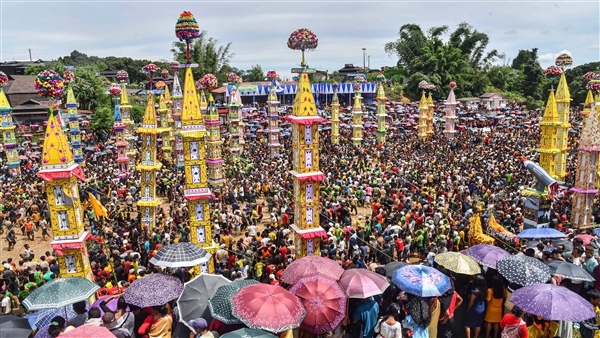
The visual centrepiece of Behdienkhlam is the Rot — enormous wooden towers, sometimes 30–40 feet tall, elaborately decorated with feathers, bamboo, cloth, and intricate carvings. Young men from each shnong (village ward) compete to build the tallest and most ornate Rot, then carry it through the streets on their shoulders in a procession that’s equal parts devotion and friendly rivalry.
The Rot is eventually immersed in the Myntdu River at the end of the festival — a symbolic offering to the divine.
Beating the Khlam
Groups of men march through every lane and alley of Jowai, striking the rooftops and walls of homes with long wooden sticks or bamboo poles. This khlam-beating ritual is the literal enactment of the festival’s name — driving out disease and misfortune from every household, one roof at a time. It’s loud. It’s cathartic. It’s oddly moving to watch an entire community take physical action against invisible evil.
Dad-Lawakor: The Sacred Football Match
On the final day, the men of Jowai play a traditional ball game called Dad-Lawakor in a sacred water pool. The game determines which clan’s territory will have the best harvest that year — the clan whose team wins is believed to receive divine favour for the coming season. It’s ancient, it’s competitive, and it’s nothing like anything you’ll find in a tournament bracket.
Why Is Behdienkhlam Celebrated? The Spiritual Logic Behind the Spectacle
Why is Behdienkhlam celebrated? At its core, the festival weaves together three intentions: gratitude, protection, and community cohesion.
The Pnar people traditionally believed that plague and disease — khlam — were malevolent spiritual forces that could be expelled through collective ritual action. By marching together, beating boundaries, building offerings, and playing sacred games, the entire community participates in both a spiritual cleanse and a harvest prayer simultaneously.
This is not a festival that was “revived” for tourism. It has been practised continuously for centuries, and today’s version in Jowai retains its original religious structure, even as it draws visitors from across India and beyond.
Jowai: The City You’ve Been Overlooking in Meghalaya
Most Meghalaya travel itineraries start and end with Shillong and Cherrapunji. Jowai, the principal city of West Jaintia Hills, gets skipped — which is exactly why you should go.
Located about 65 km from Shillong, Jowai sits at an elevation of roughly 1,380 metres and has the cool, misty personality you’d expect from a Meghalaya hill town, minus the tourist crowds. During the Behdienkhlam Festival, however, the city’s population effectively doubles as Pnar communities from surrounding villages converge on Jowai.
Getting to Jowai:
- From Shillong: ~2 hours by road (NH6)
- From Guwahati: ~4.5 hours by road
- Nearest airport: Shillong Airport (UMP), ~90 km away
- Nearest major railhead: Guwahati Railway Station
How to Reach Jowai for the Behdienkhlam Festival
Getting to the festival is straightforward with a little planning:
- By Air: The nearest major airport is Guwahati (Assam), ~195 km away (5–6 hours by road). Shillong’s Umroi Airport (~76 km) has limited flights.
- By Road: Jowai is ~64 km from Shillong, roughly a 2–3 hour scenic drive through the hills. Shared taxis and private cabs run regularly.
- By Rail: The nearest major railhead is Guwahati, and then continue by road.
Best time tip: Arrive a day early. Monsoon rain is common (and considered auspicious for the festival), so build buffer time into your itinerary.
Meghalaya Beyond Behdienkhlam: Places to Visit While You’re There
If you’re travelling to Jowai for the festival, it makes every kind of sense to extend the trip and explore the wider region. Meghalaya is one of India’s most dramatically beautiful states, and the monsoon season — despite what nervous itinerary planners will tell you — is arguably the best time to see it.
Top Meghalaya Tourist Places Worth Combining With Your Festival Trip
1. Nohkalikai Falls, Cherrapunji: India’s tallest plunge waterfall is at its thundering best in July. The falls drop over 340 metres into a turquoise pool — a genuinely jaw-dropping sight that earns its reputation.
2. Dawki and Umngot River: The crystal-clear Umngot River at Dawki is one of India’s great natural miracles. Even in the monsoon, when visibility into the riverbed reduces slightly, the surrounding landscape turns an almost absurd shade of green.
3. Living Root Bridges, Cherrapunji / Mawlynnong: The double-decker root bridge at Nongriat is one of the best things to do in Meghalaya — a genuine engineering wonder grown over centuries by the Khasi people. Plan for a moderately strenuous trek.
4. Mawsynram: the wettest place on earth (in competition with Cherrapunji, depending on the year) — worth visiting if you want to witness rain in its most committed form.
5. Shillong: Meghalaya’s capital is one of India’s most charming hill cities. Don’t miss Ward’s Lake, Police Bazaar, and the cafe culture that’s put Shillong on India’s speciality coffee map. Meghalaya nightlife, for a hill station, is also genuinely lively here — live music venues, small bars, and a music scene that punches well above the city’s size.
6. Laitlum Canyons: A hidden gem near Shillong — dramatic canyon views that reward the short hike it takes to reach them. Very photogenic, very under-visited.
7. Elephant Falls: A popular Shillong attraction that’s atmospheric in the monsoon and accessible for all ages.
8. Siju Caves and Tura, Garo Hills: If you’re extending significantly, the Garo Hills in western Meghalaya offer caves, wildlife (Nokrek National Park), and a completely different cultural flavour from the Khasi and Jaintia Hills.
Adventure Activities in Meghalaya to Add to Your Itinerary
Meghalaya isn’t just scenery and festivals — it’s one of Northeast India’s best destinations for adventure activities. Here’s what to consider building into your trip:
- Caving (Spelunking): Meghalaya has some of South Asia’s longest cave systems. Krem Liat Prah is the longest natural cave in the Indian subcontinent. Guided caving trips are available from Cherrapunji and Siju.
- Trekking: Routes through the Khasi and Jaintia Hills range from accessible day hikes (Laitlum, David Scott Trail) to multi-day expeditions.
- Kayaking and River Rafting: The Umngot and other rivers offer kayaking experiences, especially rewarding post-monsoon.
- Ziplining: Available near Shillong for a quick adrenaline hit.
- Camping: Monsoon camping in Meghalaya — particularly around Mawphanlur and Laitlum — is a niche but growing option for those who don’t mind getting thoroughly wet.
Where to Stay: StayVista Villas Near Meghalaya
Planning a group trip for Behdienkhlam 2026? A private villa stay transforms the experience — you get a base that’s actually relaxing after the intensity of the festival crowds, with space to decompress, cook, and explore at your own pace.
StayVista offers a curated collection of premium villas across Northeast India and surrounding regions. Whether you’re looking for a hillside retreat near Shillong, a riverside property, or a group villa for extended family or friends, StayVista’s inventory is worth checking early — availability during festival season in Meghalaya moves fast.
Practical Travel Tips for Behdienkhlam Festival 2026
- Best time to arrive: July 10 (the day before the opening rituals)
- Weather: Expect heavy monsoon rain. Pack waterproof shoes, a quality rain jacket, and a dry bag for your camera/phone.
- Photography: The processions are public and photographing them is generally welcomed, but be respectful during religious rituals and ask before photographing individuals closely.
- Language: Pnar and Khasi are the primary local languages; Hindi is understood in most commercial areas. English works well in Shillong.
- Local guides: Hiring a local guide in Jowai significantly enhances the experience — they’ll explain ritual context that isn’t visible to the uninitiated eye.
- Cash: Carry cash. ATM availability in Jowai is limited and may run dry during the festival season.
- Crowds: The main procession on July 13 is the most crowded. Arrive early (6–7 AM) for a good vantage point.
FAQ: Behdienkhlam Festival — People Also Ask
The Behdienkhlam Festival is a traditional harvest and rain festival of the Pnar (Jaintia) tribe of Meghalaya, celebrated annually in Jowai to drive away disease and pray for a good harvest. It involves processions, sacred rituals, and a traditional ball game.
The Behdienkhlam Festival is celebrated in Meghalaya, specifically in Jowai, the headquarters of the West Jaintia Hills district.
It is celebrated by the Pnar tribe, also known as the Jaintia people, who follow the indigenous Niamtre faith.
The Behdienkhlam Festival 2026 dates are July 11 to July 14, held in Jowai, Meghalaya.
Yes, Behdienkhlam is a gazetted public holiday in Meghalaya.
Behdienkhlam is celebrated to drive away plague and disease (khlam), offer thanksgiving for the harvest, and seek divine blessings for the coming agricultural season. The name literally means “to drive away plague with sticks.
Yes, the festival is open to visitors. There is no ticketing system — the processions happen through Jowai’s streets and are publicly accessible.
The Rot is a large decorated wooden tower built by each community ward and carried through the streets during the Behdienkhlam procession. It is ultimately immersed in the Myntdu River as a divine offering.
The Takeaway: Some Festivals Deserve the Journey
India has hundreds of festivals. Most of them are beautiful. But the Behdienkhlam Festival belongs to a rarer category — festivals where the ritual hasn’t been softened for outside eyes, where the community isn’t performing for you, where you’re genuinely a guest at something ancient and still fully alive.
July 11–14, 2026. Jowai, Meghalaya. Add it to the list — and then actually go.