
Best Ropeways in India 2026 | Scenic Rides With the Best Mountain Views
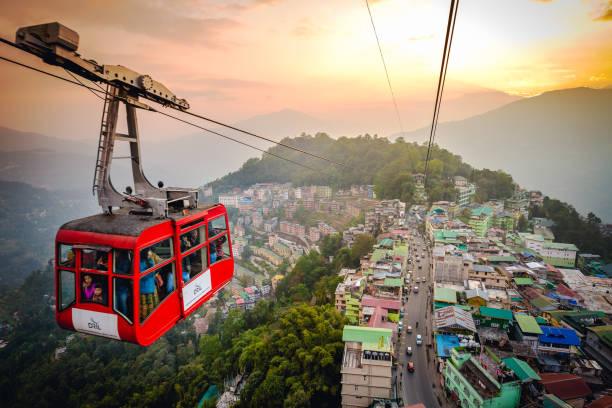
Ropeways in India and cable cars have become one of the fastest-growing ways to experience India’s mountain landscapes: short enough for a day visit, dramatic enough to feel like an expedition. In 2026, India’s ropeway network continues to grow with scenic mountain gondolas, heritage ropeways and new urban aerial transport projects, making these rides an increasingly exciting part of travel across the country. This guide visits five of the country’s most talked-about ropeways and explains what makes each special, gives practical tips, and suggests the best seasons and photo windows for every ride.
In this Blog
Why ride a ropeway in India in 2026?
Ropeways in India do three things at once: they solve access (steep slopes become trivial), amplify views (the aerial angle is unbeatable for mountain photography), and add an experience – a fourteen-minute glide can be the highlight of a trip. Recent investments and upgrades under India’s National Ropeways Development Programme mean better safety standards, modern gondolas, and a wave of new projects – from tourist-friendly links to major pilgrimage connectors – making 2026 a strong year for aerial sightseeing.
1. Solang Valley (Manali) – Winter panoramas and alpine greenlands
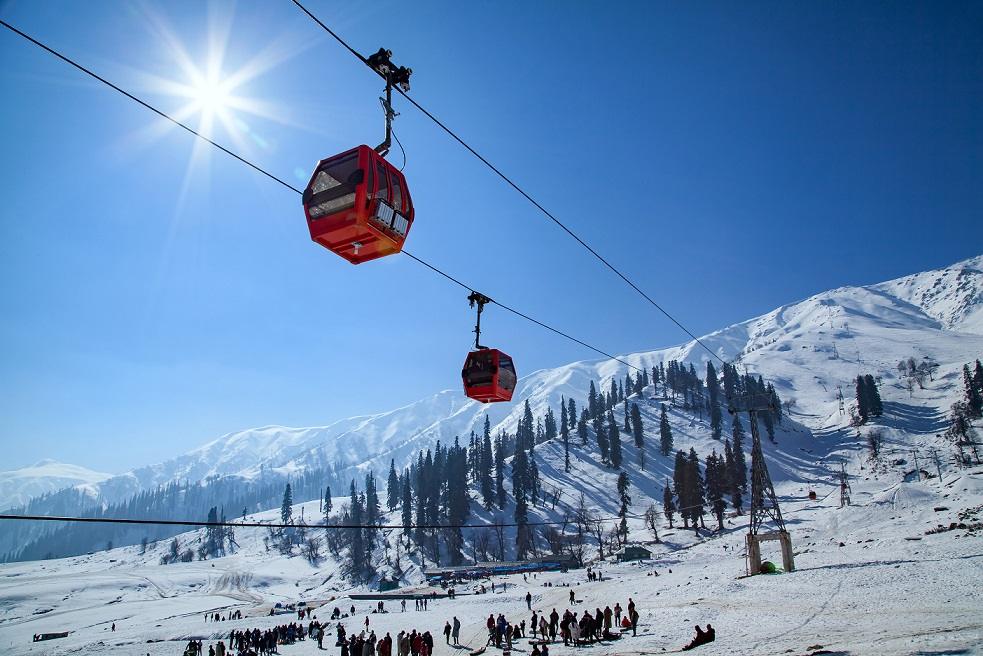
Why go: Solang’s cable car is the easiest way to ascend above the valley floor for unobstructed views of the Pir Panjal and the Kullu valley. The ride gives a strong seasonal contrast – white, crystalline panoramas in winter and lush, tea-green slopes and streams in summer.
What to expect: The Solang ropeway is a fairly short gondola ride that takes riders from the valley up toward higher slopes used for snow sports and paragliding launch areas. The trip is popular with families and adventure travellers alike and is often combined with skiing, snow tubing, or paragliding packages. Expect a busy queue in peak months (Dec–Feb for snow; May–June for summer weekends).
Tips:
- Best light: Late afternoon in winter for low-angle sunlight on the snow; early morning in summer for cleaner air.
- Tickets & timing: As of 2026, Solang Ropeway tickets are generally available from the base station and through authorised booking platforms. The ride operates during daytime, typically between 9:30 AM and late afternoon, though timings remain weather-dependent. Expect higher visitor numbers during the winter snow season and summer holidays, so arriving early is recommended
- Safety & gear: The cabin is enclosed; bring warm layers in winter and a windproof jacket even in summer.
Why it stands out: Solang’s ropeway is often chosen by first-time mountain cable-car riders because it pairs a comfortable ride with immediate access to adventure-sports options.
2. Pelling (Sikkim) – Himalayan panoramas with local flavour
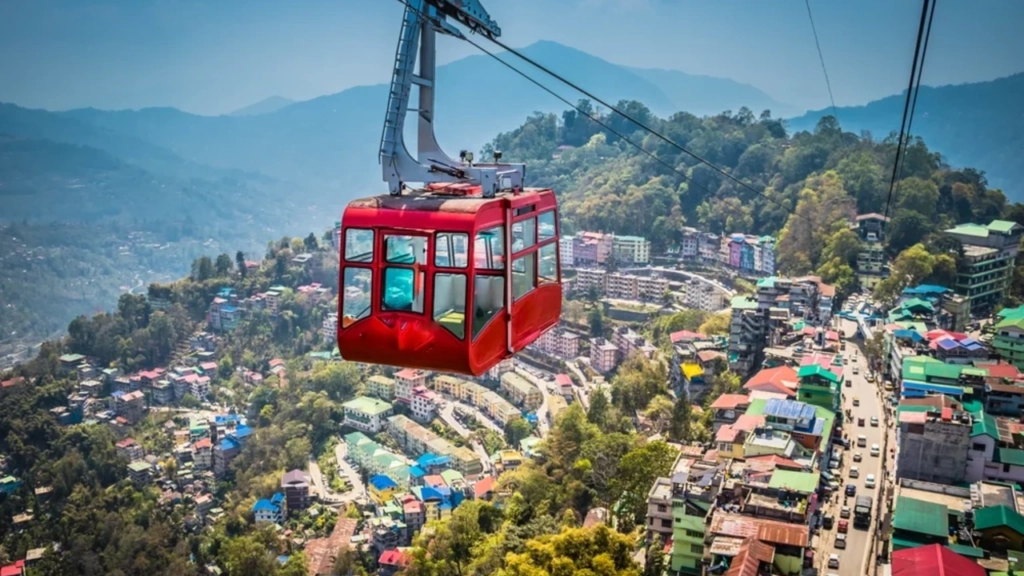
Why go: Pelling’s ropeway (and skywalk attractions nearby) provide a classic Himalayan vantage point over the Kanchenjunga range on clear days. While Pelling is more known for temples and skywalks, the area’s ropeway offerings have become a popular short excursion for travellers based in Gangtok or Darjeeling-bound circuits.
What to expect: The Pelling ropeway delivers sweeping views across valleys and terraced slopes, and it often links visitors directly to skywalk points and viewpoints. Infrastructure and ticketing can be variable – some newer installations are privately run and marketed locally, so it’s sensible to check recent traveller reports before planning. Trip reports and recent visitor videos show the route offering clean, elevated views and a relatively short ride suitable for families.
Tips:
- Best days: Choose clear, wind-still days – mountain haze can obscure even dramatic ranges.
- Combine it: Link the ride with a visit to the nearby Chenrezig statue, Pemayangtse Monastery, or the glass skywalk for a full-day Pelling loop.
- Expect queues in peak season (spring–autumn).
Why it stands out: Pelling is less crowded than larger Himalayan centres; the ropeway adds a fresh perspective to a classic Sikkim itinerary.
3. Rajgir (Bihar) – Culture, history, and a surprisingly scenic ascent
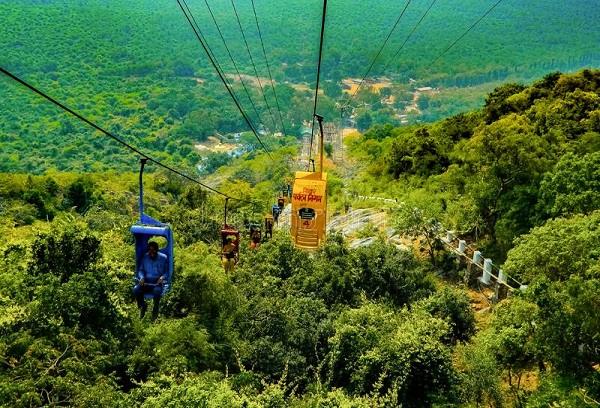
Why go: Rajgir’s ropeway is a different sort of mountain ride: it takes pilgrims and sightseers up Ratnagiri Hill to the Vishwa Shanti Stupa (Peace Pagoda) and provides a wide-view shot of the ancient Nalanda region’s rounded hills. The ropeway is an efficient way to reach the stupa without a forest walk or vehicle access, and the aerial view frames Rajgir’s unusual bowl of hills beautifully.
What to expect: Short but scenic, the Rajgir ropeway caters heavily to visitors interested in religion and history. The channel connects base stations with the Hilltop Stupa and offers a bird’s-eye perspective of meadows, temple clusters, and the surrounding low hills. State tourism lists the Rajgir Ropeway with daytime operations and online booking facilities. However, services can occasionally be suspended because of technical maintenance or adverse weather, so travellers should always verify the operating status before visiting.
Tips:
- Best for culture + photos: Early morning to capture soft light on the stupa and fewer people on the plaza.
- Wear comfortable shoes: Once at the top, there are steps and walkways around the stupa and viewpoints.
- Combine with: Nalanda ruins and Venu Vana for a historical day.
Why it stands out: Rajgir shows that ropeways are not only for dramatic alpine skylines – they can also improve access to cultural sites and add a photogenic aerial angle to heritage tourism.
4. Parwanoo / Timber Trail (Himachal) – Curated resort transfer and classic Himalayan swoop
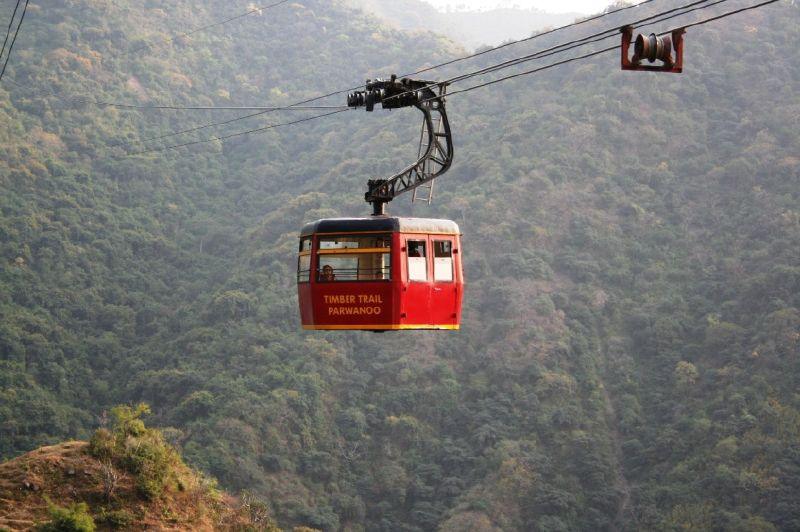
Why go: Timber Trail’s cable car in Parwanoo doubles as a resort transfer and a scenic experience, lifting guests from the highway corridor up to mountain lodges and terraces. The company has built a tourism product around the cable car, combining accommodation and the aerial ride into a single package – a neat option for a quick mountain escape from Delhi–Chandigarh.
What to expect: A well-maintained, resort-oriented cable car experience: the Timber Trail link shuttles visitors between the valley base and a cluster of hilltop hotels. The ride is scenic rather than alpine – you get long views of the Shivalik ranges, tea slopes, and rippling valleys. Timber Trail operates a regular schedule and often bundles transfers with stays at their properties.
Practical Tips:
- Best time: Spring through autumn for green views and mild temperatures; avoid monsoon peak rainfall days for a smoother ride.
- Booking: Guests staying at Timber Trail properties can conveniently access the cable car from the resort base, while day visitors can also purchase rides separately. The cable car currently operates on seasonal schedules, with summer timings extending longer than winter hours, so checking the latest departure schedule before visiting is advisable.
- Photo angle: Sit on the side facing outward toward the broader valley for unbroken vistas.
Why it stands out: Timber Trail shows how ropeways can be integrated into hospitality – the ride becomes both transfer and attraction.
5. Auli (Joshimath–Auli) – The long alpine gondola with big-mountain drama
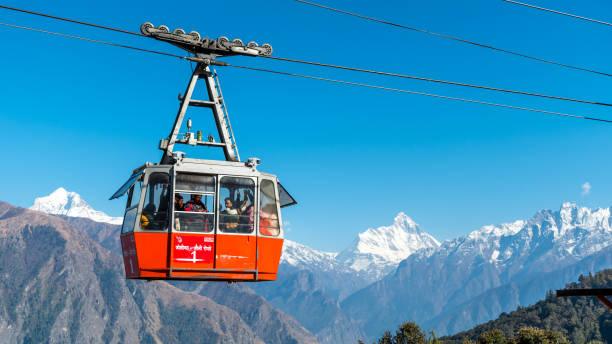
Why go: The Joshimath to Auli Auli ropeway is one of India’s longest and most dramatic – a true alpine gondola that carries passengers high across deep valleys toward skiing slopes and sweeping Himalayan horizons. The full span and the altitude gain put it in the same conversation as Asia’s notable mountain gondolas.
What to expect: The Auli ropeway covers roughly four kilometres and delivers sustained, wide-angle views across snowfields and peaks (on clear days you can sight high summits like Nanda Devi in the distance). The ride takes approximately 20–25 minutes end-to-end and is often used by skiers and hikers in winter and spring. Because the ropeway covers high terrain, weather matters – it may close in high winds or heavy snowfall. There have also been upgrades and reconstruction efforts in recent years, so itineraries should confirm current operational status before travel.
Practical tips:
- Best window: Late November–March for skiing and snow vistas; April–June for clear skies and alpine meadows.
- Time & tickets: Allow at least half a day if combining the ropeway with skiing or exploring Auli’s alpine trails. In 2026, the Joshimath–Auli Ropeway continues to operate as one of the region’s primary access routes, but weather and periodic maintenance can affect services, so confirming availability before travel remains essential.
- Accessibility: The gondola makes steep terrain accessible to non-trekkers, transforming what would be a strenuous climb into a scenic glide.
Why it stands out: Auli ropeway feels like the “big” Himalayan cable-car experience in India – long, high, and cinematic.
Where to Stay
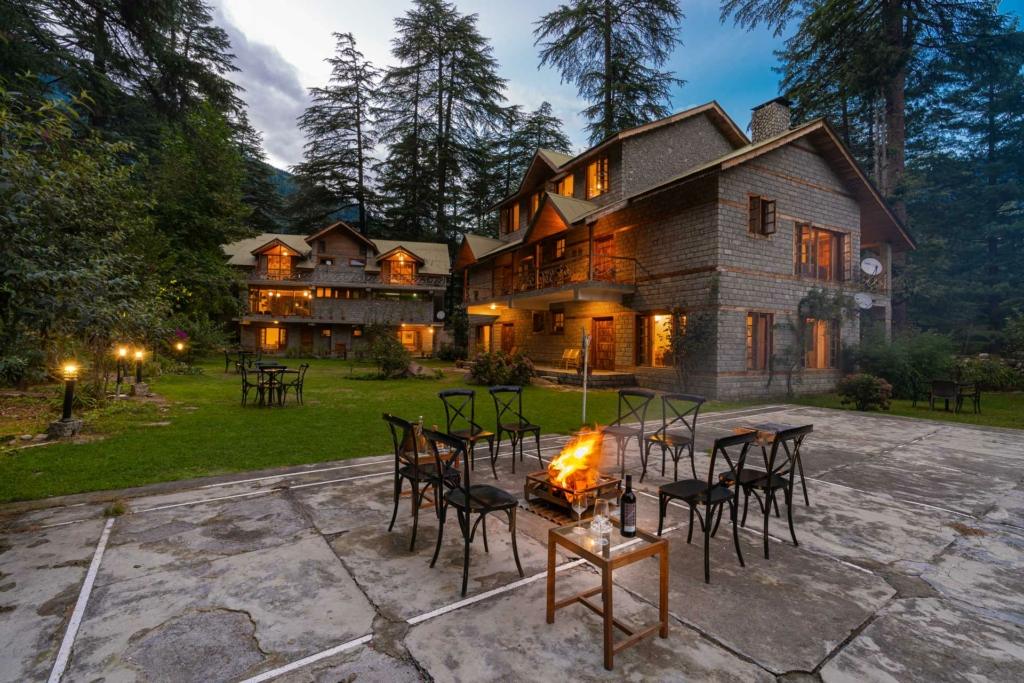
The Stargazer
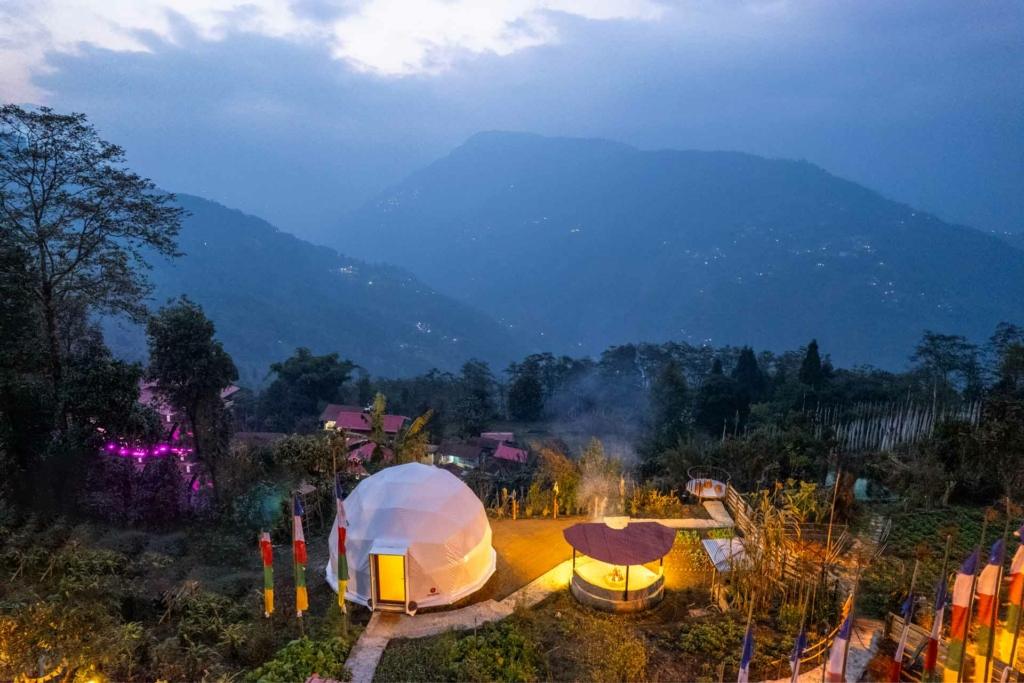
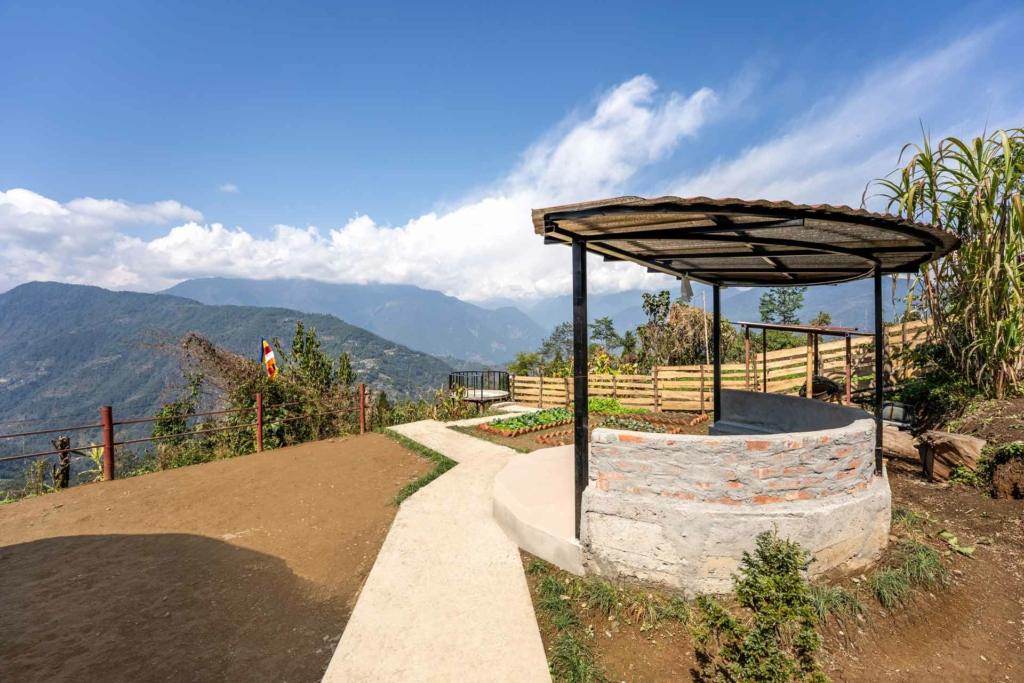
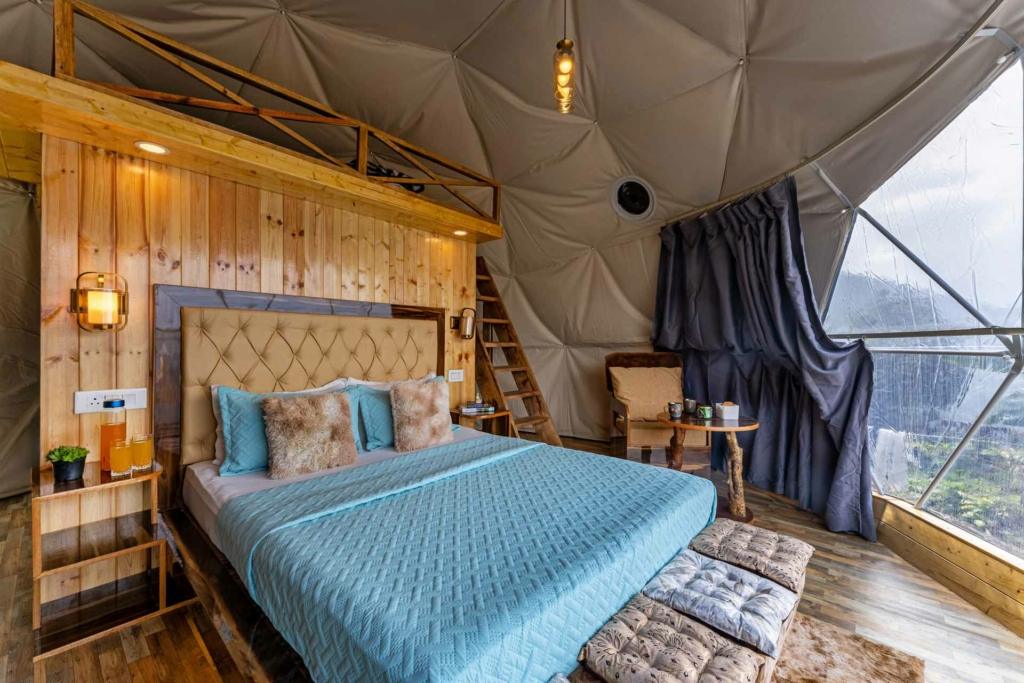
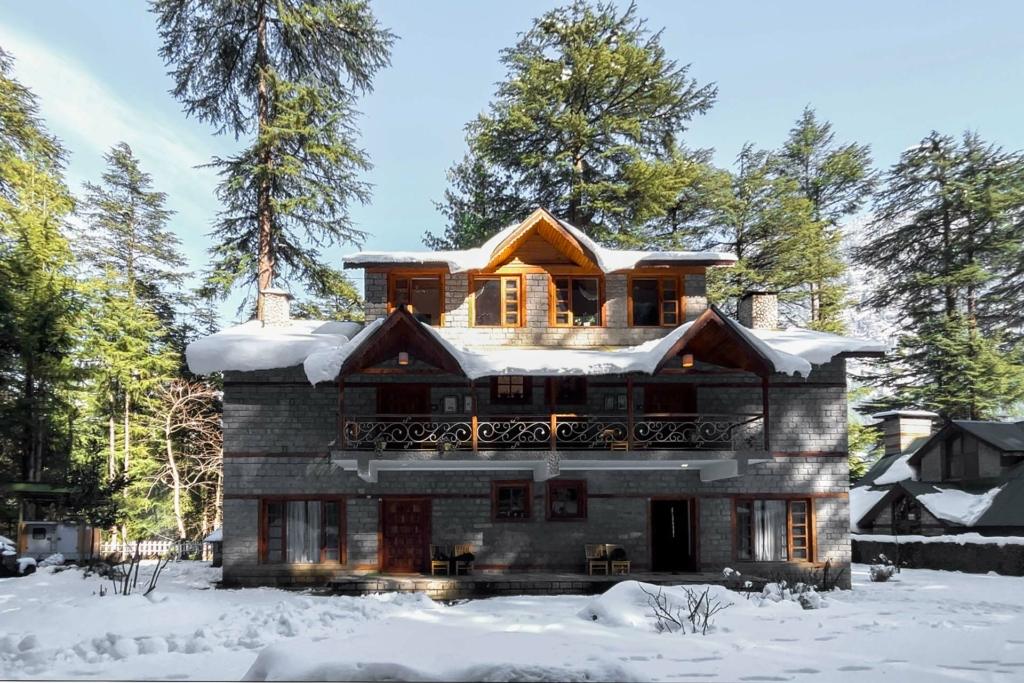
Casa Bella Vista
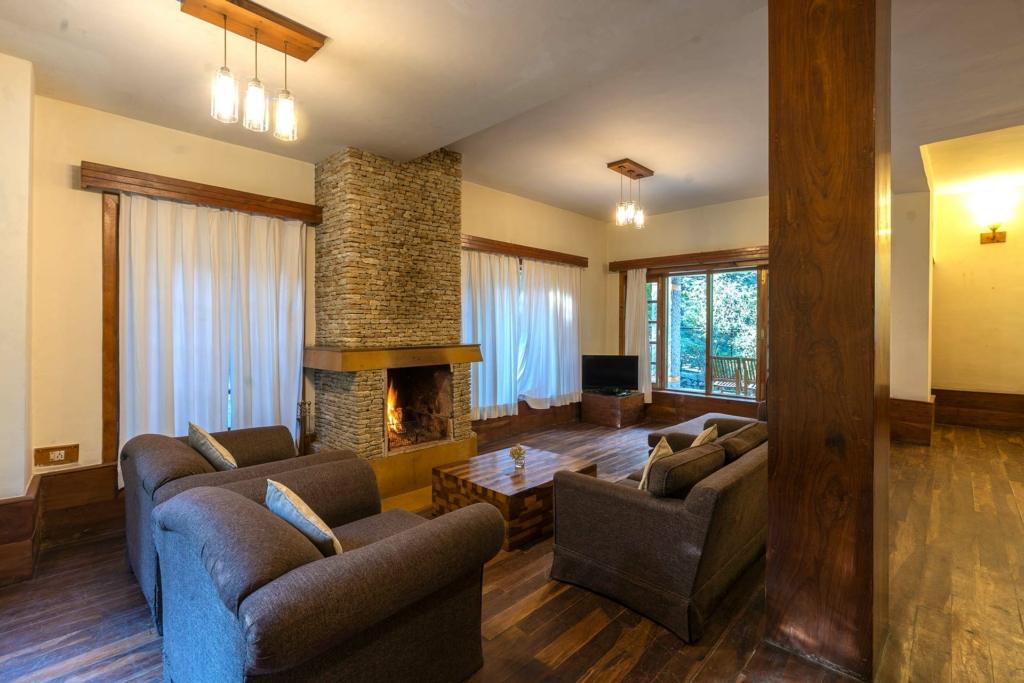
Johnson Studios
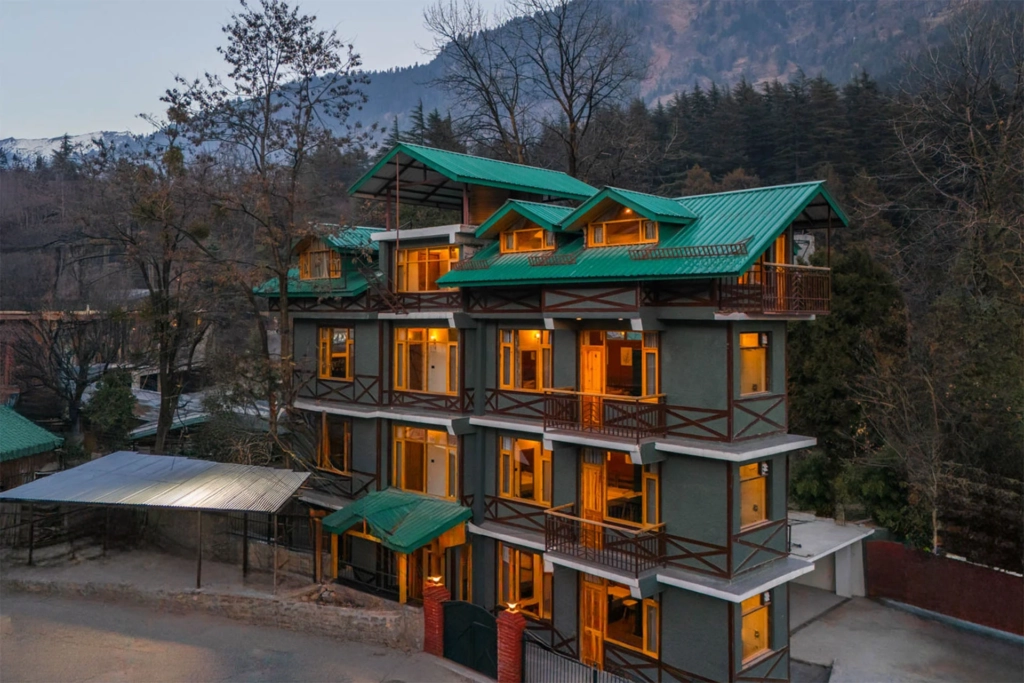
The Kathguni House
Safety, etiquette, and responsible ropeway travel
- Check weather: Ropeways in India depend on stable conditions. If the forecast predicts strong winds, fog, or storms, operators may suspend service. Always confirm the day’s operating status.
- Arrive early: Peak tourist months see queues. Arriving early morning reduces wait time and gives cleaner air for photos.
- Follow operator guidance: Instructions for boarding, baggage, and cabin conduct exist for safety – follow them strictly.
- Pack light for the cabin: Large backpacks block views and space; if you have bulky gear, check what the operator allows or stow it at the station.
- Respect local sites: Many ropeways in India serve religious or protected areas. Dress respectfully and avoid littering near stations and viewpoints.
When to plan your ropeway itinerary
- Winter (Dec–Feb): Best for snow-country ropeways (Solang, Auli) – crisp light, snow-lined peaks. Expect cold and occasional closures after heavy snowfall.
- Spring (Mar–May): One of the best windows for clear skies across the Himalaya and Sikkim; lower-altitude ropes (Timber Trail, Rajgir) are especially pleasant.
- Monsoon (Jun–Sep): Avoid high-altitude ropeways in India where visibility and landslide risk are concerns; lower, resort-oriented ropes can still operate but check local advisories.
- Autumn (Oct–Nov): Another great photography window – clean air, vivid colours, and steady operation schedules.
Photography tips for ropeway riders
- Use a small, fast camera or phone with stabilisation – cabins can sway slightly.
- Shoot through open windows if available; if not, clean glass and position close to the cabin frame to avoid reflections.
- For mountain vistas, bracket exposures or use HDR settings to retain snow and sky details.
- Capture the approach and disembark moments – they tell the story of the ride as well as the aerial view.
Ropeways in India: What’s New in 2026?
India’s ropeway landscape is expanding beyond scenic mountain destinations. One of the country’s biggest infrastructure developments in 2026 is the Varanasi Urban Public Transport Ropeway, which is nearing completion and is expected to become India’s first urban public transport ropeway. Unlike traditional tourist gondolas, this project is designed to improve everyday connectivity across one of India’s busiest heritage cities while also offering visitors a unique aerial perspective of Varanasi. As ropeways increasingly become part of both tourism and urban mobility, travellers can expect more innovative aerial transport projects across India in the coming years.
Which ride to pick?
- If you want alpine drama and skiing views: Auli. The long span and high-altitude panorama make it unforgettable.
- If you want a classic Himalayan gondola with adventure options nearby: Solang (Manali). Pair the ride with snow sports or paragliding.
- If you want heritage with an aerial twist: Rajgir. It’s quick, cultural, and photogenic at the stupa.
- If you want a resort-linked, comfort-first aerial ride: Timber Trail (Parwanoo) blends boutique stays with a scenic shuttle.
- If you want a quieter Himalayan viewpoint: Pelling offers clean vistas and local attractions on a smaller scale.
Every ropeway has its own character: some are engineering spectacles, while others offer effortless access to landscapes, heritage sites and mountain adventures. In 2026, travelling by ropeways in India is not only about panoramic views but also about experiencing a rapidly evolving mode of transport that connects destinations in increasingly innovative ways. Whether it’s the snowy slopes of Auli, the adventure-filled valleys of Solang or the cultural hills of Rajgir, each ride offers a memorable perspective on India’s diverse landscapes.
Banner Image Credit: Vivek_Renukaprasad via istockphoto