
Best Time to Visit Palampur: A Guide to Planning Your Perfect Trip
Last Updated: October, 2026
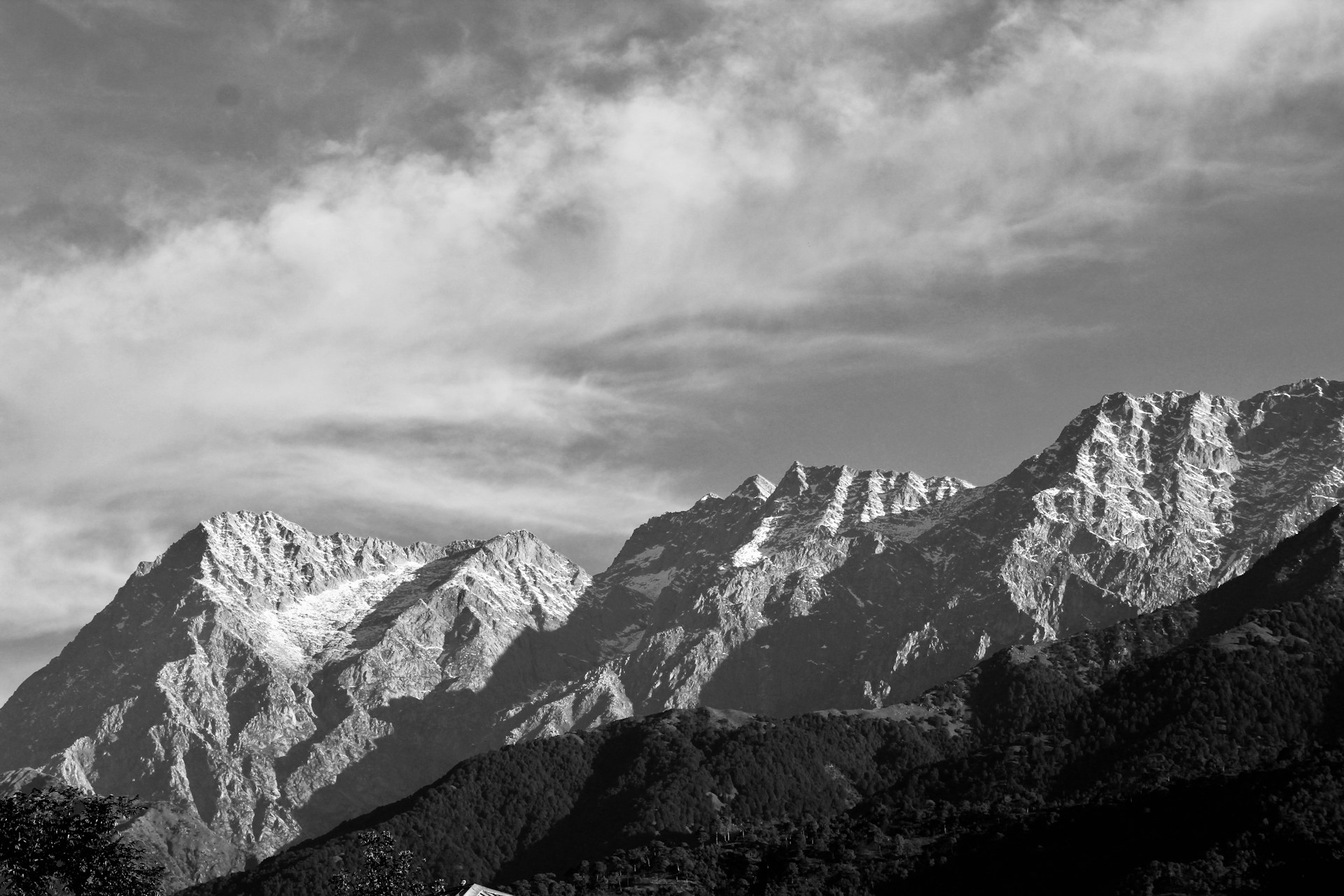
Palampur sits in the Kangra Valley of Himachal Pradesh at roughly 1,220 metres, with the snow-capped Dhauladhar range as its permanent backdrop and tea estates draped across its lower slopes. The town works as a year-round base, but each season delivers a different trip. March to June gives you clear mountain views, blooming rhododendrons, and Baisakhi fair energy. October to February rewards you with crisp air, winter Dhauladhar snow, and the autumn paragliding season across the ridge at Bir Billing. July to September turns the whole valley electric green with Himalayan monsoon, best for tea garden walks and indoor stays. Fly into Gaggal (37 km) or ride the heritage Kangra Valley narrow gauge from Pathankot (about 110 km) into Maranda station
Quick Answer:
Best overall window: March to June for pleasant weather and full access to outdoor sights, and mid September to November for clear post monsoon skies and the Bir Billing paragliding season.
Best for a quiet mountain retreat: December to February, when the valley is cold, often snow dusted, and far less crowded.
Avoid for outdoor plans: July to early September, when heavy monsoon rain can trigger landslides on Kangra valley roads and make trekking and paragliding routes unsafe.
In this Blog
Quick Info. of Palampur
| Field | Detail |
|---|---|
| Location | Kangra district, Himachal Pradesh |
| Altitude | Approximately 1,220 to 1,300 metres |
| Nearest airport | Gaggal (Kangra), around 37 km |
| Nearest major railway | Pathankot (approximately 110 km) |
| Local railway station | Maranda (Kangra Valley narrow gauge, approximately 4 km from Palampur) |
| Road distance from Delhi | Approximately 480 to 516 km |
| Best overall window | October to November and March to early June |
| Famous for | Tea estates, Dhauladhar views, Bir Billing paragliding |
| Known as | Tea Capital of North India |
How to Reach Palampur

By air: Gaggal (Kangra) airport is roughly 37 km from Palampur and the only commercial airport in the Kangra Valley. Flights connect to Delhi, with limited frequency and a history of monsoon weather cancellations. Dharamshala uses the same airport, so if the Dharamshala flight schedule is tighter on a given date, that is often the route travellers end up booking.
By train: Pathankot is the nearest broad gauge railway station, roughly 110 km from Palampur, and connects to Delhi, Mumbai, Chandigarh, and Jammu. From Pathankot, the heritage Kangra Valley narrow gauge railway runs through tea estates and valley villages into Maranda station, about 4 km from Palampur town centre. The narrow gauge ride is slow but ranks among the most scenic rail journeys in India.
By road: Palampur sits roughly 480 to 516 km from Delhi, typically a 10 to 12 hour drive via Chandigarh, Una, and the Shimla or Hamirpur route. Overnight Himachal Roadways buses from Delhi (ISBT Kashmere Gate) run daily. From Chandigarh the drive is roughly 6 to 7 hours.
March to June is considered the peak season to travel to Palampur
What to expect:
- Pleasant and cool weather
- Temperatures range from 15°C and 30°C
- A great time for outdoor activities, sightseeing, and exploring the town’s attractions
October to February is considered the moderate season to visit Palampur
What to expect:
- The weather gradually becomes colder during this period
- Temperatures range from 10°C to 25°C
- Fewer visitors, making it a great time to enjoy Palampur’s cultural attractions and quiet surroundings
July to September are considered off-season in Palampur
What to expect:
- Sudden rainfall, humid weather and chilly nights.
- March to June: Pleasant daytime warmth, cool to crisp evenings. Clearest Dhauladhar views come in April and early May before heat haze builds.
- July to September: Warm humid days, cool evenings, frequent heavy rain. Expect brief landslide-triggered road disruptions on hill routes.
- October to February: Cool to cold, with proper winter cold from mid-December through January. Light snow possible on upper reaches of the Dhauladhar range.
- Relaxing indoors, enjoying the lush greenery, and exploring tea gardens
Best Time to Travel to Palampur

The best time to travel to Palampur largely depends on the experience you’re looking for. March to June is perfect for outdoor activities, sightseeing, and exploring tourist attractions in Palampur, with pleasant weather and temperatures ranging from 15°C to 30°C. If you prefer cooler weather and fewer crowds, October to February offers a moderate climate, with temperatures between 10°C to 25°C, ideal for enjoying Palampur’s cultural attractions. For those who enjoy the monsoon vibes, July to September is off-season, with heavy rainfall and lush greenery, making it perfect for relaxing and exploring the tea gardens in Palampur.
Things to See and Do in Palampur

The town earns its reputation on three things: tea, mountain views, and a cluster of heritage temples and monasteries within a short drive. Here is what travellers typically build an itinerary around.
Palampur Tea Estates: The slopes around town are blanketed in Kangra tea gardens, among the oldest commercial tea plantings in North India. Walks through the estates in the cool early hours, with the Dhauladhar range framing the horizon, are the defining Palampur experience. The Palampur Cooperative Tea Factory and estates like Wah Tea offer tea tastings and brief estate walks.
Neugal Khad: The Neugal river gorge sits on the edge of town and opens up a sweeping Dhauladhar view platform. Monsoon turns the river thunderous. Winter dawns bring the snow line close enough to feel it on your face.
Tashi Jong Monastery: A Tibetan Buddhist monastery community about 10 km from town, home to the Khampagar lineage. The monastery compound includes a prayer hall, a crafts workshop producing traditional thangka art, and lodgings for visiting monks.
Baijnath Shiva Temple: Thirteenth century Nagara style temple to Lord Shiva, roughly 16 km from Palampur. One of the oldest active Shiva temples in the Himalayas. The temple draws its largest crowds during Maha Shivratri in February or March.
Andretta Pottery and Craft Society: The village of Andretta, about 13 km from town, was home to painter Sobha Singh and potter Mansimran Singh. The Sobha Singh Art Gallery and the Andretta Pottery studio both welcome visitors.
Chamunda Devi Temple: Roughly 30 km from Palampur on the way to Dharamshala. Important Shakti Peeth with a riverside setting on the Baner Khad.
Bir Billing: About 45 km from Palampur, this is India’s paragliding hub and the location of the autumn World Cup paragliding window. Billing is the launch site at approximately 2,400 metres and Bir is the landing meadow, with a Tibetan colony, monasteries, and cafe culture around the landing field.
Saurabh Van Vihar: A nature park dedicated to Captain Saurabh Kalia on the edge of town, with a lake, bridges, and Dhauladhar views.
Chinmaya Tapovan: Ashram complex on the banks of the Beas with a nine-metre Hanuman statue, visited for both the spiritual setting and the river views.
Festivals and Events in Palampur

Timing a visit around a festival or event changes the whole feel of a Palampur trip. The main ones to know:
Maha Shivratri at Baijnath Temple (February or March): The 13th century Baijnath temple hosts one of the Kangra Valley’s largest Shivratri congregations. If you want to see the temple at its most alive, this is the window.
Baisakhi (mid-April): The spring harvest festival marks the end of winter across Himachal. Tea estates come alive for the first flush plucking, and local villages host fairs.
Minjar Fair tie-in (late July or early August): Chamba’s Minjar Fair is only a day trip away and remains one of Himachal’s oldest living festivals.
Autumn paragliding season at Bir Billing (October and November): Autumn is the marquee window for paragliding at Bir Billing, with the clearest skies, best thermals, and international pilots on the ridge.
Dussehra at nearby Kullu (October): The Kullu Dussehra is reachable as a two to three day add on from Palampur.
Homestays in Palampur


Yes, there are several homestays in Palampur, that offer a personal and authentic experience. Staying with locals allows you to explore the region’s culture and cuisine, with places like Serendipity, Rooh at Bir and Wandering Hills being popular options.
FAQs about When to Visit Palampur
October and November give you the sharpest Dhauladhar visibility, cool but not freezing weather, and the autumn paragliding window at Bir Billing. For spring, late March to early May offers rhododendron blooms and the first flush tea plucking, with equally clear mountain views.
Palampur town itself gets occasional light snowfall in late December through January, but it is not a reliable snow destination. The Dhauladhar range above town stays snow covered for much of the year, so you get the visual payoff even without snow in the town itself.
Two days is enough for the town itself (tea estates, Neugal Khad, Chinmaya Tapovan, Saurabh Van Vihar). Three to four days lets you add Baijnath, Tashi Jong Monastery, Andretta, and a Bir Billing day trip, which is the recommended trip length.
Autumn is the main paragliding season at Bir Billing. Specific World Cup event dates vary year to year and are sometimes announced close to the window, so check with the Bir Billing Paragliding Association for the current season’s schedule before booking a trip around a specific event.
Yes. The town is compact, walkable, and the tea estate paths are among the safer walking routes in the region. Bir Billing has a strong cafe and co working culture that attracts solo travellers.
Yes, with caveats. Monsoon turns the tea gardens their most vivid green and brings the Neugal gorge to full flow, but road landslides on hill routes are common, and the Gaggal flight schedule can slip. If you choose monsoon, build a flexible buffer day into your itinerary.
For March to June, light layers plus one warm layer for evenings. For October to February, proper winter wear including thermals, a down jacket, gloves, and a cap for December and January. For July to September, waterproof jacket, quick dry footwear, and a dry bag for electronics. Walking shoes with grip help in every season because of the sloped tea estate paths.