

Chennai Weather in July & August 2026 + 12 Places to Visit
Last updated: June 2026
TL;DR: July and August in Chennai are hot and humid (around 28–34°C) with only light, intermittent showers — and that’s the key thing to know: unlike most of India, Chennai’s main rainy season isn’t the southwest monsoon but the northeast monsoon in October–December, which brings more than half its annual rain. So plan July–August as a warm, lively beach-and-heritage season — perfect for Marina Beach mornings, Mylapore temples, Fort St George and easy day trips to Mahabalipuram, Pondicherry and Kanchipuram — rather than a wet monsoon break. It’s also Aadi season, with temple festivals and citywide Aadi sales.
In this Blog
Chennai in July–August at a glance
| Weather | Hot & humid, ~28–34°C; light intermittent showers, not heavy rain |
| Chennai’s real rainy season | Northeast monsoon, October–December (≈50–60% of annual rain) |
| Best for | Beaches, temples, heritage, day trips; Aadi festivals |
| Festival | Aadi Perukku — 3 August 2026 |
| Nearest airport | Chennai International (MAA) |
| Ideal duration | 2–4 days (more with day trips) |
Chennai weather in July and August 2026
Here’s the fact that trips up most planners: Chennai sits on India’s southeast coast, which the southwest monsoon (June–September) largely misses. Those rain-bearing winds shed most of their moisture over the Western Ghats before they reach Tamil Nadu’s east coast, so the southwest monsoon delivers only about a fifth of Chennai’s yearly rain. The city’s real downpours arrive with the northeast (retreating) monsoon from October to December, which accounts for well over half of its annual total.
What that means for July and August: expect hot, humid days of roughly 28–34°C (climbing towards 36°C at times), high humidity around 80–90%, and occasional short showers rather than the steady rain you’d find in Mumbai or Kerala. July sees around 100 mm of rain over a handful of days; August is marginally wetter. Sea breezes off the Bay of Bengal take the edge off the afternoons.
So if you’re picturing a green, rainy monsoon escape, Chennai isn’t it — for that, head to the Western Ghats (see our safe places to visit in monsoon guide). But as a warm, sunny, low-rain window for beaches, temples, food and heritage, July–August works very well.
Is July–August a good time to visit Chennai?
Yes — with the right expectations. The relatively dry weather (compared with the October–December deluge) keeps the city and its day-trip circuit fully accessible: beaches are open, the famous temples and museums are easy to visit, and the coastal drive south along the ECR is at its best. The trade-off is heat and humidity, so pace your sightseeing for mornings and evenings and keep hydrated.
There’s a cultural draw, too: the Tamil month of Aadi (mid-July to mid-August) fills the city’s temples with special pujas and festivals, the markets with Aadi-sale discounts, and the calendar with the riverside Aadi Perukku celebration. It’s a genuinely local, festive time to visit.
Hot-weather travel tips for Chennai
– Sightsee early morning and after 4 PM; rest or visit air-conditioned museums/malls midday.
– Carry water, sunscreen, a hat and light cottons; humidity is high.
– Swimming is generally not advised at Marina/Elliot’s beaches (strong currents) — enjoy the sand and sea views instead.
– A light umbrella covers the occasional sharp shower.
Things to do in Chennai in July–August
1. Marina Beach
One of the world’s longest urban beaches, the Marina is Chennai’s morning-and-evening social hub — best enjoyed at dawn or dusk when the heat eases, with joggers, kite-flyers and bhajji stalls for company.
– Timings: Open access; go early morning or evening. Entry: Free.
– Ideal for: Families, walkers, sunrise lovers. Safety note: Don’t swim — currents are strong; this is a beach for strolling, not bathing. Pro tip: Sunrise over the Bay of Bengal is the Marina at its best.
2. Kapaleeshwarar Temple, Mylapore
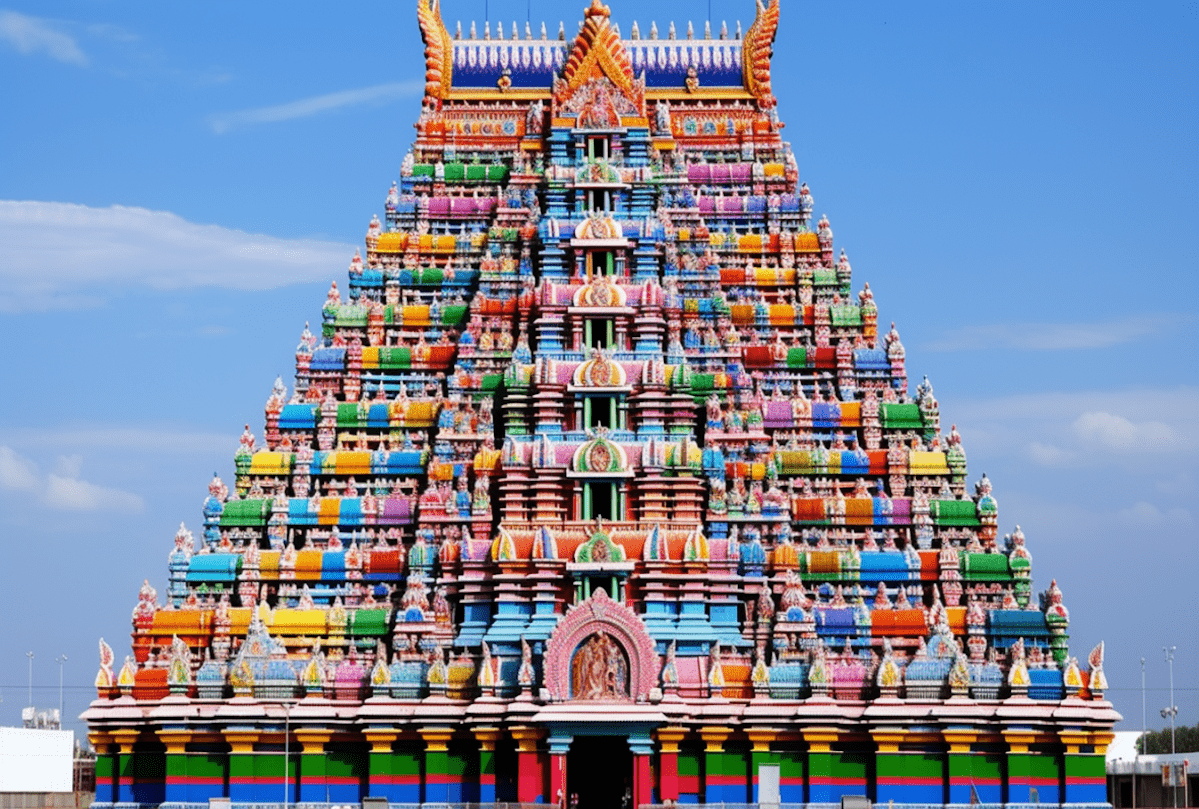
A magnificent Dravidian temple with a towering, sculpture-covered gopuram, at the heart of old Mylapore — and especially atmospheric during the Aadi festival season.
– Timings: ~5:00 AM–12:00 PM and 4:00 PM–9:00 PM. Entry: Free.
– Ideal for: Culture and architecture lovers. Pro tip: Wander the surrounding Mylapore lanes for filter coffee and silk shops; dress modestly.
3. Fort St George & Government Museum
Fort St George — the East India Company’s first Indian fortress (1640) — houses the St Mary’s Church and a museum of colonial relics, while the Government Museum at Egmore holds a superb bronze gallery.
– Government Museum timings: 9:30 AM–5:00 PM (closed Fridays); modest entry fee.
– Ideal for: History lovers. Pro tip: Both are excellent air-conditioned options for the hot midday hours.
4. San Thome Basilica
A striking white neo-Gothic cathedral built over the tomb of St Thomas the Apostle — one of only a handful of churches worldwide built over an apostle’s grave.
– Timings: ~6:00 AM–8:00 PM. Entry: Free.
– Ideal for: History and architecture lovers. Pro tip: Pair with a walk along the adjoining Santhome/Marina stretch.
5. The Theosophical Society, Adyar
A serene 260-acre green campus by the Adyar estuary, famous for its vast banyan tree and quiet garden walks — a leafy escape from the city heat.
– Timings: ~8:30 AM–10:00 AM and 2:00 PM–4:00 PM (verify on the day). Entry: Free.
– Ideal for: Nature lovers, couples. Pro tip: Mornings are coolest and best for birdlife.
6. Museums, malls & a Chola-bronze fix
When the sun is fierce, Chennai’s indoor culture shines: the bronze gallery at the Government Museum, the DakshinaChitra heritage village on the ECR, and the city’s big malls all make comfortable midday retreats.
– Ideal for: Families, rainy-or-roasting afternoons. Pro tip: DakshinaChitra (below) is the pick if you want culture rather than shopping.
Best day trips & places near Chennai
7. Mahabalipuram (Mamallapuram)
The UNESCO-listed shore town of Pallava-era rock temples is Chennai’s best day trip — the Shore Temple, the Pancha Rathas and Arjuna’s Penance, plus a relaxed beach scene.
– Entry (ASI Group of Monuments): ₹40 (Indian) / ₹600 (foreign); one ticket covers the cluster; under-15s free. Timings: sunrise–sunset (~6:30 AM–6:00 PM).
– How to reach: ~55 km south on the ECR (~1.5 hrs). Ideal for: Families, history lovers. Pro tip: Go early to beat both the heat and the crowds.
8. Pondicherry (Puducherry)
The French-colonial town down the coast is a perfect overnight or long day trip, with its mustard-yellow heritage quarter, seafront promenade and café culture.
– How to reach: ~150 km (~3 hrs) via the ECR. Time: 1–2 days. Ideal for: Couples, café-hoppers.
– Pro tip: July–August is quieter than the peak season; cycle the French Quarter early morning.
9. Kanchipuram
The “City of a Thousand Temples” and home of the famous Kanjeevaram silk sari, Kanchipuram pairs grand temple architecture with hands-on weaving workshops.
– How to reach: ~75 km (~2 hrs). Time: Day trip. Ideal for: Culture lovers, shoppers.
– Pro tip: Buy silk directly from weavers’ cooperatives for the best value and authenticity.
10. Pulicat Lake
India’s second-largest brackish lagoon, north of the city, is a birdwatcher’s delight and a peaceful contrast to urban Chennai.
– How to reach: ~60 km north (~1.5 hrs). Time: Half-day. Ideal for: Birders, nature lovers.
– Pro tip: Hire a local boat for the lagoon; mornings are best for birdlife.
11. DakshinaChitra
A living-heritage museum on the ECR recreating the homes, crafts and traditions of South India — a brilliant, partly-shaded culture stop en route to Mahabalipuram.
– Timings: 10:00 AM–6:00 PM (closed Tuesdays); ticketed entry. [VERIFY current fee]
– Ideal for: Families, culture lovers. Pro tip: Catch a folk-performance or craft demo; combine with Mahabalipuram.
12. Yelagiri or Yercaud (hill escapes)
For cooler air, the small hill stations of Yelagiri (~230 km) and Yercaud (~360 km) are easy weekend escapes from the Chennai heat, with lakes, orchards and gentle treks.
– How to reach: Yelagiri ~3.5 hrs; Yercaud ~5 hrs. Time: 1–2 days. Ideal for: Couples, families.
– Pro tip: These see gentler rain than the western hills and stay pleasant through August.
Aadi: Chennai’s July–August festival season
The Tamil month of Aadi (roughly mid-July to mid-August) is the cultural highlight of this window. Temples across the city hold special Fridays and processions, and the season climaxes with Aadi Perukku on 3 August 2026 — a riverside festival of thanksgiving for water and the monsoon’s bounty, celebrated along the Cauvery and at the city’s water bodies. Aadi is also the season of citywide “Aadi sale” discounts, when Chennai’s silk and textile showrooms slash prices — a great time to shop for Kanjeevaram and cottons.
What to pack and how to plan
Pack for heat and humidity, not rain: light cottons, sunscreen, a hat, sunglasses, a refillable water bottle and a compact umbrella for the occasional shower. Plan outdoor sights for the cooler mornings and evenings, keep air-conditioned museums and the ECR drive for the midday heat, and build in slow, hydrated afternoons. If you’re day-tripping, set off early to make the most of the cooler hours.
What and where to eat in Chennai
Chennai is one of India’s great food cities, and the heat is the perfect excuse to graze your way through it. Start the day the local way with idli, crisp dosai, ghee pongal and a tumbler of frothy South Indian filter coffee — institutions like Murugan Idli Shop, Ratna Cafe (famous for its generous sambar) and the original Saravana Bhavan are reliable favourites. Mylapore’s tiffin spots near the temple are a morning ritual worth joining.
As the sun drops, Marina Beach turns into an open-air snack street — sundal (spiced legumes), molaga bajji (chilli fritters), fresh-cut fruit and roasted corn. For something heartier, Chennai does a distinctive biryani (and the renowned Ambur and Dindigul styles are close by, via spots like Dindigul Thalappakatti), while Chettinad restaurants serve the fiery, pepper-forward cooking of Tamil Nadu’s interior. Along the coast, simple seafood shacks fry the morning’s catch.
Don’t leave without a second filter coffee — and during Aadi, look out for festival sweets and temple prasadam across the city.
Getting to and around Chennai
Chennai International Airport (MAA) is well-connected to Indian and international cities and sits about 7 km from the centre, linked by the growing Chennai Metro. Within the city, app cabs (Ola/Uber), autos and the metro cover most needs; the suburban trains are useful along the coast. For the southern day trips — Mahabalipuram, DakshinaChitra and Pondicherry — the scenic East Coast Road (ECR) is the route to take, and hiring a car with a driver for the day is the easiest, coolest option. Build in extra time during weekday rush hours, when traffic on the OMR and arterial roads slows to a crawl.
When in the season to visit
There’s little to separate July and August weather-wise — both are hot and humid with the odd shower. August has the cultural edge, thanks to the Aadi festivals and the riverside Aadi Perukku celebration on the 3rd. If you can stretch into September–October, the heat begins to ease (though October ushers in the heavier northeast-monsoon rain), so the July–August window remains the sweet spot for a dry, festival-rich visit before the real rains arrive.
A quick green break: Guindy & Elliot’s Beach
If the city heat builds, two easy escapes help: Guindy National Park — one of the few national parks inside a city, with deer, blackbuck and birdlife — and the calmer Elliot’s (Besant Nagar) Beach in the south, which is quieter than the Marina and ringed with popular cafés and the Ashtalakshmi Temple. Both make pleasant, low-key half-days between the bigger sights.
Where to stay in & near Chennai (StayVista)
- Chennai (ECR/beach): 154 Pearl Beach — a coastal home for easy access to Mahabalipuram and the ECR.
- Pondicherry: Chitrita Bhavan — a heritage-style base for a French-quarter overnight down the coast.
Planning a Chennai trip? Browse StayVista’s homes along the ECR and in Pondicherry — handy bases for the city, the beaches and the coastal day trips. (CTA 1 of 3.)
Chennai with family and first-timers
Chennai is an easy, rewarding city for families in this season, with short distances between sights and plenty of indoor backups for the hottest hours. Kids tend to love the Arignar Anna Zoological Park at Vandalur (one of India’s largest zoos) and Guindy National Park for wildlife, the B. M. Birla Planetarium and Government Museum for a dose of science and history, and DakshinaChitra on the ECR for hands-on crafts and folk performances. The calmer Elliot’s (Besant Nagar) Beach is gentler than the Marina for an evening with little ones, ringed by family-friendly cafés.
A few practicalities make it smoother: plan outdoor sights for the cooler mornings and evenings and keep museums, the planetarium and malls for the midday heat; carry water, sunscreen and caps; pack mosquito repellent; and don’t let children swim at the open beaches, where currents are strong. With a comfortable base along the coast and a car for the day trips, Chennai works well as a first South-India city for families — culturally rich, easy to navigate and full of good, inexpensive food everyone will enjoy.
FAQ: Chennai in July and August
What is the weather like in Chennai in July and August?
Hot and humid, around 28–34°C, with high humidity and only light, occasional showers. Chennai’s heavy rain comes later, during the northeast monsoon from October to December.
Is July–August a good time to visit Chennai?
Yes, if you’re after beaches, temples, heritage and day trips rather than a rainy monsoon escape. The weather is relatively dry but hot, so sightsee in the mornings and evenings. It’s also the festive Aadi season.
Does Chennai get monsoon rain in July and August?
Only lightly. The southwest monsoon (June–September) largely bypasses Chennai’s southeast-coast location, delivering about 20% of its annual rain. The main rainy season is the northeast monsoon, October–December.
What are the best places to visit near Chennai in this season?
Mahabalipuram (UNESCO rock temples), Pondicherry, Kanchipuram, Pulicat Lake and DakshinaChitra are the top day trips, with Yelagiri and Yercaud as cooler hill escapes.
When is Aadi Perukku in 2026?
Aadi Perukku falls on 3 August 2026, the high point of the Tamil month of Aadi, which runs from about mid-July to mid-August.
Is it safe to swim at Chennai’s beaches in the monsoon?
It’s best not to. Marina and Elliot’s beaches have strong currents and are meant for strolling rather than swimming; enjoy the sea views and the morning beach scene instead.
How to make the most of a Chennai visit in July–August
The winning strategy in this hot, humid window is to front-load your days and lean on the coast. Start early with the Marina at sunrise or a temple visit, retreat to an air-conditioned museum, café or mall through the fierce midday hours, and head out again in the cooler evening for the beach or a heritage walk. Devote at least one full day to the East Coast Road run — Mahabalipuram and DakshinaChitra — and consider an overnight in Pondicherry to break the heat with sea breeze and French-quarter calm. Time your shopping for the Aadi-sale discounts on silk and cottons, and build your trip around the Aadi temple festivals if culture is the draw. Stay hydrated, respect the strong currents at the beaches, and Chennai’s warm, festive, low-rain season turns out to be a fine time to explore the city and its coast.
Conclusion
July and August in Chennai are warm and lively rather than rainy — a fine, relatively dry window (its real downpours wait until October) for the Marina at dawn, Mylapore’s temples, colonial heritage and an easy run of coastal day trips to Mahabalipuram and Pondicherry, all wrapped in the festive buzz of Aadi. Beat the midday heat, lean into the mornings and evenings, and base yourself at a comfortable StayVista home along the coast.