

24 Cold Places in India by Month: 2026–27 Travel Guide
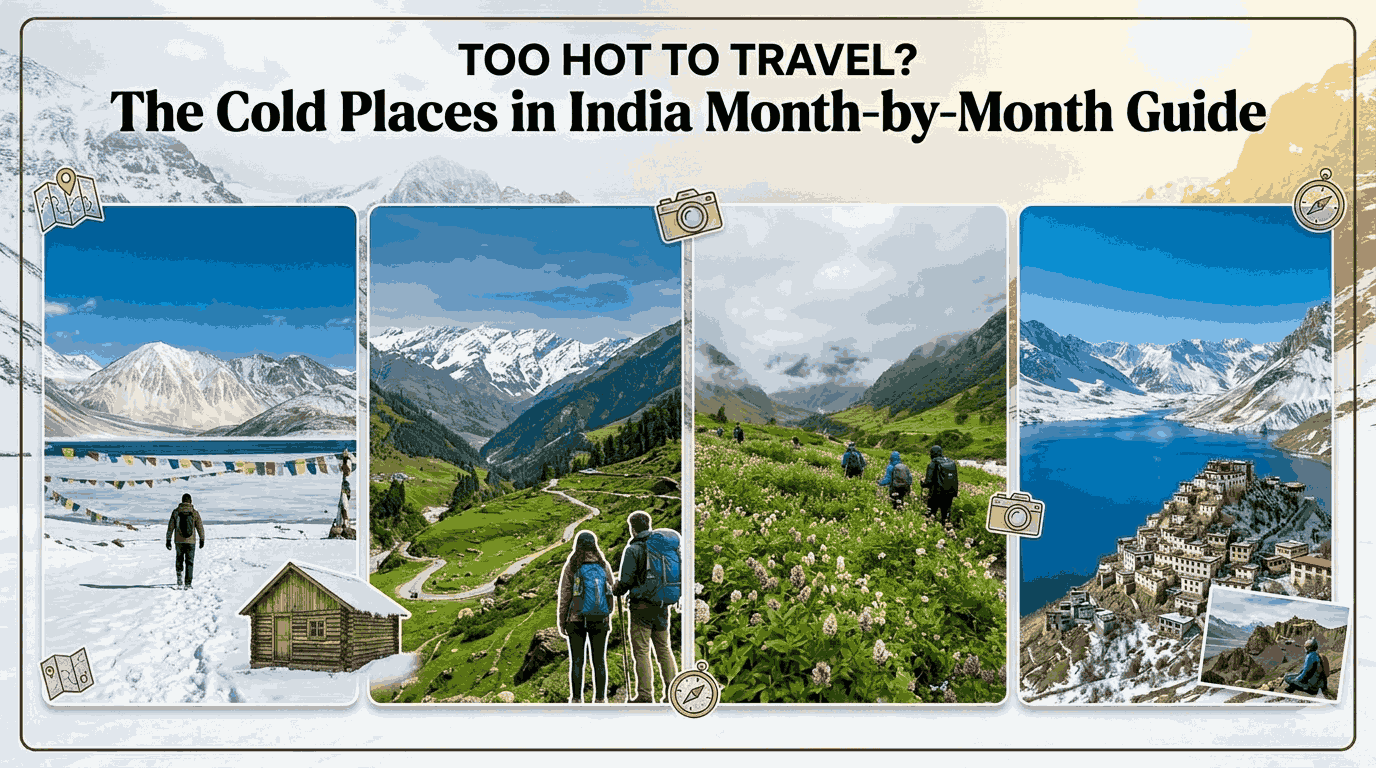
Looking for cold places in India but not sure where to go in each month? The answer changes with the seasons. From Ooty and Kodaikanal in January to Ladakh and Spiti in May and June, and Darjeeling, Sikkim and the Western Ghats as the year turns, India has cool-weather escapes in almost every season.
This 2026–27 guide covers 24 cold and cool destinations in India month by month, with typical temperatures, the best time to visit, entry fees, timings, how to reach, ideal trip duration and who each destination suits.
In this Blog
Cold Places in India by Month: Quick Answer
If you want cool weather in India in 2026, the best destination depends heavily on the month.
| Month | Best cold destinations | Typical weather | Best for |
|---|
| January | Ooty, Kodaikanal | 10–20°C | Families, couples |
| February | Goa, Mount Abu | 12–30°C | Beach + winter escapes |
| March | Darjeeling, Gangtok | 10–22°C | Hills, flowers, sightseeing |
| April | Kashmir, Munnar | 10–25°C | Spring escapes |
| May | Ladakh, Manali | 5–25°C | Summer escapes |
| June | Spiti, Kinnaur | 5–25°C | Road trips, adventure |
| July | Tawang, Shillong | 12–25°C | Monsoon escapes |
| August | Ladakh, Wayanad | 10–28°C | Dry high-altitude / green escapes |
| September | Sikkim, Coorg | 15–27°C | Post-monsoon travel |
| October | Dalhousie, Nainital | 8–23°C | Clear mountain weather |
| November | Mussoorie, Mahabaleshwar | 10–25°C | Winter onset |
| December | Goa, Munnar | 15–30°C | Winter holidays |
Key rule:
- Summer (April–June): Go to the Himalayas or high-altitude regions
- Monsoon (July–August): Ladakh rain shadow is best
- Winter (December–February): South India and coasts
Why India Always Has Cool Destinations Throughout the Year?
Why Does India Have Cold Places Throughout the Year?
India’s geography covers Himalayan peaks, high-altitude deserts, mountain valleys, plateaus, forests and tropical coastlines. As a result, the destination offering the coolest weather changes dramatically through the year.
The basic rule is simple:
November–December: Winter returns to the hills while South India offers pleasant temperatures.
January–February: Look south or towards higher hill stations.
March–April: The Himalayas begin becoming comfortable for sightseeing.
May–June: Move towards high-altitude destinations such as Ladakh, Spiti and Kinnaur.
July–August: Ladakh remains a strong dry-weather option, while the Northeast and Western Ghats turn lush.
September–October: Himalayan and Northeast destinations become increasingly attractive after the monsoon.
January and February: Best Time to Visit South India
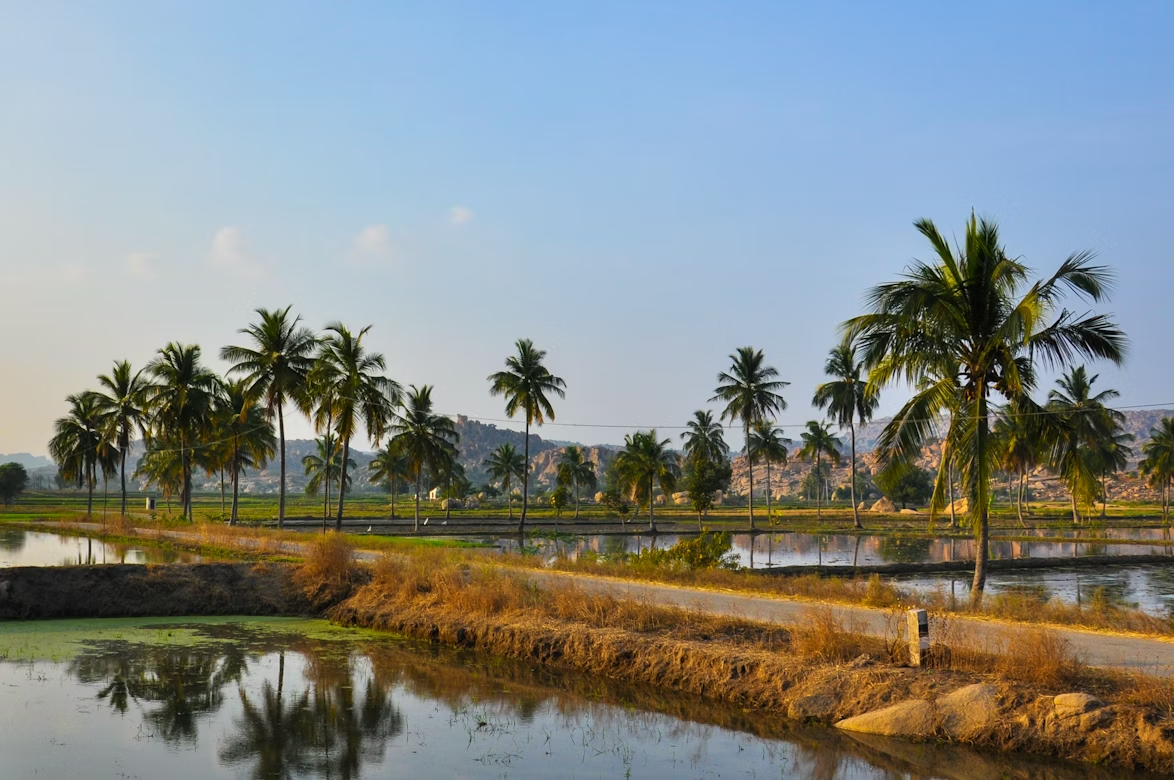
1. Ooty, Tamil Nadu
Known for tea plantations, eucalyptus forests, misty hills and its heritage toy train, Ooty is one of South India’s classic cool-weather escapes. January brings crisp mornings and chilly evenings, making it ideal if you want hill-station weather without travelling to the Himalayas.
The Government Botanical Garden is spread across 55 acres and is one of Ooty’s key attractions. The district administration lists April, May and September as particularly good months for visiting the garden, while the garden is accessible by road from Ooty town.
Best time to visit: October–June
Typical January temperature: Around 5–20°C
Entry fee: No destination-level entry fee; individual attractions charge separately.
Timings: Attraction timings vary. Government Botanical Garden: approximately 7 AM–6:30 PM.
How to reach: Fly to Coimbatore and drive to Ooty. Mettupalayam is the nearest major rail connection, with the heritage Nilgiri Mountain Railway connecting to Ooty.
Time needed: 2–3 nights
Ideal for: Families, couples, senior travellers and relaxed getaways.
Don’t miss: Botanical Garden, Ooty Lake, Doddabetta Peak, Rose Garden and the Nilgiri Mountain Railway.
2. Kodaikanal, Tamil Nadu
Kodaikanal is at its most atmospheric during the cooler months, when mist settles over the hills and mornings can feel distinctly chilly. The star-shaped Kodaikanal Lake, pine forests, viewpoints and walking trails make it particularly appealing for travellers who prefer slow sightseeing over packed itineraries.
Best time to visit: October–June
Typical January temperature: Around 8–20°C
Entry fee: No destination-level fee; attraction fees may apply.
Timings: Attractions generally operate during daylight hours; confirm locally before visiting.
How to reach: The nearest major airport is Madurai. Kodai Road is the nearest railway station, followed by a road journey into the hills.
Time needed: 2–3 nights
Ideal for: Couples, families, photographers and nature lovers.
Don’t miss: Kodaikanal Lake, Coaker’s Walk, Bryant Park, Pillar Rocks and Pine Forest.
February: Mount Abu and Goa
3. Mount Abu, Rajasthan
If you want to experience Rajasthan without the intense heat associated with its desert cities, Mount Abu is the state’s answer. Sitting in the Aravalli Hills, the hill station enjoys cooler temperatures than the surrounding plains, with February offering comfortable daytime sightseeing and cold evenings.
Best time to visit: November–March
Typical February temperature: Around 8–25°C
Entry fee: No destination-level fee; individual attractions may charge.
Timings: Most outdoor attractions are best visited during daylight hours.
How to reach: Udaipur is the nearest airport. Abu Road railway station is the closest railhead, around 28 km away.
Time needed: 2 nights
Ideal for: Families, couples and travellers looking for a winter hill escape in Rajasthan.
Don’t miss: Nakki Lake, Dilwara Temples, Guru Shikhar, Sunset Point and Toad Rock.
4. Goa
Goa isn’t a cold destination in the traditional sense, but February’s relatively comfortable winter weather makes it one of India’s most popular alternatives to colder hill stations. With sunny days, cooler evenings and lower humidity, it works especially well for travellers who want pleasant weather rather than actual winter temperatures.
Best time to visit: November–February
Typical February temperature: Around 20–31°C
Entry fee: No entry fee for Goa; individual attractions charge separately.
Timings: Beaches are generally accessible throughout the day; attraction timings vary.
How to reach: Goa has direct air, rail and road connectivity from major Indian cities.
Time needed: 3–4 nights
Ideal for: Couples, families, groups and beach holidays.
Don’t miss: Old Goa, Panjim, Fort Aguada, South Goa beaches and the state’s Portuguese heritage.
March 2026: Best Summer Month in India
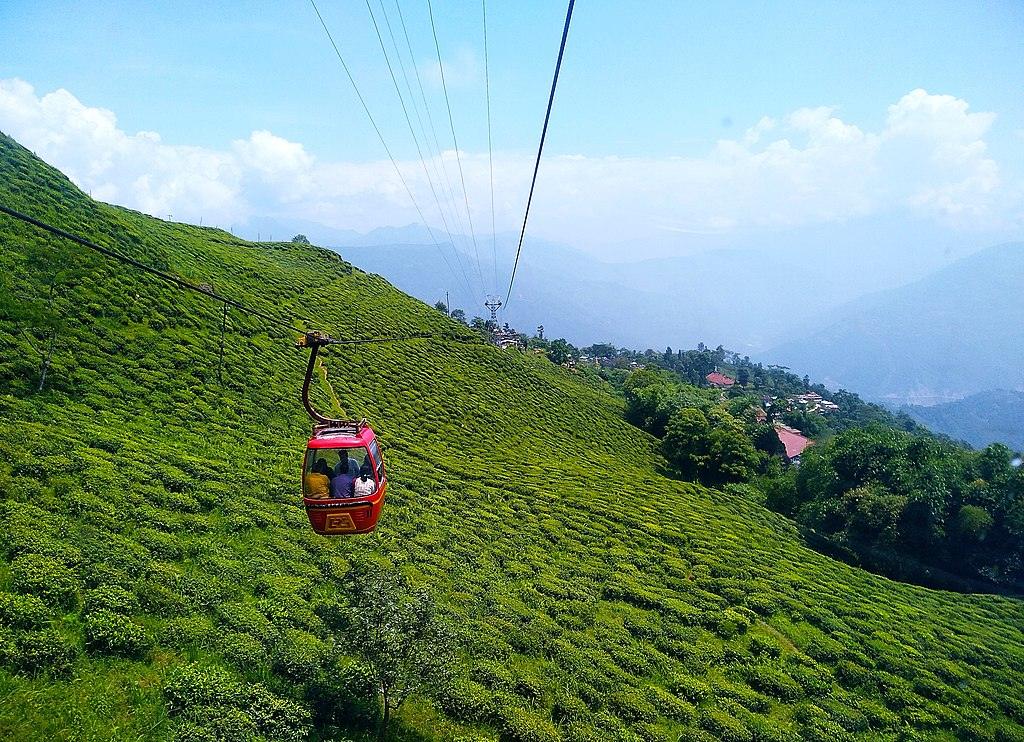
5. Darjeeling, West Bengal
March marks the transition from winter to spring in Darjeeling. The weather begins to soften, while the Himalayan views, tea gardens and colonial-era character remain the main attractions.
Best time to visit: March–May and October–December
Typical March temperature: Around 8–20°C
Entry fee: No destination-level fee; attractions charge separately.
Timings: Attraction timings vary.
How to reach: Bagdogra Airport and New Jalpaiguri Railway Station are the main gateways, followed by a road journey to Darjeeling.
Time needed: 2–3 nights
Ideal for: Couples, families, photographers and mountain lovers.
Don’t miss: Tiger Hill, Darjeeling Himalayan Railway, Batasia Loop, tea estates and Himalayan Mountaineering Institute.
6. Gangtok, Sikkim
Gangtok combines cool mountain weather with monasteries, viewpoints and easy access to high-altitude destinations. March is a good time to explore the city before the heavier monsoon period arrives.
Best time to visit: March–May and October–November
Typical March temperature: Around 10–20°C
Entry fee: No entry fee for Gangtok; individual attractions and permits may apply.
Timings: Attraction timings vary. Himalayan Zoological Park is listed as 8 AM–3 PM.
How to reach: Fly to Pakyong or Bagdogra and continue by road. New Jalpaiguri is the nearest major railway connection.
Time needed: 3 nights
Ideal for: Families, couples, first-time Northeast travellers and culture lovers.
Don’t miss: Enchey Monastery, Namgyal Institute of Tibetology, Tashi View Point and Tsomgo Lake.
Good to know: Tsomgo Lake and Nathu La require permits, and access is regulated. The Sikkim government currently lists Tsomgo Lake’s visit window as approximately 10 AM–4 PM and Nathu La as 8 AM–5 PM.
April: Kashmir and Munnar

7. Kashmir
April is one of the most beautiful times to experience Kashmir, as spring brings flowers, greener valleys and comfortable daytime temperatures. Srinagar works particularly well as a base for exploring the surrounding landscapes.
Best time to visit: March–June and September–November
Typical April temperature: Around 8–20°C
Entry fee: No destination-level fee; individual attractions charge separately.
Timings: Attraction timings vary.
How to reach: Srinagar Airport has direct connectivity to several Indian cities. Jammu is the nearest major rail connection.
Time needed: 4–5 nights
Ideal for: Couples, families, photographers and first-time Kashmir travellers.
Don’t miss: Dal Lake, Mughal Gardens, Gulmarg, Pahalgam and Sonamarg.
8. Munnar, Kerala
Munnar sits around 1,600 metres above sea level and is surrounded by tea plantations, misty hills and forested landscapes. April and May are particularly useful for travellers looking for a cooler alternative to India’s summer heat.
Best time to visit: September–May
Typical April temperature: Around 15–25°C
Entry fee: No destination-level fee; individual attractions charge separately.
Timings: Eravikulam National Park: 7 AM–6 PM; Mattupetty Dam: 9:30 AM–5 PM.
How to reach: Cochin International Airport and Aluva Railway Station are around 108–110 km away.
Time needed: 2–3 nights
Ideal for: Couples, families, nature lovers and slow travellers.
Don’t miss: Eravikulam National Park, Mattupetty Dam, Top Station, Tea Museum and tea estates.
May: Ladakh and Manali
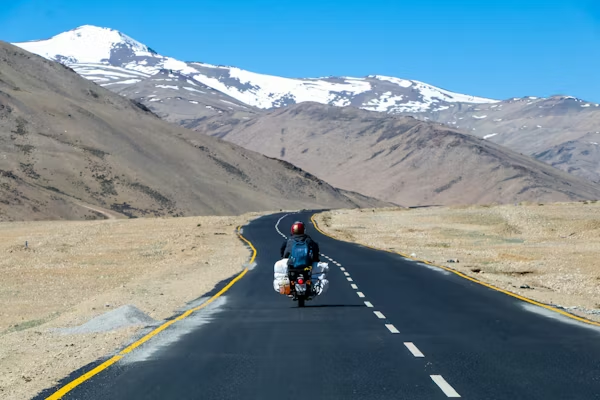
9. Ladakh
When much of India begins heating up, Ladakh becomes one of the country’s most sought-after high-altitude escapes. May marks the beginning of the travel season, although some high passes and routes can still be affected by snow.
Best time to visit: May–September
Typical May temperature: Around 5–20°C in Leh
Entry fee: No general entry fee; permits and attraction fees may apply for specific areas.
Timings: Attraction timings vary; plan outdoor sightseeing during daylight hours.
How to reach: Leh Airport has direct flights from major Indian cities. Road access is seasonal and depends on route conditions.
Time needed: 5–7 nights
Ideal for: Adventure travellers, bikers, photographers and high-altitude road-trip enthusiasts.
Don’t miss: Leh Palace, Shanti Stupa, Nubra Valley, Pangong Lake and monasteries.
Important: Spend time acclimatising after arrival. High altitude can affect even fit travellers.
10. Manali, Himachal Pradesh
Manali offers a more accessible mountain escape than Ladakh, with forests, rivers, snow-fed peaks and a long list of adventure activities. May is one of the most popular months for a summer trip before the monsoon arrives.
Best time to visit: March–June and October–December
Typical May temperature: Around 10–25°C
Entry fee: No destination-level fee; attractions charge separately.
Timings: Attraction timings vary; outdoor sightseeing is best during daylight hours.
How to reach: Bhuntar Airport is around 50 km away. Chandigarh is another major gateway, followed by a road journey.
Time needed: 3–4 nights
Ideal for: Families, couples, adventure travellers and groups.
Don’t miss: Solang Valley, Old Manali, Hadimba Temple, Mall Road and nearby waterfalls.
June: Spiti Valley and Kinnaur
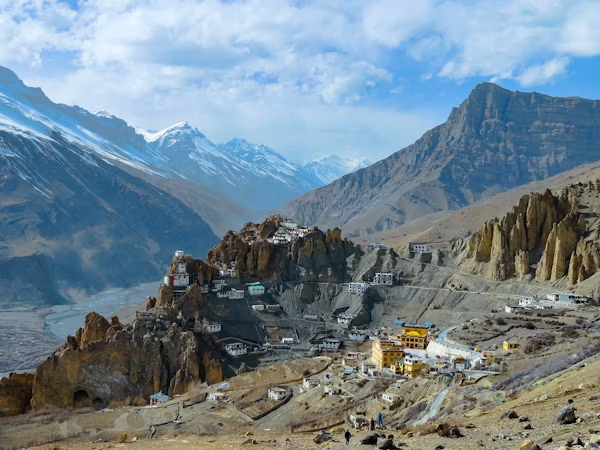
11. Spiti Valley, Himachal Pradesh
Spiti’s high-altitude desert landscape is dramatically different from the lush Himalayan hill stations. June is when the valley becomes increasingly accessible, making it a favourite for long road trips.
Best time to visit: June–October
Typical June temperature: Around 5–20°C
Entry fee: No destination-level fee; monasteries and attractions may have nominal charges.
Timings: Sightseeing depends on daylight, weather and road conditions.
How to reach: Reach via Manali or Shimla/Kinnaur depending on route conditions.
Time needed: 5–7 nights
Ideal for: Road-trippers, bikers, photographers and adventure travellers.
Don’t miss: Key Monastery, Kaza, Langza, Hikkim, Dhankar and Chandratal.
12. Kinnaur, Himachal Pradesh
Kinnaur combines snow-covered peaks, apple orchards, river valleys and traditional Himalayan villages. June offers comfortable temperatures and relatively accessible roads compared with the deeper winter months.
Best time to visit: April–June and September–October
Typical June temperature: Around 10–25°C
Entry fee: No destination-level fee.
Timings: Outdoor attractions are generally best visited during daylight.
How to reach: Shimla is the main gateway, followed by road travel through the hills.
Time needed: 4–5 nights
Ideal for: Nature lovers, road-trippers, photographers and travellers seeking quieter mountains.
Don’t miss: Kalpa, Sangla, Chitkul, Nako and Rakcham.
July: Tawang and Shillong
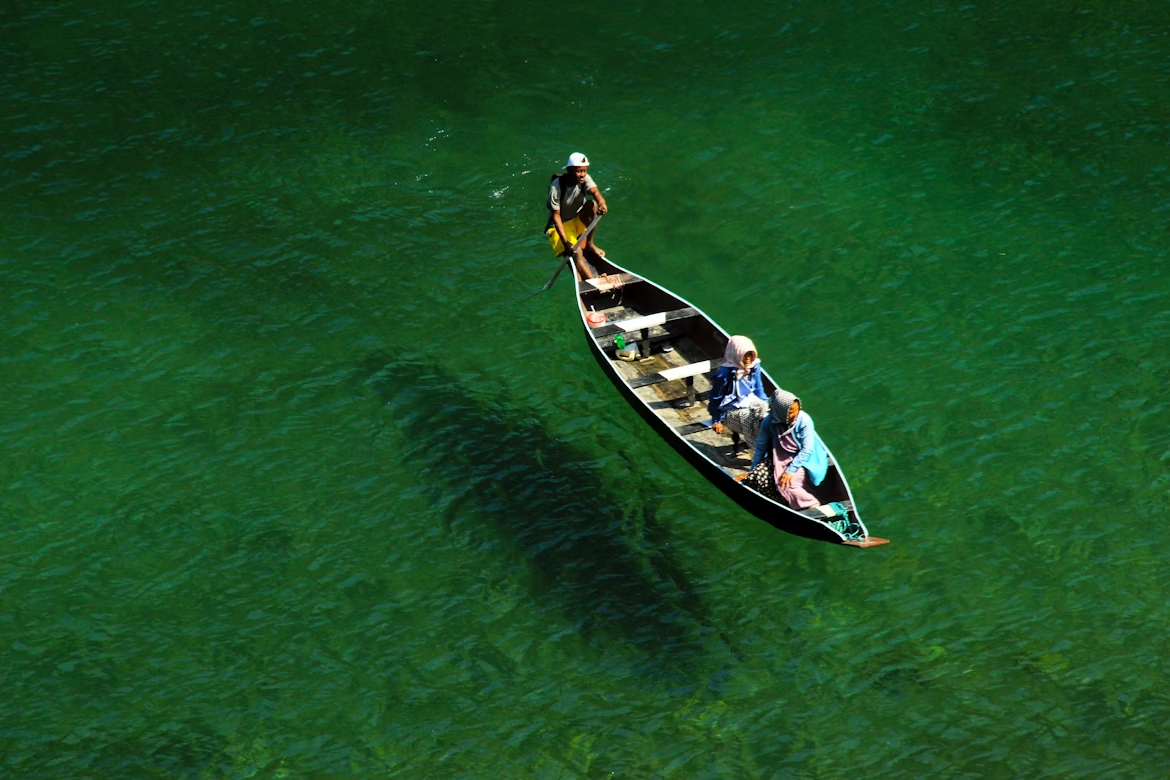
13. Tawang, Arunachal Pradesh
Tawang is a high-altitude Himalayan destination known for monasteries, dramatic mountain roads and a distinctly Tibetan-Buddhist cultural landscape. July brings monsoon conditions, so road travel needs flexibility, but the landscape becomes particularly green.
Best time to visit: April–June and September–October
Typical July temperature: Around 10–20°C
Entry fee: No destination-level fee; permits are required for eligible travellers.
Timings: Attractions vary; check local conditions before setting out.
How to reach: Guwahati is the nearest major airport and railway connection, followed by a long road journey.
Time needed: 4–5 nights
Ideal for: Adventure travellers, photographers and experienced mountain travellers.
Don’t miss: Tawang Monastery, Sela Pass, Bum La and Nuranang Falls.
14. Shillong, Meghalaya
Shillong’s nickname, the “Scotland of the East”, makes more sense once you see its rolling hills, waterfalls and pine forests. July is wet, but the rain is part of the experience and the surrounding landscape becomes intensely green.
Best time to visit: October–April for drier weather; July–September for lush monsoon scenery
Typical July temperature: Around 18–25°C
Entry fee: No destination-level fee; individual attractions charge separately.
Timings: Attraction timings vary.
How to reach: Shillong Airport has limited connectivity; Guwahati Airport is the major gateway, around 120 km away.
Time needed: 3–4 nights
Ideal for: Nature lovers, families, couples and monsoon travellers.
Don’t miss: Shillong Peak, Elephant Falls, Umiam Lake, Laitlum Canyon and nearby Cherrapunji.
August: Ladakh and Wayanad
15. Ladakh
August is one of the busiest months in Ladakh because the high-altitude roads are generally accessible and the region remains comparatively dry compared with much of India. If you’re looking for cool weather during peak monsoon, Ladakh is an especially strong option.
Best time to visit: May–September
Typical August temperature: Around 10–25°C in Leh
Entry fee: No general entry fee; specific attractions and permits may apply.
Timings: Attraction timings vary. Plan mountain excursions during daylight.
How to reach: Leh Airport offers the most convenient access.
Time needed: 5–7 nights
Ideal for: Adventure travellers, bikers, photographers and road-trip groups.
16. Wayanad, Kerala
Wayanad is not cold in the Himalayan sense, but its higher elevation, forests and monsoon greenery make it considerably more refreshing than India’s hot plains. August is especially lush, although heavy rain can affect outdoor plans.
Best time to visit: October–May for more reliable sightseeing; June–September for monsoon landscapes
Typical August temperature: Around 20–27°C
Entry fee: No destination-level fee; individual attractions charge separately.
Timings: Attraction timings vary.
How to reach: Calicut International Airport is the nearest major airport. Kozhikode is the nearest major rail connection.
Time needed: 2–3 nights
Ideal for: Families, couples, nature lovers and monsoon travellers.
Don’t miss: Edakkal Caves, Soochipara Falls, Banasura Sagar Dam, tea estates and wildlife experiences.
September: Sikkim and Coorg
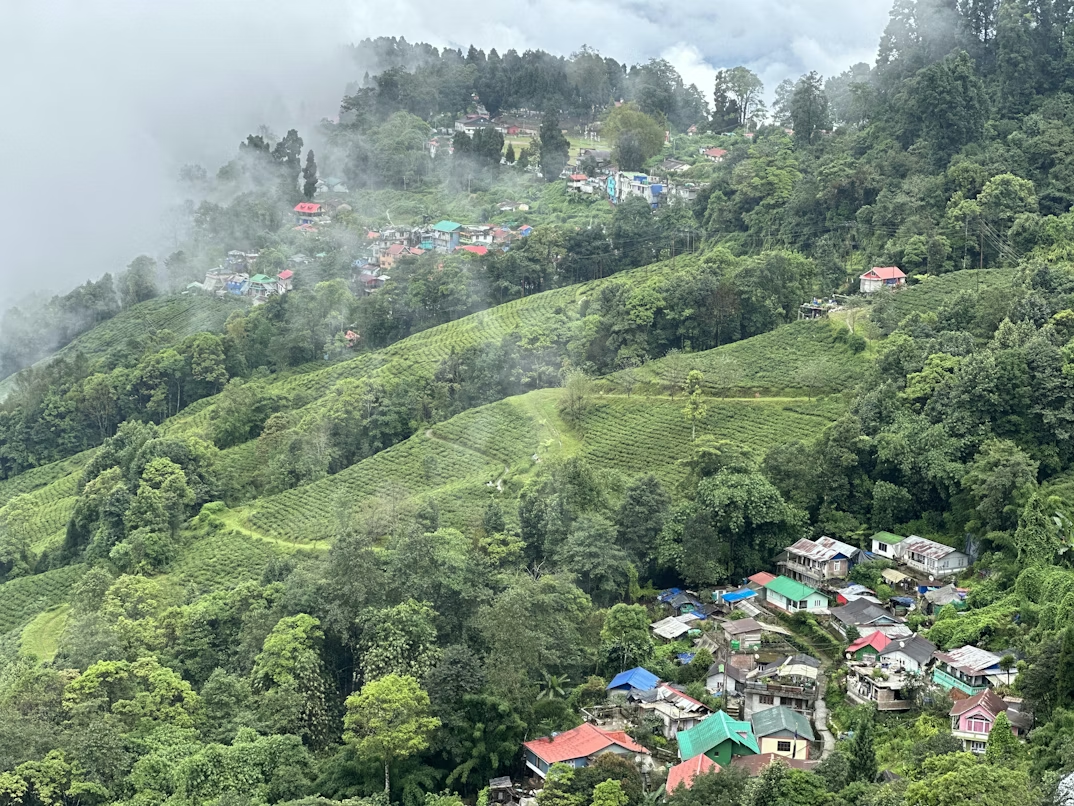
17. Sikkim
September is a transition month for Sikkim. As the monsoon begins to retreat, the state becomes increasingly attractive for travellers seeking cooler mountain weather and fewer crowds than the peak summer period.
Best time to visit: March–May and October–November
Typical September temperature: Around 15–23°C in Gangtok
Entry fee: No destination-level fee; protected areas require permits.
Timings: Attraction timings vary.
How to reach: Fly to Pakyong or Bagdogra; New Jalpaiguri is the main railway gateway.
Time needed: 4–5 nights
Ideal for: Families, couples, photographers and mountain lovers.
Don’t miss: Gangtok, Tsomgo Lake, Pelling, Ravangla and monasteries.
18. Coorg, Karnataka
Coorg’s coffee plantations, forested hills and cool mornings make it one of South India’s most popular year-round escapes. September is particularly green after the monsoon, although showers may continue.
Best time to visit: October–March for pleasant weather; June–September for monsoon greenery
Typical September temperature: Around 20–27°C
Entry fee: No destination-level fee; attractions charge separately.
Timings: Attraction timings vary.
How to reach: Mysuru and Mangaluru are the nearest major transport hubs; Bengaluru is a longer but popular road connection.
Time needed: 2–3 nights
Ideal for: Couples, families, coffee lovers and weekend travellers.
Don’t miss: Abbey Falls, Raja’s Seat, coffee estates, Dubare and Mandalpatti.
October: Dalhousie and Nainital
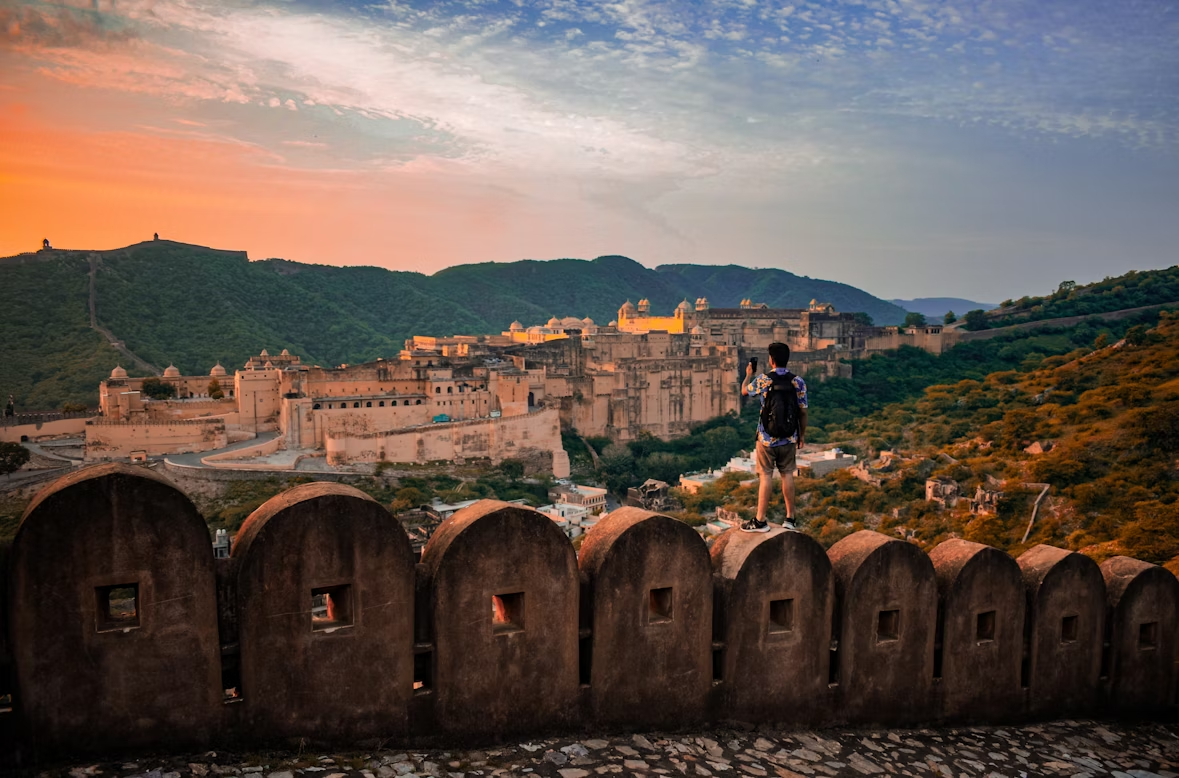
19. Dalhousie, Himachal Pradesh
October brings clear skies, cool mornings and crisp mountain air to Dalhousie. With colonial architecture, pine forests and easy access to Khajjiar, it works particularly well for an autumn mountain break.
Best time to visit: March–June and September–November
Typical October temperature: Around 8–20°C
Entry fee: No destination-level fee.
Timings: Attractions vary; most outdoor sightseeing is best during daylight.
How to reach: Pathankot is the nearest major railway station; Kangra Airport is the closest airport with regular connectivity.
Time needed: 2–3 nights
Ideal for: Families, couples and slow travellers.
Don’t miss: Khajjiar, St John’s Church, Panchpula, Kalatop and Subhash Baoli.
20. Nainital, Uttarakhand
Nainital is built around a lake and surrounded by forested hills, making it one of North India’s easiest hill-station escapes. October is particularly pleasant, with clear skies and cooler evenings.
Best time to visit: March–June and September–November
Typical October temperature: Around 10–22°C
Entry fee: No destination-level fee; individual attractions charge separately.
Timings: Attractions vary.
How to reach: Pantnagar Airport is the nearest airport. Kathgodam is the nearest major railway station.
Time needed: 2–3 nights
Ideal for: Families, couples and weekend travellers.
Don’t miss: Naini Lake, Snow View Point, Mall Road, Eco Cave Gardens and Naina Devi Temple.
November: Mussoorie and Mahabaleshwar

21. Mussoorie, Uttarakhand
November marks the beginning of a distinctly chilly season in Mussoorie. The crowds of summer have eased, while the hills become perfect for long walks, cafés and scenic drives.
Best time to visit: March–June and September–November
Typical November temperature: Around 5–18°C
Entry fee: No destination-level fee.
Timings: Attractions vary.
How to reach: Dehradun Airport and Dehradun Railway Station are the main gateways.
Time needed: 2–3 nights
Ideal for: Couples, families, weekend travellers and writers.
Don’t miss: Mall Road, Gun Hill, Kempty Falls, Landour and Lal Tibba.
22. Mahabaleshwar, Maharashtra
Mahabaleshwar is one of Maharashtra’s most popular highland escapes. November brings cooler temperatures after the monsoon, making it ideal for viewpoints, strawberry farms, forest walks and leisurely villa stays.
Best time to visit: October–May
Typical November temperature: Around 12–25°C
Entry fee: No destination-level fee; individual attractions charge separately.
Timings: Attractions generally operate during daylight hours.
How to reach: Pune is the nearest major airport and railway hub, followed by a road journey of around 2.5–3.5 hours depending on traffic.
Time needed: 2 nights
Ideal for: Couples, families and groups from Mumbai and Pune.
Don’t miss: Arthur’s Seat, Mapro Garden, Venna Lake, Elephant’s Head Point and Pratapgad Fort.
December: Munnar and Goa
23. Munnar, Kerala
December is one of the best times to experience Munnar’s cool mornings and clear mountain scenery. At around 1,600 metres above sea level, the hill station offers a refreshing winter alternative to India’s warmer coastal and plains destinations.
Best time to visit: September–May
Typical December temperature: Around 10–23°C
Entry fee: No destination-level fee; attraction charges apply separately.
Timings: Eravikulam National Park: 7 AM–6 PM; Mattupetty Dam: 9:30 AM–5 PM.
How to reach: Cochin International Airport and Aluva Railway Station are the nearest major gateways.
Time needed: 2–3 nights
Ideal for: Couples, families and winter getaways.
Don’t miss: Tea estates, Eravikulam National Park, Mattupetty Dam, Top Station and Tea Museum.
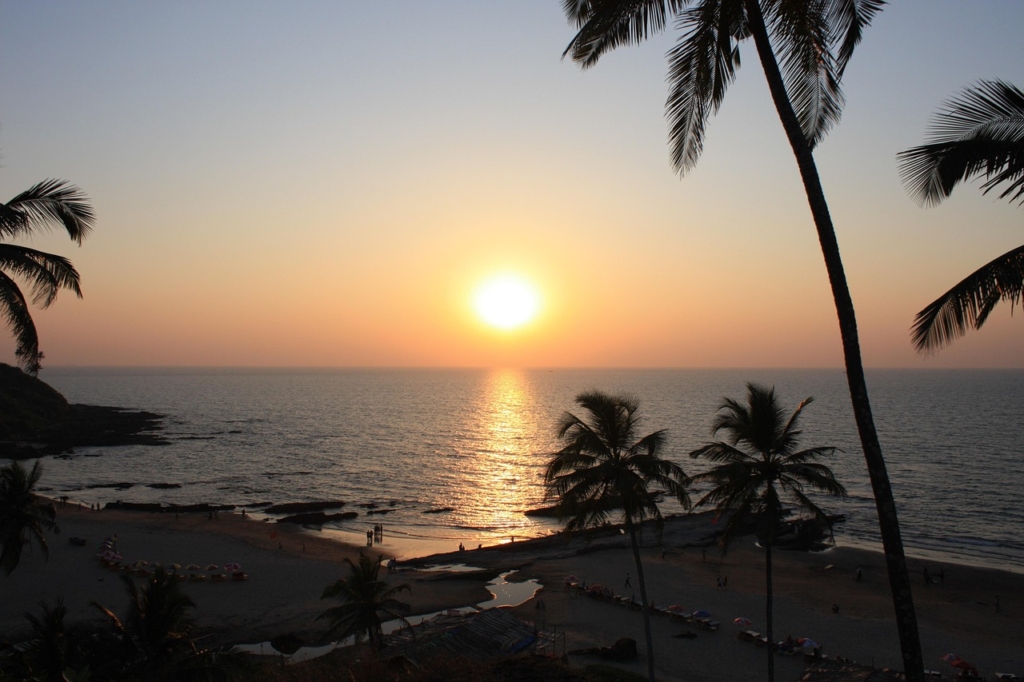
24. Goa
December is peak season in Goa, but it is also one of the most pleasant times to visit. Temperatures are comfortable, rainfall is low and the festive atmosphere makes it one of India’s most popular winter destinations.
Best time to visit: November–February
Typical December temperature: Around 20–32°C
Entry fee: No destination-level fee.
Timings: Beaches are accessible throughout the day; individual attractions have their own timings.
How to reach: Goa is well connected by air, rail and road.
Time needed: 3–4 nights
Ideal for: Couples, families, groups and festive-season holidays.
Don’t miss: Old Goa, Fontainhas, Fort Aguada, Candolim, Vagator, Palolem and South Goa.
Where to Stay During Your Vacation in India in 2026?
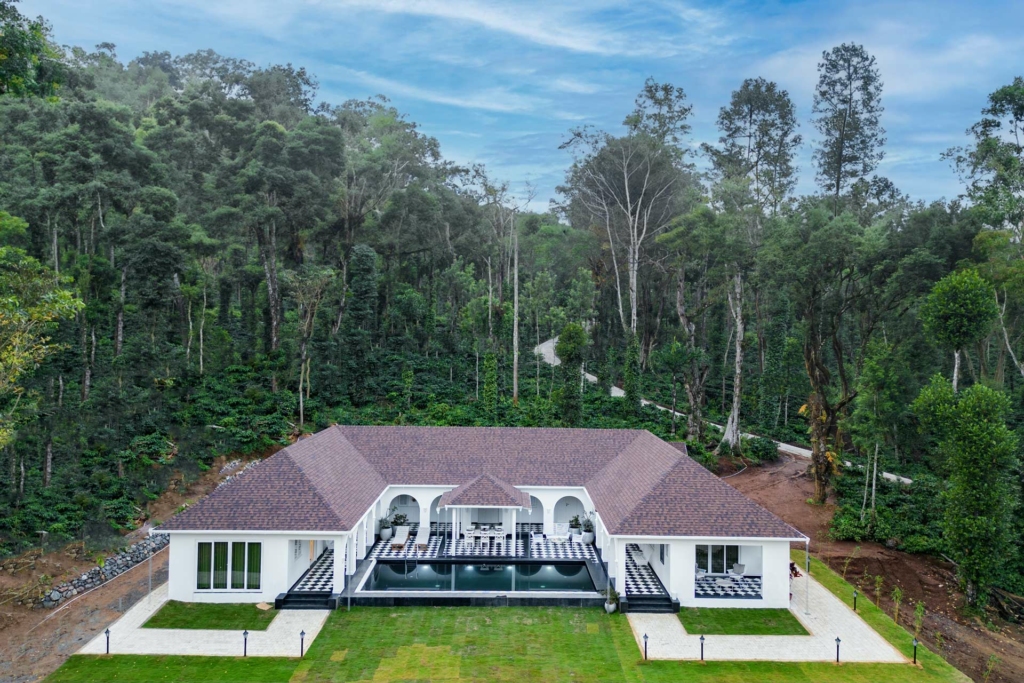
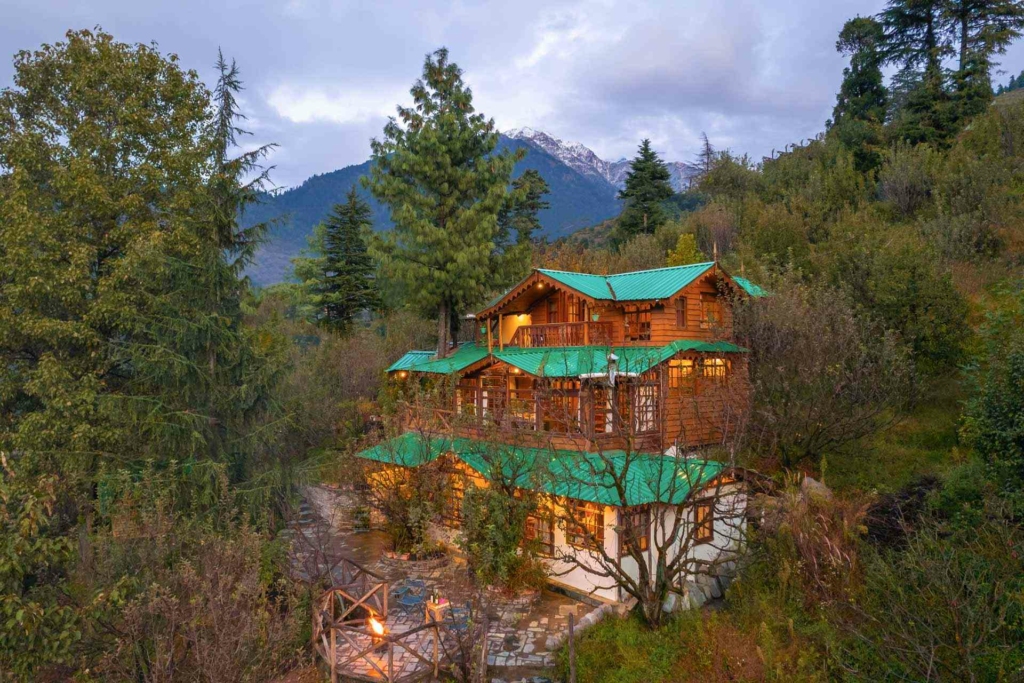
From Himalayan retreats to coastal escapes, the right accommodation can make a seasonal trip even more memorable. Many travellers now prefer private villas that offer space, privacy, and scenic surroundings.
You can browse StayVista’s collection of homes across destinations like Goa, Coorg, Ooty, Manali, and the Himalayas, and choose a stay that matches the best travel month for your trip.


Which Are the Coldest Places in India?
If your priority is actual cold weather rather than simply pleasant weather, the list changes.
Coldest places to consider:
- Ladakh
- Spiti Valley
- Tawang
- Kashmir
- Manali
- Kinnaur
- Darjeeling
- Gangtok
- Dalhousie
- Mussoorie
For snow, winter temperatures and high-altitude landscapes, the Himalayas are the clear choice. For a more comfortable cool-weather holiday without extreme cold, destinations such as Ooty, Munnar, Coorg and Kodaikanal are easier options.
Best Cold Places in India for Different Types of Travellers
| Traveller type | Best destinations |
|---|---|
| Couples | Munnar, Ooty, Manali, Coorg |
| Families | Ooty, Nainital, Munnar, Mussoorie |
| Adventure travellers | Ladakh, Spiti, Tawang, Kinnaur |
| Weekend travellers | Mahabaleshwar, Mussoorie, Ooty, Coorg |
| Snow lovers | Kashmir, Manali, Dalhousie, Ladakh |
| Road trips | Spiti, Kinnaur, Ladakh, Tawang |
| Monsoon escapes | Ladakh, Shillong, Wayanad, Coorg |
| Luxury getaways | Munnar, Goa, Manali, Ooty |
Frequently Asked Questions – Cold Places in India Month-by-Month Guide
Leh in Ladakh and Spiti Valley are the coolest accessible destinations from May to August, with temperatures between 8 and 22°C.
Manali, Leh, Darjeeling, Ooty, Coorg, and Shillong all sit between 14 and 24°C in May.
October and November. Clear skies post-monsoon, comfortable temperatures across most regions, and manageable crowds outside festival weeks.
Ladakh and upper Himachal (Spiti, Kinnaur) stay dry and cool in June when the rest of India is in monsoon.
Not cold, but very pleasant. 20 to 30°C with low humidity and clear skies. January is one of Goa’s best months.
Leh, Ladakh. It is the only major Indian destination that stays reliably dry through July and August.