

Ganesh Chaturthi 2026 Is on Monday 14 September: 8 Cities That Celebrate Ganeshotsav Nothing Like Mumbai
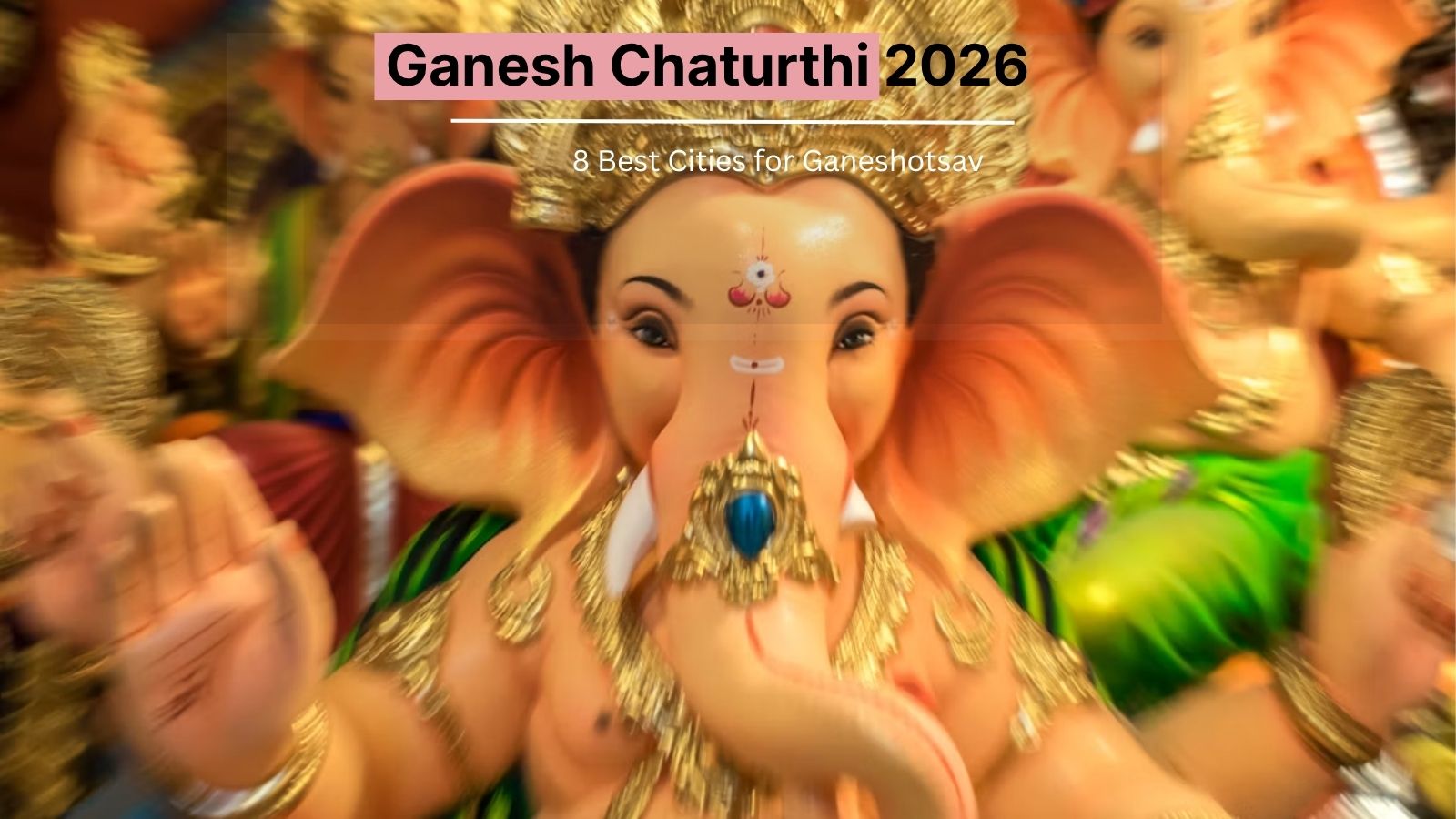
Ganesh Chaturthi 2026 falls on Monday, 14 September — which means Saturday to Monday is a ready-made festival long weekend. Mumbai’s Lalbaugcha Raja will get the news cameras, as it does every year. But sarvajanik Ganeshotsav wasn’t born in Mumbai, and some of its most remarkable forms live elsewhere: a 70-foot idol rising over a Hyderabad crossroads, five “Manache” Ganpatis leading a Pune procession by rights fixed in 1893, and Goan villages that shut their beach shacks and go home to their gods.
We’ve spent years sending travellers to these cities from our villas and homestays at StayVista, and this guide covers the eight we’d pick over a Mumbai pandal crawl — with dates, muhurat timings, entry fees, and honest crowd advice for each.
TL;DR: Ganesh Chaturthi 2026 begins Monday, 14 September and ends with Anant Chaturdashi visarjan on Friday, 25 September. For celebrations unlike Mumbai’s, head to Pune, Hyderabad, Goa, Ganpatipule, Pen–Alibaug, Indore, Bengaluru, or Chennai.
In this Blog
Ganesh Chaturthi 2026: Quick Info
| Field | Detail |
|---|---|
| Ganesh Chaturthi 2026 date | Monday, 14 September 2026 |
| Anant Chaturdashi (final visarjan) | Friday, 25 September 2026 |
| Interim visarjan days | 1.5-day: 15 Sept · 3-day: 16 Sept · 5-day: 18 Sept · 7-day: 21 Sept |
| Public holiday? | Yes — public and bank holiday in Maharashtra; state holidays in Goa, Telangana, Karnataka, Tamil Nadu |
| Best festival long weekend | Saturday 12 – Monday 14 September 2026 |
When Is Ganesh Chaturthi in 2026?
Ganesh Chaturthi 2026 is on Monday, 14 September, with the Madhyahna Ganapati puja muhurat — the auspicious midday window for sthapana. The festival closes with Anant Chaturdashi on Friday, 25 September 2026, the main visarjan day.
One caution: several 2026 listicles floating around the internet state visarjan as 23 September. That’s wrong. The Chaturdashi tithi places the final immersion on the 25th, and households doing shorter installations will immerse on 15, 16, 18, or 21 September.
Why Look Beyond Mumbai for Ganeshotsav 2026?
Mumbai’s festival is enormous — mandals there collected roughly ₹150 crore in donations in the first five days of Ganeshotsav 2025 alone, and the BMC deployed 10,000 staff and 700+ lifeguards just to manage Anant Chaturdashi immersions. Enormous, though, isn’t the same as singular.
Maharashtra declared Ganeshotsav its official state festival in 2025, and the celebration takes a completely different shape every 200 kilometres. Pune keeps the festival’s political and musical soul. Hyderabad builds vertically. Goa turns inward, into family homes. The Konkan coast absorbs the largest urban homecoming in western India. Why watch one version of the festival when eight exist?
8 Cities That Celebrate Ganeshotsav Nothing Like Mumbai
1. Pune, Maharashtra — Where Sarvajanik Ganeshotsav Was Born
Pune is where Lokmanya Tilak turned Ganesh Chaturthi into a public festival in 1893, and the city still runs it by that original grammar. Five Manache Ganpati — Kasba (the city’s gram daivat, linked to Jijabai Bhosale and dating to 1639), Tambadi Jogeshwari, Guruji Talim, Tulshibaug, and Kesariwada — lead the visarjan procession in a fixed order of honour.
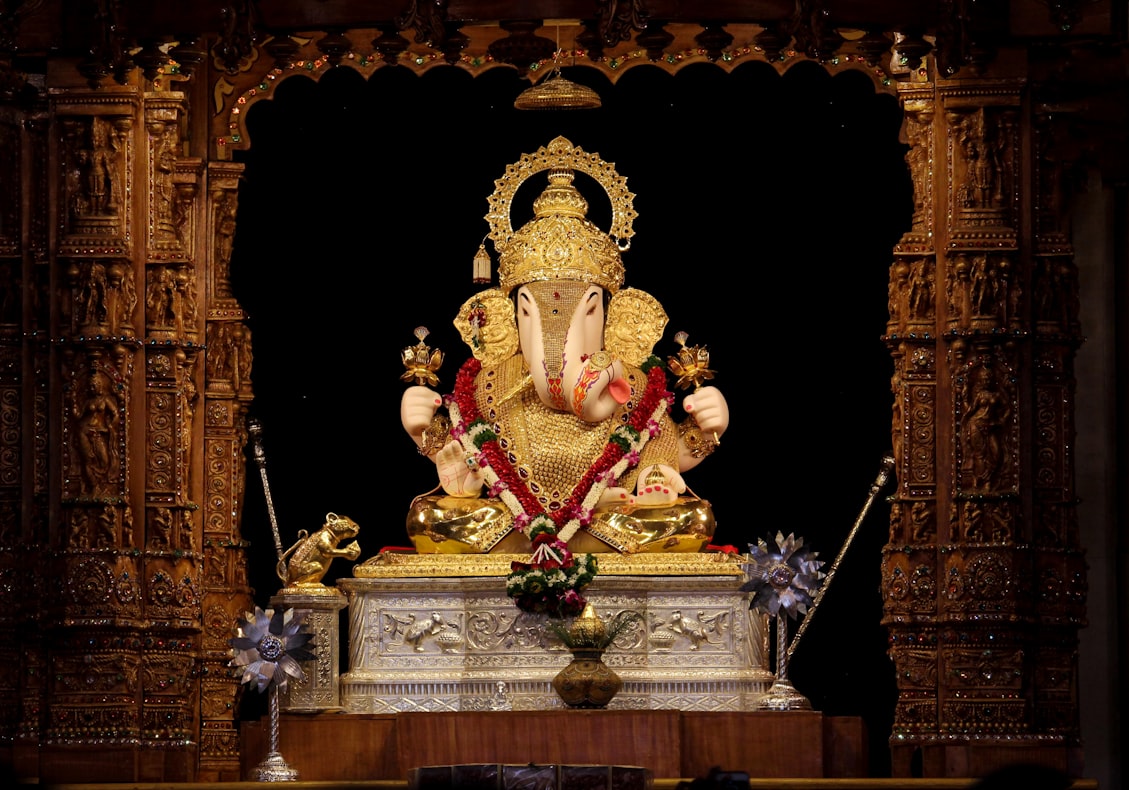
What Mumbai does with scale, Pune does with sound. Dhol-tasha pathaks — drum troupes often hundreds strong — rehearse for months, and on visarjan day Kasba Ganpati sets off down Laxmi Road, taking about five hours to reach Tilak Chowk while the big mandals, including the famed Dagdusheth Halwai Ganapati, follow deep into the night. An estimated 10,000+ mandals run pandals across the city.
- Entry fee: Free — all pandals and Dagdusheth darshan are open to everyone
- Timings: Pandals run roughly 6 AM–midnight through the festival
- Best time to visit: Days 1–5 for pandal-hopping; 25 September for the Laxmi Road procession
- How to reach: Pune Airport (PNQ) is ~10 km from the old city; Pune Junction railway station ~3 km. From Mumbai, 150 km via the Expressway (~3 hours)
- Time required: 2 days for the Peth pandal circuit; a full day and night for visarjan
- Ideal for: Culture lovers, photographers, groups who want the festival’s original form
- Pro tip: Do the five Manache Ganpati on foot before 8 AM, in their procession order — it’s a 2 km heritage walk through the Peths. Skip cars near Laxmi Road from day 9.
2. Hyderabad, Telangana — India’s Tallest Ganesha and a ₹35-Lakh Laddu
Hyderabad’s Ganeshotsav is measured in feet. The Khairatabad Ganesh, now in its 72nd year, is announced for 2026 as a roughly 70-foot “Panchamukha Sankatahara Maha Ganapati” — a five-faced form flanked by a 15-foot Somnath Jyotirlinga, built by over 100 workers across ~80 days.
The city’s other signature ritual is edible. At Balapur, the first laddu offered to Ganesha is auctioned on visarjan morning, and the 2025 bid set a record: ₹35 lakh for a 21-kg laddu . Immersion is its own spectacle — over 2 lakh idols go into the city’s lakes, around 50,000 into Hussain Sagar alone over roughly 40 hours, best watched from Tank Bund .
- Entry fee: Free at Khairatabad and Balapur
- Timings: Khairatabad darshan runs early morning to late night through 14–25 September
- Best time to visit: Weekday mornings, days 2–5, for shortest Khairatabad queues
- How to reach: Rajiv Gandhi International Airport is ~30 km from Khairatabad; Khairatabad MMTS and metro stations are right beside the pandal
- Time required: 1 day for Khairatabad + Tank Bund; add visarjan day if you want the full spectacle
- Ideal for: Families, first-time festival travellers, anyone who wants maximum scale without Mumbai’s crush
- Pro tip: Avoid Tank Bund on 25 September unless the 40-hour immersion marathon is your plan — roads around Hussain Sagar lock down.
3. Goa — Chavath, the Festival That Goes Home
Goa doesn’t do giant pandals. Chavath (also spelt Chovoth) is a household festival: nearly every Hindu home installs its own clay idol, and celebrations run anywhere from 1.5 to 21 days depending on family tradition. The defining sight is the matoli — a wooden canopy above the idol, hung with wild fruit, vegetables, and forest produce gathered before the festival. The idol is installed only once the matoli is up.
Visit Marcel (Mashel) village in Ponda taluka in the week before 14 September, where generations of chitari artisan families hand-mould and paint clay idols in open workshops. Expect fugdi songs and home aartis, not processions — and expect quiet: Goans return to ancestral villages, and many beach shacks close for Chavath days.
- Entry fee: Free; idol workshops in Marcel welcome respectful visitors
- Timings: Workshops run daylight hours pre-festival; home celebrations peak on 14–15 September
- Best time to visit: 10–16 September for workshops plus Chavath itself
- How to reach: Mopa (GOX) or Dabolim (GOI) airports; Marcel is ~17 km from Panaji
- Time required: 2–3 days across Ponda’s temple belt and Marcel
- Ideal for: Couples and slow travellers who want intimacy over spectacle
- Pro tip: This is the one festival week when North Goa’s party belt goes quiet — plan meals ahead, since many restaurants shut on Chavath day.
4. Ganpatipule and Ratnagiri, Maharashtra — Ganeshotsav on the Konkan Coast
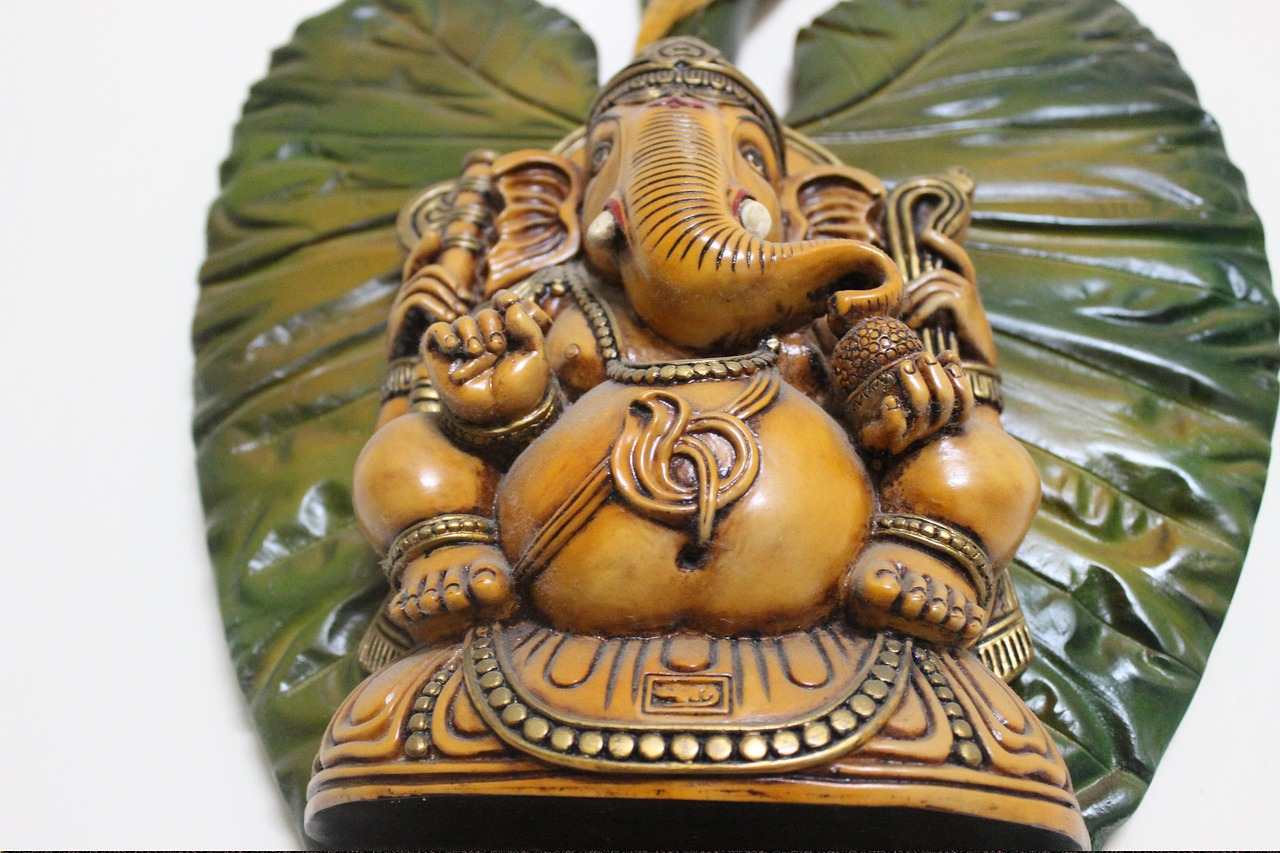
Ganpatipule’s 400-year-old temple holds a Swayambhu (self-manifested) Ganesha of white sand, sitting directly on the beach — and unusually, the idol faces west, earning it the name “Paschim Dwarpalak”, the Western Sentinel. During Ganeshotsav, the temple becomes the anchor for a coastline where nearly every village home hosts its own Ganpati.
The Konkan homecoming is a phenomenon in itself. Konkan Railway ran about 250 Ganpati special trains in 2025 and they still booked out, with MSRTC adding 250–300 extra buses. Time your travel wrong and NH-66 becomes a very long parking lot; time it right and you’ll catch beach aartis and village bhajan mandalis no city festival can match.
- Entry fee: Free; the temple runs a vehicle pradakshina route around the hill for a small fee
- Best time to visit: Arrive by 12 September or after 16 September; 13–14 September is the year’s worst Konkan traffic
- How to reach: ~331 km from Mumbai via NH-66; Ratnagiri railway station is ~30 km away on the Konkan Railway
- Time required: 2 days, pairing the temple with Ratnagiri’s Thiba Palace and Aare Ware beach
- Ideal for: Road-trippers, families, anyone combining darshan with a coastal break
- Pro tip: Book Konkan Railway specials the day reservations open, or drive down on the Friday night before the festival weekend.
5. Pen and Alibaug, Maharashtra — Where the Idols Are Born
Every Ganeshotsav actually begins in Pen, a Raigad town of 550+ idol workshops that produce an estimated 6–7 lakh Ganesh idols a year with over 8,000 artisans — shipping them across Maharashtra and as far as the US and Australia. Walk the workshop lanes in early September and you’ll see rows of Ganeshas in every stage of creation, from raw shadu mati (natural riverbed clay) to final eye-painting.
Thirty kilometres on, Alibaug gives the festival its coastal finale, with visarjans at Alibaug, Varsoli, and Nagaon beaches. Since the Atal Setu opened, this belt sits barely two hours from Mumbai — close enough that you can watch idols being made one weekend and immersed the next.
- Entry fee: Free; workshops welcome buyers and visitors
- Best time to visit: 5–11 September — most idols leave Pen by three days before Chaturthi
- How to reach: Pen is ~85 km from Mumbai via Atal Setu and NH-66; Pen railway station is on the Panvel–Roha line. Alibaug is 30 km further
- Time required: Half a day in Pen’s workshop lanes; 2 days with Alibaug’s beaches
- Ideal for: Photographers, craft lovers, families with kids who’d enjoy seeing idols take shape
- Pro tip: Ask artisans for the shadu clay pieces — they’re the traditional, eco-friendly buy, and workshops will pack small idols safely for travel.
6. Indore, Madhya Pradesh – Diamond Eyes and an All-Night Parade
Indore’s festival orbits Khajrana Ganesh, built by Ahilyabai Holkar and today among India’s richest Ganesh temples — the sanctum’s upper walls and gate are silver-clad, and the deity’s eyes are set with diamonds. Through the festival, the temple runs near-continuous darshan while the city fills with pandals.
The climax, though, is unlike anything in Maharashtra. On Anant Chaturdashi night, Indore stages its ~100-year-old jhanki procession — illuminated tableaux built by the city’s old cloth mills roll from about 6 PM through MG Road, Krishnapura, and Jawahar Marg, and lakhs of residents famously stay up the entire night to watch. Follow it with 2 AM street food at Sarafa Bazaar, which needs no festival excuse to run past midnight.
- Entry fee: Free at Khajrana Ganesh
- Best time to visit: 24–25 September for the jhanki night; early mornings for darshan
- How to reach: Devi Ahilyabai Holkar Airport (IDR) is ~8 km from Khajrana; Indore Junction ~6 km
- Time required: 2 days — temple, pandals, jhanki night, and Sarafa food crawl
- Ideal for: Night owls, food lovers, festival photographers
- Pro tip: Wednesdays are Khajrana’s peak darshan day year-round — during the festival, go at opening time instead.
7. Bengaluru, Karnataka — Ganeshotsav as a Concert Season
Bengaluru treats Ganesh Chaturthi as a cultural festival in the most literal sense. The Bengaluru Ganesh Utsava returns for its 64th edition from 14 to 26 September 2026 at the APS/National College Grounds in Basavanagudi — twelve days of classical, film, and fusion concerts before a giant eco-friendly Ganesha, with free entry and footfall estimated around a million across the run. The 2025 edition featured Vijay Prakash, Raghu Dixit, and Praveen Godkhindi; the 2026 line-up drops on the official site.
The neighbourhood itself rewards a slow evening: the 18-foot monolithic Dodda Ganapathi near the Bull Temple anchors Basavanagudi’s old festival traditions, and Karnataka’s clay-only idol norms mean immersion happens in designated tanks rather than lakes.
- Entry fee: Free (BGU concerts are unticketed)
- Timings: Concerts typically run evenings
- Best time to visit: Weeknights — weekend headline acts draw the biggest crowds
- How to reach: Kempegowda International Airport is ~40 km from Basavanagudi; nearest metro stations are National College and Lalbagh
- Time required: 1–2 evenings, paired with a Basavanagudi temple-and-dosa walk
- Ideal for: Music lovers, corporate groups, travellers who want the festival without processions
8. Chennai, Tamil Nadu — Vinayagar Chaturthi, the Restrained Classic
Chennai’s Vinayagar Chaturthi is the counterpoint to everything above: a largely one-day home festival of clay Pillaiyar idols, morning temple queues, and kozhukattai — the Tamil modak — steamed by the plateful. The spectacle is deliberately capped. Greater Chennai rules limit idols to 11 feet, mandate natural materials, and permit sea immersion only at four designated points — Srinivasapuram, Palkalai Nagar (Thiruvanmiyur), the N4 Fishing Harbour, and Thiruvottiyur.
Spend the morning in Mylapore around the Kapaleeshwarar tank as households carry idols home, then take the evening at Besant Nagar beach near the Ashtalakshmi temple. One correction to most guides: Elliot’s Beach itself is not an official immersion point — the nearest sanctioned spot is Palkalai Nagar at Thiruvanmiyur.
- Entry fee: Free everywhere; temples may have paid special-darshan queues
- Best time to visit: Chaturthi morning for temples; visarjan days for the shore processions
- How to reach: Chennai Airport (MAA) is ~15 km from Mylapore; suburban trains and metro cover the temple belt
- Time required: 1–2 days, combining Mylapore, San Thome, and the Besant Nagar shoreline
- Ideal for: Food-first travellers, families, anyone who prefers ritual over roar
- Pro tip: Expect traffic diversions within ~10 km of the four immersion points on visarjan days — use the metro and suburban rail instead of cabs.

How Big Is Ganeshotsav Beyond Mumbai? The Numbers
The scale outside Mumbai surprises most travellers. Put the 2025–26 figures side by side:
Distances and Routes: Which City Fits Your Trip?
From Mumbai, the festival fans out in every direction. Pen (85 km via Atal Setu) and Alibaug (115 km) are day-trip close. Pune (150 km) is a comfortable Friday-evening drive. Ganpatipule (331 km on NH-66) wants a proper weekend. Goa (580 km) is better flown — under 90 minutes to Mopa or Dabolim.
From the south, Bengaluru and Chennai (350 km apart) pair naturally: concerts in one, kozhukattai in the other. Hyderabad sits mid-country with direct flights from every metro, and Indore is a 1.5-hour flight from Mumbai — book the 24 September evening arrival and you land straight into jhanki night.
Ganesh Chaturthi 2026 Itineraries
The long weekend (Sat 12 – Mon 14 Sept): Drive Mumbai → Pen on Saturday morning for the last workshop day, sleep in Alibaug, and reach Pune by Sunday evening. Do the Manache Ganpati walk at dawn on Monday, sthapana day, and catch the first-night aartis before driving back.
The 5-day arc (12–16 Sept): Fly into Goa on the 12th, spend a day in Marcel’s workshops and Ponda’s temples, experience Chavath in a village home on the 14th, then drive up NH-66 to Ganpatipule on the 16th once festival traffic eases.
The full festival (14–25 Sept): Start with sthapana in Pune, take the mid-festival lull to Hyderabad for Khairatabad (days 3–5, shortest queues), catch a BGU concert weeknight in Bengaluru, and finish with either Indore’s all-night jhanki or Pune’s Laxmi Road procession on the 25th. Twelve days, four completely different festivals.
Where to Stay for Ganeshotsav 2026: StayVista Villas and Homestays
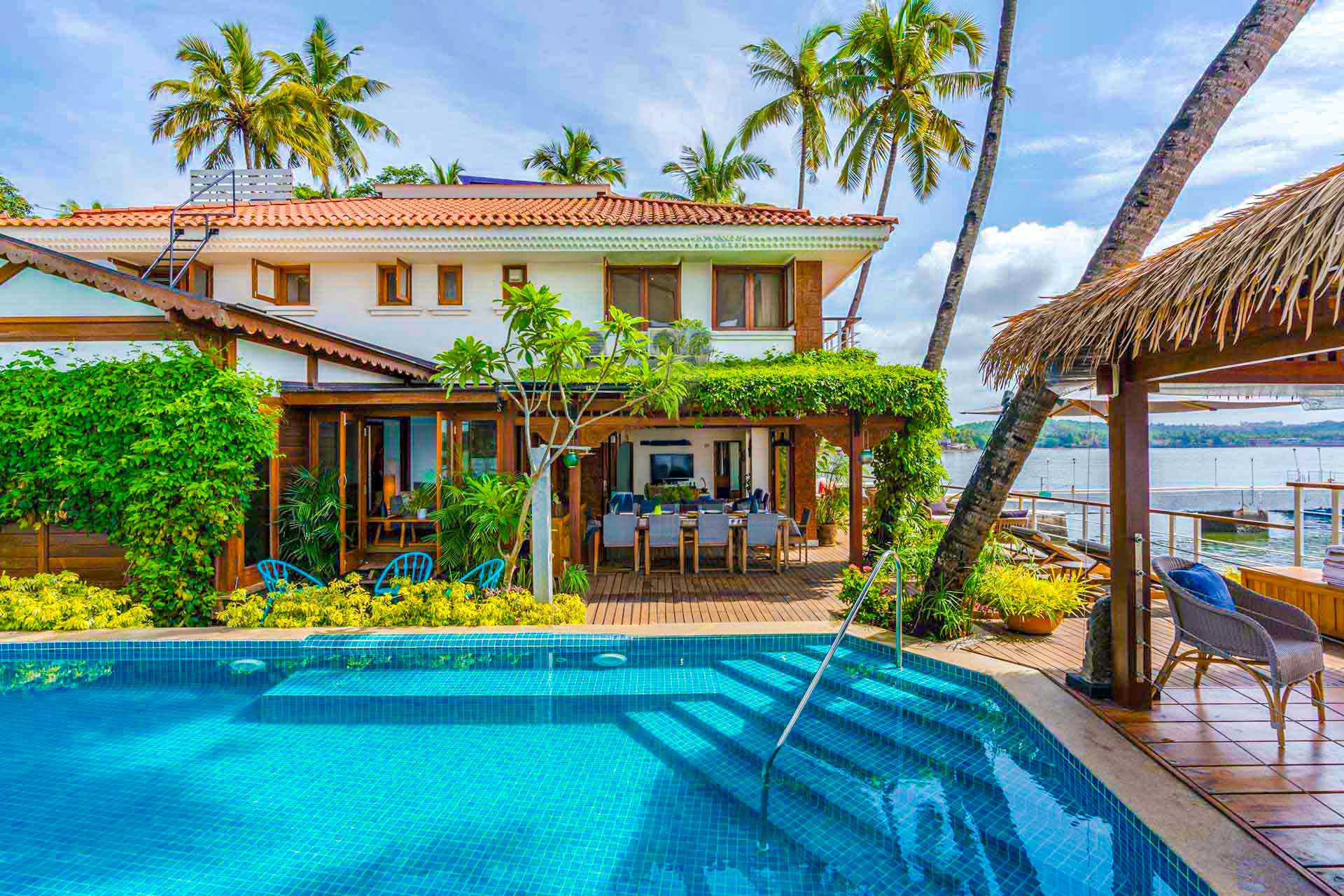
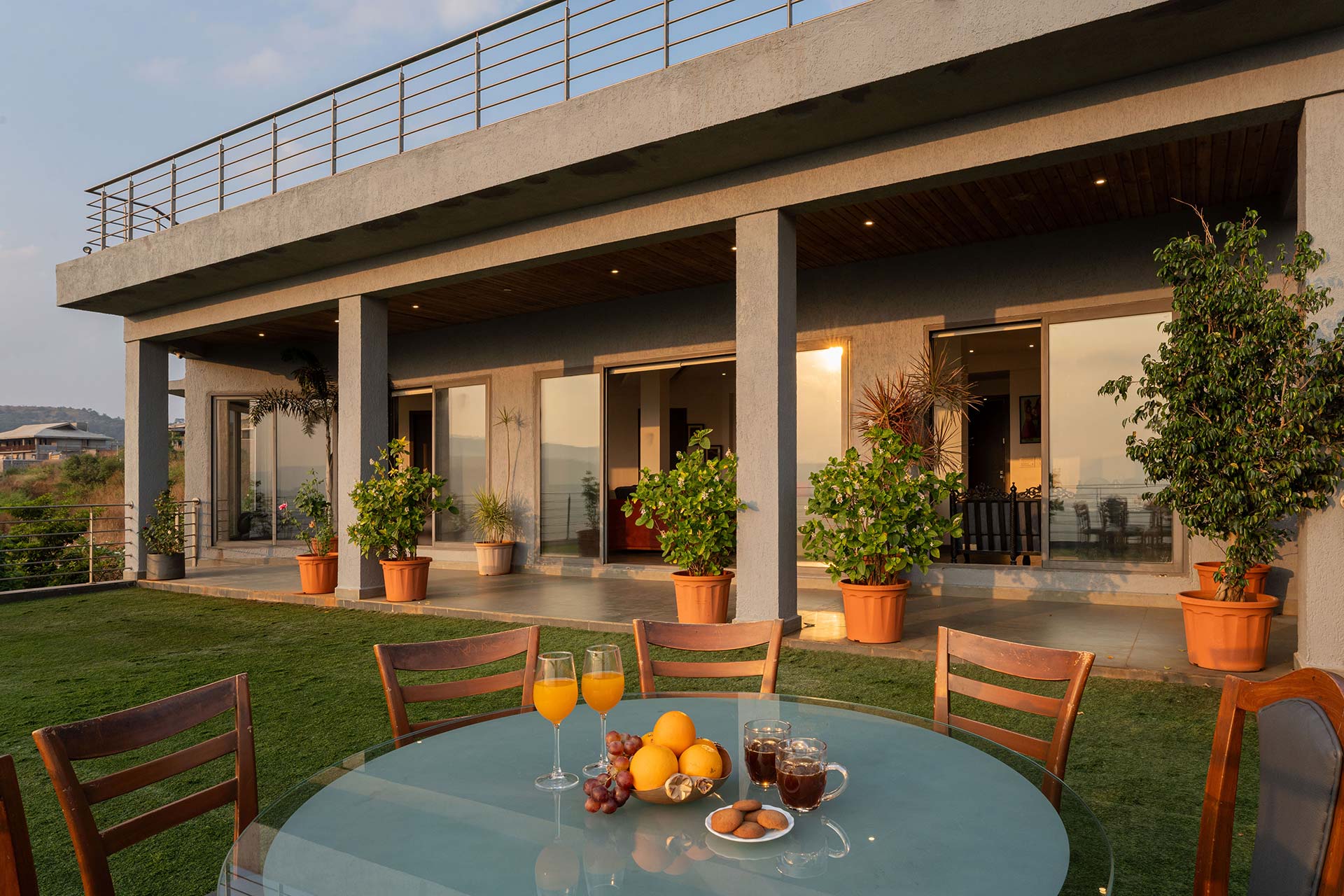
Festival weeks reward having your own base — a kitchen for prasad, a courtyard for your own sthapana, and no hotel-lobby crowds after a midnight procession. Three stays we’d shortlist for September:

Frequently Asked Questions
Ganesh Chaturthi 2026 falls on Monday, 14 September.
Anant Chaturdashi, the final visarjan day, is Friday, 25 September 2026. Shorter installations immerse earlier: 1.5-day on 15 September, 3-day on 16 September, 5-day on 18 September, and 7-day on 21 September (Drik Panchang, 2026).
Yes. Ganesh Chaturthi is a public and bank holiday in Maharashtra on 14 September 2026, and Goa, Telangana, Karnataka, and Tamil Nadu observe state holidays. Since it’s a Monday, 12–14 September forms a natural three-day festival weekend.
Pune is the classic answer — sarvajanik Ganeshotsav began there in 1893, and its five Manache Ganpati still lead the visarjan. For scale, Hyderabad’s ~70-ft Khairatabad Ganesh is unmatched; for intimacy, Goa’s home-centred Chavath is unlike any city festival.
The 2026 Khairatabad Ganesh, the pandal’s 72nd, takes the five-faced Panchamukha Sankatahara Maha Ganapati form at about 70 feet — news reports cite 69 ft while the organising samithi says 72 ft (Telangana Today; ganapathideva.org, 2026).
A matoli is the wooden canopy hung above the Ganesh idol in Goan homes, decorated with wild fruits, vegetables, and forest produce gathered before the festival. The idol is installed only after the matoli is in place, reflecting Chavath’s harvest-festival roots.
Konkan Railway typically runs Ganpati specials between Mumbai and the Konkan coast — around 250 trains ran in 2025 and sold out quickly. Book the day reservations open, or travel by road before 12 September to beat NH-66’s festival rush.
The Takeaway
- Ganesh Chaturthi 2026 starts Monday, 14 September and ends with visarjan on Friday, 25 September — and the Monday start gifts you a three-day weekend.
- Each of these eight cities offers something Mumbai doesn’t: Pune’s procession rights, Hyderabad’s verticality, Goa’s matoli homes, Konkan’s homecoming, Pen’s workshops, Indore’s jhanki night, Bengaluru’s concerts, Chennai’s restraint.
- Book travel and stays for the 12–14 September window now — festival transport across Maharashtra sells out weeks ahead.
Wherever you take your Ganpati this year, a StayVista villa or homestay gives you the space to celebrate it your way — sthapana in the living room, modak in the kitchen, and Bappa’s farewell just down the road. Ganpati Bappa Morya!