

7 Ways Goa’s Chovoth Is Nothing Like Mumbai’s Ganeshotsav — Matoli, Fugdi and What Visitors Should Know
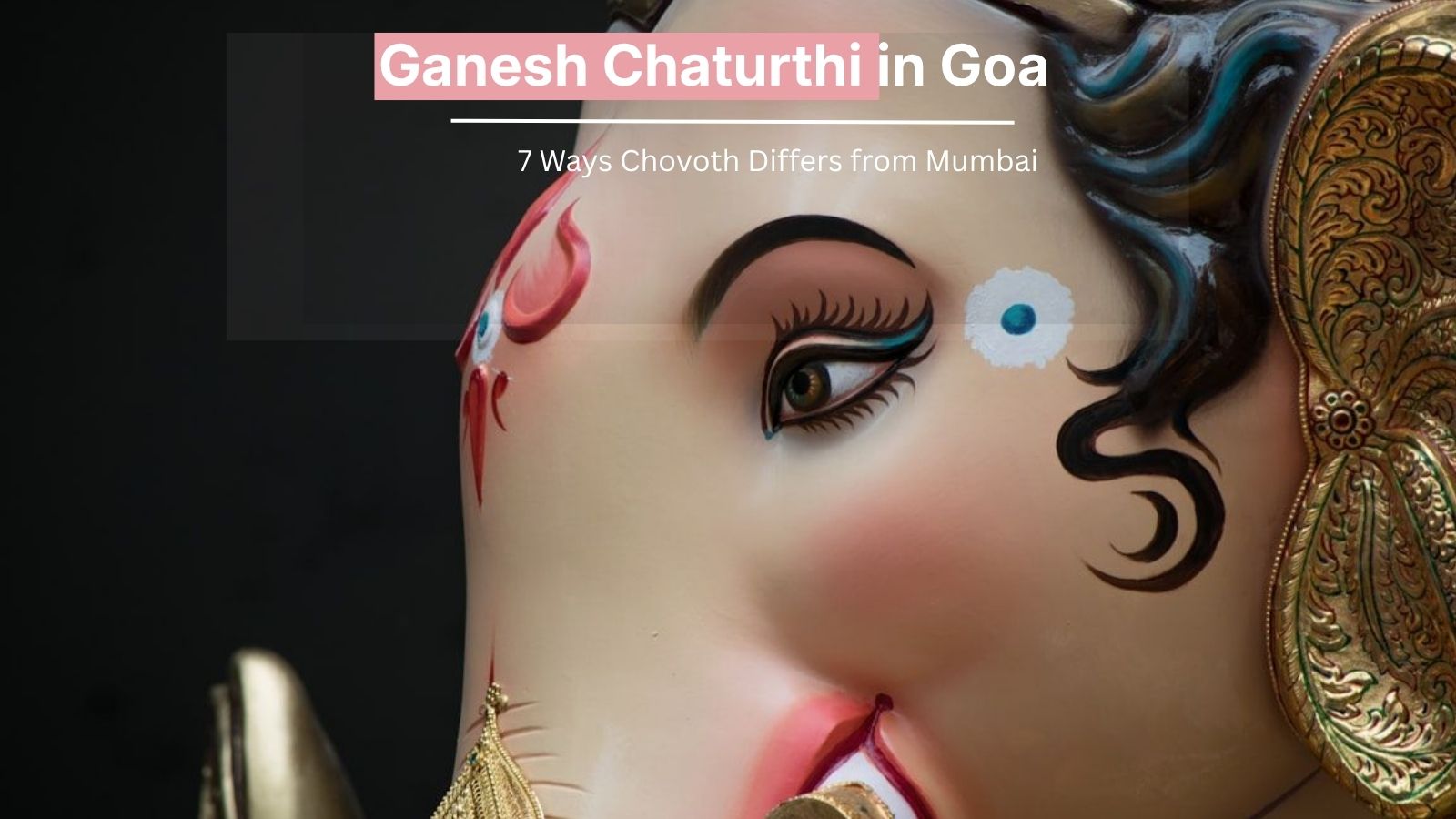
Ganesh Chaturthi in Goa goes by a different name — Chovoth — and it is, in almost every way that matters, a different festival from Mumbai’s Ganeshotsav. Both begin on the same day (Monday, 14 September 2026) and honour the same elephant-headed god. That is roughly where the similarities end.
Mumbai builds 20-foot idols and streets that do not sleep for ten days. Goa closes its doors, goes home to the ancestral house, and hangs wild forest fruit from the ceiling. Our team has spent festival season on both sides of the border, and travellers often tell us the same thing afterwards: they had no idea the quietest Ganesh Chaturthi in India was happening 590 km south of the loudest one.
TL;DR: Chovoth, Goa’s Ganesh Chaturthi, is a private, home-centred festival — clay idols under a matoli canopy of wild produce, fugdi dances and ghumat aarti — while Mumbai’s Ganeshotsav is a public spectacle of 2,500+ street mandals (Deccan Herald, 2024). In 2026 it runs from 14 September, with Goa observing state holidays on 14–15 September.
In this Blog
Quick Info: Chovoth 2026 in Goa
| Field | Detail |
|---|---|
| Ganesh Chaturthi 2026 | Monday, 14 September 2026 |
| Anant Chaturdashi (final visarjan) | Friday, 25 September 2026 |
| Goa state holidays | 14 and 15 September 2026 (two days) |
| Best places for visitors | Matoli bazaars at Banastarim, Ponda, Mapusa, Panaji, Curchorem; Marcel and Bicholim villages |
| Nearest airports | Dabolim (GOI) and Manohar International, Mopa (GOX) |
| Nearest railway stations | Thivim (North Goa), Madgaon (South Goa) |
| Weather | Monsoon tail: 24–30°C, humid, short showers |
| Ideal duration | 2–4 days around 12–16 September |
What Is Chovoth, and Why Is It Different from Mumbai’s Ganeshotsav?
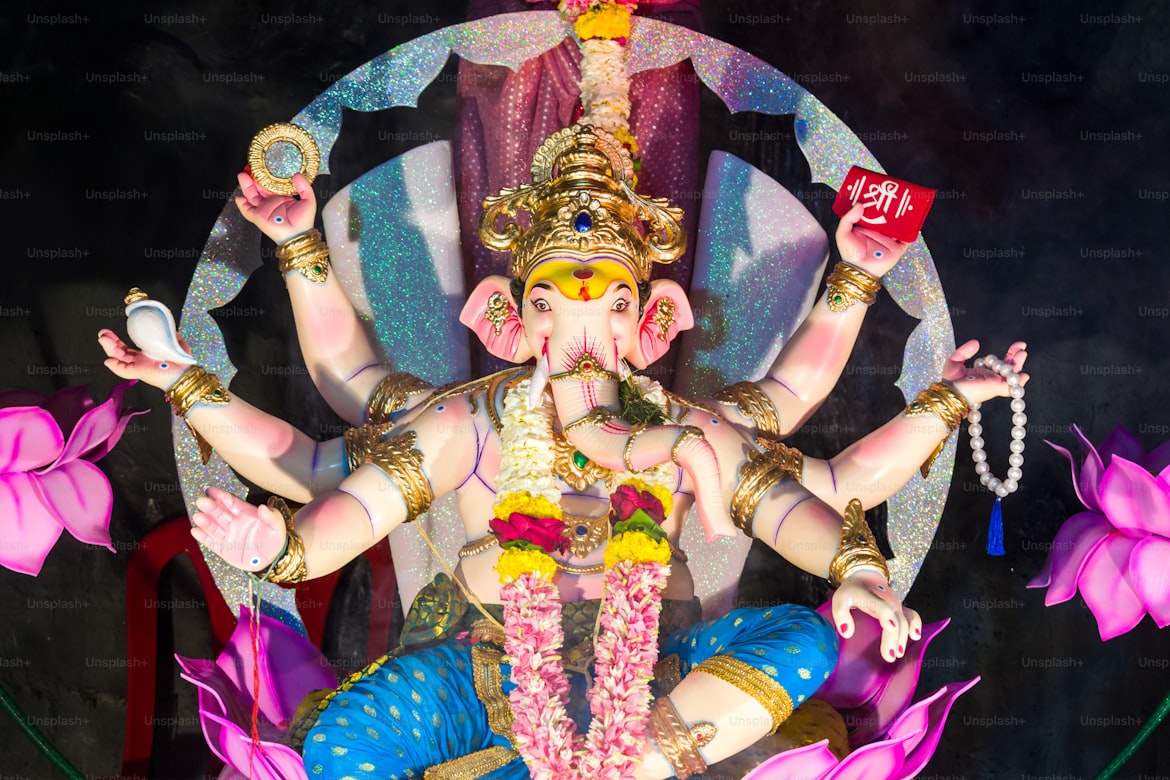
Chovoth is the Konkani name for Ganesh Chaturthi, and the Goa Directorate of Art and Culture describes it as “a cult of nature worship” — a harvest-season household ritual rather than a public event (Directorate of Art & Culture, Goa). The festival is Goa’s biggest Hindu celebration, bigger for most Goan Hindu families than Diwali.
The contrast with Mumbai comes down to history. Mumbai’s street festival is a political invention — Lokmanya Tilak turned a home ritual into a mass public gathering in 1893 to unite people under colonial rule. Goa, under Portuguese rule at the time, never went through that transformation. Chovoth stayed indoors, and it remains there today.
So what does that actually look like on the ground? Here are the seven differences that matter, especially if you are planning a September trip.
1. Chovoth Happens at Home — Mumbai’s Ganeshotsav Happens on the Street
Mumbai permitted more than 2,500 sarvajanik (public) mandals for Ganeshotsav 2024, each installing an idol in a street pandal (Deccan Herald, 2024). Goa has no comparable mandal culture at all. The Goan Ganesh arrives at the ancestral family home, where three or four generations gather for the puja.
This is the difference every visitor feels first. In Mumbai you can walk out of any local train station and find a pandal within minutes. In Goa you could drive the coastal belt on Chaturthi morning and see almost nothing — because everything is happening behind front doors, in village homes in Ponda, Bicholim, Marcel and Sattari.
Goans working in Mumbai, Pune and the Gulf travel back for it, the way North Indians go home for Diwali. Trains and flights into Goa fill up the weekend before, so if you are visiting, book transport early.
Ideal for: culture-focused travellers who prefer authenticity over spectacle.
Pro tip: if your villa host or house staff invites you to their family aarti, say yes — an invitation is the only real way inside Chovoth.
2. The Matoli: A Ceiling of Wild Forest Produce You Will Not See in Mumbai
The single most Goan object in the whole festival is the matoli — a wooden canopy suspended over the idol, hung with wild fruits, leaves, pods, herbs and tubers gathered from the monsoon forest. Researchers have documented over 300 plant species on matolis in Goa’s forested villages (Scroll.in, 2018). Mumbai’s pandal decor — flowers, lights, thermocol sets — has no equivalent tradition.
Why hang wild produce over a god? Because Chovoth doubles as a harvest thanksgiving. The matoli carries kangla, fagla, matti, wild bananas, coconuts and tirphal — some edible, some medicinal, some purely of the forest. It is ecology as ritual, decades before “eco-friendly festival” became a phrase.
For visitors, the matoli is also the most accessible part of Chovoth, because the shopping happens in public. Special matoli bazaars appear about two days before Chaturthi — 12–13 September in 2026.
Where: Banastarim (the most famous, with 400+ vendors in peak years, per The Goan), Ponda, Mapusa Friday market area, Panaji municipal market and Curchorem in South Goa. Entry fee: free to walk through. Timings: roughly 7 AM–8 PM in the two days before Chaturthi [VERIFY: exact bazaar hours]. How to reach: Banastarim is on NH-748, about 15 km from Panaji, Goa. Time required: 1–2 hours. Best time: early morning of 13 September for full stock and photographs. Pro tip: a full matoli set cost ₹2,000–2,500 in 2024, double the price of a few years earlier (Navhind Times, 2024) — buy a small bunch of wild fruit as a souvenir and you are funding a forest economy.
3. Fugdi and Ghumat Aarti Replace DJ Trucks and Dhol Pathaks
Mumbai’s soundtrack is the dhol-tasha pathak, the DJ truck and film songs at procession volume. Goa’s is the ghumat — an earthen-pot drum unique to the region — backed by the shamel drum and kasale cymbals, playing aartis in Konkani (Directorate of Art & Culture, Goa). The whole performance happens around the household shrine, not on a road.
Then there is fugdi, the women’s folk dance of Goa and the Konkan. Dancers form circles or rows, clap and spin, starting slow and accelerating until the room blurs. It needs no instruments — breath and rhythm carry it (Fugdi, Wikipedia). Many fugdi songs name-check the matoli and the forest, which tells you how deeply the nature theme runs. Its cousin dhalo, another women’s dance-song tradition, appears on festival nights too.
Have you ever heard a festival get quieter as it gets more intense? That is Chovoth. The ghumat aarti on Chaturthi evening, sung by an entire joint family in harmony, is the emotional centre of the festival — and it is completely invisible to anyone standing outside on the street.
Ideal for: travellers interested in folk music and living traditions. Pro tip: some Goa Tourism and village cultural events stage fugdi performances publicly in festival week; ask your host or check Goa Tourism listings rather than intruding on a family maand.
4. Goa’s Idols Are Small, Local Clay — Mumbai’s Are 20-Foot Celebrities
Lalbaugcha Raja, Mumbai’s most famous Ganesh, stands roughly 16–20 feet tall and draws an estimated 1.5 million visitors a day (Lalbaugcha Raja, Wikipedia). The GSB Seva Mandal insured its 2025 festival for a record ₹474 crore (Deccan Herald, 2025). Goa’s idols, by contrast, are household-sized — one to three feet — and made of local clay by hereditary artisan families.
Bicholim taluka alone has around 100 chitrashalas (idol workshops), many of them three to four generations old, which begin sculpting nearly three months before the festival (The Goan). The state government even subsidises traditional clay idols at ₹200 per idol (Government of Goa scheme), and Goa Police check vehicles at the state border to stop plaster-of-Paris idols from entering (Deccan Herald).
One delightful exception: the Marcel–Cumbharjua belt is known for cane-and-bamboo Ganesh idols, including a motorised, gently swinging reclining Ganesh that has become a minor local legend.
Where to see idol-making: chitrashalas in Bicholim, Marcel and Mapusa, from late August until 13 September. Entry fee: free; buy something if you photograph. Time required: 30–45 minutes per workshop. Ideal for: photographers, families with kids. Pro tip: visit in the first week of September, before the final rush, and ask before touching unfired clay.
5. Visarjan: A 33-Hour Mumbai Mega-Procession vs a Five-Minute Walk to the Village Pond
In 2025, Mumbai immersed roughly 6,500 public idols and about 1.75 lakh household idols across 65 natural water bodies and 205 artificial ponds (NewsOnAir, 2025). Lalbaugcha Raja’s final procession to Girgaon Chowpatty took 33 hours (Lokmat Times, 2025). Goa’s visarjan is a family walking their clay Ganesh to the nearest pond, well, stream or beach — often within five minutes of the front door.
Timing differs too. Most Goan households immerse on the second day; others keep Ganesh for 5, 7, 11 or 21 days depending on family tradition, called kulachar (itsgoa.com). Mumbai’s rhythm builds relentlessly toward the tenth day, Anant Chaturdashi — 25 September 2026 — when the city effectively stops for the sea-front immersions at Girgaon Chowpatty and Juhu.
If you want the spectacle, Mumbai wins without contest. If you want to watch a family sing one last aarti at a monsoon-full village pond at dusk, only Goa has that. Which memory would you rather carry home?
For visitors in Goa: immersion evening is 15 September 2026 for most households. Village ponds and river ghats in Ponda and Bicholim see small clusters of families from about 5 PM. Watch from a respectful distance; do not use flash.
6. The Food Is Strictly Vegetarian Home Cooking — and You Cannot Buy It
Here is the Goa paradox: the land of fish curry and beach shacks goes fully vegetarian for Chovoth. Goan Hindu homes cook saatvik feasts — no fish, no meat, no onion or garlic in many houses — for the entire time Ganesh is home (Gomantak Times). Mumbai has its modak stalls and mandal prasad lines; Goa’s festival food almost never touches a commercial kitchen.
The menu is its own heritage list. Nevri (crescent pastries of coconut and jaggery, the Goan karanji). Ukadiche modak, steamed rice-flour dumplings that are Ganesh’s favourite. Patoleo — rice paste and coconut-jaggery steamed inside fragrant turmeric leaves, a monsoon-only dish. Khatkhate, a temple-style stew of five or more vegetables spiked with tirphal, Goa’s native Sichuan-pepper-like berry (Khatkhate, Wikipedia).<!– [PERSONAL EXPERIENCE] –>
Travellers staying in our Goa villas during festival week often ask where to “order” patoleo. The honest answer: you mostly cannot. A few Panaji sweet shops sell nevri in season, but the real thing comes off a family steamer. If your villa offers a home-style Goan cook, request a Chovoth-week saatvik meal a day ahead — it is the closest a visitor gets to the festival table.
Ideal for: food-curious travellers. Best time: 14–15 September, when every Goan Hindu kitchen is in full production. Pro tip: turmeric leaves for patoleo appear in the same matoli bazaars — spotting them is a fun market scavenger hunt.
7. Goa Slows Down for Two Days — Mumbai Speeds Up for Ten
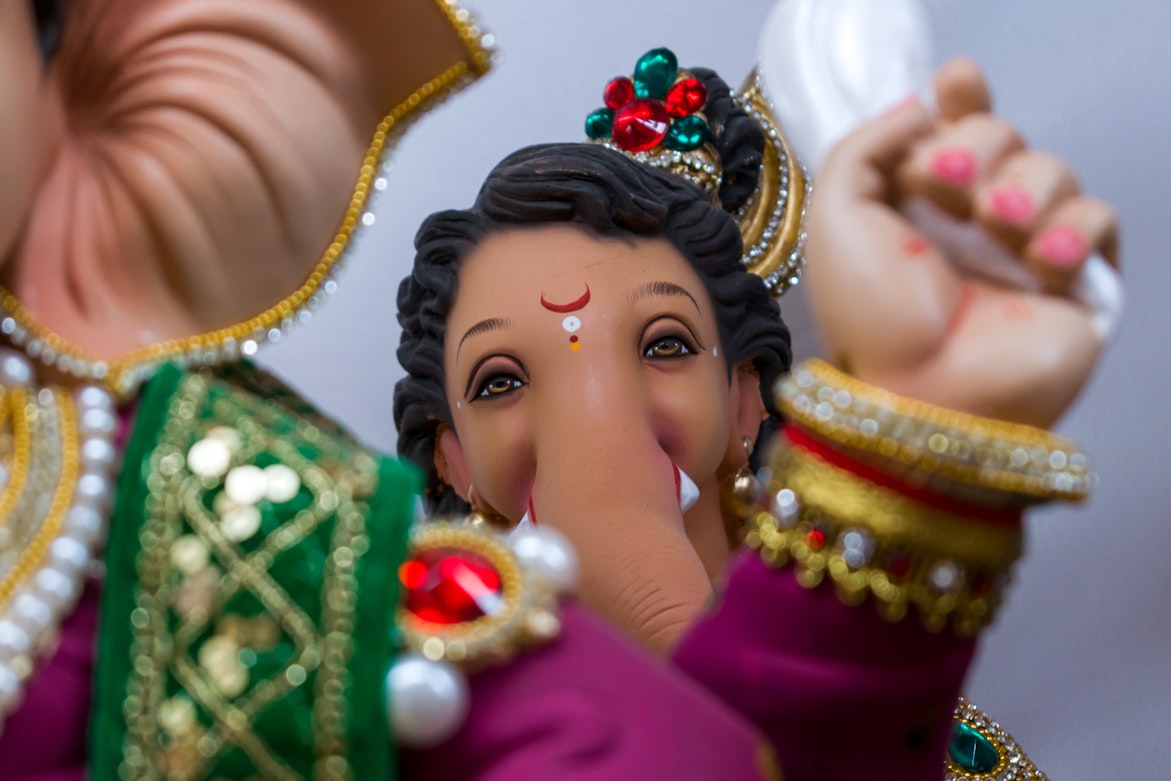
Goa observes two state holidays for Ganesh Chaturthi — 14 and 15 September 2026 — and much of local life pauses (Goa government holiday list via greythr). Banks and government offices close. Village shops, small family-run restaurants and some local taxi operators take the days off, because their owners are at the family altar. Mumbai does the opposite: the city adds ten days of all-night crowds on top of its normal chaos, and Maharashtra now promotes Ganeshotsav as its official State Festival (Deccan Herald, 2025).
What does this mean for your Goa trip? Less than you might fear. The coastal tourist belt — Candolim to Anjuna, Colva to Palolem — largely keeps functioning, and hotels, villas and supermarkets stay open. Expect thinner cab availability on 14–15 September, quieter markets, and some closed local eateries in the villages. Book a GoaMiles or private cab in advance for those two days, and stock your villa kitchen on the 13th.
September itself works in your favour. It is the monsoon’s tail — 24–30°C, brief showers, everything impossibly green — and one of the best-value months of the year for villa stays. Goa’s tourist arrivals crossed 1.08 crore in 2025, with the state recording monsoon-month growth for the first time (Goa Department of Tourism, 2025) — yet mid-September still feels like you have the state to yourself.
Pro tip: treat 14–15 September as slow villa days — pool, books, long lunches — and plan your sightseeing, matoli market visit and workshop tours for 12–13 September.
How to Plan a Chovoth Trip: Suggested Itineraries
Two-day plan (13–15 September 2026):
- 13 Sept: Morning at Banastarim or Mapusa matoli bazaar; afternoon chitrashala visit in Bicholim; stock up groceries; evening drive through Ponda’s temple belt.
- 14 Sept (Chaturthi): Slow villa morning; if invited, join your host family’s aarti in the evening; otherwise a quiet green-season drive along the Mandovi backroads around Marcel, Goa.
- 15 Sept: Villa day; around dusk, watch second-day visarjan at a village pond from a respectful distance.
Four-day plan: add a day for South Goa (Curchorem matoli bazaar plus monsoon-swollen Dudhsagar viewpoints from the Mollem side) and a day for old Panaji — Fontainhas walks and the Goa State Museum, which stay tourist-friendly through the festival. For weather planning, see our guide to Goa’s monsoon weather in July, August and September.
Distances that help: Banastarim is ~15 km from Panaji; Marcel ~17 km; Bicholim ~30 km; Ponda ~28 km. From the Candolim–Calangute belt, add 30–45 minutes. Mopa airport to Panaji is ~35 km via NH-66; Dabolim is ~30 km.
Where to Stay: Villas That Put You Inside the Festival Map
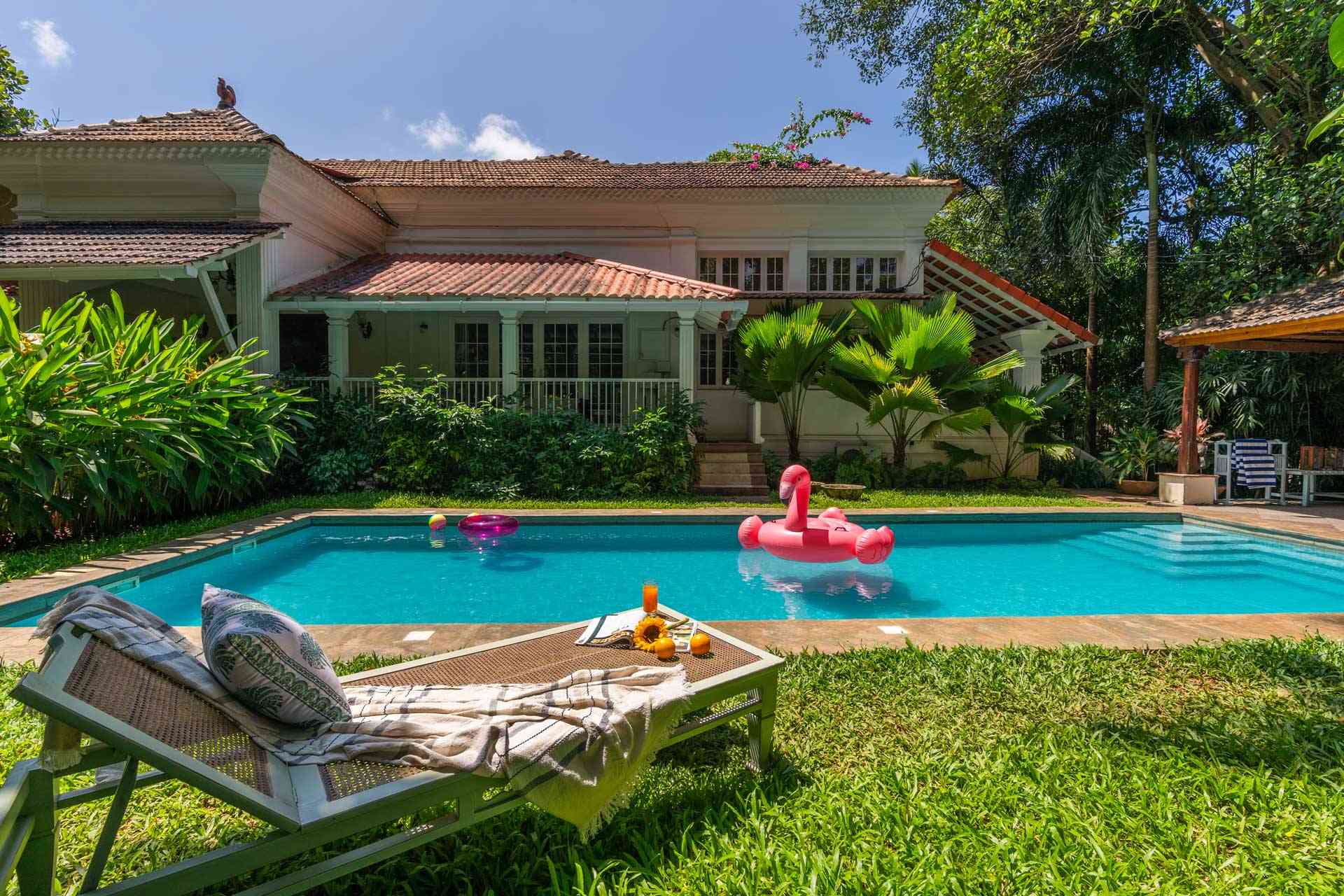
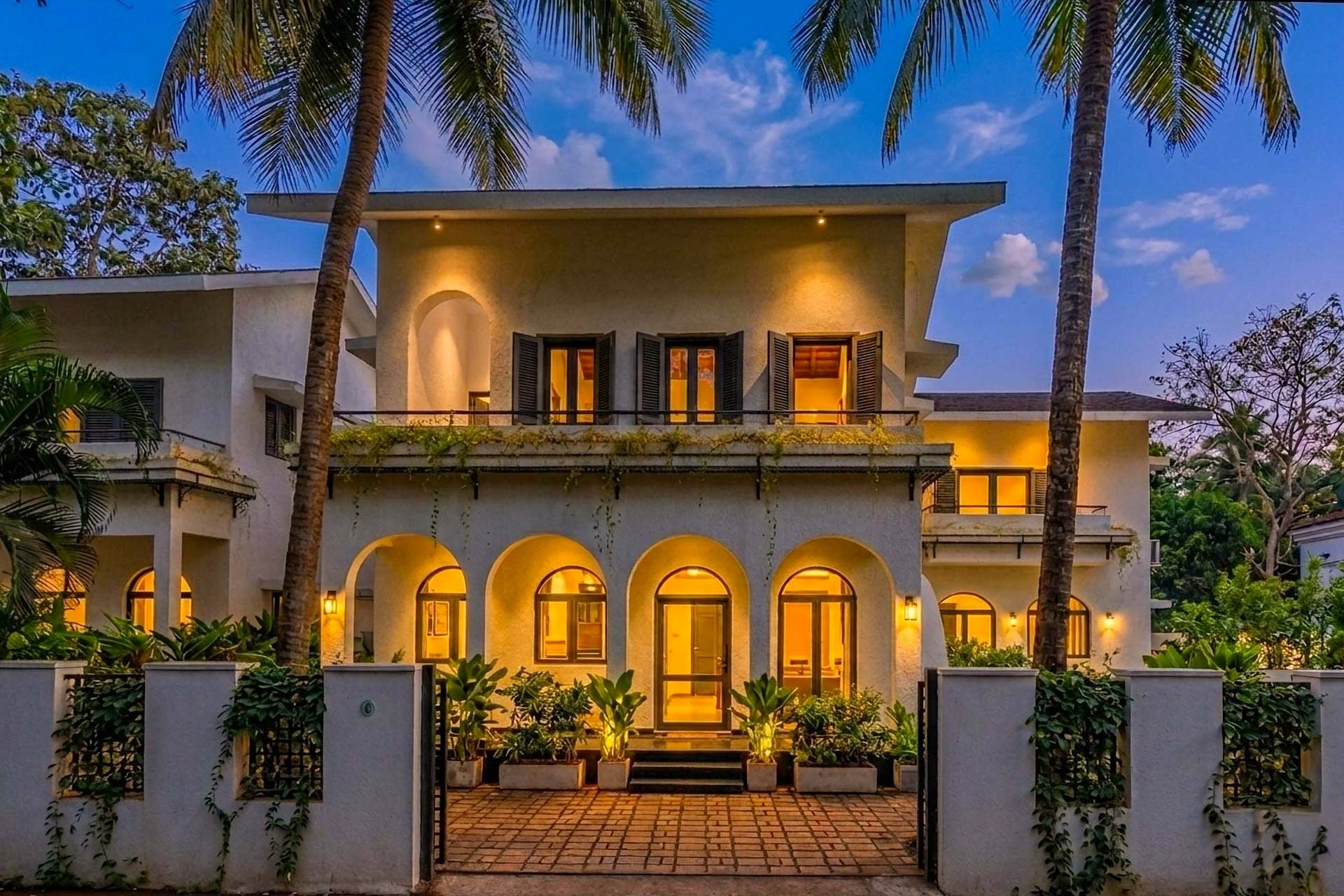
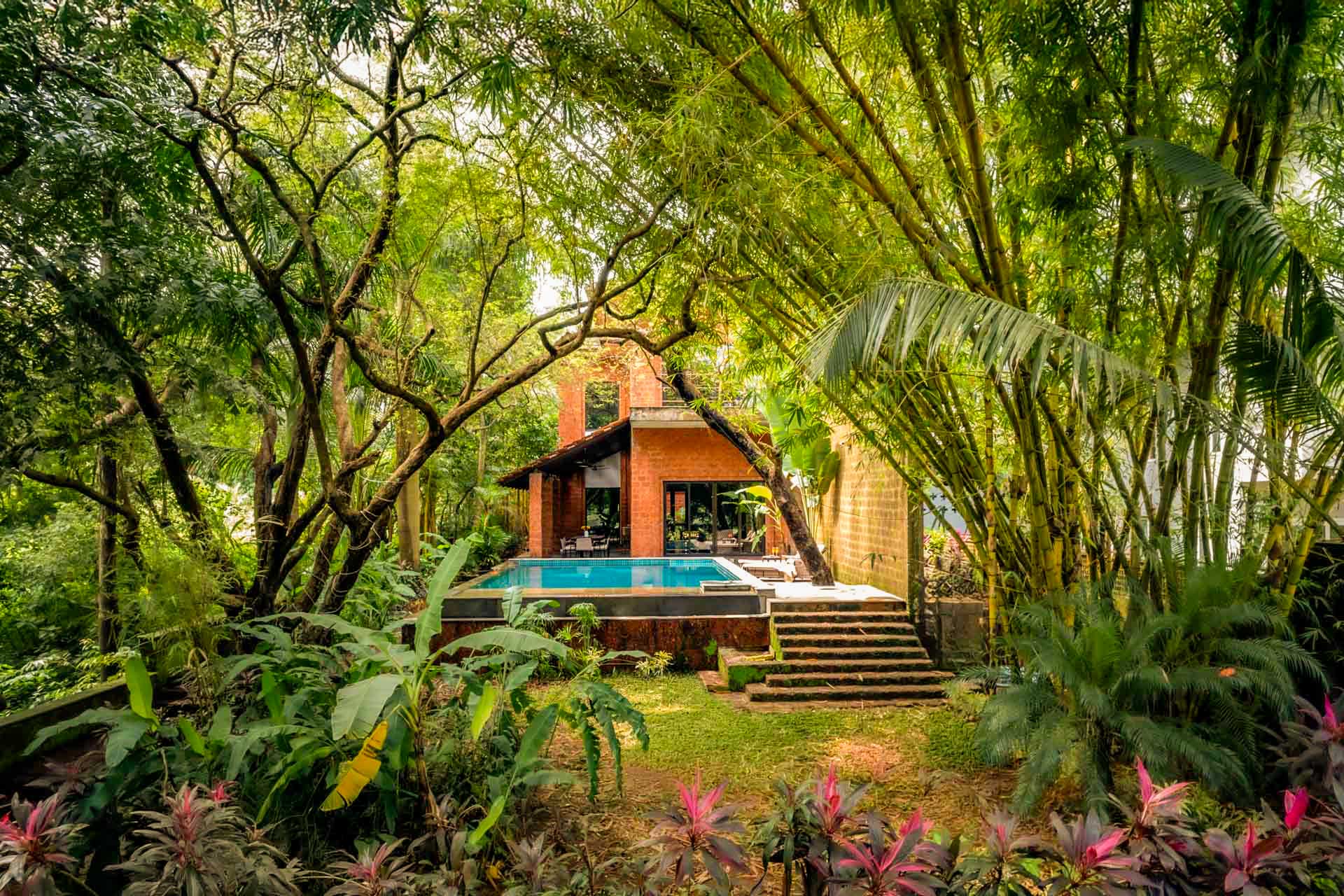
This is where staying in a villa beats a beach-strip hotel for festival week. StayVista’s villas in North Goa’s inland villages sit within 15–30 minutes of the Mapusa matoli bazaar, Bicholim’s idol workshops and the Marcel temple belt, while keeping the coast within easy reach. Three we would pick for Chovoth week:
Frequently Asked Questions
Chovoth is the Konkani name for Ganesh Chaturthi, Goa’s biggest Hindu festival. It is celebrated at home rather than in public pandals: families install a clay Ganesh idol under a matoli (a canopy of wild fruits and leaves), perform ghumat aarti, and immerse the idol in a nearby pond or river, usually after two days.
Mumbai’s Ganeshotsav is a public street festival with over 2,500 permitted mandals, giant idols and mass beach immersions. Goa’s Chovoth is private and household-based — small clay idols, forest-produce matolis, fugdi dances and quiet village-pond visarjans. Visitors see Mumbai’s festival everywhere; in Goa they mostly need an invitation.
A matoli is a wooden canopy hung above the Ganesh idol in Goan homes, decorated with wild fruits, vegetables, leaves and pods gathered from the monsoon forest. Researchers have recorded over 300 plant species used on matolis. Special matoli bazaars at Banastarim, Ponda, Mapusa and Curchorem sell the produce two days before Chaturthi.
Fugdi is a folk dance of Goa and the Konkan performed by women during Ganesh Chaturthi and other festivals. Dancers form circles or rows, clapping and spinning to songs that gradually speed up, with no instruments needed. Many fugdi songs reference the matoli and forest produce, reflecting Chovoth’s nature-worship roots.
Ganesh Chaturthi falls on Monday, 14 September 2026, and Anant Chaturdashi — the final visarjan day — on Friday, 25 September 2026. Goa observes state holidays on both 14 and 15 September 2026, and most Goan households immerse their idols on the second day.
Yes. Hotels, villas and the main coastal belt operate normally, though banks, government offices and many village shops close on 14–15 September, and local taxis run thinner. Book cabs in advance, stock supplies on 13 September, and expect a quieter, greener Goa than in peak season.
September is the monsoon’s tail: 24–30°C, brief showers, lush landscapes and some of the year’s best villa rates. Goa recorded monsoon-season tourism growth for the first time in 2025, per the Goa Department of Tourism. Chovoth week adds a rare cultural layer to a green-season trip.
The Bottom Line
Mumbai’s Ganeshotsav and Goa’s Chovoth are the same devotion expressed in opposite languages — one civic and colossal, the other domestic and hushed. For a traveller, that contrast is the opportunity. Come to Goa on 12–13 September 2026 for the matoli bazaars and idol workshops, slow down through the two holiday days, and leave having seen a side of the state that beach-season visitors never will.
Key takeaways:
- Chovoth 2026 begins 14 September; Goa holds state holidays on 14–15 September.
- The matoli bazaars (Banastarim, Mapusa, Ponda, Curchorem) are the most visitor-friendly window into the festival.
- Expect reduced local services for two days; the tourist belt stays open.
- The festival is home-based — attend an aarti only by invitation, and always ask before photographing.