

Think Goa Is Overcrowded? These Goa Tourism Myths Are Costing You the Perfect 2026 Trip
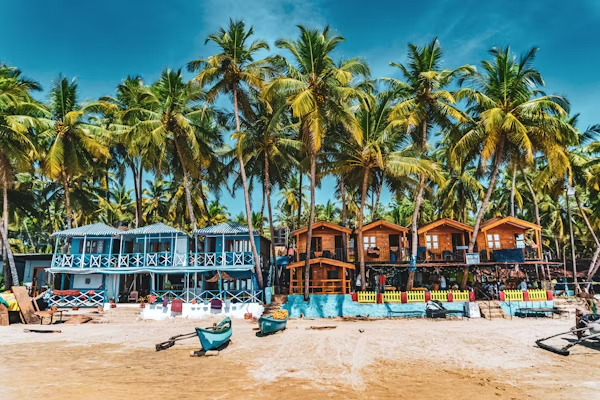
You may have heard rumours that Goa is overcrowded throughout the year, overly expensive, or only a party destination. While Goa can be all of these things at certain times and in certain places, it is not limited to just these narratives.
Being one of India’s most loved tourist destinations comes with both blessings and drawbacks, and Goa has experienced them all. Almost everyone wants to experience Goa at least once in their lifetime, yet many hesitate because of the rumours surrounding this iconic location. The reality, however, is far more layered than the stereotypes suggest.
That’s where this blog comes in. It unpacks the most persistent Goa tourism myths, replaces them with real, on-ground realities based on recent travel patterns in 2026, and helps you plan a trip that’s not only safer and calmer, but also far more memorable than you might expect.
Most Goa tourism myths persist because they are based on outdated travel patterns, peak-season snapshots, and stereotypes that no longer reflect how Goa functions today.
In this Blog
Why Goa Tourism Myths Still Exist?
Goa was one of India’s earliest global tourism hotspots, and its reputation solidified decades ago. Long before digital nomads, slow travel, curated stays, and experience-led tourism became mainstream. While the destination evolved, the narrative didn’t.
Popular images of crowded beaches, all-night parties, and backpacker chaos are often drawn from:
- A handful of peak-season locations
- Viral social media clips
- One-time visits during Christmas or New Year
What gets lost is the fact that Goa today is highly segmented. The experience varies dramatically depending on season, location, accommodation style, and intent of travel. Yet, the myths continue to dominate search results and casual conversations.
So let’s debunk these Goa tourism myths one by one!
Myth 1: Goa Is Always Overcrowded

One of the biggest reasons this myth survives is because travellers equate Goa with just a handful of overexposed locations. In reality, the Goa crowd now behaves very differently from a decade ago.
Neighbourhoods like Assagao, Siolim village, Aldona, and Saligao in North Goa remain largely residential, even during peak season. These areas sit just minutes away from popular beaches but feel worlds apart in terms of noise, traffic, and footfall.
Similarly, the idea that the Goa crowd in January and February 2026 will overwhelm the entire state ignores how tourism has decentralised. While hotspots get busy, inland villages and quieter belts continue to function at a relaxed pace.
What the Goa Crowd Really Looks Like in 2026
The Goa crowd now is far more dispersed than it was a decade ago. With new roads, expanded neighbourhoods, and a rise in private stays, tourist density has spread out.
- Goa crowd in December 2026 will peak between December 24 and January 1
- Goa crowd in New Year is concentrated in nightlife-heavy belts
- Goa crowd in January 2026 drops sharply after the first week
For the rest of the year, including February, early March, and even parts of the monsoon- Goa feels surprisingly relaxed.
Myth 2: Goa Is Only a Party Destination
Labelling Goa as just a Goa party destination does a huge disservice to what the state actually offers. While nightlife exists, and thrives- it represents only one layer of a deeply cultural, historical, and ecological destination.
Over the last few years, Goa has seen a strong rise in:
- Wellness tourism
- Culinary travel
- Art, design, and heritage experiences
- Long-stay and work-from-Goa travellers
Villages, riverfronts, spice farms, and heritage homes now attract as many travellers as clubs once did.
Also read: Morning Activities that will make you see Goa in a new light
Myth 3: North Goa vs South Goa—You Must Pick One
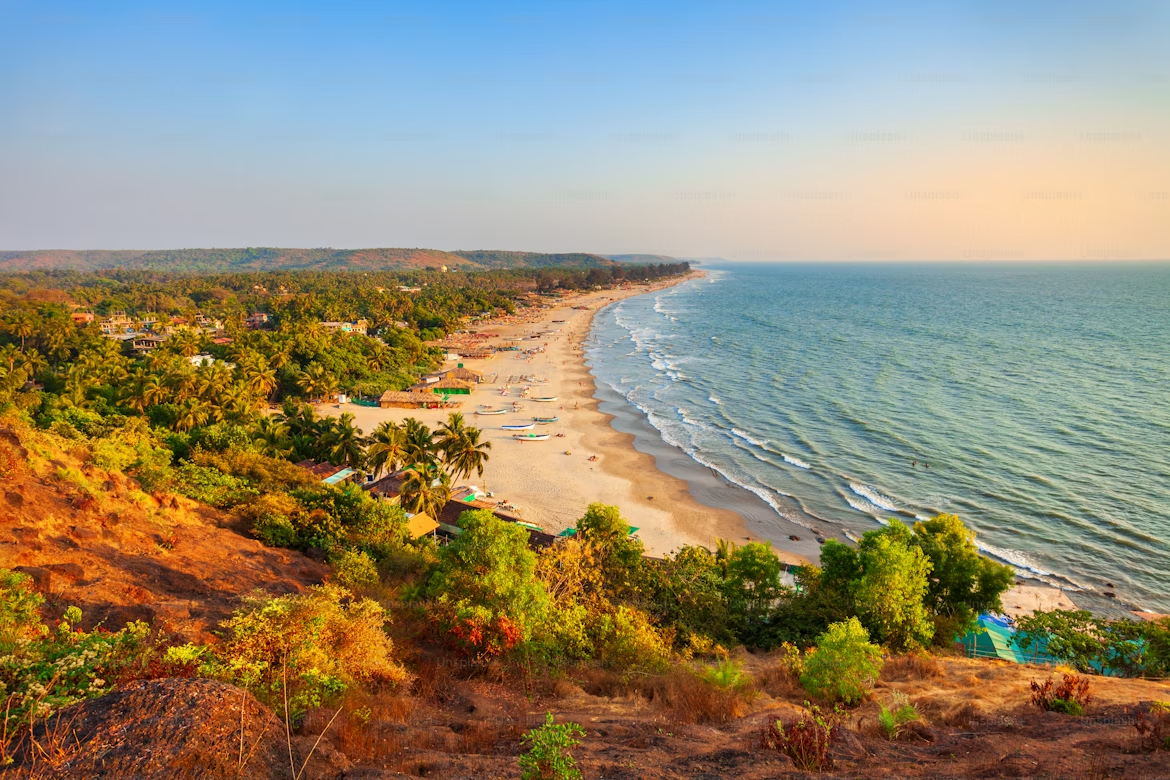
The North Goa vs South debate collapses the state into two misleading labels. What actually matters is micro-location.
For example, staying in Assagao or Aldona feels nothing like staying near a nightlife-heavy beach. Likewise, South Goa isn’t just resort-lined coastlines—villages like Betul, Cola, and Talpona offer quiet, lived-in experiences far removed from tourist density.This is why experienced travellers no longer ask “North or South?”
They ask, “Which village?”
Read: Explore Moira: Goa’s Village Life Experience Most Travellers Miss
Myth 4: Goa Is Unsafe for Tourists
Concerns about Goa being unsafe for tourists often stem from anecdotal stories rather than reality. In fact, Goa consistently ranks among India’s safer leisure destinations, especially for families, solo travellers, and international visitors.
Beach safety has improved significantly with:
- Lifeguard patrols on popular beaches
- Tourist police presence
- Better lighting and infrastructure
Like any destination, awareness and basic precautions are important—but the idea that Goa is inherently unsafe is unfounded.
Myth 5: Drugs Define Goa
This is one of the most damaging Goa tourism myths, and it no longer reflects the ground reality. While past decades may have shaped this narrative, present-day Goa tourism is governed by stricter regulations, enforcement, and a clear push toward responsible travel.
Most visitors today experience Goa through:
- Food trails and cafés
- Nature-based activities
- Cultural and heritage walks
- Family-friendly stays
The focus has shifted away from stereotypes and toward sustainability and quality tourism.
Also read: Want to experience real euphoria? Then do this in Goa instead
Myth 6: Goa Shuts Down During Monsoon

The Goa monsoon shutdown myth exists because travellers imagine rain as a limitation rather than a transformation. In reality, monsoon is when Goa turns its greenest and most atmospheric.
Regions near Chorla Ghats, Netravali Wildlife Sanctuary, and interior South Goa come alive with mist, waterfalls, and forest trails. This season is especially popular among repeat visitors who value calm, photography, and immersive travel.
Monsoon Goa isn’t closed, it’s just quieter, greener, and slower.
Also read: What to expect during Goa monsoons
Myth 7: Goa Food Is Only Seafood

The idea that Goa has a seafood-only cuisine overlooks one of India’s most diverse culinary landscapes. Goa’s food culture is shaped by Saraswat traditions, Portuguese influence, and regional farming practices.
Vegetarian thalis, slow-cooked curries, baked goods, and contemporary global menus are now just as prominent as seafood. Even traditional drinks connected to Feni drinking culture have evolved into regulated, artisanal offerings focused on heritage rather than excess.
Also read: The best Restaurants and Cafes in Goa
Myth 8: Goa Has Only Beaches
Believing that Goa’s beaches define the destination means missing half of what makes the state special. Beyond the coastline lies a world of forests, rivers, villages, and wildlife sanctuaries.
Inland Goa offers:
- Spice plantations
- River islands
- Old Portuguese-era homes
- Trails, temples, and quiet towns
For many repeat visitors, these inland and historical experiences become the highlight of their trip.
Where to Stay if You Want to See the Other Side of Goa?
Goa may be best known for its beaches, but some of its most memorable experiences unfold away from the shoreline, in thoughtfully designed villas that offer space, privacy, and a slower pace of living. Across quiet villages, green inland pockets, and creative neighbourhoods, Goa is home to luxurious private stays that redefine what a dream escape looks like—think peaceful mornings, heritage-inspired architecture, open spaces, and the freedom to experience Goa on your own terms. Choosing a villa over a hotel allows travellers to immerse themselves in comfort while discovering a side of Goa that feels personal, unrushed, and far removed from the usual tourist trail.
A Portuguese Tale, Assagao – A Quiet Village Escape in North Goa

Located in Assagao, one of North Goa’s most peaceful and culturally rich villages, A Portuguese Tale offers a side of Goa that many travellers overlook. This region is known for its leafy lanes, heritage homes, and slow village rhythm—far removed from the crowded beach circuits. Staying here allows travellers to explore boutique cafés, local markets, and art spaces while returning to a private, spacious home that prioritises calm and comfort. It’s an ideal choice for families or groups who want proximity to North Goa without being immersed in its busiest zones.
Luxury Cottage with Bathtub at Kuhu Nature’s Resort – Goa Beyond the Coastline

This cottage challenges the idea that Goa experiences revolve only around the sea. Set within a green, nature-forward landscape, the stay is designed for travellers seeking quiet mornings, open views, and a more restorative pace. Surrounded by natural scenery rather than nightlife, it highlights how inland and semi-rural parts of Goa offer a completely different travel experience—one focused on wellness, space, and slowing down. It’s particularly suited for couples or solo travellers looking to disconnect from crowds while still being within reach of Goa’s highlights.
Jonah at Pura Vida – A Balanced Base Near Goa’s Creative Belt
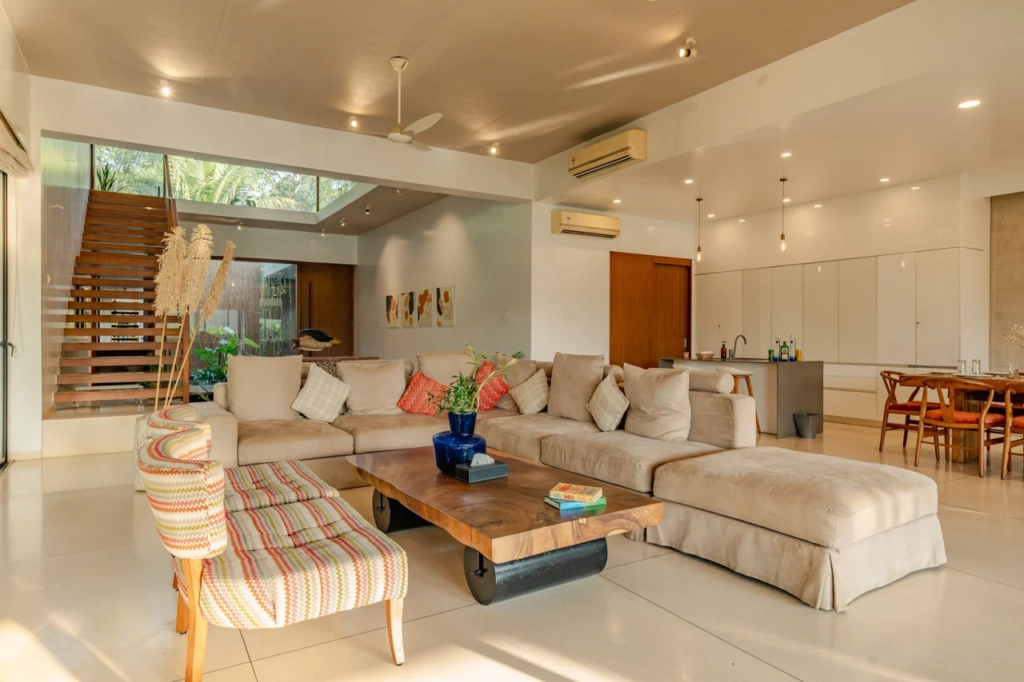
Jonah at Pura Vida is well-suited for travellers who want access to Goa’s creative and cultural energy without sacrificing privacy. Located close to some of North Goa’s more thoughtfully developed neighbourhoods, it works as a comfortable base for exploring markets, cafés, and local experiences during the day while retreating to a peaceful space in the evenings. This stay reflects a growing travel preference in Goa—choosing neighbourhoods that offer character and convenience over purely beach-centric locations.
Myth 9: Clean Beaches & White Sand Still Exist in Goa
The Dirty Goa myth usually comes from peak-season experiences at overused beaches. But Goa’s coastline is long, and many of its cleanest stretches are simply less publicised.
White sand beaches in Goa, such as Ashwem, Galgibaga, Kakolem, and Butterfly Beach, remain relatively untouched due to limited access and controlled development. Visiting these beaches early morning or mid-week further enhances the experience.
Cleanliness in Goa is less about the state—and more about where and when you go.
Myth 10: Goa Is Only for Hippies
The stereotype of Goa hippie junkies no longer reflects who actually travels to Goa. Today’s visitors include families, digital nomads, luxury travellers, wellness seekers, and long-stay guests looking for balance rather than chaos.
Goa has matured, and so has its audience.
Quick Facts: Goa in 2026
- The Goa crowd this year is spread out, not concentrated
- Travel seasons extend beyond winter
- Infrastructure and road connectivity have improved
- Villas and private stays dominate new bookings\
Best time to visit Goa in January- February 2026
January to February 2026 is one of the most balanced times to visit Goa. The New Year rush fades by mid-January, leaving behind pleasant weather, clearer beaches, and a noticeably calmer vibe across many regions. February adds a cultural highlight with the Goa Carnival 2026, a traditional celebration held in select towns with parades, music, and local festivities, without impacting the entire state. Together, these months offer the perfect mix of relaxed travel and authentic Goan experiences, especially if you explore quieter villages and lesser-known regions.
FAQs: Goa Tourism Myths
Only during select peak weeks. The rest of the year is manageable and often calm.
Yes. Residential areas and private stays are especially family-friendly.
No. Culture, food, nature, and wellness now define modern Goa travel.
Absolutely. After the New Year, crowds thin out significantly.
Final Thoughts: Time to Let Goa Tourism Myths Go
Most Goa tourism myths survive because travellers plan based on perception instead of insight. The real Goa in 2026 is layered, adaptable, and surprisingly peaceful when explored thoughtfully.
Travel slower. Choose smarter. And let Goa show you what it has quietly become.
Goa hasn’t changed overnight—but how you experience it can.
Cover image credits: Sumit Sourav
Written by: Taniya Eppaturi