

Best Trekking Places in Goa 2026 | Before Monsoon Trails Guide
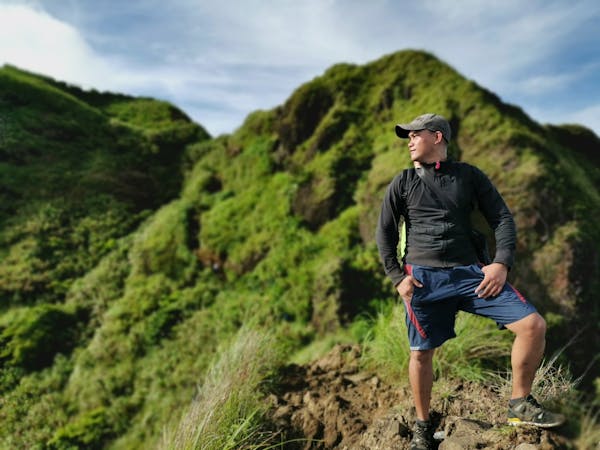
It’s April 2026, and the window to trek in Goa is open right now — but not for long. Trekking in Goa includes forest trails, waterfall hikes, hill climbs, and coastal walks spread across North Goa and South Goa. Popular Goa trekking places include Dudhsagar, Netravali, Tambdi Surla, and Sonsogor. While October to February is the classic trekking season, April and May give you one last, genuinely underrated opportunity before the monsoon arrives and closes most trails in June.
Goa is not just beaches. The Western Ghats, which form Goa’s eastern spine, are still very much accessible in April. Trails are dry underfoot, waterfalls run as gentle trickles (they explode into full force come June), and the heat — while real — is manageable with early starts before 7am. If you’re in Goa this month or planning a May trip, the forest is waiting.
In this Blog
April Trekking Window in Goa — What You Need to Know
April and May are Goa’s last pre-monsoon trekking months. Trails are dry, waterfalls are trickles (they explode in June), and heat is manageable with early starts. Most trails are navigable until mid-June. The Goa monsoon typically arrives between June 5–10 — once it does, river levels surge, leeches emerge across forest floors, and several routes become genuinely dangerous. Plan your trek before that window closes.
April trek tips that apply across all trails:
- Start time: 6–7am is non-negotiable in April. Temperatures climb sharply after 9am and make exposed sections very uncomfortable by 11am.
- Water carry: Carry at least 3 litres per person — more than you think you need. April heat means higher sweat loss, and water sources along trails cannot be relied upon.
- Sun protection: Apply sunscreen before you start, wear a light full-sleeve shirt, and bring a cap or hat. The tree canopy helps on forest trails but exposed ridgelines like Sonsogor offer no shade.
- Electrolyte sachets: Pack 2–3 ORS sachets. Heat exhaustion is a real risk on longer treks in April.
- Finish early: Aim to be back at your vehicle or basecamp by 12 noon on most trails. Afternoon heat makes the return journey significantly harder.
Adventure Beyond the Beaches – Discover Goa’s Hidden Wilderness
Goa is globally known for beaches, nightlife, and laid-back coastal culture, but trekking in Goa reveals a quieter, greener side shaped by the Western Ghats. Dense forests, wildlife sanctuaries, river valleys, and seasonal waterfalls create ideal terrain for both beginner-friendly hikes and challenging hill treks. Many Goa trekking places lie within protected forest zones, offering encounters with rare birds, butterflies, and native flora.
North Goa trekking routes often feature laterite plateaus, short forest walks, and coastal cliff trails that can be completed in half a day. In contrast, trekking in South Goa usually involves deeper forest cover, longer ascents, and waterfall-focused routes around Sanguem, Netravali, and Cotigao. Together, these regions make Goa a surprisingly diverse trekking destination suitable for weekend explorers, nature photographers, and experienced hikers alike.
Also Read: Think Goa Is Overcrowded? These Goa Tourism Myths Are Costing You the Perfect 2026 Trip
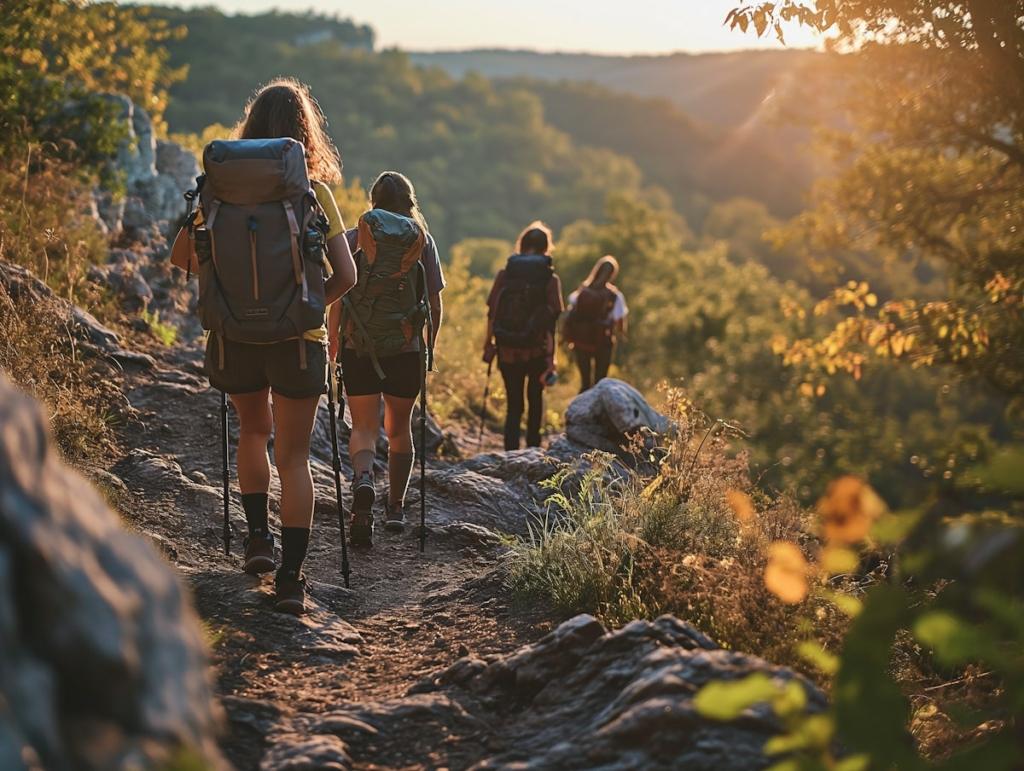
Best Trekking Spots in Goa
Goa offers a wide range of treks varying in difficulty, duration, and terrain. Below are the best trekking places in Goa, explained in detail with terrain, experience level, seasonal relevance, and April-specific tips for each trail.
1. Dudhsagar Waterfall Trek
The Dudhsagar Waterfall Trek is the most iconic Goa trek and one of the tallest waterfall hikes in India. The name translates to “sea of milk,” describing the cascade’s milky-white appearance as water plunges 310 meters down tiered rock faces. Two main approaches exist: the longer 14-kilometer trail from Castle Rock or the shorter 11-kilometer route from Kulem village, both passing through dense forest before reaching the falls.
Difficulty Level: Moderate to Challenging
Duration: 6-8 hours (round trip from Kulem)
Best Season: October to January (post-monsoon, when water flow moderates)
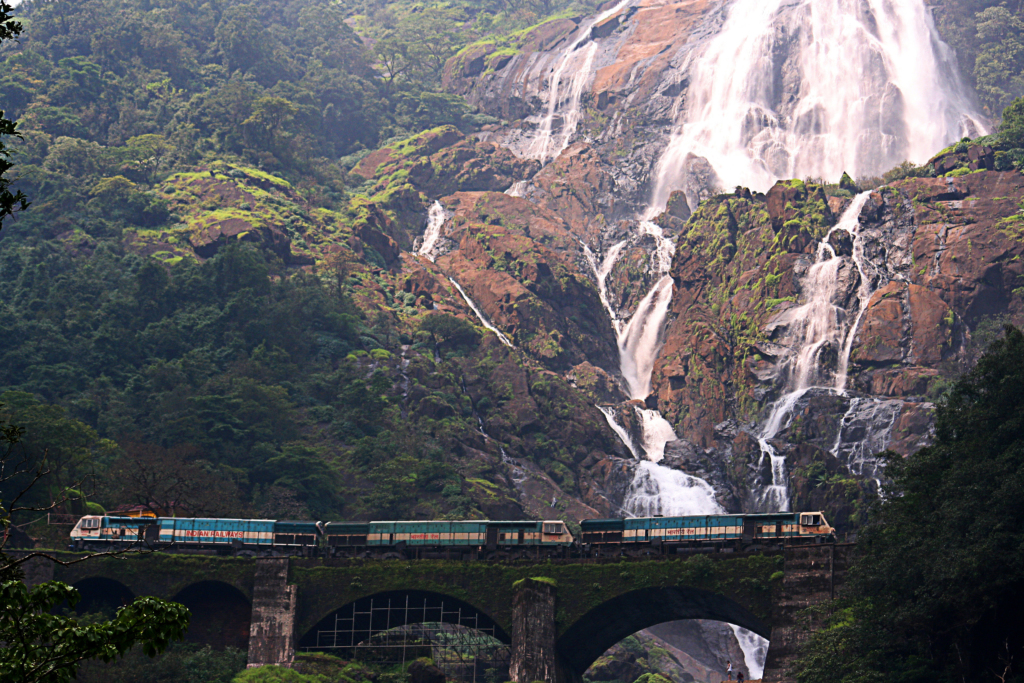
The trail from Kulem follows the old railway track alongside the Mandovi River, requiring multiple stream crossings and careful navigation around railway infrastructure. Trekkers share the path with occasional trains — staying alert remains essential. The forest section hosts langurs, Malabar giant squirrels, and, if fortunate, glimpses of deer near water sources. The final approach involves scrambling over large boulders before the waterfall comes into full view.
Reaching the base allows swimming in the natural pool, though currents can be deceptively strong. The railway bridge above offers a famous vantage point, where photographers capture trains crossing against the waterfall backdrop. Forest Department permits are required and are booked via the official Dudhsagar trekking portal (dudhsagartrekking.com); permit fees are approximately ₹627 per person including forest entry, guide, and GST. A guided forest trail with permit is compulsory when trekking through Bhagwan Mahaveer Sanctuary.
April tip: Start no later than 6:30am from Kulem. The railway track sections are fully sun-exposed by 9am and become punishing in April heat. Carry 3+ litres of water. The falls run as a gentle trickle in April — dramatically different from the monsoon roar — but the forest and wildlife experience remains excellent. Note that trekking may be restricted on Red/Orange weather alert days.
What to Bring: Sturdy hiking shoes with good grip, at least 3 litres of water per person in April, energy snacks, electrolyte sachets, a first-aid kit, a waterproof bag for electronics, and sun protection including a cap. Mobile network coverage drops significantly once inside the sanctuary.
2. Netravali Wildlife Sanctuary Trek
The Netravali Wildlife Sanctuary Trek offers one of the most immersive trekking experiences in South Goa. Netravali represents Goa’s ecological crown jewel — a 211-square-kilometer sanctuary where the Western Ghats ecosystem remains largely undisturbed. Multiple trails crisscross this protected area, ranging from easy nature walks to challenging full-day treks. The sanctuary’s unique features include natural springs, the mysterious “bubble lake” (a pond where clapping hands supposedly creates bubbles), and pristine forest streams that support diverse aquatic life.
Difficulty Level: Easy to Moderate (varies by route)
Duration: 3-6 hours, depending on trail selection
Best Season: November to February (accessible in April with early starts)
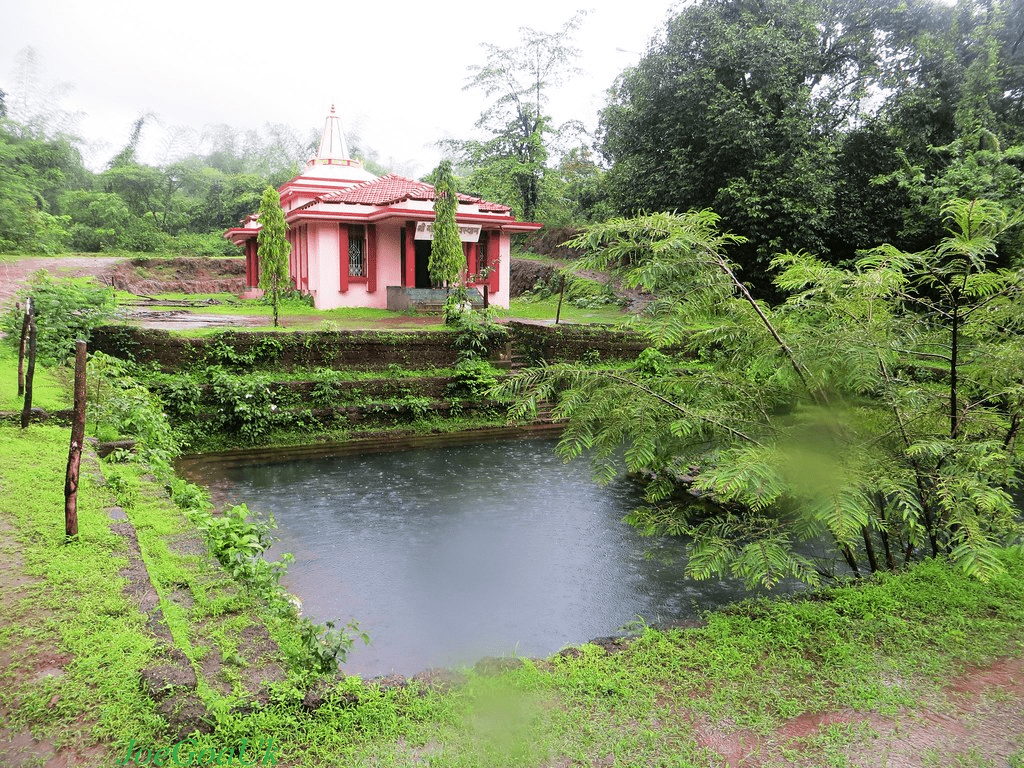
Picture Credits: Joegoauk Goa via Flickr
The most popular route starts from Mainapi village, following a gentle gradient through sal and teak forests to Savari Waterfall. This 4-kilometer trek suits families and beginner trekkers, with clear paths and moderate elevation gain. More experienced hikers can extend toward Surla village, adding another 6 kilometers through mixed deciduous forest where wildlife sightings increase. The sanctuary requires entry permits obtained from the Forest Department office in Canacona or sometimes at the entry gate. Carry identification proof and expect nominal fees. Unlike commercialized sanctuaries, facilities here remain rudimentary: no restaurants, shops, or restrooms within the forest. Pack out all trash — the sanctuary follows strict leave-no-trace principles.
April tip: Depart by 6am from Mainapi. The forest canopy provides welcome shade on this trail, making it one of the more April-friendly treks in Goa. Carry 2.5 litres of water and sunscreen for any open sections. The Savari Waterfall will be a slim stream in April — worth seeing for the forest experience, not the cascade.
Birdwatching Note: Serious birders should bring binoculars and field guides. Dawn hours (6-9 AM) offer peak activity, with hornbill calls echoing through the canopy and flycatchers hunting near streams.
3. Todo Waterfall Trek
The Todo Waterfall Trek is a lesser-known but rewarding trek located in the Sattari region of North Goa. This offbeat Goa trek involves forest navigation, river crossings, and steep climbs that lead to a secluded waterfall surrounded by thick vegetation. This isn’t a casual half-day excursion — the complete trek involves steep descents, river crossings, and navigation through unmarked forest sections that challenge even experienced trekkers.
Difficulty Level: Challenging
Duration: 7-9 hours (round trip)
Best Season: October to December (doable in April for very experienced trekkers only)
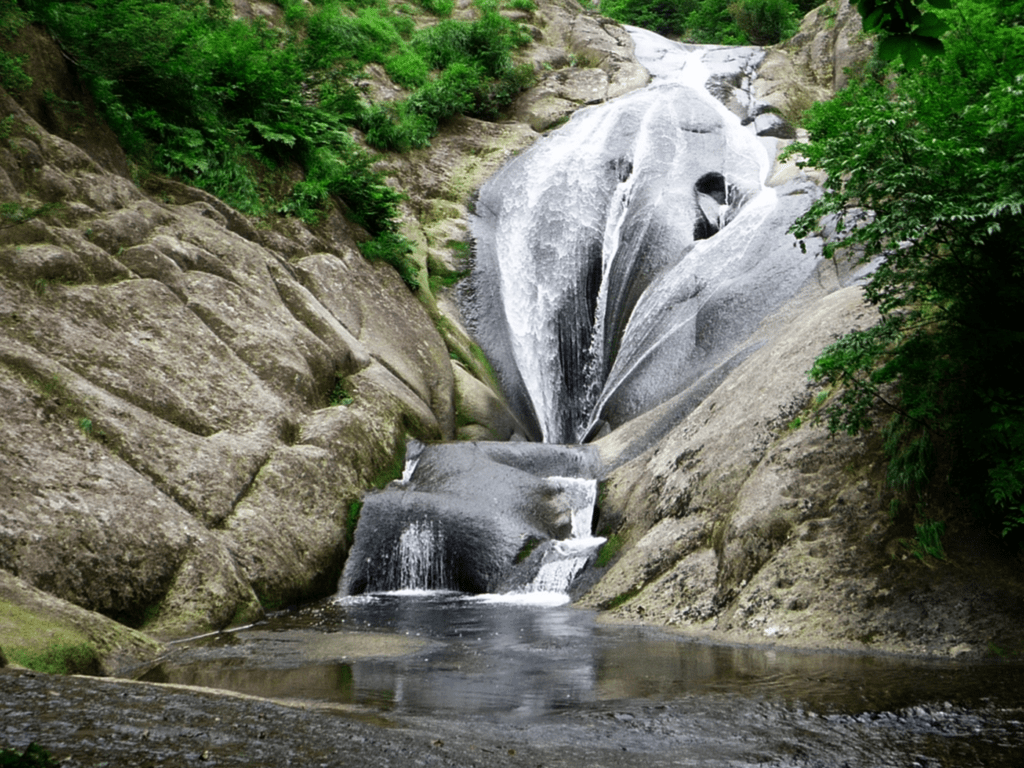
Starting from Mauxi village, the initial 3 kilometers follow a motorable dirt road before the actual trail begins. The descent into the gorge where Todo cascades requires careful footing — loose rocks and exposed roots make this section treacherous. The waterfall itself drops approximately 60 meters into a deep pool surrounded by sheer rock walls. Local guides from Mauxi or Valpoi are essential for this trail.
April tip: The Todo trek is a serious undertaking in April due to heat and the long duration. If you choose to attempt it, start at 6am sharp, carry 4 litres of water, and plan to be back at Mauxi no later than 1pm. This is not recommended for first-timers or casual trekkers in the pre-monsoon heat. A local guide is not optional here.
Safety Considerations: This trek is unsuitable for solo hikers or those without prior trekking experience. Inform someone of your plans, carry adequate water (3+ litres), and don’t attempt during the monsoon when rivers become impassable. Mobile signals are absent throughout most of the route.
4. Tambdi Surla Trek
Tambdi Surla Trek is a scenic forest trail leading to Goa’s oldest surviving temple, the 12th-century Tambdi Surla Mahadev Temple. Unlike other Goan temples destroyed during Portuguese invasions, this remote location preserved the structure intact. The trek itself offers moderate challenge through the Bhagwan Mahavir Wildlife Sanctuary, with the temple providing both destination and midpoint for extended exploration.
Difficulty Level: Easy to Moderate
Duration: 2-3 hours (to temple and back)
Best Season: October to March (doable in April with early start)
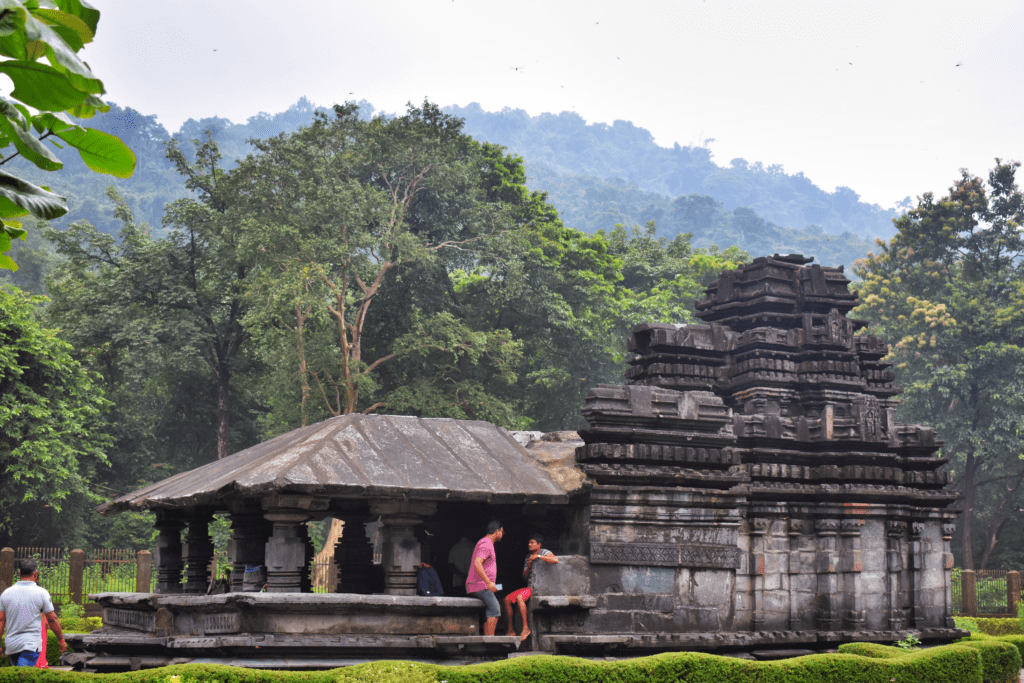
The temple sits approximately 1.5 kilometers from the nearest motorable road at Tambdi Surla village. The approach trail passes through mixed forest — areca nut plantations transitioning into natural woodland. Basalt stone carvings at the temple showcase intricate Kadamba architecture, with the main sanctum featuring a Shiva lingam. For trekkers wanting more than the basic temple visit, the extended route toward Virdi Falls adds 4 kilometers each way, though falls are minimal in April.
April tip: Start by 7am. The forest cover makes this trail more forgiving in April heat than exposed routes. The sanctuary’s visiting hours are typically 8am–5pm and entry fees apply. Photography is allowed; be respectful of any devotees present.
5. Sonsogor Trek
The Sonsogor Trek leads to the highest point in Goa and is widely regarded as the most physically demanding trek in the state. Located near the Goa-Karnataka border, the route involves steep ascents, exposed ridgelines, and long forest climbs with very limited resting points.
Difficulty Level: Moderate to Challenging
Duration: 4-5 hours (round trip from base)
Best Season: November to February (April possible but challenging due to heat)
The standard route begins from either Mollem village in Goa or approaches from Karnataka’s side. From Mollem, the initial section follows jeep tracks through the forest before narrowing into foot trails. Weather conditions change rapidly at this elevation. Mornings often start misty, clearing by mid-morning before afternoon clouds roll in. Temperatures at the summit run 5-8 degrees cooler than base areas.
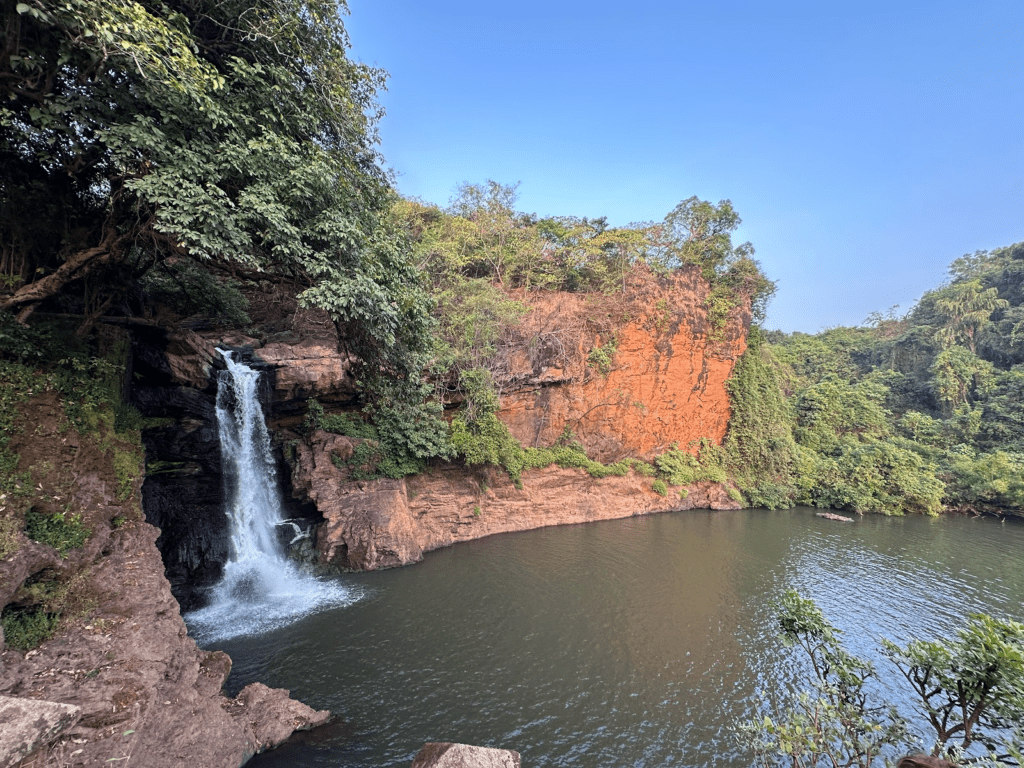
Picture Credits: Mindtrip
April tip: Sonsogor in April is only for experienced, well-prepared trekkers. Start at 6am to reach the summit before the heat intensifies. The exposed ridgelines that offer magnificent views in winter become solar ovens by 10am in April. Carry 3.5 litres of water minimum and wear a hat. The summit view, even in April haze, rewards the effort.
6. Pali Waterfall Trek
Pali Waterfall offers one of Goa’s most beginner-friendly trekking experiences, making it ideal for families, first-time trekkers, or those seeking a shorter outdoor excursion. Located near Valpoi in North Goa, this trail sees moderate visitor numbers but never the crowds that overwhelm more famous waterfalls.
Difficulty Level: Easy
Duration: 1.5-2 hours (round trip)
Best Season: October to January (April accessible, waterfall minimal)
The trek begins from Pali village, following a well-maintained path through cultivated land before entering forest cover. The total distance measures approximately 2 kilometers each way, with minimal elevation change. The trail remains clearly visible and requires no specialized navigation skills.
April tip: This is one of the best April-friendly treks in Goa for casual visitors. Start by 7am, finish by 10am, and you’ll beat the heat entirely. The waterfall will be a trickle in April, but the forest walk and the surrounding Bondla Wildlife Sanctuary make the trip worthwhile.
7. Kuskem Waterfall Trek
This Goa trek is ideal for beginners and casual walkers. Trekking here is best between August and December when the waterfall is active.
Difficulty Level: Easy
Duration: 1-2 hours (round trip)
Best Season: June to September (monsoon), October to December (post-monsoon)
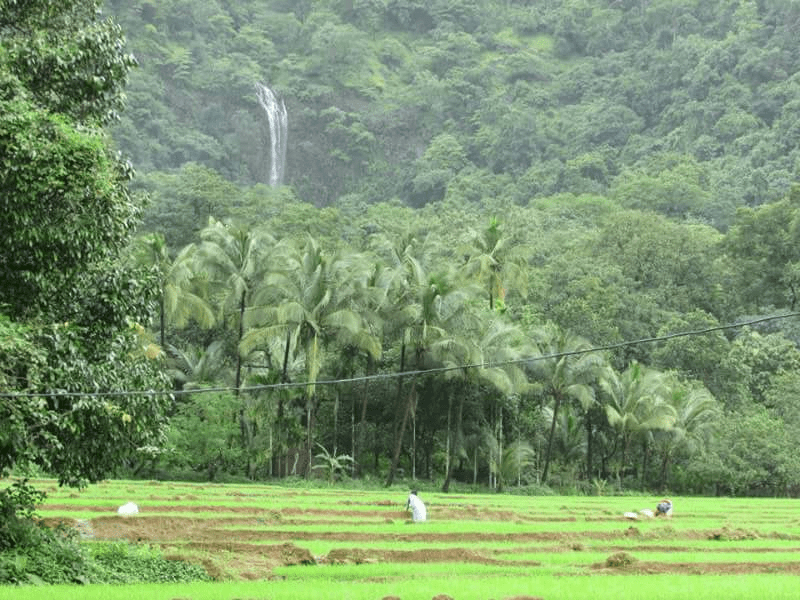
The trail starts from Kuskem village, approximately 12 kilometers from Palolem beach. The 1.5-kilometer path winds through mixed forest, passing rubber and cashew plantations before reaching natural woodland. The terrain remains relatively flat with gentle slopes.
April tip: The Kuskem waterfall is largely dry in April, but the forest trail near Cotigao Sanctuary still makes for a pleasant early-morning walk. Go for the wildlife and forest atmosphere rather than the falls. Start at 6:30am and you’ll have the trail almost entirely to yourself.
Kuskem’s location near Cotigao Sanctuary means wildlife encounters occur regularly. Monkeys, various squirrel species, and abundant birdlife populate the trail. Early morning treks increase chances of spotting larger mammals like sambar deer near water sources.
8. Sanguem Valley Trek
Sanguem Valley Trek explores one of South Goa’s most scenic river valleys. This moderately difficult trek is ideal for those looking to experience Goa trekking beyond tourist hotspots. The trail meanders through wildflower meadows, past small streams, and through mixed forest corridors.
Difficulty Level: Easy to Moderate
Duration: 3-4 hours (various route options)
Best Season: October to February (April doable with early start)
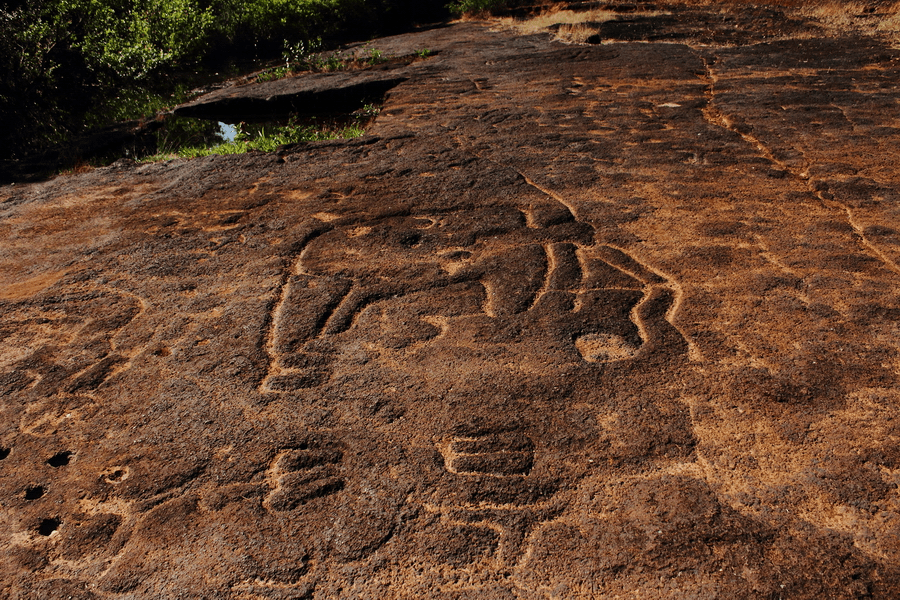
Multiple entry points exist around Sanguem town, with routes varying from 4 to 8 kilometers depending on your chosen path. The most popular option starts from Rivona village, known for its rock-cut caves dating to the 6th–7th century. Combining the cave visit with valley trekking creates a full cultural-natural experience.
April tip: Start from Rivona at 6:30am. The valley sections are partially shaded, making this trail reasonably manageable in April. Carry sunscreen for the open meadow stretches and pack 2.5 litres of water for the longer route options.
9. Nivati Beach Trek (South Goa)
The Nivati Beach Trek is a coastal trekking route combining seaside cliffs, fishing villages, and panoramic Arabian Sea views. This Goa trek is relatively easy and perfect for sunrise walks. The trek connects Cola Beach to Agonda via the quieter Nivati area, showcasing South Goa’s less-developed coastline.
Difficulty Level: Easy to Moderate
Duration: 2-3 hours (one way, Cola to Agonda)
Best Season: October to March (April possible in early morning only)
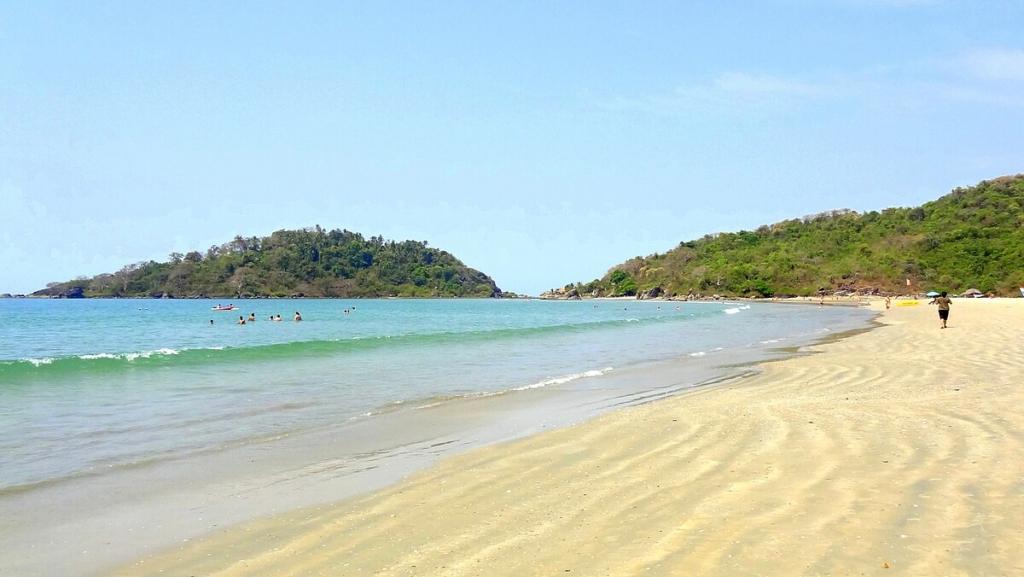
The trail begins at Cola Beach, climbing onto rocky headlands that separate South Goa’s beach segments. Views encompass the Arabian Sea stretching to the horizon, fishing boats dotting the waters, and periodic glimpses of dolphins.
April tip: The coastal trail has zero shade on the cliff sections. In April, the only viable window is 6–9am. After 9am, the reflected heat off the rocks makes this trail uncomfortable. Start from Cola Beach at first light and you’ll reach Agonda in the cool morning air with spectacular golden-hour views over the water. Avoid this trek post-10am in April entirely.
10. Udaan Dongor Trek
Udaan Dongor, located in Valpoi taluka, translates roughly to “flight hill” — a name attributed to the panoramic bird’s-eye views from its summit. This trek remains uncrowded compared to mainstream Goa trekking places and is considered one of North Goa’s hidden treasures by local trekking enthusiasts.
Difficulty Level: Moderate
Duration: 3-4 hours (round trip)
Best Season: November to February (April possible, early start required)
The trek starts from villages near Valpoi, with the exact trailhead varying based on the chosen route. Local guides are particularly valuable here, as the path is not well-marked and several false trails exist.
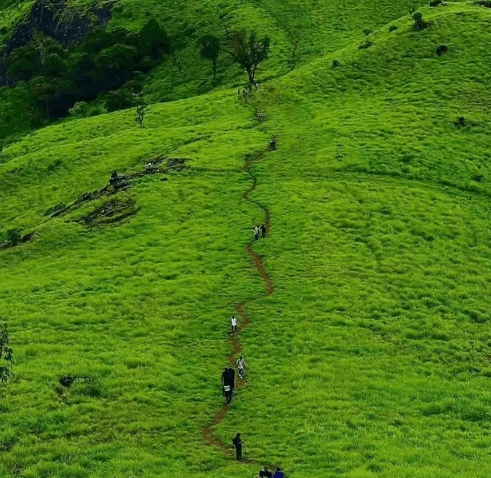
April tip: A 6am start from Valpoi gets you to the summit during the cooler morning window and off the exposed upper section before the heat builds. Carry 3 litres of water, a hat, and sunscreen. Local trekking groups in Valpoi occasionally organize weekend climbs — joining one is both safer and more enjoyable for this trail.
Before the Monsoon Closes Goa’s Trails — 2025–26 Regulations and Eco-Trail Updates
Goa’s Forest Department has been formalizing its trekking and eco-tourism framework over the 2025–26 period. Key updates trekkers should know before heading out in April or May 2026:
- Dudhsagar permit system: Online advance booking via dudhsagartrekking.com is now the primary permit method for the Dudhsagar trail. The permit fee is approximately ₹627 per person (includes forest entry, guide, and GST). Walk-in permits are inconsistently available — book in advance, especially for April weekends.
- Guided trekking in protected areas: For trails inside Bhagwan Mahaveer Sanctuary (which covers Dudhsagar, Tambdi Surla, and Molem routes), a registered guide is now compulsory. Solo trekking in core sanctuary zones has been progressively restricted.
- Netravali eco-cottages: The Forest Department has established eco-cottages inside Netravali Sanctuary near Selaulim, providing immersive overnight options for serious nature visitors. These are available for advance booking through the Goa Forest Department.
- Alert day restrictions: Trekking in all Goa forest areas is suspended automatically on Red and Orange weather alert days issued by the IMD. Always check the India Meteorological Department forecast before departing, particularly April onwards as pre-monsoon weather becomes unpredictable.
- Monsoon closure timeline: Goa’s monsoon typically arrives June 5–10. Forest Department advisories generally recommend avoiding most interior forest treks from mid-June onwards due to flash flood risk, swollen river crossings, and leech proliferation. The window narrows fast after May 31.
Best Time and Tips for Trekking in Goa
The best time for trekking in Goa is from October to February. April and May offer a secondary window — still very much viable with 6am starts, adequate water, and sun protection. Avoid afternoon trekking in April. Carry sufficient water, respect wildlife regulations, and hire local guides for remote trails. The monsoon arrives June 5–10 each year; plan accordingly.
Also Read: Goa in January 2026: Perfect Weather, Fewer Crowds & the Best Quiet Beaches
StayVista – Your Perfect Base for Goa Adventures
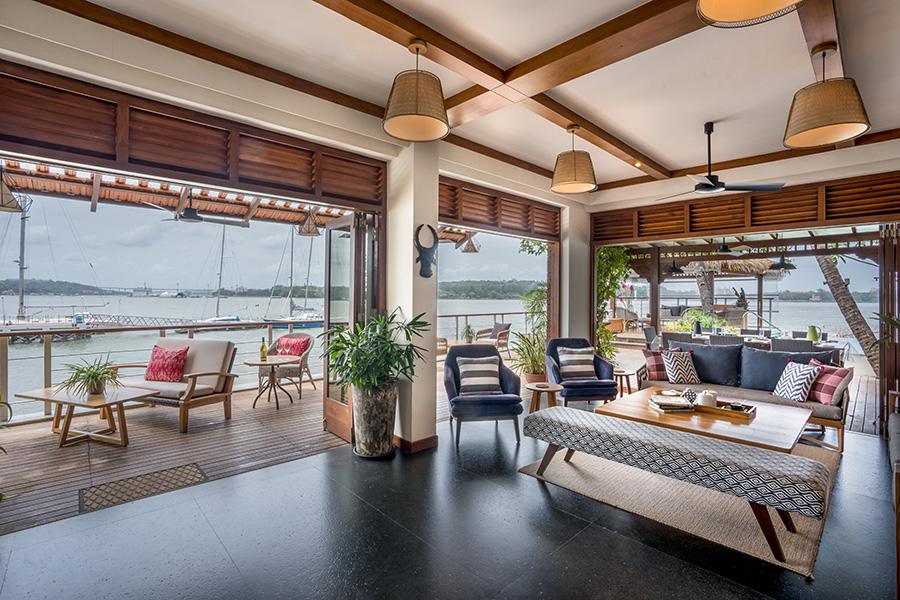
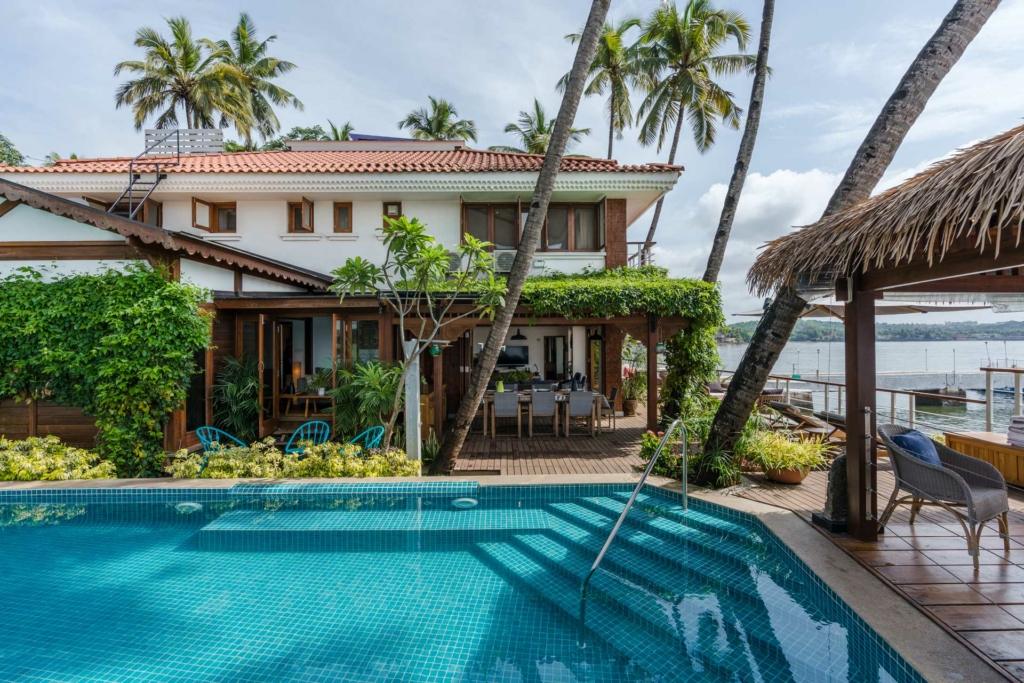
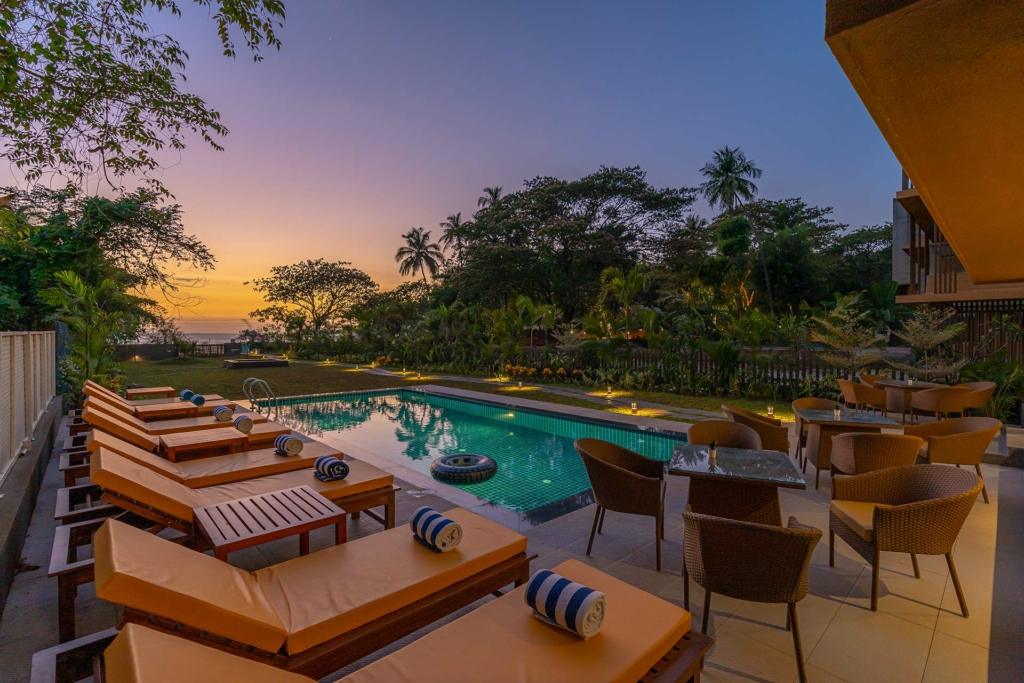
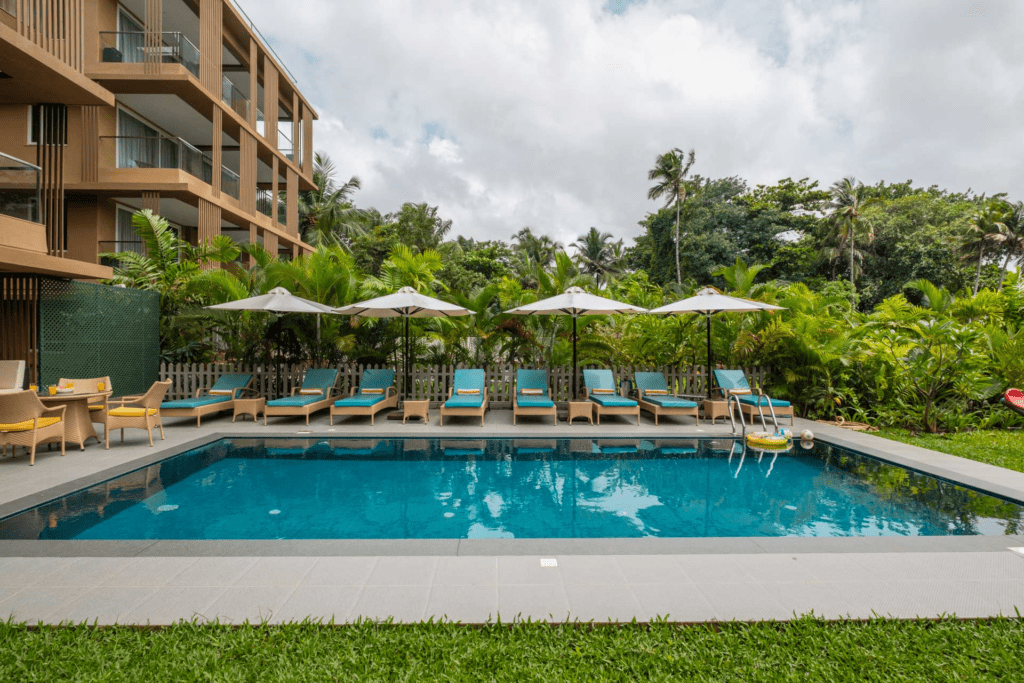
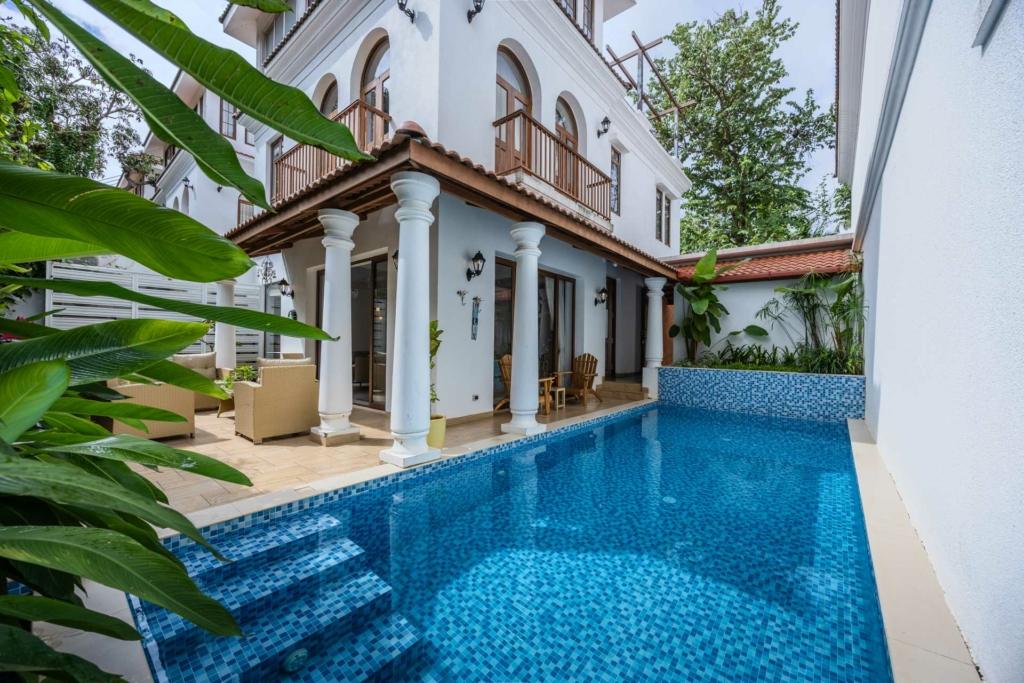
After experiencing Goa’s trails, comfortable accommodation becomes essential for recovery and relaxation. StayVista offers a range of villas, pool villas, cottages, and homestays across Goa that serve as ideal bases for trekking expeditions. These properties typically feature modern amenities including fully equipped kitchens, private pools, and comfortable living spaces — luxuries appreciated after long trekking days. The privacy of villa accommodations allows for flexible schedules, early morning departures for dawn treks, and relaxed evenings reviewing the day’s adventures. Many properties offer assistance in arranging local guides, transportation to trailheads, and packed meals for day trips.


Trail information is compiled using local guide inputs, forest access advisories, regional trekking reports from the Western Ghats, and on-ground observations commonly shared by experienced Goa trekkers. Seasonal conditions, access rules and safety considerations may change and should always be verified locally before starting a trek.
FAQs About Trekking in Goa
October to February offers the safest and most comfortable conditions for trekking in Goa with cooler weather and accessible trails. April and May are also viable with 6am starts and adequate sun protection — they are the last pre-monsoon trekking months before Goa trails close in June.
Yes, Goa offers diverse trekking opportunities through Western Ghats forests, waterfalls, and wildlife sanctuaries, particularly suitable from October to February, with trails ranging from easy walks to challenging climbs.
Dudhsagar Waterfall Trek ranks as Goa’s most popular, combining forest walking with spectacular waterfall views, though “best” depends on difficulty preference and interests. Netravali suits nature enthusiasts, while Sonsogor appeals to peak baggers.
Some trails remain accessible during monsoon, particularly Kuskem and shorter waterfall routes, but increased risks from slippery paths, leeches, and swollen rivers make monsoon trekking suitable only for experienced trekkers with proper gear.
Sonsogor is considered the hardest trek in Goa due to steep ascents and long duration.
For April treks in Goa, carry 3+ litres of water per person, electrolyte sachets, sunscreen, a cap or hat, full-sleeve light shirt, sturdy shoes, energy snacks, and a first-aid kit. Start by 6–7am and aim to be back from longer trails by noon.
Dudhsagar presents moderate to challenging difficulty with an 11-14 kilometer distance, multiple river crossings, uneven terrain, and a 6-8 hour duration requiring reasonable fitness, though the railway track route lacks extreme elevation gain or technical sections.
Goa’s monsoon typically arrives between June 5–10. Once the monsoon sets in, river levels surge, leeches proliferate across forest floors, and several trekking routes become genuinely dangerous. Most forest trails in Goa are best avoided from mid-June through September. April and May are the last viable pre-monsoon trekking months.