

Hampta Pass Trek 2026: Cost, Difficulty, Itinerary & Best Time to Go
The Hampta Pass trek is the most accessible “crossover” trek in the Indian Himalaya – five days, a 14,100 ft pass, and a single ridge that drops you from the green Kullu Valley into the moon-grey desert of Lahaul. For 2026, the trail opens around the second week of June and closes by mid-October.
Hampta Pass is a moderate 5-day, ~26 km trek from Manali to a 14,100 ft pass. The trail opens mid-June and closes mid-October; September delivers the most stable weather, June the most snow. Add a day for Chandratal
In this Blog
What Makes the Hampta Pass Trek Worth Doing in 2026?
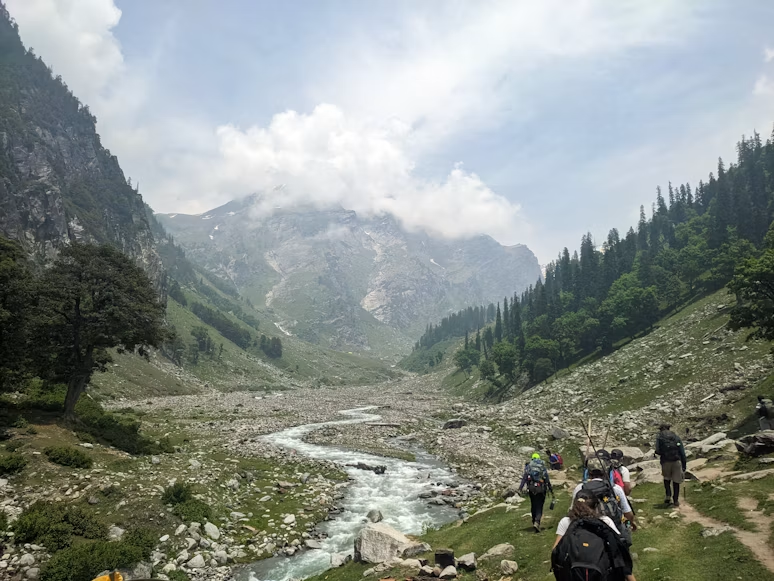
Hampta Pass crosses the Pir Panjal range at 14,100 ft and connects two completely different worlds in a single day – the pine-and-meadow Kullu Valley and the barren, high-altitude desert of Lahaul-Spiti . Few treks in India compress this much landscape variety into 26 kilometres. You walk through oak forests, river-crossings, snow patches, and finally a knife-edge pass – all without needing prior trekking experience.
The “crossover” character is what separates Hampta from same-difficulty alternatives like Kheerganga or Bhrigu Lake. Most Himalayan passes at this altitude are technical or remote; Hampta sits in a sweet spot where a fit first-timer can complete it, but the pass-day scenery rivals treks twice as hard. The optional Chandratal Lake add-on – a glacial lake at 14,100 ft reached by jeep from Chatru – turns the trek into a 6-day Manali-to-Manali loop without adding trekking effort.
Our take: If you can only do one Himalayan trek in 2026, and you’ve never trekked at altitude before, Hampta delivers the highest scenery-per-effort ratio of any trail in Himachal Pradesh.
How Difficult Is the Hampta Pass Trek?
The trek is officially graded moderate – manageable for a healthy adult with two months of cardio preparation, but the pass-crossing day is genuinely demanding. It is rated Level 4 on a 9-point scale, which puts it above beginner treks like Triund but well below technical climbs .
The Five Difficulty Factors
| Factor | Rating | Notes |
| Altitude | Moderate–High | 14,100 ft max; sleep elevation 12,800 ft |
| Daily distance | Easy | 4–7 km/day except pass day (~9 km) |
| Terrain | Moderate | Boulders, snow, one steep descent |
| Pass-day duration | Hard | 9–11 hours of continuous walking |
| Weather exposure | Variable | Rain on the Manali side; cold on the Lahaul side |
Acute Mountain Sickness Risk
Above 10,000 ft, AMS becomes a real possibility regardless of fitness – and Hampta crosses that threshold on Day 2. Studies across Himalayan trekking destinations report AMS incidence between 22% and 68% depending on ascent rate. The standard Hampta itinerary builds in acclimatisation by starting at Jobra (~9,800 ft) and gaining only ~3,000 ft over two nights before the pass attempt -which is why drop-out rates stay low on properly run trips.
According to the December 2025 Indiahikes safety report, oxygen cylinders, pulse oximeters, and high-altitude medical kits are now standard with all reputable operators on this route. If your operator can’t confirm those three items by email, that’s the cheapest red flag to spot.
What’s Typically Included
- Accommodation in tents (twin or triple sharing) for 4 nights
- All meals from Day 1 dinner to Day 5 breakfast
- Trek leader, guides, cook, support staff, mules
- Camping permits and forest fees
- Basic medical kit, oxygen cylinder, stretcher
- Pickup and drop from Manali (typically Mall Road)
What’s Almost Never Included
- Travel to and from Manali
- Personal gear rental
- Backpack offloading service
- Chandratal jeep extension
- 5% GST on the package cost
- Tips for the trek crew
What Does a Standard 5-Day Hampta Pass Itinerary Look Like?
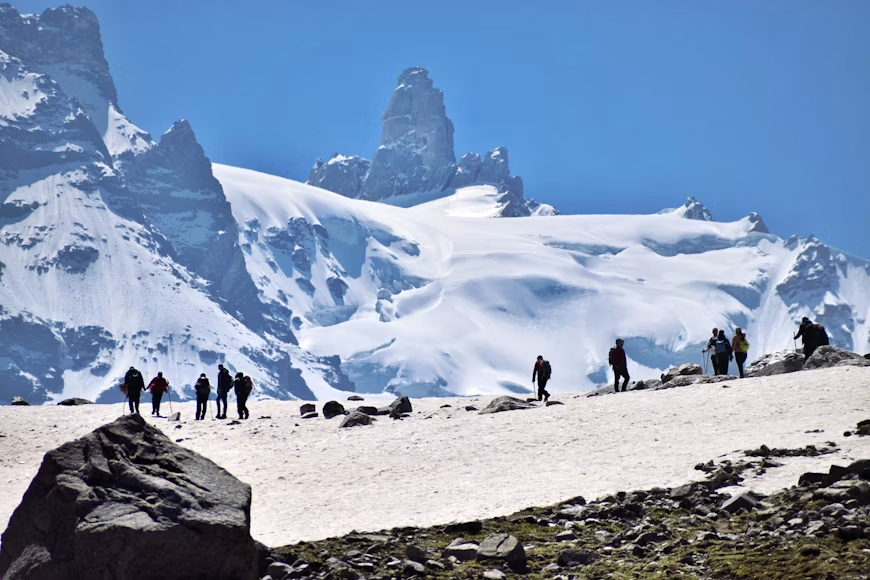
The standard itinerary covers ~26 km over five days with one optional extension to Chandratal Lake, and every reputable operator follows roughly the same structure because the campsite spacing is dictated by water sources and weather windows. Variations between operators are usually limited to whether they camp at Balu Ka Ghera or Shea Goru on the descent night.
Day-by-Day Breakdown
Day 1 — Manali (6,725 ft) to Jobra (9,800 ft) to Chika (10,400 ft): A 2-hour drive up 42 hairpin bends to Jobra trailhead, then a gentle 2 km walk (about 1.5 hours) through pine and oak to Chika campsite by the Rani Nallah. Easy day, designed for acclimatisation.
Day 2 — Chika to Balu Ka Ghera (11,900 ft): Around 7 km in 5–6 hours along the riverbank, gaining elevation gradually through alpine meadows. Balu Ka Ghera (“bed of sand”) sits in a wide basin below the pass. Expect cold nights – temperatures drop to 0–5°C even in August.
Day 3 — Balu Ka Ghera to Shea Goru via Hampta Pass (14,100 ft): The summit day. Start by 5 AM, climb steeply for 3–4 hours to the pass, spend 20–30 minutes at the top, then descend a steep snow-and-screen slope into the Lahaul Valley to Shea Goru campsite (~12,800 ft). Total: 9–11 hours of walking.
Day 4 — Shea Goru to Chatru (11,000 ft), optional drive to Chandratal: A 4-hour descent along the Chandra River to Chatru, where vehicles meet the group. Most operators offer a 2-hour jeep ride to Chandratal Lake (14,100 ft) and back the same day, or an overnight camp near the lake.
Day 5 — Chatru to Manali via Atal Tunnel: A 4–5 hour drive back through the Atal Tunnel (opened October 2020), which replaced the Rohtang Pass route and made Day 5 dramatically faster and safer than pre-2020 itineraries.
Elevation Profile
| Day | Stage | Elevation (ft) | Distance / Drive |
| 1 | Jobra → Chika | 9,800 → 10,400 | 2 km trek |
| 2 | Chika → Balu Ka Ghera | 10,400 → 11,900 | 7 km |
| 3 | Balu Ka Ghera → Hampta Pass → Shea Goru | 11,900 → 14,100 → 12,800 | 9 km |
| 4 | Shea Goru → Chatru (+ Chandratal) | 12,800 → 11,000 | 8 km + drive |
| 5 | Chatru → Manali (Atal Tunnel) | 11,000 → 6,725 | 4–5 hr drive |
When Is the Best Time to Do the Hampta Pass Trek?
The trek window runs from mid-June to mid-October in 2026, and the “best month” depends on what you want to see – June gives you snow, August gives you the greenest meadows, and September gives you the clearest skies and most stable weather. The trail closes between November and May because the pass holds 6–10 feet of snow and the Lahaul side is cut off.
Month-by-Month Comparison
| Month | Conditions | Best For | Watch Out For |
| Mid-May – Early June | Trail opening, heavy snow at pass | Snow trekkers, photographers | Late opening some years |
| June | Big snowfields, 12–15°C days | First snow experience | Cold nights (0–5°C), pass crossing on snow |
| July | Green valleys, strong waterfalls | Lush scenery, fewer crowds | Heaviest monsoon rain on Manali side |
| August | Peak greenery, wildflowers | Photographers, meadow lovers | Slippery trails, occasional cancellations |
| September | Stable weather, clear skies | Best all-rounder, mountain views | Crowds peak; book 6+ weeks ahead |
| Early – Mid October | Cold, autumn colours, dry trail | Solitude seekers, clear vistas | Sub-zero nights; trek closes by mid-month |
Our recommendation: September delivers the best balance of weather, visibility, and trail condition in 2026, but it’s also the most booked month. If September dates are sold out by July, second-week-of-October is the underrated alternative – fewer trekkers, autumn colour, and a near-zero rain risk on the Manali side.
What Should You Pack for a Hampta Pass in 2026?
The pack list is dictated by two facts: the Manali side rains, and the Lahaul side freezes. You need layered insulation for the pass-crossing night and waterproof everything for the first two days. Most operators publish a mandatory gear list, and missing items can get you turned back at the medical check.
Non-Negotiable Gear
- Waterproof trekking shoes with ankle support (broken in over 50+ km before the trek)
- Three-layer system: thermal base, fleece mid-layer, waterproof shell
- Two pairs of synthetic trekking pants (cotton is dangerous when wet)
- Rain poncho large enough to cover your backpack
- Headlamp with spare batteries
- UV-rated sunglasses (snow-blindness is a real risk on Day 3)
- 50 SPF sunscreen and SPF lip balm
- Personal medical kit with Diamox (consult a doctor before using)
What to Rent Instead of Buy
- Down jacket
- Sleeping bag rated to -10°C (most operators include this)
- Trekking pole
- Gaiters for snow months
How Do You Get to the Hampta Pass Trailhead?
Every Hampta itinerary begins and ends in Manali, which is the logistical hub for the trek and the standard pickup point for all operators. Reaching Manali in 2026 is easier than ever – the Chandigarh–Manali highway expansion completed in late 2025 cut overland travel time by roughly 90 minutes.
Three Practical Routes to Manali
By road from Delhi (most common): Overnight Volvo or HRTC bus. Book seats on the right side for valley views on the morning approach.
By air via Bhuntar (Kullu): 50 km from Manali, 1.5-hour cab. Flights from Delhi are weather-dependent and frequently cancelled — keep a 24-hour buffer.
By air via Chandigarh: More reliable than Bhuntar; 310 km drive to Manali (8–9 hours by cab, or onward bus).
Where To Stay
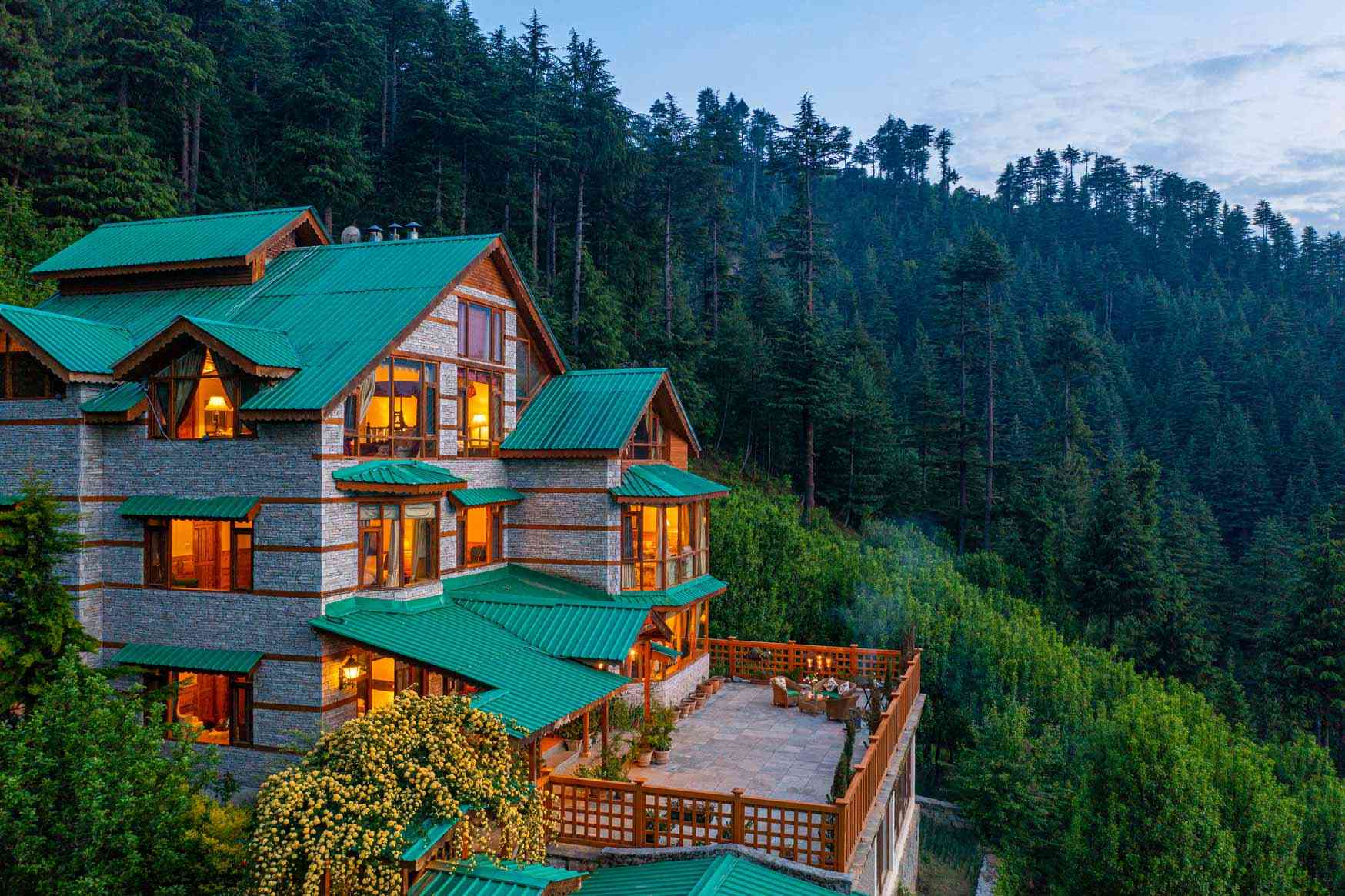
The Imperial Estate
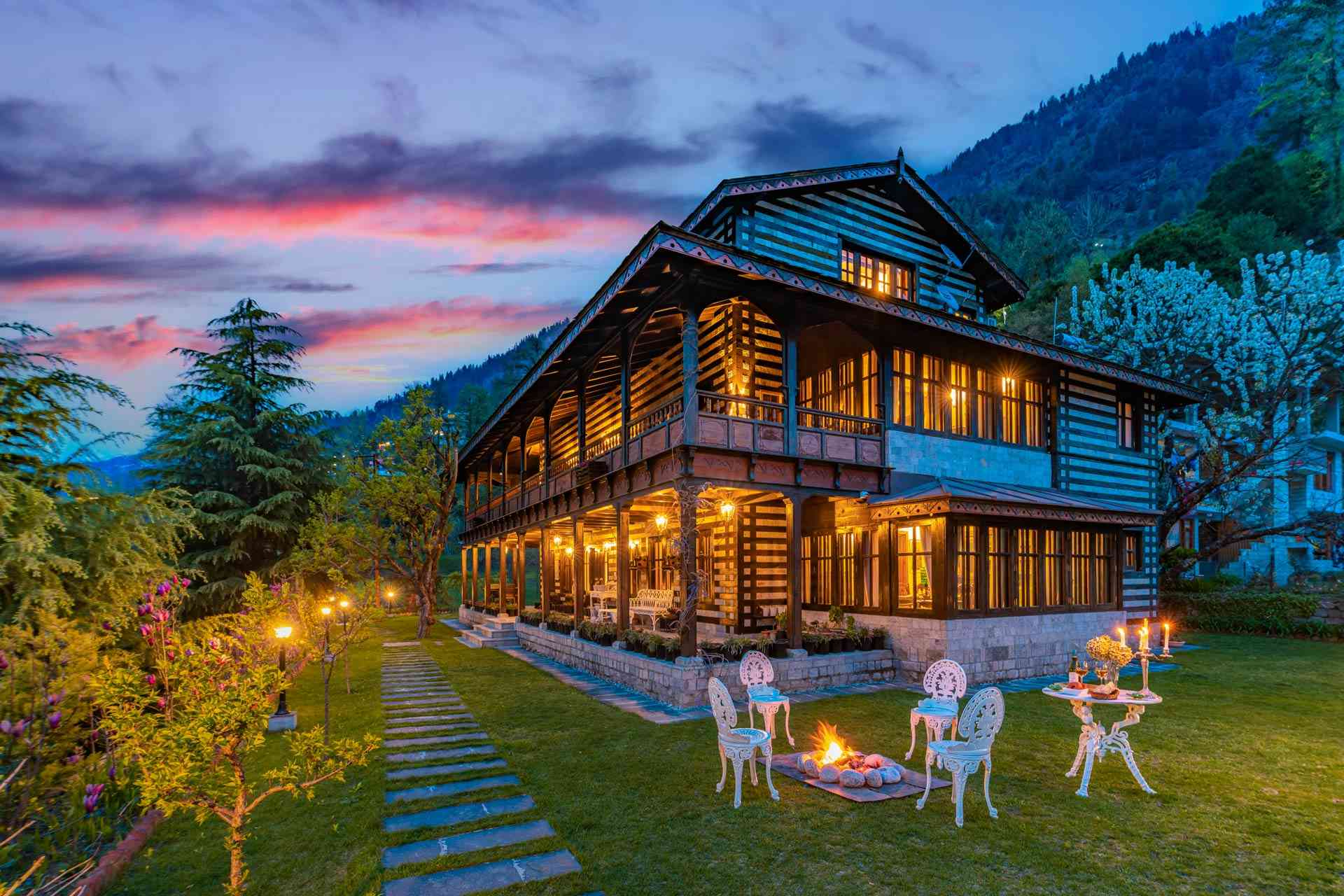
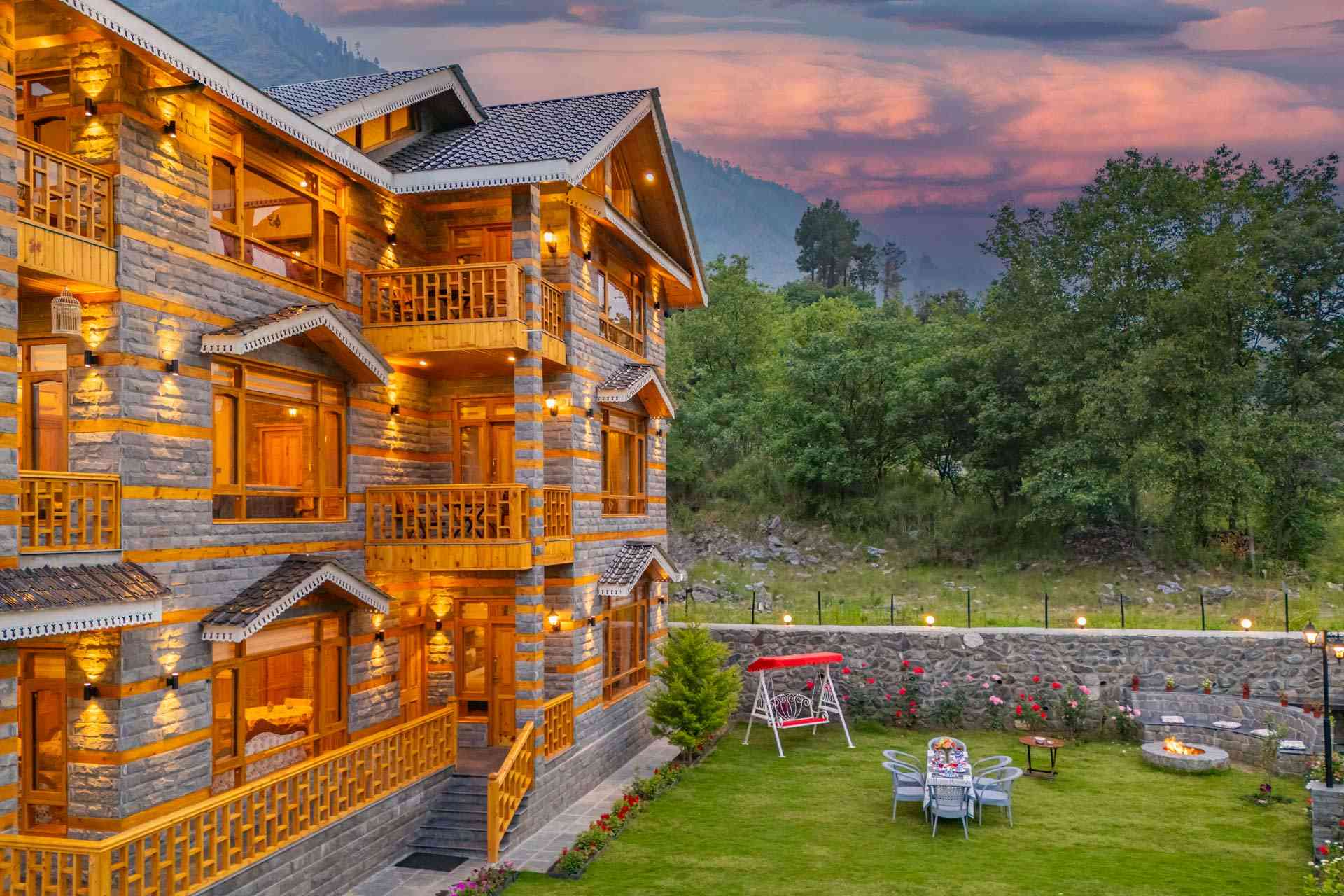
Amritalaya – Raison
Frequently Asked Questions
Yes, with two months of cardio preparation – running 5 km in under 35 minutes is the standard benchmark used by most operators. The trek is graded moderate, not difficult, and acclimatisation is built into the itinerary. Beginners drop out far more often from gear failure or AMS than from raw fitness.
For most trekkers, yes. Chandratal sits at 14,100 ft and is one of India’s most photographed glacial lakes. Skip it only if you’ve already visited Chandratal independently or if the road from Chatru is closed due to weather (rare in June–September).
Shea Goru campsite (~12,800 ft) drops to -2°C to -5°C even in August, and can hit -10°C in early October. A sleeping bag rated to -10°C plus a fleece liner is standard. Drink warm water before sleeping — dehydration accelerates the perception of cold and worsens AMS symptoms.
BSNL and Jio work intermittently up to Jobra. After that, expect zero connectivity until you reach Chatru on Day 4. Inform family of this gap before you leave Manali, and don’t rely on phone GPS — bring a physical map or download offline maps in advance.
Most operators accept trekkers aged 10 to 60, with medical clearance required outside that range. Children under 10 are rarely permitted because the pass-crossing day’s duration exceeds what most kids can sustain. Trekkers over 55 should get an ECG and altitude clearance before booking.
Is Hampta Pass the Right 2026 Trek for You?
Hampta Pass remains the most balanced introduction to high-altitude Himalayan trekking in 2026 — moderate difficulty, dramatic landscape variety, manageable cost, and a well-developed logistics ecosystem out of Manali. The 14,100 ft pass and the Lahaul descent give you a genuine high-altitude experience without committing to the cost or duration of expedition-style treks like Stok Kangri or Roopkund.
Quick checklist before you book:
- Choose September unless you specifically want snow (June) or wildflowers (August)
- Confirm your operator carries oxygen, pulse oximeter, and high-altitude medical kit
- Start training 8 weeks out — 5 km runs and stair climbing build the right base
- Add Chandratal unless you’ve already been; the marginal cost is the best deal on the trip