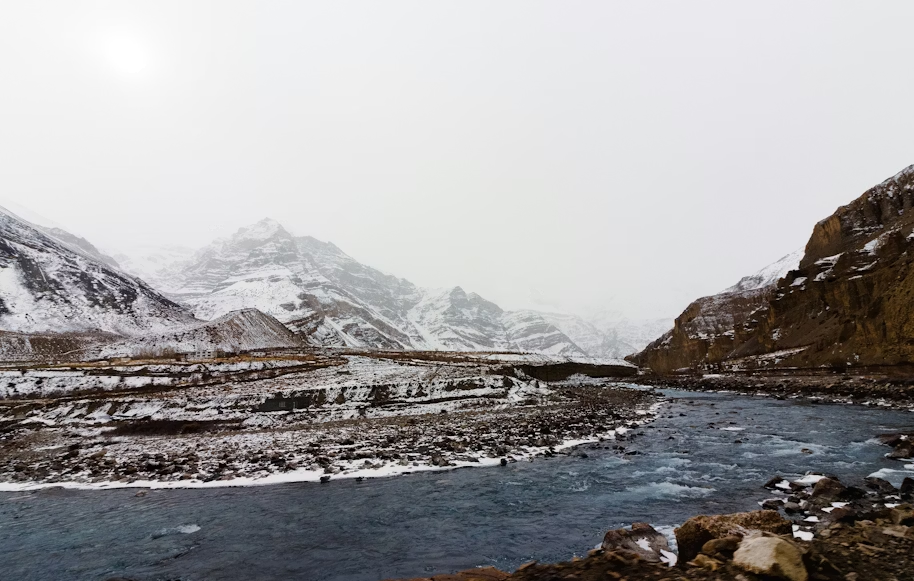

4 Mini-Breaks Beat One Annual Vacation in 2026 — Here’s Why (And Where to Take Them in India)

Taking four short trips per year — each lasting 3 to 5 days — delivers greater psychological recovery, lower per-trip costs, and more consistent mental health benefits than one extended annual vacation. Research in travel psychology consistently shows that anticipation and frequent recovery windows outperform a single long break. For Indian travellers in 2026, long weekends and regional connectivity make this approach more practical than ever.
In this Blog
What Is the 4 Mini-Breaks vs One Annual Vacation Debate?
The core question is simple: does one 15-day vacation do more for you than four 4-day getaways spread across the year?
The answer, backed by workplace wellness studies and travel behaviour research, leans clearly toward mini-breaks — particularly for working professionals dealing with sustained stress, screen fatigue, and urban burnout.
A single long vacation offers one reset per year. Four mini-breaks offer four: one per quarter. Each one gives you something to look forward to, recover from work within, and return from refreshed. The annual vacation, by contrast, often arrives after months of exhaustion and leaves you needing a recovery week once you return.
In India specifically, where most salaried employees receive 12–15 days of earned leave annually, spreading leave across four short trips makes strategic financial and psychological sense.
Are Short Vacations Better Than Long Vacations? The Evidence
The debate between frequent short vacations and one long vacation has been studied seriously.
A widely cited study from the University of Helsinki found that the psychological benefits of a vacation peak within the first 8 days, then plateau or decline. Separate research from Radboud University (Netherlands) showed that happiness from a vacation fades within two weeks of returning — regardless of how long the trip was.
What this means practically:
- A 14-day trip produces roughly the same emotional benefit as a 5-day trip
- The “pre-trip anticipation” effect is itself a wellbeing booster — and you get this four times annually with the mini-break model
- Recovery from daily work stress happens faster on short breaks because the mental shift is quicker and less disruptive
For Indian professionals managing EMIs, school calendars, and limited leave quotas, a mini-break is also far easier to execute without guilt or logistical chaos.
5 Proven Benefits of Taking Frequent Short Vacations
Choosing four mini-breaks over one annual vacation offers compounding benefits that extend beyond travel itself.
Family and relationship rhythm: Regular short breaks create a travel culture within families and couples, rather than one high-stakes annual event.
Consistent stress recovery: Quarterly breaks interrupt chronic stress cycles before they accumulate into burnout.
Higher anticipation value: Four upcoming trips create four periods of positive anticipation, which independently improves mood and motivation at work.
Lower per-trip financial pressure: When one trip isn’t carrying the weight of your entire year’s leisure budget, spending decisions become more rational.
Better travel experiences: Shorter trips with a narrower geographic focus typically deliver richer, more intentional experiences than over-packed 12-day itineraries.
How to Plan 4 Mini-Breaks Per Year: A Practical Framework for Indian Travellers
Planning four trips sounds complex. In practice, a simple quarterly system makes it manageable — especially when aligned with India’s 2026 long weekend calendar.
Step-by-Step Annual Mini-Break Planning
- Map your long weekends first. India’s 2026 calendar includes several 3–4 day windows around national holidays. Identify them in January so you can book accommodation 2–3 months in advance.
- Assign a trip “theme” per quarter. Q1: hill station or winter beach. Q2: heritage or cultural short break. Q3: monsoon escape or wellness retreat. Q4: festive city break or nature trail.
- Set a per-trip budget cap. For Mumbai-based travellers, a domestic mini-break budget of ₹15,000–₹35,000 per couple (excluding flights) is realistic for most Tier-2 destinations.
- Keep packing minimal. A carry-on bag policy — no checked luggage — reduces airport friction and makes 3-day trips feel effortless.
- Book refundable where possible. For Q3 (monsoon season), flexible bookings matter. Weather uncertainty in the Western Ghats or Konkan can shift plans.
Long Weekends 2026 India: Key Dates to Plan Around
India’s 2026 public holiday calendar offers several natural mini-break windows. These are among the most useful for salaried employees working around leave approvals.
| Month | Holiday / Occasion | Long Weekend Potential |
| January | Republic Day (26 Jan) | 3–4 days with adjoining weekend |
| March | Holi | 3 days depending on state |
| April | Good Friday + Ram Navami | 4-day window possible |
| August | Independence Day (15 Aug) | Weekend bridge |
| October | Gandhi Jayanti + Dussehra window | 4–5 days |
| November | Diwali cluster | 5-day break (best of year) |
| December | Christmas + New Year | 7–10 day window for those who prefer one longer Q4 trip |
Note: Exact bridge leave days vary by employer and state. Central government holidays differ from state-specific ones.
Best Mini-Break Destinations in India 2026
Mini-breaks work best when destinations are reachable within 2–4 hours of your base city. Here is a curated selection by departure city, designed for 3 to 5 day trips.
Weekend Getaways Near Mumbai (2026)
Mumbai’s connectivity by road, rail, and air makes it one of the best-served cities for short trips.
- Alibaug — 1.5 hours by ferry. Beach, heritage forts, boutique stays. Best: November–February.
- Mahabaleshwar / Panchgani — 4.5 hours by road. Strawberry farms, valley viewpoints, colonial character. Best: October–June.
- Kashid Beach — 3.5 hours by road. Quieter than Alibaug, cleaner sand. Best: October–March.
- Matheran — 2.5 hours. India’s only car-free hill station. Ideal for digital detox breaks.
- Lonavala / Khandala — 2 hours. Accessible but overcrowded; worth it in monsoon for waterfall trails.
- Goa (North) — 1-hour flight. Premium mini-break destination. Book 6–8 weeks ahead for long weekends.

Short Breaks from Delhi / NCR
- Rishikesh — 6 hours by road or 1-hour flight to Dehradun. Adventure, yoga, river camping.
- Agra + Mathura — 3 hours by road. Culture-dense, best in winter.
- Kasauli — 6 hours. Quiet Himachal hill town, underrated and uncrowded.
- Jaipur — 5 hours by road or 1 hour by flight. Pink City heritage immersion.
- Lansdowne — 5.5 hours. Low-traffic Uttarakhand hill town with Colonial-era Garhwal Rifles history.

Mini-Break Destinations from Bengaluru
- Coorg (Kodagu) — 5 hours. Coffee estates, misty hills, homestays. Monsoon or post-monsoon is spectacular.
- Chikmagalur — 4 hours. Coffee trails, Mullayanagiri trek, peaceful.
- Ooty / Coonoor — 5–6 hours. Nilgiri hills, tea gardens, colonial charm.
- Hampi — 6 hours. UNESCO-listed ruins, boulder landscapes, surreal atmosphere.
- Pondicherry — 3.5 hours. French Quarter, beach promenades, ashram culture.

Cost Comparison: 4 Mini-Breaks vs One Annual Vacation
One of the most common objections to the four mini-breaks model is cost. The assumption is that one big trip is more economical. The reality is more nuanced.
| Factor | One Annual Vacation (15 days) | Four Mini-Breaks (4 days each) |
| Flight/travel cost | ₹30,000–₹70,000 | ₹40,000–₹80,000 (combined) |
| Accommodation | ₹50,000–₹1,20,000 | ₹40,000–₹80,000 (combined) |
| Food & activities | ₹30,000–₹60,000 | ₹25,000–₹50,000 (combined) |
| Leave days used | 10–12 days | 8–12 days (using long weekends) |
| Psychological benefit windows | 1 per year | 4 per year |
Key insight: When mini-breaks leverage long weekends, total leave consumption drops significantly. A 4-day break using one Friday of leave yields four recovery windows for roughly the same leave budget as one long vacation.
When One Annual Vacation Still Makes Sense
The four mini-breaks model is not universal. There are situations where a single extended trip is the better choice.
- International travel: Intercontinental destinations (Europe, Japan, South America) require longer stays to justify cost and jet lag.
- Family with school-age children: School calendars in India allow limited travel windows; one consolidated summer break may be more practical.
- Milestone events: Honeymoons, significant anniversaries, and once-in-a-decade experiences warrant longer, more immersive travel.
- Remote or difficult-to-reach destinations: Ladakh, Andaman, Northeast India, or wildlife safaris often need 7–10 days minimum to justify travel logistics.
The ideal approach for most Indian professionals in 2026: three mini-breaks plus one medium trip (7–10 days) once a year. This hybrid model captures the psychological benefits of frequent travel without abandoning longer experiential journeys.
Mini-Break Travel Tips for India in 2026
Making short trips work requires different habits than planning long vacations.
- Book accommodation first, flights second. For popular destinations near major cities, hotels fill up faster than flights.
- Use Thursday-Sunday windows. Taking Thursday off and combining with Friday, Saturday, and Sunday gives four days without using two consecutive leave days.
- Avoid peak holiday windows if you’re flexible. Booking a week before or after Diwali, Christmas, or Republic Day can cut accommodation costs by 30–40%.
- Shortlist 3 destinations per quarter, not 1. Weather disruptions, train strikes, or personal schedule changes are common. Having alternatives ready prevents cancellation regret.
- Keep a shared travel folder. A simple Google Doc or notes app with hotels, restaurants, and itinerary links for each destination saves time when plans need to change fast.
Where to Stay on Your Mini-Break: StayVista Villas Worth Booking in 2026
Accommodation can make or break a short trip — and on a mini-break, you spend a higher proportion of your time at the property than on a longer holiday. This is exactly where StayVista’s curated villa model fits well.
StayVista is a premium villa rental platform operating across 60+ destinations in India, offering private, fully-staffed holiday homes that are better suited to short breaks than standard hotels. The properties come with in-house catering, private pools, and dedicated caretaker staff — removing the logistical friction that often makes short trips feel rushed.
Here is a destination-by-destination look at StayVista stays matched to the mini-break destinations covered above.
StayVista Villas Near Mumbai
The Mumbai–Alibaug–Mahabaleshwar corridor is one of StayVista’s strongest inventory regions, with options for couples, family groups, and corporate offsites alike.
| Destination | StayVista Property Type | Best For | Approx. Starting Price |
| Alibaug | Beachside private villas with pools | Couples, groups of 6–10 | ₹15,000–₹35,000/night |
| Mahabaleshwar | Valley-view hilltop villas | Families, winter breaks | ₹12,000–₹28,000/night |
| Lonavala | Forest-facing villas, infinity pools | Quick monsoon escapes | ₹10,000–₹25,000/night |
| Karjat | Riverside eco-villas | Adventure weekends | ₹8,000–₹20,000/night |
Prices are indicative and vary by season, group size, and availability. Book directly on StayVista for confirmed pricing.
Rishikesh & Haridwar corridor: StayVista properties here sit near the Ganges, often with mountain backdrops and outdoor fire pits — a strong match for Q1 (January–February) mini-breaks.
- Corbett & Ramnagar area: Safari-adjacent villas for wildlife weekenders. Best booked 4–6 weeks ahead for Diwali and winter long weekends.
- Shimla–Kasauli belt: Himachal hill villas with mountain views, ideal for 3-night offseason breaks when tariffs dip by 20–30%.
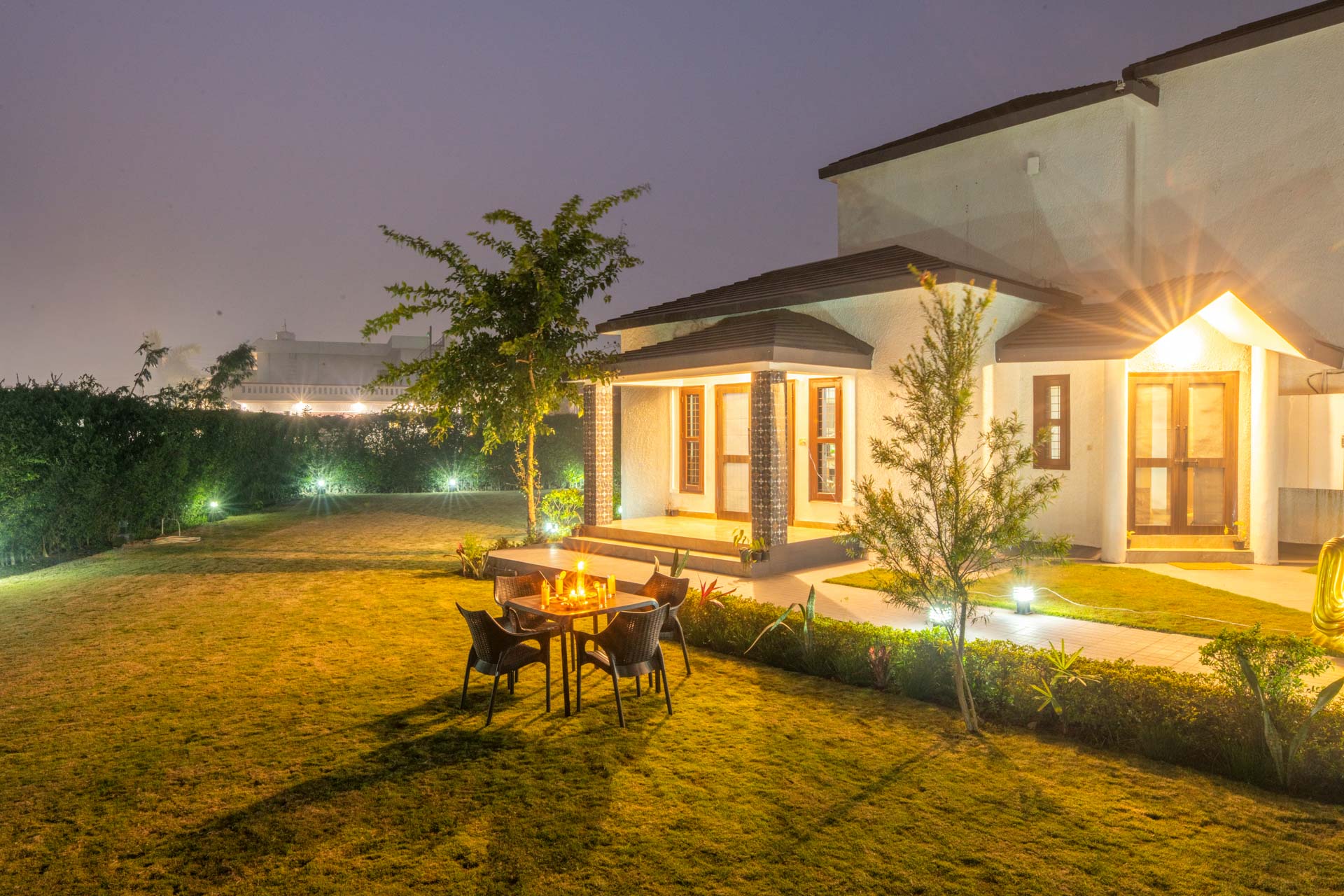
Best Stays curated just for you:


StayVista Villas from Bengaluru
Nandi Hills / Sakleshpur: Closer-in options (2–3 hours) for last-minute long weekends when planning time is short.
Coorg: StayVista’s Coorg portfolio includes plantation-edge bungalows with private gardens, caretaker-cooked meals, and bonfire setups. Best for 3-night monsoon or post-monsoon stays (August–November).
Chikmagalur: Coffee estate villas with guided trek tie-ups. Strong inventory for groups of 8–12.
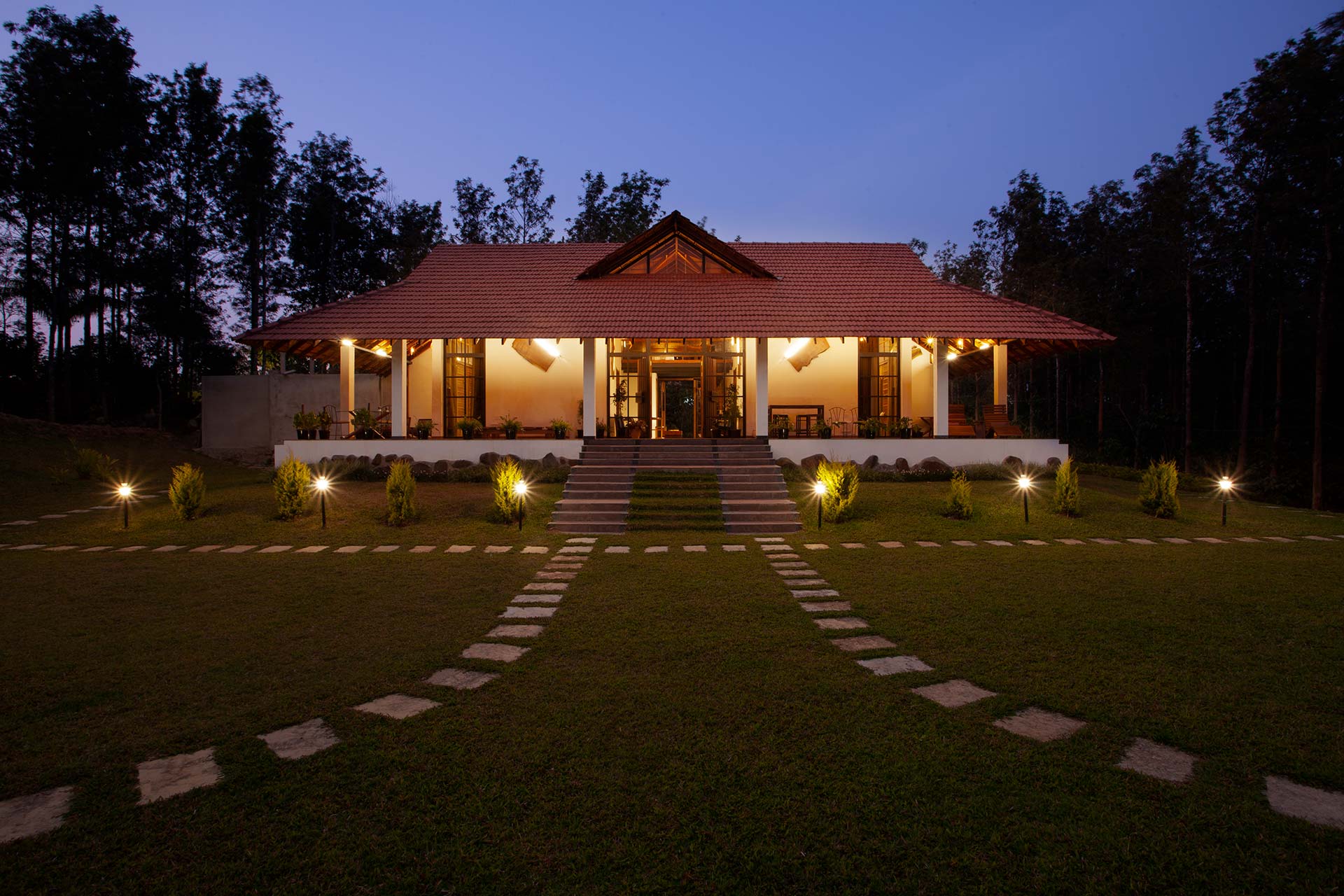
Best Stay curated just for you:
Strelitzia, Chikmagalur
Why Private Villas Work Better Than Hotels for Mini-Breaks
The mini-break model prioritises recovery, privacy, and low-friction logistics. A StayVista villa delivers all three in a way that standard hotels typically do not.
- No dining schedules: In-house caretakers prepare meals on your timeline, not the hotel kitchen’s.
- Private space from arrival: No shared lobbies, crowded pools, or buffet queues — you arrive and immediately decompress.
- Group-friendly pricing: For groups of 6–12, a private villa often costs the same or less per head than booking multiple hotel rooms, while delivering a significantly better experience.
- Pet-friendly options available: Several StayVista properties accept pets — a meaningful differentiator for urban families where hotel stays create pet-care logistics.
FAQs: 4 Mini-Breaks vs One Annual Vacation
Yes, for most working adults. Research shows vacation benefits peak within 8 days and fade within two weeks of return. Four short breaks deliver four recovery windows annually, maintaining wellbeing more consistently than a single annual trip.
A mini-break typically refers to a trip lasting 3 to 5 days. It is long enough to disconnect meaningfully from work but short enough to avoid major leave depletion or logistical complexity.
Start by identifying 2026 public holidays in January. Build 3–4 day windows around Republic Day, Holi, Independence Day, Dussehra, and Diwali. Book accommodation 6–8 weeks ahead for popular destinations.
Top options include Alibaug (ferry accessible), Mahabaleshwar, Kashid Beach, Matheran, and Goa. Each is reachable within 1–4 hours and suits trips of 3 to 4 days.
The total spend is broadly comparable. However, mini-breaks spread cost across the year, reduce financial pressure per trip, and often use fewer leave days when planned around long weekends.
Typically 6–10 days of earned leave, if trips are planned around long weekends. A well-planned 4-day trip often requires only 1–2 days of leave.
October to February suits hill stations and heritage destinations. June to September offers lush monsoon landscapes in Coorg and Chikmagalur, though road conditions require checking in advance.
Yes, particularly families with children under school age or those with flexible schooling arrangements. For school-going children, a modified approach — 2 short breaks plus 1 summer trip — balances the calendar more practically.
Keep planning effort low by shortlisting destinations in advance and maintaining a reusable packing list. The goal is effortless travel, not elaborate expedition planning for each trip.
Yes. The Indian travel industry has reported a sustained rise in short-haul domestic bookings since 2022. In 2026, improved road infrastructure, expanded regional flight connectivity, and rising remote-work flexibility have accelerated this shift.
Final Word
The 4 mini-breaks vs one annual vacation question does not have a single universal answer — but for the majority of Indian working professionals in 2026, the case for frequent short travel is strong, practical, and supported by both travel research and financial logic.
Four mini-breaks create four moments of anticipation, four genuine recovery periods, and four sets of new experiences — all within a leave budget that most salaried employees already have. The key is planning ahead, using India’s long weekend calendar strategically, and keeping each trip intentional rather than over-packed.