

10 Best Monsoon Weekend Getaways From Gurgaon in 2026 (2–5 Hours Away)
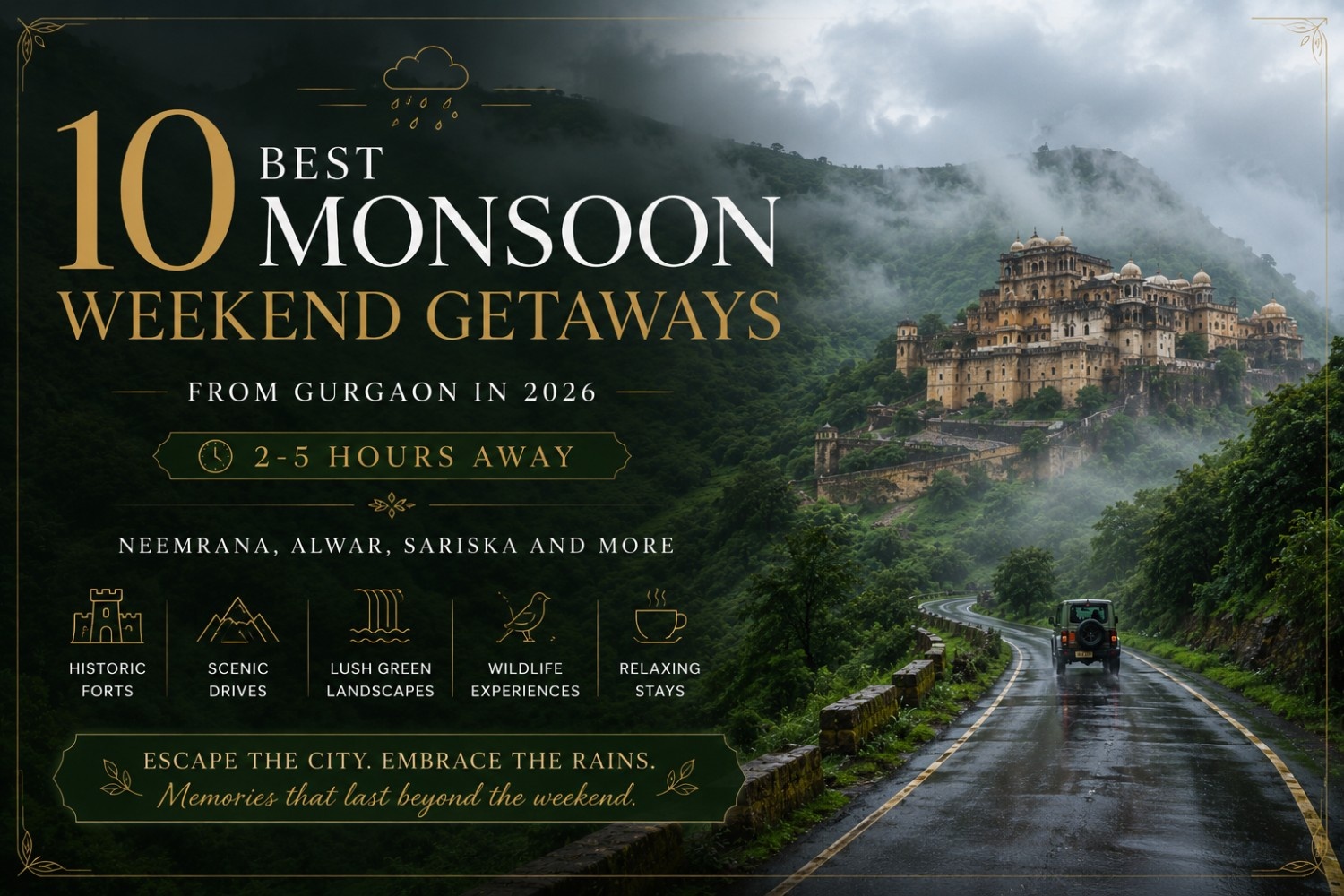
The best monsoon weekend getaways from Gurgaon in 2026, all within a 2 to 5 hour drive are Neemrana, Alwar, Sariska, Bharatpur, Haridwar, Morni Hills, Jaipur, Rishikesh, Lansdowne and Kasauli. Hill stations like Kasauli and Lansdowne become misty and green, while Rajasthan’s forts and lakes look their most dramatic against rain-washed Aravallis. Pick a hill escape if you want cool weather, a Rajasthan trip if you want clear roads and culture.
Quick Info: Monsoon Weekend Travel From Gurgaon
| Best time to visit | August to mid-September 2026 |
| How to reach from Gurgaon | Self-drive, cab or train (NH-48, NH-44, NH-334) |
| Nearest major airport | IGI Airport, Delhi (≈ 30 km from Gurgaon) |
| Nearest railway stations | Gurgaon Junction, New Delhi, Hazrat Nizamuddin |
| Ideal duration | 2 days / 1 night to 3 days / 2 nights |
| Budget range | ₹4,500 to ₹15,000 per person for a 2-day trip (mid-range) |
| Distance band covered | 120 km to 300 km from Gurgaon |
When you think about monsoon weekend getaways from Gurgaon, the brief is simple: you have 48 hours, the city is humid and grey, and you want either green hills or culture without the harsh dry heat. Every destination below sits inside a 2 to 5 hour drive radius and works specifically because of how the monsoon transforms it.
In this Blog
Why Monsoon Is the Best Season for Weekend Getaways From Gurgaon
Between July and September, the National Capital Region sees roughly 70% of its annual rainfall, but step 200 km in any direction and the landscape changes dramatically. The Aravallis around Alwar and Neemrana turn green for the only time all year. The Shivalik foothills near Kasauli and Morni Hills disappear into mist. Even Rajasthan, normally synonymous with dust and heat, becomes a different country: Jaipur’s forts photograph beautifully under monsoon clouds, and Bharatpur’s wetlands fill up for breeding herons and storks.
The catch with monsoon weekend getaways from Gurgaon is that not every hill destination is safe in peak rain — Rishikesh closes its commercial rafting from July through August, and Himalayan roads beyond Kasauli or Lansdowne can suffer landslides. That’s why this list deliberately stops at the 5-hour mark: every destination here is reachable on well-maintained national highways, with reliable monsoon road conditions and properties that stay open year-round.
We’ve grouped the picks by what monsoon does to them. Three are Rajasthan heritage trips where rain is occasional and roads are excellent. Three are lower Himalayan hill towns where the rain is the experience. Two are wildlife and birding escapes. And two are spiritual riverside towns where the swollen Ganga becomes a sight in itself. Pick by mood, not just distance.
At-a-Glance Comparison of Monsoon Weekend Getaways From Gurgaon
| # | Destination | Distance | Drive Time | Vibe | Best For |
| 1 | Neemrana, Rajasthan | 120 km | 2 hrs | Heritage fort | Couples, 1-night escape |
| 2 | Alwar, Rajasthan | 170 km | 3 hrs | Lakes + forts | History buffs, families |
| 3 | Sariska, Rajasthan | 200 km | 3.5 hrs | Forest reserve | Nature lovers |
| 4 | Bharatpur, Rajasthan | 220 km | 3.5–4 hrs | Bird sanctuary | Birders, families |
| 5 | Haridwar, Uttarakhand | 225 km | 4 hrs | Spiritual + river | Pilgrims, parents |
| 6 | Morni Hills, Haryana | 270 km | 4.5 hrs | Closest hill escape | Quick hill detox |
| 7 | Jaipur, Rajasthan | 270 km | 4.5 hrs | Pink City + Teej | Culture, food |
| 8 | Rishikesh, Uttarakhand | 250 km | 4.5–5 hrs | Yoga + Ganga | Solo, wellness |
| 9 | Lansdowne, Uttarakhand | 260 km | 5 hrs | Quiet pine forest | Slow, peaceful trips |
| 10 | Kasauli, Himachal | 290 km | 5 hrs | Colonial misty hills | Romantic, friends |
This snapshot is the fastest way to scan options by drive time and mood. Now let’s open each one up.
10 Best Monsoon Weekend Getaways From Gurgaon in 2026
1. Neemrana, Rajasthan — The Easiest Heritage Escape

Neemrana is a small Aravalli town in Alwar district of Rajasthan, just 120 km southwest of Gurgaon on the Delhi-Jaipur Expressway (NH-48). It is best known for the 15th-century Neemrana Fort Palace, India’s earliest heritage hotel, which is layered across 12 levels of the hillside. At a 2-hour drive, it is the shortest entry on this list and the easiest to fit into a single overnight also making it one of the closet weekend getaways from Gurgaon and one of the best places to visit in August in India with family.
Weather in Neemrana in monsoon: Daytime temperatures sit between 28°C and 33°C in July to September, with high humidity and brief, intense showers — typically late afternoon. Nights drop to a pleasant 24°C to 26°C. Rajasthan receives moderate monsoon rainfall here, so most days are humid-cloudy rather than constant downpour.
Why visit Neemrana in monsoon: The surrounding rock and scrub turn an unexpected green for the only time all year. The fort’s hanging gardens, infinity-style stepwell and rooftop restaurants frame this against open sky. The historic Neemrana Baori, a 9-storey stepwell, fills partially with rainwater and is genuinely cinematic in this season. Crowds are lower than in winter, which means easier room availability at the fort itself.
How to reach Neemrana:
- By air: Indira Gandhi International Airport (IGI), Delhi, ~150 km, 2.5 hours by cab.
- By train: Neemrana does not have a major station; the nearest is Behror (10 km) for slow trains. Most travellers come by road.
- By road / bus: Self-drive or cab on NH-48 (Delhi-Jaipur Expressway). Direct Rajasthan Roadways and private buses run from Dhaula Kuan and Kashmere Gate ISBT, Delhi.
Places to visit in Neemrana: Neemrana Fort Palace and its terraced gardens; Neemrana Baori (9-storey stepwell) about 1 km from the fort; Sariska Palace ruins on the outskirts; the small Mahabharat-era Kalibanga sites in the wider district; and the nearby Behror agricultural belt for short drives.
Things to do: Take the Flying Fox India zipline tour from the fort (six ziplines, operates monsoon except heavy-rain days), book a guided fort dinner with cultural performances, and walk down to the Baori at sunrise when the light hits the stepped walls best.
Ideal for: Couples, anniversary or proposal trips, multi-generational families wanting a low-effort heritage stay, and first-time heritage hotel guests.
2. Alwar & Siliserh Lake, Rajasthan — Aravalli Lakes Without the Crowd

Alwar sits 170 km from Gurgaon in north-eastern Rajasthan and is one of the most under-rated monsoon escapes from the NCR. The town is anchored by the Bala Quila hill fort, a working City Palace museum and the off-town Siliserh Lake with its mid-19th-century hunting palace built over the water. The 3-hour drive on NH-248A passes through the Aravallis at their greenest in late August. It is one of the best places to visit in August in North india.
Weather in Alwar in monsoon: Average daytime temperatures range from 27°C to 32°C between July and September, with cool early mornings around 23°C. The district receives more rain than Neemrana, so expect lush, post-shower greenery and occasional full-day grey skies.
Why visit Alwar in monsoon: This is the only season when the Aravallis around Alwar look genuinely lush. Siliserh Lake fills to its highest level, and boating runs subject to weather. The Bala Quila ridge gets cloud cover that gives city views a Himalayan-edge feel. Alwar is also an entry point to Sariska Tiger Reserve, so you can combine destinations making a longer weekend getaways from Gurgaon.
How to reach Alwar:
- By air: Jaipur International Airport, ~150 km, 3 hours by cab. IGI Delhi, ~190 km, 3.5 hours.
- By train: Alwar Junction (ALJN) is well-connected — daily trains from New Delhi, Gurgaon and Nizamuddin (e.g., Shatabdi route, Intercity services).
- By road / bus: Self-drive or cab via Sohna–Alwar NH-248A. Rajasthan Roadways AC and non-AC buses run hourly from Sarai Kale Khan ISBT, Delhi.
Places to visit in Alwar: Bala Quila (Alwar Fort) on a 1,000-foot ridge; City Palace and Government Museum housing Mughal manuscripts and miniatures; Siliserh Lake and Palace (15 km from town); Moosi Maharani ki Chhatri cenotaph; and Sagar tank behind the City Palace.
Things to do: Drive up Bala Quila early morning for cooler climb conditions; take a boat ride at Siliserh; visit the City Palace museum (closed Fridays); and pick up Alwar’s famous Kalakand sweet from Baba Thakur Das shop.
Ideal for: History buffs, families with older kids, photographers, and travellers looking for a less crowded Rajasthan introduction.
3. Sariska Tiger Reserve, Rajasthan — Lush Jungle Drives and Temple Trails

Sariska Tiger Reserve is a 881 sq km dry deciduous forest in Alwar district, Rajasthan, about 200 km from Gurgaon and a 3.5-hour drive via NH-248A. The reserve famously holds a population of relocated Bengal tigers, but more importantly for monsoon, it surrounds the historic Pandupol Hanuman temple and is a short drive from the abandoned Bhangarh Fort — together making one of the more unusual nature escapes within a 4-hour radius of the NCR.
Weather in Sariska in monsoon: Daytime temperatures hover at 28°C to 31°C, with regular heavy showers transforming the normally dry forest into a thick green canopy. Trails get muddy, but the air is cool and clean.
Why visit Sariska in monsoon: Be honest about the trade-off first — the core safari zone is officially closed every year from 1 July to 30 September. So the draw is the buffer zone drives, the temple and the post-rain greenery, not tiger spotting. The forest looks more alive than at any other time of the year, and Pandupol’s stream flows at full force making it one of the must visit weekend getaways from Gurgaon.
How to reach Sariska:
- By air: Jaipur International Airport, ~110 km, ~2.5 hours by cab.
- By train: Alwar Junction is the closest major station (35 km from Sariska gate); from there it’s a 1-hour drive.
- By road / bus: Self-drive or cab on NH-248A via Sohna and Alwar. Rajasthan Roadways buses run Delhi–Alwar; take a local cab/auto from Alwar to Sariska.
Places to visit in Sariska: Pandupol Hanuman temple inside the reserve (accessible year-round via a dedicated forest road); Bhangarh Fort (40 km away, “India’s most haunted” ruin in a beautiful valley); Kankwari Fort (only on safari days when open); Naldeshwar temple complex; and Siliserh Lake on the route back.
Things to do: Slow-drive the buffer roads at dawn for langur, sambar and peacock sightings; visit Pandupol on a Tuesday or Saturday for the most active darshan; and explore Bhangarh Fort before 5 PM (entry closes at sunset by official rule).
Ideal for: Slow travellers, soft-adventure couples, photography enthusiasts, and anyone curious about post-rain Indian dry forests.
4. Bharatpur (Keoladeo National Park), Rajasthan — Where Monsoon Is Peak Season

Bharatpur is a small Rajasthan town 220 km from Gurgaon (3.5 to 4 hours via NH-21 / Mathura Road) and home to Keoladeo National Park, a UNESCO World Heritage Site. Unlike most Indian wildlife parks that close for monsoon, Keoladeo is at its best when the rains arrive — wetlands fill, heronries come alive, and breeding pairs of painted storks, openbills, cormorants and egrets crowd the trees. This makes Bharatpur one of the most rewarding nature weekend getaways from Gurgaon and best places to visit in August in North India.
Weather in Bharatpur in monsoon: Daytime temperatures range from 29°C to 34°C with very high humidity in early monsoon, easing by mid-August. Expect short, intense showers and consistently cloudy mornings — perfect for birding.
Why visit Bharatpur in monsoon: This is the breeding season for resident water birds. The park’s marshes are at full water level, the migratory winter species haven’t arrived yet, and the resident heronries are loud, busy and easy to photograph. Cycle rickshaw guides are also more available and less rushed than in winter peak.
How to reach Bharatpur:
- By air: Jaipur International Airport, ~190 km, 3.5 hours; IGI Delhi, ~220 km, ~4 hours; Agra Pandit Deen Dayal Upadhyay Airport, ~55 km, ~1.5 hours.
- By train: Bharatpur Junction (BTE) is on the Delhi–Mumbai main line — multiple daily trains from Hazrat Nizamuddin (NZM) and New Delhi (NDLS).
- By road / bus: Self-drive on NH-21 via Mathura. Rajasthan Roadways and UP Roadways buses run from Sarai Kale Khan ISBT, Delhi.
Places to visit in Bharatpur: Keoladeo National Park (the main draw); Lohagarh Fort in town centre; Government Museum at Lohagarh; Ganga Mandir; and the nearby Deeg Palace (32 km away, beautiful 18th-century water palace).
Things to do: Hire a trained cycle rickshaw guide inside Keoladeo for a 3-hour ride (most pullers are official naturalists); rent a bicycle for a self-paced loop; do a short boat tour at the central wetland; and end with a walk through Lohagarh Fort.
5. Haridwar, Uttarakhand — The Ganga at Full Force

Haridwar is one of Hinduism’s seven sacred cities, located on the right bank of the Ganga where the river first enters the plains. It sits about 225 km from Gurgaon, a 4-hour drive on NH-334 through Roorkee. The monsoon transforms the Ganga at Har Ki Pauri into a fast, grey-green river running at full force, which turns the evening Ganga Aarti into one of the most photographed rituals in northern India. If religion and views and instagram ready moments is something you are craving for, Haridwar is few of those weekend getaways from Gurgaon you shouldn’t miss.
Weather in Haridwar in monsoon: Daytime temperatures sit between 28°C and 33°C with very high humidity in July, easing slightly by September. Rainfall is consistent — both short bursts and longer wet spells, especially in August.
Why visit Haridwar in monsoon: The Ganga is at its most dramatic — fast-flowing and dense with silt — and the surrounding Shivalik foothills (visible from Bhimgoda) turn deep green. Crowds thin out compared to the Char Dham season, and you can find lower accommodation rates outside the Kanwar Yatra weeks.
How to reach Haridwar:
- By air: Dehradun’s Jolly Grant Airport (DED), 35 km, ~1 hour; IGI Delhi, ~225 km, ~4.5 hours.
- By train: Haridwar Junction (HW) — direct trains from New Delhi (Shatabdi, AC Special, Mussoorie Express).
- By road / bus: Self-drive on NH-334 (Meerut–Muzaffarnagar–Roorkee). UPSRTC and Uttarakhand Roadways buses run frequently from Kashmere Gate ISBT, Delhi.
Places to visit in Haridwar: Har Ki Pauri ghat (for the evening Ganga Aarti); Mansa Devi temple (ropeway access); Chandi Devi temple; Maya Devi temple; Bharat Mata Mandir; the Daksha Mahadev temple in Kankhal; and Patanjali Yogpeeth campus on the outskirts.
Things to do: Attend the evening Ganga Aarti (arrive 45 minutes early); take the Mansa Devi ropeway for a top-down view of the city; do a morning walk along the Ganga canal; and visit the Bhimgoda barrage for a quieter river view.
Ideal for: Parents, multi-generational trips, spiritual travellers, and anyone who finds river rituals meditative.
Best Place to Stay in Haridwar
Mango Trails


6. Morni Hills, Haryana — The Closest Hill Station to Gurgaon

Morni Hills is Haryana’s only hill station, perched in the Shivalik foothills near Panchkula and rising to about 1,220 metres. At 270 km and roughly 4.5 hours from Gurgaon, it is the closest hill escape that doesn’t require crossing into Himachal or Uttarakhand. The twin lakes of Tikkar Taal — Big and Small Tikkar — are the main draw, surrounded by oak and pine and linked by a short forest walk.
Weather in Morni Hills in monsoon: Temperatures stay between 22°C and 28°C in the daytime, dropping to 18°C–20°C at night. Rainfall is steady but rarely torrential, and the forest cover keeps the area cool even on humid days.
Why visit Morni in monsoon: This is when the entire Morni belt turns jungle-green and Tikkar Taal fills to its highest level. Because it is not a “famous” hill station, you’ll often have viewpoints to yourself. It also makes a strong pick when you want hills but don’t want the 6–7 hour grind to Himachal.
How to reach Morni Hills:
- By air: Chandigarh International Airport (IXC), ~45 km, 1.5 hours; IGI Delhi, ~290 km, ~5.5 hours.
- By train: Chandigarh Railway Station, ~40 km, 1 hour by cab; Panchkula and Kalka stations are similarly close.
- By road / bus: Self-drive on NH-44 to Panchkula, then Morni Road. Direct buses are limited — most travellers take a Haryana Roadways bus to Panchkula and switch to a local cab.
Places to visit in Morni: Tikkar Taal (Big and Small Tikkar lakes); Morni Fort ruins on a hilltop above the village; Adhi Devi temple; Berwala Tourist Complex viewpoint; Tipra village walk; and Khol Hi-Raitan Wildlife Sanctuary on the outskirts.
Things to do: Pedal-boat at Tikkar Taal; walk the 30-minute forest trail linking the two lakes; drive up to Morni Fort at sunrise; and spend a slow evening at Berwala viewpoint with chai.
Ideal for: Quick hill detox, couples, weekend photographers, and anyone burnt out and needing silence.
Best Place to Stay in New Delhi
The Manvi Estate


7. Jaipur, Rajasthan — The Pink City Under Monsoon Clouds

One of the best weekend getaways from Gurgaon, Jaipur, the capital of Rajasthan, lies 270 km from Gurgaon on the Delhi-Jaipur Expressway (NH-48) — a 4.5-hour drive. It is one of those weekend getaways from Gurgaon that everyone has thought of and few have actually done in monsoon. They should: the Pink City’s sandstone forts and palaces look completely different under low monsoon clouds, and Maota Lake below Amer Fort fills to its fullest only in this season.
Weather in Jaipur in monsoon: Daytime temperatures range from 28°C to 34°C with humid-cloudy spells and short heavy showers. Nights are around 24°C–26°C, noticeably cooler than the summer scorch.
Why visit Jaipur in monsoon: Amer Fort photographs at its best when Maota Lake is full and the surrounding hills are green. Nahargarh Fort’s stepwell, Jal Mahal floating on Man Sagar Lake, and the City Palace courtyards all hit harder visually in this season. The bigger cultural reason is the Teej festival (usually late July to mid-August) — a major Rajasthani celebration of the monsoon itself, with processions, traditional markets and special menus across the old city.
How to reach Jaipur:
- By air: Jaipur International Airport (JAI), 13 km from the city centre, with daily direct flights from Delhi (45 min) and Mumbai.
- By train: Jaipur Junction (JP) is well-connected — Shatabdi, Vande Bharat, Double Decker and overnight trains from New Delhi.
- By road / bus: Self-drive on NH-48 (Delhi-Jaipur Expressway). RSRTC Volvo AC buses run hourly from Sarai Kale Khan ISBT, Delhi.
Places to visit in Jaipur: Amer Fort and Sheesh Mahal; City Palace and the Chandra Mahal; Hawa Mahal facade; Jantar Mantar observatory; Jal Mahal viewing point on Man Sagar Lake; Nahargarh Fort for sunset; Albert Hall Museum; and the old city bazaars (Johari, Bapu, Tripolia).
Things to do: Walk the old city bazaars during Teej; do an evening Nahargarh Fort visit for the skyline; try a Pink City heritage walk with a certified guide; eat a Rajasthani thali at Chokhi Dhani; and pick up Bagru block-printed textiles in Sanganer.
Ideal for: Culture lovers, food enthusiasts, photographers, shoppers, and first-time Rajasthan travellers.
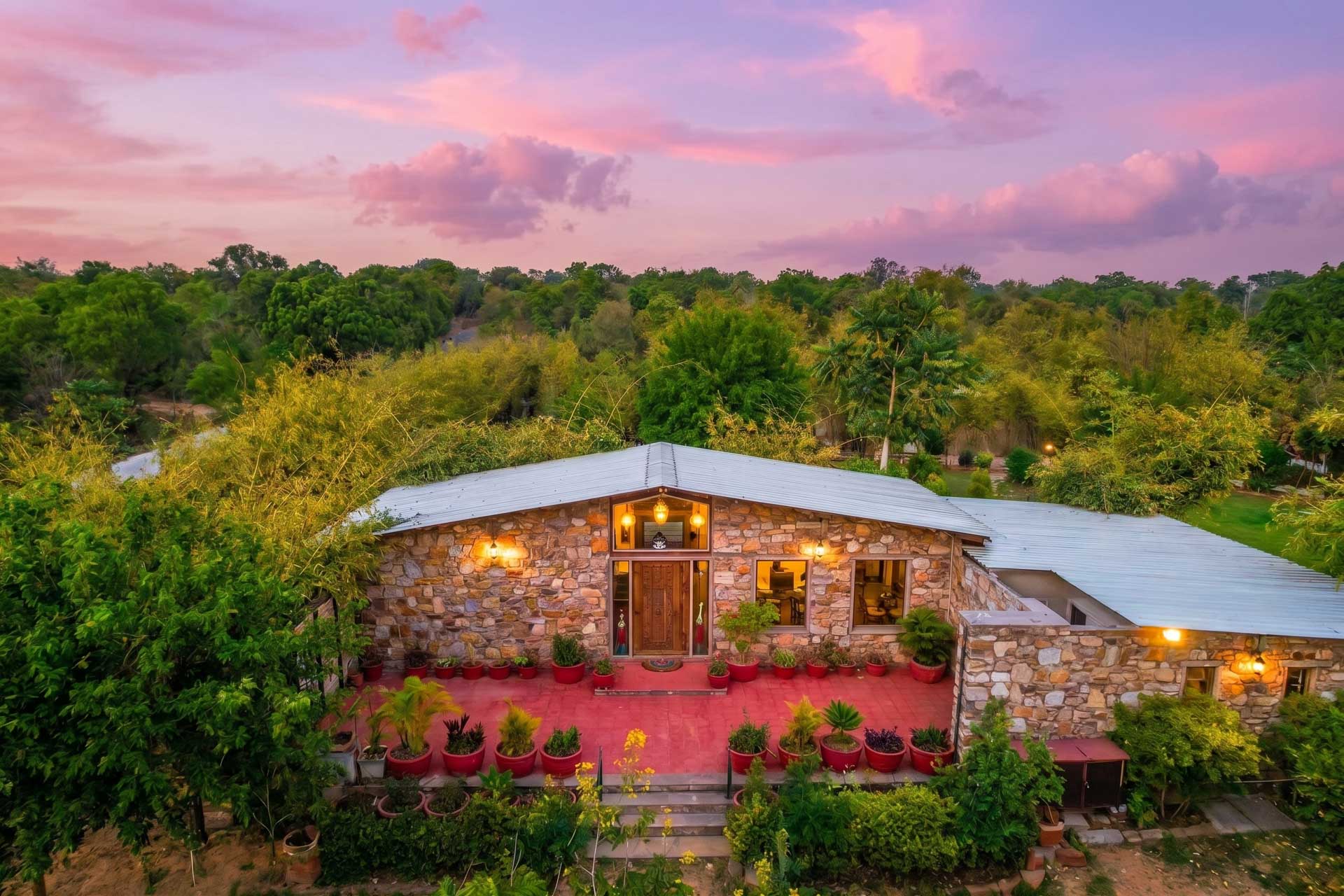
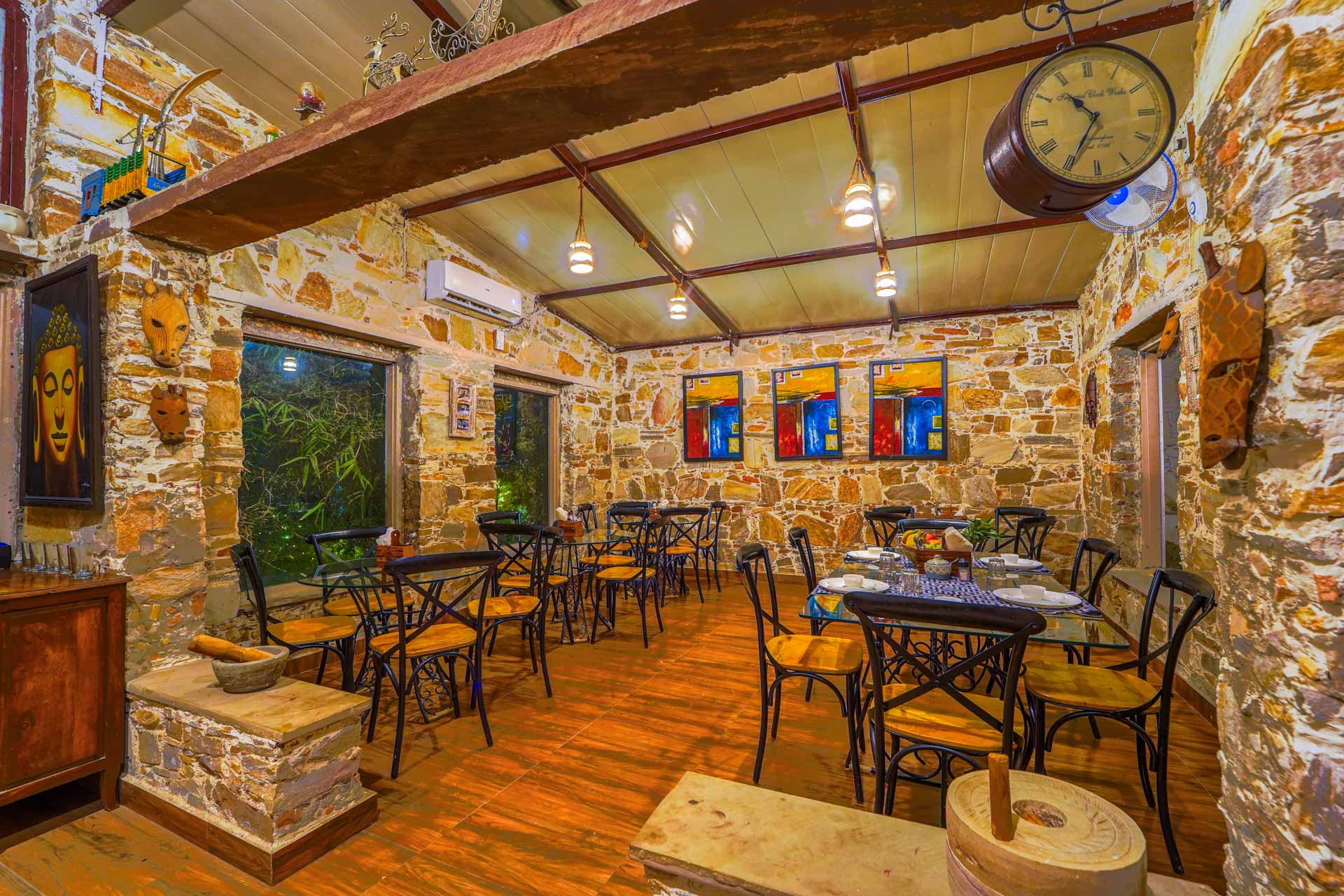
Best Place to Stay in Jaipur
Executive room @ Mulberry Tree House
8. Rishikesh, Uttarakhand — Yoga, Ganga and the Quiet Side of Adventure

Rishikesh sits in the Garhwal Himalayas of Uttarakhand at the point where the Ganga emerges from the mountains, 250 km from Gurgaon and a 4.5 to 5 hour drive via NH-334 and Haridwar. It is India’s yoga and ashram capital. In monsoon, the town swaps its peak-season adventure identity for a quieter, more spiritual one making it best place near gurgaon weekend getaways in August.
Weather in Rishikesh in monsoon: Daytime temperatures range from 25°C to 32°C, with cool evenings around 22°C–24°C. Rainfall is heavy in July and August, with the Ganga running at very high levels.
Why visit Rishikesh in monsoon: Be upfront about this — commercial white-water rafting on the Ganga is suspended from late June to early September because river levels are too high. What’s open, and arguably better, is everything else. The yoga and ashram circuit runs year-round, Lakshman Jhula and Ram Jhula footbridges are open, and the Triveni Ghat aarti is at its most atmospheric with the swollen river roaring past.
How to reach Rishikesh:
- By air: Dehradun’s Jolly Grant Airport (DED), ~20 km, 30 minutes by cab.
- By train: Rishikesh Railway Station (RKSH) is the small terminus; Haridwar Junction (25 km away) is the main station with more daily connections.
- By road / bus: Self-drive on NH-334 via Haridwar. Uttarakhand Roadways and Volvo private buses run from Kashmere Gate ISBT, Delhi.
Places to visit in Rishikesh: Lakshman Jhula and Ram Jhula iron suspension footbridges; Triveni Ghat (evening Ganga Aarti); Parmarth Niketan ashram (large evening aarti); Beatles Ashram / Chaurasi Kutia ruins; Neelkanth Mahadev temple (32 km up in the hills); Trayambakeshwar temple; and Vashishta Gufa for a half-day side trip.
Things to do: Attend a morning yoga session at an established ashram (Parmarth Niketan, Sivananda); walk Lakshman Jhula at sunrise; explore the Beatles Ashram graffiti and meditation pods; do a riverside cafe crawl in Tapovan; and join the evening Ganga Aarti at Parmarth.Ideal for: Solo travellers, wellness seekers, yoga practitioners, slow-pace couples, and anyone wanting a quieter Rishikesh than peak-season Insta crowds.
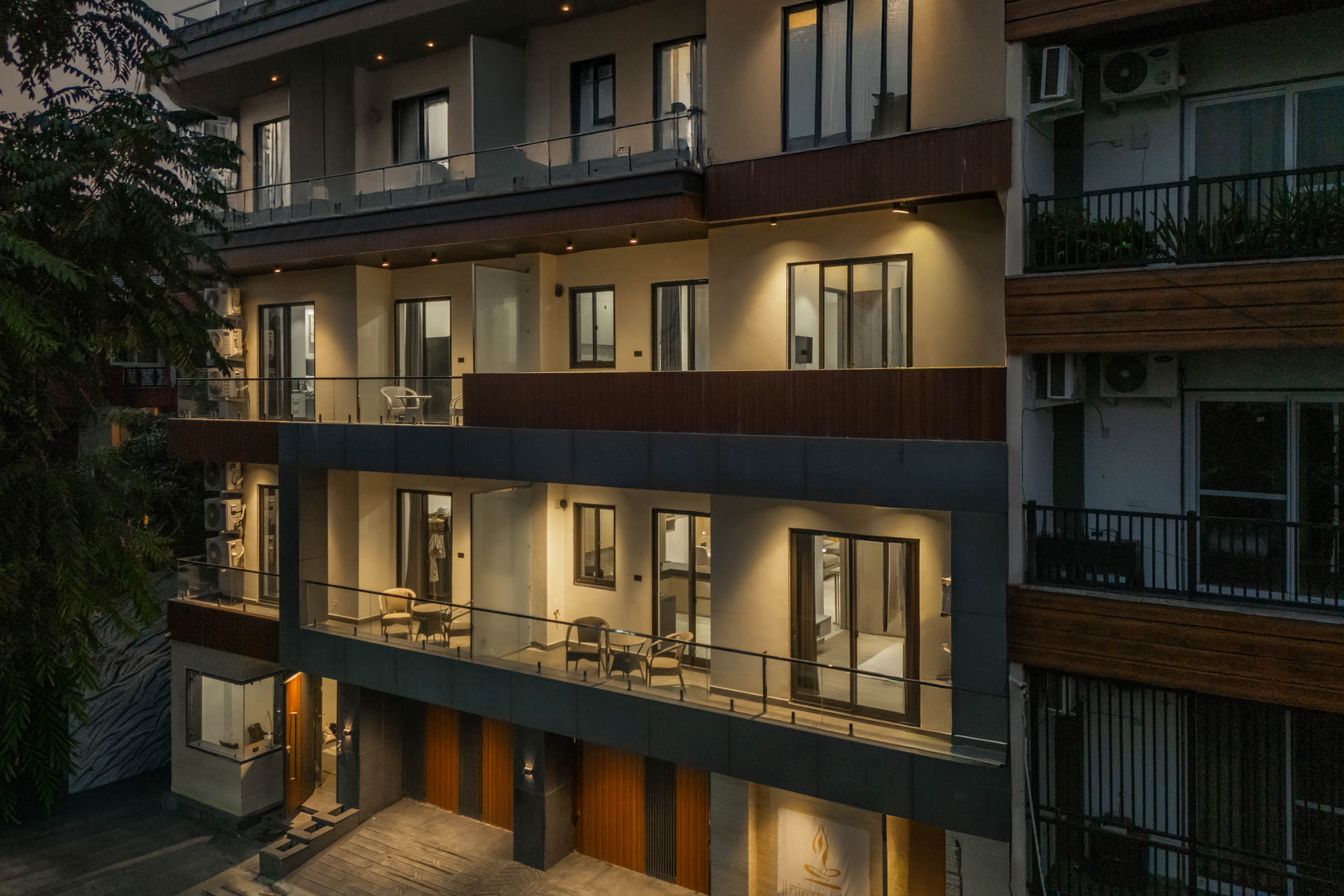
Best Place to Stay in Rishikesh
Beige 1 BHK @ Nirvanika Wellness
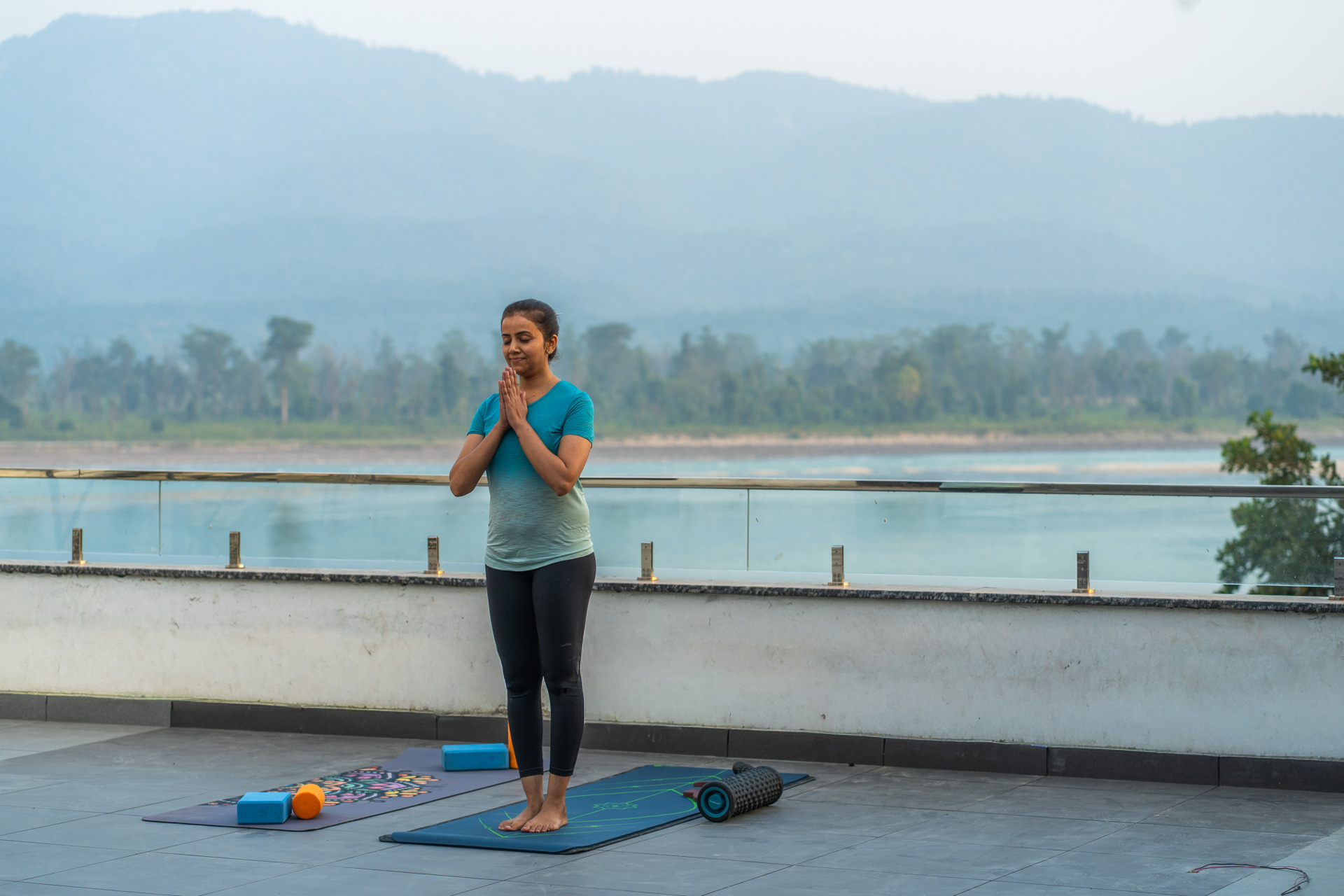
9. Lansdowne, Uttarakhand — The Slowest, Quietest Hill Station

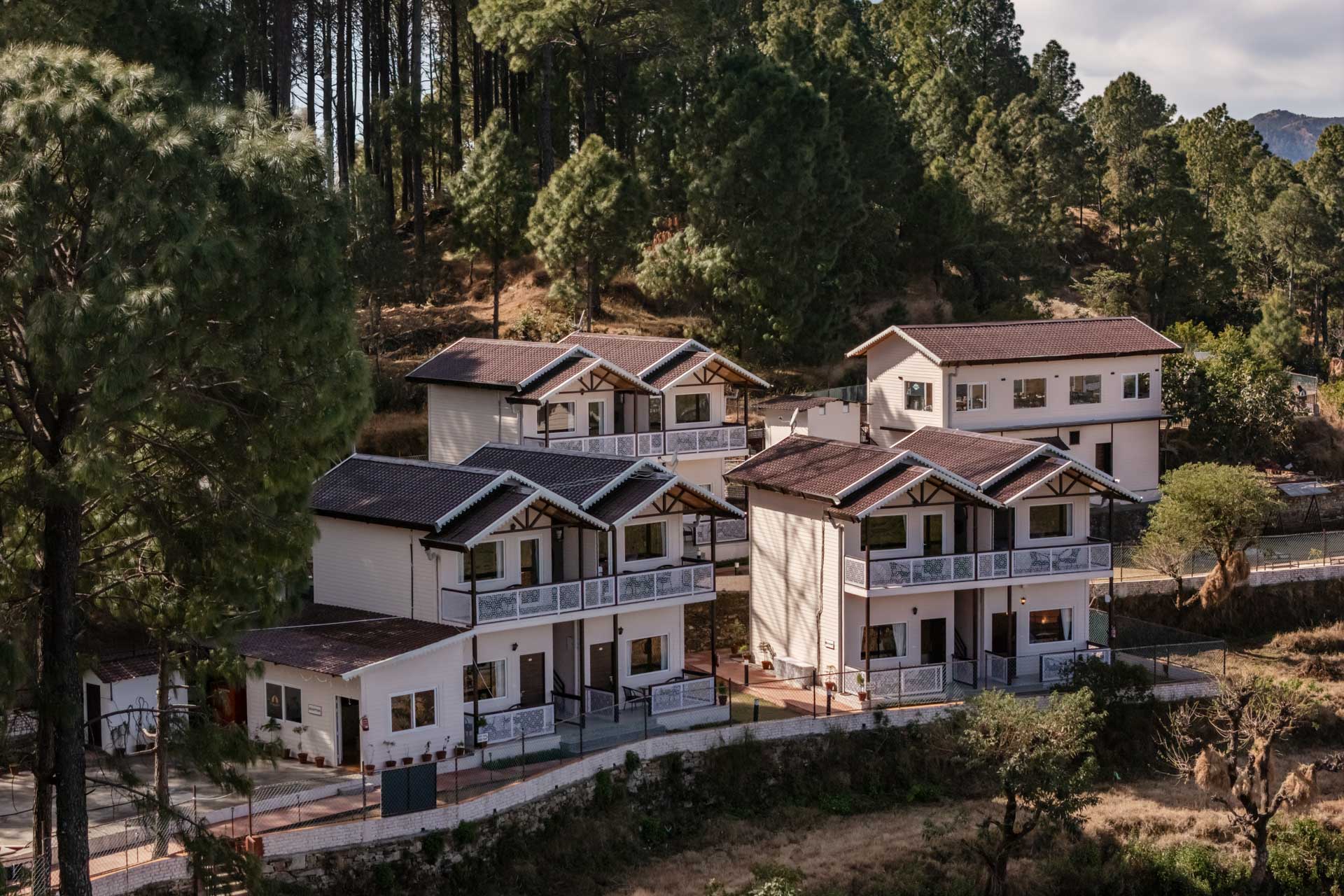
Lansdowne is a small Garhwal Rifles cantonment town at 1,700 metres in Pauri Garhwal district of Uttarakhand. It is about 260 km from Gurgaon, a 5-hour drive via Najibabad and Kotdwar — the longest comfortable distance on this monsoon list yet best places to visit in August. Its military history is exactly why it has been preserved as a no-honking, no-construction-chaos hill town. There is no shopping street, no nightlife and very little phone signal — and that is the point.
Weather in Lansdowne in monsoon: Daytime temperatures range from 20°C to 25°C with cool evenings between 16°C and 18°C. Mist rolls in from mid-afternoon and most days have at least one heavy shower.
Why visit Lansdowne in monsoon: The surrounding pine and oak forests turn dense green, and the cantonment’s parade grounds, churches and lake reflect a slower era. It is also one of the safer Himalayan-edge weekends because the well-graded access road has only short landslide-prone stretches, and the cantonment’s roads are maintained by the army.
How to reach Lansdowne:
- By air: Dehradun Jolly Grant Airport, ~150 km, ~4 hours; IGI Delhi, ~260 km, ~5 hours.
- By train: Kotdwar (KTW) is the nearest railhead, 42 km from Lansdowne — connected to Delhi via the Mussoorie Express and Garhwal Express.
- By road / bus: Self-drive on NH-334 to Najibabad, then Kotdwar–Lansdowne road. Uttarakhand Roadways runs daily buses from Kashmere Gate ISBT to Kotdwar; switch to a local cab for the final 42 km.
Places to visit in Lansdowne: Bhulla Tal (small artificial lake with boating); Tip-in-Top viewpoint for Garhwal range views; St Mary’s Church (1896); St John’s Catholic Church; Garhwali Mess Museum (regimental history); Tarkeshwar Mahadev temple (40 km away in a deodar forest); and the war memorial.
Things to do: Walk the cantonment loop in the morning; pedal-boat at Bhulla Tal; visit the Garhwali Mess Museum (carry photo ID); drive out to Tarkeshwar Mahadev temple as a half-day pine-forest trip; and spend a slow evening at Tip-in-Top.
Ideal for: Couples, writers, retirees, post-burnout travellers, and anyone wanting genuine silence.
Best Place to Stay in Lansdowne
Flame @ Hill Top Heaven
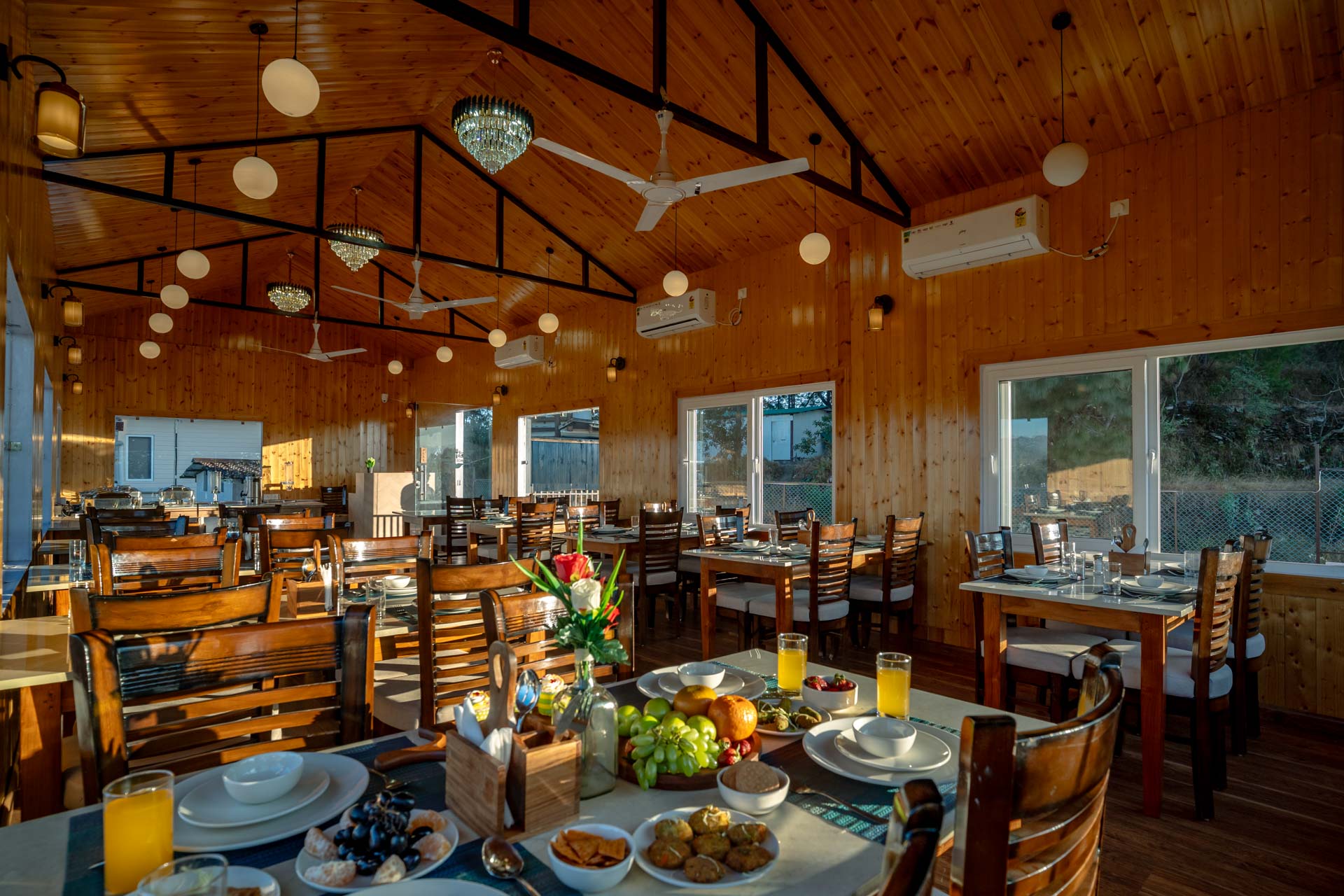
10. Kasauli, Himachal Pradesh — Colonial Mist Two States Away

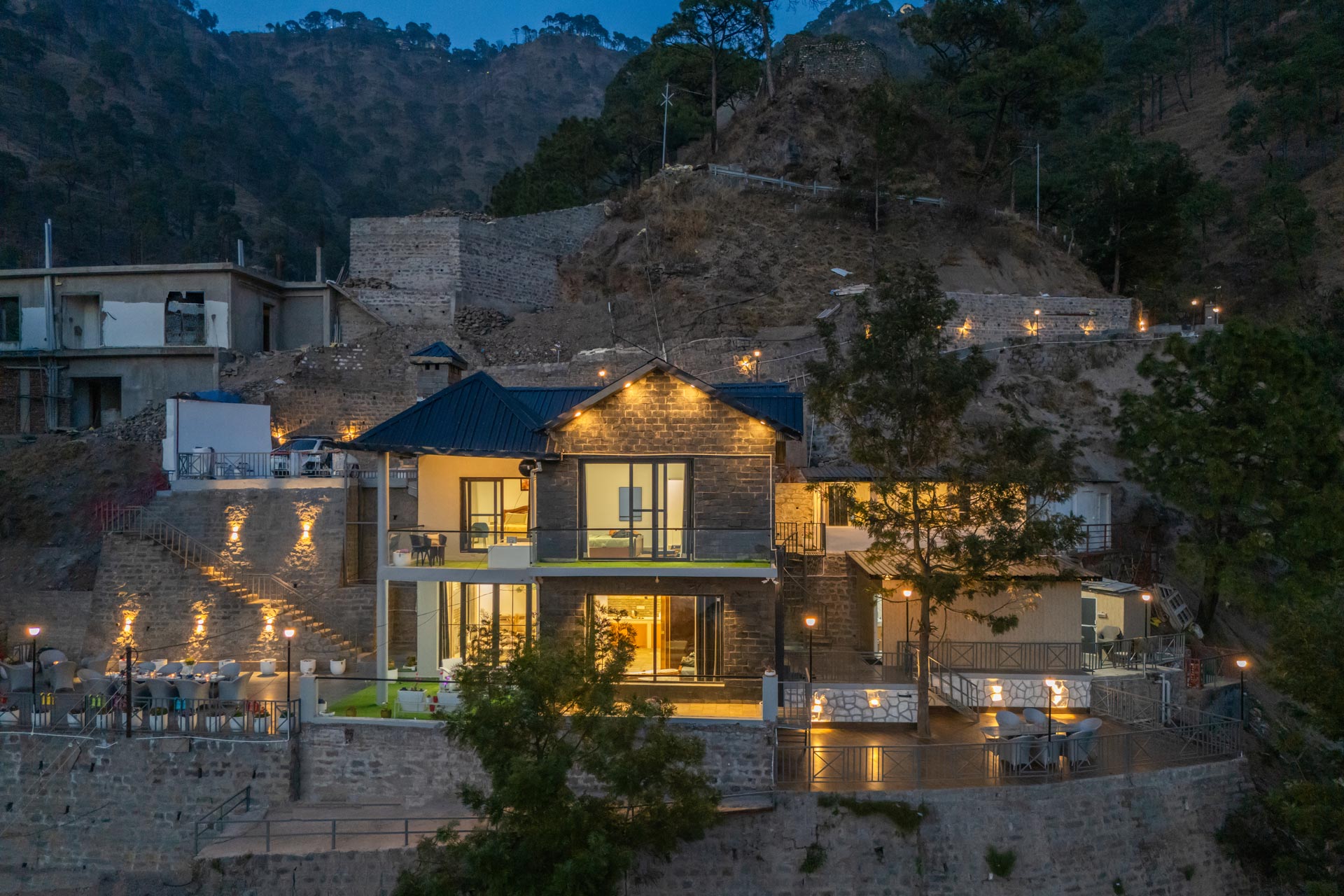
Kasauli is a small colonial-era hill town in Himachal Pradesh’s Solan district, sitting at about 1,900 metres on a Shivalik ridge. It is 290 km from Gurgaon via NH-44, roughly a 5-hour drive — making it the only “real” Himalayan entry on this monsoon list. Compact enough to walk through in a day, it is ideal for a 1-night weekend that still feels like a great place to travel in august.
Weather in Kasauli in monsoon: Daytime temperatures range from 18°C to 24°C with cool, often misty afternoons. Nights drop to 14°C–16°C. Rainfall is consistent through July and August, with most afternoons turning into a wall of cloud.
Why visit Kasauli in monsoon: This is when Kasauli looks the most cinematic — Christ Church set against grey sky, mist rolling through the Gilbert Trail’s deodar forest, and the Lawrence School Sanawar ridge glowing green between showers. The town is also far less crowded than peak summer (April–June) or year-end weekends.
How to reach Kasauli:
- By air: Chandigarh International Airport (IXC), ~65 km, 2 hours by cab.
- By train: Kalka Railway Station, 39 km, 1.5 hours by cab (the Kalka–Shimla toy train does not go to Kasauli but Kalka is the gateway).
- By road / bus: Self-drive on NH-44 to Parwanoo, then Kasauli ghat road. HRTC buses run from Kashmere Gate ISBT, Delhi to Parwanoo; take a local cab for the final 12 km.
Places to visit in Kasauli: Christ Church (1853); Manki Point / Monkey Point inside the Indian Air Force base (ID required); Sunset Point on Upper Mall; Gilbert Trail (a flat 1.5 km forest walk); Lawrence School Sanawar viewpoint; Kasauli Brewery (one of the oldest in Asia, visit grounds only); and Baba Balak Nath temple.
Things to do: Walk the full Upper Mall to Lower Mall loop (about 2 km); do the Gilbert Trail at golden hour; visit Manki Point in the morning (closed certain Air Force days); browse the small Tibetan Market; and eat at the colonial-style hangouts on the Mall.Ideal for: Romantic trips, friends in groups of 4–8, retirees, and writers.
Best Place to Stay in Kasauli
Luna @ Ridge Of Twilight W/ Jacuzzi
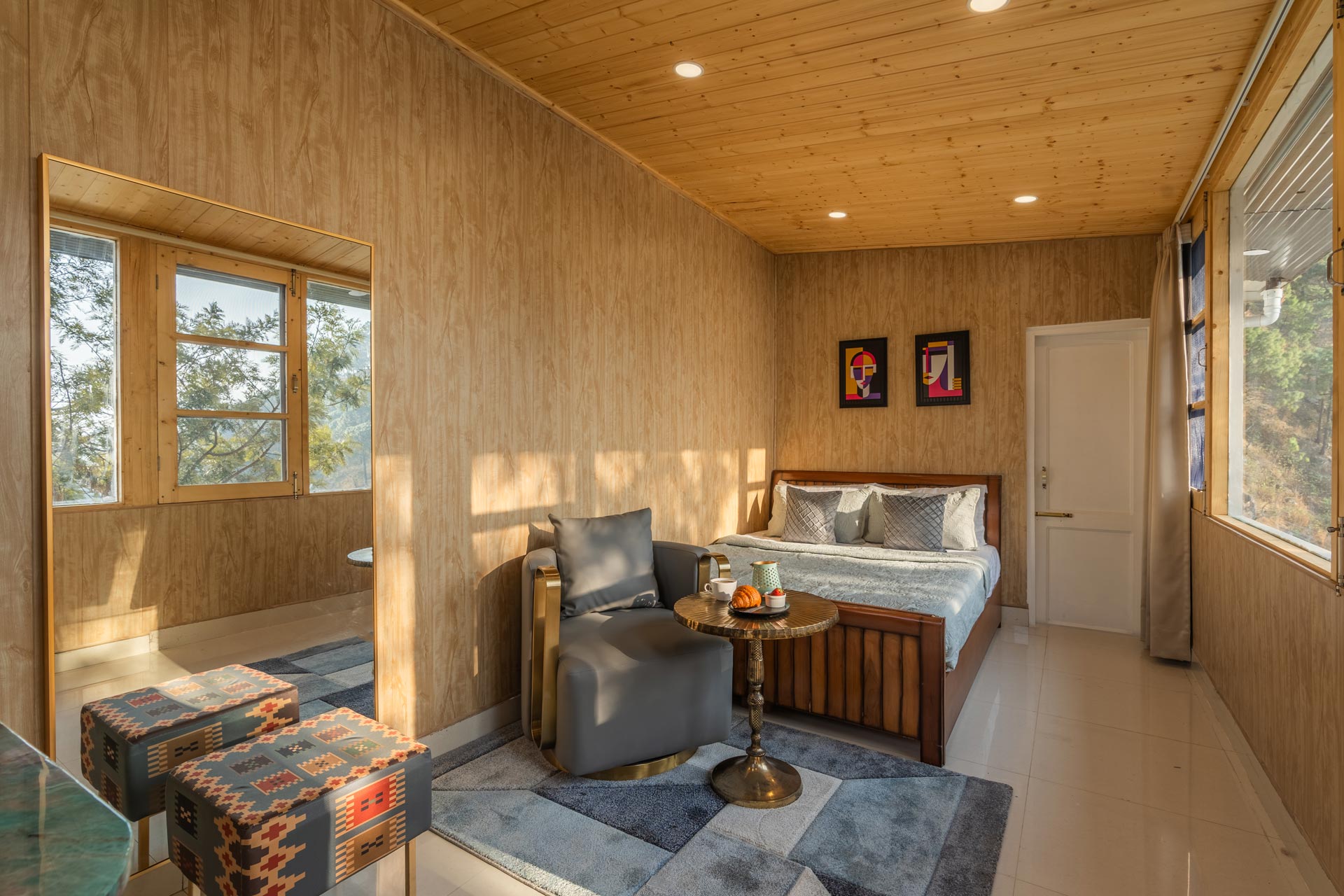
How to Choose the Right Weekend Getaway From Gurgaon in Monsoon
With ten options on the table, the choice usually comes down to four factors. Use this short decision framework to pick between these weekend getaways from Gurgaon:
- You have 1 night only → Neemrana (2 hrs) or Morni Hills (if you can leave early Saturday morning).
- You want a hill station with cool weather → Kasauli for views, Lansdowne for quiet, Morni Hills for the shortest drive.
- You want culture without harsh sun → Jaipur for full Pink City, Alwar for a lower-cost alternative.
- You want nature or wildlife → Bharatpur for birds, Sariska + Alwar for forest-edge.
- You want spirituality and the Ganga → Haridwar for ritual, Rishikesh for slow wellness.
- You’re driving with elderly parents → Neemrana, Jaipur, Haridwar — flat roads, good highways, plenty of stops.
- You’re driving with young kids → Neemrana (fort exploration), Bharatpur (cycle rickshaw ride), Morni Hills (lake boating).
A practical filter we share with travellers: in peak monsoon (last week of July through August), stick to NH-48 and NH-44 destinations. They are the best-maintained highways in this radius and clear quickly after rain.
Monsoon Travel Tips for Weekend Getaways From Gurgaon
A few realities of monsoon road trips in north India — short, useful, no fluff.
- Leave Friday night or Saturday before 6 AM. Gurgaon’s Saturday-morning exit traffic on NH-48 and NH-334 builds sharply after 7 AM. Pre-6 AM departures save 60–90 minutes.
- Check the IMD nowcast the morning of departure. The India Meteorological Department’s regional bulletin gives 6-hour rain forecasts that are surprisingly accurate. Reschedule for orange or red alerts in destination zones.
- Carry physical cash. Small Aravalli and Shivalik towns lose UPI signal in heavy rain. ₹3,000–₹5,000 in cash covers most weekend contingencies.
- Self-drive cars need monsoon checks. Wipers, tyre tread, brake response and headlamp alignment matter more on wet ghat roads than on summer highways.
- Avoid the Kanwar Yatra window (typically mid-July to early August). Routes through Meerut, Muzaffarnagar and Haridwar see massive pedestrian crowds and partial vehicle restrictions — Jaipur, Neemrana and Alwar are unaffected and become natural alternatives.
- Don’t rely on a single Google Maps route. Save Maps offline for your destination, and ask your StayVista host or hotel for the locally recommended monsoon route, especially for ghat sections.
- Pack a dry-bag for documents and electronics. A single Ziploc-lined section in your duffel is enough.
- Plan returns for daylight. Aim to be back in NCR before 8 PM. Visibility drops fast on wet highways after sunset.
These tips apply equally whether you are driving 2 hours to Neemrana or 5 hours to Kasauli — the principles do not change with distance.
Final Word
The best monsoon weekend getaways from Gurgaon aren’t the ones with the most Instagram traction — they are the ones that match a specific mood and stay safely reachable when it’s actively raining. Of the ten covered above, three stand out for first-time monsoon travellers: Neemrana for the easiest heritage weekend, Kasauli for the closest “real hill station” feel, and Bharatpur if you want one outdoor experience that the rain actively improves. Pick by mood, book your stay early (monsoon weekends sell out faster than people expect), and use the per-destination itineraries above as a starting point rather than a script.
FAQs: Monsoon Weekend Getaways From Gurgaon
The best monsoon weekend trip near Gurgaon within 5 hours is Neemrana if you have just one night, Kasauli if you want a hill station, or Bharatpur if you want a nature-and-birds experience. All three are well-paved highways and stay reliably accessible through July, August and September.
Yes, the lower Himalayan hill towns within 5 hours of Gurgaon — Kasauli, Lansdowne and Morni Hills — are considered safe in monsoon because their access roads stay maintained and landslide-prone stretches are short. Avoid deeper Himachal and Uttarakhand destinations like Manali, Spiti or the Char Dham circuit during peak monsoon weeks.
Bharatpur (cycle rickshaw bird tours) and Neemrana (fort exploration and zipline) are the most family-friendly monsoon options, both within 4 hours of Gurgaon. Both have flat-walking sites and family-oriented stay options, and neither requires hill driving.
No, Sariska Tiger Reserve’s core safari zone is officially closed from 1 July to 30 September each year. The buffer zones, Pandupol Hanuman temple inside the reserve and nearby Bhangarh Fort remain accessible, which is why we still include Sariska as a monsoon-edge option.
No, commercial white-water rafting on the Ganga in Rishikesh is suspended from late June to early September because of high water levels. Yoga, ashrams, Lakshman Jhula, the Beatles Ashram and the daily Ganga Aarti at Triveni Ghat remain fully open through monsoon.
Morni Hills is the most affordable hill weekend option from Gurgaon, with budget homestays starting around ₹2,500 per night and almost no entry fees at viewpoints or lakes. Alwar is the most affordable cultural option, with mid-range stays from ₹3,500 per night and museum entry fees under ₹100.
Two days and one night is enough for any destination within 3.5 hours of Gurgaon (Neemrana, Alwar, Sariska, Bharatpur). For hill stations like Kasauli, Lansdowne, or Jaipur, three days and two nights is more comfortable, especially with monsoon buffer time on the road.
Yes, Neemrana, Sohna and Damdama Lake all work as day trips within 2 hours of Gurgaon. For a satisfying monsoon experience, however, an overnight stay is strongly recommended — the best monsoon moments are usually early mornings and late evenings, both of which you would miss on a day trip.
Updated: 04 August 2026