
5 Indian Festivals in September 2026 You’ve Probably Never Heard Of — Dates, Places and How to Attend
Looking for Indian festivals in September that don’t show up on every travel blog’s “top 10” list? This guide covers five real, dated, attendable events — from a 143-year-old effigy-burning tradition in Nagpur to a high-altitude cultural carnival in Leh — with exact 2026 dates, locations, and how to actually get there.
If you’ve spent any time researching Indian holidays for a September trip, you’ve probably hit the same wall everyone does: every list repeats Ganesh Chaturthi, Onam, and Navratri. Those are wonderful, but they’re also the biggest festival of India category — crowded, commercialised, and covered to death. What almost nobody writes about are the regional melas and utsavs that locals still consider theirs. This is where September in India gets genuinely interesting.
The five standout Indian festivals in September 2026 are Marbat Utsav (Nagpur, early Sept), Neelamperoor Padayani (Kerala, first half of Sept), Tarnetar Fair (Gujarat, Sept 14–16), Ravechi Fair (Kutch, mid-Sept), and Ladakh Festival (Leh, Sept 21–24).
In this Blog
Quick-Facts Table: Indian Festivals in September 2026
| Festival | State/Region | 2026 Dates | Nearest City | Vibe |
| Marbat Utsav | Maharashtra (Nagpur) | Around Sept 3* | Nagpur | Satirical effigy procession |
| Neelamperoor Padayani | Kerala (Alappuzha/Kottayam) | First half of Sept* | Kottayam/Alappuzha | Temple ritual, folk effigies |
| Tarnetar Fair | Gujarat (Surendranagar) | Sept 14–16 | Rajkot | Tribal matchmaking mela |
| Ravechi Fair | Kutch, Gujarat | Around Sept 18* | Bhuj | Desert community gathering |
| Ladakh Festival | Ladakh (Leh) | Sept 21–24 | Leh | Himalayan culture carnival |
*Dates marked with an asterisk follow the lunar Hindu calendar and can shift by a day or two — always confirm locally before booking non-refundable travel.
This table alone should tell you something: any festival today in India is rarely a single-day affair, and most of them are tied to the Bhadrapada or Chingam lunar months rather than a fixed Gregorian date. That’s exactly why these five stay under the radar — they don’t fit neatly into a printed calendar the way Diwali or Holi does.
Why These Indian Festivals in September Deserve Your Attention
In short: these five festivals reward travellers who want unscripted, community-run celebrations over ticketed spectacles.
India doesn’t take a breather between the monsoon and the big national festival of India season that kicks off with Navratri and Diwali. September is actually one of the busiest festival months on the Indian calendar — it’s just that most of the action happens in villages and small temple towns rather than in metros. Ganesh Chaturthi and Onam get the headlines because they’re urban and photogenic. Marbat, Padayani, Tarnetar, Ravechi, and the Ladakh Festival get the actual experience: fewer tourists, more participation, and a far closer look at India’s regional identity.
If someone asks, “What’s a big festival in India that I can attend without fighting for a hotel room?” this list is your answer.
1. Marbat Utsav — Nagpur’s Effigy-Burning Tradition
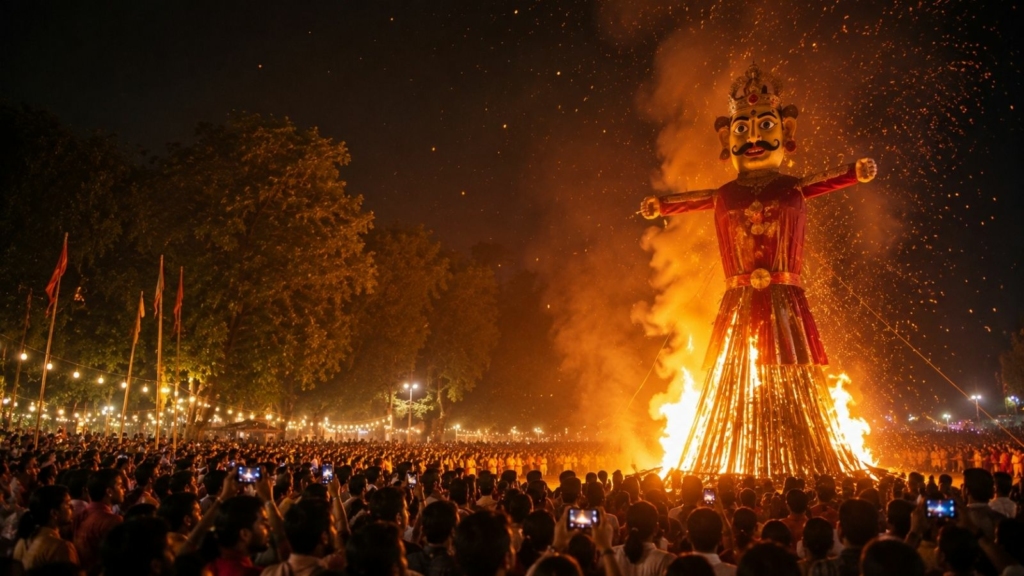
Dates: Falls on the second day of Pola, typically landing around September 3, 2026 (confirm exact date closer to the time). Location: Itwari area, Nagpur, Maharashtra
Marbat Utsav is, according to state tourism records, unique to Nagpur — no other Indian city observes it in quite the same form. The festival dates back to 1885, when local communities began building towering effigies called Kali (black) and Pivli (yellow) Marbat, along with smaller effigies known as badgyas, to symbolically “carry away” the year’s misfortunes and social evils.
What actually happens:
- Effigies, some standing 18–20 feet tall, are built over several days and displayed for public worship
- On the main day, they’re paraded through Nagpur’s old city lanes with drumming, sloganeering, and street theatre
- The badgyas are often crafted to comment on current events — expect satire aimed at everything from politics to civic issues
- The parade ends with the effigies being ritually burned or immersed
Things to Do in Nagpur Around Marbat Utsav
Since you’re already in the city, extend the trip. Things to do in Nagpur beyond the festival include visiting Deekshabhoomi (the site of Dr Ambedkar’s mass conversion), the Raman Science Centre, and taking an evening walk at Futala Lake. Nagpur is also India’s orange capital, so a plate of fresh orange barfi is non-negotiable.
How to attend: Fly into Dr Babasaheb Ambedkar International Airport, Nagpur, and base yourself near Itwari or Sitabuldi. Expect road closures on the main procession day — the Nagpur police publish traffic advisories every year, so check those before you plan your route.
2. Neelamperoor Padayani — Kerala’s Effigy Festival You’ve Never Heard Of
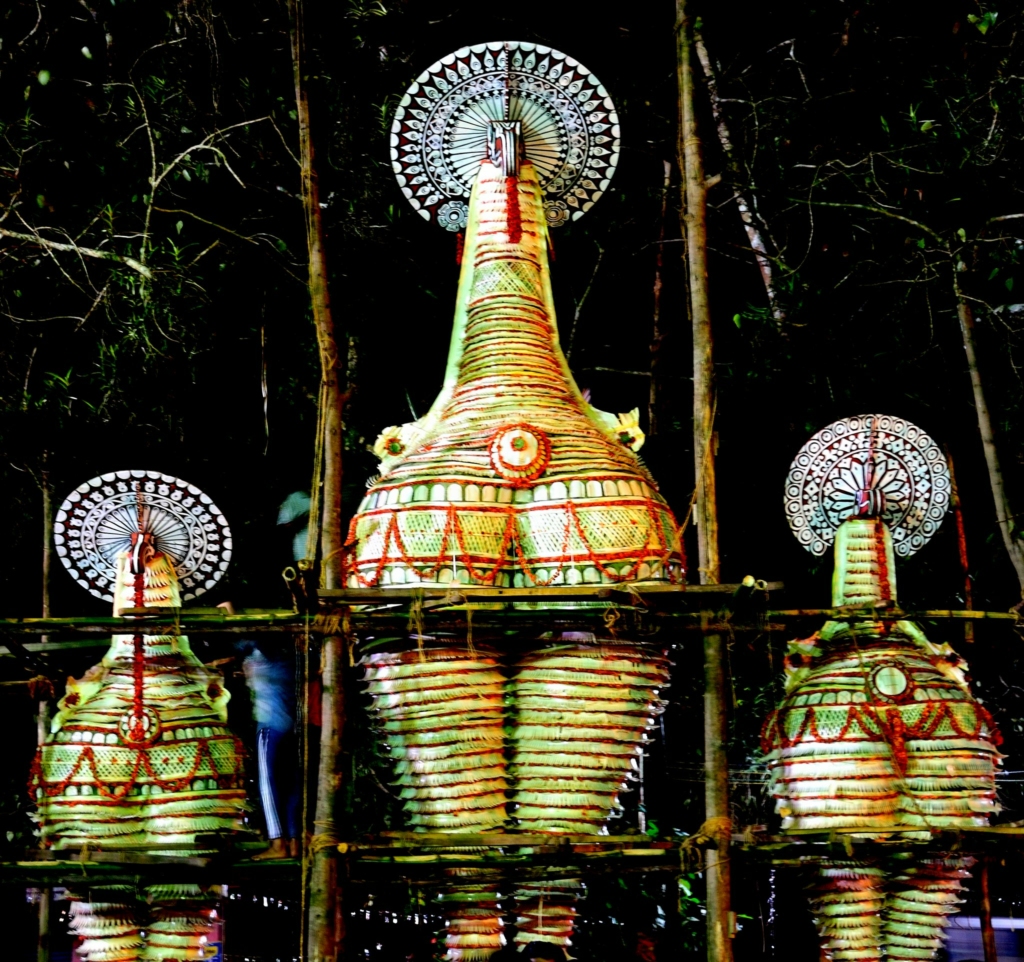
Dates: Begins right after the Thiruvonam nakshatra and runs roughly 15 days into the Pooram asterism — typically the first half of September 2026. Location: Neelamperoor Palli Bhagavathy Temple, Kuttanadu, near the Kottayam/Alappuzha border, Kerala
Most people searching for Indian festivals in September in Kerala only find Onam. Neelamperoor Padayani is the festival Kerala Tourism itself calls one of the state’s most distinctive rituals — and it’s barely known outside Kuttanadu.
Unlike the more famous masked Padayani performances elsewhere in Kerala, Neelamperoor’s version builds gigantic effigies — swans, elephants, and mythological figures like Bhima, Ravana, and Yakshi — through a ritual called Annamkettu. These are paraded at night in a spectacle known as Kettukazhcha, considered the festival’s centrepiece.
What to expect:
- A 15-day build-up culminating in a dramatic night procession
- Effigies crafted almost entirely from natural materials, giving it the nickname “festival of nature”
- A temple believed to date back to 250–300 AD, with a legend tying it to a visiting Buddhist monk
Places to Visit in Kerala While You’re There
Combine this with the classics: houseboat backwaters in Alappuzha, the Vembanad Lake bird sanctuary near Kumarakom, and Kottayam’s spice plantations. If you’re mapping out places to visit in Kerala, Kuttanadu’s rice-paddy backwaters (often called the “rice bowl of Kerala”) are worth a full day on their own.
How to attend: The nearest railway station is Changanassery (about 10 km away); Cochin International Airport is roughly 101 km away. Base yourself in Alappuzha or Kumarakom and drive in for the night procession.
3. Tarnetar Fair — Gujarat’s Legendary Swayamvara Mela
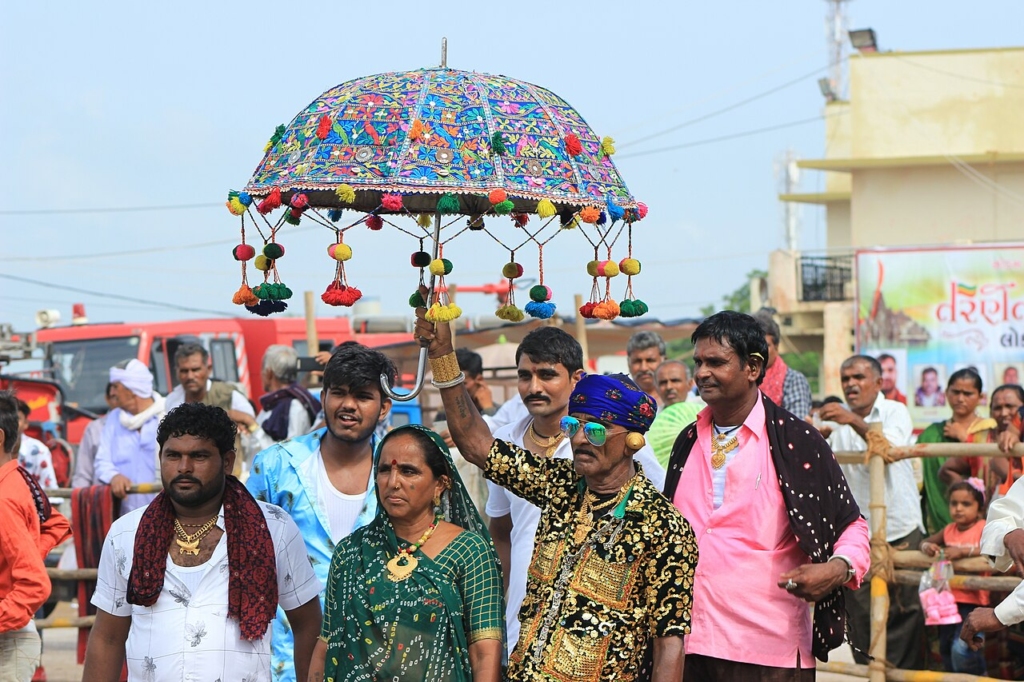
Dates: September 14–16, 2026 (Bhadarva Sud 4–6 on the Hindu calendar). Location: Tarnetar village, near Thangadh, Surendranagar district, Gujarat
Local legend ties Tarnetar to the Mahabharata — it is said to be where Arjuna won Draupadi’s hand by piercing a fish’s eye with its reflection. Whether or not you buy the mythology, the modern fair is a genuinely striking sight: young men from the Koli community spend a year embroidering elaborate, beaded umbrellas that they carry through the fairground to attract prospective partners.
Festival highlights:
- The embroidered-umbrella displays, unique to this fair
- Traditional Raas and Garba performances
- Over 300 stalls of handicrafts, jewellery, and folk art
- Cattle shows and rural sporting events
This is, without exaggeration, one of the most photogenic Indian festivals in September anywhere in the country — and it draws over 50,000 visitors annually, so plan accommodation accordingly.
Places to Visit in Gujarat Near Tarnetar
Tarnetar sits about 75 km from Rajkot and 200 km from Ahmedabad. For things to do in Gujarat beyond the fair, Rajkot’s Watson Museum, the temples of Somnath, and the handicraft villages around Bhujodi make for an easy extension.
How to attend: The nearest railhead is Thangadh, 8 km from the fairground. State transport buses and private coaches connect it to Rajkot and Ahmedabad. Gujarat Tourism typically sets up tented accommodation during the fair — book that early.
4. Ravechi Fair — Kutch’s Community Gathering Near the Salt Desert
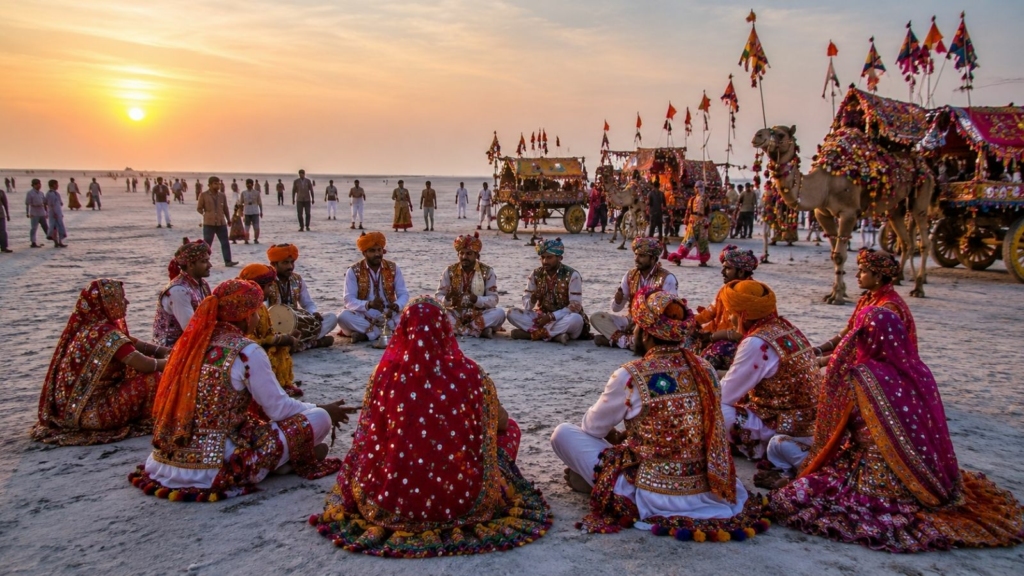
Dates: Bhadra Sud Aatham on the Hindu calendar, expected around September 18, 2026 (confirm locally). Location: Ravechi Mata Temple, Nana Raava village, Rapar district, Kutch, Gujarat
Ravechi Fair is a two-day gathering centred on the Ravechi Mata temple, believed to have been built in 1821 by the Pandavas according to local legend. It draws communities like the Ahir, Rabari, and Charan from across the Vagad region of Kutch, making it one of the more culturally layered places to visit in Kutch during festival season.
What makes it worth the detour:
- Folk dance and music performances rooted in Kutchi tradition
- Art exhibitions showcasing mirror work, embroidery, and handmade textiles
- A far less touristy alternative to the famous Rann Utsav (which happens later, in winter)
- An “Akhand Jyot” — an eternal flame that’s never allowed to go out — inside the temple
Things to Do in Kutch Beyond the Fair
Kutch in September is quieter and greener, right after monsoon. For things to do in Kutch, consider the white salt flats of the Great Rann (best visited closer to winter for the full Rann Utsav experience), Bhuj’s old town and palaces, and Mandvi Beach.
How to attend: Fly or take the train into Bhuj, then drive roughly 90 km to Rapar. This is genuinely offbeat — expect basic infrastructure and a warm, unfiltered welcome.
5. Ladakh Festival — A Himalayan Cultural Carnival
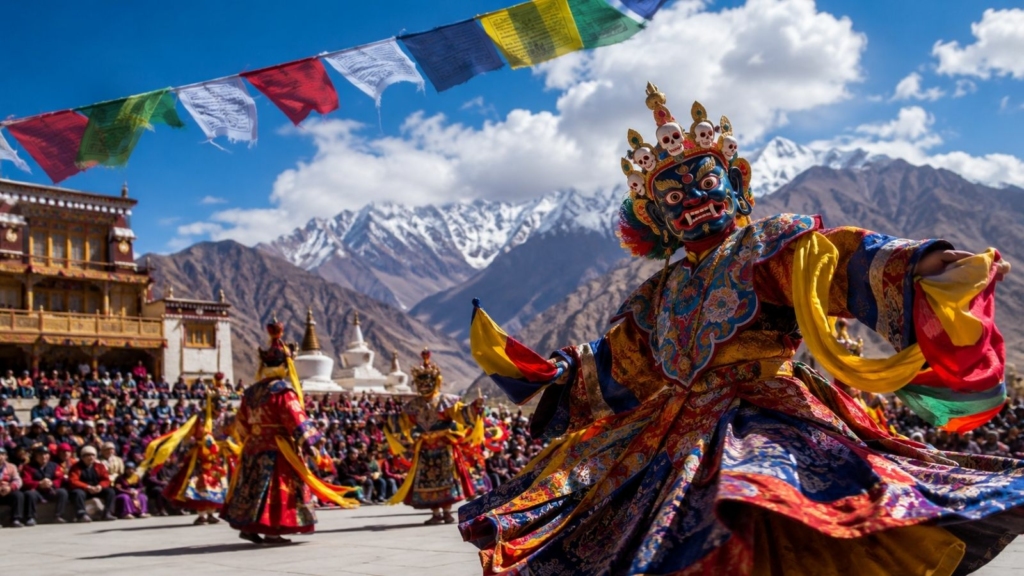
Dates: September 21–24, 2026. Location: Leh town and surrounding villages, Ladakh
Organised by the Ladakh Tourism Department since the 1970s, this is the most accessible of the five — and arguably the best entry point if you’re new to offbeat Indian festivals in September. It opens with a procession of cultural troupes from across the region winding through Leh Market, and closes at the Leh Polo Ground.
Festival highlights:
- Traditional Ladakhi mask and folk dances
- Archery and polo matches
- Handicraft and local cuisine stalls
- A rare chance to see performers from remote Ladakhi villages in one place
September is also peak season for Ladakh’s weather — the monsoon has cleared, roads are open, and the light on the mountains is at its sharpest.
Places to Visit in Ladakh Around the Festival
If you’re planning places to visit in Ladakh alongside the festival, Pangong Tso, Nubra Valley, and the monasteries at Thiksey and Hemis are all within striking distance. For things to do in Ladakh, high-altitude cycling, river rafting on the Zanskar, and monastery visits round out a full week easily.
How to attend: Fly into Kushok Bakula Rimpochee Airport, Leh. Acclimatise for at least 24–48 hours before any strenuous activity — altitude sickness is a real risk at Leh’s elevation of over 11,000 feet.
Bonus: 5 More Indian Festivals in September Worth Knowing About
In short: beyond the five deep-dive festivals above, September carries a longer tail of regional celebrations across India — here’s a quick-reference round-up if you want to keep exploring.
Teej in Rural Punjab and Haryana — Hartalika Teej falls on September 13–14, 2026. Known locally as Teeyan in Punjab, this women-led festival features swings hung from trees, folk songs (Giddha), and mehendi — distinct in style and ritual from the more famous Rajasthan Teej celebrations.
Nag Panchami Village Fairs in Kutch and Interior Gujarat — Nag Panchami falls on September 1, 2026, and in Kutch it doubles as an excuse for hyperlocal tribal melas — Mota Yaksh, Hajipir, and Mamaidev fairs among them — that run in the same window as the Ravechi and Tarnetar fairs covered above. Worth combining into one Kutch festival circuit if you’re already headed there.
Kada Kalasam and Rural Andhra Pradesh Vinayaka Processions — Timed with Ganesh Chaturthi (around September 14, 2026), these village-level immersion processions in interior Andhra Pradesh are a quieter, hyperlocal counterpart to Mumbai’s massive Lalbaugcha Raja spectacle.
Vishwakarma Puja — Falls on September 17, 2026. Dedicated to the divine architect Lord Vishwakarma, it’s observed by artisans and factory workers across Gujarat, Rajasthan, and Eastern India, with tool-worship and kite-flying as common sights.
Boddemma (Telangana) — A women-led festival that traditionally follows Bathukamma. Because Bathukamma itself falls in October in 2026 (Oct 10–18), Boddemma also lands just past September this year — worth knowing about, but not technically a “September 2026” event. Check the current-year Telangana festival calendar before including it in any date-specific listicle.
Where to Stay: Villa-Style Bases for Each Festival
In short: private villas let you set your own pace around lunar-calendar festivals that don’t run on fixed schedules — useful when start times can shift by a day.
Because several of these Indian festivals in September follow lunar dates rather than fixed ones, a flexible, private base beats a rigid hotel booking.
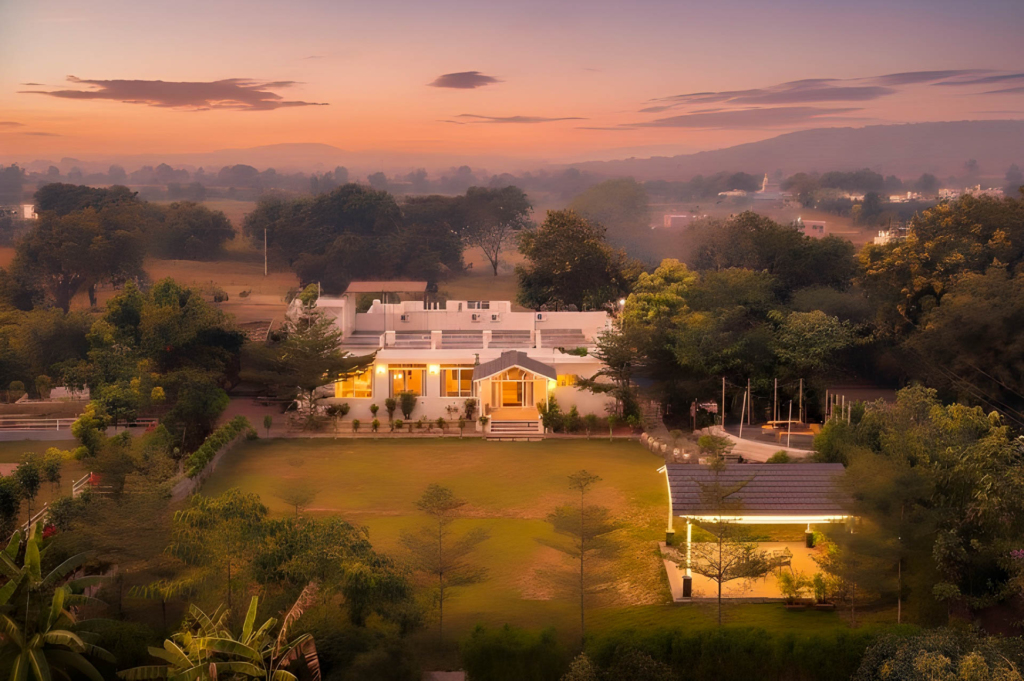
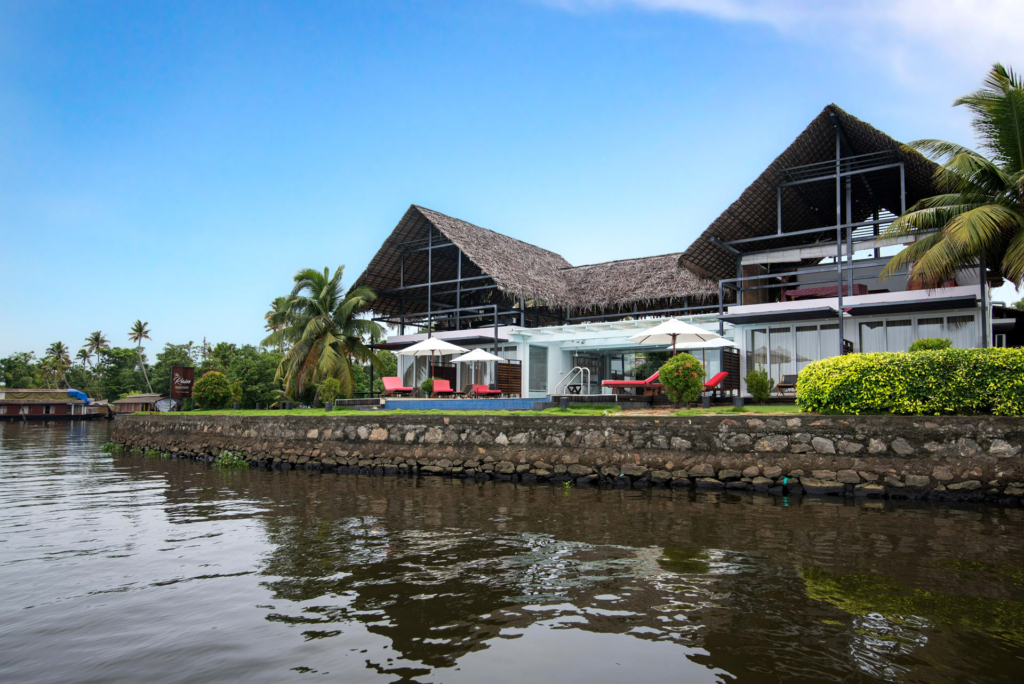
- For Neelamperoor Padayani: Backwater villas around Alappuzha, such as StayVista’s Shalom Villa near Marari Beach, put you a short drive from Kuttanadu. A typical day looks like this: wake up to garden and pool views, take a late-morning houseboat cruise through the backwaters, spend the afternoon by the pool or trying local Karimeen fish curry, then head out at dusk for the Padayani night procession. Average price: roughly ₹15,000–₹25,000 per night depending on group size and season.
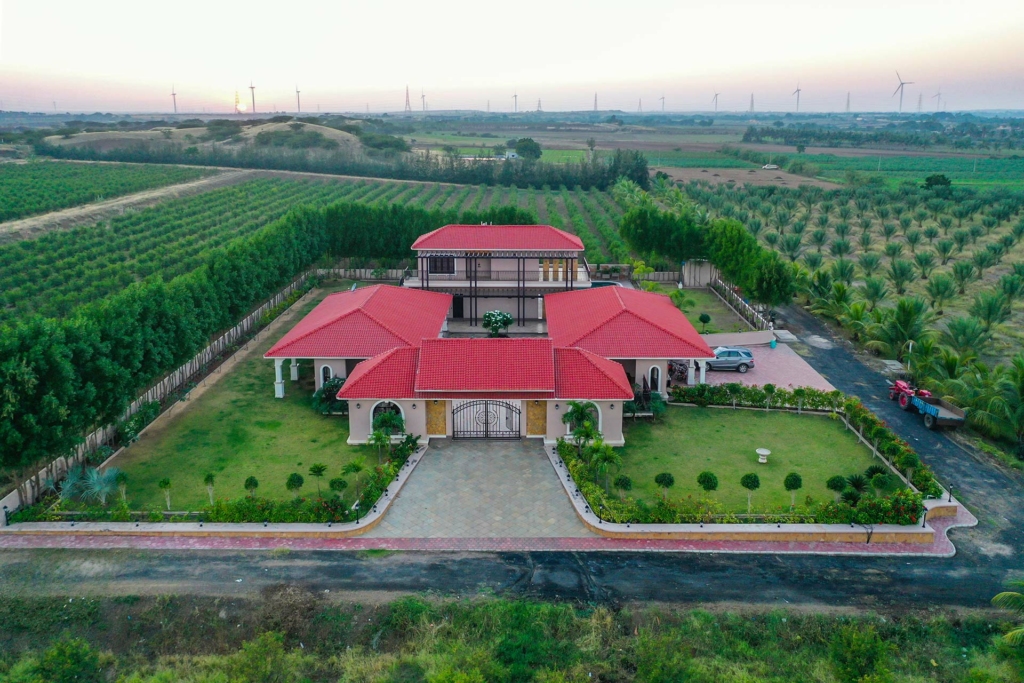
- For Ravechi Fair and Rann-region travel: Farm-stay style villas in rural Kutch, like StayVista’s Desert Palms property spread across 65 acres of orchards, offer a genuinely local base. A day here means slow mornings on the farm, a midday drive to Ravechi or Bhuj’s old town, and stargazing at night — Kutch’s night skies are exceptional away from city light.
- How to get there: Both villas are reachable by road from the nearest airport (Cochin for Kerala, Bhuj for Kutch), with private transfers typically arranged on request.
- How to book: Search the destination on StayVista’s website, filter by group size and dates, and confirm directly online — most properties allow flexible date changes given how lunar festival dates can shift.
FAQs: Indian Festivals in September
Almost certainly, yes. September is one of India’s densest festival months — alongside the five covered here, it also includes Ganesh Chaturthi, Onam, and the start of Navratri, depending on the exact week.
Nationally, Ganesh Chaturthi (around September 14, 2026) and the start of Navratri (mid-to-late September) draw the largest crowds. Among the lesser-known events on this list, the Ladakh Festival and Tarnetar Fair attract the biggest turnouts.
The Ladakh Festival and Tarnetar Fair are the most tourist-ready of the five — good infrastructure, clear multi-day dates, and established travel routes.
Yes. Marbat Utsav, Neelamperoor Padayani, Tarnetar Fair, and Ravechi Fair all follow the Hindu lunar calendar, so their Gregorian dates shift annually. Always verify with local tourism boards a few weeks before travel.
Generally yes — all five are community events open to visitors, though dress modestly, ask before photographing rituals or performers, and follow local guidance during processions.
Explore The Unexplored Indian Festivals in September 2026
September in India isn’t a quiet in-between month — it’s arguably one of the richest windows on the entire festival calendar, if you know where to look beyond the obvious. Pick one of these five, build your trip around a villa that lets you move at your own pace, and you’ll come back with stories nobody else on your feed has.