
Sair Festival 2026: Date, Sajja Rituals, Arki Fair & Where to Stay
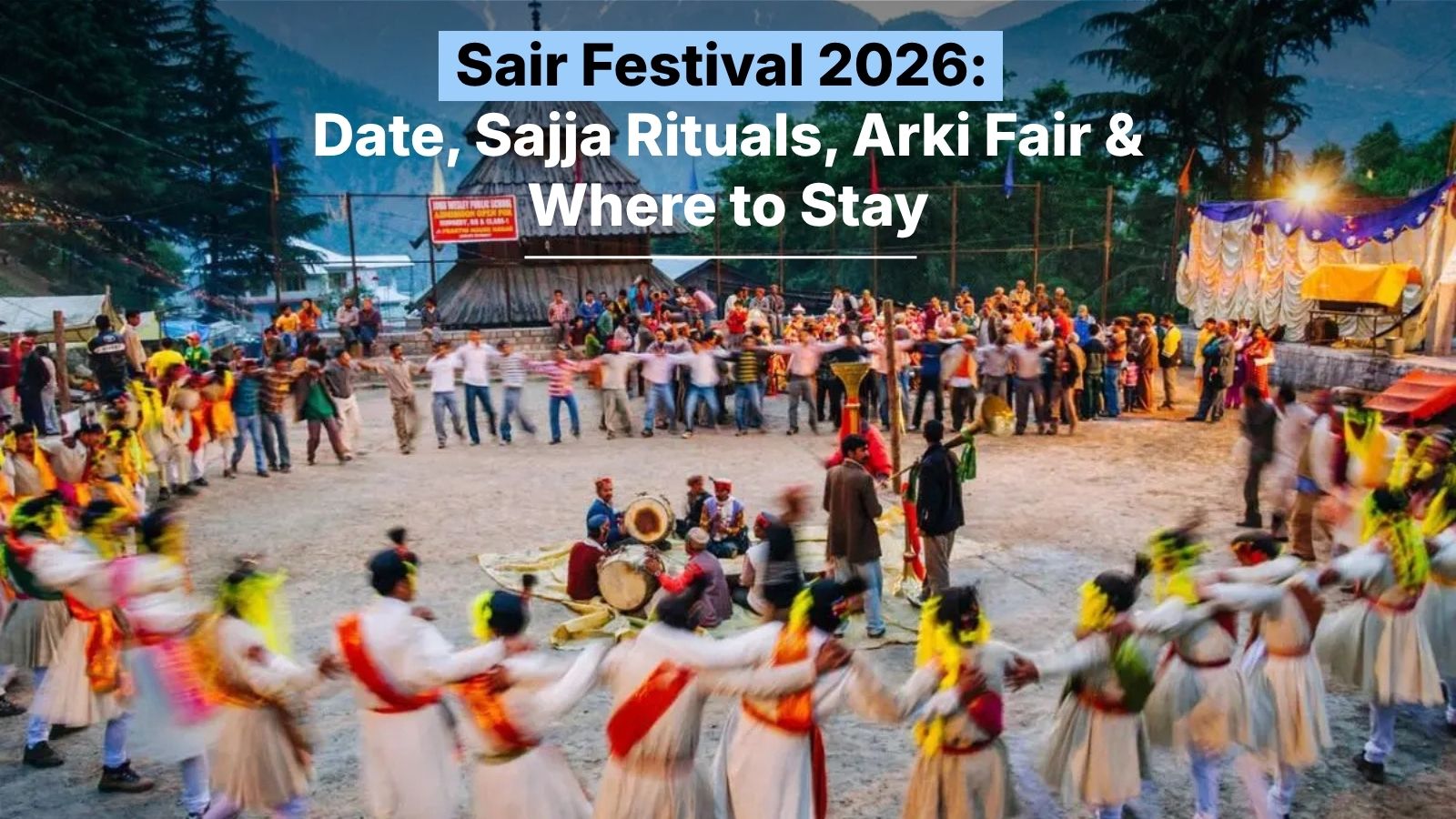
Sair Festival 2026 falls on 17 September in several parts of Himachal Pradesh, including Mandi district, marking the end of the monsoon and the harvest season. Known regionally as Sair, Sairi, Saja or Sairi-Sajja, it features harvest offerings, walnut exchanges, elder blessings and local fairs. Arki in Solan is traditionally associated with its Sair fair.
2026 date note: The Himachal Pradesh Government’s 2026 local-holiday notification confirms 17 September 2026 as Sair in multiple Mandi subdivisions. The date also corresponds with Kanya Sankranti in 2026.
In this Blog
Sair Festival 2026: Date, History and Cultural Significance
Sair is a traditional harvest festival observed across several parts of Himachal Pradesh around the transition from the monsoon season to autumn. It is associated with the completion of the kharif harvest and is traditionally a time to express gratitude for the year’s crops while seeking prosperity for the season ahead.
The festival does not have one uniform format across the state. Its rituals and even its name vary by valley and district. In Kullu, it is known as Sairi-Sajja; in Mandi, walnuts are particularly prominent; while in the Shimla and Solan hills, the festival is more closely associated with public fairs.
This regional variation is what makes Sair particularly interesting for travellers. A visit to Mandi offers a more community- and harvest-oriented experience, while Arki’s celebration has historically taken the form of a large public fair.
The Harvest Traditions of Sair Across Himachal Pradesh
Sair represents the seasonal transition from the monsoon towards autumn and is closely linked with the agricultural calendar of the hills.
The festival traditionally marks the completion of the kharif harvest, making newly harvested produce an important part of household rituals. Families offer seasonal produce to local deities, prepare festive food and seek blessings for prosperity in the coming season.
Sair is celebrated differently across Himachal Pradesh. In some places, it remains primarily a household and religious occasion, while in others it becomes a larger community gathering or mela.
This distinction is important for travellers because Sair Festival 2026 will not look identical across every destination. The experience in Mandi, Kullu and Arki reflects different local customs.
Sajja Rituals, Walnuts and Sacred Harvest Offerings
Sair rituals differ considerably between regions, but the common thread is gratitude for the harvest and blessings for the coming season.
In Kullu, the festival is traditionally called Sairi-Sajja. The celebrations involve household worship, food preparation, devotion to the family or village deity and exchanges of grass and walnuts as blessings.
Some of the traditions associated with Sair include:
- Harvest offerings: Seasonal produce such as maize, cucumber, guava, paddy and walnuts can form part of offerings.
- Deity worship: Families and communities offer the season’s produce to local deities.
- Drub or Joob exchange: In parts of Himachal, elders bless younger members with sacred grass and walnuts.
- Walnut gifting: Particularly prominent in Mandi, walnuts are exchanged between relatives and friends.
- Traditional food: Festive preparations vary by region and may include local breads, sweets, bhallas, kachori and other Himachali dishes.
- Community gatherings: Sair becomes a public mela in some parts of the state, accompanied by cultural programmes and local markets.
The rituals should not be treated as identical across Himachal Pradesh. Sair is fundamentally a regional folk tradition with locally distinct practices.
Sairi-Sajja in Kullu: A Celebration of Family and Faith
In Kullu, Sair is commonly referred to as Sairi-Sajja and has traditionally been celebrated more as a household and community festival than as a large tourist event.
The festival is associated with worship of the local Kul Devta, family gatherings, festive food and the exchange of Joob or Dub—grass associated with blessings.
The night before Sair can also involve a special family meal, while the festival morning centres around household cleaning, worship and preparation of festive food.
This makes Kullu’s version particularly different from the public mela atmosphere associated with Arki.
Arki Sair Fair in Solan: Himachal’s Historic September Mela
Arki’s Sair Fair is one of the best-known public expressions of the festival in Himachal Pradesh. The Ministry of Tourism describes it as an annual mid-September event featuring cultural programmes, stalls, sports and traditional activities.
Arki lies in Solan district and has a strong historical association with the former princely state of Baghal. The Sair Fair is held at Chaugan Maidan, according to the Ministry of Tourism’s event listing.
Visitors can typically expect:
- Cultural performances
- Local food and market stalls
- Traditional handicrafts and products
- Rural sports and community activities
- Religious ceremonies
- Festive gatherings around the fairground
The fair has historically been held over multiple days, although the exact 2026 Arki programme should be checked with the local administration before travel, rather than assuming the dates of previous editions will repeat.
The Legacy of Arki’s Bull Fights and the 2026 Reality
Travellers should not assume that a bull or buffalo fight will take place at Arki’s Sair Fair in 2026.
The event has historically been famous for animal fights, and the Ministry of Tourism continues to mention the tradition in its description of the Arki Sair Fair. However, animal fights have faced legal and animal-welfare scrutiny, and credible reports have documented their discontinuation or restrictions in previous editions.
For example, a 2018 report on the Arki Sair Fair stated that the buffalo fight had been discontinued following court directions, with wrestling becoming one of the attractions instead.
For 2026, the safer editorially accurate position is: the Arki Sair Fair has a historical association with bull/buffalo fighting, but the occurrence of such an event in 2026 should not be promoted as confirmed unless the local administration officially announces it.
This distinction is important for travellers planning their visit specifically around the animal-fight tradition.
Experiencing Sair Festival 2026: Cultural Events Beyond the Animal Fights
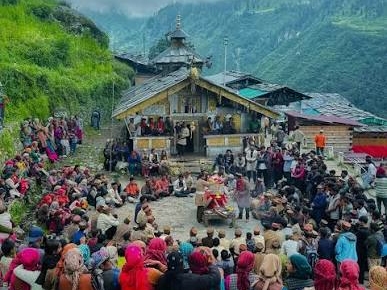
Arki’s Sair celebration has a broader cultural programme than its historical animal-fight association suggests.
The Ministry of Tourism lists cultural programmes, stalls and sports activities among the attractions of the Sair Fair. Local markets traditionally sell items such as utensils, pottery, garments and accessories.
The surrounding town also adds a heritage dimension to a Sair trip. Arki was the capital of the former Baghal princely state, and attractions include Arki Palace and Lutru Mahadev Temple.
A practical Sair itinerary around Arki can therefore combine:
- Sair Fair at Chaugan Maidan
- Local market browsing
- Arki’s heritage architecture
- Lutru Mahadev Temple
- Traditional Himachali food
- A stay around Solan, Kasauli or the Arki region
Mandi’s Sair Festival: Walnut Markets, Community Rituals and Local Traditions
Mandi offers a different interpretation of Sair from Arki.
Here, the festival is strongly connected with harvest worship, walnuts, family exchanges and local religious traditions. In 2024, reporting from Mandi documented the offering of seasonal produce to Sair Mata and the traditional walnut-tossing game.
Mandi’s markets also become an important part of the festival. Local reporting has highlighted walnut trading in areas including Chauhata Bazaar and Seri Bazaar, along with traditional foods and medicinal plants sold around the festival.
For visitors interested in the cultural side of Sair rather than a large fair, Mandi can offer a more grounded experience of the festival’s harvest traditions.
Experiencing Sair Around Mandi: Local Celebrations Beyond the Town
Sair is not restricted to Mandi town. Several parts of Mandi district observe the festival, with local practices varying between villages and valleys.
The 2026 local-holiday notification specifically lists Sair on 17 September across subdivisions including Sadar Mandi, Gohar, Sarkaghat, Thunag, Kotli, Dharampur, Balh, Sundernagar, Jogindernagar, Padhar, Karsog and Balichowki.
This makes Mandi district useful for travellers who want to explore the festival beyond a single organised event.
However, village-level rituals are often community occasions rather than tourist attractions. Visitors should observe from public areas, ask before photographing religious ceremonies and avoid entering private courtyards or temple spaces during rituals without permission.
September in Himachal: Weather, Roads and Travel Planning
Mid-September marks the transition from the monsoon towards autumn, but rain remains possible in Himachal Pradesh.
This matters particularly for travellers heading towards Arki, Solan or Mandi because mountain roads can be affected by rainfall, landslides or temporary traffic restrictions.
A practical September packing list includes:
- Light warm layers
- A waterproof outer layer
- Comfortable shoes with good grip
- Small umbrella
- Quick-dry clothing
- A power bank
- Essential medicines and personal supplies
Road conditions should be checked close to departure, especially if travelling to smaller villages rather than staying in the main towns.
Reaching Arki for Sair Festival 2026
Arki is connected by road with Solan and Shimla, making road travel the most practical option for most visitors.
The Ministry of Tourism lists Shimla Airport as the nearest airport at approximately 55 km and identifies Shimla as the nearest convenient railway connection in its Arki event information.
For travellers arriving from major Indian cities, a practical approach is:
| Starting point | Practical route |
| Shimla | Road to Arki |
| Solan | Road to Arki |
| Chandigarh | Chandigarh → Solan/Kalka → Arki |
| Delhi | Delhi → Chandigarh/Kalka → Solan → Arki |
| Mandi | Road towards Shimla/Solan and onward to Arki |
Because September falls close to the monsoon’s end, travellers should allow additional road time instead of relying on tight connections.
Where to Stay for Sair Festival 2026 in Solan and Mandi
The best base depends on whether the priority is Arki’s fair or Mandi’s harvest traditions.
Staying Around Solan and Kasauli
For Arki, staying in the wider Solan–Kasauli belt can provide more accommodation choices than trying to find a stay immediately beside the fairground.
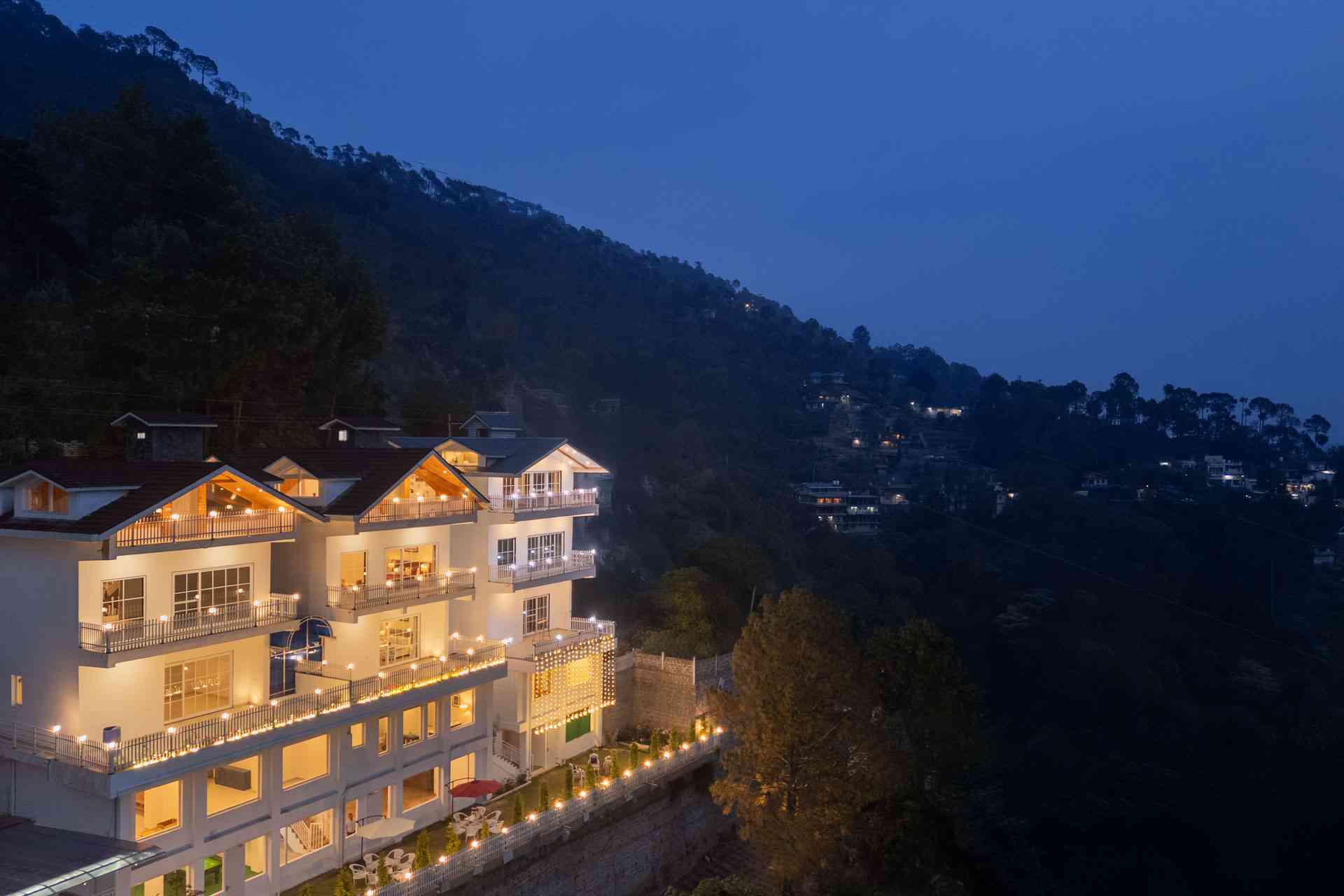
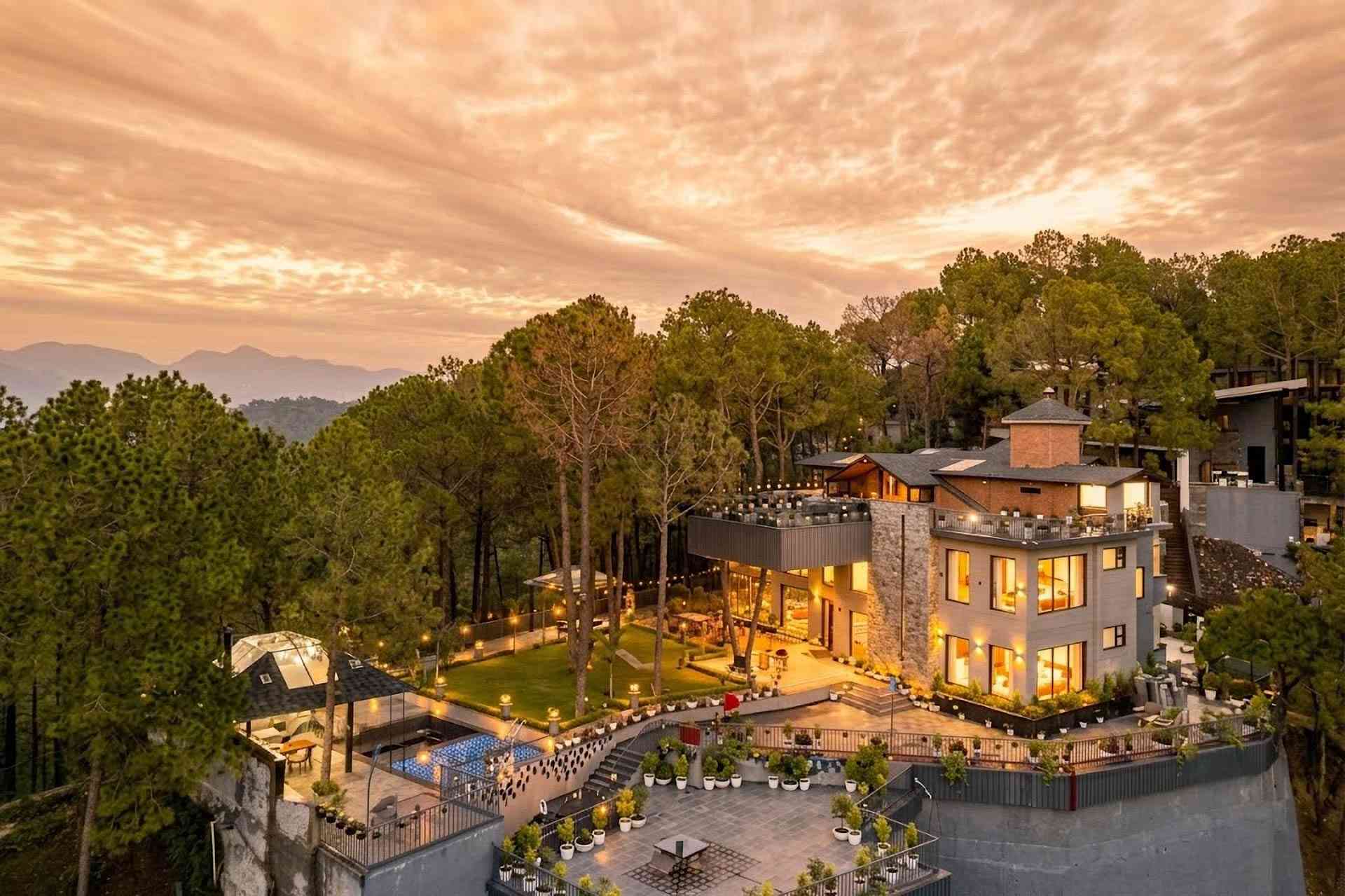
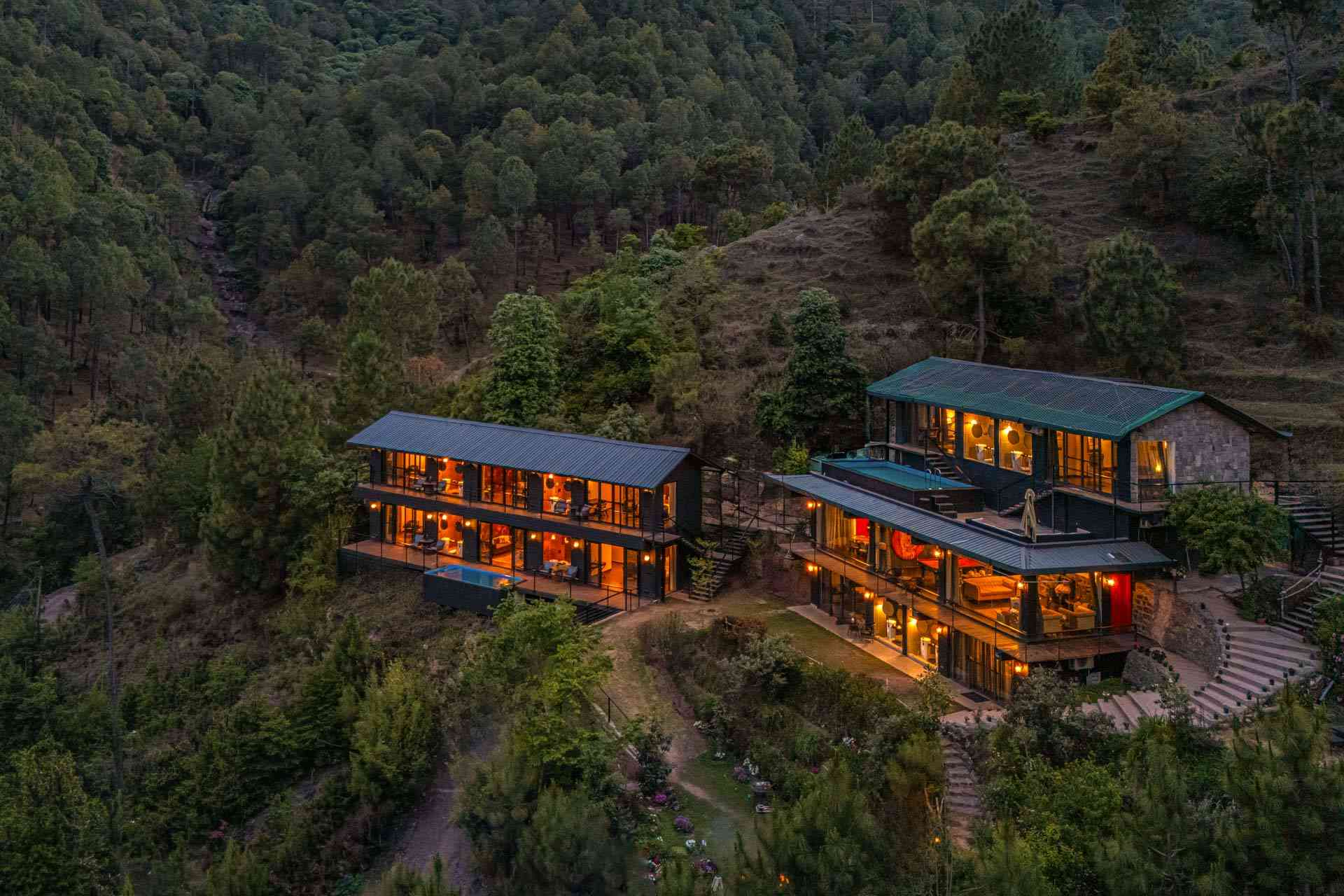
StayVista currently lists villas around Kasauli, including options such as IRIS, Altiora Kasauli, Leopard’s Creek Estate, Vibrissa @ Leopard’s Haus, Rosette @ Leopard’s Haus and properties at Himalayan Den.
These are particularly suited to families and groups looking for private accommodation, while travellers attending the fair should factor the road journey to Arki into their plans.
Staying in Mandi
For the Mandi celebration, staying in or around Mandi town is more practical because the festival is observed across the district and local markets are part of the experience.
Travellers interested in specific village rituals should first establish where the public celebration is taking place before choosing accommodation. A village stay may place visitors closer to a local celebration but can involve fewer transport, dining and connectivity options.
Solan vs Mandi: Choosing the Right Sair Festival Experience
The two destinations offer distinctly different ways to experience Sair.
| If the priority is… | Better base |
| Arki Sair Fair | Solan / Arki |
| Public fair atmosphere | Arki |
| Walnut traditions | Mandi |
| Local harvest customs | Mandi district |
| More villa options | Kasauli / Solan belt |
| Combining heritage with Sair | Arki + Solan |
| Exploring multiple Mandi celebrations | Mandi town |
StayVista’s Himachal portfolio also includes destinations such as Shimla, Manali, Kasauli and Dharamshala, although accommodation availability should always be checked for the specific dates and destination.
Essential Tips Before Attending Sair Festival in Himachal Pradesh
A few practical considerations can make the experience considerably easier.
For visitors attending a local Sair celebration:
- Confirm the venue: Village-level celebrations can differ from the main district event.
- Check the 2026 programme: Do not rely solely on previous years’ schedules.
- Do not assume animal fights: Their historical association with Arki does not establish that they will be held in 2026.
- Carry cash: Smaller fairs and village markets may have limited digital-payment facilities.
- Respect rituals: Religious ceremonies and household traditions are not performances.
- Expect crowds: Arki’s public fair can attract visitors from outside the immediate area.
- Check road conditions: September weather can still affect mountain travel.
- Book early: Accommodation around popular Himachal destinations can become limited around festival dates.
Why Sair Remains Important to Himachal’s Cultural Calendar
Sair represents something broader than a single annual fair. It sits at the intersection of agriculture, seasonal change, local deity traditions, food, family relationships and community commerce.
In Mandi, the walnut tradition connects the festival with local markets and social exchanges. In Kullu, Sairi-Sajja retains a strong household and deity-centred character. In Solan, Arki turns the occasion into a public fair with cultural programmes and local commerce.
That regional diversity is arguably the most important thing to understand about Sair. There is no single template for how the festival is celebrated across Himachal Pradesh.
Frequently Asked Questions
Sair Festival 2026 falls on 17 September 2026, Thursday, in Mandi district. The date is included in the Himachal Pradesh Government’s 2026 local-holiday notification for several Mandi subdivisions.
Sair is a traditional Himachali harvest festival marking the end of the kharif season and the transition from monsoon towards autumn. It is celebrated through harvest offerings, deity worship, family rituals, walnut exchanges and local fairs.
Sairi-Sajja is the name commonly associated with the Sair celebration in Kullu. Its traditions include worship of local deities, household preparations, festive food and the exchange of grass and walnuts as blessings among family members and the community.
Sair is celebrated across several Himachali regions, including Mandi, Kullu, Shimla, Solan, Kangra and other lower-hill areas. The exact rituals differ by district, with some communities observing it as a household festival and others holding public fairs.
Yes. Sair is an important traditional festival in Mandi, where walnuts, harvest offerings and local religious practices form major parts of the celebration. Several Mandi subdivisions have officially listed Sair as a local holiday on 17 September 2026.
It has not been established as a confirmed 2026 event. Arki’s Sair Fair is historically associated with bull or buffalo fights, but the practice has faced legal and animal-welfare restrictions. Visitors should rely on an official 2026 programme.
The Ministry of Tourism identifies Chaugan Maidan, Arki, as the venue for the Sair Fair. The fair is organised in Arki, Solan district, and traditionally includes cultural programmes, stalls and sporting activities.
Sair in Mandi is particularly associated with walnuts. People traditionally buy, offer and exchange walnuts, while walnut-tossing games are also played in rural areas. Harvest produce and traditional foods are important parts of the wider celebration.
Light layers with a waterproof outer layer are suitable for September in Himachal Pradesh. Comfortable shoes are recommended for fairgrounds and uneven surfaces, while an umbrella or rain jacket is useful because occasional post-monsoon showers can still affect travel.
Celebrating Himachal’s Harvest Heritage Through Sair
Sair Festival 2026 is best understood as a living harvest tradition rather than a single event. On 17 September, Mandi’s walnut-filled markets and community rituals offer one perspective, while Arki’s public Sair Fair presents another through cultural programmes and local commerce.
For travellers, the most meaningful approach is to choose the region based on the kind of experience they want: Arki for the public mela, Mandi for walnut traditions and harvest customs, and Kullu for the Sairi-Sajja interpretation.
The key 2026 update is equally important: the date is confirmed for 17 September in Mandi, but specific Arki fair programming and particularly any animal-fight event-should be verified closer to the festival.