
Sikkim Rhododendron Bloom 2026: When to Go, Which Trails & What to Photograph in April
In this Blog
When does the rhododendron bloom in Sikkim?
The rhododendron bloom in Sikkim usually occurs between late March and early May, with April being the peak viewing period. Forests in areas such as Barsey Rhododendron Sanctuary, Shingba Rhododendron Sanctuary, and high-altitude valleys like Yumthang Valley turn vibrant with red, pink, purple, and white rhododendron flower clusters.
What Is the Rhododendron Bloom and Why Is It Special in Sikkim?
The rhododendron bloom refers to the spring flowering season of rhododendron trees, a Himalayan alpine plant known for its dense clusters of bright flowers. The bloom transforms mountain forests into large floral landscapes for a short window every year.
Sikkim is considered one of the most important rhododendron habitats in the Himalayas. Botanists have documented over 40 species of rhododendron growing across its varying elevations—from temperate forests to alpine meadows above 4,000 metres.
The rhododendron flower in Sikkim is notable because of:
- Exceptional species diversity in a compact region
- Large clusters of rhododendron trees forming entire flowering forests
- Unique Himalayan species rarely found elsewhere
- Dramatic landscapes combining snow peaks, forests, and flower slopes
- A short blooming season that attracts trekkers and photographers
Locally, trekkers often refer to the blossoms as “rhodo flower”, especially when discussing spring trekking conditions.
When Is the Best Time to See Rhododendron Bloom in Sikkim?
The timing of the Sikkim rhododendron bloom varies depending on altitude, temperature, and snowfall patterns.
Below is a simplified bloom calendar:
| Elevation | Bloom Window | Typical Locations |
| 2,000–2,800 m | Late March – Mid April | West Sikkim forests |
| 2,800–3,500 m | Early April – Late April | Barsey and Dzongri region |
| 3,500 m+ | Mid April – Early May | Yumthang Valley & Shingba sanctuary |
For travellers planning a Sikkim rhododendron 2026 trip, 10 April to 25 April is often the safest period for peak flowering across multiple regions.
Typical spring conditions during the bloom season include:
- Day temperature: 8°C to 18°C
- Cold mornings in high-altitude valleys
- Clear skies early in the day
- Occasional mountain fog after noon
These conditions create ideal photography light, especially during sunrise.
Which Rhododendron Sanctuaries in Sikkim Are Worth Visiting?
Three areas are particularly famous for experiencing the rhododendron bloom.
1. Barsey Rhododendron Sanctuary
2. Shingba Rhododendron Sanctuary
3. Yumthang Valley
What Makes Barsey Rhododendron Sanctuary Famous?
Barsey Rhododendron Sanctuary
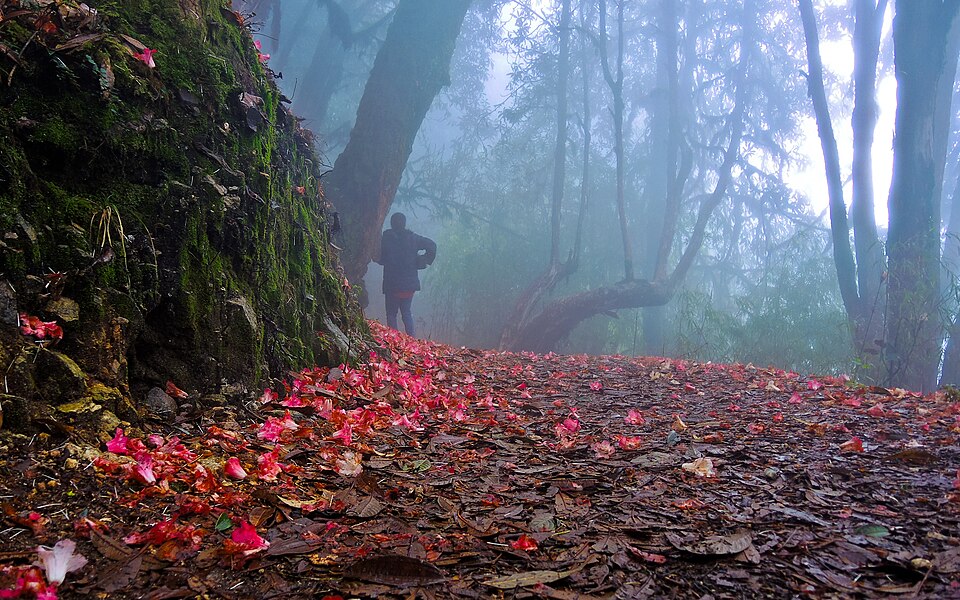
The Barsey rhododendron sanctuary is one of the most celebrated rhododendron forests in the eastern Himalayas. Located along the Singalila range near the Nepal border, this sanctuary is covered with dense rhododendron trees that bloom across ridgelines and forest trails.
Key facts about the sanctuary:
- Area: approximately 104 sq km
- Elevation: 2,000 to 4,100 metres
- Established to protect Himalayan rhododendron forests
- Located within the Singalila mountain ecosystem
What You Will See Here
During April, the sanctuary becomes a layered forest of flowering rhododendron trees. The forest floor is shaded while the upper canopy bursts with colours.
Common rhododendron species found here include:
- Rhododendron arboreum
- Rhododendron barbatum
- Rhododendron falconeri
- Rhododendron campanulatum
Wildlife sightings are also possible:
- Himalayan black bear
- Red panda (rare)
- Barking deer
- Himalayan monal
Best Trekking Route
The most popular way to explore the sanctuary is the Hilley–Barsey trek.
Trek details:
- Distance: ~4 km one way
- Difficulty: Easy to moderate
- Time required: 2–3 hours
This trail passes through dense rhododendron forests and offers clear views of Mount Kanchenjunga on clear days.
Why Visit Shingba Rhododendron Sanctuary in North Sikkim?
Shingba Rhododendron Sanctuary
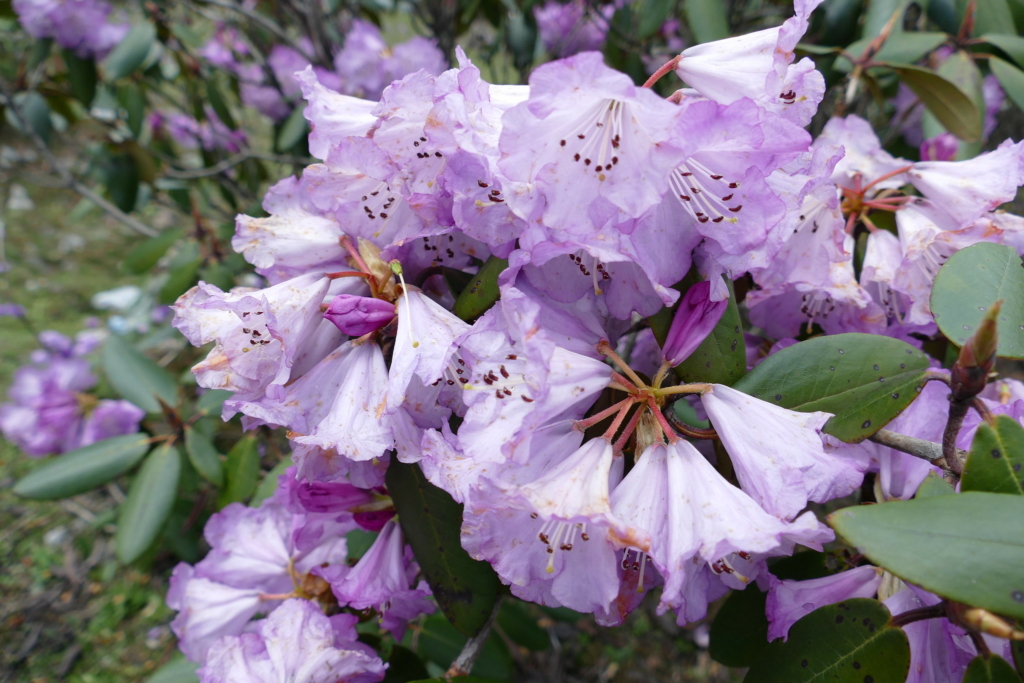
Located near Yumthang Valley, Shingba Rhododendron Sanctuary is one of the highest-altitude rhododendron ecosystems in the Himalayas.
Key details:
- Area: approximately 43 sq km
- Elevation: 3,000 to 4,500 metres
- Located inside the Yumthang Valley region
- Part of the larger alpine ecosystem of North Sikkim
The sanctuary protects more than 24 species of rhododendron, many of which bloom at higher elevations.
What Makes the Sanctuary Unique
Unlike forest-heavy areas like Barsey, Shingba features open alpine landscapes where rhododendron shrubs grow across valleys and slopes.
During peak bloom, the valley displays:
- Dense pink and red rhododendron patches
- Snow peaks in the background
- Alpine wildflowers mixed with rhodo flower clusters
Rare species found here include:
- Rhododendron niveum (Sikkim’s state tree)
- Rhododendron thomsonii
- Rhododendron cinnabarinum
Because of its elevation, blooming here typically peaks slightly later than in West Sikkim.
Why Yumthang Valley Is One of the Best Places for Rhododendron Bloom?
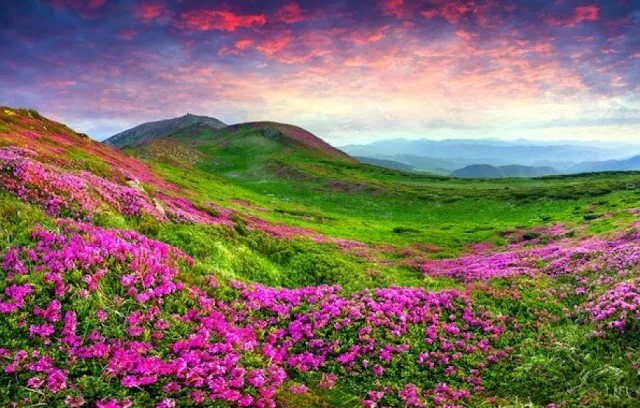
Yumthang Valley
Yumthang Valley is one of the most accessible places to experience the rhododendron flower in Sikkim without a long trek.
The valley lies at around 3,500 metres altitude and is surrounded by alpine forests and snow peaks.
What makes Yumthang famous:
- Wide alpine valley landscapes
- Seasonal wildflower fields
- Access to Shingba Rhododendron Sanctuary
- Scenic rivers flowing through flower meadows
In April, the valley floor and surrounding slopes show large rhodo flower clusters that contrast with snow-covered mountain ranges.
Nearby attractions include:
- Zero Point
- Natural hot springs in Yumthang
- Alpine grazing pastures used by local yak herders
Best Trekking Trails to Experience Rhododendron Trees
Many Himalayan trekking routes pass through blooming rhododendron forests during spring.
Some of the most scenic rhododendron bloom trekking trails include:
- Hilley – Barsey trail
Short forest trek ideal for beginners. - Yuksom – Dzongri trek
One of the most famous Sikkim treks passing through rhododendron forests. - Yumthang Valley alpine trails
Short hikes near the valley allow access to rhododendron patches. - Singalila ridge trail
Offers panoramic Himalayan views along rhododendron forests. - Tholung Valley trek
Remote trail combining monasteries and high-altitude forests.
These trekking routes pass through large clusters of rhododendron trees, often blooming simultaneously across entire mountain slopes.
What to Photograph During the Rhododendron Bloom
The rhododendron bloom season is particularly popular among landscape photographers.
Top subjects to capture include:
Landscape Photography
- Hillsides covered with flowering rhododendron trees
- Snow peaks rising behind flower forests
- Sunrise light filtering through red blossoms
Close-Up Photography
- Individual rhododendron flower clusters
- Bees and butterflies pollinating blossoms
- Petal textures and colour variations
Cultural Photography
- Monasteries surrounded by rhododendron forests
- Himalayan villages during spring bloom
- Yak herders moving through alpine pastures
Early mornings between 6 AM and 8 AM often provide the best natural lighting.
Estimated Travel Costs for Sikkim Rhododendron Bloom 2026
The approximate Sikkim rhododendron 2026 price varies depending on travel style.
Typical expenses include:
| Expense | Approx Cost |
| Sanctuary entry fee | ₹100–₹300 |
| Guide charges | ₹1,000–₹2,000 per day |
| Trek permits | ₹200–₹500 |
| Jeep transport to North Sikkim | ₹3,000–₹5,000 |
| Homestay or hotel | ₹1,500–₹4,000 per night |
A short 3–5 day rhododendron bloom trip can cost ₹12,000–₹25,000 per person depending on accommodation and transport.
North Sikkim trips generally cost more because of permit and vehicle restrictions.
How to Reach the Rhododendron Bloom Regions in Sikkim
Most travellers reach Sikkim through Siliguri in West Bengal.
By Air
Nearest airports:
- Pakyong Airport
- Bagdogra Airport
Bagdogra is the most commonly used airport for travellers.
By Train
Nearest railway station:
- New Jalpaiguri Railway Station
From here taxis connect to Gangtok and West Sikkim.
By Road
Base towns for exploring rhododendron areas include:
- Gangtok – starting point for Yumthang and Shingba sanctuary
- Yuksom – gateway for Barsey and Dzongri treks
- Pelling and Soreng for West Sikkim forest trails
Shared jeeps operate regularly from Siliguri to Gangtok.
What Are the Traditional Rhododendron Benefits?
Apart from its visual beauty, the rhododendron flower has traditional uses in Himalayan communities.
Common rhododendron benefits include:
- Juice made from petals used as a refreshing drink
- Traditional herbal remedies for mild inflammation
- Jams and syrups prepared from rhodo flower petals
- Nectar that supports Himalayan pollinators
The most commonly used edible species is Rhododendron arboreum.
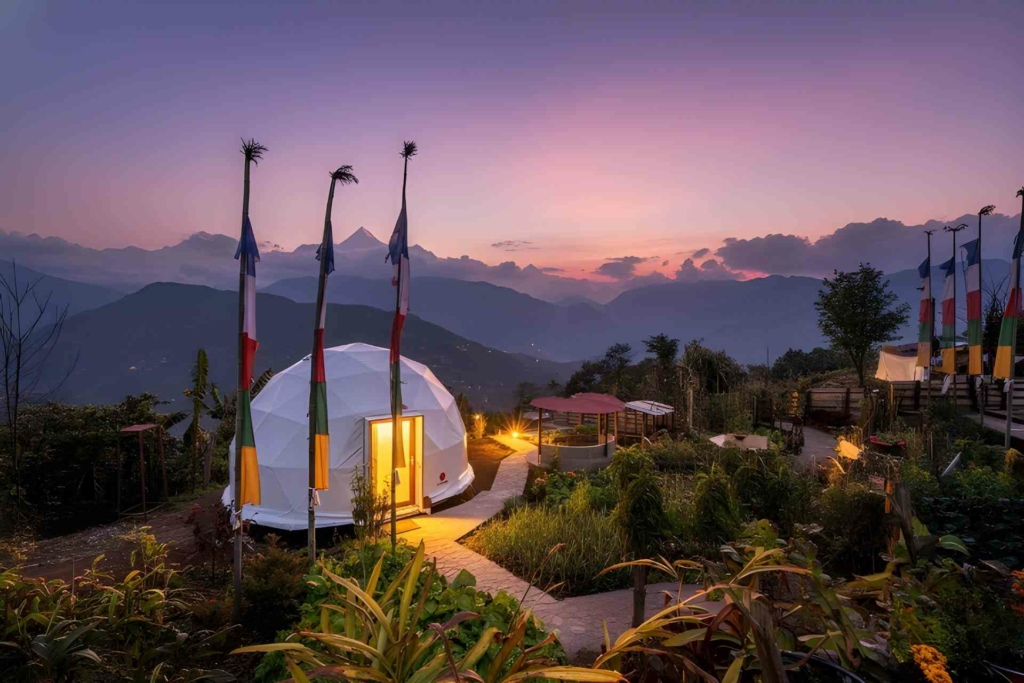
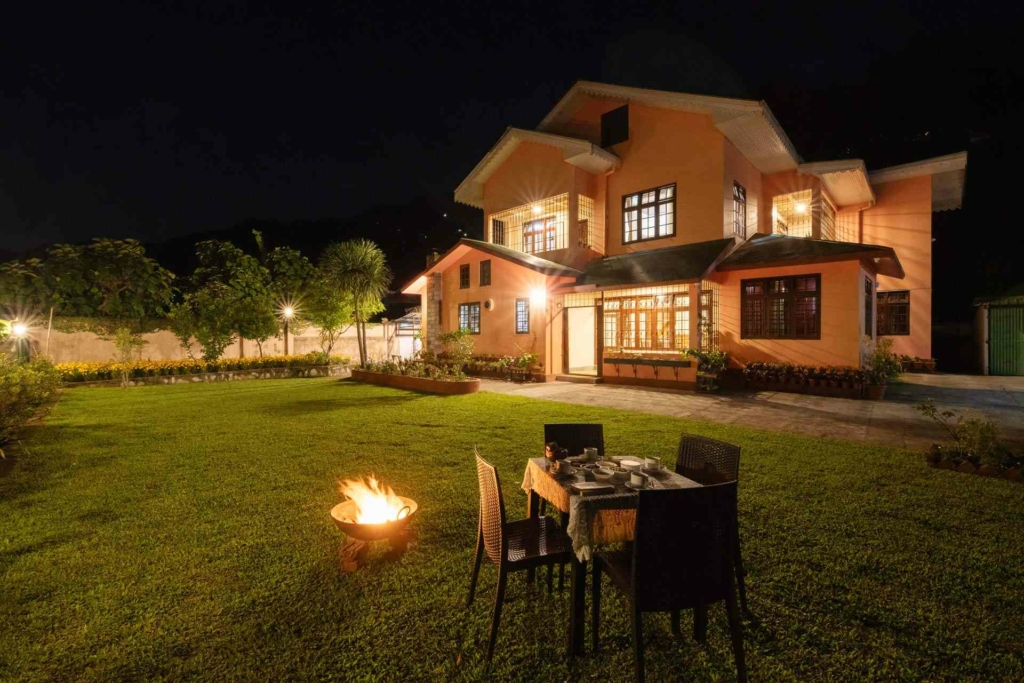
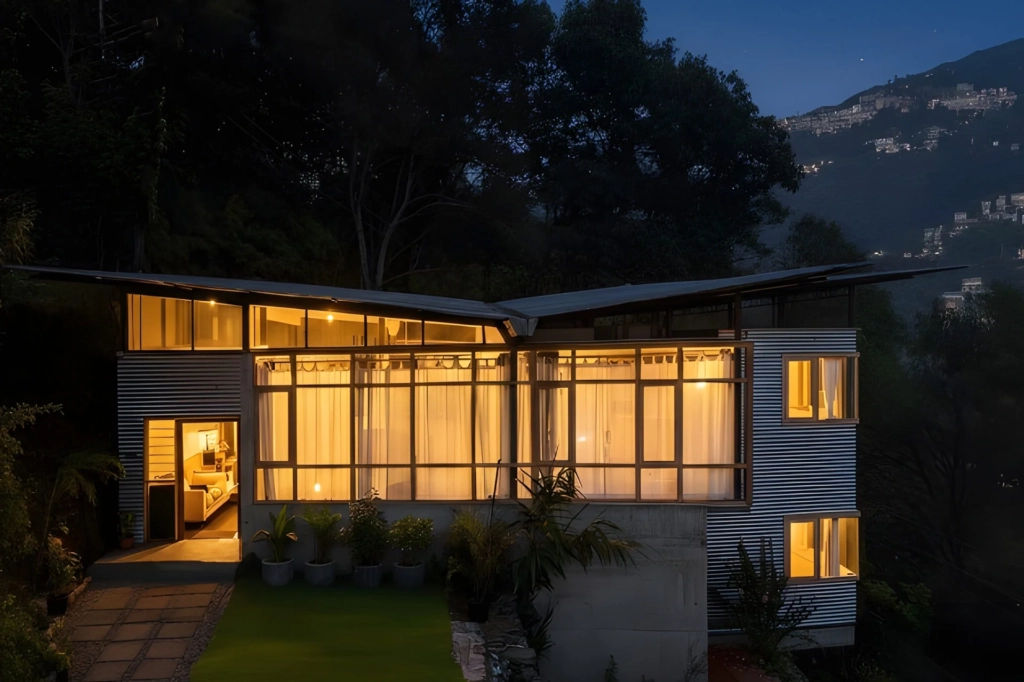
Where to Stay
FAQs: Rhododendron Bloom in Sikkim
The bloom usually occurs from late March to early May, with April considered the peak season for rhododendron flower viewing in most parts of Sikkim.
Two of the most popular places are Barsey Rhododendron Sanctuary in West Sikkim and Shingba Rhododendron Sanctuary in North Sikkim, both known for dense rhododendron forests and alpine bloom landscapes.
Botanical studies indicate that more than 40 species of rhododendron grow in Sikkim, making it one of the richest rhododendron biodiversity zones in the Himalayas.
Yes. Yumthang Valley lies within the larger alpine ecosystem that includes Shingba Rhododendron Sanctuary, where many high-altitude rhododendron species bloom.
Yes. Areas in North Sikkim, including Yumthang Valley, require a Protected Area Permit (PAP) arranged through registered tour operators.
Rhododendron flowers in Sikkim appear in red, pink, white, purple, and yellow, depending on the species and altitude.
Yes. April offers the best chance of seeing full rhododendron bloom, especially in mid-altitude forests and alpine valleys.
Banner Image Credit: VistaCreate