
Summer Special Trains 2026: Indian Railways’ 18,262 Extra Trips Until July 15 | Full Route List, Booking Dates & How to Get Confirmed Tickets

Summer Special Trains 2026 all you need to know:
- What: Indian Railways has approved 18,262 special train trips across 908 distinct trains for summer 2026, a 47% jump over the 12,417 trips run in summer 2025.
- When: Operating window is 15 April 2026 to 15 July 2026. As of the April 20 announcement, 660 trains and 11,294 trips had already been notified; the rest are being rolled out in batches.
- Where: Heaviest deployment is from Central Railway (3,082 trips), East Central (2,711), North Western (2,245), Northern (2,090) and Western (2,078) — connecting Mumbai, Pune, Delhi, Ahmedabad, Bengaluru and Chennai with Bihar, eastern UP, Bengal and Assam.
- How to book: Bookings open 60 days before journey date on IRCTC. Tatkal opens at 10:00 AM (AC) and 11:00 AM (Sleeper/Non-AC) one day before departure. Aadhaar OTP verification is mandatory for online Tatkal.
Indian Railways is running 18,262 summer special train trips between 15 April and 15 July 2026 — and as of late May, more than half of the operational window still lies ahead, with the busiest peak (school holidays plus monsoon-period weddings) running through June and the first two weeks of July. The deployment, announced by the Ministry of Railways on 20 April 2026, is roughly 47% larger than the 12,417 specials operated last summer and the biggest single seasonal expansion ever notified by the national carrier. It follows a year in which Indian Railways ran over 43,000 special trips overall. For travellers heading home or out for school holidays, weddings or pilgrimage routes, the question is no longer whether the trains will be there — it is how to actually get a confirmed seat on them in the weeks that matter most.
In this Blog
Key Details of the 2026 Summer Special Trips
Summer special trains for 2026 cover a three-month window from 15 April to 15 July, with 908 distinct trains approved and 18,262 individual trips planned across all 16 zonal railways, according to the PIB release dated April 20, 2026. Of these, 660 trains covering 11,294 trips had already been notified at the time of the announcement — the remaining ~7,000 trips are being released as zones finalise rakes and platform slots.

What the numbers mean
One “train” can run dozens of trips over three months. For example, a Dadar–Gorakhpur weekly special running both directions will count as a single train but produce dozens of trips. The 18,262 figure is the total volume of train movements, not unique trains. That is the metric Railways uses internally because each trip occupies a fresh slot of seats, locos and crew.
Why the sharp increase in 2026
Indian Railways said in its April 20, 2026 release that the expanded summer schedule reflects a “proactive approach to managing seasonal passenger rush.” Behind that line is a passenger base that is still growing: the network carried 741 crore passengers in FY 2024–25, up 6% from 716 crore the previous year and moves an estimated 2.4 crore travellers every single day. Summer concentrates that demand on a handful of long-distance corridors, mostly outbound from metros to Bihar, eastern UP, Bengal and the North-East.
Zone-wise breakdown
The deployment is not evenly distributed. South Central Railway has the highest count of distinct trains (124), but Central Railway leads in total trips (3,082) because each Mumbai-origin special tends to run frequently across the season. The full picture:
| Zone | Approved trains | Approved trips | Notified trips |
|---|---|---|---|
| Central Railway | 74 | 3,082 | 2,238 |
| East Central | 64 | 2,711 | 1,060 |
| North Western | 76 | 2,245 | 1,878 |
| Northern Railway | 76 | 2,090 | 1,535 |
| Western Railway | 106 | 2,078 | 1,667 |
| South Central | 124 | 1,184 | 324 |
| North Central | 54 | 1,163 | 688 |
| North Eastern | 52 | 814 | 477 |
| Other zones (8) | 282 | 2,895 | 1,427 |
| Total | 908 | 18,262 | 11,294 |
Source: PIB India, PRID 2253748 (April 20, 2026).
Major Routes & Hubs

Most 2026 summer specials connect five originating metros — Mumbai, Delhi, Bengaluru, Chennai and Pune with destinations in Bihar, eastern Uttar Pradesh, Bengal and Assam, the regions that send the largest share of migrant workers and students to the metros. The corridors with the densest notified service are Mumbai/Pune → Gorakhpur/Patna/Varanasi, Delhi → Patna/Bhagalpur/Saharsa, and Bengaluru/Chennai → Howrah/Danapur.
Top zones by approved trips
Mumbai & Pune (Western and Central Railway)

Mumbai’s Dadar, LTT and CSMT terminals along with Pune Junction handle the bulk of summer outbound traffic to Bihar and eastern UP. Western Railway has notified 92 of its 106 approved trains (1,667 trips notified), and Central Railway is operating dense weekly services to Gorakhpur, Varanasi, Patna, Bhagalpur and Howrah. Examples reported by railway-tracker portals include Dadar–Gorakhpur via Bhusaval and Varanasi, Ballia–Dadar via Varanasi, and Mumbai–Prayagraj weekly specials. But train numbers and timings should be verified on IRCTC before booking, since zones release amendments through the season.
Delhi & NCR (Northern Railway)

Anand Vihar Terminal and New Delhi station are the major Northern Railway origins, with notified specials running to Saharsa, Jogbani, Purnia Court, Muzaffarpur and Patna, typically via Gorakhpur. Of Northern Railway’s 76 approved trains, 56 had been notified by April 20, accounting for 1,535 trips. Most run twice a week, with bunched departures on weekends to absorb school-holiday peaks.
Bengaluru, Chennai & Hyderabad (Southern, South Central, South Western)

Southern zones have the highest train count but the lowest trip count, which means many trains run only weekly or bi-weekly. South Central has approved 124 trains for 1,184 trips; Southern Railway has 72 trains for just 558 trips. Key origin–destination pairs to watch include SMVT Bengaluru → Danapur/Howrah, Chennai Egmore → Howrah, and Secunderabad → Patna/Howrah. If you are travelling on these corridors, your window of departure choices is narrower. Book the moment ARP opens.
Ahmedabad, Jaipur & Rajasthan (North Western, Western)

North Western Railway is one of the most active zones for summer 2026, with 76 trains and 2,245 trips approved and an unusually high notification rate (1,878 trips already notified). Expect heavy specials between Ahmedabad/Jaipur/Bandra and Bihar/UP destinations, plus pilgrimage-route specials around Ajmer, Pushkar and Haridwar.
Places to Stay Around Top Summer Destination Hubs
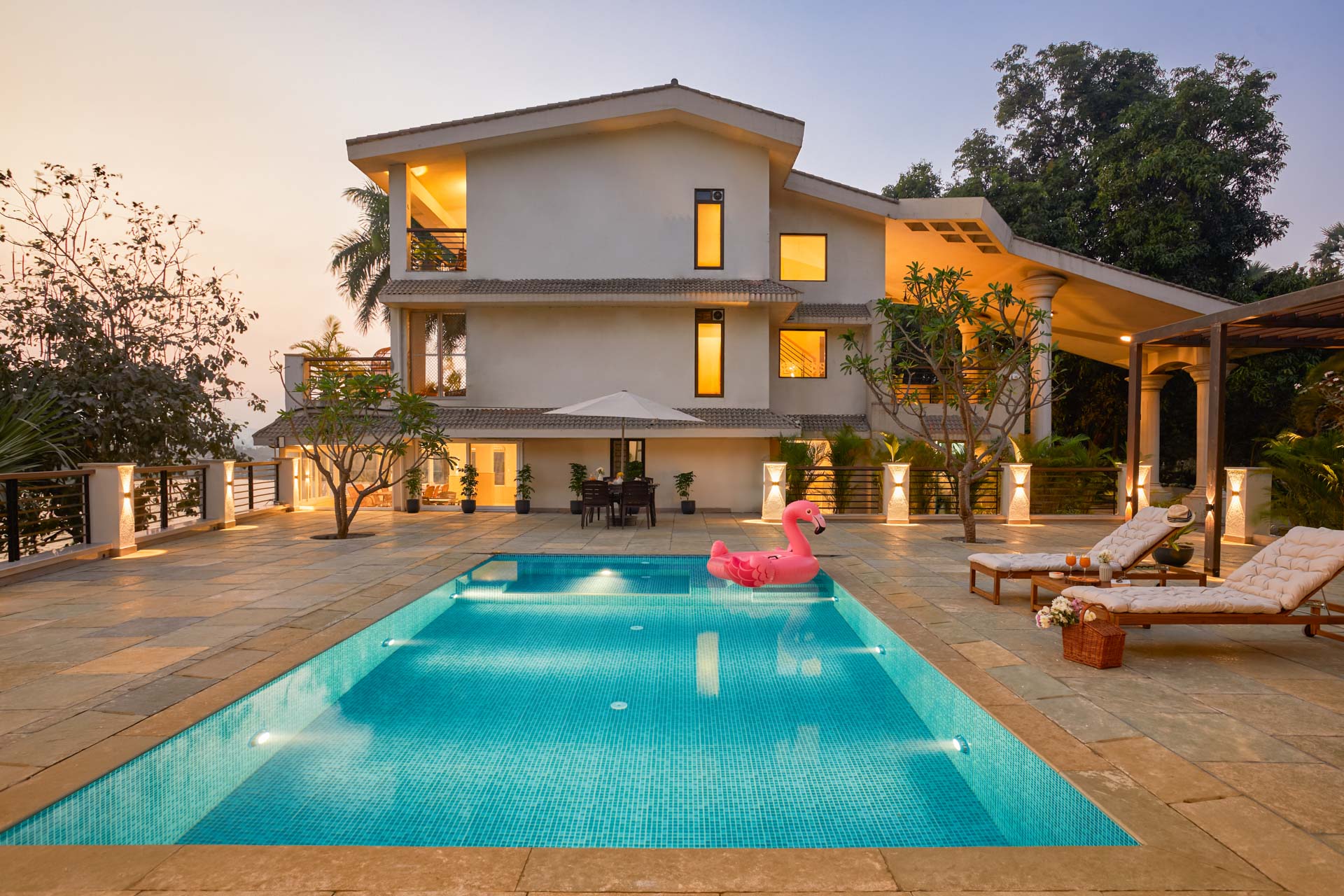
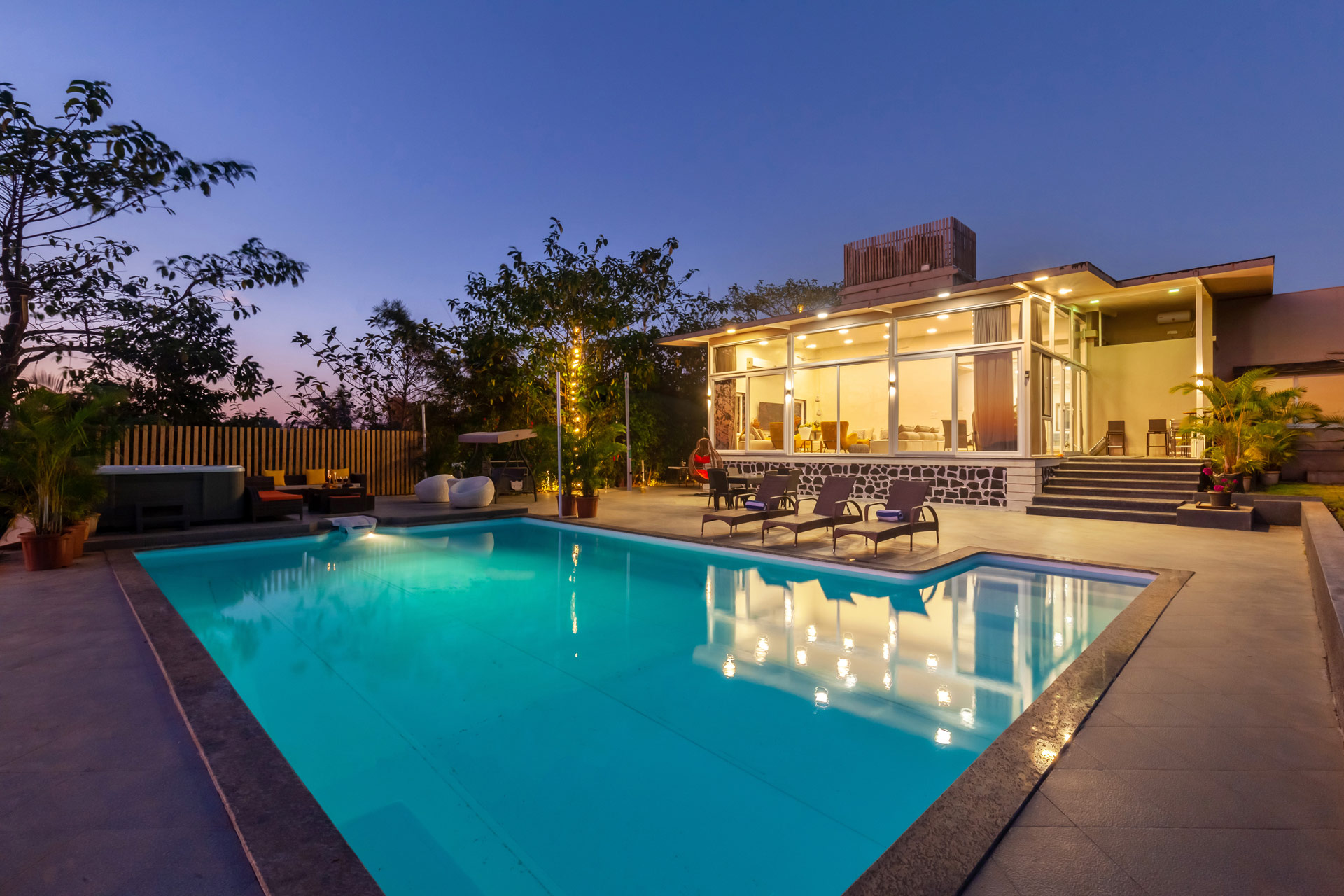
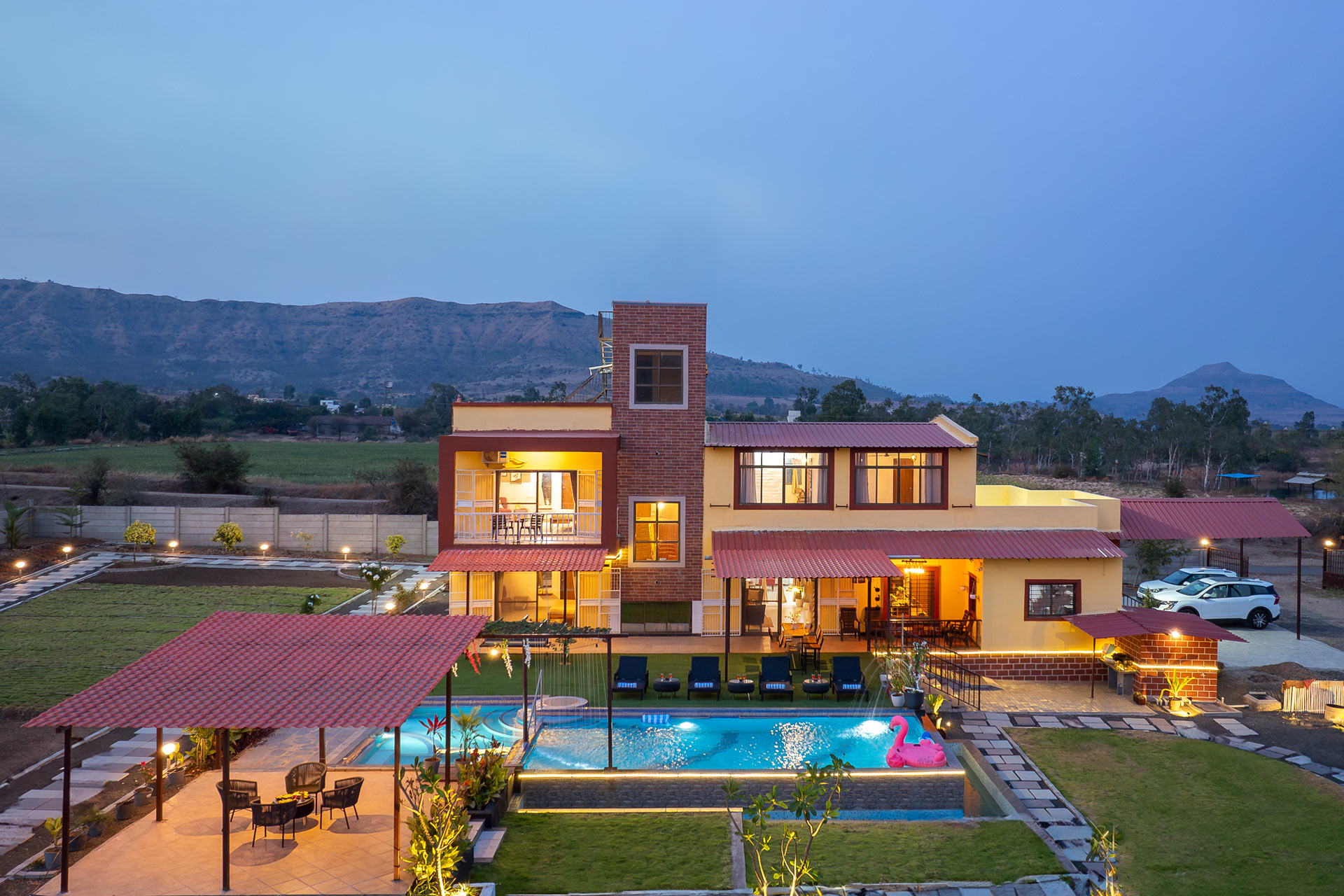
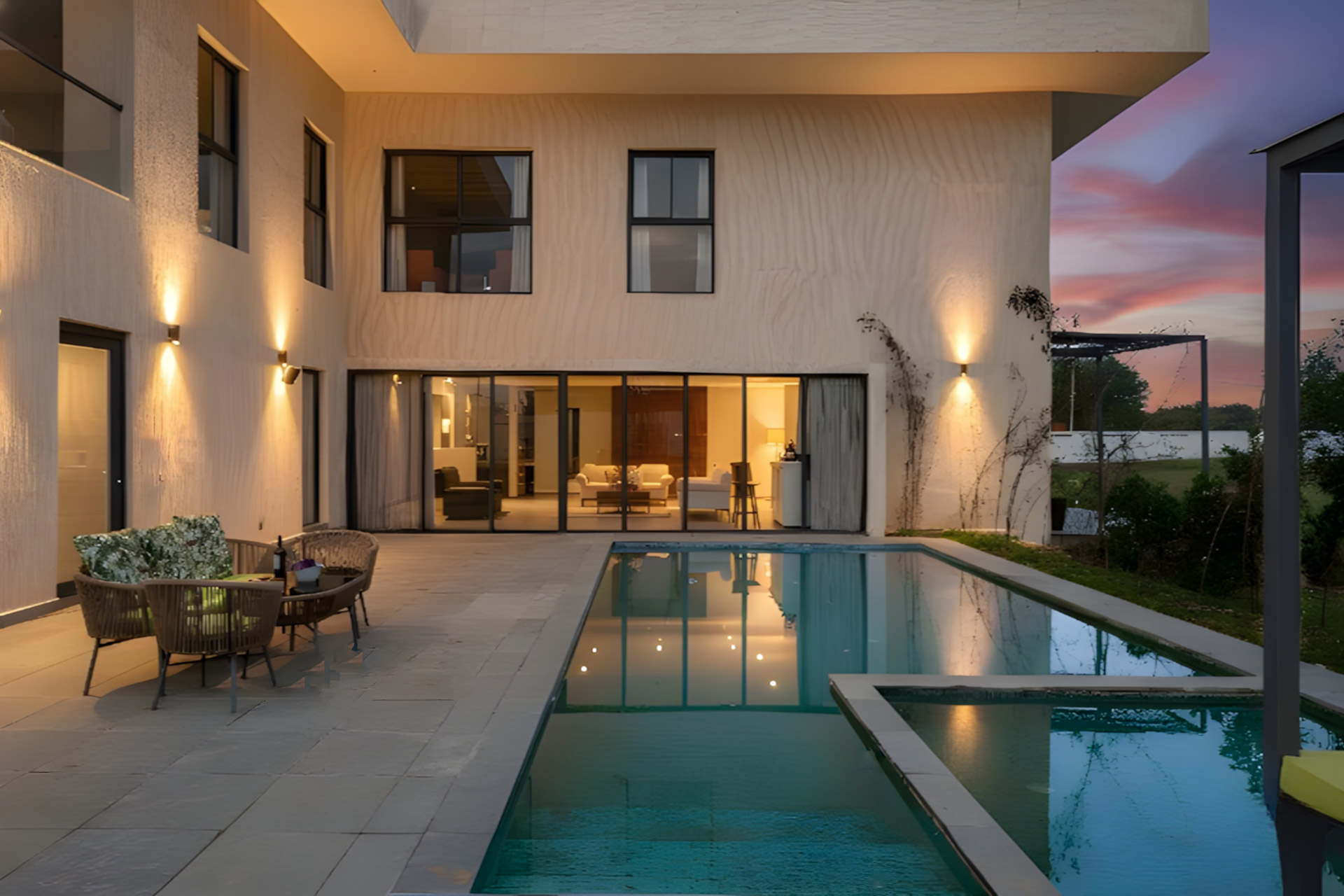
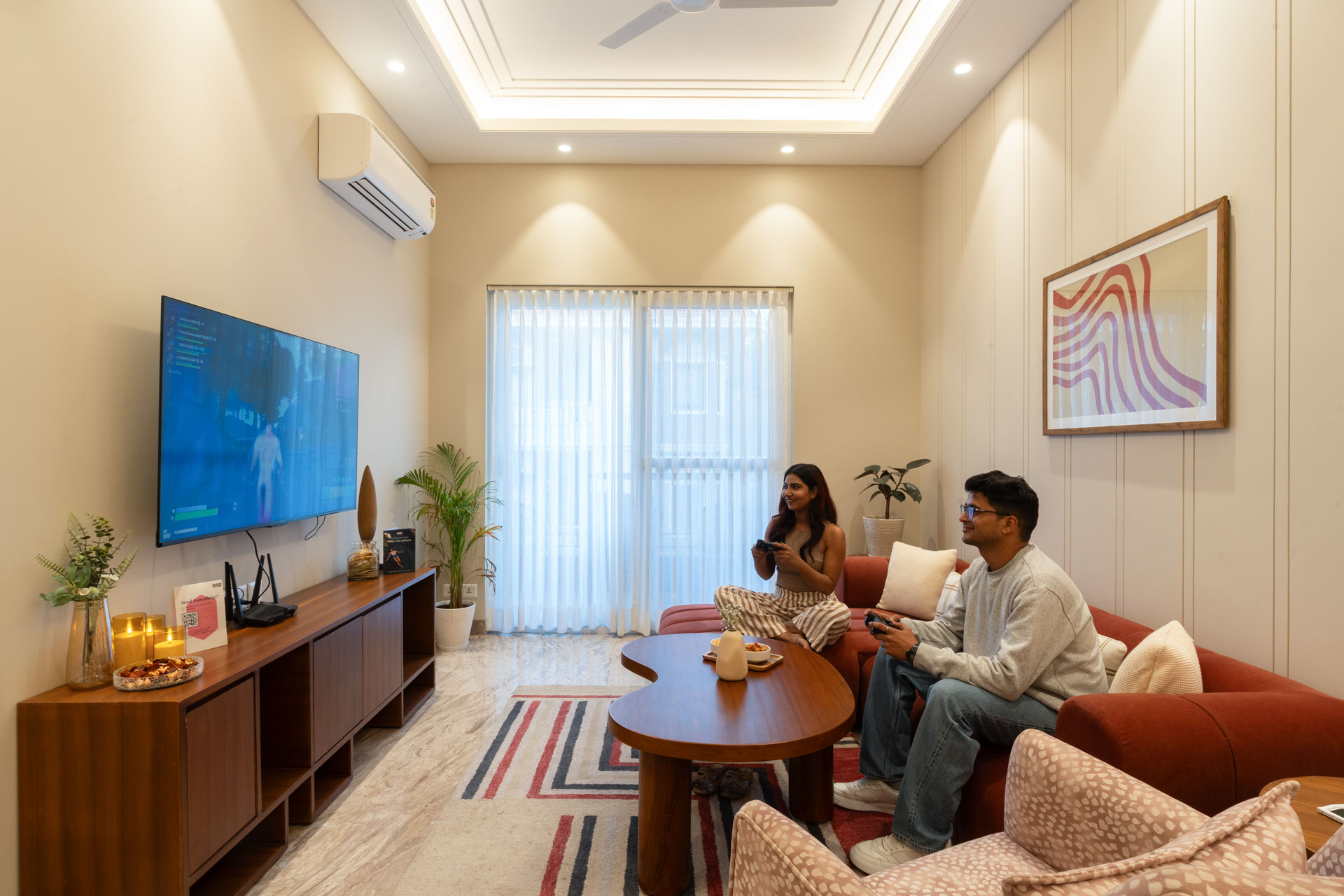
Best places to stay in Mumbai, Pune and Lonavala
Villas to stay in New Delhi and Delhi NCR
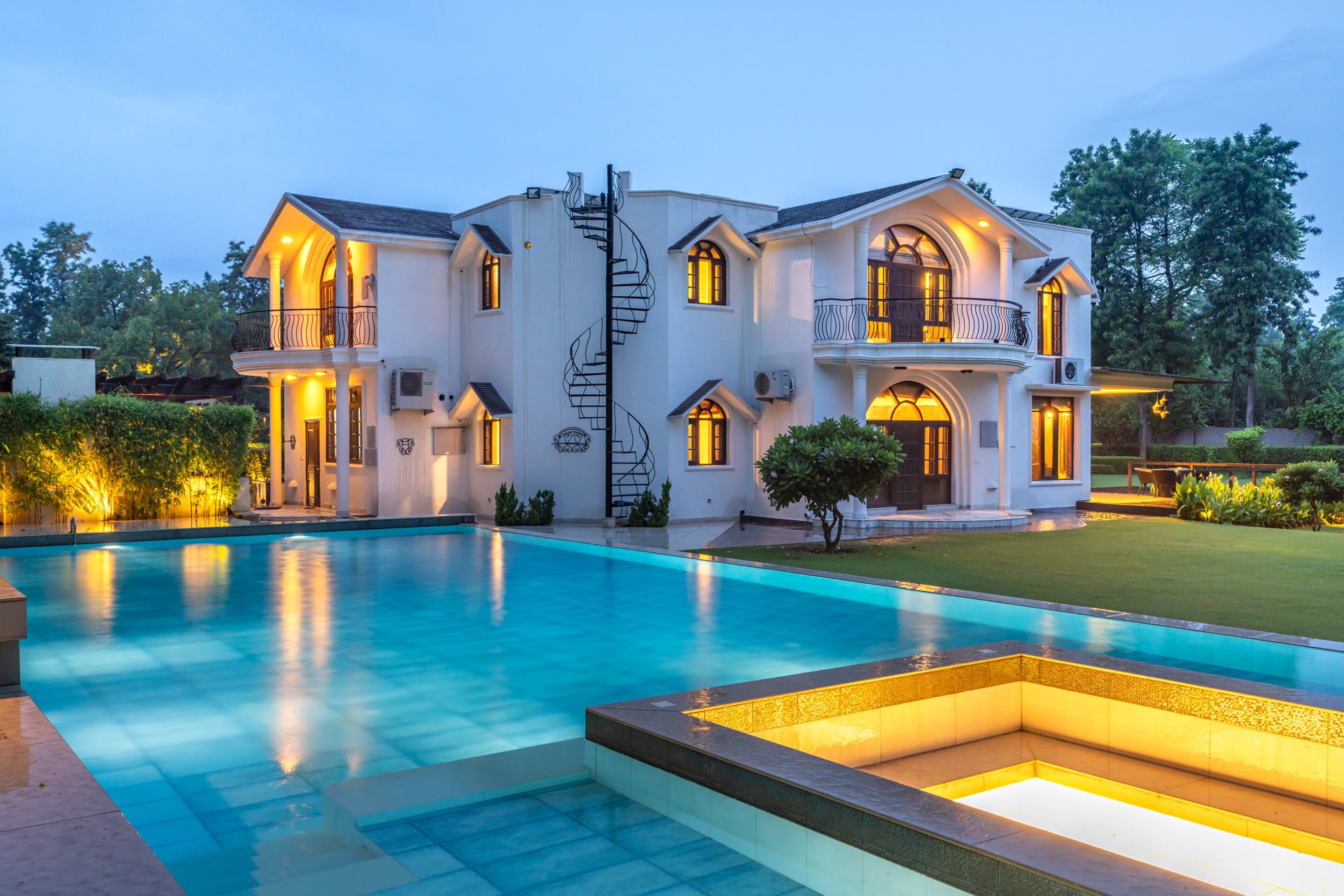
Best Places to Stay in Chennai, Hyderabad and Banagalore
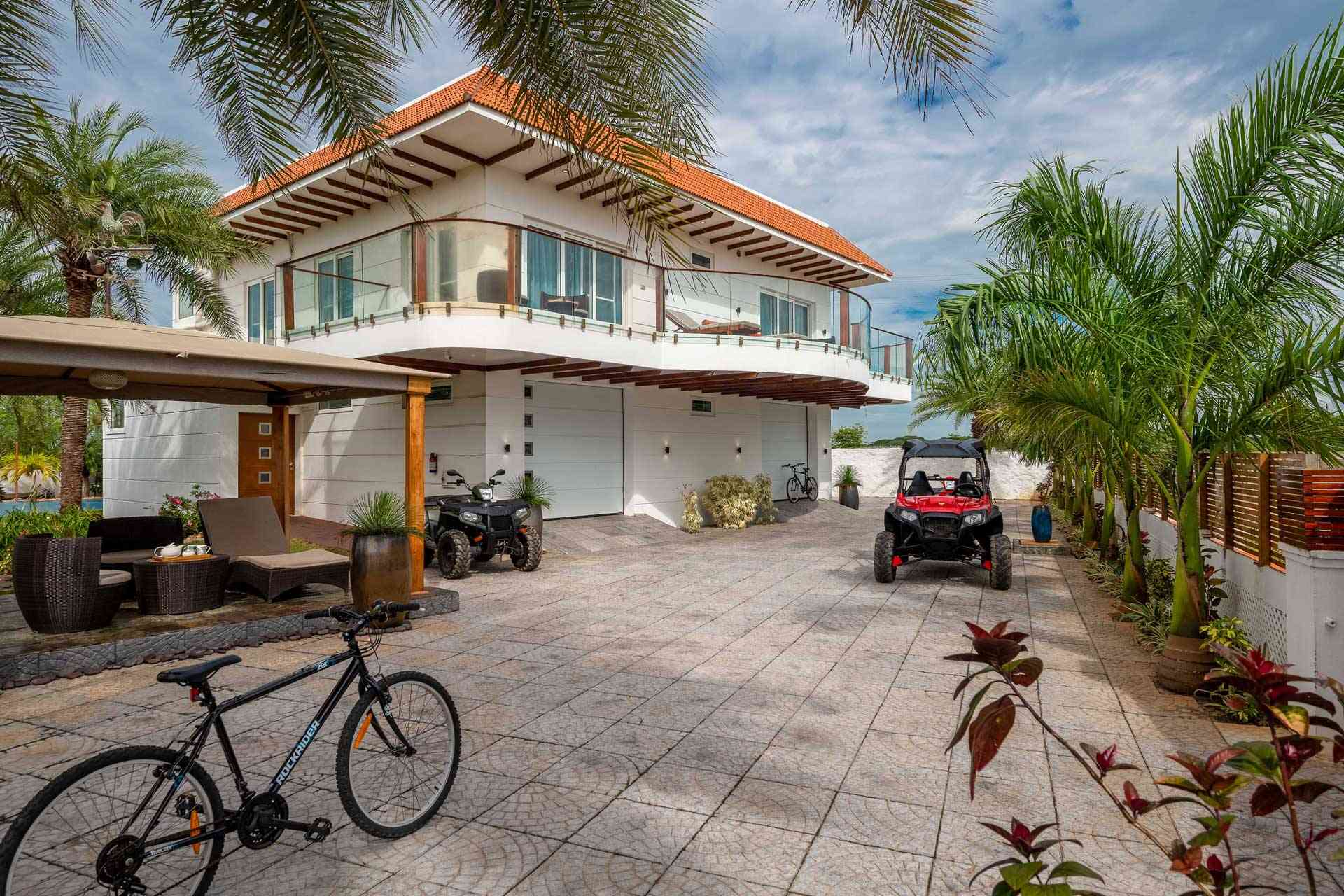


Luxury Villas to Stay in Jaipur, Rajasthan
Check Summer Special Train Routes State-Wise
Summer Special Trains 2026 — Find by State
Pick a state to see the zonal railway(s) serving it, the approved and notified trip counts, principal stations, major corridors, and example notified trains.
Choose a state above to see the trains and corridors serving it.
Train numbers are examples notified at the start of the season and reported by railway-tracker portals. Always verify the current train number, date and timings on IRCTC before booking. Trip and notification counts are from the Ministry of Railways / PIB India release dated 20 April 2026; zones have continued to notify additional trips in rolling batches since.
Top Destinations on the 2026 Summer Special Network
The peak of the 18,262 trips connect six destinations that absorb the lion’s share of summer travel: Varanasi, Patna, Kolkata (Howrah), Gorakhpur, Prayagraj and Guwahati. With the operational window now in its mid-season phase, the weather and the experiences on the ground are very different from earlier in the schedule — the plains are at peak heat heading into early June, and the southwest monsoon arrives across most of these stops between the first week of June (Guwahati, Kolkata) and the last week of June (Prayagraj, Varanasi). Here is a field guide for travel through late May, June and July, with what works given the season. Always cross-check the IMD forecast closer to your travel date.
Varanasi (Kashi), Uttar Pradesh

Weather (late May to July): Late May into mid-June is peak heat — highs of 40–43°C and lows around 27–29°C, mostly dry with the occasional pre-monsoon thunderstorm. The southwest monsoon usually reaches Varanasi by 25 June; after that, daily showers pull highs down to 33–36°C, but humidity climbs steeply. July is fully wet — short bursts of heavy rain through the day, with the Ganga running high and many lower ghats partly submerged. Carry oral rehydration salts in early June and a sturdy waterproof for late June and July.
Things to do: Plan every outing before 7 AM and after 5 PM. The signature experience is a sunrise boat ride from Assi to Manikarnika Ghat — at this time of year the Ganga runs high and the light is dramatic. Attend the evening Ganga Aarti at Dashashwamedh Ghat around 7 PM. Eat your way through the lanes around Vishwanath Gali on dry mornings — benarasi paan, kachori-sabzi, malaiyo (in cooler hours), and a stop at a silk-weaver workshop in the Madanpura neighbourhood. Once the rains begin, the quieter temples become pleasanter than the ghat-front; skip Manikarnika Ghat photography in heavy rain because the stone steps get slippery.
Places to visit:
- Kashi Vishwanath Corridor — allow ~2 hours including darshan
- Dashashwamedh, Assi and Manikarnika Ghats — the principal ghat circuit
- Sarnath (10 km away) — Dhamek Stupa and the Sarnath Museum, home of the Ashoka Lion Capital
- Bharat Kala Bhavan at Banaras Hindu University — air-conditioned, ideal midday
- Tulsi Manas Mandir and Sankat Mochan Hanuman Mandir — quieter once the monsoon arrives
- Ramnagar Fort across the river — fading but worth the boat crossing
Patna, Bihar

Weather (late May to July): Oppressively hot and humid into mid-June, with highs of 38–41°C and lows of 27–30°C. Late-evening dust storms (the local aandhi) are common right up to the monsoon onset around 13–15 June. From mid-June onwards, daily rain brings highs down to 31–35°C; the Ganga and Sone rivers swell quickly, and low-lying parts of the city can waterlog during sustained downpours in July.
Things to do: Build the plan around indoor venues and morning slots. An evening Ganga cruise from Gandhi Ghat is the single most pleasant outdoor option from late May through early July — book the air-conditioned cruise option if available. Take a long, slow afternoon at the Bihar Museum during peak heat. Walk the gurudwara complex at Takht Sri Patna Sahib at first light or after 5 PM. Build in two big day trips by road or train: the Nalanda + Rajgir circuit, and a separate full day to Bodhgaya — both are realistic same-day returns from Patna if you leave by 6 AM and carry an umbrella through the monsoon.
Places to visit:
- Bihar Museum — allow 2–3 hours; among India’s strongest contemporary museums
- Takht Sri Patna Sahib — birthplace of Guru Gobind Singh, a major Sikh pilgrimage centre
- Golghar — colonial-era domed granary with skyline views; quick 30-minute climb
- Patna Museum — opposite Golghar, complements the Bihar Museum
- Kumhrar archaeological site — remains of Mauryan-era Pataliputra, best before 9 AM
- Gandhi Ghat — starting point for Ganga cruises
- Nalanda and Rajgir (~95 km) — ancient university ruins + hot springs and Vishwa Shanti Stupa
- Bodhgaya (~110 km) — Mahabodhi Temple, the Buddha’s enlightenment site
Kolkata (Howrah), West Bengal

Weather (late May to July): Late May to early June is sticky and stormy — highs of 36–38°C, lows 27–29°C, with the famous afternoon Kalbaisakhi (Nor’wester) thunderstorms blowing in from the west. The monsoon arrives by around 10 June and rain falls almost daily through July; expect waterlogging in parts of central and south Kolkata after sustained downpours. July highs sit at 30–33°C with humidity often above 85%. Pack an umbrella regardless of the morning forecast.
Things to do: Lean into rain-friendly indoors. Walk Howrah Bridge at dawn and photograph the Mullick Ghat flower market beneath it. Eat your way through Park Street and Free School Street in the evening, with a stop at the Indian Coffee House on College Street. Time it right and you arrive at the peak of mango season — every street vendor sells Himsagar, Langra and Chausa varieties, with the GI-tagged Malda Langra at its best through June. Take a long weekend out of the city to Shantiniketan or Chandannagar. Avoid Sundarbans boat tours in July: rough water and increased crocodile activity make them unreliable.
Places to visit:
- Victoria Memorial — allow half a day for the gallery and gardens
- Indian Museum — the oldest museum in Asia; ideal in rain
- Howrah Bridge and the Mullick Ghat flower market at dawn
- Dakshineswar Kali Temple and Belur Math — paired across the river
- Kumartuli idol-makers’ colony in north Kolkata
- Kalighat Temple — one of the 51 Shakti Peethas
- Park Street, Free School Street and College Street — food and bookshop walks
- Shantiniketan (~165 km) — Tagore’s Visva-Bharati campus
- Chandannagar (~50 km) — former French settlement with riverside Strand
Gorakhpur, Eastern UP (Gateway to Kushinagar)

Weather (late May to July): Late May and early June bring sustained highs of 38–42°C and lows of 26–29°C, broken occasionally by dust storms. Monsoon typically arrives by 20–22 June, and July brings heavy rain with the Rapti and Saryu rivers often touching warning levels. July daytime highs sit at 32–35°C with very high humidity; flood watches are not uncommon.
Things to do: Use Gorakhpur primarily as a base for the Buddhist Mahaparinirvana circuit. The single most rewarding outing is a day trip by road to Kushinagar — the principal sites sit within a 2 km radius and are easily covered before lunch. Take the working-press tour at Gita Press (the world’s largest publisher of Hindu religious texts), open Monday to Saturday mornings. Spend an evening walking Ramgarh Tal lake once the rains have cooled the air. Travellers with a passport can extend the trip to Lumbini in Nepal as an overnight from Gorakhpur (visa-on-arrival rules apply).
Places to visit:
- Mahaparinirvana Temple, Kushinagar (53 km) — reclining Buddha, the site where the Buddha attained Mahaparinirvana
- Ramabhar Stupa, Kushinagar — the Buddha’s cremation site
- Wat Thai Temple, Kushinagar — one of several international monasteries in the circuit
- Gorakhnath Temple — the principal city site, dedicated to Guru Gorakhnath
- Gita Press — tour the working press (Mon–Sat mornings)
- Ramgarh Tal lake — best evening walk in Gorakhpur city
- Lumbini, Nepal (~95 km) — Buddha’s birthplace; valid passport required
Prayagraj (Allahabad), Uttar Pradesh

Weather (late May to July): Among the hottest stops on the network through late May and early June — highs routinely 43–45°C with low humidity, the textbook north-Indian heatwave climate. Lows of 27–30°C give little overnight relief. Monsoon onset is around 22–25 June; July highs settle at 32–36°C with rain on most days and visibly rising water levels at Triveni Sangam. Outdoor activity should be confined to before 8 AM and after 6 PM in June.
Things to do: A morning Triveni Sangam boat ride at the confluence of the Ganga, Yamuna and the mythical Saraswati is the unmissable Prayagraj experience — boats leave Sangam Ghat at sunrise, and water levels are visibly higher during monsoon (boatmen reroute accordingly). Visit the Allahabad Fort and the Akshayavat (you will need to show ID at the army-controlled gate) in the early morning. Spend the harshest midday hours in the air-conditioned Anand Bhavan museum. Walk the colonial-era buildings of the Allahabad High Court precinct in the late afternoon. End the day at Company Bagh / Chandra Shekhar Azad Park. The next Maha Kumbh Mela falls in 2037 — but the smaller Magh Mela runs annually each January–February at Sangam if you want to plan a return trip.
Places to visit:
- Triveni Sangam — the confluence of the Ganga, Yamuna and Saraswati; boats from Sangam Ghat
- Allahabad Fort and the Akshayavat — Mughal-era fortifications and the legendary immortal banyan
- Anand Bhavan — the Nehru family ancestral home, now a museum; air-conditioned
- Swaraj Bhavan — adjacent to Anand Bhavan; planetarium and Indira Gandhi memorial
- Khusro Bagh — walled Mughal-era tomb complex
- All Saints’ Cathedral (Patthar Girja) — Gothic Revival church on MG Marg
- Chandra Shekhar Azad Park (Company Bagh) — large green lung in the city centre
Guwahati, Assam

Weather (late May to July): Notably cooler and wetter than the plains — late May highs of 30–33°C with lows of 22–25°C, and the southwest monsoon already onset across most of Assam by the first week of June. June and July rainfall is heavy and sustained; humidity hovers above 85%. The Brahmaputra runs at or near warning levels through late June and July, with localised flooding in low-lying districts on the city’s outskirts.
Things to do: Arrive at Kamakhya Temple before 6 AM to skip long queues — it is the principal pilgrimage stop and one of the 51 Shakti Peethas. Time travel for the annual Ambubachi Mela (typically late June) only if you are specifically going for the festival, and book accommodation weeks in advance. Take the short ferry from Uzan Bazaar to Peacock Island to see Umananda Temple. Spend a rainy afternoon at the Assam State Museum. Do a half-day safari at Pobitora Wildlife Sanctuary, which often stays open through the monsoon when Kaziranga is shut and offers reliable one-horned rhino sightings. The single most worthwhile outing from Guwahati in summer is the drive to Shillong — at 1,500 m it sits at 18–25°C, a natural antidote to the plains heat. Note that Kaziranga National Park is closed from mid-May to mid-October for the monsoon flood season.
Places to visit:
- Kamakhya Temple — one of the 51 Shakti Peethas; arrive before 6 AM
- Umananda Temple, Peacock Island — short ferry from Uzan Bazaar
- Assam State Museum — best in patchy rain
- Sukreswar Ghat — river-front Shiva temple and ghat
- Pobitora Wildlife Sanctuary (50 km) — one-horned rhinos; often open during monsoon
- Hajo (32 km) — multi-faith pilgrimage town (Hayagriva Madhava, Powa Mecca)
- Shillong (100 km, ~3 hrs) — Umiam Lake, Don Bosco Museum, Police Bazaar; cool hill climate
- Cherrapunji / Sohra (extend from Shillong) — Nohkalikai Falls and living root bridges
A note on Muzaffarpur and the litchi season
If your summer special passes through or terminates at Muzaffarpur over the next four weeks, you arrive at the absolute peak of the Shahi Litchi harvest — the GI-tagged variety the town is famous for, which fruits from late May into late June. It is worth a half-day stop for fresh-off-the-tree fruit at orchards in Mushahari and Bochaha, paired with Garib Sthan Mandir and a quick look at the National Research Centre on Litchi. Buy in bulk for the train journey home: the fruit travels poorly in heat, so insist on shaded packing.
Recommended Itineraries for Summer Special Trains 2026
Four planning templates that pair specific summer-special corridors with destinations worth the journey. Treat the day-by-day timings as approximate — verify your train schedule on IRCTC and adjust for the ~7,000 trips still being notified in rolling batches through May and June.
Itinerary 1: Spiritual Circuit — Varanasi + Prayagraj + Bodhgaya (6 days)
Best for: First-time travellers to the Ganges belt; multi-generational family pilgrimage groups.
| Day | Route & activity | Notes |
|---|---|---|
| 1 | Origin metro → Varanasi via summer special | Overnight on train; arrive morning |
| 2 | Varanasi: ghats, Kashi Vishwanath, evening Ganga Aarti | Stay near Assi or Godowlia |
| 3 | Sarnath half-day + old-city walking tour | Buddhist site of the first sermon |
| 4 | Varanasi → Prayagraj (~2.5 hrs by train) | Triveni Sangam boat, Anand Bhavan |
| 5 | Prayagraj → Gaya (overnight train) → Bodhgaya by cab | Mahabodhi Temple at sunrise |
| 6 | Bodhgaya morning → return train to origin | Catch a Patna/Howrah-origin special |
Train tip: Many Mumbai/Pune/Delhi-origin summer specials already stop at Varanasi (or Mughalsarai/DDU) and Prayagraj on the same run — a single ticket can cover most of the spine.
Itinerary 2: Bengal Weekend — Kolkata + Shantiniketan (4 days)
Best for: Cultural travel, food-focused trips, monsoon-season visits where you don’t mind getting wet.
| Day | Plan | Notes |
|---|---|---|
| 1 | Arrive Howrah on summer special; Victoria Memorial + Park Street evening | Stay in central Kolkata or Salt Lake |
| 2 | Howrah Bridge dawn + Mullick Ghat flower market + Kumartuli + Indian Museum + Kalighat | Long day; book a car for the morning |
| 3 | Day trip to Shantiniketan (Tagore’s Visva-Bharati) | Alternative: Bishnupur for terracotta temples |
| 4 | Dakshineswar in the morning; return train in the evening | Belur Math is on the same river bank |
Train tip: Howrah is the principal arrival point for most Mumbai-, Bengaluru- and Chennai-origin specials. Sealdah-arrival specials suit travellers heading directly to North Kolkata or onward to Sundarbans.
Itinerary 3: Buddhist Circuit — Gorakhpur, Kushinagar, Sarnath (5 days)
Best for: Pilgrims, history travellers, and international visitors crossing in from Lumbini in Nepal.
| Day | Plan | Notes |
|---|---|---|
| 1 | Arrive Gorakhpur; Gorakhnath Temple + Gita Press tour | Stay near the station |
| 2 | Day trip to Kushinagar (53 km by road) | Mahaparinirvana Temple, Ramabhar Stupa |
| 3 | Gorakhpur → Varanasi by train (4–5 hrs); evening ghats | Several daily options |
| 4 | Sarnath full day | Dhamek Stupa, Sarnath Museum, Thai/Tibetan monasteries |
| 5 | Varanasi → origin via summer special | Pre-book this leg at ARP opening |
Train tip: Several Delhi- and Mumbai-Gorakhpur specials are notified for weekly operation through 14 July; check the Anand Vihar–Gorakhpur and Dadar–Gorakhpur corridors first.
Itinerary 4: Northeast Introduction — Guwahati + Shillong (5 days)
Best for: Travellers seeking relief from the plains heat — Shillong sits at 18–25°C through summer.
| Day | Plan | Notes |
|---|---|---|
| 1 | Arrive Guwahati on summer special; settle near Paltan Bazaar | Light evening: river-front Sukreswar Ghat |
| 2 | Kamakhya Temple very early; Umananda ferry; afternoon drive to Shillong (3 hrs) | Cab from Guwahati airport route |
| 3 | Shillong: Umiam Lake, Don Bosco Museum, Police Bazaar | Easy walking-friendly day |
| 4 | Day trip to Cherrapunji (Sohra) | Living root bridges, Nohkalikai Falls |
| 5 | Drive back to Guwahati → return train | Add a Brahmaputra cruise if time permits |
Train tip: Northeast Frontier Railway has 24 trains / 220 trips notified for 2026, with Delhi-, Bengaluru- and Chennai-Guwahati corridors the most active. Avoid late-monsoon dates (July) due to flooding risk on the Lumding–Badarpur section.
How to Book and Plan Your Travel

To book a 2026 summer special train, open IRCTC or the IRCTC Rail Connect app exactly 60 days before your travel date at 8:00 AM (the General Reservation window). If that window has passed and the train is waitlisted, use the Tatkal quota the day before — bookings open at 10:00 AM for AC classes and 11:00 AM for Sleeper and Non-AC on the IRCTC site or app. Aadhaar OTP verification is mandatory for all online Tatkal bookings in 2026. Alternatively you can also use the RailOne App to book your tickets.
Step 1: Book at ARP opening (60 days before)
The Advance Reservation Period (ARP) was cut from 120 days to 60 days on November 1, 2024, after Railways found that 21% of bookings made in the 61–120 day band were being cancelled, with a further 5% turning into no-shows. For the back end of the 2026 summer-special window, this means a journey on 25 July 2026 has its booking window open at 8:00 AM IST on 26 May 2026 — the day after this article is published. For premium routes from Mumbai, Pune and Delhi to Bihar/UP, confirmed berths typically vanish within 90 minutes of ARP opening on weekend departures, so log in a few minutes before 8 AM with your passenger list pre-saved in IRCTC.
Step 2: If ARP is missed, use Tatkal the day before
Tatkal opens exactly 24 hours before the train’s originating station departure (not your boarding station). The first 30 minutes of the Tatkal window are reserved for individual bookings — registered IRCTC agents are barred from logging in, per IRCTC’s official Tatkal FAQ. A single PNR can hold a maximum of four Tatkal passengers, and at least one passenger’s photo ID must be carried in original during the journey.Your booking timeline for a 2026 summer specialT − 60 daysARP opens, 8:00 AMT − 1 dayTatkal: 10 AM AC, 11 AM Non-ACT − 8 hoursFirst chart preparedDepartureFinal chartChart preparation: Indian Railways now prepares the first reservation chart approximately 8 hours before departure (rules updated in 2025).Sources: PIB India; IRCTC online charts
Step 3: Track and act on the first chart (T-8 hours)
Indian Railways began preparing the first reservation chart approximately 8 hours before departure under rules updated in 2025 — earlier than the legacy 4-hour window. This matters because RAC and waitlist passengers often clear at this stage, and any vacant seats are released back into the system for current booking. Check the live chart on the official IRCTC Online Reservation Charts page using the train number and date.
Step 4: Maximise your chances of confirmation
If your ticket is waitlisted, here is what actually works in 2026:
- Opt into VIKALP at booking. Alternative Train Accommodation System lets Railways move your waitlisted PNR onto a similar train in a 24-hour window if your original ticket doesn’t confirm. It costs nothing extra and meaningfully raises confirmation odds on dense corridors.
- Choose less-popular boarding stations. For a Mumbai–Patna journey, boarding at Kalyan or Igatpuri instead of CSMT often pulls a confirmed berth that a CSMT boarding would not.
- Try Premium Tatkal. Released as a separate quota with dynamic pricing — costlier, but availability is usually better than standard Tatkal in the final minutes.
- Use the “Train Between Stations” search. Many summer specials don’t appear when you search by exact origin–destination pairs because of the special-train numbering quirks. Searching by intermediate stations surfaces more options.
- Watch for additional notifications. Roughly 7,000 of the 18,262 approved trips were still un-notified at the time of the April 20 announcement. New trips are being added in batches through May and June — fresh inventory means fresh confirmed berths.
Step 5: Carry a valid ID and verify chart status
Every Tatkal and standard reserved-class passenger must carry one of the IRCTC-approved IDs in original — Aadhaar, PAN, passport, voter ID, driving licence or government photo ID. Without it, the TTE is empowered to treat the ticket as invalid even if it shows confirmed. Verify your final chart status 30–60 minutes before departure on the IRCTC chart page.
What to Watch For Over the Next Few Weeks
Three practical things matter between now and 15 July 2026. First, additional trips approved at the 20 April announcement are still being released in rolling batches by zonal railways — track indianrailways.gov.in and each zone’s notification page weekly through June, rather than waiting for headlines. Second, monsoon onset typically forces last-minute cancellations and diversions on East Coast and East Central routes from late June into early July; build a 24-hour buffer into return travel where you can. Third, school summer vacations and a packed June wedding calendar mean the second half of June is the single hardest window to find confirmed tickets on Mumbai/Pune/Delhi-to-Bihar/UP corridors — start your booking exercise now if you have not already.
Frequently Asked Questions
Indian Railways has approved 908 distinct summer special trains running 18,262 trips between 15 April and 15 July 2026, according to the April 20, 2026 PIB release. As of that date, 660 trains and 11,294 trips had been formally notified; the remaining 6,968 trips are being released in rolling batches by zonal railways through May and June.
Bookings open exactly 60 days before your travel date at 8:00 AM IST on IRCTC. The Advance Reservation Period was cut from 120 to 60 days in November 2024. For Tatkal, the window opens 24 hours before the train departs its originating station — 10:00 AM for AC classes and 11:00 AM for Sleeper and Non-AC classes.
The densest corridors are Mumbai/Pune to Gorakhpur, Varanasi and Patna; Delhi to Bhagalpur, Saharsa and Muzaffarpur; and Bengaluru/Chennai to Howrah and Danapur. Central Railway leads with 3,082 approved trips, followed by East Central (2,711), North Western (2,245), Northern (2,090) and Western (2,078).
Yes. As of mid-2025, Aadhaar OTP verification is mandatory for all Tatkal tickets booked online via the IRCTC website or Rail Connect app. The first 30 minutes of the Tatkal window are reserved for individual users — registered agents are barred from logging in during that period.
Indian Railways prepares the first reservation chart roughly 8 hours before departure under rules updated in 2025, when many RAC and waitlist tickets clear. Opt into VIKALP at booking to be moved onto a similar train if your original ticket doesn’t confirm, and check live status on the IRCTC online charts page.
Indian Railways ran 12,417 summer special trips between April 1 and June 30, 2025. The 18,262 trips approved for 2026 represent a 47% year-on-year increase, the largest single seasonal expansion ever notified — and follows a year in which Railways ran over 43,000 total special trips across the calendar.
The Bottom Line
Indian Railways’ 18,262-trip summer 2026 deployment is the biggest seasonal capacity push it has ever announced, but capacity alone doesn’t guarantee a confirmed seat on the corridors that matter most. The practical playbook is short: book at ARP opening 60 days before travel, opt into VIKALP, fall back to Tatkal with Aadhaar OTP ready at 10:00 or 11:00 AM the day before, watch zone notifications for the ~7,000 trips still being released, and check the chart 8 hours before departure for late-released berths.