

Top Historical Places to Visit in Pondicherry for a Heritage Getaway

Last updated: October 2026
Pondicherry (officially Puducherry) is one of India’s most history-dense towns on a per-square-kilometre basis — the French Quarter, Aurobindo Ashram, Immaculate Conception Cathedral, Raj Niwas, Pondicherry Museum, Bharathi Park, Arikamedu (Indo-Roman trade post), Manakula Vinayagar Temple and the French War Memorial all sit within a short auto-rickshaw ride of each other. Gingee Fort, the strongest day-trip addition, is in neighbouring Tamil Nadu. The 10 sites below cover the three distinct layers that make Pondicherry historically unusual: ancient Tamil / Indo-Roman, French colonial, and modern spiritual-cultural.
When you think of Pondicherry, images of French colonial charm and beautiful beaches might come to mind. But if you’re someone who loves diving into the heart of a place’s history, this coastal town has a lot more to offer! The places to visit in Pondicherry are a perfect blend of rich heritage, colonial influences, and deep cultural roots that tell the story of the town’s fascinating past. From centuries-old churches and temples to French-style architecture and ancient monuments, Pondicherry is a treasure trove of history waiting to be explored. Whether you’re a history buff or just love discovering hidden gems, these historic landmarks will give you a glimpse into the fascinating story of this unique town. So, pack your bags and get ready to explore the historic places to visit in Pondicherry that make it so special!
A note on names: “Pondicherry” is the French-era colonial name still in common usage; “Puducherry” is the Tamil name and the Union Territory’s official designation since 2006. Both are used interchangeably through this guide and across most tourism material.
In this Blog
1. French War Memorial
Located on Goubert Avenue, this monument was built in memory of soldiers who lost their lives during World War I. The French War Memorial is one of the most important Pondicherry tourist places, especially during Bastille Day celebrations when it is beautifully lit up.
2. Aurobindo Ashram
A serene and spiritual site, the Aurobindo Ashram is not just a religious retreat but a crucial part of the town’s history. It’s among the top historical places to visit in Pondicherry for peace seekers and those interested in Sri Aurobindo’s teachings.

3. Basilica of the Sacred Heart of Jesus
An architectural marvel with Gothic features, this century-old church is a must on the list of Pondicherry places to visit. The stained glass panels narrate biblical tales, and the calm ambience is a spiritual treat.
4. Arikamedu
Arikamedu is a significant Indo-Roman trading site on the Ariyankuppam riverbank, with excavated evidence of trade with the Roman Empire dating from roughly the 1st century BCE through the 2nd century CE. Finds here include Roman amphorae, Mediterranean pottery, and glass — material that connects Pondicherry to the earliest documented India–Rome maritime trade network.
5. Raj Niwas
Currently serving as the residence of the Lieutenant Governor, Raj Niwas is a heritage building surrounded by colonial charm, known for its rich history. Though not always open to the public, it remains one of the famous spots in Pondicherry for its grandeur and political history.

6. Bharathi Park
Bharathi Park sits at the historical centre of the French Quarter, surrounded by the Raj Niwas (Lieutenant Governor’s residence), the Pondicherry Museum, and other colonial-era civic buildings. The park took its current form as the central civic square during the French colonial administration and was renamed in honour of the Tamil poet Subramania Bharati after independence.
7. Immaculate Conception Cathedral
Built by the Jesuits in the 18th century, this cathedral is an iconic part of the attractions in Pondicherry. The cathedral was built by French missionaries in the 18th century, not Portuguese. Pondicherry’s colonial heritage is French (with brief Dutch and British interludes), not Portuguese — the Portuguese influence belongs to Goa, Daman and Diu.
8. Pondicherry Museum
No historical trail is complete without a visit to the museum. It showcases relics from the French colonial era, sculptures from the Chola and Pallava dynasties, and coins, making it one of the most fun places to visit in Pondicherry for history buffs.
9. Gingee Fort
Gingee Fort sits in Villupuram district, Tamil Nadu — approximately an hour and a half’s drive west of Pondicherry town, making it the standard long day-trip historical site for Pondicherry-based travellers.Gingee Fort is one of South India’s most fortified citadels — a three-hill complex (Krishnagiri, Rajagiri, Chandrayandurg) connected by walls across the valley. The fort changed hands repeatedly over its history, including capture by the Mughals in 1698 under Zulfiqar Khan, which gives you the layered architectural signatures of Chola, Vijayanagar, Mughal and Maratha-era construction visible across the complex today.
10. Manakula Vinayagar Temple
This historic Hindu temple predates French settlement and remains an important spiritual and architectural site. Elephants at the entrance and colourful carvings make it one of the most beautiful places in Pondicherry.
Best Itinerary for 3 Days
If you’re short on time, here’s a suggested itinerary for the best places to visit in Pondicherry in 3 days:
- Day 1: Aurobindo Ashram, Manakula Vinayagar Temple, Rock Beach
- Day 2: Pondicherry Museum, Basilica, French War Memorial, Bharathi Park
- Day 3: Arikamedu and Gingee Fort (day trip)
Itinirary Pondicherry
Day 1 (French Quarter walking day): French War Memorial → Raj Niwas (external viewing) → Pondicherry Museum → Bharathi Park → Immaculate Conception Cathedral → sunset at the Promenade.
Day 2: Aurobindo Ashram → Manakula Vinayagar Temple → Auroville → Serenity Beach.
Day 3: Arikamedu in the morning → return to town for lunch → Promenade and French Quarter walks in the evening. Gingee Fort is a full day on its own and shouldn’t be clubbed with Arikamedu — see note below.
Note on Day 3: Gingee Fort is approximately 70+ km west of Pondicherry town, and the fort complex itself needs 3–4 hours of climbing and exploration. Pairing it with Arikamedu (10 km south of Pondicherry) in a single day is impractical — pick one. If Gingee is a priority, make it its own full day and skip Arikamedu, or extend the trip to four days.
Where to Stay
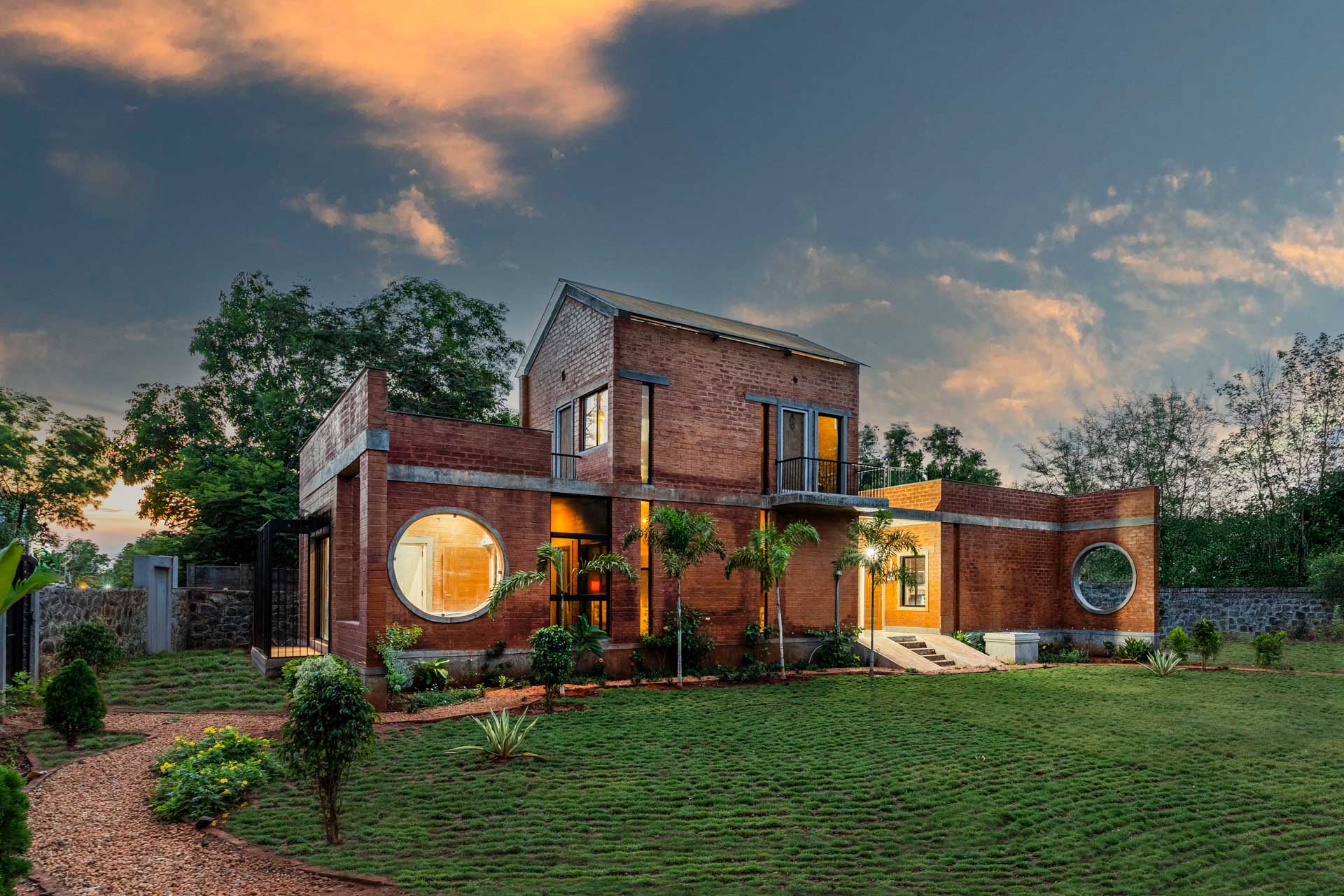
To truly enjoy the town’s charm, stay at one of StayVista’s beautiful homestays in Pondicherry. Located close to major attractions, they offer the perfect mix of comfort, culture, and convenience—ideal for unwinding after a day exploring the best places in Pondy. Creative Castle, The Black Box, and Chitrita Bhavan are the top options for the best stay experience in Pondicherry.
From ancient ruins to colonial architecture and spiritual centres, the best places to visit in Pondicherry offer a journey through time. So, whether you’re exploring Pondicherry tourist places or seeking the best places to visit in Pondicherry with family, let this town’s stories unfold around you.
FAQs: Pondicherry Historical Sites
Pondicherry’s historical significance sits on three distinct layers: ancient Tamil and Indo-Roman trading history (Arikamedu, 1st century BCE onwards), French colonial administration (1674 to 1954, with brief Dutch and British interludes), and modern spiritual-cultural history (the Sri Aurobindo Ashram since 1926, Auroville since 1968). This layered history is what makes Pondicherry’s historical architecture so distinctive — French-era boulevards sit alongside Tamil temples and Indo-Roman archaeological sites in the same town.
Two full days cover the in-town historical circuit (French Quarter walks, Aurobindo Ashram, Manakula Vinayagar Temple, Pondicherry Museum, Immaculate Conception Cathedral). A third day lets you add either Arikamedu (short half-day) or Auroville (full day) or Gingee Fort (full day; pick one of the three).
Yes, for travellers interested in South Indian fortification architecture. The three-hill complex (Krishnagiri, Rajagiri, Chandrayandurg) is one of the strongest Vijayanagara-era fortifications in Tamil Nadu, with later Mughal, Maratha and French-era additions visible across the site. Budget a full day — the climb up Rajagiri alone takes 2–3 hours.
October to March. The northeast monsoon runs through October–December with intermittent rain spells; December–March is drier and cooler, which pairs well with walking-heavy heritage itineraries. Summer (April–June) is hot and humid on the coast; monsoon (May–September) brings disruption. The town is open to visitors year-round, but October to March is the comfortable window.