
Visiting Guruvayurappan Temple in Kerala: Timing, Dress Code and Nearby Attractions (Updated 2026)
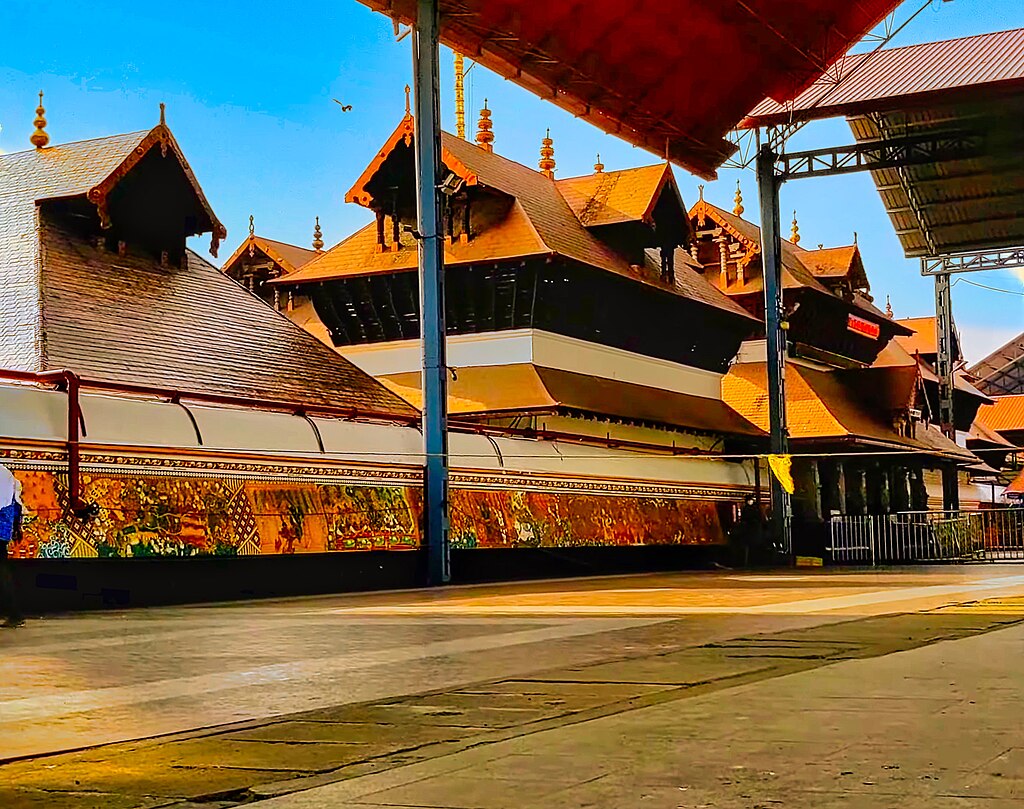
Guruvayurappan Temple, nestled in the charming town of Guruvayur in Kerala’s Thrissur district, stands as a beacon of spirituality, tradition, and devotion. Revered as one of the most significant pilgrimage destinations in India, this sacred temple is dedicated to Lord Guruvayurappan, a manifestation of Lord Krishna. Known for its awe-inspiring rituals, timeless architecture, and vibrant culture, the temple is a must-visit for anyone seeking a spiritual sojourn.
This comprehensive guide covers everything you need to know about visiting Guruvayurappan Temple—its rich history, architectural marvels, rituals, nearby attractions, local flavours, and accommodation options—to ensure a truly memorable experience.
As of 2026, Guruvayur Temple continues to follow traditional dress regulations and structured darshan schedules, with improved crowd management during peak seasons like Ekadasi and annual Utsavam.
In this Blog
Significance of Guruvayurappan Temple in Kerala
Often referred to as the “Dwarka of the South,” Guruvayurappan Temple holds a unique position in Indian mythology and religious history. The temple is believed to house an idol once worshipped by Lord Krishna himself in the legendary city of Dwarka. When Dwarka was submerged, the idol was brought to its current location by Guru (the celestial teacher) and Vayu (the wind god). This divine journey gives the temple its name—“Guru” and “Vayu.”
The presiding deity, Lord Guruvayurappan, is depicted in his four-armed form, holding a conch (shankha), discus (chakra), mace (gada), and lotus (padma). Encased within the sanctum sanctorum, the idol is a symbol of spiritual solace and profound devotion.
The temple’s architecture, a classic example of Kerala’s traditional style, features sloping tiled roofs, intricately carved wooden panels, and a majestic gopuram (tower). Visitors are greeted by the enchanting hum of Vedic chants and the fragrance of incense, creating a divine atmosphere.
Guruvayurappan Temple Timings and Rituals
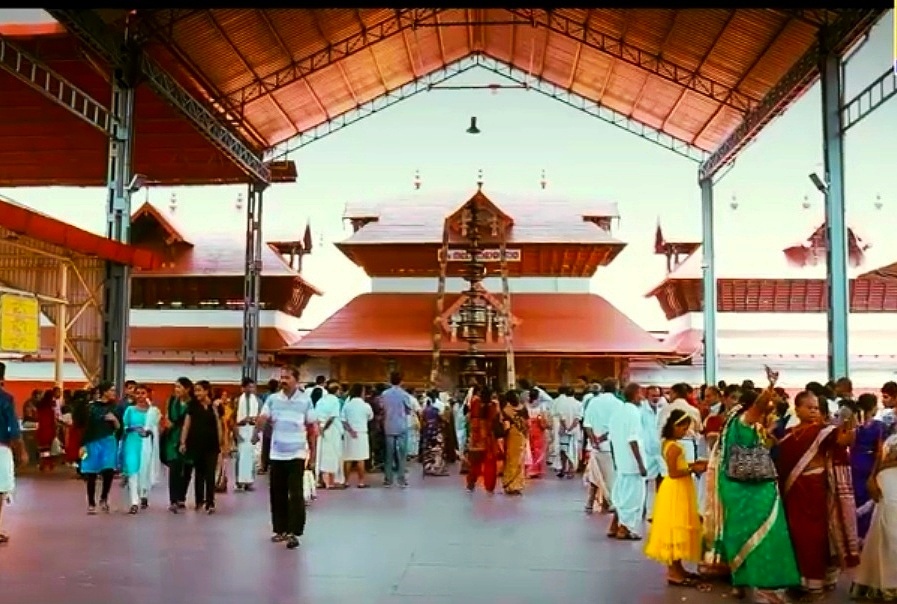
The spiritual schedule at Guruvayurappan Temple is meticulously designed to immerse devotees in a realm of devotion and divinity. Temple opening remains early morning (around 3:00 AM) and closes around 9:15 PM, with darshan intervals between rituals. Visitors are advised to check official announcements before visiting during festival periods, as timing adjustments may occur.
Opening Hours: The temple opens at 3:00 AM with the Nirmalyam ritual. This early morning ceremony reveals the deity adorned with flowers from the previous night. Witnessing Nirmalyam is considered highly auspicious.
Morning Rituals: The Abhishekam (holy bath) is performed early in the morning, followed by Alankaram (decoration) and the Usha Pooja at 7:30 AM.
Seeveli Procession: At 9:00 AM, the temple hosts the Seeveli procession, featuring elephants adorned with golden caparisons accompanied by the rhythmic beats of traditional percussion instruments.
Evening Worship: The Deeparadhana at 6:30 PM is a spectacle of devotion, with hundreds of oil lamps illuminating the temple premises.
Closing Ceremony: The day ends with the Trippuka ritual at 9:15 PM, marking the closing of the temple.
Visitors must adhere to the Guruvayurappan Temple’s strict dress code:
Women: Sarees, salwar kameez, or other traditional attire.
Men: Traditional mundu (dhoti) without shirts or vests.
Historical Significance and Legends
The history of Guruvayurappan Temple is steeped in mythology and devotion. According to legend, the deity worshipped here is the same idol that Lord Krishna revered in Dwarka. After Dwarka’s submersion, Guru and Vayu were tasked with relocating the idol. They consecrated it at the present site, guided by sage Parasurama, who is credited with reclaiming Kerala from the sea.
The Rudratheertham, the sacred temple pond, holds historical and spiritual significance. It is believed that Lord Shiva meditated here to purify the water, making it suitable for rituals. The temple has survived invasions, natural calamities, and socio-political changes, standing tall as a testament to faith and resilience.
Architectural Splendour
The architecture of Guruvayurappan Temple reflects the quintessential style of Kerala temples. The sanctum sanctorum is built with laterite stones, adorned with murals narrating episodes from Hindu epics. The Chuttambalam (outer hall) is a masterpiece of intricate craftsmanship, showcasing wooden carvings and colourful frescoes.
The gopuram, towering at the temple’s entrance, is an architectural marvel, with elaborate carvings that depict stories from Hindu scriptures. The temple’s design emphasises harmony with nature, ensuring proper ventilation and a cool ambiance even during Kerala’s sweltering summers.
How to Reach Guruvayurappan Temple in Kerala
Guruvayur is well-connected by road, rail, and air, making it accessible for pilgrims and tourists alike.
By Road: Buses and taxis frequently ply from major cities such as Kochi, Thrissur, and Kozhikode. The temple is approximately:
- 29 km from Thrissur.
- 90 km from Kochi.
- 102 km from Kozhikode.
By Rail: The Guruvayur Railway Station, just 1 km from the temple, caters to passenger and express trains. The Thrissur Railway Station, 27 km away, is a major rail hub for long-distance travellers.
By Air: The nearest airport is Cochin International Airport (COK), located 80 km away. From the airport, you can hire a cab or take a bus to Guruvayur.
Best Time to Visit Guruvayurappan Temple, Thrissur
The temple welcomes visitors year-round, but the winter months between November and February offer the most pleasant weather. Several festivals enhance the temple’s charm:
Guruvayur Ekadasi: A grand celebration dedicated to Lord Krishna, featuring elaborate rituals and cultural events.
Ulsavam: The annual temple festival that includes processions, performances, and vibrant displays of devotion.
Vishukkani: The Malayalam New Year, celebrated with traditional offerings and rituals.
Essential Tips for Visitors
Arrive Early: Beat the crowds by visiting during early morning hours, especially to witness the Nirmalyam ritual.
Respect the Dress Code: Ensure you wear appropriate traditional attire to gain entry into the temple. As per the 2026 dress code, Guruvayur Temple continues to strictly enforce traditional dress rules. Western outfits, including jeans, leggings without a dupatta, and shirts for men, inside the temple premises are not permitted. Visitors must deposit mobile phones and electronic items before entry.
Carry Cash: Many shops and eateries in the vicinity do not accept digital payments.
Taste the Prasadam: The palpayasam (sweet milk pudding) and appam (rice pancake) are divine delicacies served as offerings.
Follow Etiquette: Refrain from photography within the temple premises and respect the customs.
Things to Keep in Mind:
- Early morning darshan sees fewer crowds
- Ekadasi and wedding season experience a heavy rush
- Weekdays are smoother than weekends
- Elderly visitors should avoid peak afternoon queues
Exploring Nearby Attractions to Guruvayurappan Temple
A trip to Guruvayur is incomplete without visiting its surrounding gems:
Punnathur Kotta Elephant Sanctuary: Located just 3 km away, this sanctuary houses over 50 temple elephants. Visitors can observe these majestic creatures being cared for and trained for temple rituals.
Mammiyur Mahadeva Temple: Just a short walk from Guruvayurappan Temple, this Shiva temple is a must-visit for devotees. Local tradition states that a visit to Guruvayur should include paying respects here.
Chavakkad Beach: Only 5 km away, this serene beach offers stunning views of the Arabian Sea and is perfect for unwinding after a spiritual experience.
Thrissur Zoo and State Museum: About 28 km from Guruvayur, this destination features a wide variety of flora and fauna, along with exhibits showcasing Kerala’s rich cultural heritage.
Local Culinary Delights: What to Eat When Visiting Guruvayurappan Temple
Guruvayur boasts a range of culinary offerings that cater to every palate:
Traditional Kerala Cuisine: Relish authentic meals at renowned eateries like Sree Krishna Inn and Ganapathy Bhavan. Don’t miss dishes like puttu, idiyappam, and sadya (a traditional feast served on a banana leaf).
Street Food: Savour local delicacies such as banana chips, unniyappam, and the ever-popular palada payasam.
Prasadam: The temple prasadam, including appam and palpayasam, holds a special place in every visitor’s heart.
Where to Stay: Comfort with StayVista
Accommodation plays a crucial role in enhancing your visit. Guruvayur offers a variety of options, but villas and homestays in Kerala stand out for their comfort, luxury, and proximity to the temple.
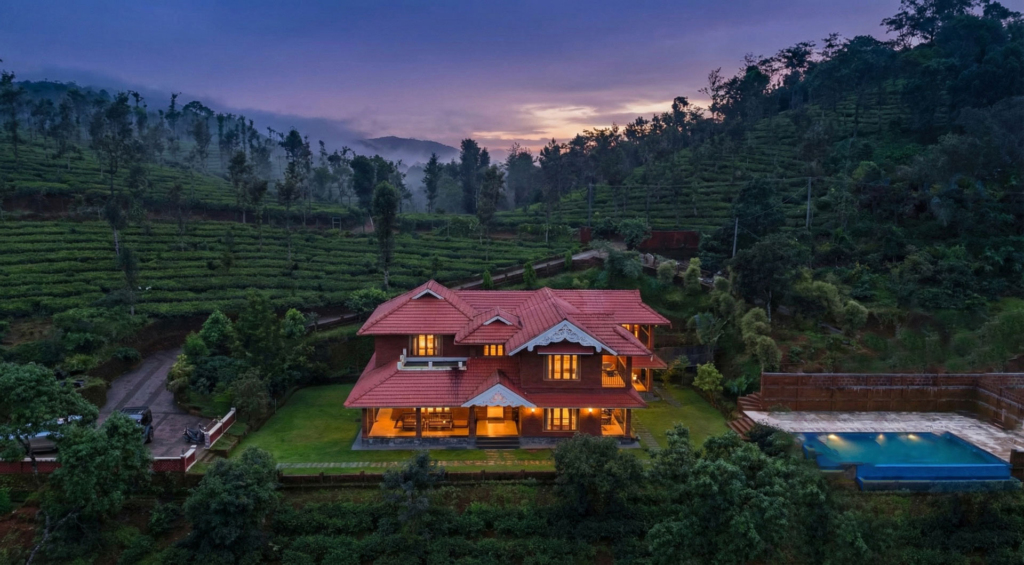
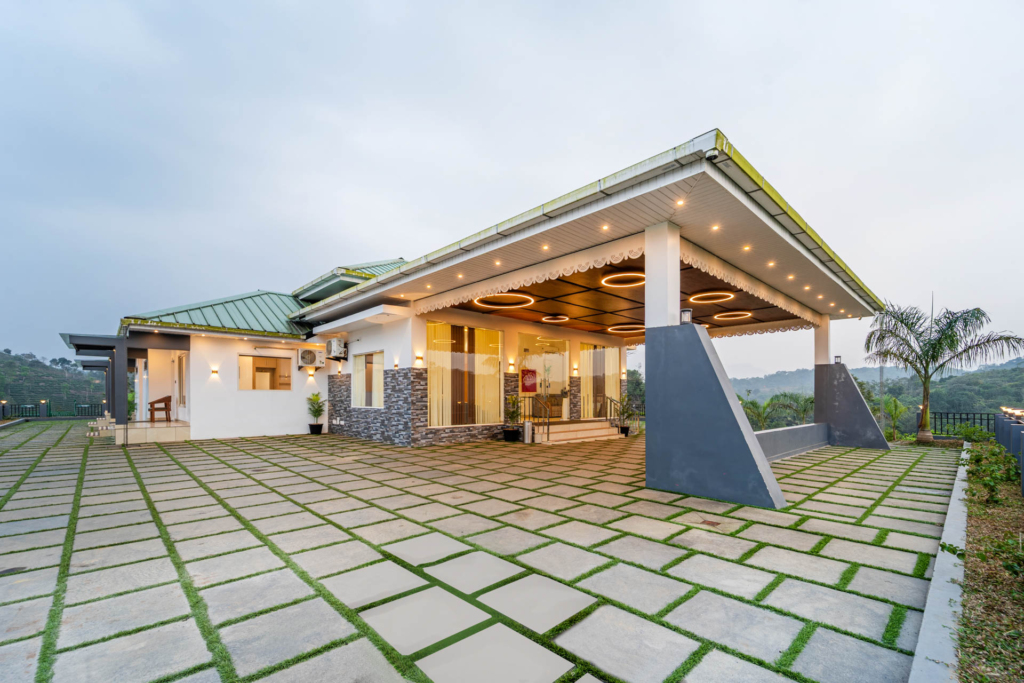
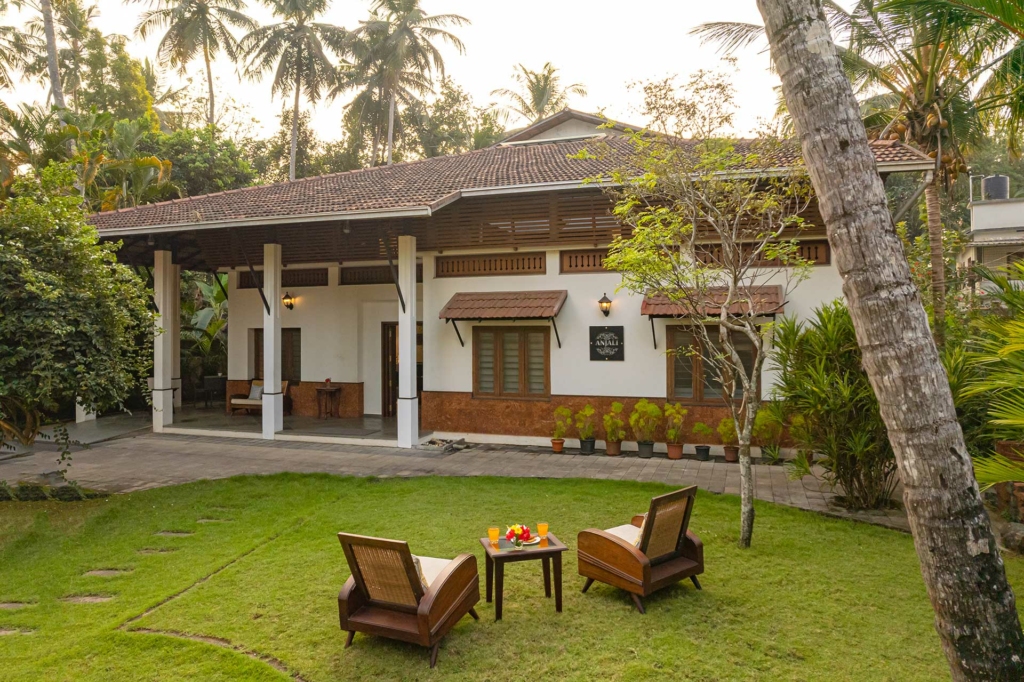
Features: Spacious rooms, lush gardens, private balconies, and modern amenities.
Suitability: Ideal for families, groups, or solo travellers seeking a peaceful retreat.
StayVista’s warm hospitality and personalised services ensure your stay is as memorable as your spiritual journey.
Guruvayurappan Temple is more than just a place of worship—it is a realm of divine energy, cultural richness, and enduring faith. From its fascinating history and spiritual ambience to its vibrant festivals and nearby attractions, Guruvayur promises an enriching experience for every visitor.
FAQs
Yes, devotees can book select poojas, vazhipadu offerings, and special darshan services through the official Guruvayur Devaswom website. Regular darshan typically follows a queue system.
No, mobile phones, cameras, and electronic devices are not permitted inside the temple complex. Locker facilities are available near the entrance.
November to February is considered the most comfortable season due to pleasant weather. Early mornings on weekdays generally experience shorter queues compared to weekends and festival days.
Major festivals include Guruvayur Ekadasi, annual Utsavam, Vishu, and Janmashtami. These periods attract large numbers of devotees and require advance planning.
On regular days, darshan may take 30 minutes to 1.5 hours, depending on crowd levels. During Ekadasi or major festivals, waiting time can extend significantly.
Banner image credits: Ms Sarah Welch via Wikimedia Commons