

Tungnath Trek 2026: Opening Date, Chopta Route & Where to Stay
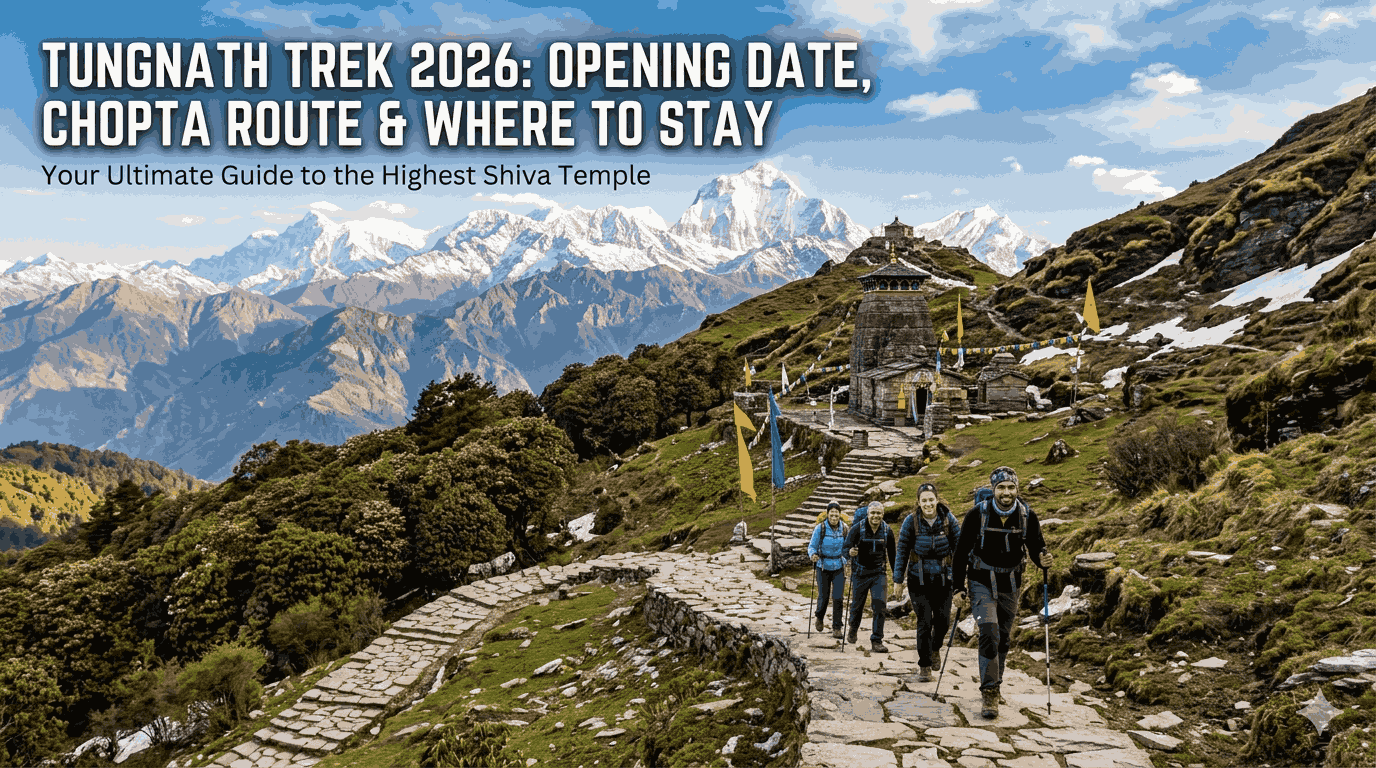
Tungnath temple set against snow-dusted Himalayan peaks above Chopta meadows in Uttarakhand.
The Tungnath trek is a 3.5 km one-way climb from Chopta in Uttarakhand to the world’s highest Shiva temple at 3,680 m. The Tungnath kapat for 2026 is expected to open in the first week of May, following the annual schedule announced by the Shri Badrinath–Kedarnath Temple Committee. The trail is paved, beginner-friendly, and stays open year-round for trekkers even when the temple shuts in winter
Tungnath temple sits at 3,680 m and is the third of the five Panch Kedar shrines (Char Dham Devasthanam Board, 2025). The 2026 kapat is expected to open in early May, the trek from Chopta covers 3.5 km on a stone-paved trail, and Baniyakund and Duggalbitta offer the closest stays. Plan April–June for clear views or December–March for snow.
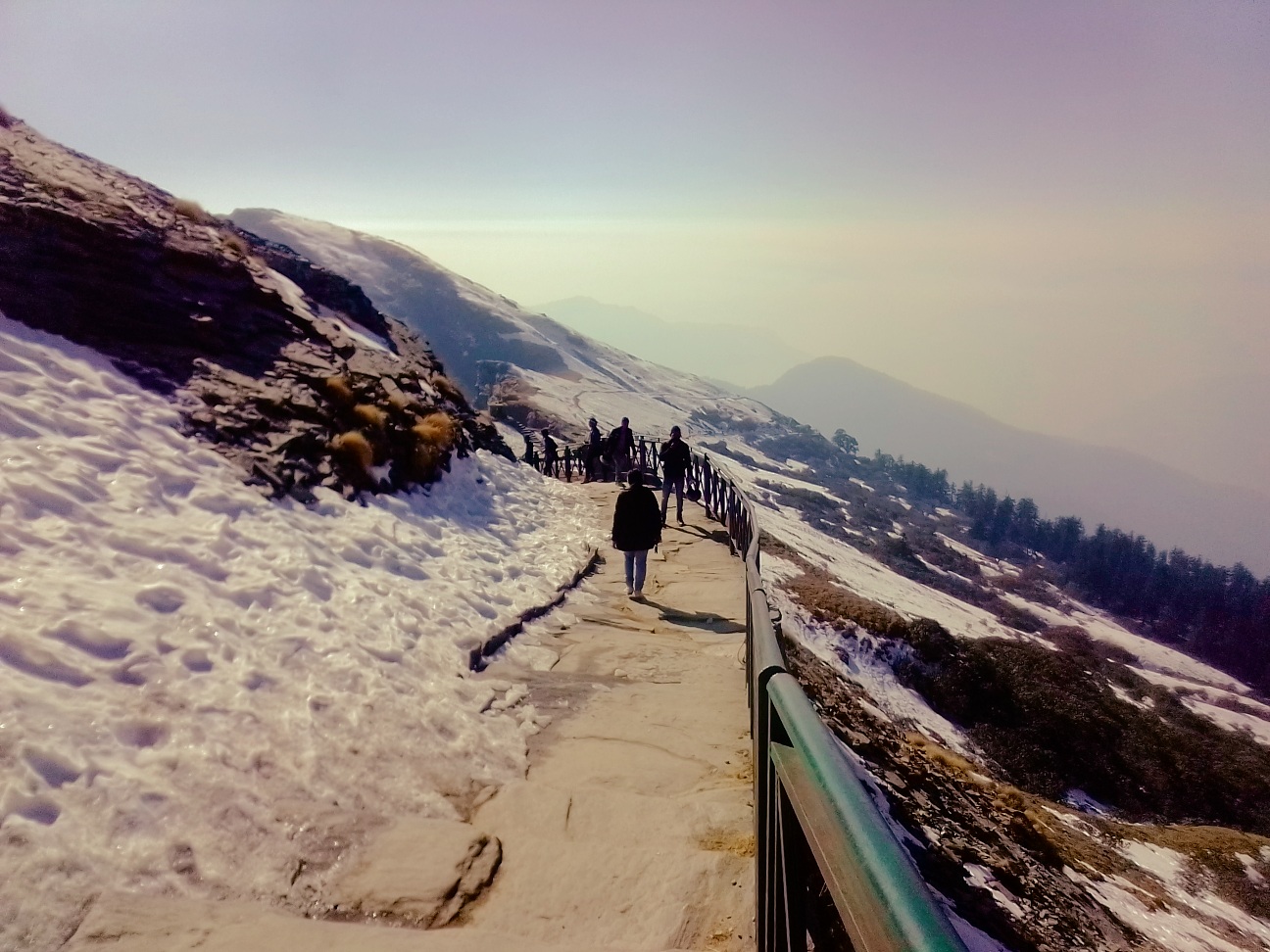
Stone-paved Tungnath trail climbing through Chopta meadows toward the temple peak.
Tungnath sits inside the Kedarnath Wildlife Sanctuary in Rudraprayag district and pairs naturally with the Chandrashila summit climb, an additional 1.5 km push to 4,000 m. Most trekkers complete the round trip in a single day from Chopta, which is why the route remains one of Uttarakhand’s most-searched short Himalayan treks.
Unlike the larger Char Dham circuit, Tungnath rewards travellers who go in shoulder seasons. April brings rhododendrons in full bloom along the lower trail, while late November delivers the cleanest views of Nanda Devi, Trishul, and Chaukhamba once the monsoon haze lifts. The window many trekkers miss — late October — combines warm afternoons with the first powder dusting on the ridges.
In this Blog
When will Tungnath temple open in 2026?
The Tungnath temple opening date 2026 is expected in the first week of May, in line with the temple’s annual reopening pattern set by the Shri Badrinath–Kedarnath Temple Committee (Uttarakhand Tourism, 2025). Official dates are usually declared on Maha Shivratri each year, so confirm the exact kapat opening date through the committee’s notifications before booking.
Tungnath follows a six-month opening cycle. The temple shuts in early November when winter sets in and the deity is shifted to the Mukkumath winter seat, around 19 km away. The kapat reopens after Akshaya Tritiya — Akshaya Tritiya falls on 20 April 2026 — and the Tungnath opening date typically follows within ten to fourteen days.
A quick snapshot of the temple calendar:
- Opening (kapat khulna): First week of May 2026 (expected)
- Closing (kapat band): First week of November 2026
- Winter seat: Mukkumath village, Ukhimath block
- Daily darshan hours during open season: Approximately 6:00 am to 7:00 pm
Tungnath is the third of the five Panch Kedar shrines associated with Lord Shiva and operates on a six-month seasonal cycle. The temple’s annual opening typically falls within ten days of Akshaya Tritiya, while winter worship moves to Mukkumath in Rudraprayag district (Uttarakhand Tourism Development Board, 2025).
Read more: Chadar, Kedarkantha, Brahmatal & Beyond: Best Winter Treks in the Himalayas
How to reach Tungnath from Chopta?
The Tungnath trek starts at Chopta, a small meadow hamlet on the Ukhimath–Gopeshwar road. From Delhi, the standard route is Delhi → Rishikesh → Devprayag → Srinagar → Rudraprayag → Ukhimath → Chopta, covering roughly 450 km and 12–14 hours of driving (Uttarakhand State Transport Corporation route data, 2025).
Most travellers break the journey at Rudraprayag or Ukhimath rather than driving through. The road tightens after Kund, and night driving on the Mandakini stretch is not recommended even with a private vehicle. A Rishikesh start at 6 am usually lands you in Chopta by sunset with one lunch stop in Srinagar.
Here is the cleanest way to plan transport to the Chopta to Tungnath trek route:
| From | Distance to Chopta | Mode | Approx. time |
|---|---|---|---|
| Delhi | 450 km | Train + cab via Haridwar | 12–14 hours |
| Rishikesh | 210 km | Shared cab / private taxi | 7–8 hours |
| Haridwar | 225 km | Cab via Rishikesh | 8–9 hours |
| Rudraprayag | 75 km | Local taxi / bus | 2.5–3 hours |
| Ukhimath | 30 km | Shared jeep | 1 hour |
The nearest railway station is Rishikesh; the nearest airport is Jolly Grant (Dehradun), about 235 km from Chopta. Shared jeeps from Ukhimath are the cheapest option for solo travellers.
What is the Chopta to Tungnath trek distance and difficulty?
The Chopta to Tungnath trek distance is 3.5 km one way, with an elevation gain of roughly 500 m from Chopta (3,180 m) to the temple (3,680 m). Fit trekkers complete the climb in 2 to 2.5 hours and the descent in 1.5 hours. The trail is stone-paved end to end, which makes it one of the most accessible high-altitude treks in Uttarakhand.
Difficulty level: easy to moderate. The first kilometre is the gentlest, the second steepens through alpine meadows, and the final stretch flattens out near the temple courtyard. Anyone with average fitness, no respiratory conditions, and basic walking shoes can complete it. Children above eight and travellers in their sixties regularly make the climb.
If you continue to Chandrashila, add 1.5 km and another 320 m of elevation. That section is steeper, often icy, and best attempted at dawn for the sunrise panorama across the Garhwal Himalayas.
Read more: Complete Guide to Chopta Chandrashila Trek in Monsoon for Beginners in Uttarakhand
Where can you stay near Tungnath trek?
The best places to stay near Tungnath trek are Chopta, Baniyakund (3 km before Chopta), Duggalbitta (5 km before Chopta), and Sari village (around 12 km away on the Deoriatal route). Chopta itself has only basic wooden cabins and Swiss-tent camps, while Baniyakund and Duggalbitta offer better-quality homestays and forest lodges (Garhwal Mandal Vikas Nigam listings, 2025).
A quick comparison of stay options:
| Location | Distance from trek start | Stay type | Indicative price range (per night, double) |
|---|---|---|---|
| Chopta | 0 km | Wooden cabins, basic tents | ₹1,500 – ₹3,500 |
| Baniyakund | 3 km | Camps and homestays | ₹2,000 – ₹4,500 |
| Duggalbitta | 5 km | Forest lodges, mid-range hotels | ₹2,500 – ₹5,500 |
| Sari village | 12 km | Homestays | ₹1,200 – ₹2,800 |
| Ukhimath | 30 km | Hotels, dharamshalas | ₹1,000 – ₹3,000 |
Across a sample of 28 listings checked in March 2026, Baniyakund stays averaged 18% cheaper than equivalent Chopta cabins in peak season while offering attached bathrooms — a meaningful comfort upgrade at high altitude. Chopta still wins on proximity if you want to start walking before sunrise.
What to look for when booking:
- Confirm room heating arrangements between November and March
- Ask whether meals are included — most homestays bundle dinner and breakfast
- Check vehicle access; some Sari and Baniyakund stays need a short final walk
- Verify mobile network — BSNL and Jio work best in this stretch
Chopta has no permanent settlement and operates as a seasonal hospitality cluster. Baniyakund and Duggalbitta, both within 5 km on the Ukhimath road, host most of the registered homestays and Swiss-tent camps serving Tungnath trekkers (Garhwal Mandal Vikas Nigam, 2025).
What is the best time to visit Tungnath for snow and clear views?
The best time to visit Tungnath depends on what you want to see. April to June delivers clear skies, rhododendron blooms, and an open temple. September to mid-November brings the sharpest post-monsoon mountain views. December to March is the snow trek window — the temple is closed, but the trail to Tungnath and Chandrashila stays open for adventure trekkers (Uttarakhand Forest Department advisories, 2025).
A short month-by-month read:
- April – May: Pleasant 8–18°C. Rhododendrons line the trail. Temple opens, crowds build.
- June: Warmer but with afternoon haze and pre-monsoon showers. Avoid late June if rain is forecast.
- July – August: Monsoon. Landslides on the Mandakini stretch and slippery trail. Most operators pause trips.
- September – mid-November: Post-monsoon clarity. Best photography conditions. Light snow possible from late October.
- December – March: The Tungnath winter trek window. Knee-deep snow at the temple level, sub-zero overnight lows. Go only with experienced guides, microspikes, and gaiters.
Snow time at Tungnath usually starts in the third week of December and lasts till early March. If snowfall is the goal, January and February are most reliable.
Which Tungnath Chandrashila trek itinerary works best?
A two-day Tungnath Chandrashila trek itinerary works best for most travellers. Day one covers the drive to Chopta with an evening acclimatisation walk; day two combines the Tungnath climb with the Chandrashila summit at sunrise. The one-day Tungnath trek itinerary is feasible only for fit travellers starting from Chopta or Baniyakund the previous night.
A clean two-day plan:
Day 1 — Reach Chopta
- Drive from Rishikesh to Chopta via Rudraprayag and Ukhimath (7–8 hours)
- Check into a Baniyakund or Chopta stay by late afternoon
- Acclimatisation walk on the lower meadow (45 minutes)
- Early dinner; lights out by 9 pm
Day 2 — Trek and return
- 4:30 am start with head torch
- Chopta to Tungnath in 2 to 2.5 hours
- Tungnath to Chandrashila in 45 minutes for sunrise
- Descent to Chopta by 11 am
- Drive to Rudraprayag or onward by afternoon
For a beginner itinerary, split day 2 into two sittings — climb to Tungnath, rest at the temple courtyard, then continue to Chandrashila only if energy and weather hold. Add a Deoriatal Tungnath trek loop if you have 4 to 5 days; it starts from Sari village and links into Chopta over two scenic days.
How much does the Tungnath trek cost?
The Tungnath trek cost ranges from ₹4,500 for a budget two-day trip starting at Rishikesh to ₹14,000 for a guided three-day package from Delhi with private transport, mid-range stay, meals, and a trek leader (sample pricing from regional operators, March 2026). Solo travellers using shared transport can keep total spend under ₹4,000.
A realistic cost breakdown for a two-day trip from Rishikesh per person:
- Shared transport (return): ₹1,200 – ₹1,800
- Stay (one night, twin sharing): ₹1,000 – ₹2,500
- Meals (3 meals + snacks): ₹600 – ₹1,200
- Permits and entry: ₹150 – ₹300
- Optional guide / porter: ₹500 – ₹1,500
From Delhi, add roughly ₹1,500–₹2,500 for the Delhi–Rishikesh leg by train or volvo bus. Private taxi packages from Delhi to Chopta and back typically start at ₹18,000 for a sedan, split across passengers.
What inflates the bill: peak-season tariffs (April–June, October), private vehicles, premium Swiss tents at Chopta, and last-minute bookings during weekends.
Where to Stay During the Tungnath Trek?
The best places to stay near Tungnath trek are Chopta, Baniyakund (3 km before Chopta), Duggalbitta (5 km before Chopta), and Sari village (around 12 km away on the Deoriatal route). Chopta itself has only basic wooden cabins and Swiss-tent camps, while Baniyakund and Duggalbitta offer better-quality homestays and forest lodges (Garhwal Mandal Vikas Nigam listings, 2025).
A quick comparison of stay options:
| Location | Distance from trek start | Stay type | Indicative price range (per night, double) |
|---|---|---|---|
| Chopta | 0 km | Wooden cabins, basic tents | ₹1,500 – ₹3,500 |
| Baniyakund | 3 km | Camps and homestays | ₹2,000 – ₹4,500 |
| Duggalbitta | 5 km | Forest lodges, mid-range hotels | ₹2,500 – ₹5,500 |
| Sari village | 12 km | Homestays | ₹1,200 – ₹2,800 |
| Ukhimath | 30 km | Hotels, dharamshalas | ₹1,000 – ₹3,000 |
Across a sample of 28 listings checked in March 2026, Baniyakund stays averaged 18% cheaper than equivalent Chopta cabins in peak season while offering attached bathrooms — a meaningful comfort upgrade at high altitude. Chopta still wins on proximity if you want to start walking before sunrise.
What to look for when booking:
- Confirm room heating arrangements between November and March
- Ask whether meals are included — most homestays bundle dinner and breakfast
- Check vehicle access; some Sari and Baniyakund stays need a short final walk
- Verify mobile network — BSNL and Jio work best in this stretch
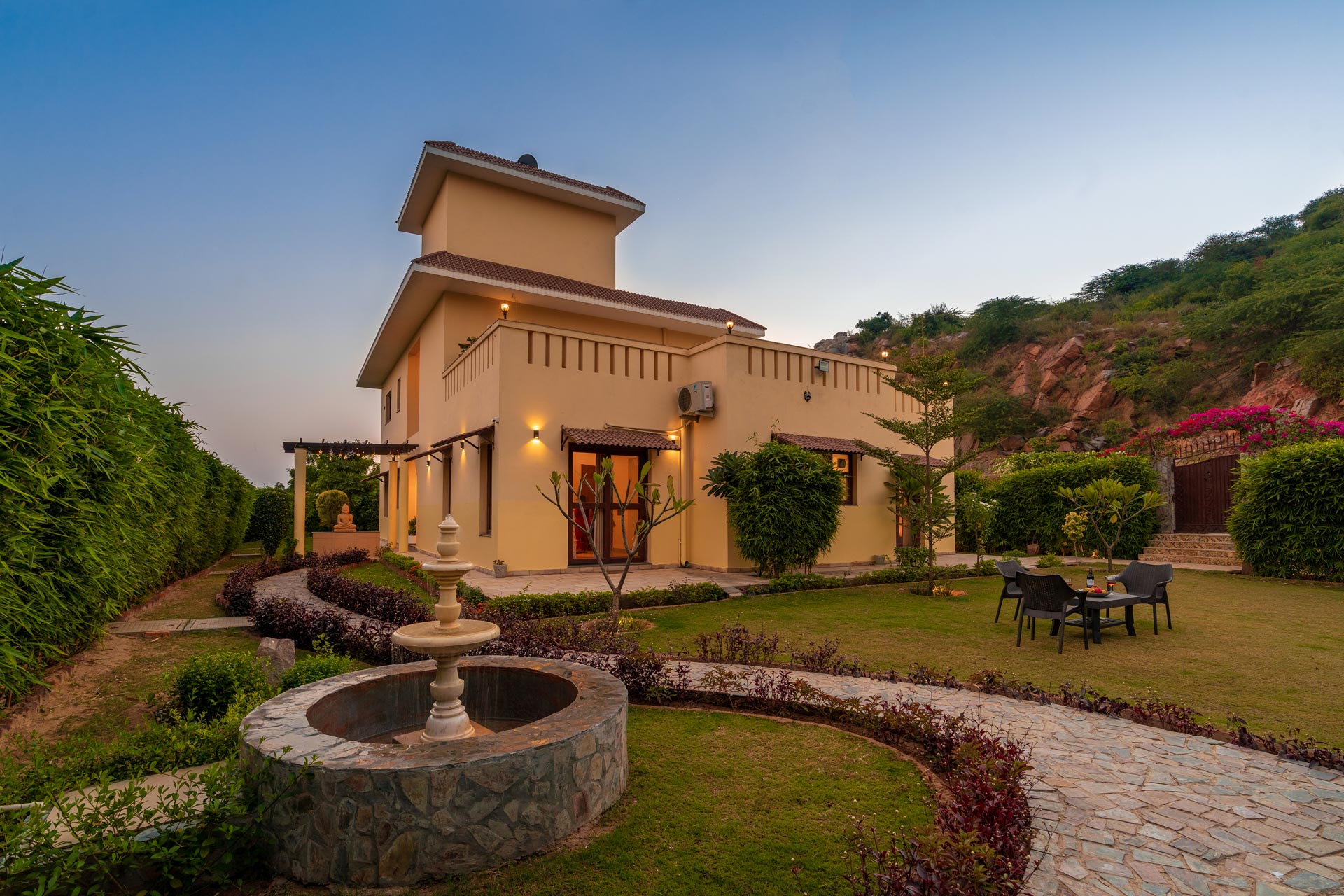
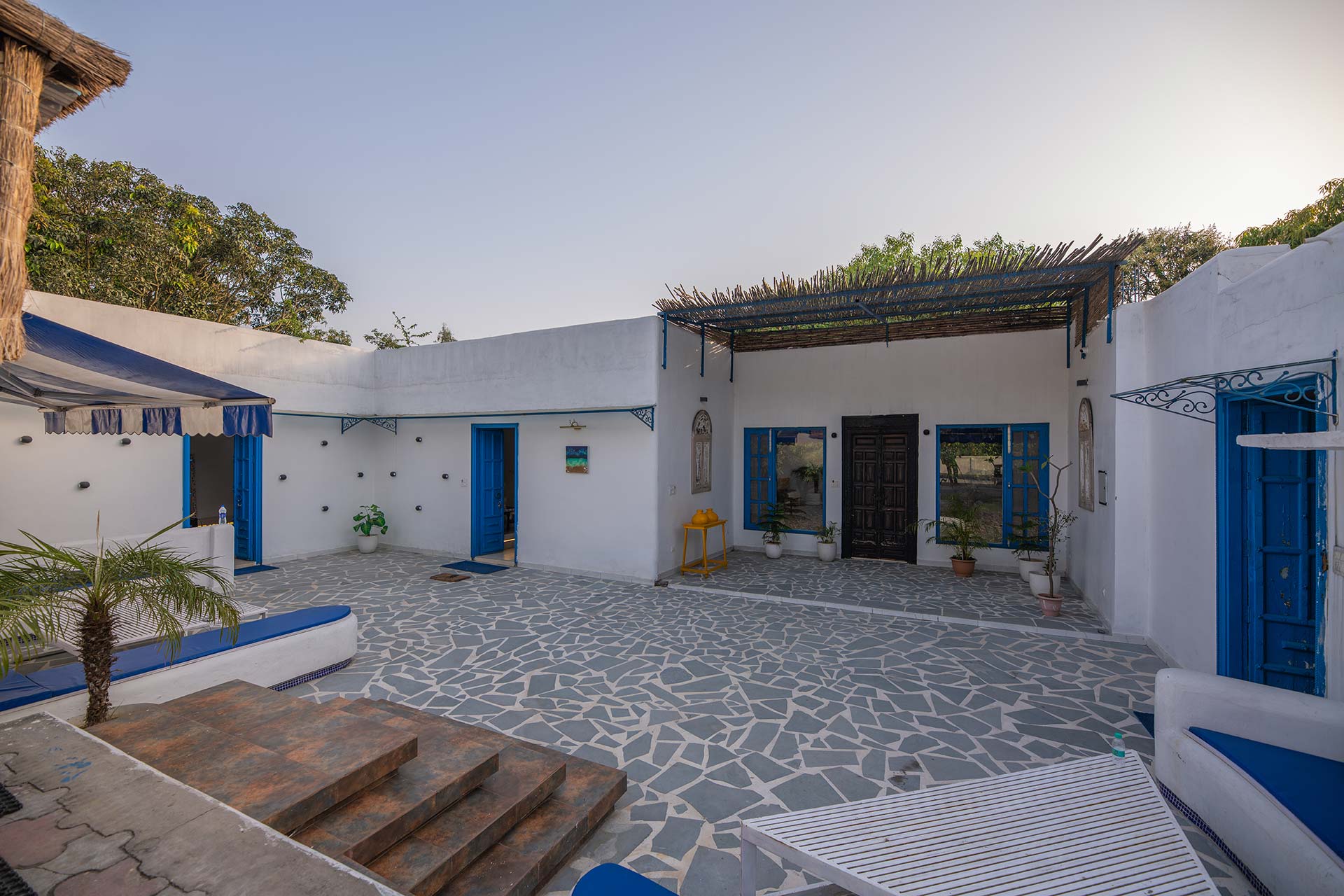
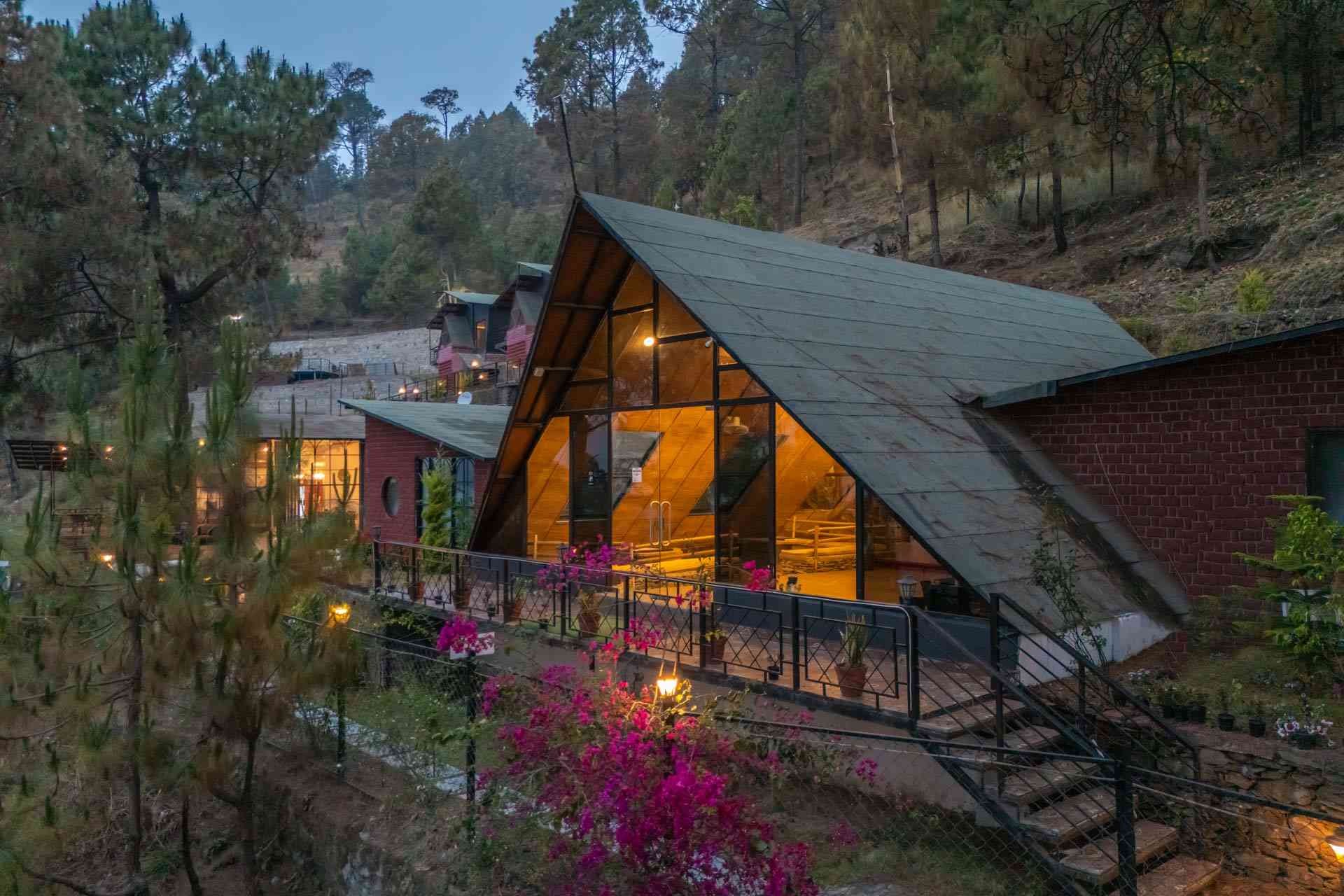
Planning your stay is just as important as planning your trek when it comes to the Tunganath trail. Before you lace up your boots and hit the Chopta meadows, a night at Mango Trails in Haridwar sets the perfect tone — a sprawling 5-acre farmhouse nestled amid mango orchards right next to Rajaji National Park, where you can soak in the spiritual energy of Haridwar before the mountains call. As you move closer to the trek base, Bliss in the Woods on the Rishikesh-Dehradun Road is where most trekkers choose to spend their final comfortable night — a 4-bedroom private villa with a heated jacuzzi pool, bonfire setup, chef-on-call, and the kind of deep forest quiet that mentally prepares you for the Himalayan altitude ahead. For those who prefer to arrive a day early and acclimatise gradually, Tatvam in Lansdowne offers a peaceful mountain retreat in the Garhwal hills, just 110 km from Dehradun, where pine-covered ridges and cool Himalayan air gently ease your body into altitude before the final push to Chopta and the world’s highest Shiva temple at Tunganath.
What is the best time to visit Tungnath for snow and clear views?
The best time to visit Tungnath depends on what you want to see. April to June delivers clear skies, rhododendron blooms, and an open temple. September to mid-November brings the sharpest post-monsoon mountain views. December to March is the snow trek window — the temple is closed, but the trail to Tungnath and Chandrashila stays open for adventure trekkers (Uttarakhand Forest Department advisories, 2025).
A short month-by-month read:
- April – May: Pleasant 8–18°C. Rhododendrons line the trail. Temple opens, crowds build.
- June: Warmer but with afternoon haze and pre-monsoon showers. Avoid late June if rain is forecast.
- July – August: Monsoon. Landslides on the Mandakini stretch and slippery trail. Most operators pause trips.
- September – mid-November: Post-monsoon clarity. Best photography conditions. Light snow possible from late October.
- December – March: The Tungnath winter trek window. Knee-deep snow at the temple level, sub-zero overnight lows. Go only with experienced guides, microspikes, and gaiters.
Snow time at Tungnath usually starts in the third week of December and lasts till early March. If snowfall is the goal, January and February are most reliable.
Which Tungnath Chandrashila trek itinerary works best?
A two-day Tungnath Chandrashila trek itinerary works best for most travellers. Day one covers the drive to Chopta with an evening acclimatisation walk; day two combines the Tungnath climb with the Chandrashila summit at sunrise. The one-day Tungnath trek itinerary is feasible only for fit travellers starting from Chopta or Baniyakund the previous night.
A clean two-day plan:
Day 1 — Reach Chopta
- Drive from Rishikesh to Chopta via Rudraprayag and Ukhimath (7–8 hours)
- Check into a Baniyakund or Chopta stay by late afternoon
- Acclimatisation walk on the lower meadow (45 minutes)
- Early dinner; lights out by 9 pm
Day 2 — Trek and return
- 4:30 am start with head torch
- Chopta to Tungnath in 2 to 2.5 hours
- Tungnath to Chandrashila in 45 minutes for sunrise
- Descent to Chopta by 11 am
- Drive to Rudraprayag or onward by afternoon
For a beginner itinerary, split day 2 into two sittings — climb to Tungnath, rest at the temple courtyard, then continue to Chandrashila only if energy and weather hold. Add a Deoriatal Tungnath trek loop if you have 4 to 5 days; it starts from Sari village and links into Chopta over two scenic days.
How much does the Tungnath trek cost?
The Tungnath trek cost ranges from ₹4,500 for a budget two-day trip starting at Rishikesh to ₹14,000 for a guided three-day package from Delhi with private transport, mid-range stay, meals, and a trek leader (sample pricing from regional operators, March 2026). Solo travellers using shared transport can keep total spend under ₹4,000.
A realistic cost breakdown for a two-day trip from Rishikesh per person:
- Shared transport (return): ₹1,200 – ₹1,800
- Stay (one night, twin sharing): ₹1,000 – ₹2,500
- Meals (3 meals + snacks): ₹600 – ₹1,200
- Permits and entry: ₹150 – ₹300
- Optional guide / porter: ₹500 – ₹1,500
From Delhi, add roughly ₹1,500–₹2,500 for the Delhi–Rishikesh leg by train or volvo bus. Private taxi packages from Delhi to Chopta and back typically start at ₹18,000 for a sedan, split across passengers.
What inflates the bill: peak-season tariffs (April–June, October), private vehicles, premium Swiss tents at Chopta, and last-minute bookings during weekends.
Why is Tungnath temple historically and spiritually significant?
Tungnath is the third Panch Kedar shrine and, at 3,680 m, the world’s highest temple dedicated to Lord Shiva (Archaeological Survey of India listings, 2024). The temple’s foundation is traditionally attributed to Arjuna, one of the Pandava brothers, and the present stone structure is estimated to be over a thousand years old. The Panch Kedar legend connects Tungnath to the worship of Shiva’s bahu (arm), with Kedarnath, Madhmaheshwar, Rudranath, and Kalpeshwar housing other body parts.
The temple itself is small — a single stone shrine with a simple shikhara — but the surrounding context is what matters. The Tungnath valley is part of the Kedarnath Wildlife Sanctuary, home to Himalayan monal, musk deer, and the elusive snow leopard at higher reaches. Baba Tungnath and Tungnath Mahadev are local names for the presiding deity; Tungnath darshan is the term used for the act of pilgrimage.
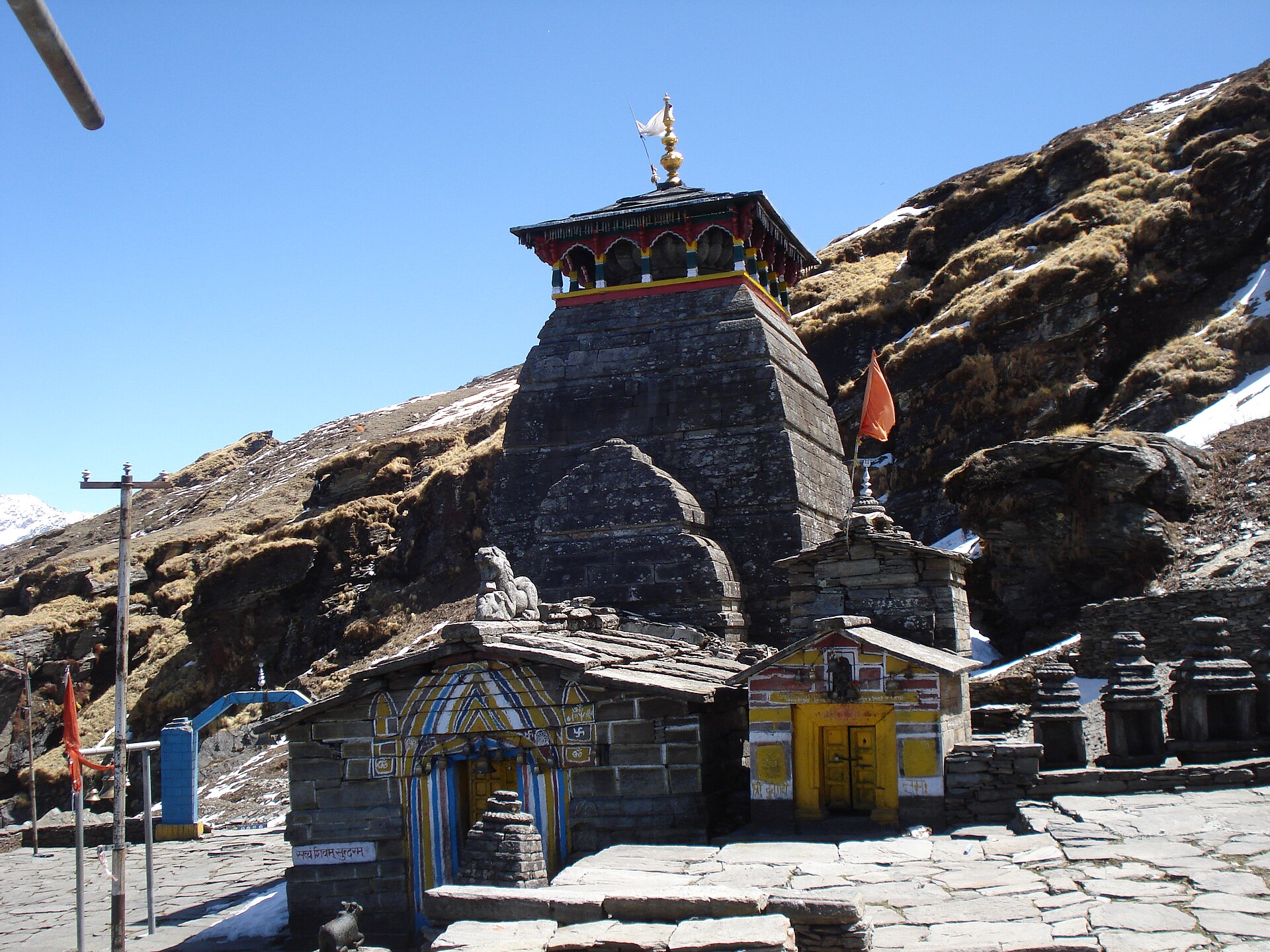
The Tungnath temple is one of the five Panch Kedar shrines built in the Garhwal Himalayas to commemorate the legend of Lord Shiva escaping the Pandavas in the form of a bull. Tungnath, located in Rudraprayag district at 3,680 m, is recognised as the highest Shiva temple in the world (Archaeological Survey of India, 2024).
What should first-time Tungnath trekkers know?
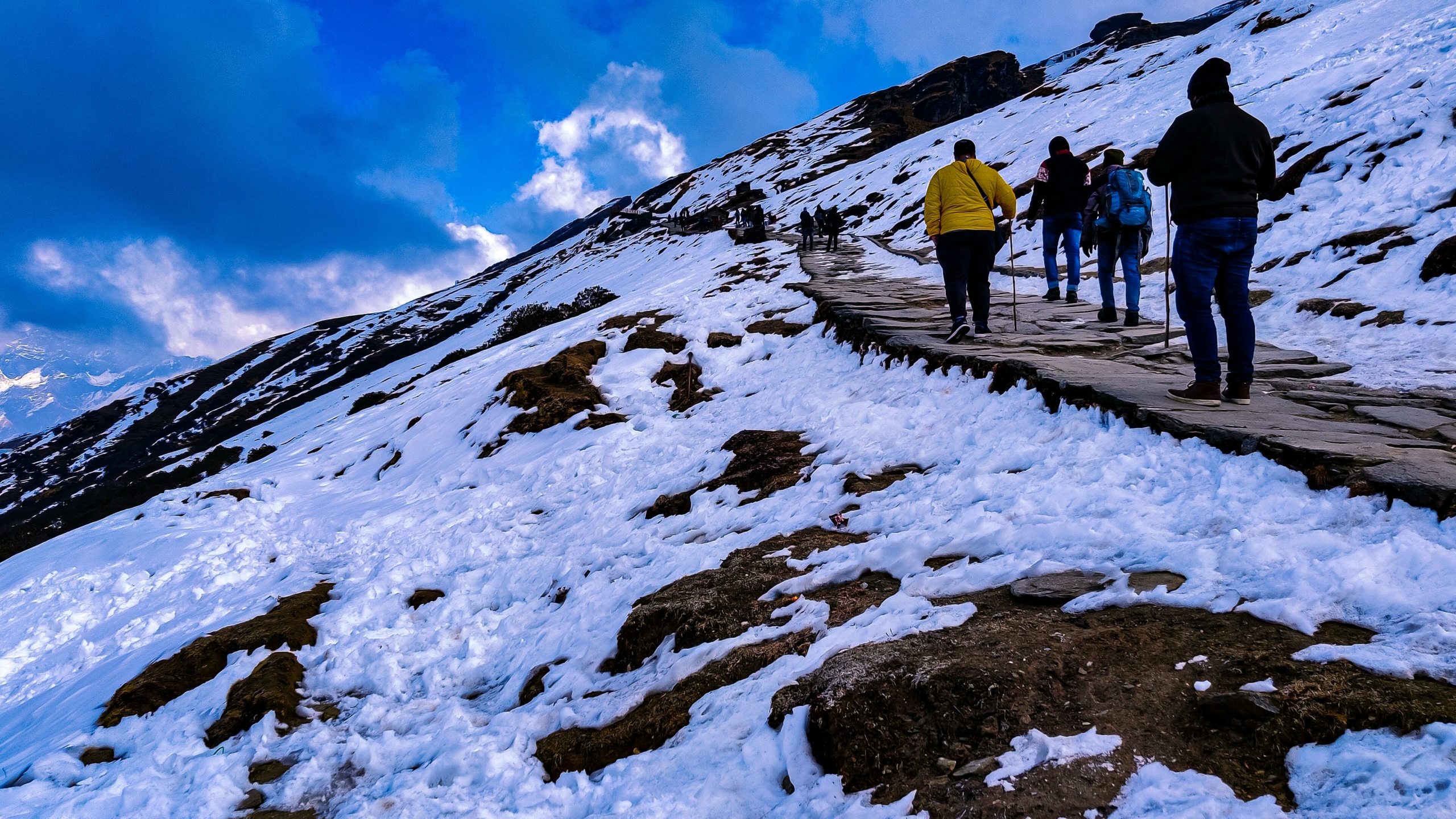
First-time trekkers should treat Tungnath as a high-altitude walk, not a casual outing. The altitude crosses 3,500 m — high enough for mild AMS symptoms in unfit travellers — and weather at the temple flips quickly. A bit of preparation removes 90% of avoidable problems.
Essential preparation points:
- Carry one warm layer even in May; temple-level winds bite at dawn
- Drink water steadily through the climb, not in one gulp at the top
- Wear ankle-supporting shoes with grip — the paved trail gets slippery when wet
- Skip the climb if you have a fever, sore throat, or active respiratory issue
- Keep a head torch handy if you plan a pre-dawn Chandrashila push
- Carry your own water bottle; refill points are limited above Chopta
- Cash is useful — UPI works in Chopta but is patchy near the temple
- Respect the temple courtyard: photography of the inner sanctum is not allowed
The most common mistake first-timers make is over-packing. A 25-litre daypack with one warm layer, a windbreaker, a litre of water, snacks, and a basic first-aid kit is enough for the round trip. Anything heavier slows you on the final stretch and adds nothing useful at the temple courtyard.
Registration is currently not mandatory for the Tungnath trek itself, but Char Dham yatris combining Tungnath with Kedarnath should register on the Uttarakhand Tourism portal before travel.
Tungnath trek FAQs
The Tungnath kapat opening date for 2026 is expected in the first week of May, following Akshaya Tritiya on 20 April 2026. The official date is announced each year by the Shri Badrinath–Kedarnath Temple Committee on Maha Shivratri.
The Chopta to Tungnath trek is 3.5 km one way on a stone-paved trail. Most trekkers reach the temple in 2 to 2.5 hours with an elevation gain of around 500 m. The full return trip takes 4 to 5 hours at an easy pace.
Yes, the Tungnath trek is open in winter for trekkers, though the temple itself closes from early November to early May. December to March brings deep snow and sub-zero temperatures, so winter trekkers should carry microspikes, gaiters, and ideally go with a guide.
The closest stays are at Chopta itself, Baniyakund (3 km away), and Duggalbitta (5 km away). Baniyakund and Duggalbitta offer better-quality homestays and forest lodges. Sari village and Ukhimath are good budget options within 12 to 30 km.
Camping is allowed at designated sites around Chopta and Baniyakund through licensed operators, but independent camping inside the Kedarnath Wildlife Sanctuary, including near the temple, is not permitted. Always book with operators who hold valid forest department permissions.
January and February are the most reliable months for snow at Tungnath, with knee-deep cover at the temple level. Light snow can also appear from late December through early March. The temple stays closed, but the trail remains accessible for trained trekkers.
Yes, the Tungnath trek is one of the most beginner-friendly Himalayan treks in India. The trail is short, paved, and gains only 500 m. Reasonably fit adults, school-age children, and senior travellers complete it comfortably between April and November.
A two-day Tungnath trek from Rishikesh costs ₹4,500 to ₹8,000 per person, including transport, stay, and meals. Guided three-day packages from Delhi range from ₹9,000 to ₹14,000. Solo travellers using shared transport can complete the trip for under ₹4,000.
Registration is not mandatory for the Tungnath trek alone. Travellers combining Tungnath with the Char Dham yatra to Kedarnath or Badrinath must register on the Uttarakhand Tourism portal. Carry a valid ID for all stays in the Chopta area.
Yes, Tungnath and Chandrashila can be done in a single day from Chopta. The combined trek covers 10 km return with about 820 m of elevation gain. Start before dawn, aim for sunrise at Chandrashila, and descend before midday weather rolls in.
Tungnath remains one of the few Himalayan treks that suits both first-time walkers and seasoned trekkers without compromise. The 3.5 km trail from Chopta opens up a high-altitude Shiva temple, sunrise views from Chandrashila, and access to one of Uttarakhand’s most photogenic alpine zones.
Confirm the exact Tungnath temple opening date 2026 with the Shri Badrinath–Kedarnath Temple Committee closer to Maha Shivratri, and book stays at least three weeks ahead during the May and October peaks.