
Wayanad in Monsoon 2026: 12 Misty Spots, Waterfalls & Where to Stay

There are some destinations that seem to come alive only when the rains arrive. Wayanad is one of them. Located in Kerala’s Western Ghats, this hill district changes dramatically during the monsoon months. Forest roads become greener, waterfalls gain strength, clouds drift across mountain roads, and the air feels fresh throughout the day.
Many people visit Wayanad during winter, but those who have experienced the region during the rainy season often describe it as a completely different place. The monsoon adds a new personality to the district, making it one of the most talked-about destinations in South India during July and August.
Whether someone is looking for waterfalls, mountain viewpoints, wildlife areas, or peaceful stays surrounded by nature, Wayanad in monsoon delivers experiences that are difficult to find elsewhere.
Wayanad in monsoon is one of Kerala’s most rewarding rainy-season destinations. July and August bring stronger waterfalls, cooler temperatures, greener surroundings, and spectacular misty viewpoints. Popular attractions include Soochipara Falls, Banasura Sagar Dam, Chembra Peak, Pookode Lake and Edakkal Caves, making it a leading best monsoon destination in Kerala for waterfalls.
In this Blog
Why Wayanad in Monsoon Is So Popular
The monsoon season changes the entire appearance of Wayanad. Waterfalls become more powerful, forests look refreshed, and viewpoints frequently provide dramatic cloud-filled views.
Unlike many destinations that are visited mainly for one attraction, Wayanad combines history, wildlife, waterfalls, mountain roads and cultural experiences within a relatively compact area. This variety allows visitors to enjoy different experiences during a single trip.
Another reason for its popularity is the weather. While rainfall is common, temperatures remain comfortable compared to many Indian cities during summer.
Wayanad’s Weather in Jul/Aug: What Visitors Can Expect
Understanding Wayanad’s weather in Temperature: 18°C – 26°C
- Rainfall: Light showers to heavy spells (June–September monsoon)
- Mornings: Cool, clear starts
- Afternoons: Intermittent rain
- Evenings: Pleasant, ideal for relaxed walks
What to Carry:
- Light woolens for chilly nights ul/Aug helps visitors plan better.
- Waterproof jacket/raincoat
- Trekking shoes with grip
- Waterproof gadget bags
- Mosquito repellent + medicines
Temperatures generally remain between 18°C and 26°C during most monsoon days. Rainfall can vary from light showers to heavier spells depending on weather systems moving across Kerala.
The mornings often begin with cool conditions, while afternoons may experience intermittent rain. Evenings are generally pleasant and suitable for relaxed walks near accommodation areas.
Visitors should carry rain jackets, waterproof footwear and clothing suitable for changing weather conditions. The rain is part of the experience and often enhances the beauty of the region.
Places to Visit in Wayanad
1. Soochipara Falls

Soochipara Falls is one of the most visited waterfalls in Wayanad and among the finest monsoon waterfalls in all of Kerala. Located near Vellarimala village in Meppadi, the falls drop approximately 200 metres through a multi-tiered cascade set within a dense forested valley in the Western Ghats.
During the monsoon season, the volume of water intensifies significantly. The upper tiers widen and merge, creating a powerful single curtain of white water before splitting again over the lower rocks. The mist generated by the falls creates a natural cloud at the base, keeping the surrounding area cool even on warmer afternoons.
The approach to Soochipara involves a forest trek of roughly 2 kilometres through a trail managed by the Kerala Forest Department. This trail passes through wild cardamom plantations and tall bamboo groves, and the sound of the falls can be heard well before the waterfall itself comes into view — a detail that consistently surprises first-time visitors.
The viewpoints around the falls are well-positioned for photography, with natural frames created by overhanging trees and mossy boulders. On clear mornings, light filters through the canopy in defined rays, making this one of the most photographed locations in Wayanad.
Practical information: Entry fees apply; timings are typically 8 AM to 5 PM; trekking footwear is strongly recommended. During heavy rainfall, access may be restricted for safety.
Things to do at Soochipara Falls: Forest trek, waterfall photography, nature walks, birdwatching along the trail.
Best for: Photographers, trekkers, nature enthusiasts, couples
2. Banasura Sagar Dam

Banasura Sagar Dam is India’s largest earthen dam and one of Wayanad’s most spectacular monsoon attractions. Built across the Karamanathodu River, a tributary of the Kabini, the dam sits at an elevation that gives it sweeping views of the surrounding Brahmagiri mountain range.
During monsoon months, the dam fills to near-capacity, and the reservoir expands dramatically, swallowing the surrounding hillsides in a way that creates an archipelago of small forested islands rising from the water. This scene — green-topped islands floating in a still grey reservoir beneath cloud-covered peaks — has become one of the defining monsoon images of Wayanad and of Kerala more broadly.
The earthen dam construction itself is worth understanding: unlike concrete dams, Banasura Sagar is built primarily of compacted earth and rock fill, making it an unusual engineering landmark to visit. The dam is named after Banasura, a demon from Hindu mythology said to have his abode in the Banasura Hills behind it.
Boating on the reservoir during the monsoon is a highlight experience. The mist that often sits on the water surface at dawn and dusk creates an atmospheric quality that photographers particularly seek out.
Practical information: Boating is available from a jetty near the dam; timings and availability may vary during heavy rainfall. A small entry fee applies.
Things to do at Banasura Sagar Dam: Boating, photography, trekking toward Banasura Hill, viewpoint sightseeing.
Best for: Families, photographers, those seeking dramatic landscape scenery.
3. Chembra Peak

Chembra Peak, at 2,100 metres above sea level, is the highest peak in Wayanad and one of the most rewarding trekking destinations in Kerala during monsoon season. Located near Meppadi in the Nilgiri Biosphere Reserve, it offers trekkers an immersive experience through shola grasslands, rolling meadows, and dense forest belts.
The monsoon transforms Chembra completely. The grasslands turn a vivid emerald green, small streams appear across the slopes, and cloud cover frequently descends onto the trail itself, giving trekkers the rare experience of walking through active cloud formations. On clear patches between showers, wide panoramic views open over both the Wayanad plateau and the Nilgiri foothills across the Karnataka border.
The most famous landmark on the Chembra trek is the heart-shaped lake, a naturally formed freshwater pond at approximately 1,800 metres elevation that is said to never dry up even in drought years. During monsoon, the lake sits in a vivid green amphitheatre of grass, making it one of the most photographed natural formations in Kerala.
The trek to Chembra requires a permit from the Forest Department office at Meppadi and is best undertaken in the morning before afternoon clouds reduce visibility. Guides are compulsory and are available at the base.
Practical information: Trekking permits are issued from Meppadi Forest Department; trek distance is approximately 7 km one way; typically 4–5 hours for the round trip. Trekking may be restricted during exceptionally heavy rainfall.
Things to do at Chembra Peak: Trekking, cloud-walking, photography, birdwatching.
Best for: Trekkers, adventure travellers, nature photographers, fit couples.
4. Pookode Lake

Pookode Lake is a natural freshwater lake nestled at 770 metres elevation near Vythiri, and it ranks among the most peaceful places to visit in Wayanad during monsoon. Fed by natural springs and surrounded on all sides by semi-evergreen forest, the lake has an enclosed, sheltered quality that makes it feel like a private natural garden regardless of the weather outside.
During monsoon, the lake’s water level rises noticeably, expanding the shoreline into the forested edges and creating reflections on the surface that photographers find particularly attractive. The surrounding trees are at their most vibrant — different shades of green layered against each other, with occasional bursts of wildflowers along the walking paths.
Pookode is managed as an eco-tourism site and features a well-maintained perimeter trail that circles the lake. The trail takes approximately 30–40 minutes at a comfortable walking pace and passes through several distinct micro-habitats: dense tree cover, open grassland edges, and waterside reed beds that support a variety of birds including kingfishers, cormorants, and egrets.
Pedalboats and rowboats are available for hire, and the experience of being on the water surrounded by misty forest hills is one of Wayanad’s most quietly memorable activities.
Practical information: Entry fee applies; boats available for hire; open daily. The lake is within 1 km of the Kozhikode–Mysore highway, making it very accessible.
Things to do at Pookode Lake: Boating, lakeside walking, birdwatching, photography, family picnics.
Best for: Families, couples, birdwatchers, those wanting easy accessible sightseeing.
5. Edakkal Caves

Edakkal Caves are among the most historically significant attractions in Kerala and one of the few prehistoric sites in India easily accessible to general visitors. Located on Ambukuthi Hill near Sultan Bathery, the caves contain petroglyphs — carved rock inscriptions — that archaeologists date to the Neolithic period, some believed to be over 5,000 years old.
The caves are not underground formations but rather naturally occurring cleft chambers formed by a massive split in a single volcanic rock. The main chamber is large enough for groups to move through comfortably, and the carvings cover extensive sections of the walls: human figures, animal outlines, geometric patterns, and what some researchers have interpreted as early script-like symbols that predate the Indus Valley Civilisation.
The monsoon season adds a distinctive atmosphere to an Edakkal visit. Mist frequently wraps the Ambukuthi hillside, the stone of the caves darkens with moisture and makes the carvings stand out more clearly against the rock surface, and the approach trail through forest becomes dramatically green. Visiting on a misty monsoon morning, with the ancient carvings and swirling clouds, creates an experience that feels remarkably removed from modern life.
The climb to the caves involves approximately 1 kilometre of uphill walking with some steep sections — suitable for most visitors in reasonable fitness, though proper footwear is important on wet monsoon days.
Practical information: Entry fee applies; open Tuesday to Sunday (closed Mondays). Reach via the Ambukuthi Hill road near Sultan Bathery.
Things to do at Edakkal Caves: Viewing prehistoric rock carvings, guided historical interpretation, hiking, photography.
Best for: History enthusiasts, archaeology fans, curious travellers of all ages.
6. Lakkidi View Point

Lakkidi View Point is one of Kerala’s most celebrated scenic lookouts and marks the point where the road descends from the Wayanad plateau to the plains below. Sitting at roughly 700 metres, the viewpoint overlooks the Thamarassery Pass — a series of nine dramatic hairpin bends carved into steep forested hillside — and the vast lowlands of Kozhikode district extending to the horizon.
During monsoon, Lakkidi becomes truly spectacular. Clouds form, rise, and move through the valley below in real time, sometimes completely filling the view with white mist and then clearing within minutes to reveal the road winding far below. This dynamic cloud theatre makes extended visits here genuinely engaging rather than a quick photo stop.
The viewpoint is part of the Wayanad Wildlife Sanctuary buffer zone, and the surrounding forest is home to a variety of birds and, occasionally, larger mammals that can sometimes be spotted on the slopes below. The temperature at Lakkidi drops noticeably compared to the towns nearby, making it a refreshing stop during warmer monsoon afternoons.
Practical information: Accessible directly off the Kozhikode–Mananthavady State Highway; no entry fee; parking available nearby.
Things to do at Lakkidi View Point: Scenic photography, cloud-watching, landscape viewing, scenic drives along the hairpin road.
Best for: Photographers, road trippers, those driving between Kozhikode and Wayanad.
7. Karlad Lake

Karlad Lake is one of Wayanad’s lesser-known but increasingly popular eco-tourism destinations, offering a quiet alternative to the district’s more visited attractions. Located near Mananthavady in North Wayanad, the lake sits within a landscape of paddy fields and forest patches and has a distinctly local, unhurried character.
During monsoon, the lake and its surroundings fill with water and greenery, and the paddy fields that border parts of the shoreline turn intensely green. The overall scene is characteristic of a traditional Kerala landscape — gentle, layered, and deeply calming.
The main draw for adventure-oriented visitors is kayaking on the lake, which can be arranged through local operators. Paddling through the still monsoon water, with forested hillsides reflected in the surface and rain falling softly, is an experience many visitors rate as unexpectedly memorable. Nature walks around the perimeter of the lake reveal a range of wetland birds, dragonflies, and freshwater vegetation that thrives in the monsoon conditions.
Because it sees fewer visitors than Pookode or Banasura Sagar, Karlad Lake is a strong choice for travellers who prefer to avoid crowds and want to experience Wayanad’s natural beauty in a more private setting.
Practical information: Reachable from Mananthavady town; kayaking and boating arranged through local operators.
Things to do at Karlad Lake: Kayaking, nature walks, birdwatching, photography, relaxed waterside picnics.
Best for: Travellers seeking off-the-beaten-path experiences, kayakers, birdwatchers.
8. Meenmutty Falls

Meenmutty Falls is one of the largest and most powerful waterfalls in Kerala, and during monsoon it transforms into one of the most awe-inspiring natural spectacles in South India. Located near Vythiri on the Ooty road, the falls drop approximately 300 metres across three distinct stages, each with its own pool and character.
The name Meenmutty derives from the Malayalam words for “fish barrier” — the falls historically blocked the upstream movement of fish, and the pools at the base were known to traditional fishing communities in the area. The multi-stage structure means that visitors who make the full 2 km trek to the base of the falls encounter different views and sounds at each level, with the uppermost stage being a wide-spreading cascade and the lower stages more focused and intensely powerful.
During July and August, the volume of water at Meenmutty increases dramatically. The mist field generated at the base of the falls can extend 50–100 metres outward, keeping the surrounding rocks and vegetation perpetually damp and deeply green. The roar of the water is audible from considerable distance on the approach trail.
The trek itself is a significant part of the Meenmutty experience — the trail descends steeply through forest and crosses streams, making it physically demanding but genuinely rewarding. The return uphill section requires reasonable fitness, particularly when the path is wet.
Practical information: Access via Vythiri on the Kozhikode–Ooty highway; forest entry fee applies; guided trekking is recommended for first-time visitors. May be restricted during very heavy rainfall.
Things to do at Meenmutty Falls: Trekking, waterfall viewing, photography, swimming (where safe and permitted).
Best for: Trekkers, waterfall enthusiasts, adventure travellers.
9. Kuruvadweep

Kuruvadweep, also known as Kuruva Island, is a protected river delta island system on the Kabani River and one of the most ecologically rich natural habitats in Wayanad. Covering approximately 950 acres, the island is part of the Wayanad Wildlife Sanctuary and is home to rare plant species, over 200 species of birds, otters, monitor lizards, and occasional elephant herds that cross the river at certain times of year.
During monsoon, Kuruvadweep becomes exceptionally beautiful. The river level rises and the island becomes more fully surrounded by water; the tree canopy closes over the walking trails, creating cool, dim forest corridors; wildflowers bloom along the banks; and the birdlife is at its most active as migratory species mix with residents. The sounds of the island during a monsoon morning — rain on leaves, river rushing, birds calling — create an immersive natural soundtrack.
Access to the island is by coracle (traditional round bamboo-and-tar boats) across the Kabani River, which is itself an experience. The flat-bottomed coracles spin slowly as they cross, giving passengers views in all directions. Note that entry may be restricted or suspended during heavy rainfall when river levels are dangerous, so checking current conditions before planning a visit is essential.
Practical information: Located near Tholpetty on the Mananthavady–Kalpetta route; forest entry and coracle fees apply; may be closed during heavy monsoon spells.
Things to do at Kuruvadweep: Guided nature walks, wildlife and bird observation, coracle crossing, nature photography.
Best for: Wildlife enthusiasts, birdwatchers, families, eco-tourism visitors.
10. Thollayiram Kandi
Thollayiram Kandi is one of Wayanad’s most dramatic and least-crowded viewpoints, offering vast panoramic views across a landscape of hills, valleys, and tea and coffee plantations that stretch to the Karnataka and Tamil Nadu borders. Located in the higher reaches of Wayanad near the Tholpetty range, the viewpoint sits above 1,500 metres and is reached via a winding road through private estate land.
The name translates loosely to “thirty thousand bends” in the local dialect — an exaggeration, but one that conveys something of the feeling of the approach road. During monsoon, the hills visible from here are covered in cloud for much of the day, with clearings that open and close unpredictably. When a clear window appears, the view extends across multiple ridgelines into the Brahmagiri range.
The grassland and shola forest around the viewpoint harbour interesting flora during monsoon, including wildflowers and ferns that are dormant for most of the dry season. The area is also good for birdwatching, with Nilgiri flycatchers, Malabar whistling thrushes, and other high-altitude species regularly seen.
Things to do at Thollayiram Kandi: Hiking, panoramic photography, cloud watching, birdwatching, tea estate walks.
Best for: Photographers, trekkers, those seeking viewpoints away from crowds
11. Phantom Rock

Phantom Rock is one of Wayanad’s most distinctive natural curiosities — a large granite boulder formation that, when viewed from a specific angle, bears a striking resemblance to a human skull. Located near Sultan Bathery, the rock sits on a forested hillside and requires a short uphill walk to reach the optimal viewing position.
During the monsoon season, the surrounding landscape provides the most dramatic backdrop for the rock. The green of the monsoon vegetation contrasts sharply with the pale grey granite, and occasional mist drifting across the hillside adds to the somewhat eerie character of the formation. The walk to the rock passes through scrub forest and small rocky outcrops where lizards and small birds are frequently encountered.
Phantom Rock works well as a short, manageable excursion that can be combined with a visit to nearby Edakkal Caves or Sultan Bathery town. It requires modest physical effort and offers a photographic reward that is genuinely unique — there are very few naturally formed skull-shaped rock formations that are this accessible to visitors anywhere in India.
Practical information: Located approximately 3 km from Sultan Bathery; reachable by private vehicle; small entry fee may apply.
Things to do at Phantom Rock: Photography, short hikes, nature walks, combining with nearby attractions.
Best for: Families, casual explorers, photography enthusiasts
12. Neelimala View Point
Neelimala View Point is one of the finest all-round viewpoints in Wayanad, combining dramatic valley views, waterfall sightlines, forest landscapes, and frequent cloud activity into a single rewarding stop. Located near Meppadi, the viewpoint sits above the Neelimala valley and looks out over a vast forested bowl that extends toward the Nilgiri foothills.
During monsoon, Neelimala becomes a genuinely dynamic viewing experience. Clouds continuously form and move through the valley below, alternately revealing and concealing the forests, streams, and distant ridgelines. Waterfalls that are invisible in the dry season appear across the valley walls — some temporary cascades that exist only for the monsoon weeks, fed by the sustained rainfall on the high ridges above.
The viewpoint is also the starting point for a forest trail that leads toward Neelimala Falls (also known as Iruppu or the local cascade by that name), making it a good base for those who want to combine a viewpoint visit with a short waterfall trek. The trail is steep in sections and should be attempted with appropriate footwear.
The early morning visit is strongly recommended: before cloud cover builds through mid-morning, the views are sharpest and the valley below often holds a still pool of low-lying mist that burns off slowly as the sun rises.
Things to do at Neelimala View Point: Photography, sightseeing, forest trail walks, waterfall viewing.
Best for: Photographers, nature lovers, those combining viewpoints with waterfall trails.
Safe Places to Stay in Wayanad During Monsoon
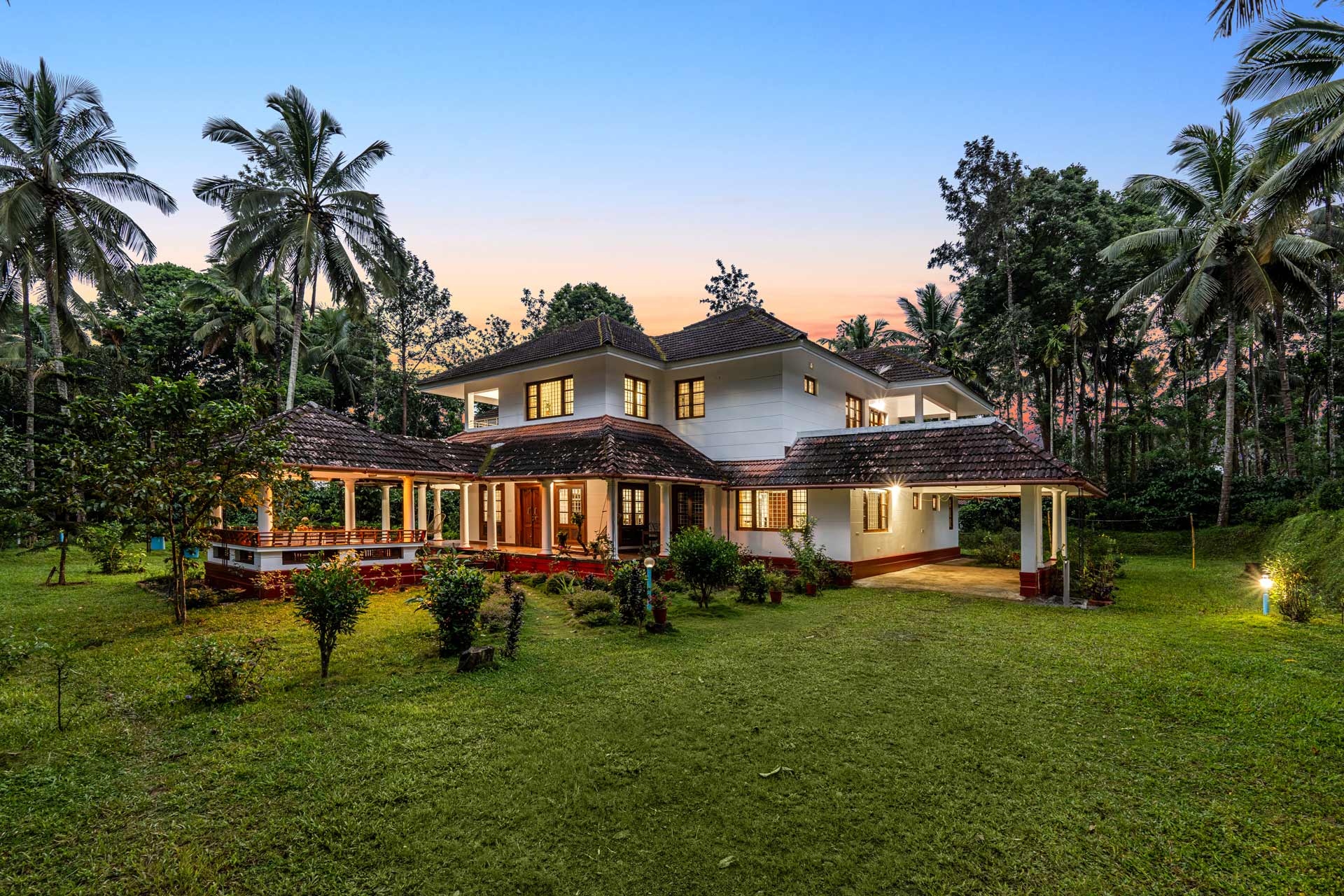
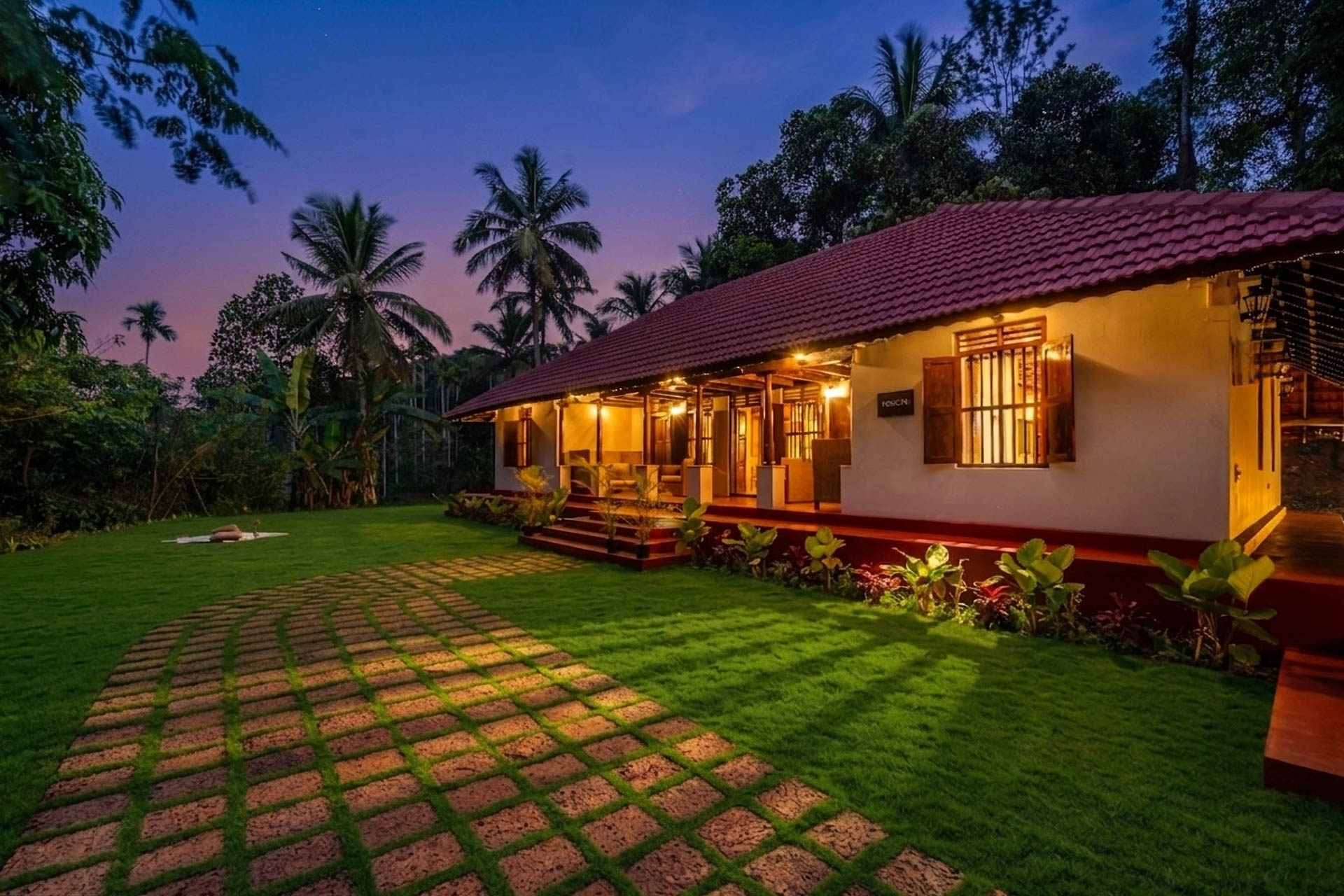
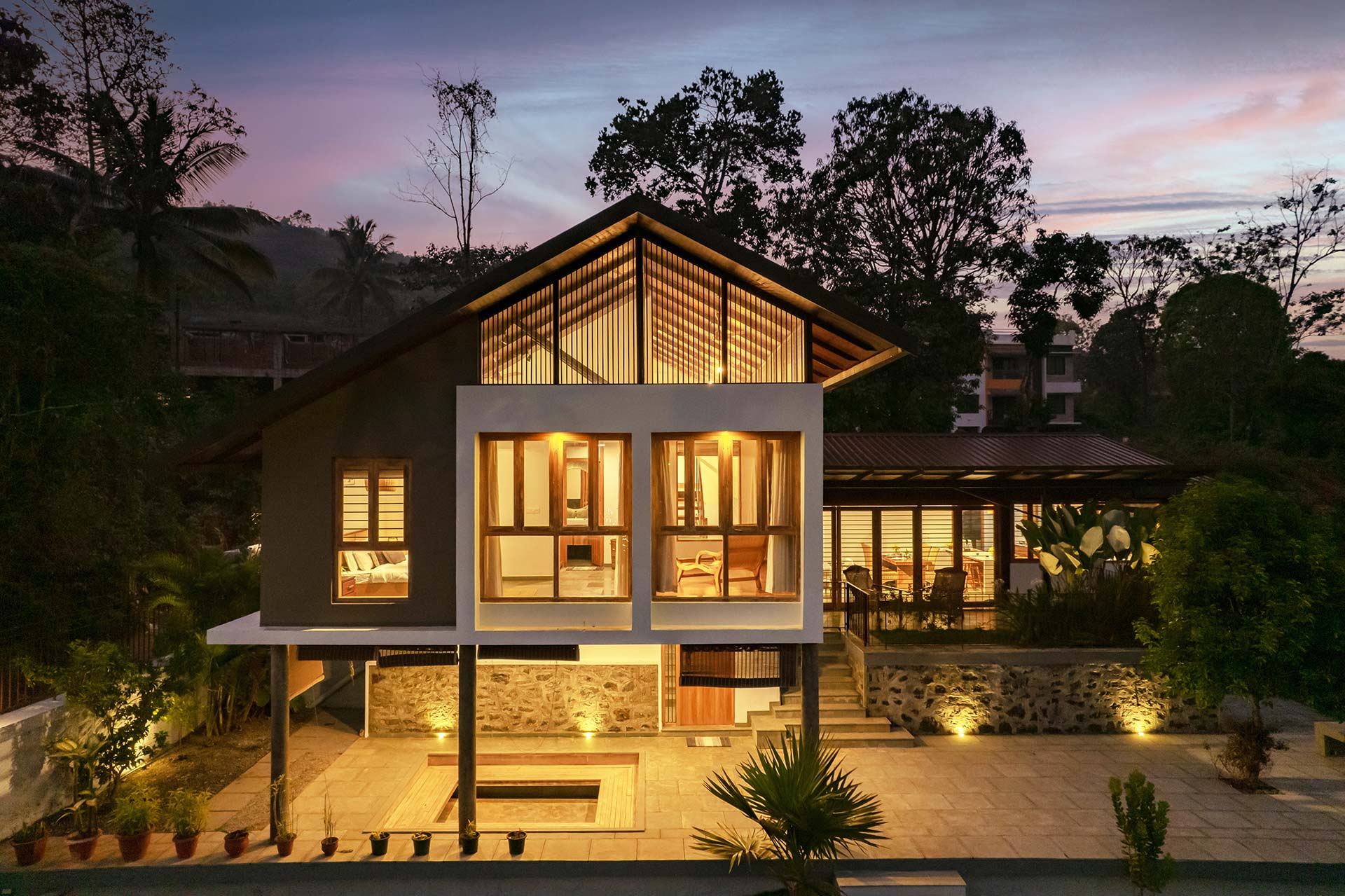
Choosing safe places to stay in Wayanad during monsoon is important.
Visitors should prioritise established hotels, resorts and homestays located in recognised tourism zones. Properties with proper road access and updated safety measures are generally preferred.
A villa in Wayanad can be an excellent choice for families and groups seeking privacy and comfort during a monsoon holiday.
Many accommodation providers also offer valley-facing rooms that allow visitors to enjoy Wayanad’s rainy-season atmosphere without travelling far each day.
Best Stay’s In Wayanad
Wayanad vs Munnar in Monsoon: Which Is Better?
| Factor | 🟦 Wayanad | 🟦 Munnar |
| Best for | Waterfalls, caves, wildlife | Tea estates, higher-altitude viewpoints |
| Waterfalls | ⭐⭐⭐⭐⭐ (Multiple major falls) | ⭐⭐⭐ |
| Atmosphere | Forests + caves + diverse attractions | Tea gardens + mountain roads |
| Temperature | 18–26°C | Often cooler (higher altitude) |
| Choose if… | Want waterfalls + varied attractions | Prefer tea regions + cooler climate |
Conclusion: Why Wayanad in Monsoon Remains a Favourite in 2026
Wayanad in monsoon continues to attract visitors because it combines powerful waterfalls, scenic mountain viewpoints, rich history and comfortable weather within a single destination. From Soochipara Falls and Meenmutty Falls to Chembra Peak and Edakkal Caves, every attraction showcases a different side of the district.
For anyone searching for the best monsoon destination in Kerala for waterfalls, Wayanad deserves serious consideration. The rainy season enhances nearly every attraction, creating memorable experiences for families, couples and nature enthusiasts alike.
FAQs
Yes, Wayanad remains a popular monsoon destination. Visitors should follow local advisories, weather updates and official travel guidance while planning their trip.
Tourists should follow current government advisories and avoid restricted areas. Most tourism activities continue normally in approved zones.
Visitors should avoid any locations specifically restricted by local authorities and always verify the latest updates before travelling.
Early morning and shortly after moderate rainfall usually provide the best waterfall views and photography conditions.
Opening status can vary depending on weather and safety conditions. Visitors should check the latest local updates before visiting.
Soochipara Falls, Banasura Sagar Dam, Chembra Peak, Edakkal Caves and Pookode Lake are among the most popular places to visit in Wayanad
Temperatures generally range from 18°C to 26°C with frequent rainfall and pleasant conditions.
The district features several major waterfalls that become especially impressive during the rainy season, making it a favourite destination for monsoon travel.