
Wayanad to Coorg Distance: 130 km, 3 Hours & Which Is Better in Monsoon (2026)
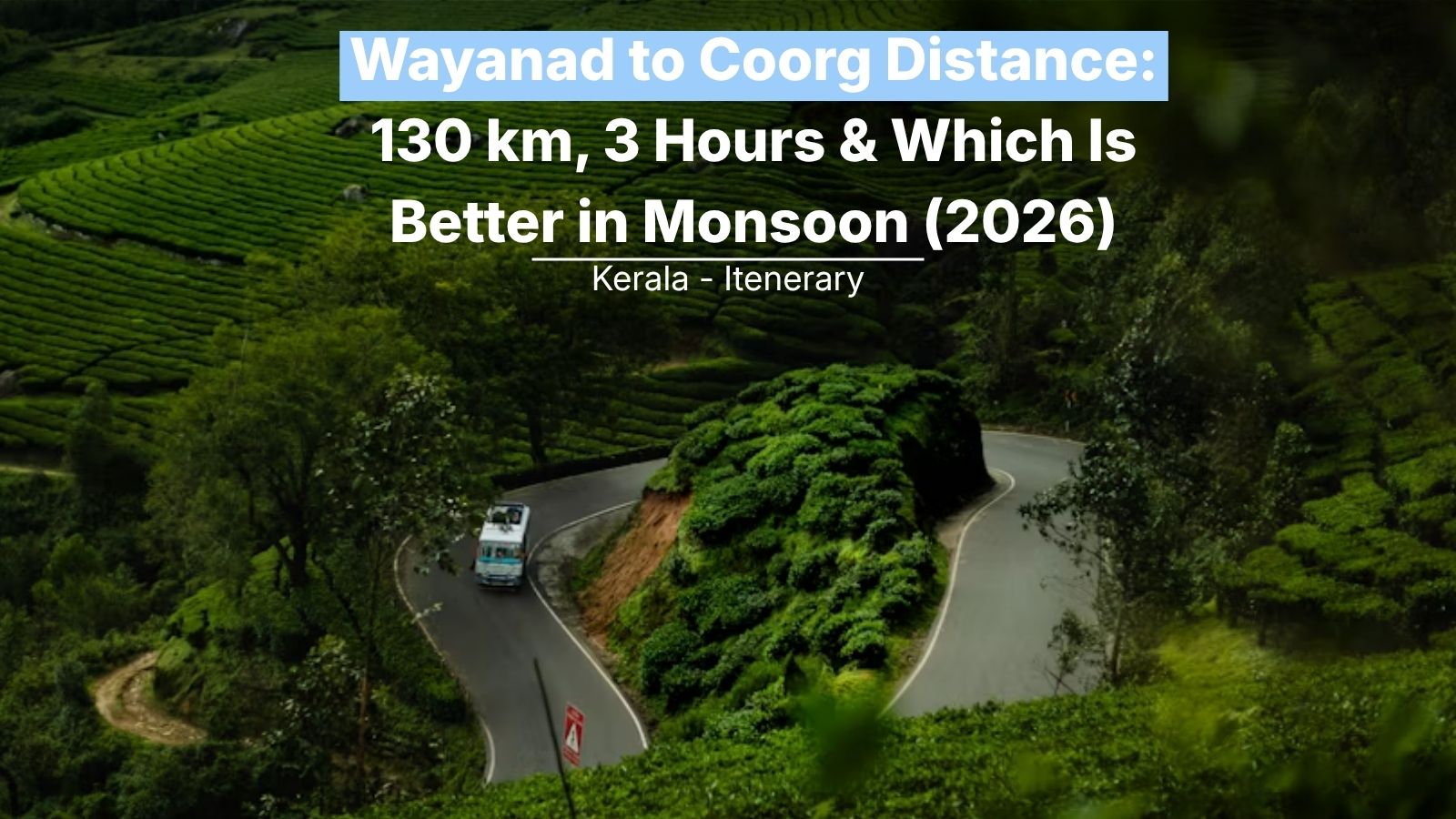
Many holidays begin with one difficult question: should the journey include Wayanad, Coorg, or both? These neighbouring hill regions sit on either side of the Kerala and Karnataka border and are connected by a scenic drive of about three hours. Although they share coffee estates, forests, and waterfalls, each has its own personality that becomes even more noticeable during the rainy season.
Rather than choosing based on popularity alone, it helps to understand what makes each destination special. Some visitors enjoy Wayanad’s caves, lakes and wildlife, while others prefer Coorg’s coffee plantations, viewpoints and Kodava culture. Visiting both on the same trip is also easy because the drive between them is short and enjoyable.
The Wayanad to Coorg distance is around 130 to 135 km, and the drive takes about 3 hours via Mananthavady, Kutta, and Virajpet. For a Wayanad vs Coorg monsoon trip, Wayanad has larger waterfalls and richer forests, while Coorg is ideal for coffee estates, scenic drives, and comfortable plantation stays.
In this Blog
Why the Wayanad to Coorg Distance Makes a Perfect Road Trip
Unlike long road journeys that take an entire day, travelling between Wayanad and Coorg feels relaxed. The route crosses state borders without major highway congestion and passes through forests, spice farms, and quiet villages.
The changing scenery is one reason many visitors choose to combine both places in one holiday. Coffee plants slowly replace pepper vines, and Kerala-style houses gradually give way to traditional Kodava homes.
The journey itself becomes one of the highlights instead of simply connecting two destinations.
The Wayand to Coorg Distance, Route and Drive Time
The usual route is:
Kalpetta → Mananthavady → Kutta → Virajpet → Madikeri
Approximate details:
| Route | Distance | Drive Time |
| Kalpetta to Madikeri | 130-135 km | Around 3 hours |
| Mananthavady to Madikeri | About 95 km | Around 2 hours |
This route is preferred because it avoids the Bandipur night restriction and provides a pleasant drive through forest roads and coffee-growing regions.
Understanding Wayand in Monsoon
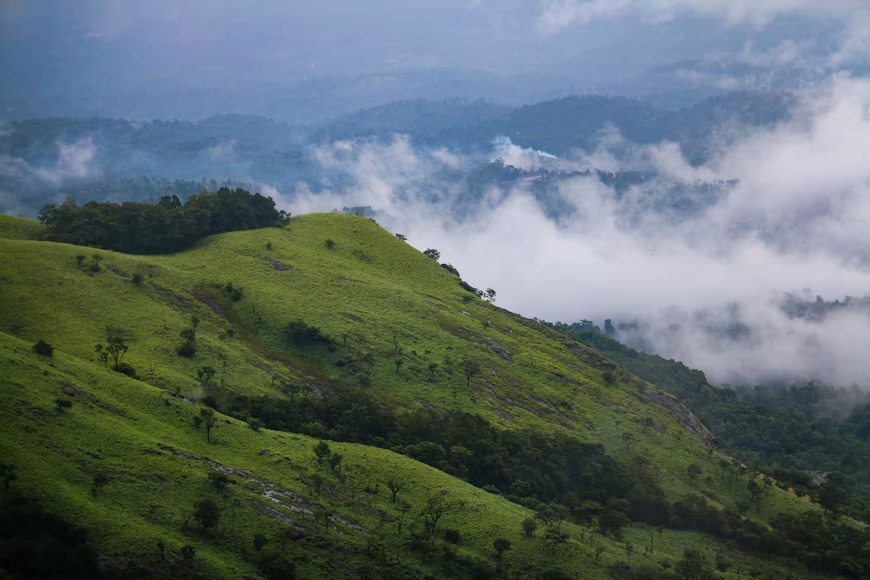
For visitors who enjoy waterfalls, forests and cool weather, Wayand in monsoon feels lively throughout the rainy season.
Rainfall fills waterfalls such as Soochipara and Meenmutty, while Pookode Lake becomes even more beautiful after fresh showers. Coffee plantations remain green throughout the season, and early mornings often begin with low clouds covering the hills.
An interesting fact many visitors miss is that Wayanad’s fertile volcanic soil has supported pepper cultivation for centuries, making the district one of Kerala’s traditional spice-growing regions.
Heavy rainfall can occasionally affect certain roads, so visitors should always check local advisories before travelling during periods of heavy rain.
Experiencing Coorg in Monsoon
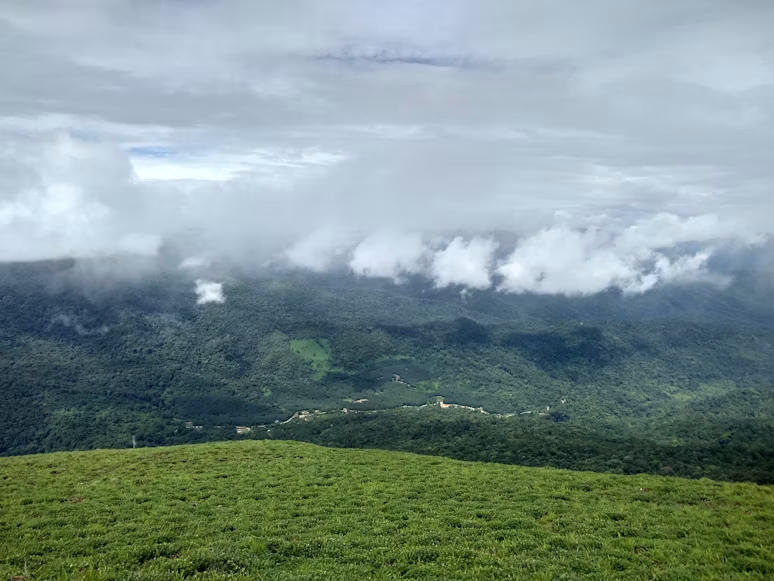
Coorg in monsoon has a different atmosphere.
Instead of dramatic waterfalls at every turn, Coorg becomes known for endless coffee estates, flowing streams and quiet village roads. Rain adds freshness to the plantations, while many estate stays become especially pleasant during this season.
Visitors often enjoy simply sitting on verandas with fresh Kodagu coffee while watching showers pass across the hills.
Abbey Falls, Raja’s Seat, and the Dubare surroundings become particularly attractive after regular rainfall.
Choosing Wayanad or Coorg for Families
Families travelling with children usually enjoy both destinations.
Wayanad provides lakes, wildlife parks, and caves that keep children interested throughout the holiday.
Coorg offers shorter driving distances between attractions, making sightseeing more comfortable for families travelling with elderly members.
Comfortable estate stays are another advantage in Coorg.
Choosing Wayanad or Coorg for Couples
Couples looking for quiet surroundings often enjoy Coorg’s coffee plantations and private estate accommodation.
Those who enjoy sightseeing together generally appreciate Wayanad because attractions are more varied, including caves, waterfalls, lakes, and wildlife sanctuaries.
Neither destination feels repetitive, even during longer stays.
Which Destination Receives Better Monsoon Weather?
Rainfall is common in both places, but Wayanad generally experiences heavier showers than Coorg.
Coorg also receives substantial rain, although visitors often find travelling between attractions slightly easier because several major roads remain in good condition despite wet weather. Careful driving is still recommended across Kodagu district during prolonged rainfall.
Things to Do in Wayanad
There is no shortage of experiences for visitors spending two or three days in Wayanad. Edakkal Caves remain one of the biggest attractions because of their prehistoric rock carvings, some believed to be thousands of years old. Pookode Lake provides boating in peaceful surroundings, while Banasura Sagar Dam becomes especially attractive during the rainy season.
Nature lovers often include Soochipara Falls and Meenmutty Falls in their itinerary, although access may occasionally be regulated during periods of very heavy rainfall for visitor safety. Local authorities sometimes introduce temporary restrictions in vulnerable areas during intense monsoon spells.
Another interesting experience is a guided spice plantation walk. Many farms grow pepper, cardamom, vanilla, and coffee together, allowing visitors to understand why Wayanad has long been one of Kerala’s important spice-producing regions.
Things to Do in Coorg
For visitors choosing Coorg in the monsoon, coffee remains at the heart of almost every experience.
A plantation walk explains how coffee cherries are harvested, processed and roasted before becoming the familiar cup served across India. Many estates also grow pepper vines alongside coffee plants, creating a unique farming system.
Abbey Falls becomes particularly impressive after regular rainfall, while Raja’s Seat provides panoramic views over Kodagu’s hills. Dubare Elephant Camp, Nisargadhama and Talacauvery are also popular stops during longer holidays.
Local Kodava cuisine is another highlight. Traditional dishes prepared with locally grown spices give visitors a taste that differs noticeably from neighbouring Kerala.
Accommodations in Wayanad
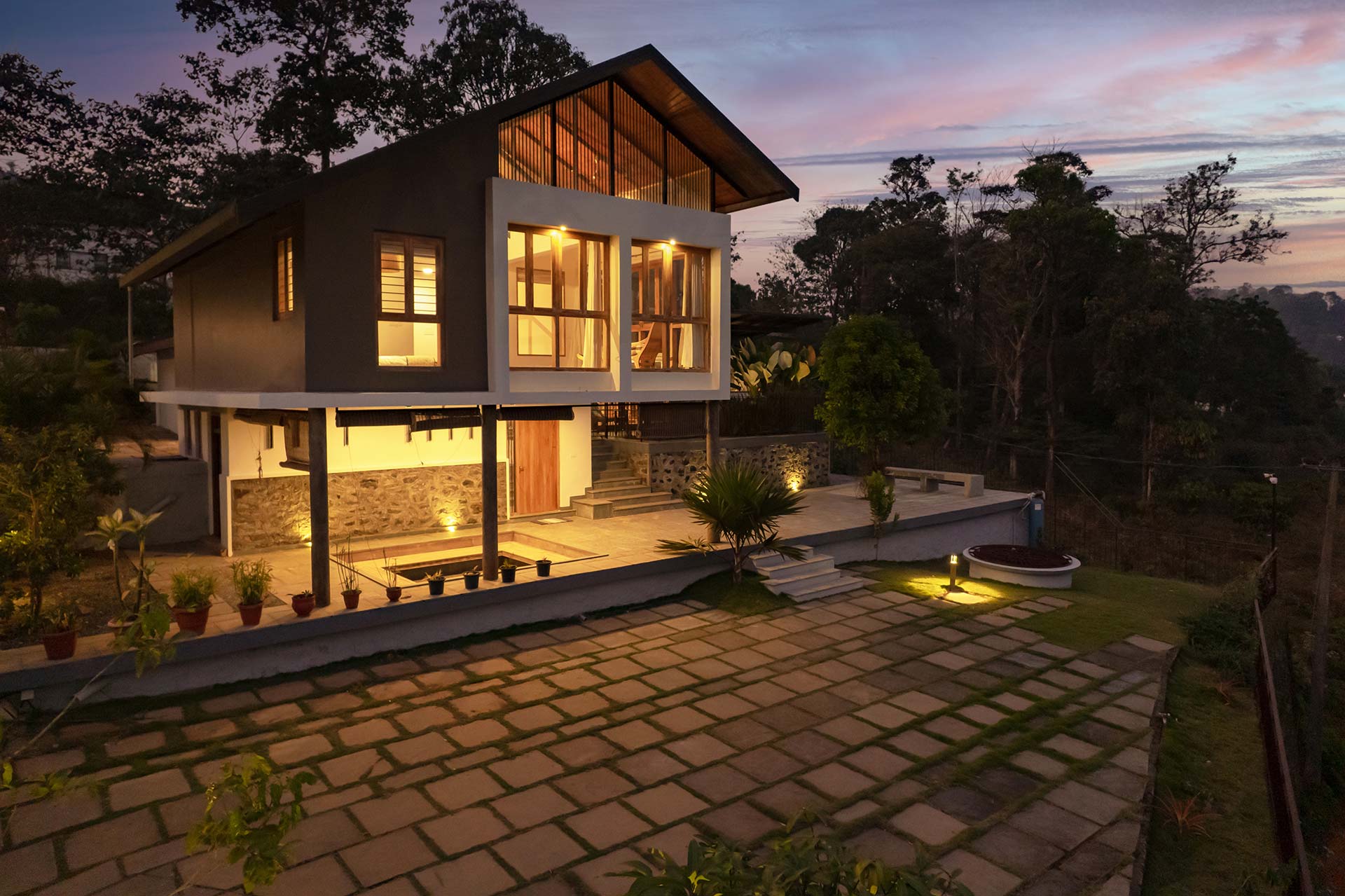
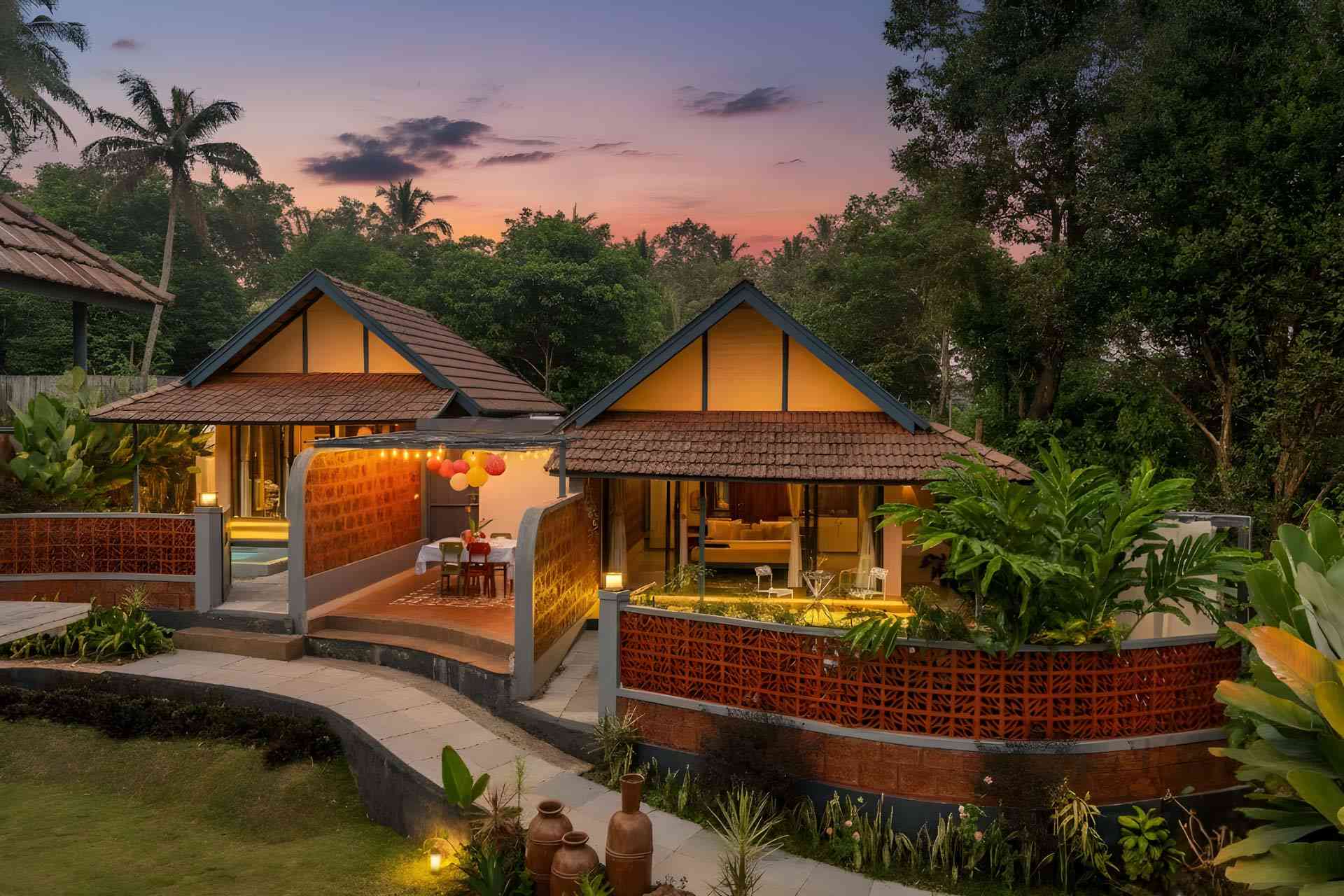
Choosing a villa in Wayanad suits families, groups and visitors looking for privacy.
Many plantation villas are surrounded by coffee and pepper farms, allowing guests to wake up to birdsong instead of traffic. Several properties also organise guided plantation walks and local cooking sessions, making the stay more memorable than simply booking a hotel room.
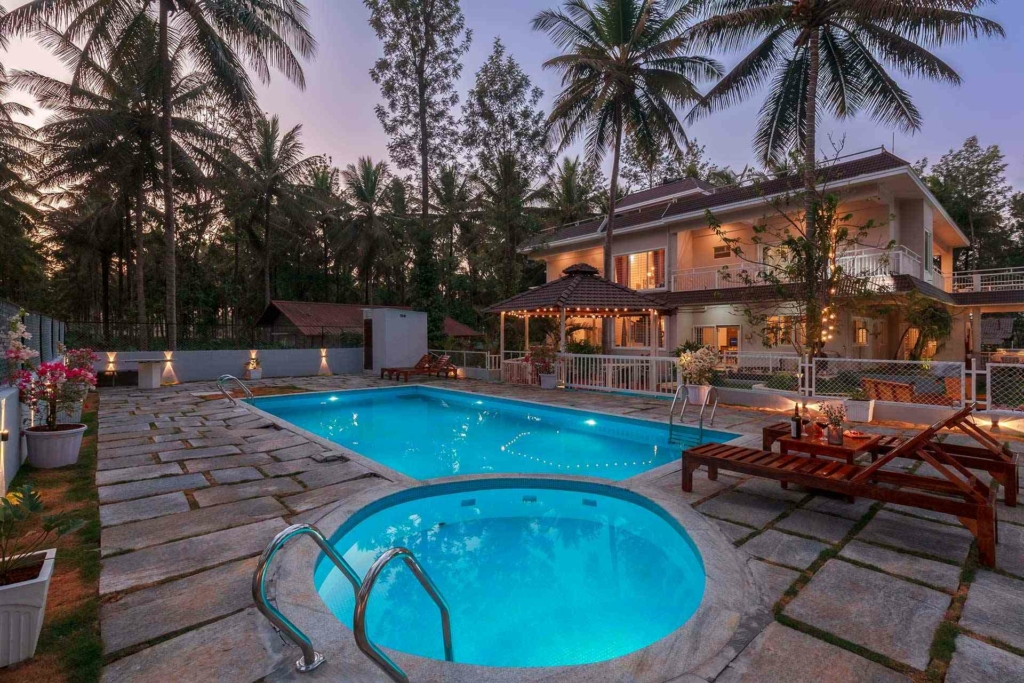
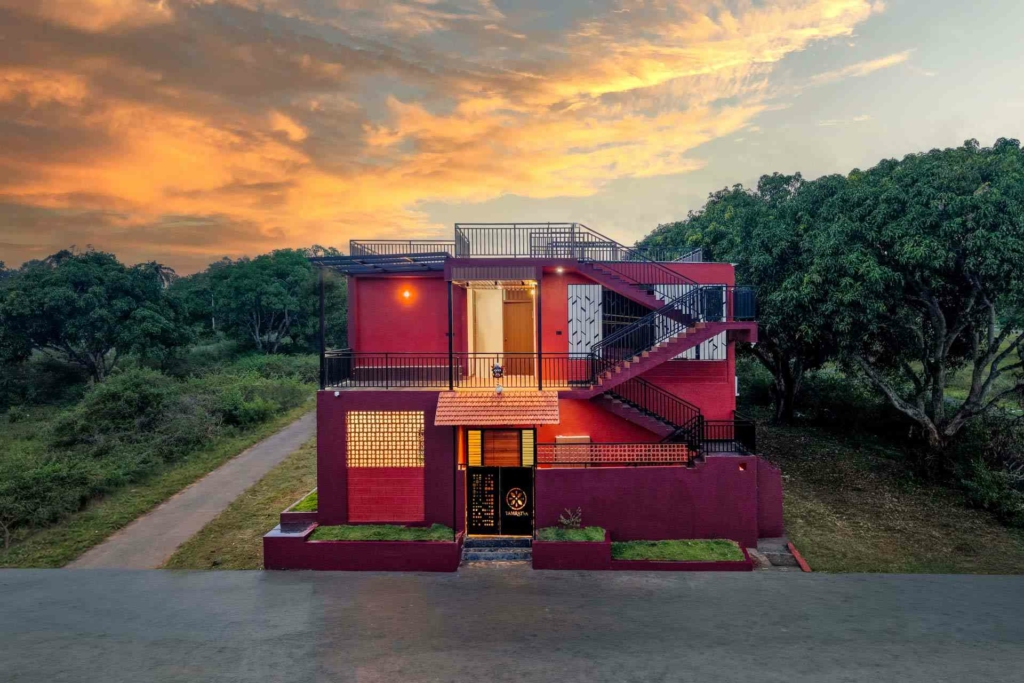
A villa in Coorg is one of the most popular accommodation choices during the rainy season.
Estate villas often include large gardens, fireplaces, balconies overlooking coffee plantations, and homemade Kodava meals. Couples usually appreciate the quiet surroundings, while families benefit from larger living spaces.
The Complete Wayanad vs Coorg for a Monsoon Trip Comparison
Choosing between these destinations depends entirely on the holiday style.
| Feature | Wayanad | Coorg |
| Waterfalls | More numerous | Fewer but scenic |
| Coffee plantations | Yes | Larger plantation experience |
| Wildlife | Excellent | Good |
| Road trip experience | Forest roads | Plantation roads |
| Families | Excellent | Excellent |
| Couples | Very good | Excellent |
| Heritage | Moderate | Strong Kodava culture |
| Relaxation | Good | Excellent |
For visitors wanting varied sightseeing every day, Wayanad vs Coorg for a monsoon trip usually favours Wayanad.
For visitors wanting slower holidays with comfortable plantation stays and coffee experiences, Coorg often becomes the preferred choice.
Suggested Three-Day Itinerary
Day 1
Arrive in Wayanad, visit Edakkal Caves, Pookode Lake, and enjoy a plantation walk.
Day 2
Drive the Wayand to Coorg distance through Mananthavady, Kutta, and Virajpet before checking into a plantation stay. Visit Abbey Falls in the evening.
Day 3
Spend the day visiting Raja’s Seat, Dubare Elephant Camp, and local coffee estates before returning home.
Travel Tips for the Monsoon
Driving between Wayanad and Coorg is generally comfortable, but visitors should begin journeys during daylight hours.
Carry rain protection, waterproof footwear, and keep fuel levels adequate before entering quieter stretches.
Since heavy rainfall can occasionally lead to temporary road diversions or local restrictions in parts of the Western Ghats, checking official weather and road advisories before departure is always recommended.
Which Destination Should Visitors Choose?
If waterfalls, caves, and wildlife are the priority, Wayand in monsoon provides a slightly more varied sightseeing experience.
If the plantation stays, coffee culture and relaxed holidays sound more appealing. Coorg in the monsoon becomes an excellent choice.
Fortunately, the short Wayand to Coorg distance means visitors do not necessarily have to choose one over the other. Combining both creates a balanced holiday that includes forests, coffee estates, waterfalls, local food, and beautiful drives within just a few days.
Conclusion
The Wayand to Coorg distance is short enough to make both destinations part of a single holiday, yet each feels completely different. Wayanad welcomes visitors with waterfalls, wildlife and ancient caves, while Coorg impresses with plantation stays, Kodava traditions and peaceful coffee estates.
Rather than asking Wayand or Coorg, many visitors now include both on the same itinerary. The drive between them is enjoyable, the scenery changes throughout the journey, and together they create one of the finest monsoon holidays in southern India. With sensible planning and attention to local weather updates, this route remains an excellent choice during the rainy season.
FAQs
Both are excellent. Wayanad is better for waterfalls and wildlife, while Coorg is ideal for coffee estates and plantation stays.
The distance is approximately 130 to 135 km, and most visitors complete the drive in about 3 hours.
Yes. The waterfalls, forests, lakes and spice plantations become especially attractive during the rainy season, although visitors should monitor local weather updates.
Yes. Plantation stays, scenic drives and comfortable accommodation make it an excellent family destination.
Couples generally prefer Coorg for its estate stays and peaceful atmosphere, while Wayanad suits couples looking for more sightseeing.
Four to five days are ideal for covering the main attractions in Wayanad and Coorg without rushing.
Yes. The Kalpetta-Mananthavady-Kutta-Virajpet-Madikeri route is generally in good condition, though travellers should expect slower driving during heavy monsoon rain and follow local advisories.
Absolutely. Their close distance allows visitors to enjoy waterfalls, coffee estates, wildlife, plantation walks and local culture in one well-planned trip.