
25 Coldest Hill Stations in India for 2026–27: Temperatures, Best Time & Travel Guide
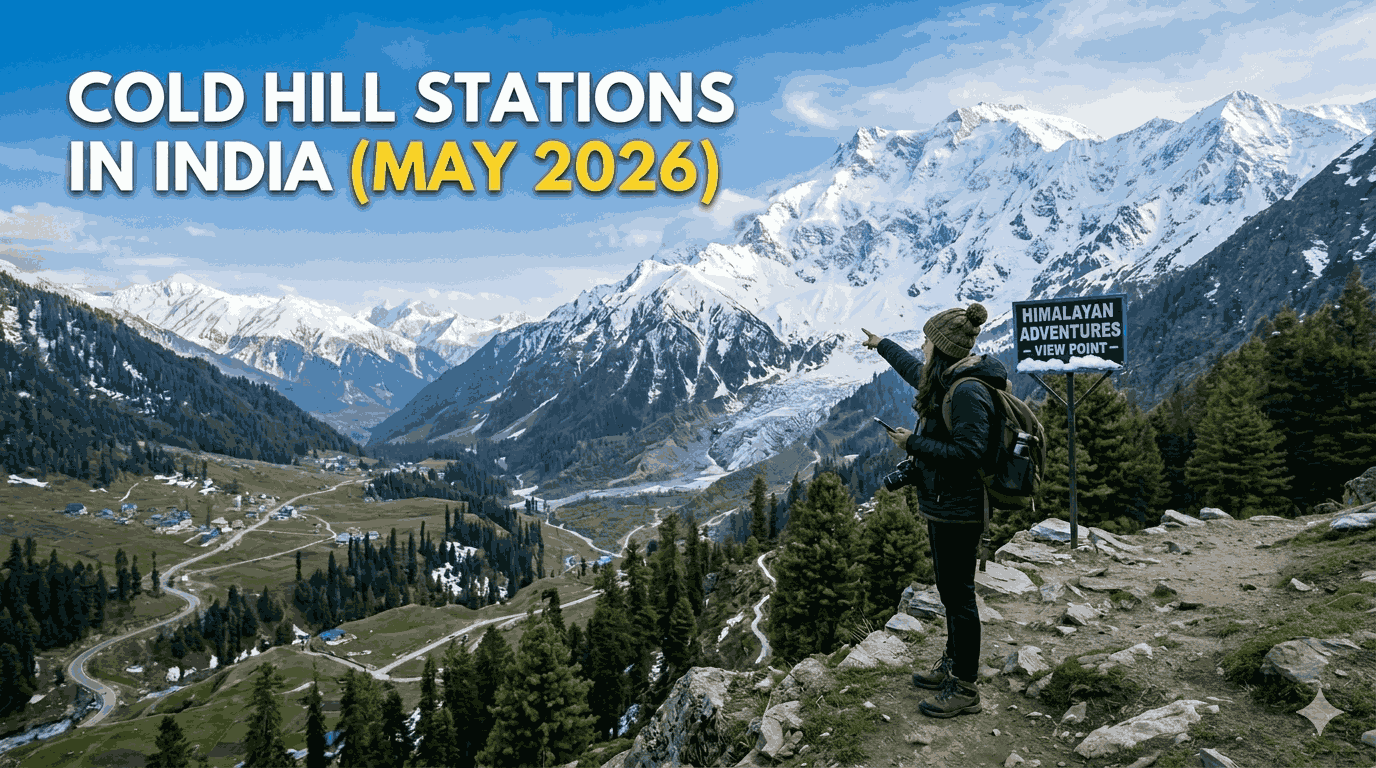
If you are looking to escape India’s summer heat, the coldest hill stations offer everything from snow-covered Himalayan landscapes to misty tea estates and cool forested escapes. For 2026–27, Leh, Auli, Gulmarg, Tawang, Dalhousie and other high-altitude destinations remain the strongest choices for genuinely cold weather, while Shimla, Manali, Ooty and Kodaikanal offer more comfortable cool-weather holidays.
Quick answer: The coldest hill stations in India are concentrated in the Himalayas, where high altitude keeps temperatures low even during summer. For the strongest cold-weather experience, choose Leh, Auli, Gulmarg, Tawang, Spiti Valley, Pahalgam or Munsiyari. For a more accessible cool-weather holiday, Shimla, Manali, Darjeeling, Ooty, Nainital and Mussoorie are better suited.
Planning note: Temperatures below are indicative seasonal ranges, not guaranteed daily forecasts. Mountain weather can change quickly, and conditions vary significantly with altitude and location within a destination. Attraction fees and timings can also change, so check the official attraction or tourism authority before travelling.
In this Blog
Coldest Hill Stations in India at a Glance
Data sourced from IMD historical averages. Sort by column header. Shade indicates temperature category.
The 25 Coldest Hill Stations in India (Below 22°C)
These stations offer the most significant relief from summer heat, with nighttime temperatures sometimes requiring a jacket.
| Hill station | State/region | Typical cool-season experience | Best for | Ideal stay |
| Leh | Ladakh | Very cold nights; crisp days | Adventure, high-altitude travel | 4–6 nights |
| Auli | Uttarakhand | Cold, snowy winters | Snow, skiing, couples | 2–3 nights |
| Gulmarg | Jammu & Kashmir | Sub-zero winter conditions | Snow, skiing, families | 2–3 nights |
| Tawang | Arunachal Pradesh | Cold mountain climate | Culture, road trips | 3–4 nights |
| Dalhousie | Himachal Pradesh | Cold winters, cool summers | Families, couples | 2–3 nights |
| Manali | Himachal Pradesh | Cold winters, pleasant summers | Adventure, families | 3–4 nights |
| Shimla | Himachal Pradesh | Cold winters, cool summers | Families, first-time hill trips | 2–4 nights |
| Darjeeling | West Bengal | Cool, misty weather | Tea, views, couples | 2–3 nights |
| Gangtok | Sikkim | Cool mountain weather | Families, culture | 3–4 nights |
| Nainital | Uttarakhand | Cold winters, pleasant summers | Families | 2–3 nights |
| Mussoorie | Uttarakhand | Cool summers, cold winters | Weekend trips | 2–3 nights |
| Dharamshala | Himachal Pradesh | Cool mountain climate | Nature, culture | 2–3 nights |
| Kalimpong | West Bengal | Mild-to-cool mountain climate | Slow travel | 2–3 nights |
| Ranikhet | Uttarakhand | Cool and quiet | Couples, families | 2–3 nights |
| Mukteshwar | Uttarakhand | Cool days, chilly nights | Nature, couples | 2–3 nights |
| Chail | Himachal Pradesh | Cooler than nearby plains | Quiet getaways | 2 nights |
| Narkanda | Himachal Pradesh | Cold winters, cool summers | Snow, apple orchards | 2 nights |
| Lansdowne | Uttarakhand | Cool forest climate | Weekend escapes | 2 nights |
| Munsiyari | Uttarakhand | Cold high-altitude climate | Trekkers, mountain lovers | 3–4 nights |
| Pahalgam | Jammu & Kashmir | Cold winters, cool summers | Snow, families | 2–3 nights |
| Sonamarg | Jammu & Kashmir | Very cold, snowy winters | Snow, adventure | 1–2 nights |
| Spiti Valley | Himachal Pradesh | Cold desert climate | Adventure, road trips | 4–6 nights |
| Ooty | Tamil Nadu | Cool year-round | Families, couples | 2–3 nights |
| Kodaikanal | Tamil Nadu | Cool, misty climate | Couples, families | 2–3 nights |
1. Leh Ladakh

At an elevation of more than 3,500 metres, Leh is one of India’s most reliable destinations for genuinely cold mountain weather. Even when the plains are experiencing summer heat, Leh’s thin, dry air produces crisp days and significantly colder nights.
The original guide identified Leh as one of the coldest destinations in May, with a broad May range of around 4–22°C. However, it is more accurate to describe Leh as one of India’s coldest popular high-altitude destinations in summer, rather than the country’s single coldest place.
What to do in Leh
- Visit Leh Palace and Shanti Stupa
- Take a day trip to Pangong Lake
- Explore Nubra Valley
- Visit Thiksey and Hemis monasteries
- Walk through Leh Market
- Take a scenic drive towards Khardung La, subject to road and permit conditions
Practical details
Entry fee: No entry fee to enter Leh; individual attractions charge separately.
Timings: Destination accessible throughout the day; attraction timings vary.
How to reach: Fly directly to Kushok Bakula Rimpochee Airport in Leh, or arrive by road from Srinagar/Manali when routes are open.
Time needed: 4–6 nights, including acclimatisation.
Best time to visit 2026–27: May to September for general sightseeing; December to February for a true winter experience, subject to weather and road conditions.
Who it suits: Adventure travellers, photographers, couples and experienced mountain travellers.
Important: Plan at least 48 hours of acclimatisation before strenuous activities. High altitude is a bigger consideration here than temperature.
The best escapes:

2. Auli

Auli is one of India’s best-known snow destinations and one of the strongest choices if your definition of a cold hill station includes skiing. At around 2,800 metres, its open slopes and surrounding oak and conifer forests create a distinctly alpine environment.
Uttarakhand Tourism describes Auli as a year-round destination, with January–March particularly suited to skiing and October–March ideal for winter-oriented travel.
What to do in Auli
- Ski during the winter season
- Ride the Auli–Joshimath ropeway
- Trek to Gorson Bugyal
- Visit Chattrakund
- Enjoy Nanda Devi and Himalayan views
- Take day trips towards Badrinath when accessible
Practical details
Entry fee: No general entry fee for Auli; ropeway, skiing and activity charges apply separately.
Timings: Outdoor sightseeing is generally daylight-dependent; ropeway operations vary with weather and season.
How to reach: Fly to Jolly Grant Airport near Dehradun and continue by road; Joshimath is the main gateway.
Time needed: 2–3 nights.
Best time to visit 2026–27: January–March for snow and skiing; October–December for cold-weather mountain scenery.
Who it suits: Snow lovers, couples, families and adventure travellers.
Travel tip: Winter road conditions can affect access. Keep buffer time if travelling during periods of heavy snowfall.
3. Dalhousie

Dalhousie is a classic Himalayan hill station with pine forests, colonial architecture and access to the Khajjiar region. It is cooler and quieter than many of Himachal’s more heavily visited destinations.
What to do in Dalhousie
- Explore Mall Road
- Visit Khajjiar
- Walk through Kalatop Wildlife Sanctuary
- See St John’s Church
- Take forest walks
- Drive to Dainkund Peak
Practical details
Entry fee: No general entry fee; attractions and protected areas may have separate charges.
Timings: Town and outdoor viewpoints are accessible during daylight; attraction timings vary.
How to reach: Pathankot is the closest major railhead and airport; continue by road.
Time needed: 2–3 nights.
Best time to visit 2026–27: March–June for cool-weather holidays; December–February for winter and possible snow.
Who it suits: Families, couples, first-time hill travellers and slow travellers.
4. Tawang

Tawang combines cold mountain weather with one of India’s most distinctive cultural landscapes. Located at roughly 10,000 feet, it is home to the historic Tawang Monastery and sits close to high-altitude passes and lakes.
What to do in Tawang
- Visit Tawang Monastery
- Drive to Sela Pass
- Visit Bum La Pass, subject to permits and weather
- Explore Madhuri Lake
- Visit Urgelling Monastery
- Explore local markets and Buddhist monasteries
Practical details
Entry fee: No general entry fee for Tawang; individual attractions may charge separately. Bum La has separate visitor procedures and fees.
Timings: Tawang is accessible throughout the day; Tawang Monastery currently lists 7:00 AM–7:00 PM.
How to reach: Drive from Tezpur or Guwahati; the journey is long and mountainous.
Time needed: 3–4 nights.
Best time to visit 2026–27: March–June and September–October for road travel and sightseeing; winter is colder but more weather-dependent.
Who it suits: Road-trip enthusiasts, culture seekers, photographers and experienced mountain travellers.
Permit: Indian visitors need an Inner Line Permit for Arunachal Pradesh. The Tawang district administration confirms this requirement.
5. Gulmarg
Gulmarg is among India’s best destinations for snow, skiing and genuinely cold mountain weather. Its elevation and proximity to the Pir Panjal range mean winter temperatures can fall well below freezing.
The Gulmarg Gondola remains one of the destination’s biggest attractions. The J&K Cable Car Corporation currently states that boarding begins at 8:00 AM, closes at 3:30 PM and the last return is at 5:00 PM; operations remain weather-dependent.
What to do in Gulmarg
- Ride the Gulmarg Gondola
- Ski or snowboard in winter
- Walk through Gulmarg’s meadows
- Visit St Mary’s Church
- Explore Khilanmarg
- Take scenic drives around the valley
Practical details
Entry fee: No general entry fee for Gulmarg; attractions such as the Gondola are chargeable.
Timings: Destination accessible throughout the day; Gondola timings are weather and operational-condition dependent.
How to reach: Fly to Srinagar Airport and continue by road for roughly 2 hours.
Time needed: 2–3 nights.
Best time to visit 2026–27: December–March for snow; April–June for cooler weather without peak winter conditions.
Who it suits: Snow seekers, families, couples and adventure travellers.
Tip: Check the official Gondola status before leaving for the attraction because weather and maintenance can affect operations. The corporation also notes scheduled preventive closures on the second and fourth Monday of each month.
The best escapes:
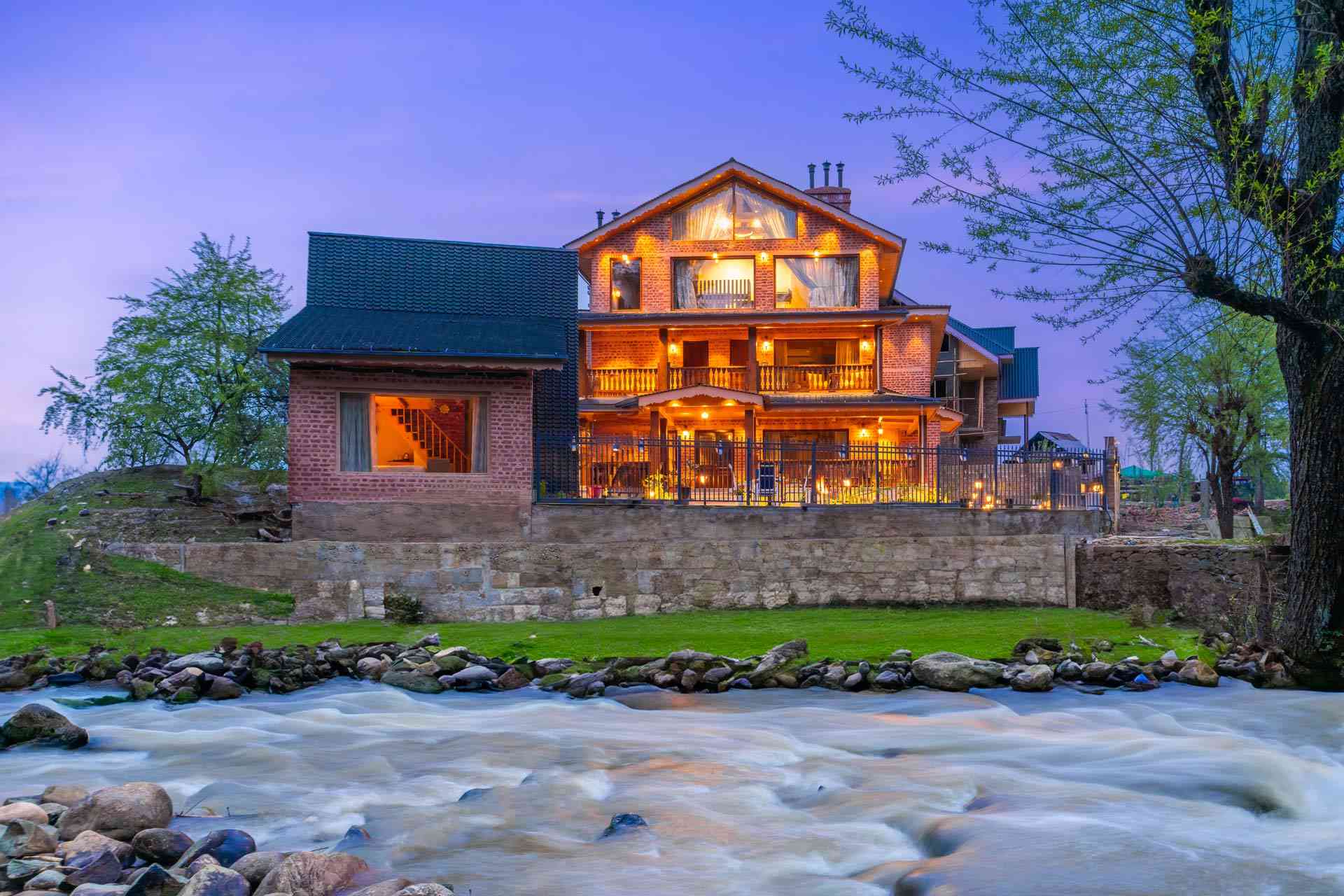
6. Manali
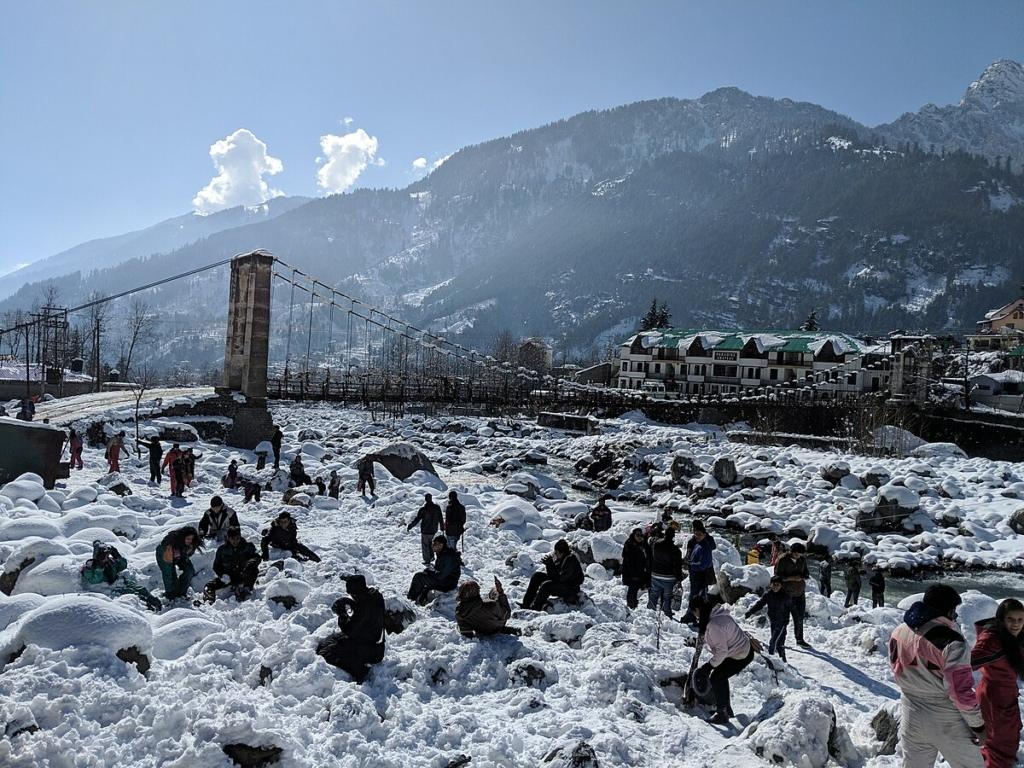
Manali is cool rather than extremely cold through much of summer, but winter transforms it into a genuine cold-weather destination. The surrounding mountains, Beas River and access to Solang Valley make it one of India’s most versatile hill stations.
What to do in Manali
- Visit Hadimba Temple
- Explore Old Manali
- Head to Solang Valley
- Visit Vashisht
- Explore Naggar
- Take a seasonal trip towards Rohtang Pass
Practical details
Entry fee: No general entry fee for Manali; individual attractions charge separately.
Timings: Outdoor attractions are generally best visited during daylight; timings vary by attraction and season.
How to reach: Fly to Bhuntar Airport and drive to Manali, or travel by road from Chandigarh.
Time needed: 3–4 nights.
Best time to visit 2026–27: May–June for cool summer weather; December–February for winter and snow, subject to conditions.
Who it suits: Families, couples, adventure travellers and groups.
StayVista’s current Manali guide recommends 2–3 nights for a monsoon stay and identifies Bhuntar as the nearest airport, around 50 km from town.
Explore StayVista villas in Manali
7. Shimla, Himachal Pradesh
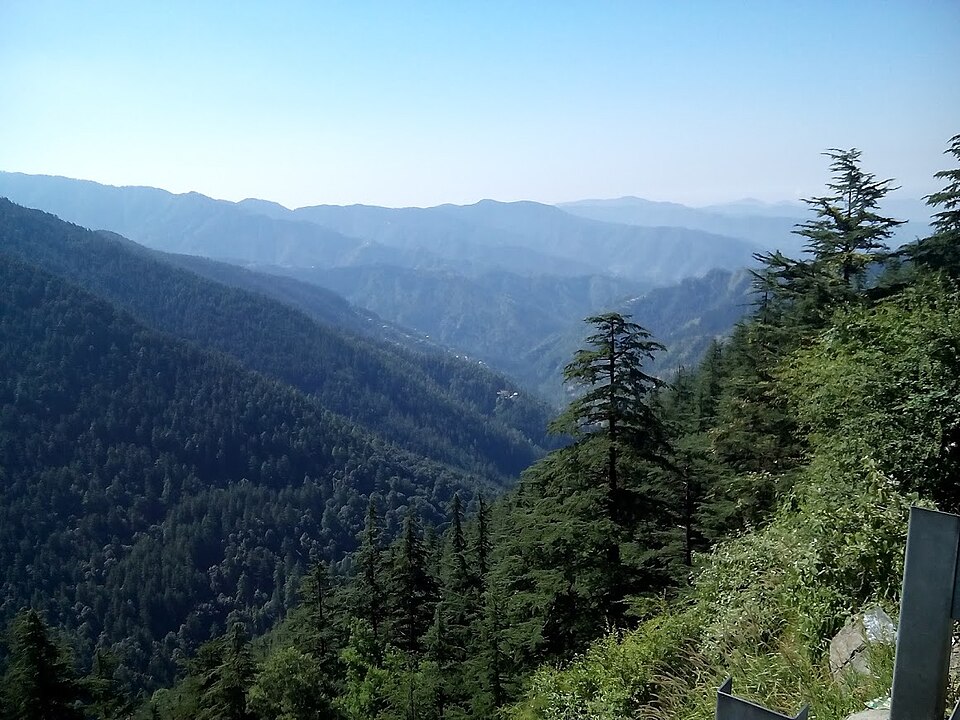
Shimla is one of India’s most accessible cold-weather hill stations. While summer temperatures are pleasant rather than freezing, winter brings a much sharper chill and occasional snowfall.
What to do in Shimla
- Walk along Mall Road
- Visit The Ridge and Christ Church
- Explore Jakhu Temple
- Take a trip to Kufri
- Visit Mashobra and Naldehra
- Ride the Kalka–Shimla heritage railway
Practical details
Entry fee: No general entry fee for Shimla; individual attractions charge separately.
Timings: Outdoor sightseeing is generally daylight-dependent; museums and attractions have individual timings.
How to reach: Fly to Shimla Airport, take the Kalka–Shimla railway, or drive from Chandigarh.
Time needed: 2–4 nights.
Best time to visit 2026–27: March–June for cool weather; October–February for cold weather and the possibility of snow.
Who it suits: Families, couples, first-time hill travellers and weekenders.
StayVista’s current destination information lists March–June and October–February as key travel windows and recommends 2–4 nights for Shimla.
Explore StayVista villas in Shimla
8. Darjeeling, West Bengal
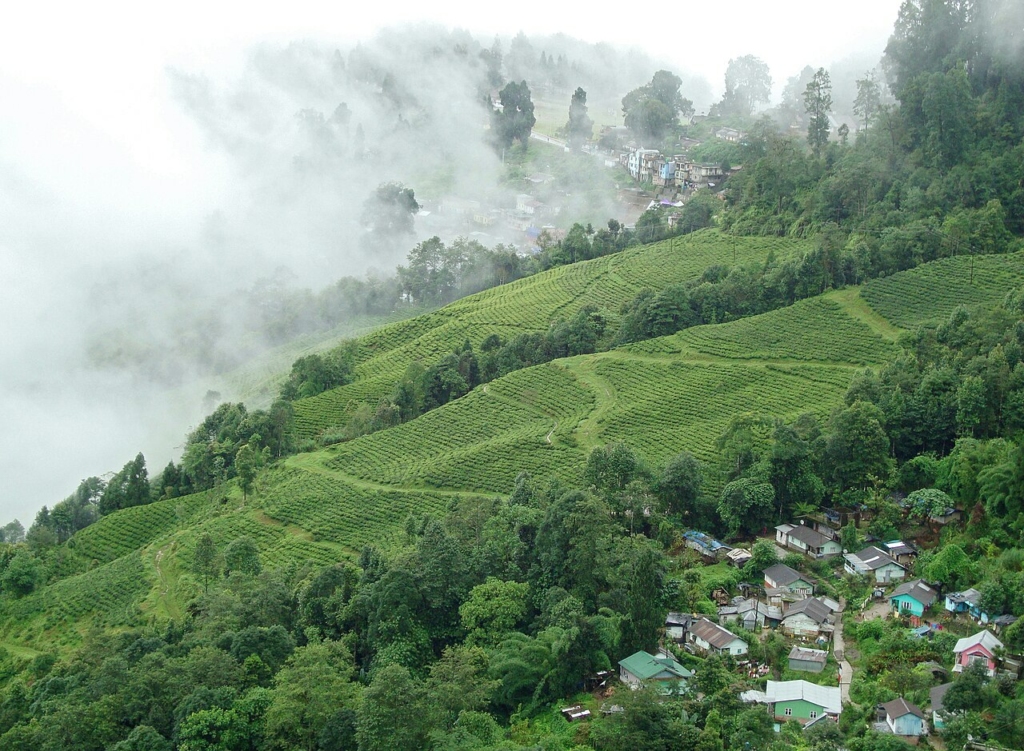
Darjeeling brings together cool mountain weather, tea estates, colonial-era architecture and views of Kanchenjunga. It is one of the best choices for travellers who want a cold hill station without going to extreme high altitude.
What to do in Darjeeling
- Ride the Darjeeling Himalayan Railway
- Watch sunrise from Tiger Hill
- Visit Batasia Loop
- Explore tea estates
- Walk around Chowrasta
- Visit monasteries
Practical details
Entry fee: No general entry fee; individual attractions and the toy train are chargeable.
Timings: Sightseeing is generally best during daylight; attraction timings vary.
How to reach: Fly to Bagdogra Airport and continue by road; New Jalpaiguri is the main railway gateway.
Time needed: 2–3 nights.
Best time to visit 2026–27: March–May and October–December.
Who it suits: Couples, families, photographers and slow travellers.
9. Gangtok, Sikkim
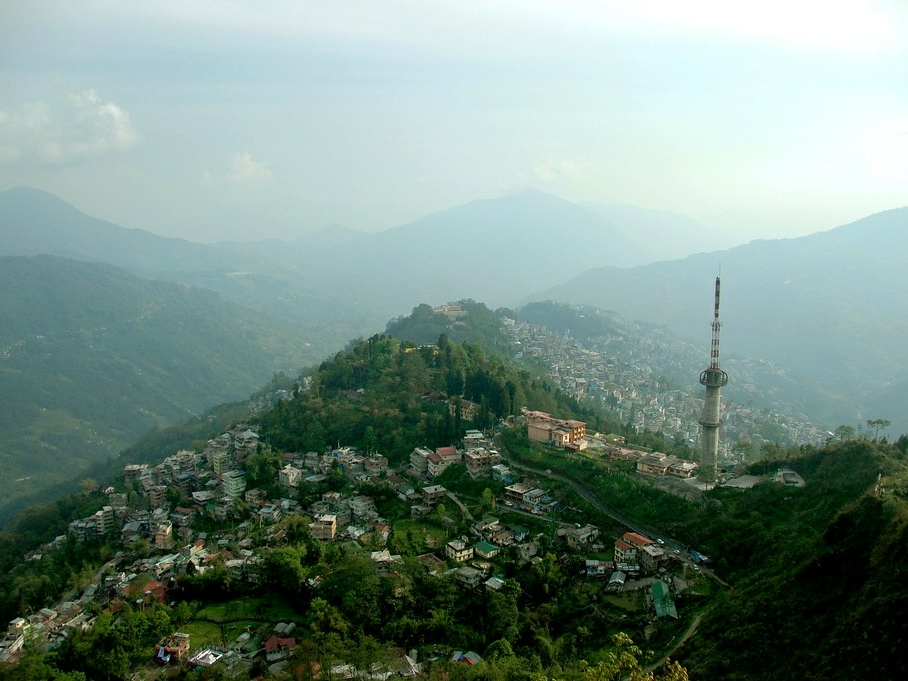
Gangtok is a strong choice for travellers who want cool weather with a mix of mountain scenery, monasteries, cafés and local culture. Its climate is milder than high-altitude Ladakh or Tawang but remains comfortably cool for much of the year.
What to do in Gangtok
- Visit Rumtek Monastery
- Explore MG Marg
- Visit Tsomgo Lake
- See Hanuman Tok
- Explore local monasteries
- Take day trips towards Nathula, subject to permits
Practical details
Entry fee: No general entry fee for Gangtok; individual attractions charge separately.
Timings: MG Marg and outdoor areas remain accessible throughout the day; attraction timings vary.
How to reach: Fly to Pakyong or Bagdogra and continue by road; New Jalpaiguri is the main rail gateway.
Time needed: 3–4 nights.
Best time to visit 2026–27: March–May and October–December.
Who it suits: Families, couples, photographers and culture seekers.
10. Nainital, Uttarakhand
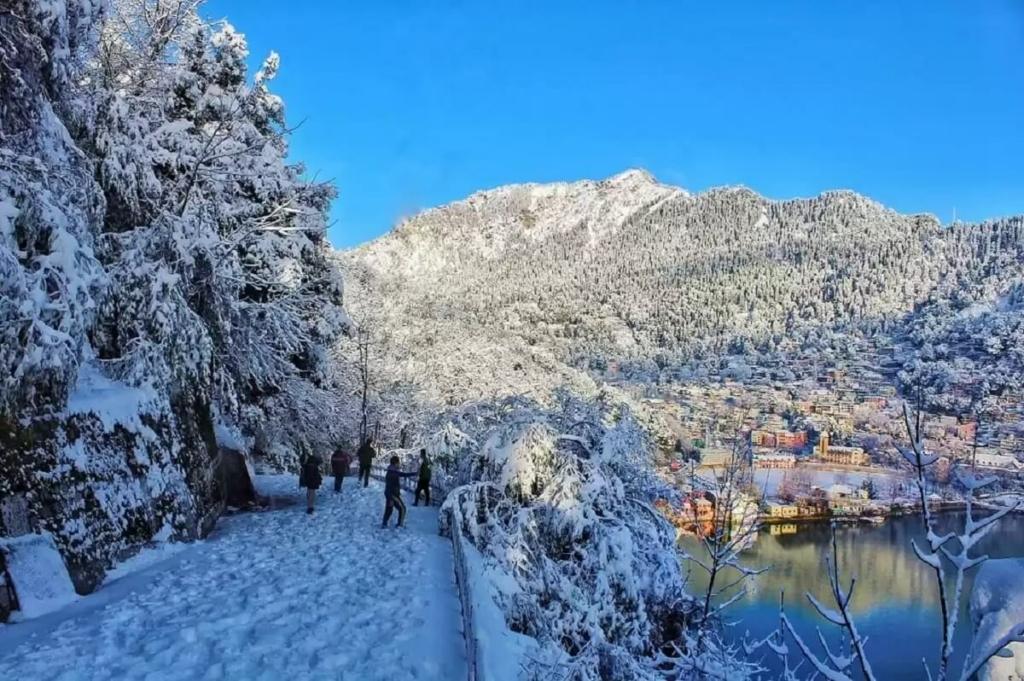
Nainital is one of the easiest cold-weather escapes from North India. Its lake, forested hills and compact town make it particularly convenient for families.
What to do in Nainital
- Boat on Naini Lake
- Visit Naina Devi Temple
- Take the cable car to Snow View
- Explore Mall Road
- Visit Eco Cave Gardens
- Drive to nearby viewpoints
Practical details
Entry fee: No general destination fee; boating, ropeway and attractions charge separately.
Timings: Outdoor sightseeing is generally daylight-dependent; individual attractions have their own timings.
How to reach: Kathgodam is the closest major railway station; Pantnagar is the nearest airport.
Time needed: 2–3 nights.
Best time to visit 2026–27: March–June for cool weather; November–February for colder conditions and possible snowfall.
Who it suits: Families, couples and first-time hill travellers.
11. Mussoorie, Uttarakhand
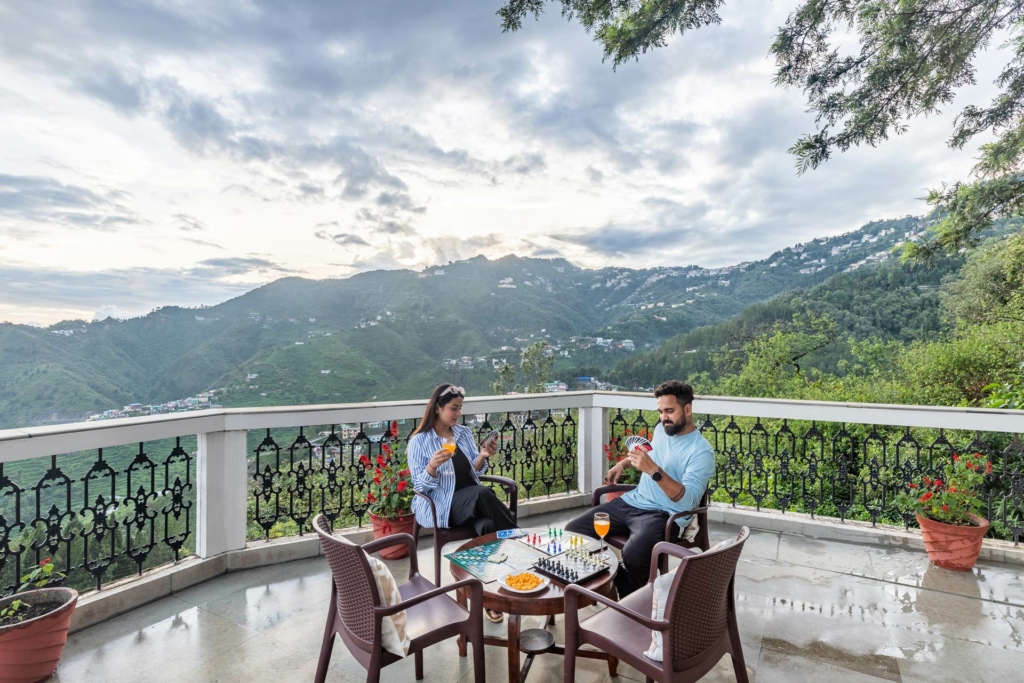
Mussoorie is one of India’s most popular summer hill stations, with a comfortable climate, colonial architecture and easy access from Dehradun. It is a good choice if you want cool weather without the logistics of a high-altitude trip.
What to do in Mussoorie
- Walk along Mall Road
- Visit Gun Hill
- See Kempty Falls
- Explore Landour
- Visit Lal Tibba
- Take forest walks
Practical details
Entry fee: No general entry fee; attractions may have separate charges.
Timings: Town areas are accessible throughout the day; individual attractions vary.
How to reach: Drive from Dehradun; Jolly Grant Airport is the nearest airport.
Time needed: 2–3 nights.
Best time to visit 2026–27: March–June for cool summer weather; October–February for colder conditions.
Who it suits: Couples, families, pet parents and weekend travellers.
StayVista’s current Mussoorie content highlights properties around Mall Road, Landour and the Dehradun hills, including pet-friendly options.
12. Dharamshala, Himachal Pradesh

Dharamshala and McLeod Ganj offer a combination of cool mountain weather, Tibetan culture, monasteries and forest trails. The higher areas around Triund become significantly colder than the lower town.
What to do
- Visit the Dalai Lama Temple complex
- Explore McLeod Ganj
- Trek towards Triund
- Visit Bhagsu Waterfall
- Explore Dharamshala Cricket Stadium
- Visit monasteries and Tibetan markets
Practical details
Entry fee: No general entry fee; individual attractions and activities may charge.
Timings: Outdoor sightseeing is generally daylight-dependent.
How to reach: Gaggal Airport is the nearest airport; Pathankot is the nearest major rail gateway.
Time needed: 2–3 nights.
Best time to visit 2026–27: March–June and September–November.
Who it suits: Couples, trekkers, culture lovers and families.
13. Kalimpong, West Bengal
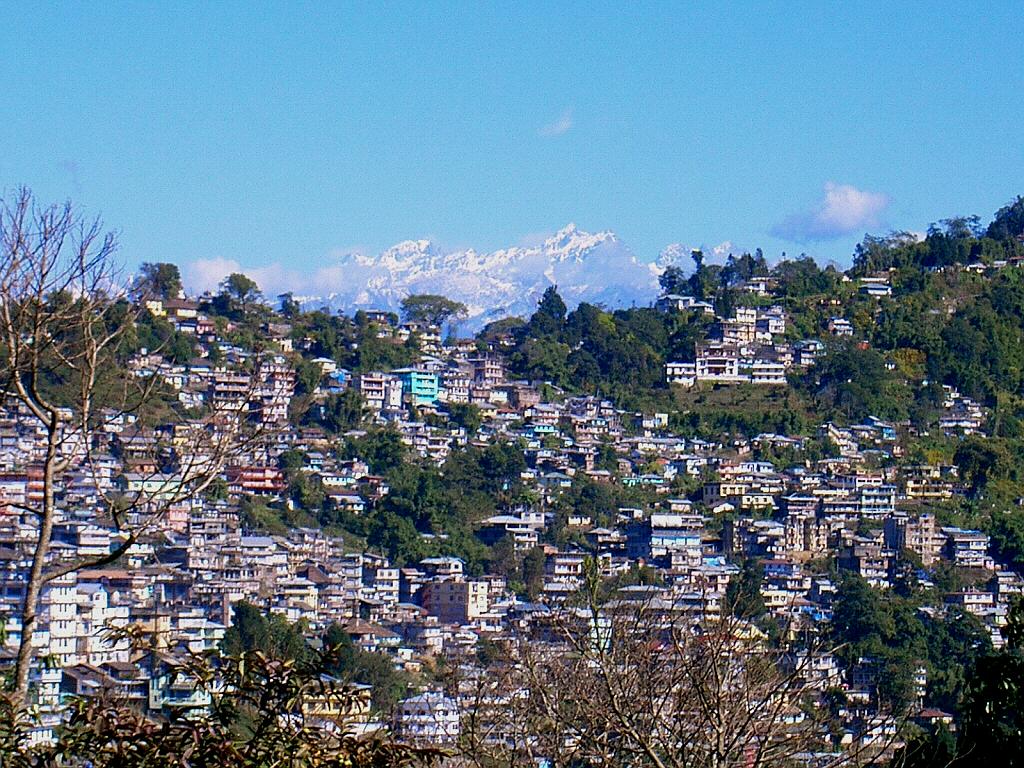
Kalimpong is quieter than Darjeeling and works particularly well for travellers who prefer slower hill holidays. Its lower elevation means it is not among India’s coldest destinations, but its mountain climate remains pleasantly cool.
What to do
- Visit Deolo Hill
- Explore Durpin Monastery
- Visit Cactus Nursery
- Walk through local markets
- Explore nearby tea estates
- Take scenic drives towards Lava and Loleygaon
Practical details
Entry fee: No general entry fee; individual attractions may charge.
Timings: Outdoor attractions are best visited during daylight.
How to reach: Bagdogra Airport and New Jalpaiguri are the main gateways.
Time needed: 2–3 nights.
Best time to visit 2026–27: March–May and October–December.
Who it suits: Couples, photographers, families and slow travellers.
14. Ranikhet, Uttarakhand
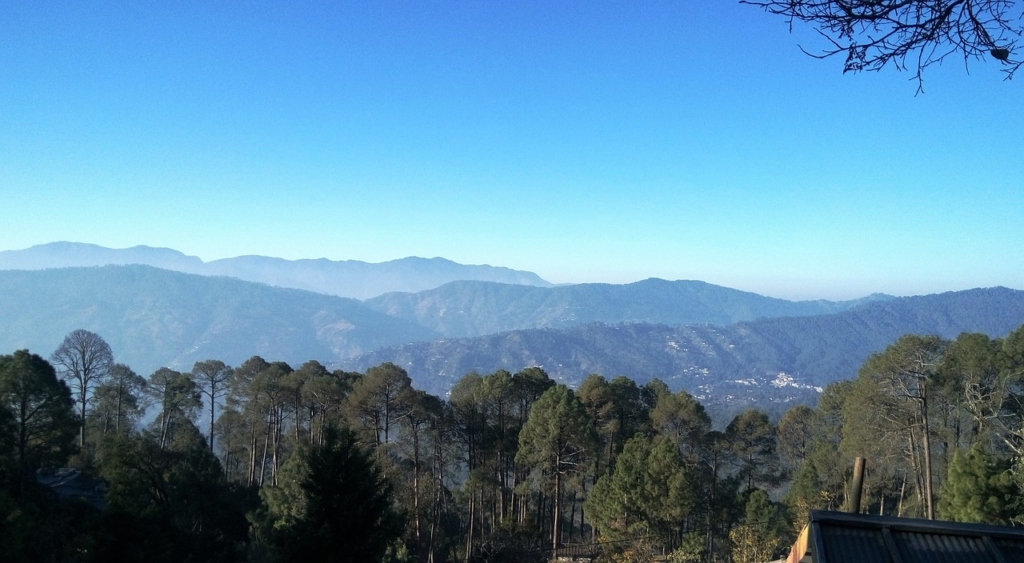
Ranikhet is a quieter alternative to Nainital, surrounded by pine and oak forests and offering wide Himalayan views on clear days. It is better suited to travellers who want the hills without a packed sightseeing schedule.
What to do
- Visit Chaubatia Gardens
- Explore Jhula Devi Temple
- Walk through pine forests
- Visit Majhkhali
- Enjoy Himalayan viewpoints
- Take relaxed village drives
Practical details
Entry fee: No general entry fee; individual attractions may charge.
Timings: Outdoor sightseeing is generally daylight-dependent.
How to reach: Kathgodam is the nearest major railhead; Pantnagar is the closest airport.
Time needed: 2–3 nights.
Best time to visit 2026–27: March–June and October–February.
Who it suits: Couples, families and travellers seeking a quiet retreat.
15. Mukteshwar, Uttarakhand

Mukteshwar sits high in the Kumaon hills and is known for forested landscapes, Himalayan views and a slower pace. Its altitude makes it substantially cooler than the plains, particularly at night.
What to do
- Visit Mukteshwar Temple
- Explore Mukteshwar’s forest trails
- Try rock climbing and rappelling
- Visit Chauli Ki Jali
- Explore nearby orchards
- Take scenic drives through Kumaon
Practical details
Entry fee: No general entry fee; activities and attractions may charge separately.
Timings: Outdoor sightseeing is generally daylight-dependent.
How to reach: Kathgodam is the nearest major railhead; Pantnagar is the nearest airport.
Time needed: 2–3 nights.
Best time to visit 2026–27: March–June and October–February.
Who it suits: Couples, families, adventure travellers and slow travellers.
16. Chail, Himachal Pradesh

Chail is a forested alternative to busy Shimla. Surrounded by deodar and pine forests, it is particularly appealing when the priority is cool air, privacy and long walks rather than a packed attraction list.
What to do
- Visit Chail Palace
- Explore Chail Wildlife Sanctuary
- See the world’s highest cricket ground
- Take forest walks
- Drive towards Kufri and Shimla
Practical details
Entry fee: No general entry fee; individual attractions may charge.
Timings: Outdoor areas are best visited during daylight.
How to reach: Drive from Shimla or Chandigarh; Kalka is the nearest major railhead.
Time needed: 2 nights.
Best time to visit 2026–27: March–June and October–February.
Who it suits: Couples, families and travellers seeking a quiet alternative to Shimla.
17. Narkanda, Himachal Pradesh

Narkanda is one of Himachal’s best lesser-known winter destinations. At around 2,700 metres, it gets significantly colder than many of the state’s more accessible hill towns and can receive snowfall in winter.
What to do
- Visit Hatu Temple
- Explore apple orchards
- Trek towards Hatu Peak
- Enjoy winter snow
- Take scenic drives through Thanedar and Kotgarh
Practical details
Entry fee: No general entry fee; individual attractions are generally free or separately chargeable.
Timings: Outdoor sightseeing is best during daylight.
How to reach: Drive from Shimla; the town is around 60–65 km away.
Time needed: 2 nights.
Best time to visit 2026–27: December–February for snow; March–June for cool-weather escapes.
Who it suits: Snow seekers, photographers, couples and offbeat travellers.
18. Lansdowne, Uttarakhand
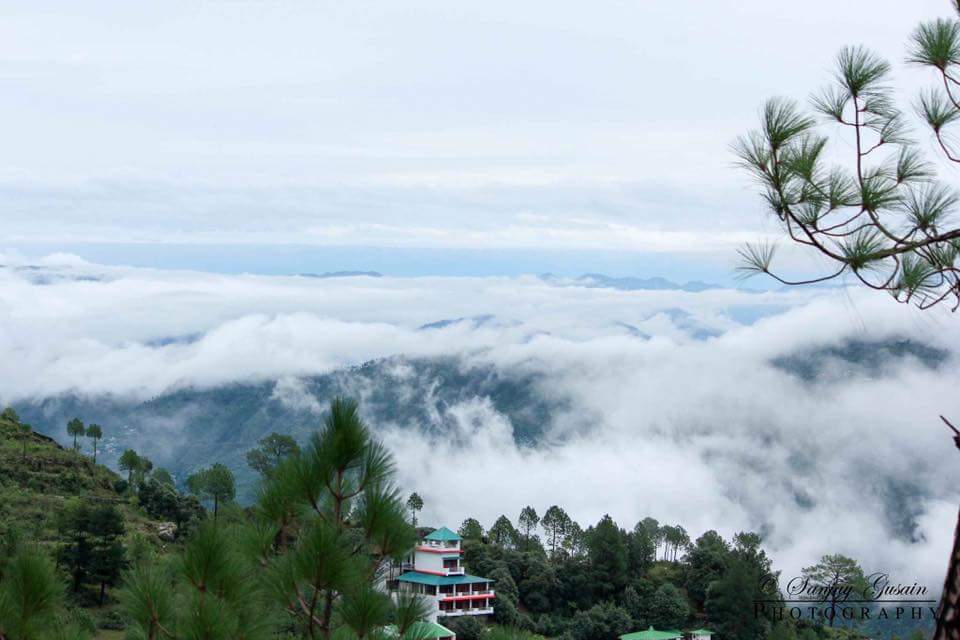
Lansdowne is a compact, pine-covered hill station that works especially well for short breaks. It is cooler than the plains without requiring a long mountain journey.
What to do
- Visit Tip-in-Top
- Explore Bhulla Lake
- Walk through pine forests
- Visit St Mary’s Church
- Explore the Garhwal Rifles museum
- Take quiet countryside drives
Practical details
Entry fee: No general entry fee; attractions may have separate charges.
Timings: Outdoor sightseeing is generally daylight-dependent.
How to reach: Drive from Kotdwar, which is the nearest railway station.
Time needed: 2 nights.
Best time to visit 2026–27: March–June and October–February.
Who it suits: Couples, families, senior travellers and weekenders.
19. Munsiyari, Uttarakhand
Munsiyari is for travellers who want a more remote Himalayan experience. Its high-altitude location and proximity to the Panchachuli range make it considerably colder and more dramatic than Uttarakhand’s more accessible hill stations.
What to do
- Trek towards Khaliya Top
- See Panchachuli views
- Visit tribal villages
- Explore forest trails
- Visit Birthi Falls
- Take scenic mountain drives
Practical details
Entry fee: No general destination entry fee; trekking and guided activities may be chargeable.
Timings: Outdoor sightseeing is best during daylight.
How to reach: Drive from Kathgodam/Almora; the journey is long and mountainous.
Time needed: 3–4 nights.
Best time to visit 2026–27: March–June and October–November; winter travel is more weather-dependent.
Who it suits: Trekkers, photographers, adventure travellers and offbeat explorers.
20. Pahalgam, Jammu & Kashmir
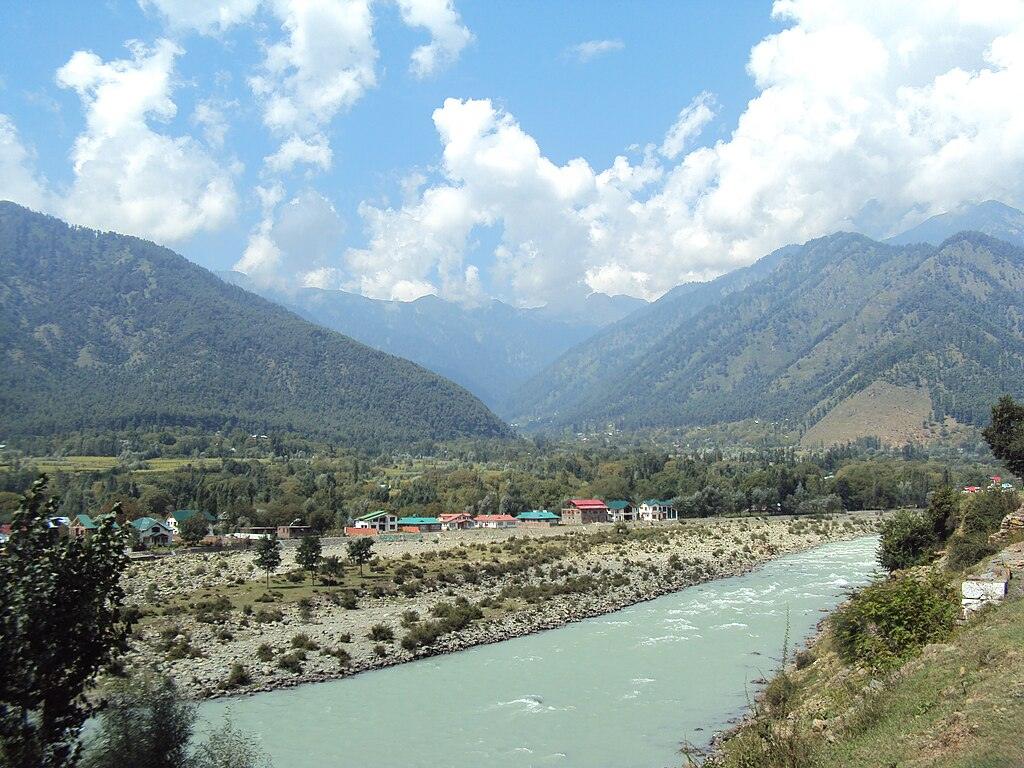
Pahalgam is one of Kashmir’s most scenic cold-weather destinations, surrounded by forests, rivers and mountain valleys. Winters are cold and snowy, while summer remains pleasantly cool compared with the plains.
What to do
- Walk along the Lidder River
- Explore Betaab Valley
- Visit Aru Valley
- Visit Baisaran
- Enjoy horse riding where available
- Take seasonal mountain excursions
Practical details
Entry fee: No general destination entry fee; sightseeing areas and activities may charge separately.
Timings: Outdoor sightseeing is generally daylight-dependent.
How to reach: Fly to Srinagar and continue by road.
Time needed: 2–3 nights.
Best time to visit 2026–27: April–June for cool-weather sightseeing; December–February for winter conditions.
Who it suits: Families, couples, photographers and snow seekers.
The J&K Directorate of Tourism issued updated 2026 rates for tourism services in Pahalgam, so activity prices should be checked against the latest official rate card before travel.
21. Sonamarg, Jammu & Kashmir
Sonamarg translates to “Meadow of Gold”, but its winter personality is far colder than the name suggests. The high-altitude valley remains snow-covered for long periods and is best suited to travellers who are prepared for changing mountain conditions.
What to do
- Enjoy snow activities in winter
- Explore Thajiwas Glacier
- Take mountain walks
- Enjoy scenic drives
- Visit nearby valleys and viewpoints
Practical details
Entry fee: No general entry fee; local activities and transport may be chargeable.
Timings: Outdoor sightseeing is daylight-dependent and weather-sensitive.
How to reach: Drive from Srinagar, subject to road conditions.
Time needed: 1–2 nights.
Best time to visit 2026–27: May–October for easier access; December–February for winter scenery where access permits.
Who it suits: Snow lovers, photographers and adventure travellers.
22. Spiti Valley, Himachal Pradesh

Spiti is not a conventional green hill station. It is a high-altitude cold desert, where intense sunlight can contrast sharply with chilly mornings and nights. That makes it one of India’s most distinctive cold-weather mountain destinations.
What to do
- Visit Key Monastery
- Explore Kaza
- See Chandratal Lake when accessible
- Visit Dhankar Monastery
- Explore Hikkim and Komik
- Drive through the Spiti valley
Practical details
Entry fee: No general entry fee; monasteries and individual attractions may have separate arrangements.
Timings: Outdoor sightseeing is daylight-dependent; mountain roads should not be attempted after dark.
How to reach: Access is primarily by road from Manali or Shimla/Kinnaur routes, depending on season and road conditions.
Time needed: 4–6 nights.
Best time to visit 2026–27: June–October for the main road-trip season; winter is an extreme, specialist travel experience.
Who it suits: Experienced road trippers, photographers, trekkers and adventure travellers.
Travel tip: Do not treat Spiti like a conventional weekend hill station. Build in weather buffers, fuel stops and altitude acclimatisation.
23. Ooty, Tamil Nadu
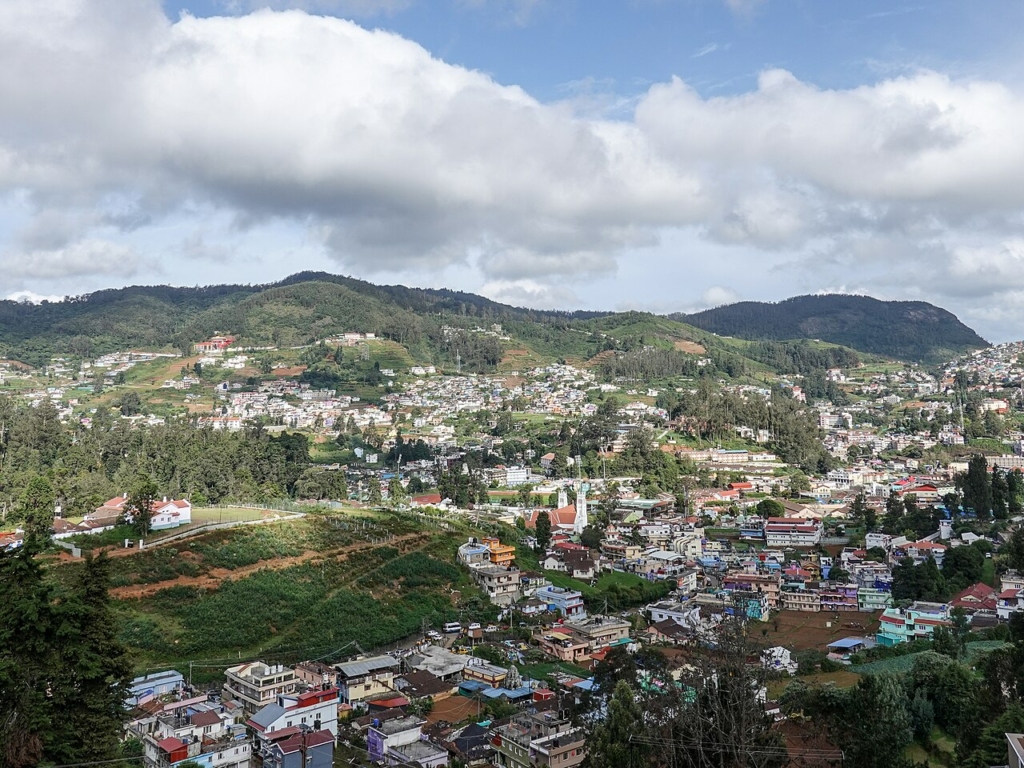
Ooty proves that you do not have to travel to the Himalayas for cool weather. At around 2,240 metres in the Nilgiris, it remains one of South India’s most popular summer escapes.
StayVista’s current Ooty destination page positions the town around tea gardens, misty valleys and cooler weather, with villas suited to both families and couples.
What to do in Ooty
- Visit Government Botanical Garden
- Ride the Nilgiri Mountain Railway
- Visit Ooty Lake
- Explore tea estates
- Visit Doddabetta Peak
- Explore Coonoor on a day trip
Practical details
Entry fee: No general entry fee; attractions charge separately.
Timings: Government Botanical Garden is currently listed as open 7:00 AM–6:30 PM.
How to reach: Fly to Coimbatore and drive to Ooty; Mettupalayam is the nearest major rail gateway.
Time needed: 2–3 nights.
Best time to visit 2026–27: March–June for cool summer weather; October–February for colder mornings and mist.
Who it suits: Families, couples, senior travellers and first-time hill travellers.
Explore StayVista villas in Ooty
24. Kodaikanal, Tamil Nadu
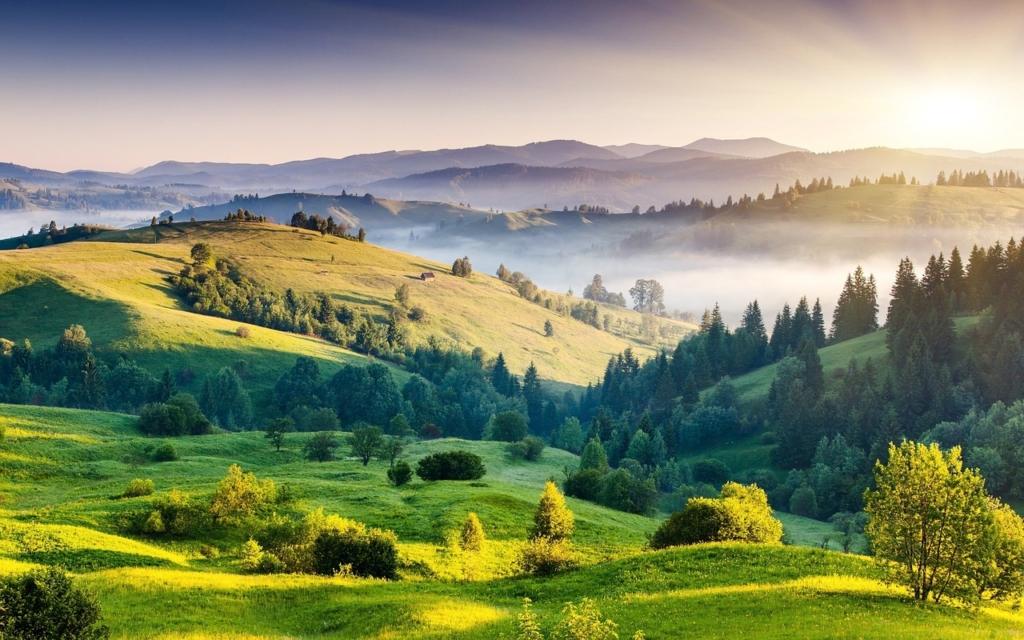
Kodaikanal is another strong South Indian choice for cool-weather travel. Its forests, lake, mist and winding roads create a very different experience from the Himalayan destinations on this list.
What to do
- Walk around Kodaikanal Lake
- Visit Coaker’s Walk
- Explore Bryant Park
- See Pillar Rocks
- Visit Silver Cascade Falls
- Explore pine forests
Practical details
Entry fee: No general destination entry fee; attractions and activities may charge separately.
Timings: Outdoor attractions are generally best visited during daylight.
How to reach: Fly to Madurai and continue by road; Kodai Road is the nearest major railway gateway.
Time needed: 2–3 nights.
Best time to visit 2026–27: March–June for a summer escape; October–February for cooler, quieter travel.
Who it suits: Couples, families, photographers and slow travellers.
25. Mount Abu, Rajasthan
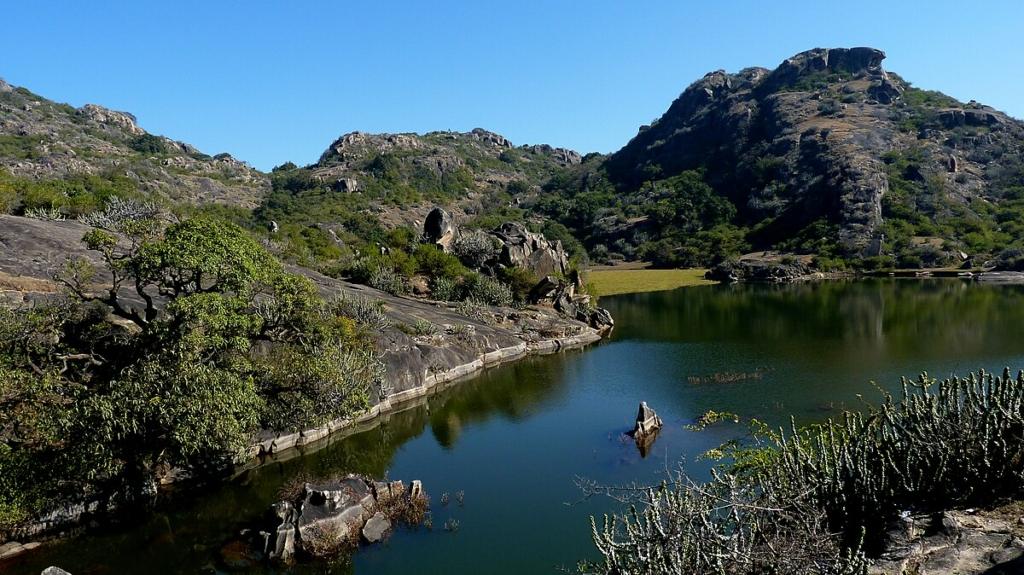
Mount Abu is not among India’s coldest hill stations, but it deserves a place on this list as Rajasthan’s only major hill station and one of the state’s best escapes from summer heat. Its elevation makes it noticeably cooler than the surrounding plains.
What to do
- Visit Nakki Lake
- See the Dilwara Temples
- Visit Guru Shikhar
- Explore Sunset Point
- Walk around the old market
- Visit Achalgarh
Practical details
Entry fee: No general entry fee; attractions may charge separately.
Timings: Outdoor viewpoints are best visited during daylight; temples and attractions have individual timings.
How to reach: Abu Road is the nearest railway station; Udaipur Airport is the closest major airport.
Time needed: 2 nights.
Best time to visit 2026–27: October–March for the coolest weather; summer is still warmer than Himalayan destinations.
Who it suits: Families, couples and travellers exploring Rajasthan.
Which Hill Station Is Best for Cold Weather in India?
The answer depends on what kind of cold you are looking for.
For the coldest overall experience
Choose Leh, Gulmarg, Tawang or Spiti Valley. These are high-altitude destinations where winter conditions can be severe.
For snow
Choose Gulmarg, Auli, Manali, Narkanda, Pahalgam or Sonamarg.
For a summer escape
Choose Auli, Dalhousie, Manali, Shimla, Darjeeling, Ooty or Kodaikanal.
For a short weekend from Delhi
Choose Mussoorie, Lansdowne, Nainital, Shimla or Chail.
For a quieter mountain holiday
Choose Munsiyari, Ranikhet, Mukteshwar, Narkanda or Kalimpong.
For a South India getaway
Choose Ooty or Kodaikanal. Ooty recorded May 2026 nights around 16–18°C, while Kodaikanal was around 17–19°C, making both genuine cool-weather options during the warmer months.
Coldest Hill Stations in India by Season
| Season | Best destinations |
| March–May | Auli, Dalhousie, Tawang, Gulmarg, Leh, Ooty, Kodaikanal |
| June–August | Leh, Spiti, Manali, Dalhousie, Shimla, Ooty |
| September–November | Leh, Spiti, Auli, Manali, Shimla, Darjeeling |
| December–February | Gulmarg, Auli, Manali, Shimla, Narkanda, Pahalgam, Sonamarg |
For a summer-specific comparison, existing 2026 temperature data puts Auli, Dalhousie, Tawang, Gulmarg and Leh among the colder mainstream options, while destinations such as Shimla, Manali, Darjeeling and Gangtok remain more moderately cool.
How to Prepare for a Cold Hill Station Trip
The colder the destination, the more important preparation becomes.
Pack in layers
Carry thermals, a fleece or sweater and a weatherproof outer layer instead of relying on one heavy jacket.
Carry sun protection
High-altitude destinations can have intense UV exposure even when the air feels cold. Sunglasses, sunscreen and lip balm are essential.
Check road conditions
Snow, rain and landslides can affect mountain routes. Do not assume that a road open on your outbound journey will have identical conditions on your return.
Allow extra travel time
Remote destinations such as Tawang, Munsiyari and Spiti require considerably more road time than conventional hill stations.
Respect altitude
Leh, Tawang, Spiti, Munsiyari and other high-altitude destinations can cause altitude-related problems. Acclimatise before strenuous activities.
Are there cold hill stations near Mumbai?
There are no extremely cold hill stations near Mumbai. Nearby destinations remain cooler than the city but do not drop below 20°C. Mahabaleshwar (20–30°C) · Lonavala (22–32°C) · Matheran (20–30°C) Matheran is the pick if you want the least heat and no traffic — it’s India’s only vehicle-free hill station. Town entry is ₹50 per person, parking near Aman Lodge about ₹50 a day, and the Aman Lodge–Matheran shuttle runs at roughly ₹55 a seat for an 18-minute ride. Shuttle tickets are counter-only, not online.
- Mahabaleshwar (20–30°C)
- Lonavala (22–32°C)
- Matheran (20–30°C)
Where to stay:
StayVista villas in these locations are ideal for weekend escapes, offering private pools, valley views, and flexible group-friendly experiences.



You can also extend your stay till Sunday with 26% off
FAQs: Cold Hill Stations in India
The coldest hill station in India in May is Leh–Ladakh, where temperatures range from 4°C to 22°C. High altitude and dry climate keep it significantly colder than other hill stations during peak summer.
Hill stations like Auli, Dalhousie, Tawang, and Gulmarg often stay below 20°C in May, especially during mornings and evenings.
Manali is cool but not very cold in May, with temperatures between 10°C and 25°C. It offers pleasant weather suitable for sightseeing and outdoor activities rather than extreme cold conditions.
Shimla is generally slightly warmer than Manali in May. Shimla ranges from 12°C to 25°C, while Manali can drop closer to 10°C due to its higher elevation.
There are no very cold hill stations near Mumbai in May. Nearby destinations like Mahabaleshwar and Lonavala remain between 20°C and 30°C, offering mild relief but not cold weather.
Auli is colder than Manali in May. Auli experiences temperatures between 8°C and 18°C, while Manali typically ranges from 10°C to 25°C.
Some high-altitude destinations like Gulmarg and Auli may still have patches of snow in early May. Snow is more likely at higher elevations rather than in town centres.
Gulmarg is one of the best places to see snow in May in India. Higher gondola phases and alpine areas often retain snow even when lower regions transition into spring.
May is a good time to visit Leh–Ladakh as roads begin to open and weather remains cold but accessible. However, travellers should plan for altitude acclimatisation and limited early-season connectivity.
For cold hill stations like Auli or Dalhousie, pack light thermals, a jacket, sunscreen, and comfortable shoes. Even in May, temperatures can drop below 10°C, especially at night.
For cold hill stations like Auli or Dalhousie, pack light thermals, a jacket, sunscreen, and comfortable shoes. Even in May, temperatures can drop below 10°C, especially at night.