
25 Best Places to Visit in Munnar in 2026 (Tea, Waterfalls, Viewpoints)
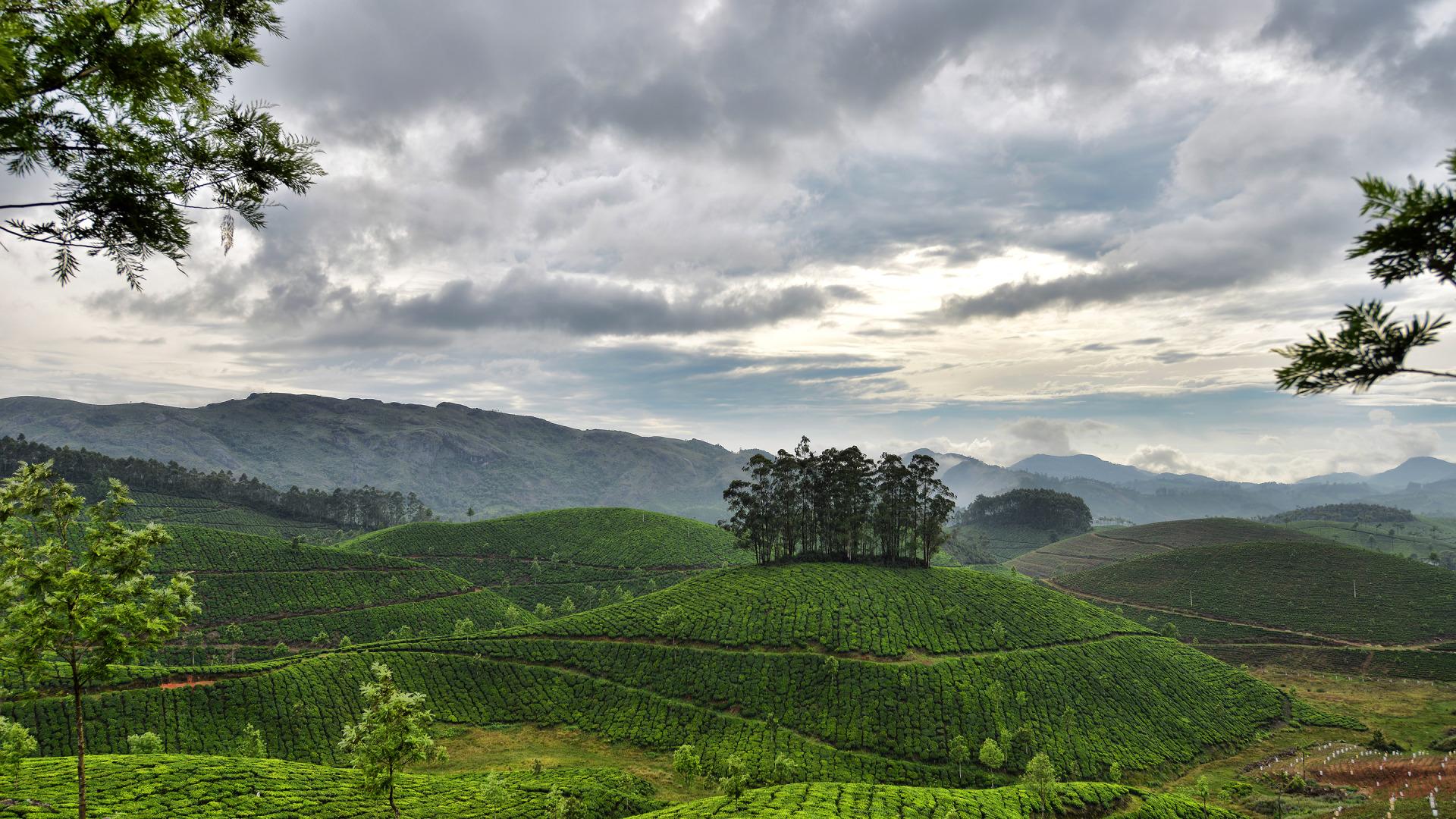
Munnar packs more variety into a single Western Ghats district than almost any hill station in India — manicured tea estates rolling over five-thousand-foot ridges, twelve-plus waterfalls within a 30-kilometre radius, the highest peak in South India, and the rare Neelakurinji bloom that paints the slopes blue once every twelve years. This 2026 guide covers the 25 places that genuinely earn a spot on a Munnar itinerary, with the practical details — entry fees, timings, how to reach, time required — for each, so you can plan a trip that actually works on the ground rather than one stitched from generic descriptions.
TL;DR — Munnar in one box: The 25 must-visit spots break into eight clusters — three working tea estates (Kolukkumalai, Lockhart, Tata Tea Museum), four viewpoints, five waterfalls, four lakes and dams, four wildlife and trekking sites including Anamudi (South India’s highest peak at 2,695 m), three gardens and family parks, and two heritage stops. Best time to visit: September to March. Ideal duration: 3 days. Nearest airport: Cochin International (110 km).
In this Blog
Munnar at a Glance: Quick Travel Info
| Best time to visit | September to March (cool and clear); August–September for Neelakurinji bloom years |
| Ideal duration | 3 days for a relaxed itinerary; 4–5 days if adding Thekkady or Alleppey |
| Nearest airport | Cochin International Airport (COK) — 110 km, ~3.5 hours by road |
| Nearest railway station | Aluva (110 km) and Ernakulam Junction (130 km) |
| Altitude | 1,600 m above sea level (town centre); up to 2,695 m at Anamudi |
| Local language | Malayalam; Tamil and English widely understood |
| Mobile connectivity | Patchy on hill roads; Jio and Airtel work in Munnar town |
If you’re locking in dates, our detailed Munnar weather guide breaks down the climate month by month so you can pick the right window for your priorities — clear skies, monsoon greenery, or off-season pricing.
Tea Estates & Plantations: Munnar’s Signature Landscape
Munnar’s identity is built on tea. The Kannan Devan Hills Plantation alone covers over 24,000 hectares, and three places give you the best window into how the leaf moves from bush to cup — one in the cloud line, one along a hidden ridge, and one that walks you through 150 years of plantation history.
1. Kolukkumalai Tea Estate — The Highest Organic Tea Estate in the World
At 2,400 metres, Kolukkumalai claims the title of world’s highest tea estate, and the sunrise from its ridge is the single most photographed view in all of Munnar. The drive from Suryanelli takes a 4WD jeep about 90 minutes over a notoriously rough trail — but the reward is a working colonial-era factory that still uses 1930s machinery, a tasting room above the clouds, and the clearest dawn skies the district offers.
| Entry fee | Jeep safari from Suryanelli ₹3,000+ per jeep (up to 6 persons), or ₹2,999+ per person via packaged sunrise tours; factory tour ₹100 separately |
| Timings | Jeep departures from 4:30 AM for sunrise; factory tours 9:00 AM – 4:00 PM |
| Best time | October to March, before sunrise |
| How to reach | From Munnar town: 32 km via Suryanelli; 4WD jeep mandatory beyond Suryanelli |
| Time required | Half day (5–6 hours including travel) |
| Ideal for | Photographers, sunrise chasers, tea enthusiasts |
| Pro tip | Carry a windbreaker — even summer mornings touch 8°C at the ridge. Book the jeep the previous evening through a Suryanelli operator. |
2. Lockhart Tea Estate & Lockhart Gap
Lockhart Gap is the quieter alternative to Top Station — a roadside viewpoint on NH-85 where mist regularly tumbles through a literal gap in the ridgeline at sunset. The adjoining Lockhart Tea Estate runs guided plucker walks that include hand-plucking demonstrations and a CTC (Crush, Tear, Curl) factory visit. Far fewer tour buses stop here, which makes it ideal if you want the tea-estate experience without the crowds.
| Entry fee | Viewpoint: free; Estate plucker walks: ₹250–500 per person (varies by operator) |
| Timings | Viewpoint: open 24 hours; Estate walks: 8:00 AM – 4:00 PM |
| Best time | 5:30 PM for sunset mist; mornings for plucker activity |
| How to reach | 13 km from Munnar town on NH-85 toward Adimali |
| Time required | 30 minutes (viewpoint); 1.5 hours (estate walk) |
| Ideal for | Couples, slow travellers, tea-process enthusiasts |
| Pro tip | Combine with Cheeyappara Waterfalls (8 km further down NH-85) on the way back from Kochi. |
3. Tata Tea Museum (KDHP Tea Museum)
Set inside the Nallathanni Estate, the Tata Tea Museum is the most accessible deep-dive into Munnar’s plantation history. Exhibits cover everything from the original Kanan Devan Hills surveys to modern processing, and the live demonstration of CTC manufacturing — followed by a tasting of fresh-from-the-line tea — is a 90-minute slot that consistently rates as the best single attraction in town. Our detailed Munnar tea plantations guide goes deeper into the estate trekking options.
| Entry fee | ₹75 (adults); ₹35 (children 6–12); photography ₹20; tea-tasting ₹100 |
| Timings | 9:00 AM – 4:00 PM; closed Mondays and Good Friday |
| Best time | 10:30 AM (first demo of the day); avoid weekends |
| How to reach | 2 km north of Munnar town centre on Nallathanni Road |
| Time required | 1.5–2 hours |
| Ideal for | Families, first-time visitors, cultural travellers |
| Pro tip | Buy your tea at the museum shop, not Munnar bazaar — the Estate Special blend is sold here at factory price. |
Viewpoints: Where Munnar Earns Its Postcards
Four viewpoints capture the four moods of Munnar — the dramatic ridge of Top Station, the lazy panorama of Pothamedu, the playful acoustics of Echo Point, and the mist-blanketed silence of Photo Point at dawn.
4. Top Station — The Sea of Clouds Lookout
Top Station sits at 1,880 metres on the Kerala–Tamil Nadu border and is famous for one specific phenomenon: monsoon mornings when the entire Western Ghats valley below fills with cloud, leaving you standing on what feels like an island in the sky. It’s also the highest accessible point on the Munnar–Kodaikanal road and one of the few spots where the rare Neelakurinji wildflower blooms (next bloom: 2030).
| Entry fee | Free |
| Timings | Open 24 hours; viewing best 6:00–9:00 AM |
| Best time | July to September for the cloud-sea phenomenon |
| How to reach | 32 km from Munnar town via Mattupetty and Kundala |
| Time required | 1 hour at the viewpoint; half day with travel |
| Ideal for | Photographers, couples, road-trip lovers |
| Pro tip | Leave Munnar by 5:00 AM. After 9:00 AM, the clouds usually burn off and the view flattens. |
5. Pothamedu Viewpoint
Pothamedu is the easiest panoramic stop in Munnar — six kilometres from town, no climb, just a wide deck looking out over tea, coffee, and cardamom plantations stacked across three valleys. It’s the most-photographed viewpoint by tour groups for a reason: the foreground is consistently green year-round, and a small chai stall at the parking area pours strong Munnar tea for ₹15.
| Entry fee | Free |
| Timings | Open 24 hours; sunset viewing 5:30–6:30 PM |
| Best time | Late afternoon for golden-hour light on the tea slopes |
| How to reach | 6 km from Munnar town on the Munnar–Kochi road |
| Time required | 30–45 minutes |
| Ideal for | First-time visitors, families, anyone short on time |
| Pro tip | Parking gets tight after 4:30 PM — arrive by 4:00 PM if you’re driving. |
6. Echo Point
Echo Point sits where three mountain ranges meet a small lake — and yes, the echoes are real. Shout across the water and the response comes back two to three times depending on wind. Beyond the gimmick, it’s a genuinely scenic spot for a 30-minute pedal-boat ride or a quick stroll. The route between Echo Point and Top Station is one of the most scenic stretches of road in Kerala.
| Entry fee | ₹30 (adults), ₹15 (children); pedal boat ₹400 (2 persons), coracle ₹800 (4 persons) for 30 minutes |
| Timings | 9:00 AM – 5:00 PM |
| Best time | Mid-morning when the wind is calm |
| How to reach | 15 km from Munnar town, en route to Top Station |
| Time required | 45 minutes to 1 hour |
| Ideal for | Families with kids, group travellers |
| Pro tip | Skip the speedboats — they spoil the quiet. Pedal boats give you the same view at a fraction of the cost. |
7. Photo Point — Munnar’s Most Honest Name
Photo Point earned its name long before Instagram — a roadside clearing along the Mattupetty road where tea bushes spill down to a small stream and a single rusted bridge crosses it. Every Kerala film crew has shot here, and the spot looks identical at 6 AM and 6 PM. It’s not officially marked, which keeps the crowds smaller than Pothamedu.
| Entry fee | Free |
| Timings | Open 24 hours; best in daylight 7:00 AM – 6:00 PM |
| Best time | Early morning for soft light and zero crowd |
| How to reach | 4 km from Munnar town on the Mattupetty road |
| Time required | 20–30 minutes |
| Ideal for | Photographers, couples |
| Pro tip | The bridge is unstable — one or two people on it at a time, no jumping for the shot. |
Waterfalls in Munnar: Five That Genuinely Deserve a Stop
The Western Ghats funnel the southwest monsoon straight into Munnar, which means waterfalls — over a dozen within an hour’s drive of town. These five span the route from Kochi, the heart of Munnar, and the eastern Chinnar belt, so you can build them into your inbound and outbound drive without backtracking.
8. Attukad Waterfalls
The closest serious waterfall to Munnar town and the loudest in monsoon — Attukad cascades down a dark rock face into a pool surrounded by dense forest. A short rope-and-steps trail descends to the base; in July and August, the spray reaches 50 metres out. Avoid the pool itself during heavy rain, when the current turns dangerous.
| Entry fee | Free |
| Timings | Daylight hours only |
| Best time | July to September for full flow; October–November for safer access |
| How to reach | 9 km south of Munnar town on the Munnar–Pallivasal road |
| Time required | 1 hour |
| Ideal for | Adventure travellers, photographers, monsoon lovers |
| Pro tip | The descent has 100+ steps and no railing in places. Wear shoes with grip, not slippers. |
9. Lakkom Waterfalls
Tucked inside the Eravikulam buffer zone on the Munnar–Marayoor road, Lakkom is shorter than Attukad but far more accessible — a five-minute walk from the parking lot to a wide, gently-sloped cascade fed by snowmelt-cool streams from the Anamudi peak. Families can wade safely in the lower pools outside the monsoon. Far less crowded than the in-town falls.
| Entry fee | ₹20 per person; guided trek ₹100 |
| Timings | 8:00 AM – 5:00 PM |
| Best time | October to February |
| How to reach | 25 km from Munnar town on the Munnar–Marayoor road (NH-85 north) |
| Time required | 45 minutes to 1 hour |
| Ideal for | Families with young kids, solo travellers |
| Pro tip | Combine with the Marayoor sandalwood forest — they’re 15 km apart on the same road. |

10. Thoovanam Waterfalls
Thoovanam sits inside the Chinnar Wildlife Sanctuary and is one of the few Munnar-area waterfalls that actually requires a guided trek to reach — a 7-km hike each way through grizzled-giant-squirrel territory and dry deciduous forest. It’s the reverse of what you’d expect from a Kerala waterfall: arid, sun-bleached, and quiet, but with a powerful drop at the end.
| Entry fee | Chinnar entry ₹200 (Indians); ₹500 (foreigners). Thoovanam trek ₹300 per person Indian, ₹400 foreigner — includes mandatory guide |
| Timings | Trek slots 7:00–10:00 AM and 3:00–6:00 PM; book at Alampetty check post |
| Best time | December to February (trek not advised in monsoon) |
| How to reach | 60 km from Munnar town toward the Tamil Nadu border |
| Time required | Full day (5–6 hours of trekking) |
| Ideal for | Trekkers, wildlife enthusiasts, off-the-path travellers |
| Pro tip | Carry 2 litres of water per person — Chinnar’s dry climate dehydrates faster than you’d expect at this altitude. |
11. Cheeyappara Waterfalls
Cheeyappara is the waterfall everyone driving up from Kochi photographs without planning to — a seven-tier drop visible right from NH-85 at the Adimali stretch. There’s a designated viewing platform with parking and chai stalls, which makes it a convenient 15-minute break on the 3.5-hour Kochi-to-Munnar drive. It’s at its most powerful in July and August.
| Entry fee | Free |
| Timings | Open 24 hours; viewing best 8:00 AM – 5:00 PM |
| Best time | June to October |
| How to reach | 50 km from Munnar town on NH-85 (Kochi–Munnar route) |
| Time required | 20–30 minutes |
| Ideal for | Road-trippers, photographers, anyone driving in from Kochi |
| Pro tip | The platform gets slippery — don’t climb the moss-covered rocks for a closer shot. |
12. Pallivasal Falls
Pallivasal sits next to Kerala’s first hydroelectric project (operational since 1940) and falls in three stages over a granite face. It’s an underrated stop because the road sign is small and most tour itineraries skip it — which is a shame, because in monsoon it rivals Attukad for sheer volume and has a small grassy plateau perfect for a packed lunch.
| Entry fee | Free |
| Timings | Open 24 hours; daylight viewing best |
| Best time | July to October |
| How to reach | 8 km from Munnar town on the Pallivasal–Munnar road, 3 km off NH-85 |
| Time required | 30–45 minutes |
| Ideal for | Couples, picnic-stop travellers |
| Pro tip | The KSEB hydel station next door allows external viewing — a rare 1940s engineering relic worth 10 minutes if you’re into industrial heritage. |
Planning your stay around these spots? Most of Munnar’s top viewpoints and waterfalls are within a 15-km radius of Pallivasal and Suryanelli — staying at a private villa near these clusters cuts down on driving time. Browse StayVista’s curated villas in Munnar with valley views and private pools.
Lakes & Dams: Munnar’s Quieter Side
Munnar’s lakes and dams are functional water-storage projects from the 1940s and 50s that have aged into some of the most peaceful viewing points in the district. Four are worth a stop, each with a different vibe — from the touristy boating activity at Mattupetty to the near-deserted shoreline of Anayirangal.
13. Mattupetty Dam
Mattupetty Dam, completed in 1953, is Munnar’s most popular boating spot — a long reservoir hemmed in by tea slopes, with speedboats, pedal boats, and Kashmiri-style shikara rides on offer. The Indo-Swiss livestock farm next door is an unusual stop: a working dairy research facility you can tour, where Swiss-bred cattle graze on the slopes. Mornings before 10 AM are the calmest.
| Entry fee | ₹10 per person entry; speedboat ₹500–800, standard boat ₹300, large group boat ₹700 (20 persons / 30 min) — DTPC Idukki rates |
| Timings | 9:30 AM – 5:30 PM (boating) |
| Best time | September to March |
| How to reach | 13 km from Munnar town on the Top Station road |
| Time required | 1.5 hours |
| Ideal for | Families, group travellers, first-time visitors |
| Pro tip | Skip the speedboat queue at peak season; pedal boats have the same views with no wait. |
14. Kundala Lake
Kundala is the prettier and quieter alternative to Mattupetty — a smaller artificial lake formed by Asia’s first arch dam (1946), surrounded by cherry blossom trees that bloom briefly in March. The shikara rides here are noticeably cheaper than Mattupetty and the boatmen often double as guides, pointing out wild orchids on the bank.
| Entry fee | Free entry; shikara ₹200 (2 persons), pedal boat ₹100 (3 persons), row boat ₹150 (4 persons) per 30-min ride |
| Timings | 9:00 AM – 5:00 PM (boating ends 4:30 PM) |
| Best time | March (cherry blossom); year-round otherwise |
| How to reach | 20 km from Munnar town on the Top Station road, 7 km past Mattupetty |
| Time required | 1 hour |
| Ideal for | Couples, photographers, slow travellers |
| Pro tip | If you have a half day, skip Mattupetty and spend it at Kundala instead. Same activities, half the crowd. |
15. Devikulam Lake (Sita Devi Lake)
Devikulam, named after a temple to Goddess Sita, is a small mineral-water lake fringed with sholaforest. There are no boats and few visitors — just walking paths through the wood and a small temple at the eastern end. Trout fishing is permitted with a permit from the Kerala Fisheries Department, making it the only place in Munnar where you can angle.
| Entry fee | Free entry; angling permits available via the Kerala Fisheries Department, Devikulam range office |
| Timings | Open 24 hours; visit during daylight |
| Best time | October to March |
| How to reach | 7 km from Munnar town on the Devikulam road, off NH-85 |
| Time required | 1 hour |
| Ideal for | Solo travellers, anglers, couples seeking quiet |
| Pro tip | Combine with Devikulam Tehsildar’s Office heritage walk — the colonial-era town has 1920s tile-roofed bungalows worth a look. |
16. Anayirangal Dam
“Anayirangal” translates to “place where elephants come down,” and the name is literal — wild herds from the surrounding forest still descend to drink from the reservoir at dawn and dusk. The dam itself is unremarkable, but the surrounding tea estates and the chance of an elephant sighting make this a worthwhile detour for nature-focused travellers willing to wait quietly.
| Entry fee | Free |
| Timings | Open 24 hours; best 5:30–7:00 AM and 5:00–6:30 PM for elephant sightings |
| Best time | March to May (water levels low, elephants come closer) |
| How to reach | 22 km from Munnar town toward Suryanelli; turn at Chinnakanal |
| Time required | 1.5–2 hours (longer if you’re waiting for wildlife) |
| Ideal for | Wildlife photographers, patient travellers |
| Pro tip | Wild elephants here are not domesticated — keep at least 100 metres distance and stay inside your vehicle. |
Wildlife & Trekking: The Western Ghats Up Close
Munnar sits inside one of the world’s eight “hottest hotspots” of biodiversity. Four sites — two national parks and two trekking destinations — let you experience the Western Ghats ecosystem at different intensities, from a casual park drive to a 16-km summit attempt on Anamudi.
17. Eravikulam National Park
Eravikulam protects the largest viable population of the endangered Nilgiri Tahr (a mountain goat species) and is the most visited national park in South India. Visitors take a Kerala Forest Department shuttle to Rajamala, where Tahrs descend to the road in the morning and afternoon. The park closes for two months each year (typically February and March) for the Tahr calving season — confirm dates before travelling. Read our complete Eravikulam guide for the booking and shuttle process.
| Entry fee | ₹200 (Indian adults), ₹100 (children), ₹500 (foreign nationals); ₹50 reservation fee; ordinary camera ₹50, video camera ₹350 |
| Timings | 8:00 AM – 2:00 PM (last entry); book online at eravikulamnationalpark.in |
| Best time | April to January (closed February–March for calving season) |
| How to reach | 15 km from Munnar town toward Rajamala; entry via the KFD shuttle only |
| Time required | 3–4 hours |
| Ideal for | Wildlife enthusiasts, families, photographers |
| Pro tip | Book online tickets the night before through the Kerala Forest Department portal — the morning queue at the gate often runs 90+ minutes. |
18. Chinnar Wildlife Sanctuary
Chinnar is the rain-shadow side of the Western Ghats — a dry deciduous forest where most of Kerala’s recorded leopards, sloth bears, and grizzled giant squirrels live. It’s a sharp contrast to Eravikulam: brown grass instead of green, scrub trees instead of shola, and far fewer visitors. Three guided trek options range from a 1.5-km river-walk to the full Thoovanam waterfall trek.
| Entry fee | ₹200 (Indians), ₹500 (foreigners) entry; Thoovanam trek package ₹300 (Indians) / ₹400 (foreigners), includes guide |
| Timings | 7:00 AM – 4:00 PM (last trek entry 1:00 PM) |
| Best time | December to April (driest, best wildlife sightings) |
| How to reach | 60 km from Munnar town on the Marayoor–Udumalpet road |
| Time required | Full day with the longer treks |
| Ideal for | Wildlife enthusiasts, trekkers, naturalists |
| Pro tip | Wear earth-tone clothes, not bright colours — Chinnar’s animals spook easily. |
19. Anamudi Peak — South India’s Highest Point
At 2,695 metres, Anamudi is the tallest peak south of the Himalayas. The summit trek is permit-only and starts inside Eravikulam National Park — a 16-km return hike through shola forests and high-altitude grasslands. Permits are limited and need to be applied for at least a week in advance through the Eravikulam DFO. The view from the top, on a clear day, stretches into Tamil Nadu.
| Entry fee | Eravikulam entry applies (₹200 adults / ₹100 children / ₹500 foreigners). Summit trek requires special permit from the Wildlife Warden, Munnar Division (Tel: +91 4865 231587) — typically arranged through licensed Munnar trek operators |
| Timings | Summit trek starts 6:00 AM; full-day activity |
| Best time | October to January (closed February–March with the park) |
| How to reach | Trekking trailhead inside Eravikulam, 15 km from Munnar town |
| Time required | Full day (8–10 hours) |
| Ideal for | Experienced trekkers, fitness-focused travellers |
| Pro tip | Apply for the permit at least 7 days ahead — only a few groups are allowed each day, and slots fill up in peak season. |
20. Meesapulimala
Meesapulimala (2,640 m) is the second-highest peak in the Western Ghats and a more accessible trek than Anamudi — a two-day option with an overnight stay at the Rhodo Valley camp managed by Kerala Forest Development Corporation. Eight rolling hills, grassland trails, and shola tunnels make this the trekker’s favourite in Munnar.
| Entry fee | KFDC-operated packages: weekday ₹3,600 + 18% GST; weekend (Fri/Sat) ₹4,000 + 18% GST; monsoon (Jun–Jul) ₹3,200 + 18% GST. Includes trek, guide, food and overnight stay. |
| Timings | Trek starts 7:00 AM from Kolukkumalai base or Rhodo Valley |
| Best time | September to March |
| How to reach | Trailhead at Rhodo Valley, 35 km from Munnar town via Suryanelli |
| Time required | 1 to 2 days |
| Ideal for | Trekkers, group travellers, adventure seekers |
| Pro tip | Book through KFDC, not roadside operators — the route passes through restricted forest land where unauthorised guides get fined. |
Gardens & Family-Friendly Stops
If you’re travelling with kids, parents, or anyone who’d rather not trek, three stops give you the Munnar landscape without the climbing. Each is well-maintained, has clean restrooms, and is wheelchair-accessible to varying degrees.
21. Floriculture Centre & Rose Garden
The Munnar Rose Garden is set inside a Kerala Agricultural University research centre and combines a manicured rose collection with orchid houses, spice gardens, and a small herbal section. Sixty-plus rose varieties bloom year-round, and the spice walk is genuinely educational — vanilla vines, cardamom, pepper, and clove all in one acre.
| Entry fee | ₹20–50 per person (Indian and foreign nationals); camera fee ₹30 |
| Timings | 8:00 AM – 5:00 PM |
| Best time | October to February (peak rose bloom) |
| How to reach | 3 km from Munnar town on the Mattupetty road |
| Time required | 45 minutes to 1 hour |
| Ideal for | Families, garden enthusiasts, school trips |
| Pro tip | The on-site nursery sells potted spice plants — vanilla and cardamom seedlings travel well in checked luggage. |
22. Blossom Hydel Park
A 16-acre park at the foot of a hydel station, Blossom combines walking trails through orchids and ornamental flowers with a small adventure zone — water-cycling, skating, and a tree-house. The Muthirapuzha River runs through the park, and a few small ropeways add a low-stakes thrill for kids. It’s not exotic, but it’s the easiest stop with children under 10.
| Entry fee | ₹40–80 (adults), ₹20–50 (children); car parking ₹50, bike parking ₹20; activities (boating, kayaking, water-walking, skating) priced individually |
| Timings | 9:00 AM – 7:30 PM |
| Best time | Year-round; avoid heavy monsoon afternoons |
| How to reach | 3 km from Munnar town on the Munnar–Aluva road |
| Time required | 1.5–2 hours |
| Ideal for | Families with young kids, school groups |
| Pro tip | The water-cycling pond is shallow but life jackets are mandatory and included in the price. |
23. Carmelagiri Elephant Park
Carmelagiri offers regulated elephant interactions — short rides through the surrounding tea estate and feeding sessions, run under Kerala Forest Department supervision. If ethical elephant tourism is a concern, this is one of the more transparent operations in the area, with limited daily ride numbers and supervised welfare. Skip the ride and just observe if you’d rather not contribute to captive-elephant tourism at all.
| Entry fee | Free entry; 15-minute elephant ride ₹400 per person (max 3 per ride); fruit basket for feeding ₹50; on-site photographer ₹250 |
| Timings | 9:00 AM – 5:00 PM |
| Best time | October to March |
| How to reach | 10 km from Munnar town on the Mattupetty road |
| Time required | 1 hour |
| Ideal for | Families with children |
| Pro tip | Visit before noon — afternoons get crowded and the elephants are visibly tired. |
Heritage & Off-Beat Stops
Two final stops sit outside the standard tea-and-viewpoint loop and reward travellers who want a more textured Munnar — one a 5,000-year-old sandalwood ecosystem, the other a Scottish-style church older than the Munnar town itself.
24. Marayoor Sandalwood Forests
Marayoor is the only place in Kerala with a naturally-occurring sandalwood forest — protected by the Kerala Forest Department and accessible only with a guide. The drive from Munnar takes you through Anamudi’s foothills and into a dry-zone microclimate. The Muniyaras (5,000-year-old dolmen burial sites near the village) are an unexpected bonus that few tour groups bother with.
| Entry fee | Free (drive through the protected zone); guided forest tours ₹100–200 per person via the Marayoor Forest Range office |
| Timings | Dawn to dusk; guided tours 9:00 AM – 4:00 PM |
| Best time | October to March |
| How to reach | 40 km from Munnar town on the Munnar–Udumalpet road |
| Time required | 2–3 hours |
| Ideal for | History enthusiasts, slow travellers, photographers |
| Pro tip | Combine with Lakkom Falls and the Marayoor jaggery (sugar-cane) factory — all three are on the same 5-km stretch. |
25. CSI Christ Church
Built in 1910 by British tea planters, CSI Christ Church is the oldest building in Munnar and one of the few colonial-era structures still in active use. The granite walls, original 1900s stained glass, and brass plaques honouring Scottish planters who died in the early years of the plantation make this a 30-minute stop worth fitting in. Sunday service is open to visitors.
| Entry fee | Free (donations welcome) |
| Timings | 8:00 AM – 5:00 PM; Sunday service 9:30 AM |
| Best time | Weekday mornings (quieter) |
| How to reach | 1 km from Munnar town centre on the old Munnar road |
| Time required | 20–30 minutes |
| Ideal for | History enthusiasts, architecture fans |
| Pro tip | The church caretaker keeps a small visitor book — flip back to find entries from planters’ descendants who still visit. |
Where to Stay in Munnar: StayVista’s Curated Villas
Most of Munnar’s top spots cluster within a 20-km radius of the town centre — which means where you stay shapes how much driving you’ll do. We’ve handpicked six properties across Munnar that put you closer to specific clusters of attractions, so you can match the villa to your itinerary rather than the other way round.
- Paradise Valley — A valley-view villa positioned for travellers focused on the Mattupetty–Top Station–Kundala stretch. Wake up to the same view that Pothamedu Viewpoint offers, but from your private balcony.
- Panorama @ Paradise Valley — Larger than Paradise Valley and built for groups of 8–10. Floor-to-ceiling windows in the living area frame the same Anaimudi range you’ll trek the next day.
- Titha Villa — Closest to the tea estate cluster around Pallivasal. A quiet single-storey property with cardamom plantations along the boundary, ideal for couples doing a slow 4–5 day trip.
- Misty Village — Set on a working tea estate with morning fog that rolls right through the property. The location works best if you’re prioritising tea-plantation walks and don’t mind a 25-minute drive to Eravikulam.
- Vale Echoes — Family-sized property with a private pool overlooking a tea-covered slope. The closest StayVista option to Attukad Waterfalls and the Rose Garden — useful for trips with kids.
- Cardamom Casa — Compact, couples-focused villa surrounded by an active cardamom plantation. The least-touristy location of the six, ideal if your priority is escaping the tour-bus circuit entirely.
Browse the full list of villas in Munnar and homestays in Munnar — most properties accept bookings up to 12 months in advance, which matters during the September–November peak when the better villas book out 4–6 weeks ahead.
Frequently Asked Questions about Visiting Munnar
How many days are enough to cover the best places to visit in Munnar?
Three days is enough for the core Munnar circuit — tea estates, Eravikulam, the Mattupetty–Top Station loop, and two or three waterfalls. Add a fourth day if you’re trekking Meesapulimala or visiting Kolukkumalai for sunrise. A two-day trip works only if you skip wildlife and treks entirely.
What is the best time to visit Munnar in 2026?
September to March is the ideal window — daytime temperatures of 15–25°C, clear views, and full park access. Avoid mid-June to mid-August unless you specifically want monsoon waterfalls; many treks close, and the road to Kolukkumalai becomes impassable in heavy rain. May is hot by Munnar standards (24–30°C) but quieter and cheaper.
How do I reach Munnar from Cochin (Kochi)?
Munnar is 110 km from Cochin International Airport via NH-85 — a 3.5- to 4-hour drive depending on stops. Private taxis run ₹3,500–4,500 one-way; KSRTC buses leave Ernakulam every 30 minutes during the day for ₹120–180. There’s no direct train; the nearest stations are Aluva and Ernakulam Junction.
Is Munnar safe and accessible during the monsoon?
Munnar is generally safe in monsoon, but landslides occasionally close stretches of NH-85 in July and August. Check the Kerala State Disaster Management Authority advisory before driving in. Eravikulam stays open through monsoon (except for the calving-season closure in February–March), but trekking routes inside Chinnar and to Anamudi are not advised between mid-June and early September.
Which Munnar viewpoint is best for sunrise and which is best for sunset?
Kolukkumalai is the standout sunrise spot — at 2,400 m the light hits the cloud layer below you. For sunset, Lockhart Gap and Pothamedu Viewpoint are both excellent and far less crowded than Top Station, which empties by mid-afternoon. Photo Point works for both, but the morning light is stronger.
What are the best places to visit in Munnar with family and kids?
Eravikulam National Park (the shuttle is kid-friendly), Mattupetty Dam (boating), Echo Point, Blossom Hydel Park, and the Rose Garden form a low-effort family circuit doable in two days. Skip Anamudi, Meesapulimala, and Thoovanam for younger children — these are serious treks. The Tata Tea Museum’s CTC demonstration is also a hit with kids 8 and up.
Are there places to visit in Munnar for honeymoon couples beyond the tea gardens?
Yes — Lockhart Gap at sunset, the cherry blossoms at Kundala Lake (March), Photo Point at dawn, and a private shikara ride at Mattupetty are the most romantic options. For an experience away from the regular tourist circuit, our guide on things to do in Munnar beyond honeymoon covers offbeat couple activities. Pair these with a private-pool villa and you have a complete couple’s trip.
What is the entry fee for Eravikulam National Park in 2026?
Eravikulam entry fees (per the Kerala Forest Department): ₹200 for Indian adults, ₹100 for children, ₹500 for foreign nationals. There’s a separate ₹50 reservation fee, plus camera charges (₹50 ordinary, ₹350 video). Online booking is available at eravikulamnationalpark.in — recommended at least 2–3 days in advance to avoid the ticket-counter queue. Rates are revised periodically; verify on the official portal before travelling.
Plan Your Munnar Itinerary the Right Way
The 25 places above cover the genuine highlights — tea, waterfalls, viewpoints, wildlife, and heritage — without padding the list with stops that don’t earn their spot on a 3-day itinerary. Group them by thematic cluster (tea estates one morning, waterfalls one afternoon, Eravikulam one full day) rather than chasing them in geographic order, and Munnar opens up at a pace the tour-bus circuit never quite manages. Pair the right villa with the right cluster, and the driving time drops from a chore to a pleasure.
Banner image credits: Vitya_maly via goodfon.com
Written by: Team StayVista. Last updated: April 2026.