
Frosty Frames For Winter Photography in India

Last updated: October 2026
The India winter photography season runs October to February. The clearest-visibility window of the year across the Himalayas, Rajasthan, Kutch and the Northeast. This guide covers five of the strongest state-level clusters (Kashmir, Uttarakhand, Rajasthan, Sikkim, Kerala), plus the dedicated festival and wildlife add-ons that make winter India uniquely productive — Rann Utsav (Kutch), Hornbill Festival (Nagaland), Chadar trek (Ladakh), snow leopard expeditions, and the migratory-bird peak at Keoladeo and Mangalajodi. Pack warm layers, extra batteries (lithium cells fade fast below 0°C), and plan around sunrise and sunset windows which deliver the softest winter light.
Winter is not just another season in India, but a magical time that sweeps nationwide. As the winds change, the air turns crisp with the sun’s soft golden hues dancing on the grounds and a cloak of snow drapes over North India. Winter in South India is no less of a spectacle with vibrant tapestry woven into culture and traditions. The captivating landscapes of India in winter beacon photographers and nature enthusiasts from all over the country embark on a fulfilling journey to play with the elements and generate compositions that tell stories and evoke emotions. So if you’re an amateur, this guide is your passport to exploring the most enchanting destinations for the best winter photography in India.
In this Blog
Ultimate Photography Gear Checklist
Before we dive deeper into the best places to visit in India during the winter for photography, let’s look into the equipment you’ll need to help you capture the true essence of winter in India.

The Right Camera and Lenses
- First, your trusty companions will always be a reliable camera that suits your style and a couple of lenses that allow you to take shots from versatile perspectives.
- Whether you wish to carry a DSLR or mirrorless camera is completely up to your skill and comfort.
- If you’re into landscape photography then make sure you have a Wide-Angle Lens (16-35mm), especially for the destinations in North India. But if your heart inclines more towards wildlife photography, the Telephoto Lens (70-200mm) is your best friend.
- In case you are a budget traveller, the standard Zoom Lens (24-70mm) is a dependable asset for portraits as well as street scenes.
Little Accessories, Big Difference
- A sturdy tripod goes a long way primarily for long exposure shots in areas with dim lights or during nighttime. There are many compact options available in the market that are easy to carry.
- The cold weather can drain batteries faster, hence it is advisable to carry extras so that you don’t miss out on any moment.
- Pack several extra batteries along with a battery grip if you are planning an all-day shoot.
- Keep ND (Neutral Density) filters in handy to manage bright areas or reduce the glare from the snow in North India.
- Bring as many memory cards of at least 64GB each to optimise camera space which will produce high-quality images.
- Have a cleaning kit on you since there are high chances of getting dust and smudges on the lenses.
- Ensure you have a weather-proof camera bag with you to store all your hardware safely.
The Best Spots for Winter Photography in India
Now that we are well-prepared, let’s journey through the best winter photography destinations in India, one frame at a time:
Kashmir

When it comes to winter photography in India, Kashmir always tops the list with its natural grace and grandeur, with every click weaving a tale.
- Start your photography expedition in Srinagar where the famous houseboats rest on the tranquil Dal Lake with blurry reflections of the surroundings. In case you want a quieter alternative, Nigeen Lake provides a serene escape for photographers.
- The mighty snow-capped Himalayas loom over the valleys and meadows so get creative to freeze the frame in different angles and lights.
- Being a hub of thrill, get low on the ground and sneak in some shots of tourists skiing, snowboarding or snowshoe trekking or skiing along the slopes of Gulmarg.
- Seize simple moments of the local life where shepherds bring their flocks to graze as they are enshrouded by the Himalayas.
- Keep your eyes peeled for the flora and fauna that thrive during the winter in Kashmir. If you’re lucky you can encounter a black bear or snow leopard.
Step into a snowy fairy tale by securing your ideal homestay in Kashmir.
Spiti Valley in winter (December–February) is one of India’s starkest landscape-photography windows — snow-covered monasteries at Key, Dhankar and Tabo, frozen river stretches, and village life continuing against minus-20°C conditions. The road access shifts in winter: the Manali–Kaza route via Kunzum Pass closes from October, so the only winter entry is via Shimla–Kinnaur–Kaza (NH-5), which stays open year-round. Winter Spiti is a specialist trip — go with a guide who knows the Kinnaur road.
Uttarakhand

Planning a trip to Uttarakhand in winter is like stepping into a snow globe where every shake presents a stunning scene.
- The charming hill stations in Uttarakhand like Mussoorie and Ranikhet transform into a wonderland making it irresistible for photographers to explore. You can photograph the quaint charm of these towns in Uttarakhand.
- The hills of Nainital, Mukteshwar and Auli on the other hand turn into a playground for adventure. Here you can find the opportunity to snap the panoramic peaks of the Himalayas as travelers partake in activities against the backdrop.
- Naini Lake and Kempty Falls often freeze during the winter with icicles, adding a dreamy atmosphere perfect for photography.
- Winter showcases another side of the wildlife in Jim Corbett National Park, producing whimsical visuals.
- Winter is synonymous with warm meals in Uttarakhand like Aloo Ke Gutke and Gulgule so don’t hesitate to experiment with a bit of food photography.
Dream it and Live it up at some of the best homestays in Uttarakhand!
Rajasthan

Rajasthan in winter is a beautiful paradox with deep-rooted traditions and practices that are carried amidst breathtaking terrains.
- Amber Fort in Jaipur and Menagarh Fort in Jodhpur look even more majestic during the cold months as the fog adds a mystical appeal during the golden hours.
- Capture the play of shadow and light with silhouettes as the Sam Sand Dunes in Jaisalmer come alive.
- If you are in Rajasthan in November, make sure you visit the iconic Pushkar Camel Fair to document the vibrant spirit of the region.
- Lake Pichola in Udaipur and Sambhar Lake in Jaipur shimmer in all their glory with flocks of birds flying above, creating a magnificent photogenic landscape.
- Early morning safaris at Ranthambore National Park and Keoladeo National Park offer close-ups of the majestic Bengal Tiger and many species of birds.
Recuperate after a thrilling photography tour at these homestays in Rajasthan!
Sikkim

If you are looking for a less-trodden path for photography, Sikkim is your winter paradise that adds a sense of bliss to your portfolio.
- Standing as the third-highest mountain in the world, Kangchenjunga is a must on every photographer’s list. You can shoot a time-lapse of the sunrise and sunset from Pelling or Yuksom that records the hues of the skies as they transition from orange to pink.
- Trek through Tawang and discover some of the most astounding routes filled with untouched beauty that glistens under the winter sun.
- Indulge in some architectural photography at Rumtek Monastery and Pemayangtse Monastery that bring out the spiritual core of the towns.
- If you want to tap into the local lifestyle, the villages of Yuksom and Zuluk are perfect to capture the daily lives of the residents.
- A sight to behold in Sikkim, Tsongmo Lake located at an altitude of 12,310 feet is surrounded by yaks setting the stage for a picture waiting to be clicked.
Indulge in adventure and splendour by staying at the most beautiful homestays in Sikkim.
Kerala

Kerala in winter (November–February) is at its most comfortable for walking-heavy photography — cool mornings, bright afternoons, no monsoon disruption. Key subjects:
- Alleppey and the backwaters — early-morning sleeper-houseboat decks catch mist rising off the water
- Munnar — tea estates at their post-monsoon lushness; the Neelakurinji bloom returns only once every 12 years (next around 2030) but the standard tea-estate landscape works year-round
- Thekkady and Periyar — wildlife safari and lake-boat photography
- Wayanad — misty coffee and spice plantations; the one caveat is that the Mundakkai–Chooralmala area remains off-limits post-2024 landslides
- Theyyam performances in Kannur district — the ritual-dance season runs October through May, with peak performances in December–February. One of India’s most visually dramatic documentary-photography subjects.
- Varkala cliffs and Kovalam — coastal sunset frames
Gujarat (Rann of Kutch)
The White Rann transforms into a salt-expanse under moonlight through the winter season. Rann Utsav runs annually from approximately 1 November through early March at the Tent City near Dhordo (confirmed by Gujarat Tourism; verify exact 2026–27 dates on the official portal). Peak white-salt visibility is typically mid-January onwards once residual water has fully evaporated. The event delivers landscape, cultural (Kutch artisan portraits), astrophotography and night-moon-lit frames in a single trip. Pair with the UNESCO Harappan site at Dholavira for an additional day.
Nagaland and the Northeast (Hornbill Festival)
The Hornbill Festival at Kisama Heritage Village near Kohima runs 1–10 December annually — Nagaland Tourism’s showcase of all 17 recognised Naga tribes, their traditional dress, dances, music and food. One of the most portrait-dense festivals in India for photographers. Combine with a longer Northeast trip through Majuli (Assam), Ziro Valley (Arunachal Pradesh), and the Dzükou Valley trek.
Ladakh in Winter (Chadar Trek + Snow Leopard)
Ladakh’s winter photography window has two anchor subjects:
- Chadar Trek on the frozen Zanskar River typically runs late January to late February each year; organised expeditions book 2–3 months ahead
- Snow leopard spotting expeditions in Hemis National Park peak February through March; multiple operators run guided departures with wildlife biologists
Winter Ladakh is a specialist trip — temperatures regularly hit minus 20°C or below, oxygen is thin, and camera batteries fail unless kept warm. The Srinagar–Leh Highway is now operational year-round through the Zoji La corridor (BRO kept it open through winter 2025–26 for the first time), which has made winter Ladakh access significantly easier than in previous years.
As we wrap this compelling journey around the best destinations for winter photography in India, it is clear that all the landscapes are as diverse as the country. But wait there’s more! This experience is not just about the photographs but also the growth that comes with it as an individual. So if you really want to take your winter photography to new heights, plan the idyllic escape with StayVista, where each property is a hidden gem for all those shutterbugs!
Where to Stay for a Winter Photography Trip
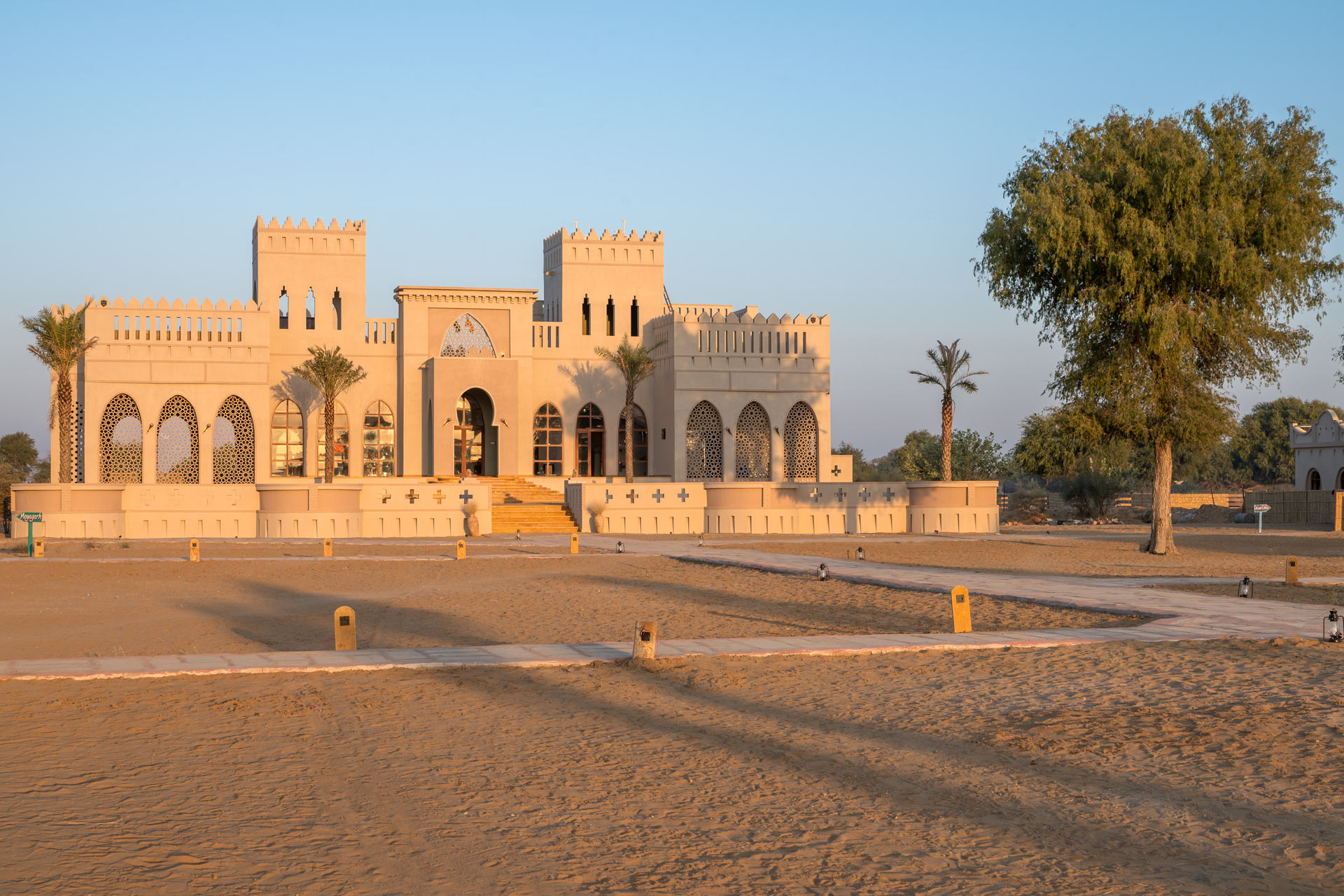
A good villa base matters more for winter photography than for standard travel — pre-dawn departures are the norm, 5–8 AM is the strongest light window, and the right positioning saves the morning cab commute. StayVista’s winter-destination inventory covers all five of the states this guide covers, plus the Himalayan ridge belt and the Rajasthan desert. Three picks across the three distinct winter photography biomes:


FAQs — Winter Photography in India
For landscape and snow photography: Kashmir (Gulmarg, Pahalgam), Himachal (Spiti), Uttarakhand (Auli, Mukteshwar), Sikkim (Pelling, Lachung) and Ladakh (Chadar Trek, winter villages). For wildlife: Keoladeo (Bharatpur) for migratory birds, Hemis National Park (Ladakh) for snow leopard, Jawai (Rajasthan) for leopards, Ranthambore and Bandhavgarh for tigers. For festivals and culture: Rann Utsav (Kutch), Hornbill Festival (Nagaland), Pushkar Camel Fair (Rajasthan), Theyyam performances (Kerala’s Kannur district).
The three winter-specific additions beyond standard travel kit: extra batteries (lithium cells fade sharply below 0°C — carry 2x your usual spares and keep them in your inner jacket pocket), lens hoods (reduce lens-glare from low winter sun and protect from unexpected snow spray), and a weather-sealed camera body if possible. For snow destinations, a UV filter protects the front element; for the Himalayan trips above 3,500m, a lens pen for condensation becomes essential when moving between cold outdoors and heated indoors.
Yes. The current winter window (October 2026 through February 2027) is in session with no central or state travel restrictions on the standard tourist and photography circuits. Kashmir is open and safe; Ladakh is accessible year-round thanks to the Zoji La winter corridor; Rann Utsav opens 1 November 2026; Hornbill Festival runs 1–10 December 2026; Chadar Trek season typically runs late January to late February 2027. Book organised expeditions 2–3 months ahead for the specialist trips.