
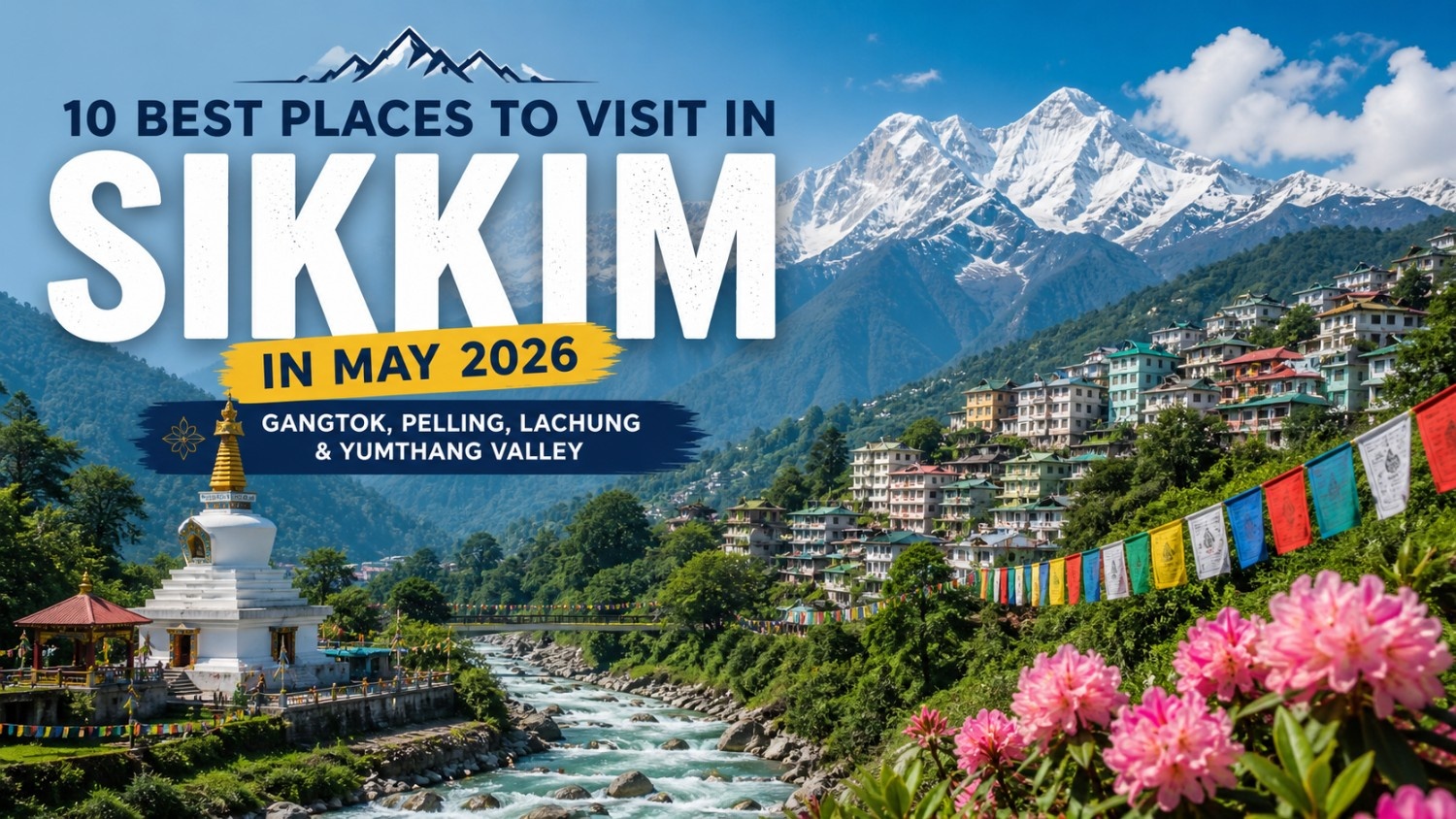
10 Best Places to Visit in Sikkim in May 2026: Gangtok, Pelling, Lachung & Yumthang Valley
In this Blog
Is Sikkim in May Worth It?
Sikkim in May is, without question, one of the best times to visit this Himalayan gem. With daytime temperatures between 16°C and 24°C, rhododendrons painting valleys in vivid reds and pinks, trekking trails freshly reopened, and the spiritual energy of the Saga Dawa festival in the air, May offers the perfect blend of nature, adventure, and culture that Sikkim is so famous for.
Whether you’re planning a 5-day solo escape, a romantic getaway, or a Sikkim tourist package for the whole family, this guide covers the 10 best Sikkim tourist places to visit in May 2026, complete with how to reach each one, current snow conditions, weather insights, and everything you need to plan confidently.
Why Sikkim in May Is a Traveller’s Dream
Most people assume Sikkim is best in autumn. They’re wrong, or at least, only half right.
Sikkim in May sits in a sweet spot that most travellers miss. The brutal winter cold is gone. The monsoon hasn’t arrived yet. And the entire state is quite literally bursting into colour. Rhododendron forests that were dormant for months erupt into bloom, alpine meadows turn green almost overnight, and roads to high-altitude destinations like Lachung and Yumthang Valley reopen for the season after winter closures.
Quick Facts: Sikkim in May 2026
- Temperature in Sikkim in May: 5°C to 28°C (varies sharply by altitude)
- Gangtok: 12°C to 22°C (pleasant, perfect for sightseeing)
- Pelling: 16°C to 24°C (warm days, cool evenings)
- Lachung/Yumthang: 8°C to 20°C (cool, carry layers)
- Zero Point: -5°C to 5°C (sub-zero at night; snow present)
- Rainfall: Moderate (8–11 rainy days; light afternoon showers)
- Crowds: Moderate — busy but not overwhelming
- Best for: Rhododendrons, trekking, cultural festivals, family trips, snowscapes at high altitude
Snow in Sikkim in May: What’s the Real Picture?
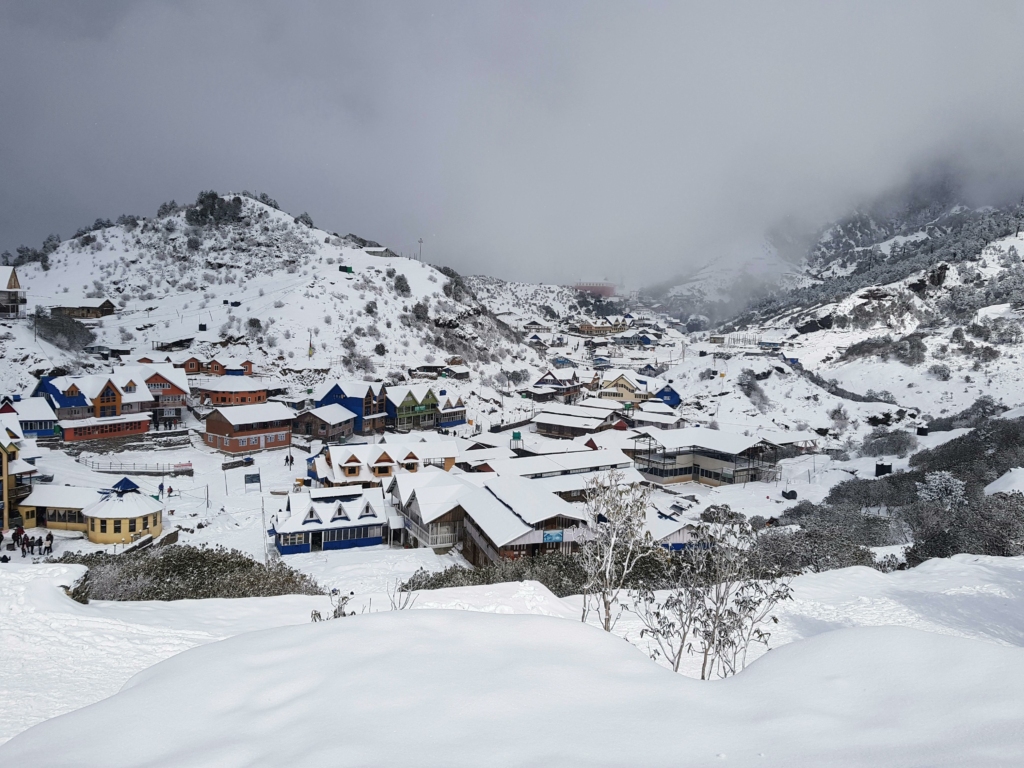
One of the most common questions we get is: “Can I see snow in Sikkim in May?” The answer is a resounding yes, but altitude is everything.
Where You Will See Snow in May
Sikkim’s snowfall is deeply tied to elevation. High-altitude places above 4,000 metres, like Zero Point and Gurudongmar Lake, remain snow-covered even in May, making Sikkim one of the few destinations in India where snow can be experienced beyond winter.
Here’s a clear breakdown of snow status across Sikkim’s top destinations in May 2026:
| Destination | Altitude | Snow Status in May |
| Zero Point (Yumesamdong) | 4,724 m (15,500 ft) | Heavy snow present; accessible by road |
| Gurudongmar Lake | 5,183 m (17,000 ft) | Snow and frozen patches; cold |
| Nathu La Pass | 4,310 m (14,140 ft) | Snow-capped; road open |
| Tsomgo Lake | 3,780 m (12,400 ft) | Snow receding; scenic snowscapes visible |
| Yumthang Valley | 3,500 m (11,500 ft) | Snow on surrounding peaks; valley floor green & blooming |
| Lachung | 2,620 m (8,600 ft) | Snow-free; green and lush |
| Gangtok | 1,650 m (5,410 ft) | No snow; warm and pleasant |
| Pelling | 2,150 m (7,050 ft) | No snow; views of snow-capped Kanchenjunga |
When Is the Best Time to See Snowfall in Sikkim?
If fresh snowfall is your goal (not just snow landscapes), you need to plan a winter visit. The prime season for experiencing snowfall in Sikkim is from late December to February. During peak winter months, places like Tsomgo Lake and Nathula Pass start receiving heavy snow, while higher regions like Yumthang Valley and Zero Point are completely blanketed.
Higher-altitude areas like Yumthang Valley, Zero Point, Lachen, Lachung, and Gurudongmar Lake often see snow as early as late September or October, while lower areas like Gangtok rarely see more than a light flurry even in peak winter.
Month-by-month snow guide for Sikkim:
- October–November: Early snowfall at Zero Point, Gurudongmar, and Lachen/Lachung. Roads still mostly open.
- December–January: Peak snowfall season. Tsomgo Lake freezes, Nathu La and Zero Point are under heavy snow. Dramatic landscapes, but some roads are closed.
- February–March: Snow lingers at high altitude. Lower areas are beginning to warm. Roads to Gurudongmar may still be blocked.
- April: Snow retreats from the Yumthang Valley floor; rhododendrons emerge. Zero Point is still snowy.
- May: Snow remains reliably only above 4,000 m (Zero Point, Gurudongmar). Snowcapped peaks visible from everywhere. Valley floors green and blooming — a rare double spectacle.
Key Insight: May offers something almost no other month does — the combination of snow landscapes at high altitude AND vibrant floral bloom at lower altitudes. It’s the best of both worlds for photographers, families, and first-time visitors.
Can You Play in the Snow in May?
Yes, at Zero Point, snow activities (snowball fights, walking on snow, and photography on white terrain) are very much possible in May. The road from Lachung to Zero Point is usually clear by April, but road conditions can vary. Always travel with a registered operator who tracks live conditions.
Kala Patthar, near Gurudongmar Lake, is noted as one of the few places in Sikkim where you can experience playing in snow even in peak summer. For genuine snow experiences in May, Zero Point and the Gurudongmar region are your best bets.
10 Best Places to Visit in Sikkim in May 2026
1. Gangtok — The Gateway to Everything Sikkim
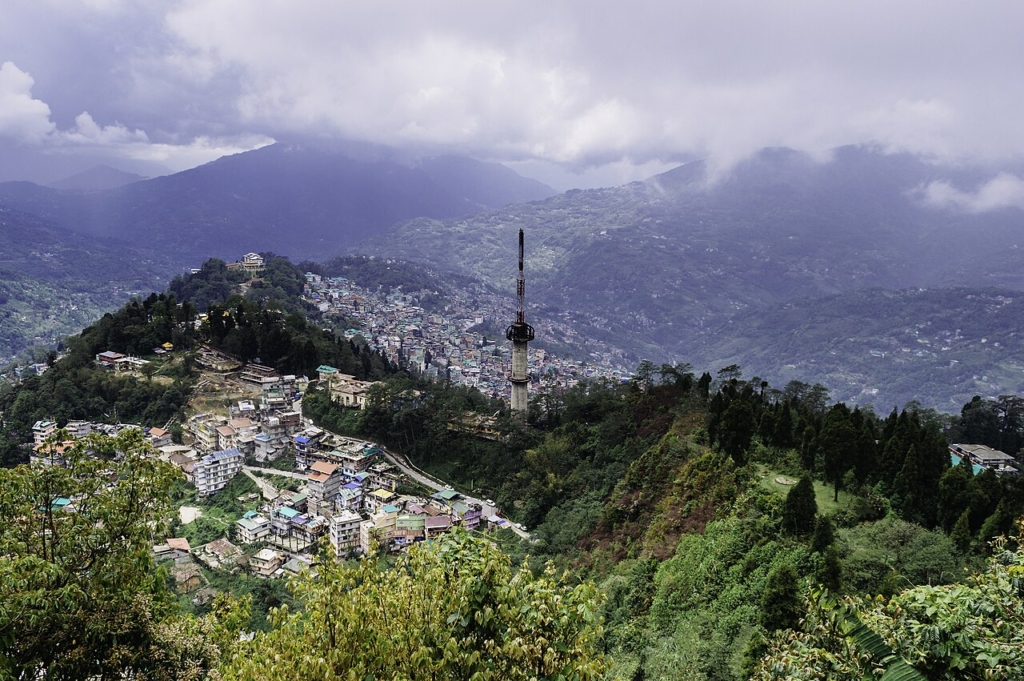
Can I visit Gangtok in May? Absolutely—and you should start here.
Gangtok is the pulsating capital of Sikkim, sitting at around 1,650 metres above sea level. In May, the city transforms into a canopy of green, with lush trees keeping things comfortably cool even as the sun shines strongly. The temperature ranges from 5°C to 18°C in Gangtok during May, making it perfect for enjoying the great outdoors.
Top places to visit in Gangtok:
- MG Marg — Sikkim’s iconic pedestrian boulevard; perfect for evening strolls, local shopping, and café-hopping
- Nathu La Pass (56 km from Gangtok) — One of the highest motorable passes in the world at 14,140 ft; views extend into Tibet on clear days
- Tsomgo (Changu) Lake (38 km) — Sacred glacial lake at 12,400 ft that partially thaws in May, revealing brilliant emerald-green waters
- Rumtek Monastery (24 km) — Headquarters of the Black Hat sect of Mahayana Buddhism; stunning architecture and rare sacred manuscripts
- Enchey Monastery — Hilltop monastery offering sweeping views of Gangtok city and Mount Kanchenjunga
- Namgyal Institute of Tibetology — One of Asia’s finest repositories of Buddhist manuscripts and artefacts
- Tashi View Point — Best spot for early morning Kanchenjunga views
Activities to do in Gangtok in May: White water rafting on the Teesta River, ropeway rides over the city, paragliding, visiting the Deorali Orchid Sanctuary (home to over 454 orchid species), and attending the Sikkim Flower Festival organised by the Government of Sikkim throughout May. The Saga Dawa festival — marking Buddha’s birth, enlightenment, and nirvana — also falls in May; monasteries across Gangtok celebrate with processions, prayer flags, and sacred chanting.
How to Reach Gangtok
By Air:
The nearest airport to Gangtok is Bagdogra Airport (IXB) in West Bengal, about 124 km away, with a 4–5 hour drive to Gangtok. There are regular flights to all major Indian cities, including Delhi, Mumbai, Kolkata, Pune, and Bangalore. Helicopter services from Bagdogra to Gangtok are also available (about 20 minutes), though these depend on weather conditions and booking availability. Sikkim’s own Pakyong Airport (PYG), 35 km from Gangtok, has limited connectivity and is best checked for updated schedules closer to the travel date.
By Train:
New Jalpaiguri (NJP) is the nearest major railway station, about 117 km from Gangtok. NJP is a major junction connecting the rest of India to the northeast, with trains from Kolkata, Delhi, Mumbai, Chennai, and Guwahati. From NJP, take a shared jeep or private taxi (4–5 hours) to Gangtok.
By Road: From Siliguri (about 114 km), Gangtok is accessible via NH-10, a scenic route along the Teesta River through tea gardens and forested hills. Shared jeeps depart from Siliguri’s Tenzing Norgay Bus Terminus. Private taxis offer a more comfortable option. The drive takes 3.5–4.5 hours, depending on traffic.
2. Yumthang Valley — Sikkim’s Valley of Flowers
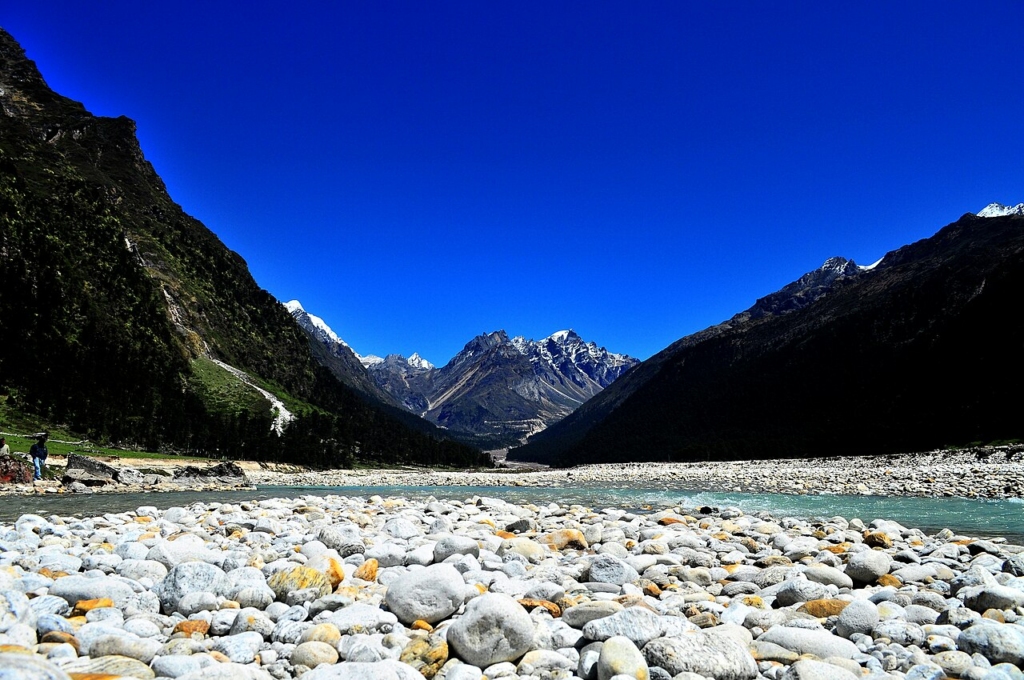
If there’s one place in Sikkim that renders grown adults speechless, it’s Yumthang Valley.
Nestled at an altitude of over 11,800 feet, Yumthang Valley in North Sikkim is often called the “Valley of Flowers of Sikkim.” With rolling alpine meadows, snow-covered peaks, vibrant rhododendron blooms, and hot springs, this valley is a surreal blend of nature’s raw and serene beauty.
Yumthang is especially famous during March to May when the Shingba Rhododendron Sanctuary is in full bloom, with over 24 species of rhododendrons painting the valley in hues of pink, purple, red, and white. By early May, the valley floor is a riot of colour set against snow-capped peaks and the sparkling Lachung River.
Best things to do at Yumthang Valley:
- Walk through the rhododendron-blanketed Shingba Sanctuary at dawn — the light at 6 AM here is extraordinary
- Visit the Yumthang Hot Springs — a natural sulphur spring with reputed medicinal properties, right next to an iron bridge over the Lachung River
- Photograph grazing yaks against a snow-peak backdrop (one of Sikkim’s most iconic images)
- Spot rare bird species endemic to the Eastern Himalayas, including sunbirds and laughing thrushes
Zero Point (Yumesamdong): Located 23 km beyond Yumthang at 15,100 feet, Zero Point is India’s last motorable civilian point in North Sikkim. In May, the road is typically open, and the snowscapes are breathtaking. There are no civilian settlements, no phone network, and no permanent structures — only snowy hills, fluttering prayer flags, and the hauntingly beautiful silence of the Himalayas. Only Indian citizens can visit; permits are mandatory.
Pro Tip: Book your Sikkim tourist package that includes North Sikkim at least 4–6 weeks in advance. Hotels in Lachung fill up fast in May 2026—the summer 2026 season is seeing high demand.
3. Lachung — The Quiet Village Before the Bloom
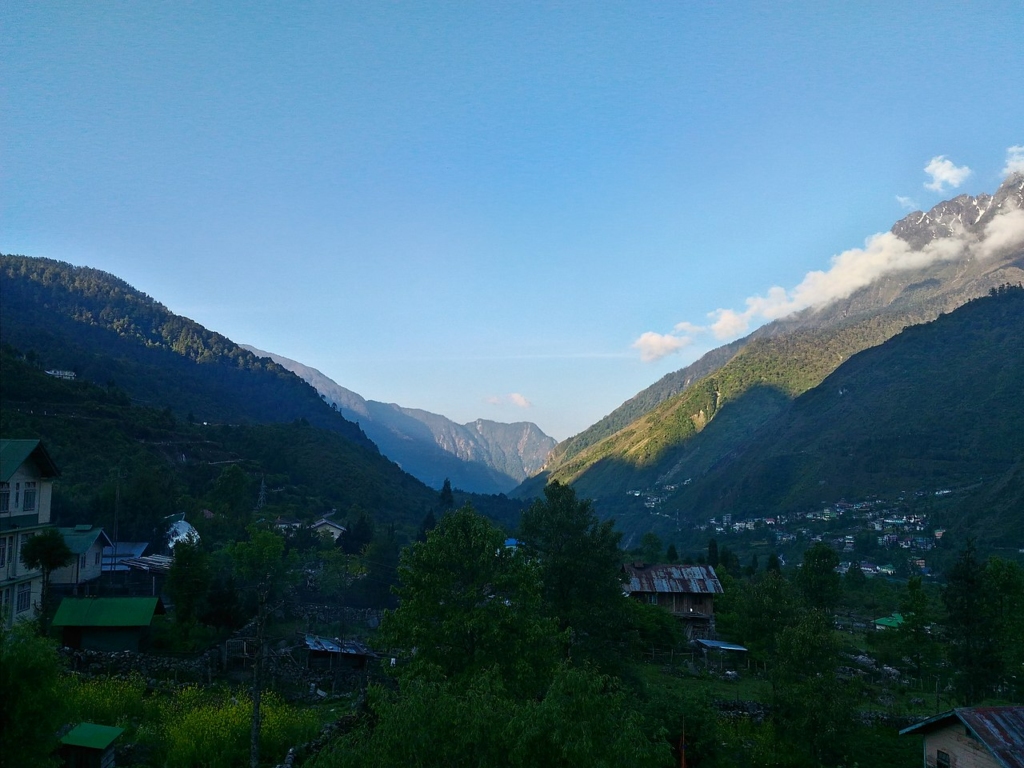
Before you reach Yumthang, you pass through Lachung — and you’ll want to linger.
Located about 118 km from Gangtok (a 5–6 hour scenic drive), Lachung is a small mountain village governed by a traditional system called the Dzumsa, where village elders resolve disputes. It’s one of the last places in India where this indigenous governance system survives.
In May, temperatures range between 8°C to 20°C in Lachung. Walk through the little hamlet and visit the 168-year-old Lachung Monastery. Stay overnight and head to Sikkim’s very own Valley of Flowers, Yumthang Valley, early morning on the next day. Mornings are crisp, evenings are cosy, and the air smells faintly of pine and wildflowers.
What to do in Lachung:
- Explore the Lachung Monastery — featuring intricate wall murals, antique statues, and panoramic hillside views
- Walk along the Lachung River at dusk (one of the most peaceful things you’ll do on this trip)
- Visit the apple orchards and interact with the warm Lachungpa community
- Stargaze — at this altitude and with minimal light pollution, the night sky is extraordinary
Spending a night in Lachung before your Yumthang excursion is strongly recommended; it aids acclimatisation and makes the early-morning valley visit far more comfortable.
4. Pelling — Drama, Views & Adventure in West Sikkim
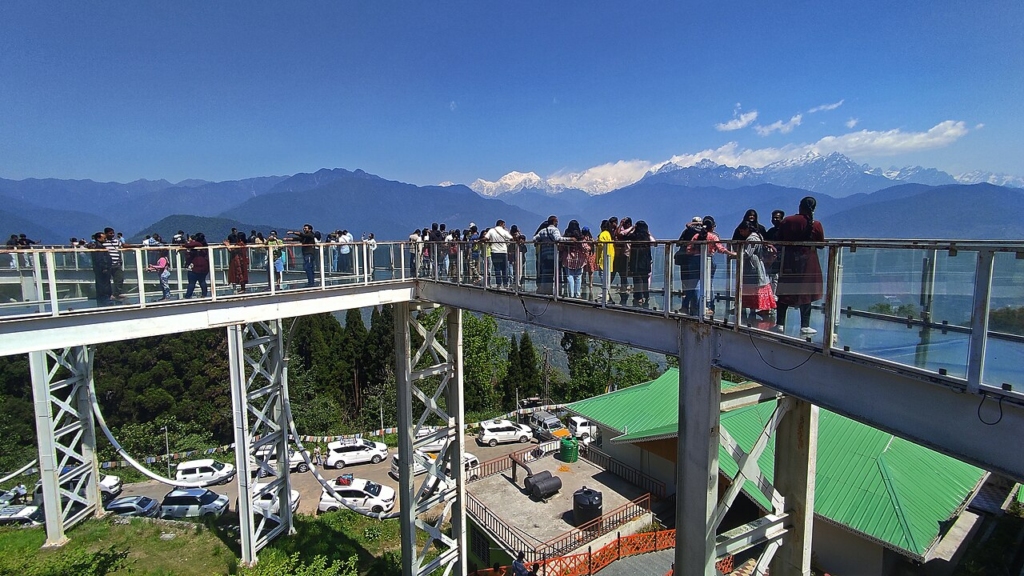
Pelling is where adventure activities in Sikkim find their natural home.
Situated at about 2,150 metres in West Sikkim, Pelling offers jaw-dropping views of the Kanchenjunga massif — on clear May mornings, the world’s third-highest peak floats above the clouds like a painting. The town is about 120–131 km from Gangtok (a 4-hour drive) and is increasingly popular with couples and families for its mix of spirituality and thrill.
Top places to visit in Pelling:
- Pemayangtse Monastery — One of Sikkim’s oldest and most revered monasteries, just 8 km from Pelling. The seven-tiered wooden structure of Zangdog Palri inside is an artistic masterpiece
- Rabdentse Ruins — The 16th-century ruins of Sikkim’s ancient capital, accessed through a stunning chestnut forest walk
- Singshore Bridge — One of the highest suspension bridges in Asia at 198 metres, offering vertiginous views of a deep forested gorge below
- Barsey Rhododendron Sanctuary — A 104 sq km sanctuary blazing with spring blooms in April–May
- Pelling Skywalk — India’s first glass-floored skywalk; extraordinary Kanchenjunga views from a glass-bottomed bridge
- Kanchenjunga Falls — A powerful cascade accessible via a short forest trail
Adventure activities in Pelling you can’t miss:
- Mountain biking through forest trails
- Rock climbing and rappelling
- Bird watching (over 550 species documented across West Sikkim)
- Trekking to Khecheopalri Lake — a sacred wish-fulfilling lake, 34 km away
- Trekking the Goecha La route (starts from nearby Yuksom)
Best places in Pelling for couples: The sunrise point above Pelling for Kanchenjunga views, the glass Skywalk, and the forest walk to Rabdentse. Budget an entire morning for sunrise — it’s unforgettable.
How to Reach Pelling
By Air:
The nearest airport is Bagdogra Airport (IXB), approximately 160 km from Pelling, with regular flights from Mumbai, Delhi, and Kolkata. From Bagdogra, book a private taxi or shared cab to Pelling. Pelling is 131 km from Gangtok, so the convenient approach is to arrive at Bagdogra, drive to Gangtok, and then continue to Pelling the next day.
By Train:
The nearest railway station is New Jalpaiguri (NJP), about 135–140 km from Pelling. NJP is well-connected to Kolkata, Delhi, Mumbai, Guwahati, and Chennai. The road journey from NJP to Pelling takes 5–6 hours, passing through tea gardens, river valleys, and forested mountain roads.
By Road:
Pelling is well connected from Gangtok (131 km, ~4 hours), Siliguri (135 km, ~5 hours), and Darjeeling (70 km, ~3 hours). Private taxis are the most comfortable option. Shared jeeps are available from Jorethang and Siliguri. The road from Siliguri to Pelling is steep in parts — a 4WD or SUV is advisable.
5. Tsomgo Lake (Changu Lake) — Mystical at 12,400 Feet
Just 38–40 km from Gangtok on the road to Nathu La Pass lies Tsomgo Lake — an oval glacial lake considered sacred by both Hindus and Buddhists. In May, the surrounding slopes are carpeted with wildflowers and the lake shimmers in brilliant turquoise as winter ice recedes.
Key facts:
- Elevation: 3,780 metres (12,400 feet)
- Distance from Gangtok: 38–40 km (~1.5 hours)
- Entry: Permit required (Inner Line Permit for Indian nationals; arranged by tour operator)
- Best time to visit: Early morning for clearest skies and fewer crowds
Yaks dressed in colourful traditional adornments offer rides around the lake — a quintessential Sikkim experience. The ropeway ride above Tsomgo is another highlight, offering aerial views of the lake and surrounding peaks. One of the most visited Gangtok tourist places, Tsomgo is a must on any Sikkim itinerary.
Snow at Tsomgo in May: Snow around the lake has mostly receded by May, but snow-capped peaks and snowbanks on the hillsides remain. The lake itself is thawed and stunningly beautiful in its spring colours.
6. Nathu La Pass — Standing at the India-China Border
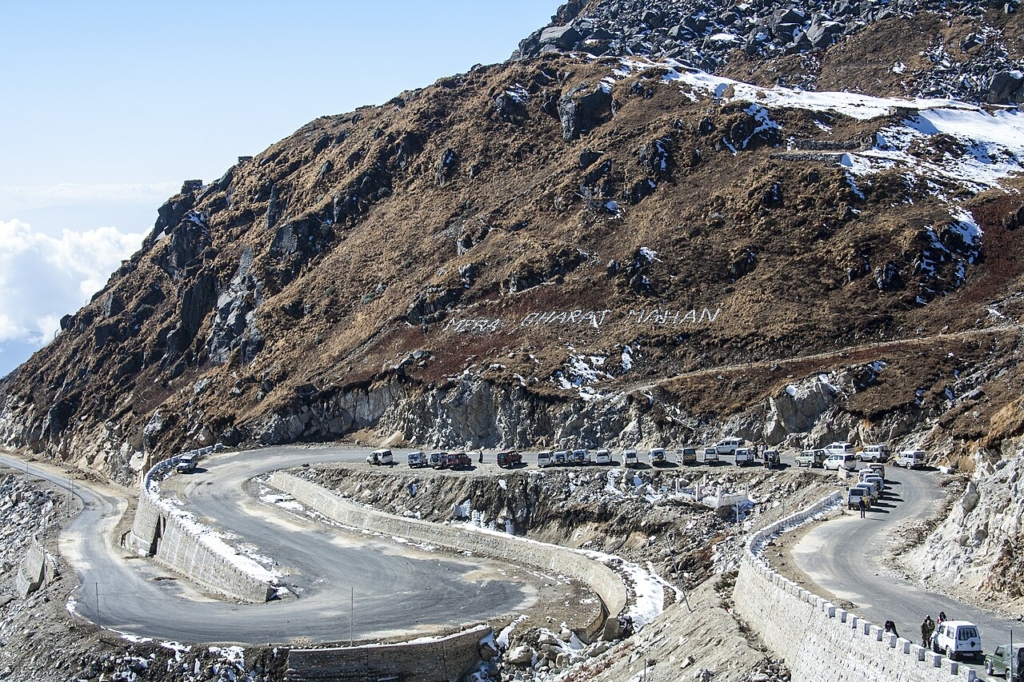
At 14,140 feet, Nathu La Pass is one of the world’s highest motorable passes and one of the most emotionally stirring places you can stand in India. It’s part of the ancient Silk Route, reopened for India-China border trade in 2006.
In May, the pass is typically open (it closes in winter due to heavy snowfall). Snow is present along the road and at the pass itself — in fact, driving through snowbanks on either side of the road is part of the theatrical experience. On clear days, you can see deep into the Tibetan plateau.
Important: Permits for Nathu La are required and obtainable in Gangtok. Only Indian nationals are permitted. Altitude sickness is possible; acclimatise in Gangtok for at least one full day before visiting. Nathu La is open to tourists only on Wednesday through Sunday (closed Monday and Tuesday).
Snow at Nathu La in May: Snow is reliably present at Nathu La in May — expect snowbanks on the roadside and a cold, bracing wind. Carry a thick jacket.
7. Ravangla — South Sikkim’s Best-Kept Secret
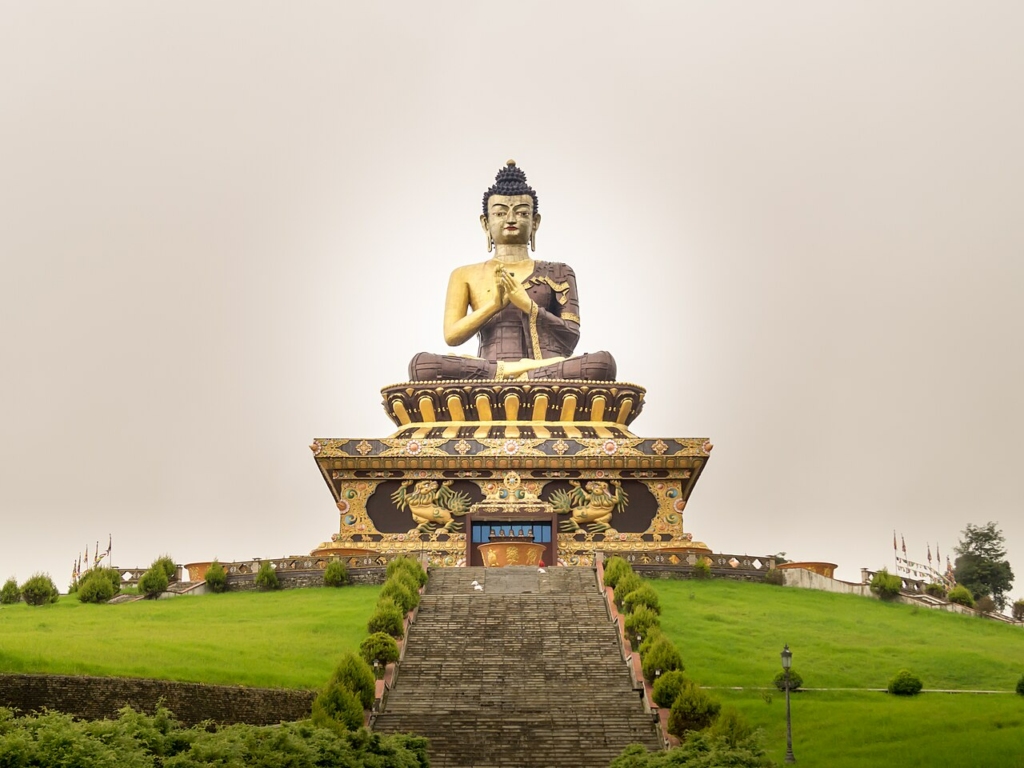
Ravangla (also spelt Rabongla) sits at around 2,150 metres in South Sikkim and is one of those places where you arrive for a quick stop and end up staying two days.
Why Ravangla in May?
- The Buddha Park of Ravangla houses a magnificent 130-foot statue of Shakyamuni Buddha against a mountain backdrop — genuinely awe-inspiring at sunrise
- The Ralong Monastery (established 1768) is one of the region’s most important Kagyu Buddhist centres
- The viewpoints here offer unobstructed panoramas of Kanchenjunga, Kabru, Sinjolchu, and Pandim peaks — often without the crowds of Pelling
- The town is surrounded by bird-rich forests; the Maenam Wildlife Sanctuary is a birding paradise
Ravangla is located 68 km from Gangtok, making it an easy drive from the capital. The weather in May is warm (18°C to 28°C), making it ideal to explore without needing heavy layers.
8. Khecheopalri Lake — Where Wishes Come True
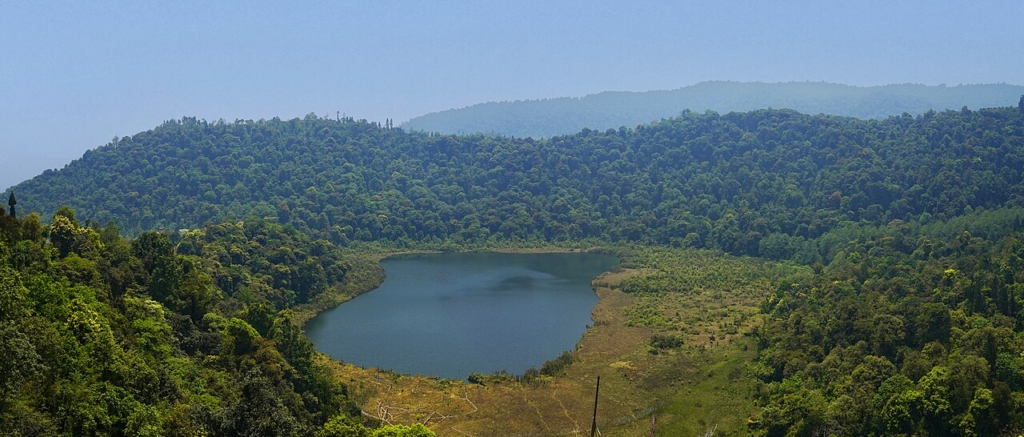
One of the most spiritually significant places to visit in Sikkim, Khecheopalri Lake is considered a “wish-fulfilling” lake in both Buddhist and Hindu traditions. Located 34 km from Pelling, the lake is surrounded by dense forest — if you’re patient, you might spot hornbills, kingfishers, or the rare Himalayan bear.
In May, the forest trail leading to the lake is at its greenest, making it an incredibly short hike (30–40 minutes from the parking area). The lake’s waters are a deep, still, grey-green, and the silence feels almost sacred. Birds perch on the surface regularly, and locals believe that no leaf ever floats on the lake because birds remove them instantly — a belief that makes you look very carefully, and sure enough, the surface remains remarkably clean.
Perfect for: Families, couples, solo travellers, photographers, and anyone who needs to slow down.
9. Namchi — Pilgrimage and Peace in South Sikkim
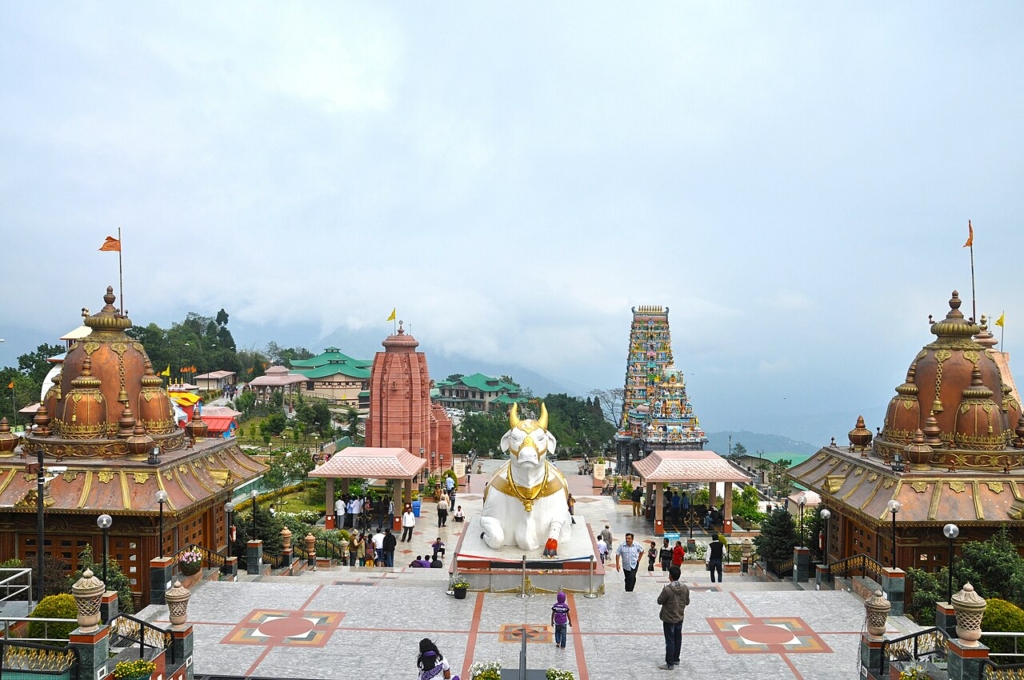
Namchi, the administrative headquarters of South Sikkim, is home to two of Sikkim’s most iconic religious monuments — and is significantly underrated as a tourist destination.
- Chardham Replica (Char Dham) — A sprawling complex with life-size replicas of India’s four dhams (Badrinath, Dwarka, Puri, Rameshwaram), built around a 33-metre statue of Lord Shiva atop Solophok Hill. The engineering and devotional energy here are remarkable.
- Samdruptse Hill — Topped with a 45-metre copper statue of Guru Padmasambhava, visible from almost anywhere in South Sikkim and offering 360-degree views of the district
May weather in Namchi is warm and mostly clear — ideal for exploring the sprawling temple complexes. It’s a great addition to a Sikkim tour package for 7 days that covers multiple regions.
Namchi is 76 km from Gangtok on the Gangtok–Pelling road, making it a logical half-day stop en route to Pelling or Ravangla.
10. Zuluk (Dzuluk) — The Forgotten Silk Route
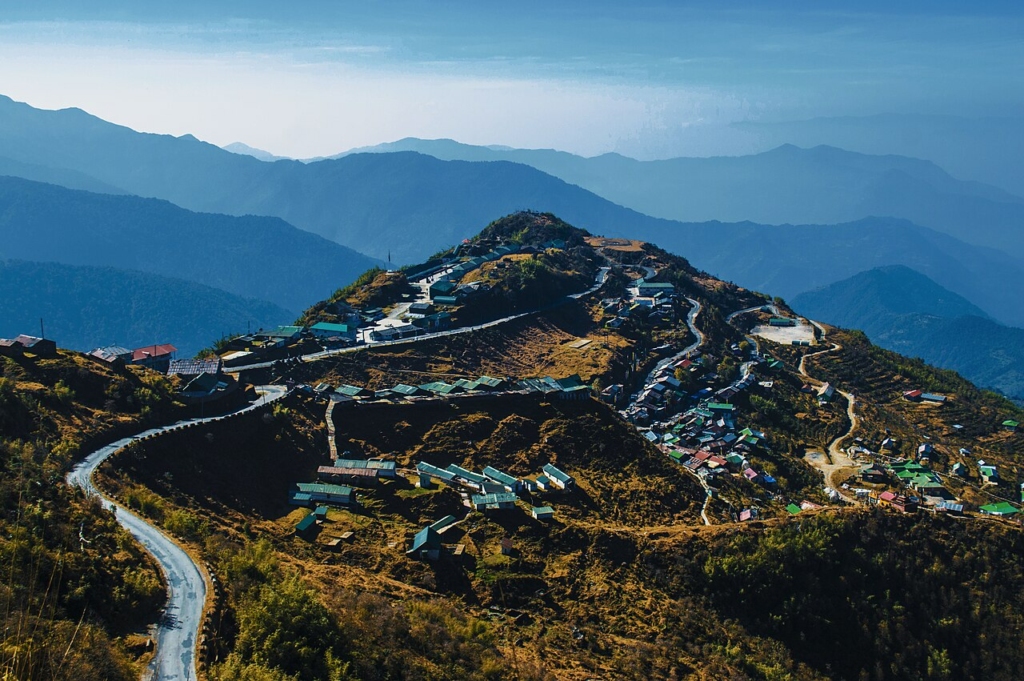
If you want to go genuinely off the beaten path this May, Zuluk is your answer.
This small hamlet in East Sikkim sits along the historic Silk Route at about 2,743 metres. The drive to Zuluk is famous for its 32 hairpin bends (the Zuluk Loops Road), which snake dramatically up the mountainside — an experience that makes you question your life choices while simultaneously gaping at the valley below.
In May, the Zuluk area blooms with primulas and rhododendrons. The Valley Viewpoint here reflects the sky so perfectly on clear days that photographs look digitally enhanced. The road to Zuluk and nearby Nathang Valley passes through the old Silk Route, still dotted with ruins and passes used by traders for centuries.
What makes Zuluk special:
- Restricted area — Inner Line Permit required (Indian nationals only)
- Panoramic views of Kanchenjunga from a completely different, eastern angle
- Authentic homestay culture with Bhutia and Lepcha families
- The 32 hairpin bends and Thambi View Point — one of the most photographed roads in the Himalayas
- En route: Lungthung, Nathang Valley, Old Baba Mandir
How to Reach Zuluk
By Air:
Fly to Bagdogra Airport (IXB), drive to Gangtok (124 km, ~4–5 hours), and then drive from Gangtok to Zuluk (approximately 90 km, ~4 hours via Rongli and Rorathang). Total travel from the airport: about a full day. An overnight halt in Gangtok before heading to Zuluk is strongly recommended.
By Train:
Reach New Jalpaiguri (NJP), drive to Gangtok (117 km, ~4.5 hours), rest, obtain the Inner Line Permit, and depart for Zuluk the next morning. Shared jeeps from Gangtok to Rongli (the transit point) are available; from Rongli, change to a vehicle heading to Zuluk.
By Road:
Gangtok to Zuluk is approximately 90 km via Rongli and takes around 4 hours on mountain roads. Private SUVs or 4WDs are recommended — the roads are scenic but require good clearance. All vehicles must have a Sikkim-registered permit. Book through your registered tour operator in Gangtok.
How to Reach Sikkim: City-Wise Guide
From Mumbai to Sikkim
Fly from Mumbai (BOM) to Bagdogra (IXB) — multiple daily flights with IndiGo, Air India, and SpiceJet, usually with a Kolkata stopover. Flight time: approximately 3.5–4 hours (with connection). From Bagdogra, drive to Gangtok: 4–5 hours (124 km). Total journey: ~8–9 hours door to door. Alternatively, take an overnight train from Mumbai (LTT or CST) to New Jalpaiguri via the Ratnagiri/Azamgarh route — a scenic 36–40 hour journey with views of the Deccan, Vidarbha, and Bengal plains.
From Delhi to Sikkim
Direct flights from Delhi (DEL) to Bagdogra (IXB) take about 2 hours — IndiGo, Air India, and SpiceJet operate frequent services. This is the fastest route to Sikkim from anywhere in North India. From Bagdogra, drive to Gangtok: 4–5 hours. By train: The Padatik Express or Darjeeling Mail from Kolkata to NJP are popular options; Delhi to NJP by the Poorva Express or Brahmaputra Mail takes approximately 26–30 hours.
From Kolkata to Sikkim
Kolkata (CCU) is the closest metro to Sikkim by both air and rail. Flights to Bagdogra from Kolkata take just 50–55 minutes (multiple daily). By train, the journey from Howrah/Sealdah to New Jalpaiguri takes 8–10 hours via Darjeeling Mail, Padatik Express, or Kanchankanya Express — a classic Bengali holiday train route. From NJP, Gangtok is 117 km (~4.5 hours by road). Kolkata is the most connected hub for Sikkim packages, with the best variety of train options.
From Bangalore to Sikkim
Fly from Bangalore (BLR) to Bagdogra (IXB) — typically 3–3.5 hours with a Kolkata or Hyderabad connection. IndiGo and Air India operate this route regularly. Direct Bangalore to Bagdogra flights are available on select days; check current schedules. From Bagdogra, drive 4–5 hours to Gangtok. Total door-to-door: ~8–10 hours.
From Chennai to Sikkim
Fly from Chennai (MAA) to Bagdogra (IXB) with a Kolkata stopover — approximately 3.5–4 hours of flying time. SpiceJet and IndiGo operate this route. By train, the Howrah Mail or Coromandel Express connects Chennai to Howrah (Kolkata) in about 27 hours, from where you can take another train to NJP or fly to Bagdogra. The quickest option remains to fly from Chennai to Kolkata–Bagdogra, then by road to Gangtok.
From Pune to Sikkim
Fly from Pune (PNQ) to Bagdogra (IXB) via Kolkata or Mumbai — approximately 3.5–5 hours of total flight time. IndiGo and Air India connect this route. From Bagdogra to Gangtok: 4–5 hours by road. Alternatively, fly Pune–Kolkata and take the overnight Kanchankanya Express (Kolkata to NJP in ~9 hours), followed by a drive to Gangtok. The fly-and-drive combination remains the most practical for Pune travellers.
Sikkim Itinerary for May — 7 Days
Here’s a sample Sikkim tour package for 7 days covering the highlights:
| Day | Route | Highlights |
| Day 1 | Arrive Gangtok | MG Marg, local food, Flower Festival, Enchey Monastery |
| Day 2 | Gangtok Day Trip | Tsomgo Lake + Nathu La Pass + Baba Harbhajan Singh Mandir |
| Day 3 | Gangtok → Lachung | Seven Sisters Falls, Naga Falls, Singhik Viewpoint |
| Day 4 | Lachung → Yumthang → Zero Point → Lachung | Full day in North Sikkim |
| Day 5 | Lachung → Pelling (via Gangtok) | Scenic mountain drive; check in at Pelling |
| Day 6 | Pelling | Pemayangtse Monastery, Singshore Bridge, Khecheopalri Lake |
| Day 7 | Pelling → Namchi → Departure | Char Dham Replica, Samdruptse; drive to Bagdogra |
Where to Stay: StayVista Villas in Sikkim
For travellers who want more than a standard hotel room, StayVista offers a curated collection of premium villas and nature retreats across Sikkim and the surrounding Himalayan region. Whether you’re looking for a private villa with Kanchenjunga views near Pelling, a serene mountain retreat outside Gangtok, or a boutique stay close to the forest — StayVista’s properties are particularly well-suited for May travel, when every outdoor deck becomes a viewpoint, and every sunrise becomes an event.
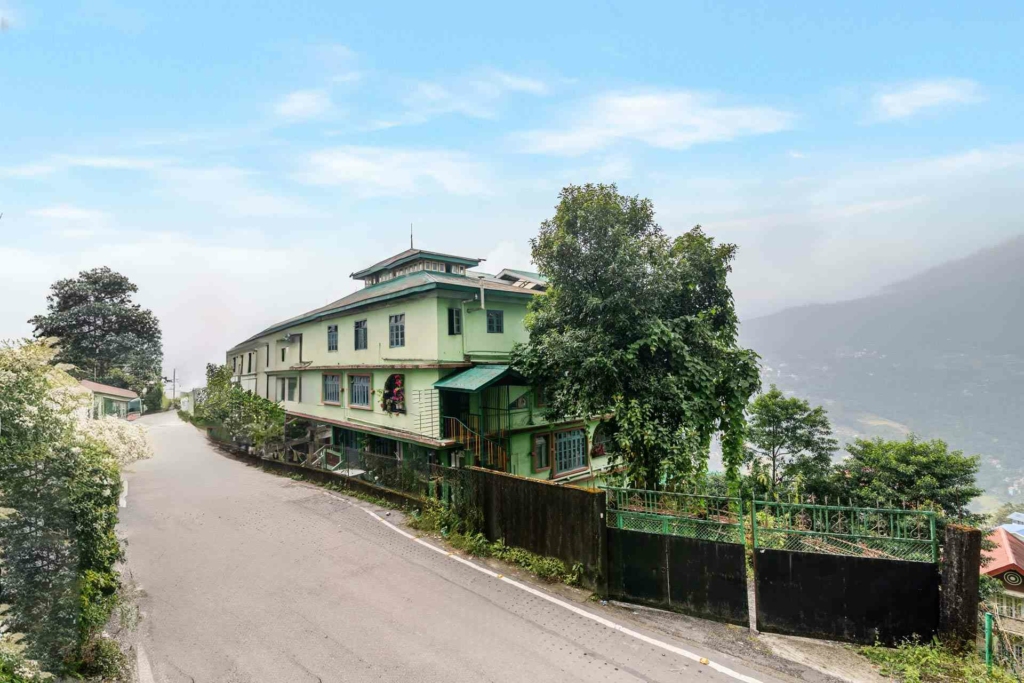

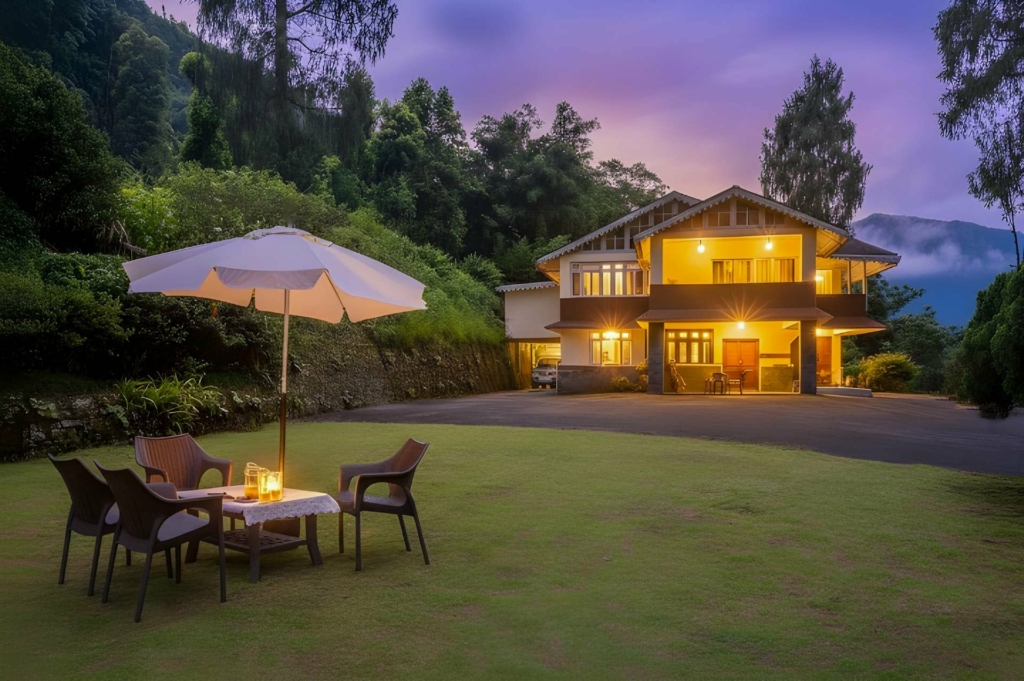
Ideal for: Couples seeking a romantic getaway, families wanting space and comfort, and group trips that want a luxury Sikkim experience with privacy.
Also Read: How Many Days Are Enough for Sikkim and Darjeeling? (6–8 Day Itinerary for 2026)
Things to Buy in Sikkim
Before you leave, stock up on the best things to buy in Sikkim:
- Chhurpi — Hard yak cheese with centuries of history; available at Gangtok’s MG Marg market
- Temi Tea — Grown on Sikkim’s only tea estate at 5,500 ft; one of India’s finest organic teas
- Thangka paintings and handwoven carpets — From certified craft shops on MG Marg
- Organic honey and cardamom — Sikkim is one of India’s leading organic states; the honey is extraordinary
- Traditional Lepcha and Bhutia handicrafts — Bamboo baskets, woven shawls, wooden prayer wheels
FAQs: People Also Ask About Sikkim in May
Yes, May is one of the best months to visit Sikkim. The Sikkim climate in May is pleasantly mild, with cool mornings, warm afternoons, and occasional light showers, making it ideal for sightseeing, trekking, and exploring nature. Roads are generally open, and tourist facilities are operational. May also coincides with local festivals like Saga Dawa, adding cultural charm.
Yes, Zero Point (Yumesamdong) is generally accessible in May after winter road clearance. However, road conditions can be unpredictable, and last-minute closures can occur after snowfall. Only Indian nationals are permitted, and a Protected Area Permit is mandatory — your registered tour operator handles this. Travel with operators who track live road conditions.
Yes. It is possible to see snow in Sikkim in May, but mostly in high-altitude regions above 3,500 metres. Areas such as Gurudongmar Lake, Zero Point, and Lachung can still have patches of snow. Snow-capped peaks provide stunning views and attract photographers and adventure enthusiasts. While roads to these areas are usually open by May, travellers should be prepared for cold temperatures.
Absolutely. Gangtok in May is pleasant, green, and full of activity. The Sikkim Flower Festival takes place throughout May, white water rafting on the Teesta is in full swing, and May temperatures of 12°C to 22°C make outdoor sightseeing extremely comfortable throughout the day.
It varies significantly by altitude. Gangtok: 12°C to 22°C; Pelling: 16°C to 24°C; Lachung and Yumthang Valley: 8°C to 20°C; Zero Point: can drop to -5°C, especially at night. Always pack layered clothing.
March to May and October to December are the best periods. May specifically offers rhododendron blooms, reopened high-altitude roads, the Saga Dawa festival, and snow landscapes at high elevation — making it arguably the most rewarding and complete month to visit Sikkim.
For most of Sikkim, Indian nationals need only a valid government-issued ID (Aadhaar or Driving Licence). For restricted areas — North Sikkim (Lachung, Lachen, Yumthang, Zero Point), Nathu La Pass, and Zuluk — an Inner Line Permit (ILP) or Protected Area Permit (PAP) is required. These are arranged through your registered Sikkim tour operator in Gangtok, usually within a few hours. Foreign nationals require additional Restricted Area Permits and cannot visit some border-zone locations.
Light cotton clothes for daytime at lower altitudes (Gangtok, Namchi, Ravangla); warm fleece or light woolens for evenings; a thick jacket and thermal layer for North Sikkim (Lachung, Yumthang, Zero Point); a waterproof jacket or umbrella for afternoon showers; comfortable trekking shoes; sunscreen, sunglasses, and a cap for high-altitude UV exposure; and personal altitude sickness medication if recommended by your doctor.
Absolutely. Sikkim in May is one of the best times for a family trip. The weather is manageable for children and elderly members (especially in Gangtok and Pelling), the roads are open, and attractions like the Flower Festival, monastery visits, yak rides at Tsomgo Lake, and the Kanchenjunga views are universally appealing. Book a Sikkim tour package that avoids too many long road days in a row.
Final Word: Book Before the Mountains Fill Up
Sikkim in May is not a secret anymore, but it’s not overrun either, and that’s the sweet spot you want to hit before it closes. The rhododendrons don’t wait, Zero Point doesn’t negotiate, and the best rooms in Lachung get booked weeks in advance.
Whether this is your first visit or your fifth, Sikkim in May has a way of surprising you, a pass you didn’t expect to feel this emotional about, a monastery that quietens something inside you, a valley so impossibly beautiful it starts to feel like a memory even while you’re standing in it.
Start planning your Sikkim itinerary today. The mountains are already in full bloom — and they won’t hold the season for you.
Explore more: Best Places to Visit Gangtok | Best Things to do in Darjeeling