
Darjeeling and Gangtok Itinerary: 5-Day Guide Through the Eastern Himalayas (North Bengal and Sikkim)
Last updated: October 2026
Quick Information: This 5-day itinerary covers Darjeeling (West Bengal — the Darjeeling Himalayan Railway, Tiger Hill, Padmaja Naidu Zoological Park) and Gangtok (Sikkim — Rumtek Monastery, Tsomgo Lake, Nathula Pass, MG Road). The two destinations pair naturally — a 5-to-6-hour mountain drive connects them. Nathula Pass and Tsomgo Lake require Sikkim Protected Area Permits arranged through registered tour operators 24–48 hours in advance; Nathula is closed on Mondays, Tuesdays and Fridays. Peak visibility windows are September–November (post-monsoon) and March–May (spring); monsoon July–August brings landslide risk on NH-10.
Darjeeling and Gangtok, two of the most iconic destinations in North East India, offer a perfect blend of natural beauty, cultural heritage, and adventure. A 5-day trip to these beautiful hill stations can be the ideal escape for anyone seeking a break from the hustle and bustle of daily life. Whether you’re a solo traveller or visiting with friends or family, this travel guide will help you explore the best places to visit in North East India, uncover the top things to do in Darjeeling and Gangtok and experience the highlights of this enchanting region.
In this Blog
Quick Info.
| Field | Detail |
|---|---|
| Starting point | Bagdogra Airport / NJP railway station |
| Darjeeling altitude | 2,042m |
| Gangtok altitude | 1,650m |
| Tsomgo Lake altitude | 3,780m |
| Nathula Pass altitude | 4,310m |
| Best windows | September–November, March–May |
| Avoid | July–August (monsoon landslide risk on NH-10) |
| Permits required | Nathula, Tsomgo Lake, Baba Mandir (Sikkim PAP) |
| Nathula open days | Wed, Thu, Sat, Sun (Indian nationals) |
| Ideal duration | 5–6 days |

Permits You’ll Need Before Travelling
Sikkim’s border and high-altitude sites require protected area permits. The relevant ones for this itinerary:
- Nathula Pass: Requires a special permit issued through registered Sikkim tour operators (not available directly to independent travellers). Open only on Wednesday, Thursday, Saturday and Sunday for Indian nationals; closed on Monday, Tuesday and Friday. Foreign nationals require a separate Protected Area Permit (PAP) and must travel through authorised agencies. Weather can close the pass without notice; verify the day’s status with your operator.
- Tsomgo Lake (Changu Lake): Requires a Sikkim Protected Area Permit, usually arranged through your tour operator or hotel. Combined Nathula + Tsomgo permits are standard. The lake is at 3,780m — brief altitude discomfort is possible.
- Baba Harbhajan Singh Temple: Falls on the same permit as Nathula.
- Darjeeling-side attractions: No permits required.
Apply through your tour operator at least 24–48 hours ahead of the planned visit day; carry a valid government photo ID (Aadhaar, voter card or passport for Indian nationals). Children under 5 are typically exempt from fees but still require ID documentation.
Day 1: Arrival in Darjeeling – The Queen of Hills
Your North East trip begins in Darjeeling, one of the best places to visit in North East India. Known for its stunning views of the Kanchenjunga, vibrant tea gardens, and the famous Darjeeling Himalayan Railway, this town offers a unique mix of colonial charm and Himalayan beauty.
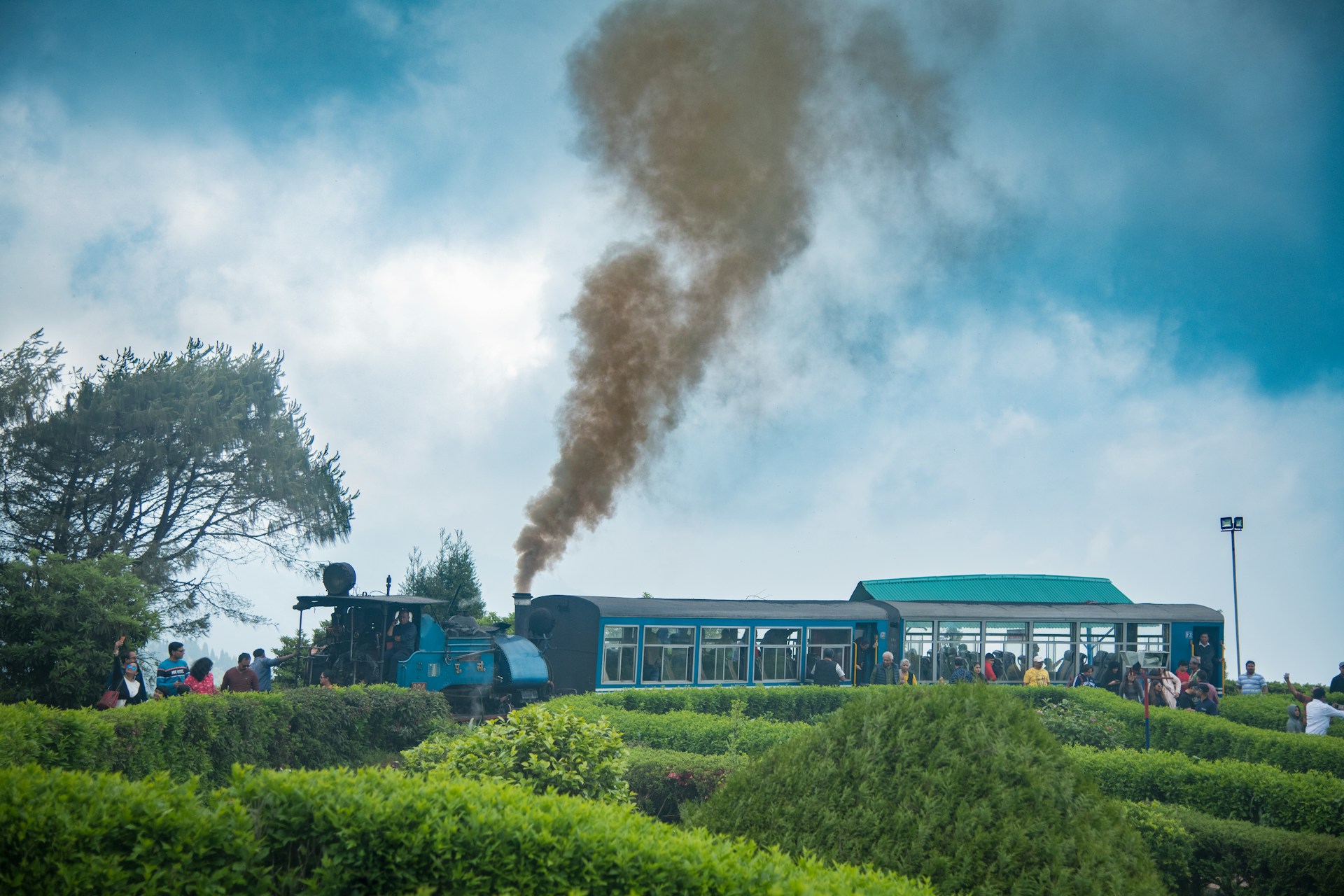
Upon arrival, check into your hotel and start your exploration of Darjeeling tourism. Begin with a ride on the Toy Train that will take you through lush landscapes, offering a nostalgic and scenic experience. The Darjeeling Himalayan Railway, a UNESCO World Heritage Site, is a must-do and one of the best things to do in Darjeeling.
Later, visit the Batasia Loop, an architectural marvel where the railway tracks form a loop amidst stunning views of Darjeeling. This spot is perfect for photography, as it offers a picturesque panorama of the town and the surrounding mountains.
As evening falls, there are plenty of things to do in Darjeeling, take a leisurely walk through Chowrasta, the heart of Darjeeling, lined with quaint shops and cafes. Enjoy a cup of Darjeeling tea at one of the tea stalls, and indulge in some delicious food in Darjeeling, such as Tibetan momos and thukpa, in the local eateries.
Day 2: Darjeeling’s Marquee Sites — Tiger Hill Sunrise, Zoo, Toy Train
Start your second day early by heading to Tiger Hill for a mesmerising sunrise. Tiger Hill is renowned for offering one of the best views of Kanchenjunga, and if you’re lucky, you might even catch a glimpse of Mount Everest. It’s near the best places to visit in North East India, especially for nature lovers and photography enthusiasts.
Afterwards, visit the Padmaja Naidu Himalayan Zoological Park, home to several rare species like the red panda, snow leopards, and various Himalayan birds. It’s an excellent place to witness the unique wildlife of the region. Right next to the zoo is the Himalayan Mountaineering Institute, where you can learn about the history of mountaineering in Darjeeling and the significant expeditions in the Himalayas.
For lunch, head to Kunga Restaurant or Glenary’s Bakery, both popular spots serving delicious Tibetan and local Darjeeling delicacies. Don’t forget to try the famous momos and thukpa, which are signature dishes in Darjeeling’s food scene.
Day 3: Journey from Darjeeling to Gangtok
On the third day, embark on your journey to Gangtok, which is about 100 kilometres away from Darjeeling. The Darjeeling–Gangtok drive is roughly 100 km but typically takes 5 to 6 hours on mountain roads via Teesta Bazaar — not the straight-line 4-hour estimate you’d calculate from distance alone. Landslide activity on the NH-10 stretch (particularly during and immediately after monsoon) can add another 1–3 hours; verify current road status with your driver before setting out. Start by 8:00 AM to arrive in Gangtok with daylight to spare. As you approach Gangtok, you’ll be greeted by stunning views of the mountains and the lush landscapes that make this town a hidden gem and one of the best places to visit in North East India.
Upon arrival, check into your hotel and take the rest of the day to relax or explore the local market, M.G. Road. The area is bustling with shops selling traditional Sikkimese handicrafts, and it’s a great place to get a feel for the town’s vibe. The evening can be spent enjoying local street food like momos and thukpa, which are the favourite snacks of Gangtok residents.

Day 4: Gangtok’s Spiritual Circuit — Rumtek Monastery, Enchey, MG Road
Gangtok, the capital of Sikkim, is known for its breathtaking landscapes, Buddhist monasteries, and vibrant culture. Start your exploration with a visit to the Rumtek Monastery, one of the largest and most significant monasteries in Sikkim. Perched on a hill, it offers stunning views of Gangtok and the surrounding mountains. The monastery’s serene atmosphere makes it a great spot for meditation and reflection.
Next, visit Tsomgo Lake, located about 40 kilometres from Gangtok. This glacial lake, surrounded by snow-capped mountains, is a stunning sight as you witness one of the best places to visit in North East India. Tsomgo Lake sits at 3,780m and partially freezes in cold winters, typically December through February. The frozen-surface photographs often associated with the lake are weather-and-year dependent — some winters deliver full ice cover, others show open water with ice at the edges. If frozen-lake visuals are your specific goal, go in late January or early February and accept that the outcome varies year to year.
In the afternoon, head to the Enchey Monastery, another important religious site in Gangtok, known for its peaceful surroundings and historical significance.
For food in Gangtok, try out some of the local delicacies like momos (dumplings), thukpa (noodle soup), and phagshapa (pork with radish). The local eateries offer great Tibetan and Sikkimese cuisine that reflects the region’s rich cultural heritage coming from all the best places to visit in North East India.
Day 5: Nearby Places to Visit in Gangtok and Departure
On your final day, take a short trip to Nathula Pass, located on the Indo-China border. Nathula is one of the best tourist places in Darjeeling and Gangtok, offering breathtaking views of the mountains and a unique opportunity to visit the border. The area is not only significant due to its historical importance but also offers stunning scenic views of the snow-clad peaks and valleys.
If time permits, you can visit the Baba Harbhajan Singh Temple, dedicated to a soldier who is believed to have miraculously protected the region during the Sino-Indian War. The temple is located close to Nathula Pass and is a popular spot for both locals and tourists.
After spending your final moments in Gangtok, it’s time to head back to your starting point for departure. Explore all the best places to visit in North East India, whether you’re flying back or continuing your journey, this 5-day North East tour package will leave you with memories of breathtaking landscapes, unique cultural experiences, and the warm hospitality of Sikkim and West Bengal.
This travel itinerary for Darjeeling and Gangtok offers the perfect balance of exploration, relaxation, and cultural immersion. Whether you’re looking for stunning Himalayan views, fascinating monasteries, or delicious food in Darjeeling and Gangtok, this trip covers the best of both towns and other best places to visit in North East India. For those seeking the best solo travel destinations or the best places to visit in March or February, this trip is ideal.
For your stay during this memorable journey, you can visit one of the homestays in StayVista. We offer premium villas in North East and East India, ensuring a comfortable, luxurious stay in Darjeeling and a stay in Gangtok. With personalized services and stunning locations, StayVista provides the ideal base for your adventure through the best holiday destinations in North East India.
Where to Stay for the Darjeeling-Gangtok Itinerary
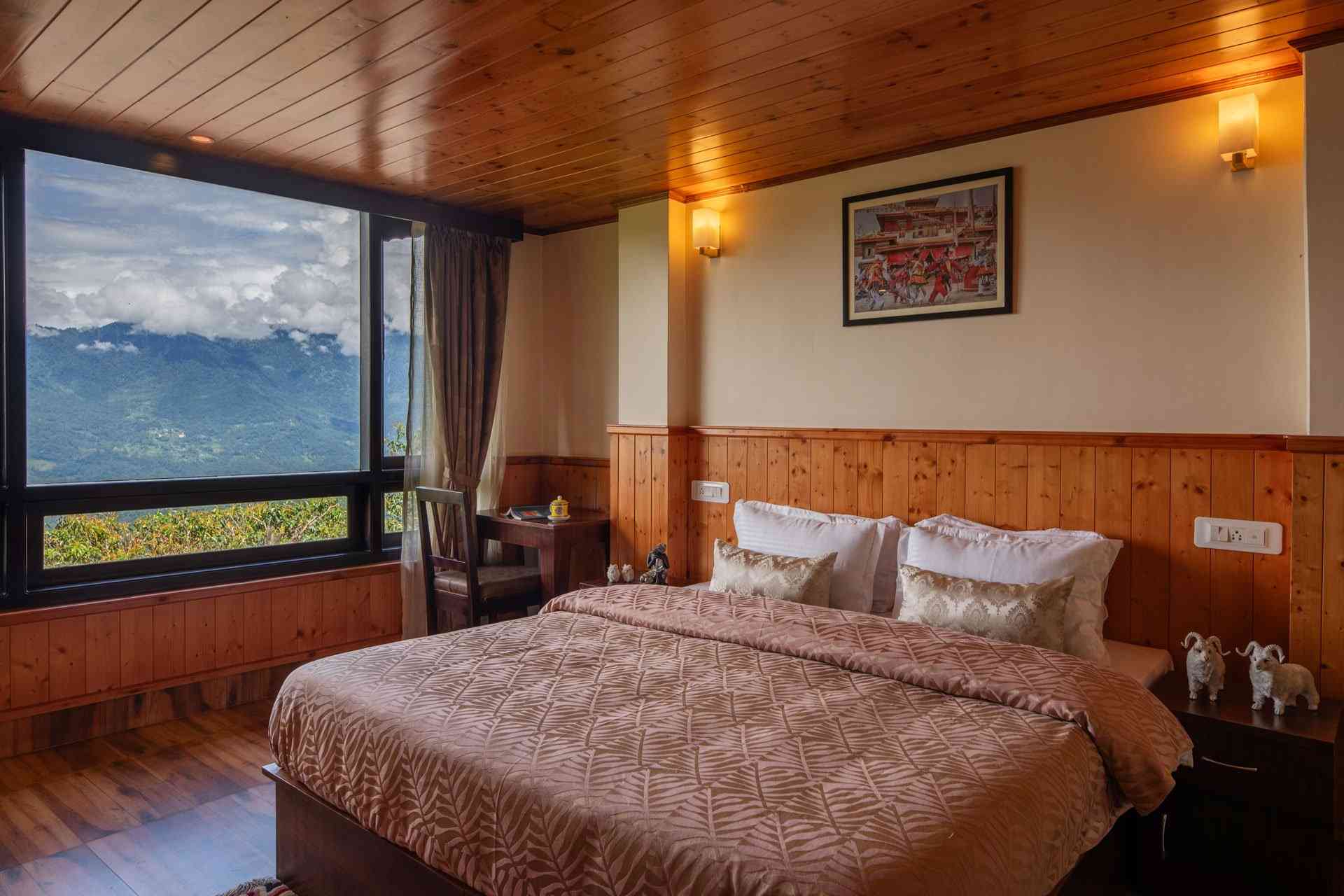
A good villa base for this itinerary matters more than for standard hotel-focused travel — early morning starts for Tiger Hill, the strict permit-day timing for Nathula, and the long mountain drive between the two destinations all benefit from a villa host arrangement rather than hotel front-desk coordination. Three StayVista picks across the itinerary’s three natural stops:


FAQs — Darjeeling and Gangtok Itinerary
Yes — October is in the post-monsoon peak window (September–November). The monsoon has retreated, visibility clears across the Kanchenjunga range, roads stabilise after the summer landslide season, and daytime temperatures sit at a comfortable 15–20°C in Darjeeling and 18–22°C in Gangtok. Nathula Pass access is typically open through October before winter closures begin from December onwards.
Yes. Both require a Sikkim Protected Area Permit, arranged through a registered tour operator at least 24–48 hours before travel. Independent travellers cannot apply directly for these permits. Nathula is open only Wed/Thu/Sat/Sun for Indian nationals; foreign nationals require additional Protected Area Permit clearance.
About 100 km, but the actual drive is 5 to 6 hours on mountain roads via Teesta Bazaar on NH-10. During and immediately after monsoon (July–August), landslide activity can extend this to 7–8 hours. Plan for a morning start and don’t try to pair the drive with any sightseeing on the same day.
Technically yes, but you’d skip either Darjeeling’s sunrise at Tiger Hill or the Sikkim permit-zone trip to Nathula. A tight 3-day version works as Darjeeling only; 4 days works if you skip Nathula. The full 5-day format pairs the two destinations as the headline circuit.
Yes — Darjeeling and Gangtok are both well-developed hill-station destinations with hospital access, mobile coverage, and standard tourist infrastructure. The one caution is altitude: Tsomgo Lake (3,780m) and Nathula Pass (4,310m) can trigger mild altitude sickness in some travellers; carry Diamox if advised by a doctor, hydrate well, and don’t attempt the day trip if you’ve just flown in. One acclimatisation day in Gangtok (1,650m) before the Nathula day is standard practice.