
10 Places in India That Feel Like Europe in August 2026 (And Where to Stay)
Last updated: October 2026
If you’ve ever scrolled through photos of the Scottish Highlands or the Swiss Alps and sighed, here’s something worth knowing: some of the most breathtaking places in India pull off the same visual magic — especially when the monsoon rolls in. Mist-draped valleys, emerald meadows, vine-covered colonial architecture, and cobblestone lanes that could make you forget you’re still on the subcontinent. No visa. No 14-hour flight. Just India, dressed in its most cinematic season.
But here’s the thing nobody tells you in a listicle: not all ten of these places are having the same August. One of them is sitting under an extremely-heavy-rain warning right now. Another gets less rain this month than Mumbai gets on a bad Tuesday. So this guide does something the usual roundup doesn’t — it tells you which of the ten actually delivers in August 2026, and which one you should save for October.
The 2026 southwest monsoon has ended. Most of the 10 destinations below sit at their best in the post-monsoon window — Coorg and Khajjiar are now bone-dry under crisp blue skies; Shillong, Cherrapunji and Mawlynnong carry their monsoon green through November with far safer road conditions than peak August; Mahabaleshwar and Lonavala’s waterfalls still carry meaningful flow into mid-October. The August-specific rainfall data below retains its value as a planning reference for the 2027 monsoon season; October readers should focus on the destination profiles and the quick comparison table rather than the rainy-day counts.
The 2026 southwest monsoon ran close to its long-period average, with Kerala seeing the earliest onset since 2009 on 24 May 2026 and withdrawal completing on schedule by end-September. For the ten European-feeling destinations in this guide, that translated into a strong rainy-day count across the hill-station belt: Mahabaleshwar at 662 mm for the August peak, Shillong at 634 mm, Coorg at 472 mm and a notably dry Pondicherry (90 mm in August), which is still waiting for its northeast monsoon from mid-October to December. The ten profiles below hold their value year-round; the Quick Info rainfall table is specifically a monsoon-season planning tool.
In this Blog
What Does August 2026’s Monsoon Actually Look Like?
India’s seasonal rainfall deficit stands at 12% below the long-period average as of 2 August 2026, and the IMD has forecast below-normal rain for both August and September — under 94% of the LPA (Skymet). Normal-to-above-normal rain is expected only in isolated pockets and across Central and Western India.
That’s a genuinely unusual setup, and it matters for trip planning. July over-delivered — the month closed at 290.3mm against a 280.5mm normal, a 4% excess and the fifth consecutive above-normal July since 2022. So the hills are already green. What August 2026 is short on isn’t greenery; it’s the reliable, all-day, tin-roof-drumming rain that makes these places feel European in the first place.
There’s roughly 53.5mm of rain still to be made up to reach zero deficit, and forecasters flag August as vulnerable to prolonged monsoon breaks. In practice, that means more clear windows than a normal August — good for driving and viewpoints, less good if you booked specifically for the mist.
The East and Northeast monsoon pattern typically brings its heaviest spells to Shillong, Cherrapunji and Mawlynnong in the first and second weeks of August — these are the weeks to avoid for travellers prioritising reliable road access. The Northeast’s own retreating-monsoon window begins mid-October, which can bring a short second rain burst to the Khasi and Jaintia Hills; check IMD Guwahati forecasts for weeks when this hits in a specific year.
August rainfall across the ten, side by side
The spread here is the whole story. These places are all called “monsoon destinations,” yet Mahabaleshwar gets more than seven times the August rain that Pondicherry does.
Why Monsoon Is the Best Time to Visit These Places in India
There’s a reason seasoned travellers swear by the off-season. When the crowds thin and the clouds roll in, these destinations transform. Waterfalls that don’t exist in April appear overnight. Valleys go from dusty brown to a shade of green you didn’t know existed in nature. Colonial-era bungalows look exactly the way they were meant to — framed by fog and dripping eaves.
The places to visit in India during the monsoon aren’t just scenic. They’re emotionally cinematic. Think long drives through cloud-wrapped ghats, afternoon tea while rain hammers a tin roof, and evenings so quiet you can hear the river from your bed.
10 Places in India That Look Straight Out of Europe– Ranked for August 2026
1. Coorg, Karnataka — The Scotland of India
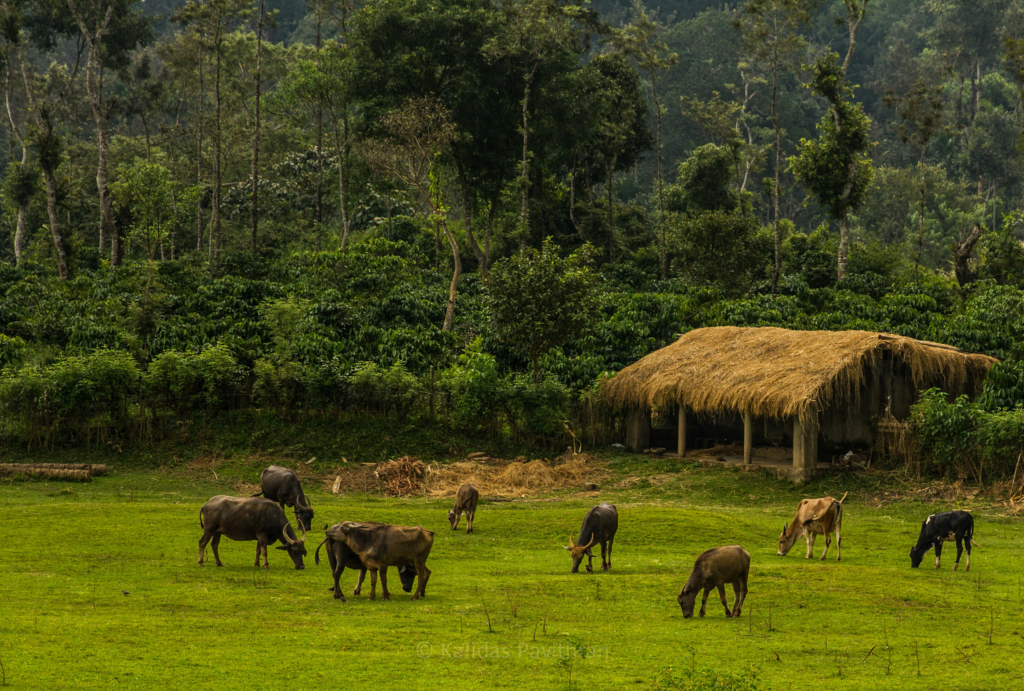
Coorg receives over 2,500mm of rainfall annually, and August alone brings around 472mm across roughly 23 rainy days — more days of rain than anywhere else on this list. Even in a below-normal year, Coorg delivers.
The moment you enter Coorg in August, the coffee estates close in around you like a green curtain, and the air smells of wet earth and cardamom. Rolling hills, mist hovering just above the treetops, and old bungalows with sloping roofs — it’s Scotland without the cold.
What to do: Walk through Dubare Elephant Camp (in permitted zones) — elephant interaction runs 9–11am and 4.30–5.30pm, though activities are routinely suspended in heavy rain, so call ahead rather than driving out on spec. Visit Abbey Falls (₹15 entry) when it’s roaring with monsoon water, or simply sit on a plantation porch and watch the rain.
August note: the Kaveri runs high this month, so river-adjacent activities get pulled at short notice. Days are around 26°C, nights 20°C.
Where to stay: StayVista’s curated plantation villas in Coorg give you the full estate experience — private pools, valley views, and breakfasts that make leaving feel unnecessary.
“Coorg in the rains is less a destination and more a feeling — unhurried, deeply green, and surprisingly private.”

2. Munnar, Kerala — The Mini Switzerland of India

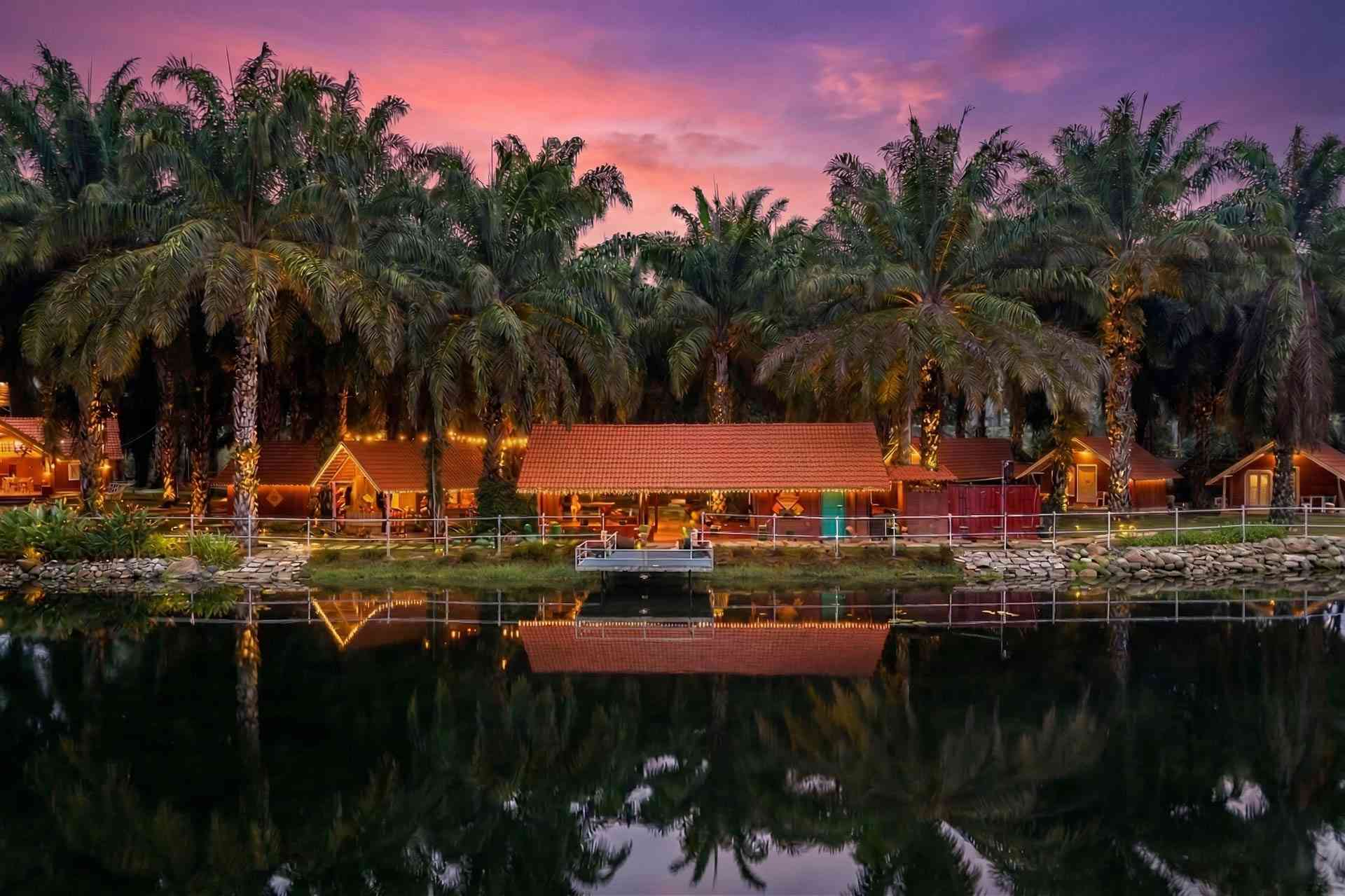
Munnar is perhaps the most frequently cited “Mini Switzerland of India,” and during the monsoon, the label earns itself. The tea gardens — already an attraction in India year-round — turn a shade of saturated green that looks almost unreal. Clouds don’t just pass over Munnar; they sit in the valleys, wrap around the hillsides, and drift through open windows.
Be warned about August, though. This is Munnar’s hardest month — our own Munnar destination guide recommends September to May and advises against July and August travel. The ghat roads are landslide-prone, several viewpoints vanish into cloud, and Eravikulam National Park is restricted or closed through peak monsoon (details here). Munnar averages 354mm in August. Onam (Kerala’s harvest festival) peaks on Thiruvonam each year — the 2026 festival fell on 26 August. If you’re planning Munnar around Onam, book accommodation 6–8 weeks ahead; the week either side of Thiruvonam is Kerala’s single busiest hill-station window. For 2027 planners, Thiruvonam is expected around late August — confirm the exact date on the Kerala Tourism calendar before locking a trip.
Things to do in India’s tea country: Trek to Top Station when trails are safe, visit Attukal Waterfalls, and explore the colonial-era Tata Tea Museum. A weather-proof alternative: guided spice-garden walks at Misty Mountain Spice Garden in Devikulam or Pothamedu — cardamom, pepper, coffee and vanilla, and they run rain or shine. Cochin airport and Aluva station are both 110km away; 2–3 nights is the sweet spot.
Where to stay: A private StayVista villa in Munnar, perched above the valley, is the kind of place you book for two nights and extend to five.
Cardamom Casa

3. Ooty, Tamil Nadu — English Gardens in the Nilgiris

The British built Ooty to feel like home, and the bones of that intent are still visible. Botanical gardens, stone churches, a toy train that chugs through eucalyptus groves — these are tourist places to visit in India that happen to look like they were transplanted from Somerset.
During the monsoon, the Nilgiri Hills deepen in colour, and the famous Ooty Lake takes on a pewter sheen that photographers adore. The Rose Garden, improbably, holds onto blooms even in the rains.
August 2026: Ooty is drier than its reputation — around 233mm across 9 rainy days. Sitting between the wet western slopes and leeward Coonoor, it catches a moderate share of both monsoons rather than the full force of either. Worth building in one flexible day: heavy rain has historically closed tourist sites across the Nilgiris district.
Family tip: Ooty is one of the better hill stations for mixed-age groups — the toy train, boat rides and chocolate shops keep everyone happy, rain or shine. The Ooty–Coonoor toy train runs at 9.10am, 12pm and 3.15pm and takes about 45 minutes; the full Mettupalayam–Ooty run leaves at 07.10 and arrives 11.55, returning 14.00 to 17.30. First Class is roughly ₹600–1,100, Second Class ₹295–450. Book on IRCTC — reservations open 30 days ahead, and monsoon maintenance blocks do happen, so re-check before travel.
Where to Stay:
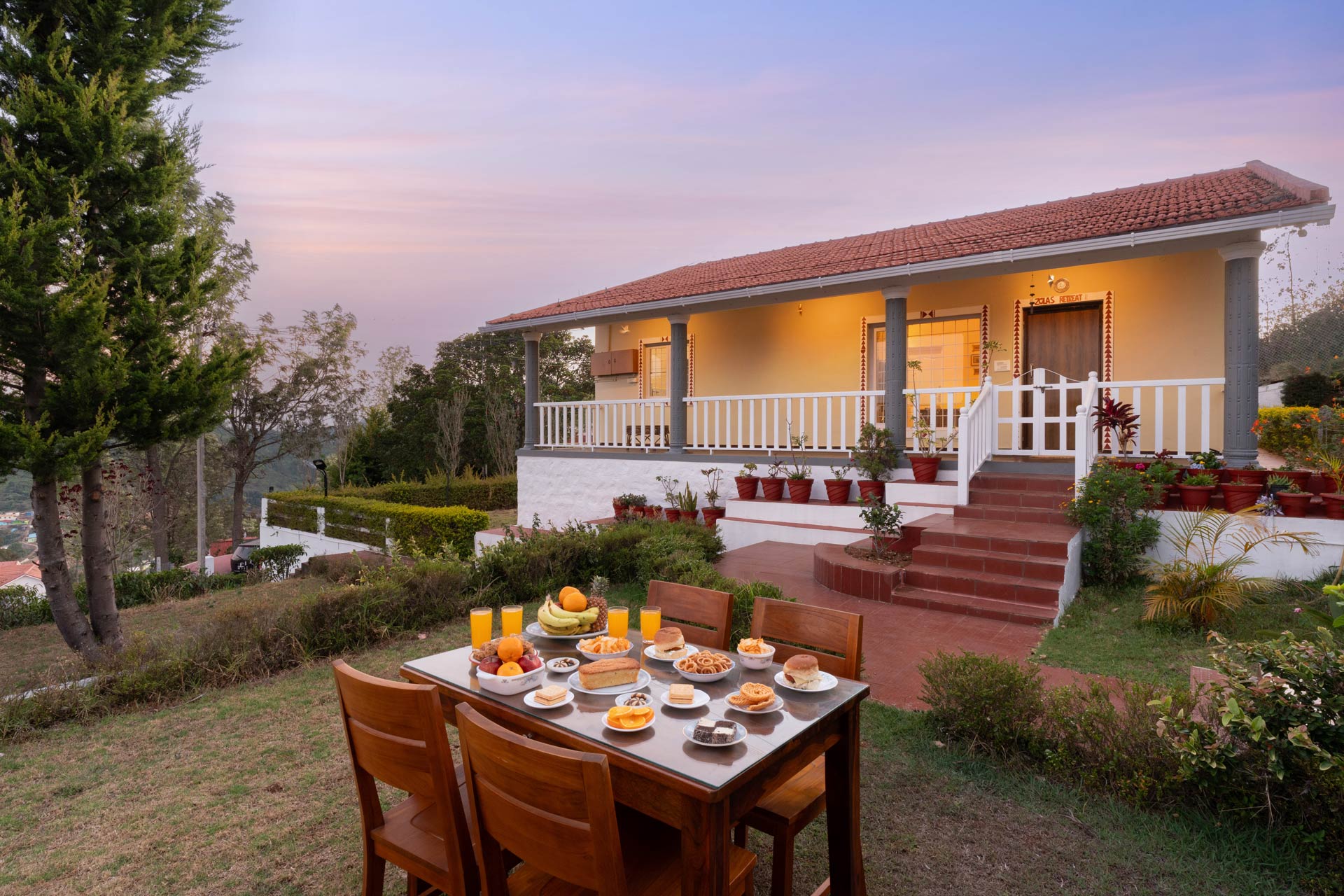
Zolas Retreat
4. Shillong, Meghalaya — The Scotland of the East
“Shillong doesn’t ask you to like the rain. It assumes you already do.”
Shillong is currently under a heightened caution advisory following recent civic unrest. A night curfew is in effect in parts of the city and taxi services to Guwahati have been intermittently suspended. Daytime travel within Shillong and to Sohra (Cherrapunji), Dawki and Mawlynnong has largely continued, but travellers should check the latest Meghalaya Police advisories and avoid late-evening movement. Meghalaya Tourism’s “Tourist Buddies” initiative — rolled out at Shillong, Sohra, Dawki and Mawlynnong — provides on-ground visitor support; look for the identified buddy stations at major sites. For current status, cross-check meghalayatourism.in before travel.
What makes it European: The Presbyterian church architecture, the Welsh missionary influence visible in local culture, and the perpetual soft drizzle that feels less like weather and more like atmosphere.
Adventure activities to do in India here: Kayaking at Umiam Lake, trekking to Elephant Falls, and caving near Cherrapunji — the wettest place on Earth.
Shillong is Meghalaya’s wettest city in August at 634mm — though July is wetter still at 770mm, so in a normal year August is just past peak. This year’s advisory overrides the average.
5. Kasauli, Himachal Pradesh — A Quiet Corner That Feels Like the Cotswolds
Kasauli is what happens when the British Army falls in love with a hillside and builds stone cottages on it. Small, contained, and deliberately unhurried, this cantonment town in Himachal Pradesh is one of those places in India where time moves differently.
During the monsoon, the deodar forests that flank the walking paths drip constantly, and the views from Christ Church — a Gothic structure dating to 1844 — look like a Constable painting come to life.
Kasauli is among the safest, most accessible Himachal hill towns in the monsoon — the qualifier being among Himachal towns, in a month when the state is at peak landslide risk. Expect roughly 280mm across about 13 rainy days, at a mild 15–25°C. For scale: Kasauli logged 150mm in a single 24-hour period during a recent August. Approach via Chandigarh, and treat the Kalka–Shimla stretch with real caution — it’s a slide-prone single road. More in our Himachal August–September weather guide.
Best for: Solo travellers, couples, and anyone who finds large hill stations overwhelming. There are no malls here, no cable cars — just walks, vistas, and extremely good chai.
Where to stay:
The Hush Escape

6. Pondicherry — French Riviera Meets Monsoon Coast
Pondicherry operates on a different frequency from the rest of India, and the monsoon only intensifies that sense of otherness. The French Quarter — with its mustard-yellow colonial façades, bougainvillaea, and smooth promenade — looks genuinely Mediterranean in the grey light of the rains.
One correction worth making, though. Pondicherry’s real rainy season is the northeast monsoon, October to December — not the southwest monsoon. November alone averages 284mm, against just 90mm over about 6 rainy days in August, on an annual total near 1,240mm. That makes Pondicherry the driest place on this entire list this month. August gives you heat and humidity with the odd thundershower; it does not give you the moody, rain-slicked French Quarter. If the atmosphere is the point, come in November. If you want a warm coastal break with low rain risk, August is genuinely lovely — just book it for the right reason. Mornings and evenings are the move; midday humidity is the real weather story.
Things to do in India’s most French town: Walk the White Town lanes at dawn, visit the Sri Aurobindo Ashram, kayak the backwaters near Chunnambar, and eat a croissant at a café that’s been there since before Independence.
Where to stay: StayVista’s heritage-style villas in Pondicherry blend colonial aesthetics with modern comfort — the kind of places to visit in India that your Instagram feed will never let you live down.
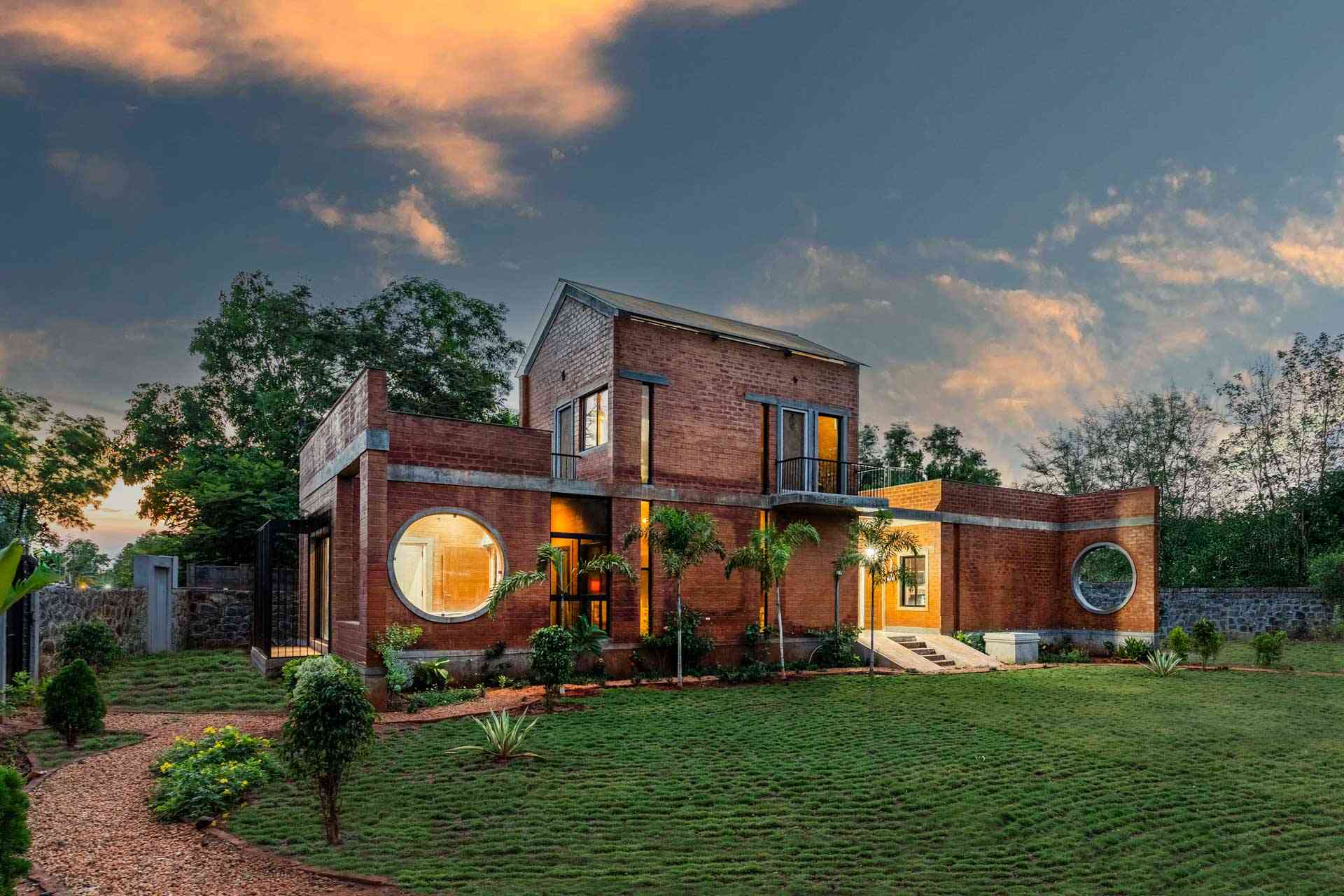
Creative Castle Villa
7. Coonoor, Tamil Nadu — Europe’s Quieter Sibling in the Nilgiris

If Ooty is the popular attraction, Coonoor is what travellers discover when they want fewer selfie sticks and more substance. The Nilgiri Mountain Railway passes through here on its way up, and the stations — draped in ferns and mist — look like something from a Wes Anderson frame.
This is the smart pick for August 2026, and here’s the bit most guides miss. Coonoor sits on the leeward side of the Doddabetta range, so southwest-monsoon conditions here are markedly brighter than on the western Nilgiri slopes. It averages just 220mm over 8 rainy days in August — the second-driest spot on this list. Coonoor’s real deluge arrives with the northeast monsoon in October. If you want Nilgiri atmosphere without gambling your trip on the weather, August is Coonoor’s window.
Attractions in India worth noting here: Sim’s Park (a botanical garden established in 1874), Lamb’s Rock with its waterfall-fed valley view, and the tea factory tours that are far more immersive than in busier towns.
Places to visit in India with family: Coonoor works beautifully for multi-generational trips — gentle terrain, cooler temperatures, and the railway ride as a ready-made adventure.
Where to Stay:
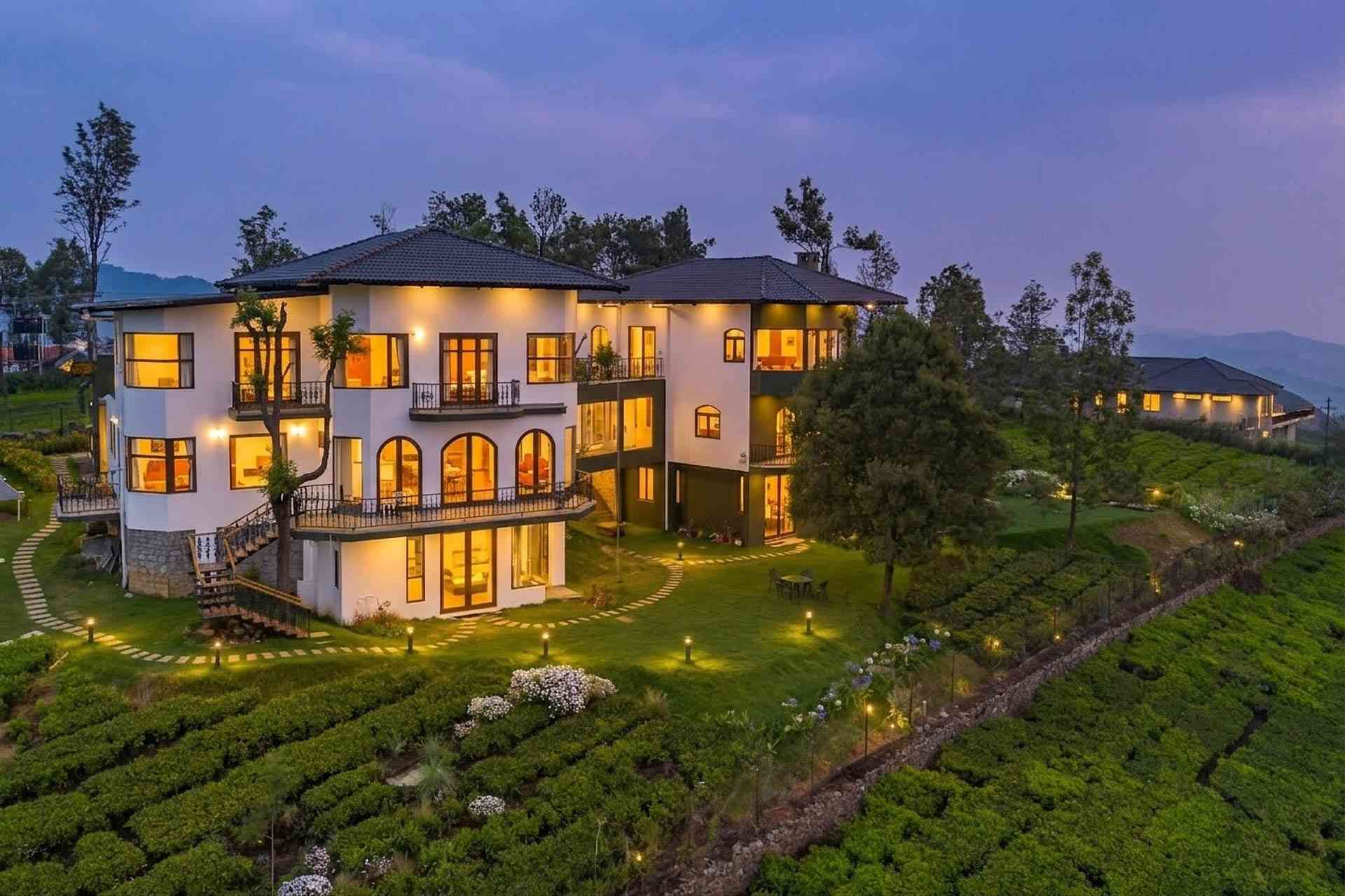
The Hydrangeas
8. Lansdowne, Uttarakhand — The Hill Station Time Forgot
Most people searching for places in India to visit in the monsoon overlook Lansdowne entirely. That’s exactly its appeal. An army cantonment town at 1,700 metres, Lansdowne has oak and rhododendron forests, small churches, and a quiet that feels almost transgressive in 2026.
During the rains, the forests around Bhulla Lake turn misty and impenetrable-looking, and the walks around town feel like something from a Victorian novel. No crowds, no commercialisation — just clean air and the sound of rain on slate.
August 2026: a quiet monsoon actually improves Lansdowne — the greenery holds from July’s surplus, but the forest trails stay walkable. Sitting in Pauri Garhwal, it’s well away from the Char Dham routes, which helps in a landslide month. Nearby Pauri records August as its wettest at about 291mm. Worth a look at our landslide-prone hill stations guide before any monsoon hill drive.
Adventure activities to do in India here: Trekking the Tarkeshwar Mahadev forest trail, camping near Bhairav Garhi, and bird watching during the monsoon migration season.
9. Mahabaleshwar, Maharashtra — The Swiss Valley, Three Hours from Mumbai
This one needs no stretching of the imagination. Mahabaleshwar’s strawberry farms, cloud-kissed plateaus, and viewpoints that look out over a seemingly endless green canopy make it one of the most convincingly European places in India — particularly in August, when the Sahyadris are at peak saturation.
Mahabaleshwar receives nearly 6,000mm of rainfall annually — one of the highest in Maharashtra — with roughly 662mm falling across 21 rainy days in August, its second-wettest month.
This is the strongest pick on the list for August 2026. Western India is the one region where the IMD expects above-normal rain this month, so Mahabaleshwar is the only destination here likely to deliver the full monsoon spectacle rather than a diluted version of it.
Standout things to do: Visit Lingmala Waterfall at full monsoon force — ₹25 entry, open 8am–5.30pm, 6km from the market on the Panchgani road, with a 15–20 minute walk and about 200 steps down to the main fall (genuinely slippery in August, so wear grip). Explore Pratapgad Fort wrapped in clouds, and stock up on fresh strawberry preserves before leaving. Days run 27°C, nights 22°C, humidity near 79%. Viewpoints like Arthur’s Seat white out entirely on heavy-cloud days — go early.
Where to stay: StayVista’s valley-view villas in Mahabaleshwar are particularly well-suited to monsoon stays — the kind of place where you want to be indoors and outdoors simultaneously.
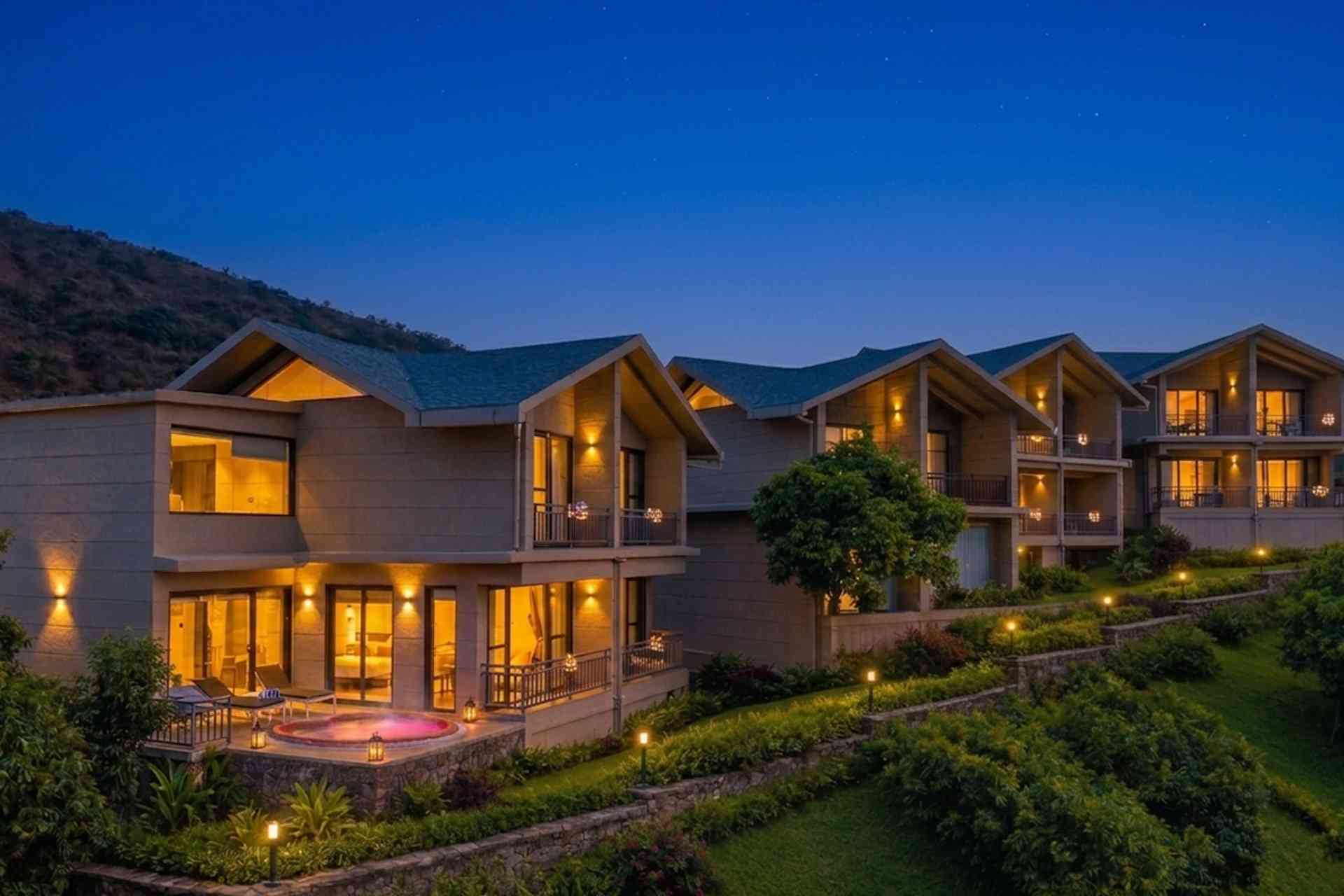
Emperior Suite w/ Valley View & Jacuzzi @ Vee Resort Villa
10. Tawang, Arunachal Pradesh — Tibet Meets the Alps
Tawang is the wildcard on this list, and perhaps the most spectacular. At 3,048 metres, it sits closer to the sky than most places in India — and during the monsoon, that sky is constantly shifting, dramatic, and vast. Prayer flags snap in the wind above the Tawang Monastery, clouds roll through the Sela Pass at eye level, and the valleys below look like concept art for a fantasy novel.
Note: Monsoon access to Tawang is much less of a gamble than it used to be. The Sela Tunnel (opened March 2024) provides all-weather road connectivity between Dirang and Tawang, bypassing the landslide-prone Sela Pass road that used to shut Tawang off from October to April each year. By October 2026, the tunnel has delivered two full winter seasons of reliable access — Tawang is now a year-round destination for the first time, with the standard Jang–Tawang corridor open through monsoon as well. Carry the mandatory Protected Area Permit (PAP) for foreign nationals; Indian nationals need only a valid photo ID. The Balipara–Chariduar–Tawang road can still slide in heavy rain (a recent August slip blocked around 120 metres), so check before departing. At 3,048m, build in an acclimatisation night at Dirang or Bomdila — and remember Indian nationals need an Inner Line Permit for Arunachal Pradesh.
Why it feels European: The Alpine terrain, the high-altitude meadows (locally called bugyals), and the cool, crisp air that makes you reach for a jacket in August. It’s the closest India gets to the Austrian countryside without leaving the country.
Adventure activities to do in India at altitude: River crossings, high-altitude treks to Gorichen Base Camp, and monastery circuit walks.

Note: Check road conditions before travelling to Tawang during heavy monsoon — the highway via Sela Pass can be affected by landslides.
Khajjiar, Himachal Pradesh — Officially the “Mini Switzerland” (Bonus Pick)

Khajjiar is the only destination outside Europe to officially carry the “Mini Switzerland” title — the Swiss Ambassador to India formally compared it to the Swiss countryside in 1992, and the plaque at Khajjiar reportedly notes the distance to Zurich. Sitting at 2,000 m in the Chamba district, it has an unusually rare combination of three ecosystems — a dazzling meadow, a small saucer-shaped lake, and dense cedar-pine forest.
- Best time: March to June and September to November — October is a prime window with crisp air and clear sunlit meadows.
- How to reach: 24 km from Dalhousie; 65 km from Pathankot (nearest railhead); 110 km from Chandigarh.
- Time required: 1 full day as a Dalhousie day-trip, or 1 night at Khajjiar itself.
- Ideal for: Couples, photographers, families with young children (the meadow is safe and open).
- Pro tip: Weekends from mid-October onwards are busy with Chandigarh and Delhi weekenders — a Tuesday or Wednesday visit gives you the meadow nearly to yourself. Horse rides and zorbing are available at the main meadow; both are nominally priced (₹200–₹500) but photographers can skip them without pressure.
Planning Around August 2026’s Long Weekends
August 2026 has an unusually good run of dates, and most people haven’t mapped them yet.
Saturday 15 August — Independence Day, with Hariyali Teej falling the same day. A Saturday holiday means a natural two-day break, or three with Friday off. Best paired with the short-haul options: Mahabaleshwar from Mumbai or Pune, Kasauli from Delhi or Chandigarh, Lansdowne from Delhi.
Monday 17 to Wednesday 26 August — Onam. The ten-day Kerala festival opens with Atham on 17 August and builds to Thiruvonam on Wednesday 26 August. This is Munnar’s cultural high point of the year. Book early — Kerala fills up.
Friday 28 August — Raksha Bandhan, on Shravana Purnima alongside Avani Avittam, landing on a Friday for a clean three-day weekend. Just two days after Thiruvonam, which makes late August the busiest travel window of the month.
More in our 2026 monsoon festivals guide.
Quick Comparison: Which Place in India Is Right for You?
| Destination | Vibe | Best For | Difficulty to Reach |
| Coorg | Plantation romance | Couples, slow travellers | Easy |
| Munnar | Mini Switzerland | Families, photographers | Easy |
| Ooty | English garden town | Families | Easy |
| Shillong | Scotland of the East | Music lovers, adventurers | Moderate |
| Kasauli | Quiet cantonment | Solo travellers, couples | Easy |
| Pondicherry | French coastal town | Culture seekers | Easy |
| Coonoor | Nilgiri escape | Families, photographers | Easy |
| Lansdowne | Forgotten hill station | Off-grid seekers | Moderate |
| Mahabaleshwar | Swiss valley | Weekend trippers | Easy |
| Tawang | Alpine frontier | Serious adventurers | Difficult |
Experience the Comfort of StayVista Villas
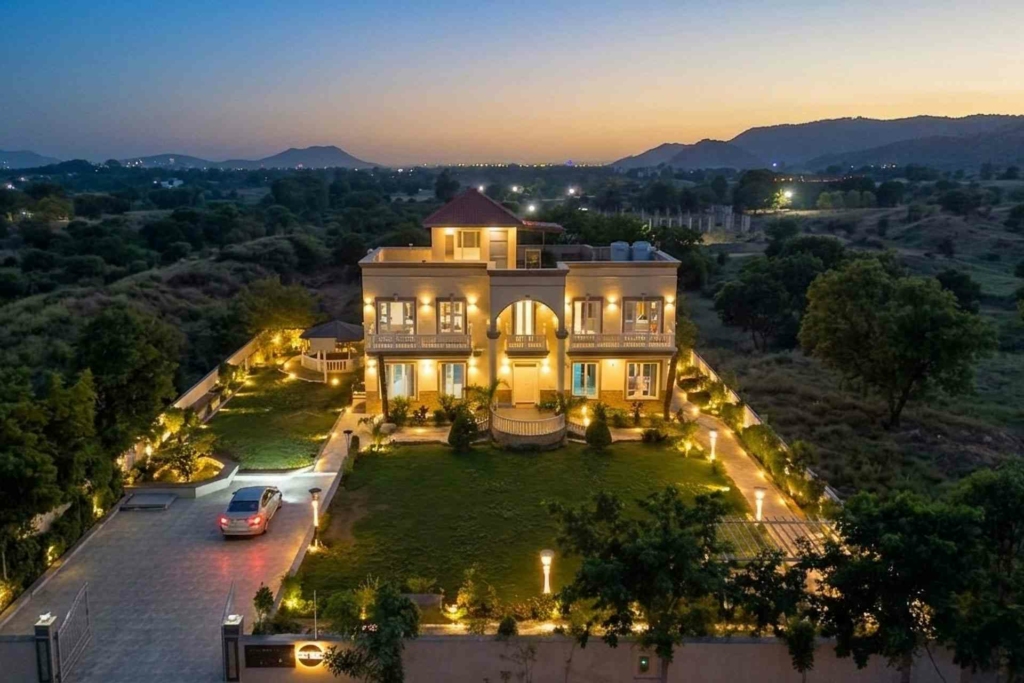
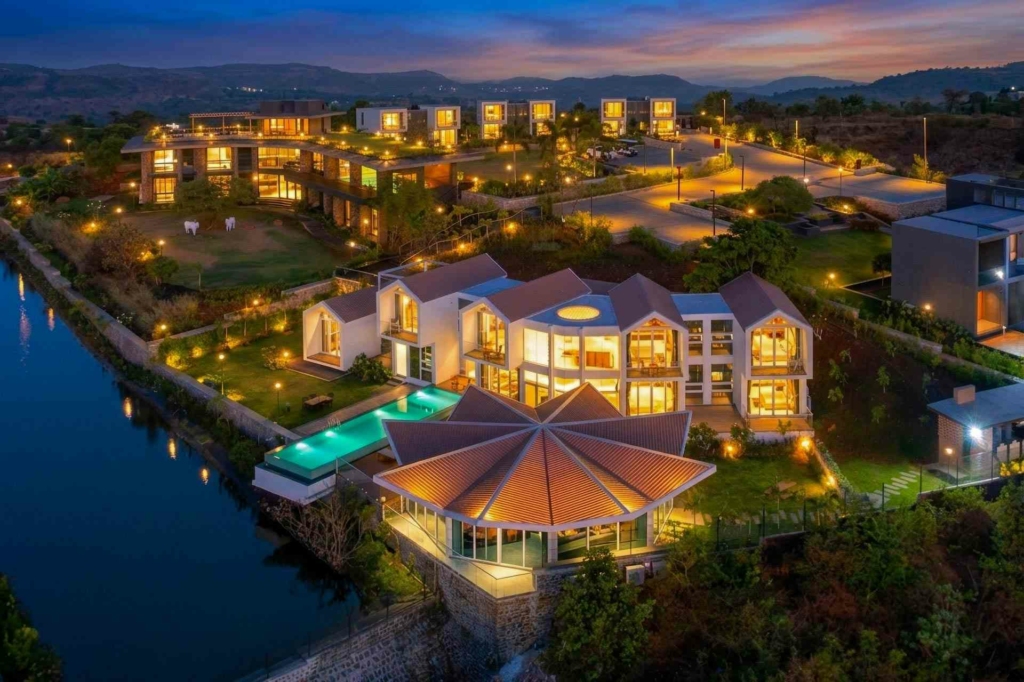
The experience of these places in India is only as good as where you sleep. A hotel room with a highway view doesn’t cut it when the destination itself is the point. StayVista’s curated private villas — available across Coorg, Pondicherry, Mahabaleshwar, Munnar, and more — are designed to match the landscape, not fight it. Think valley-facing balconies, fully equipped kitchens for rainy-day cooking, and spaces large enough for families or groups who want the destination to themselves.

FAQ: Places in India That Feel Like Europe
Several places in India carry the “Switzerland of India” title: Khajjiar in Himachal Pradesh is the most official claimant, while Munnar and Coorg are frequently compared to the Swiss Alps for their green hills and misty valleys.
Coorg, Ooty, Shillong, Kasauli, Coonoor, Pondicherry, Mahabaleshwar, and Lansdowne are the top places in India that take on a distinctly European character during the monsoon months of June to September.
Kayaking in Shillong, waterfall treks in Coorg and Munnar, high-altitude hiking in Tawang, and heritage walks in Pondicherry are among the best things to do in India during the monsoon.
Yes — places like Ooty, Coonoor, Munnar, Pondicherry, and Mahabaleshwar are excellent places to visit in India with family during the monsoon. Avoid high-altitude destinations like Tawang unless road conditions are confirmed clear.
Pondicherry’s French Quarter features colonial-era architecture, tree-lined boulevards, and café culture that make it one of the most authentically European-feeling tourist places to visit in India — especially in the moody light of the monsoon.
Yes — October is one of the best months for seven of the ten. Coorg, Munnar, Ooty, Coonoor, Mahabaleshwar, Khajjiar and Kasauli are at their post-monsoon best with lush landscapes and clearer skies. Shillong, Mawlynnong and Cherrapunji carry their monsoon green through November but currently sit under a travel advisory (see the Shillong section). Lansdowne is also in prime shape for October’s cooler, drier weather. Pondicherry is the exception — its own northeast monsoon arrives mid-October and runs through December, so expect rain through this window on the eastern coast. Tawang is accessible year-round thanks to the Sela Tunnel; October gives you the clearest Himalayan views.
Khajjiar, in Himachal Pradesh’s Chamba district. The Swiss Ambassador to India formally conferred the title in 1992, making it the only destination outside Europe to hold the designation. It is a 2,000-metre meadow surrounded by cedar-pine forest with a small saucer-shaped lake at its centre.
Final Word
The places in India that look like Europe during the monsoon aren’t trying to be somewhere else — they’re simply being the most dramatic, lush, and atmospheric version of themselves. Which, as it turns out, is more than enough. Whether you’re chasing misty valleys in Coorg or cobblestone streets in Pondicherry, the subcontinent has a version of every European dream — and it’s usually three hours away, not thirty.
Book the villa. Pack a rain jacket. Let India do the rest.