
Weather in Himachal Pradesh in August & September 2026: 11 Places to Visit
Last updated: June 2026
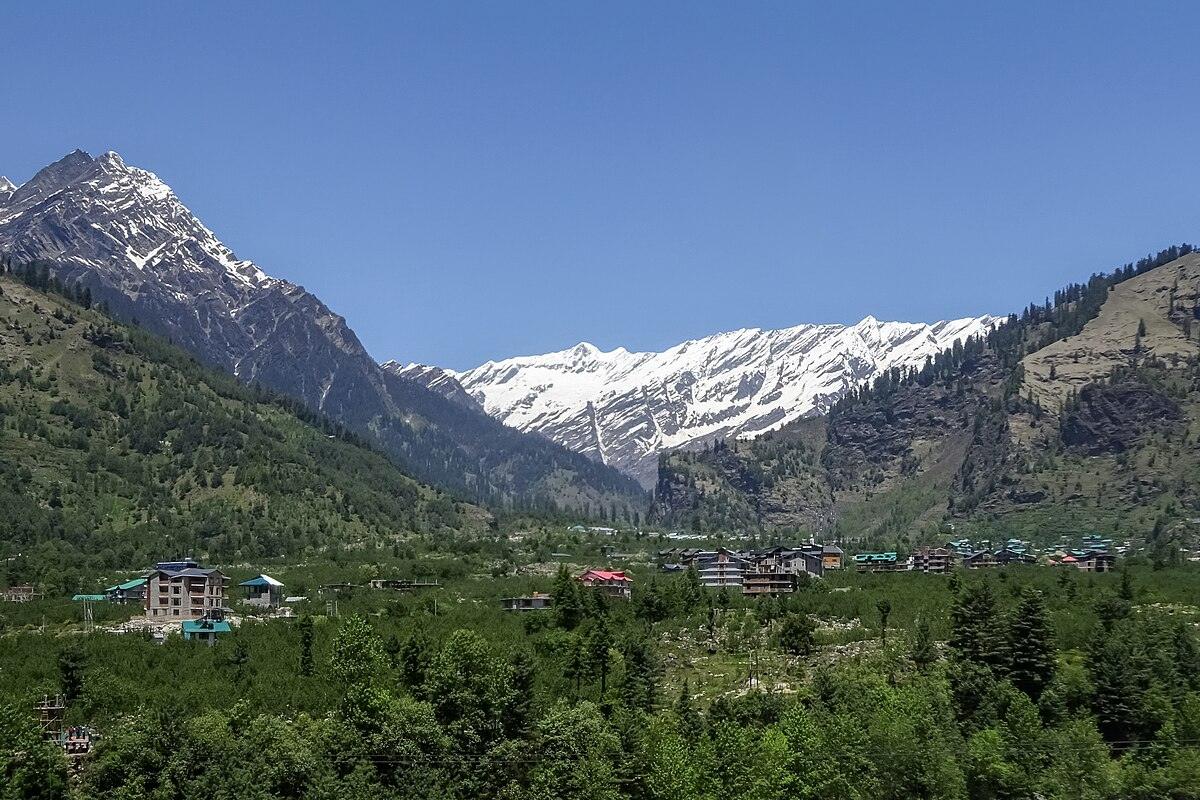
August and September are two very different months in Himachal Pradesh. August is peak monsoon — lush and green, but with the year’s heaviest rain and a real risk of landslides on the outer-hill roads (Shimla, Kullu-Manali, Mandi, Kangra). September sees the monsoon retreat, with clearing skies and far safer travel — making it the better of the two months for most visitors. The exception all season is the rain-shadow desert of Spiti and Lahaul, which stays dry and stunning and is reliably reached via the year-round Atal Tunnel. Encouragingly, the IMD forecasts a below-normal 2026 monsoon for most of weather in Himachal Pradesh — but landslides can still close roads at short notice, so always check the latest advisory before you travel.
In this Blog
Himachal in August–September at a glance
| August | Peak monsoon — greenest, but heaviest rain & landslide risk on outer-hill roads |
| September | Monsoon retreating — clearer, safer, the better month to travel |
| Dry all season | Spiti & Lahaul (Himalayan rain-shadow) — reached via the Atal Tunnel |
| 2026 forecast | Below-normal monsoon (<92% of average) over most of HP (IMD) |
| Ideal duration | 4–8 days |
Weather in Himachal Pradesh in August and September 2026
Weather in Himachal Pradesh in late summer is a tale of two months — and three very different regions.
August is the heart of the southwest monsoon. The outer and middle hills — Shimla, the Kullu-Manali valley, Mandi, Kangra and Chamba — receive their heaviest rain of the year. The landscape is impossibly green and the waterfalls are full, but this is also when landslides, road blocks and the occasional flash flood are most likely. Daytime temperatures in the valleys sit at a mild 15–25°C, with cooler, damper conditions higher up.
September is when the monsoon begins to withdraw. The rain eases, the skies clear, the air turns crisp, and the roads steadily reopen and dry out. The hills are still green from the rains but far more accessible — which is why, for most travellers, September is the better and safer of the two months.
The third story is the rain-shadow north — Spiti and Lahaul sit behind the main Himalayan range and barely see the monsoon at all (Spiti gets only around 15 mm of rain in July and August, among the driest in India). Here, August and September are simply peak high-altitude season: dry, sunny days and cold, starry nights.
For 2026, the India Meteorological Department forecasts a below-normal monsoon (under 92% of the long-period average) across most of Himachal, with above-normal rain likely only in parts of Lahaul-Spiti and northern Chamba. A drier-than-usual season generally means fewer prolonged road closures — but it is a forecast, not a guarantee. See our live pre-monsoon rain tracker for hill stations and safe places to visit in monsoon guide.
August vs September: which should you choose?
If you want the greenest, most dramatic monsoon scenery and don’t mind building flexibility into your plans, August delivers — best spent in lower-risk spots like Dharamshala, Bir or the rain-shadow north rather than on exposed hill highways. If you’d rather have reliable roads, clear mountain views and gentler weather, September is the safer, easier choice right across the state, and it’s the ideal month to attempt the Spiti circuit before the high passes start to think about winter.
Monsoon safety in Himachal — please read
– Landslide-prone highways to watch: NH-5 (Shimla–Kinnaur / Hindustan-Tibet Road), NH-3 (Mandi–Manali side via Atal Tunnel), NH-21/NH-205 (Chandigarh–Manali) and NH-305 (Aut–Sainj, for Banjar/Tirthan). These can close at short notice in heavy rain.
– Check before you travel: the IMD forecast and the HP State Emergency Operations Centre / district advisories, especially in August.
– Travel hill roads by daylight, avoid riverbeds and swollen nalas, and keep a buffer day for weather.
– Don’t camp on riverbanks in spate, and skip high-altitude treks during active heavy-rain spells.
11 Best Places to Visit in Himachal in August–September
Dry and safe all season: the rain-shadow north
1. Spiti Valley
While the rest of Himachal is rained on, Spiti stays dry, sunlit and starkly beautiful — a high-altitude cold desert of thousand-year-old monasteries, fossil villages and turquoise rivers. August and September are its prime season, with stable weather and open passes. Base yourself in Kaza and day-trip to Key Monastery, Kibber, Langza, Hikkim (the world’s highest post office) and the Chicham bridge.
Best time: August–September (the most reliable window before winter).
How to reach: The safest monsoon approach is via Shimla–Kinnaur (NH-5) or via Manali and the Atal Tunnel; the nearest airport is Bhuntar (Kullu).
Ideal for: Road-trippers, adventurers, photographers.
Safety note: Spiti itself is dry, but the approach roads can see landslides in August — September is the safer entry. Acclimatise slowly above 3,000 m.
Pro tip: Carry cash; ATMs and connectivity thin out beyond Kaza. See our Spiti in 2026 road-status guide.

2. Lahaul
Just through the Atal Tunnel from Manali, Lahaul is greener than Spiti but still firmly on the dry side of the range — a quiet valley of glaciers, hamlets and the seasonal bloom of pea fields, far from the monsoon crowds. It has become wonderfully accessible since the tunnel opened, making it an easy add-on to a Manali trip.
Best time: August–September.
How to reach: Manali → Atal Tunnel → Sissu/Keylong (the tunnel is open year-round); the Lahaul-Spiti circuit needs an e-pass.
Ideal for: Slow travellers, couples, offbeat seekers.
Safety note: Drier than the Kullu side, but check conditions toward Baralacha/Kunzum.
Pro tip: Sissu and its waterfall make a perfect first stop out of the tunnel.
Great with normal monsoon caution
3. Dharamshala & McLeodganj
The Dalai Lama’s home town and the heart of Tibetan India, McLeodganj is lush and atmospheric in the rains, with monasteries, cafés and the Bhagsu and Triund trails on the doorstep, all framed by the dramatic Dhauladhar range.
Best time: August for green, misty hills; September for clearer Dhauladhar views.
How to reach: Nearest airport Gaggal (Kangra, ~15 km); nearest major railhead Pathankot.
Ideal for: Couples, backpackers, culture lovers.
Safety note: The Triund trek is slippery in heavy rain — go on a clear spell.
Pro tip: A monsoon morning at the Tsuglagkhang complex is serenely uncrowded.

4. Bir Billing
India’s paragliding capital is also a laid-back monsoon retreat of tea gardens, monasteries and café culture. While flying pauses in the heaviest rain, Bir’s green-season calm, Tibetan colony and slow pace make it a lovely low-altitude base that avoids the riskiest highways.
Best time: September for the best chance of flying weather.
How to reach: Nearest airport Gaggal (~70 km); nearest railhead Ahju (narrow-gauge) or Pathankot.
Ideal for: Adventure seekers, digital nomads, couples.
Safety note: Confirm paragliding operations locally, as monsoon weather grounds flights.
Pro tip: The Bir tea factory and Sherabling Monastery are good wet-weather stops.
5. Dalhousie
A genteel colonial hill station spread over five hills, Dalhousie is green and mist-wrapped in the monsoon, with pine-shaded promenades, churches and gentle walks that suit a relaxed, low-effort trip.
Best time: August–September.
How to reach: Nearest railhead Pathankot (~80 km); nearest airport Gaggal or Amritsar.
Ideal for: Families, couples, easy-going travellers.
Safety note: Standard hill-road caution; the approach is generally stable.
Pro tip: Use it as the base for Khajjiar (below).

6. Khajjiar
Often called “India’s mini Switzerland,” Khajjiar’s saucer-shaped meadow ringed by deodar forest is at its most lurid green in the monsoon, with a small lake at its heart — a short, scenic hop from Dalhousie.
Best time: August–September.
How to reach: ~25 km from Dalhousie (~1 hr by road).
Time: Half-day to a day.
Ideal for: Families, couples, photographers.
Safety note: The forest road can be foggy — drive slowly.
Pro tip: Go early before the day-trippers arrive.
7. Palampur & the Kangra Valley
Himachal’s tea country, Palampur, pairs emerald tea gardens with Dhauladhar views, colonial-era estates and the nearby Andretta artists’ village and Baijnath temple — a soft, green, uncrowded slice of the Kangra Valley.
Best time: August–September.
How to reach: Nearest airport Gaggal (~40 km); narrow-gauge Kangra Valley railway.
Ideal for: Slow travellers, couples, tea lovers.
Pro tip: The Kangra Valley toy train is a delightful, scenic ride between showers.
8. Chamba
An old temple town in a fold of the hills, Chamba is steeped in history — ancient stone temples, a hilltop palace and the Bhuri Singh Museum — and stays relatively low-key and accessible through the rains.
Best time: August–September.
How to reach: Nearest railhead Pathankot (~120 km).
Time: 1–2 days.
Ideal for: History lovers, offbeat travellers.
Safety note: Some interior Pangi/Bharmour roads are landslide-prone — stick to the main valley in heavy rain.
Pro tip: Time it with the Minjar fair, Chamba’s monsoon festival (usually late July–August).
Classic hill stations — go with caution; prefer September
9. Shimla & Mashobra
The state capital is green and atmospheric in the rains, with the Ridge, Mall Road and the toy train from Kalka, while quieter Mashobra nearby offers orchards and forest walks away from the crowds.
Best time: September (drier, clearer).
How to reach: Kalka–Shimla toy train (a UNESCO heritage line); nearest airport: Shimla/Chandigarh.
Ideal for: Families, couples, train lovers.
Safety note: NH-5 toward Kinnaur is landslide-prone in August — keep plans flexible.
Pro tip: Base in Mashobra for calm; day-trip into Shimla.

10. Manali & Naggar
Manali is the gateway to the high mountains and, via the Atal Tunnel, to dry Lahaul — green and lively in the monsoon, with Old Manali’s cafés, the Hadimba temple and the artists’ village of Naggar nearby.
Best time: September for safer roads (August is the wettest).
How to reach: Nearest airport Bhuntar (~50 km); buses/cabs from Chandigarh/Delhi via NH-21.
Ideal for: Couples, families, adventure travellers.
Safety note: The Chandigarh–Manali highway can face landslides in heavy August rain — travel by day, keep a buffer. See Manali in the monsoon of 2026.
Pro tip: Use Manali as the launchpad for a Lahaul day trip through the tunnel.
11. Kasauli
A small, leafy cantonment town close to Chandigarh, Kasauli is an easy, low-altitude monsoon weekend — colonial bungalows, pine walks (the Gilbert Trail), and gentle weather without the long, risky mountain drives.
Best time: August–September.
How to reach: ~70 km from Chandigarh (~2 hrs); nearest railhead Kalka.
Ideal for: Couples, weekenders from Delhi/Chandigarh.
Safety note: Among the safest, most accessible HP hill towns in the monsoon.
Pro tip: Sunset from Sunset Point and a coffee at the Mall are the simple pleasures here.
(For an offbeat alternative, the Tirthan Valley and Jibhi are gorgeous in the green season — but note the Aut–Sainj road, NH-305, is landslide-prone in heavy rain.)

Getting to Lahaul & Spiti: Atal Tunnel and Rohtang
The single biggest change to monsoon travel in this region is the Atal Tunnel — open year-round, 24×7, with no seasonal closure and no toll for the tunnel itself, it gives reliable access from Manali to Lahaul (and onward to Spiti) even when the old Rohtang route is closed. Vehicles entering the Lahaul-Spiti district via the tunnel need an e-pass (easily obtained online).
Rohtang Pass is also open in August–September (it reopened on 17 May for the 2026 season) but is weather-dependent and closed every Tuesday for maintenance and requires an NGT permit (around ₹550 per vehicle including the congestion charge).
Pro tip: For dependable Lahaul access in the monsoon, take the Atal Tunnel.
What to pack for Himachal in August–September
Pack for rain and cool mountain weather: a good rain jacket and compact umbrella, waterproof trekking shoes with grip, quick-dry layers, and a warm fleece or jacket for cold evenings (and genuinely cold nights in Spiti/Lahaul, where temperatures dip to single digits). Add a dry bag for electronics, a power bank for remote stretches and power cuts, sunscreen and sunglasses (UV is fierce at altitude), and any personal medication, including something for altitude if you’re heading to Spiti. Most of all, pack flexibility — a spare day in your itinerary is the best insurance against a monsoon road closure.
Where to stay in Himachal (StayVista)
- Shimla / Mashobra: Shimla Manor or Violet Hill, Mashobra — characterful hill homes with valley views, ideal for a September Shimla trip.
- Manali: The Kathguni House — a traditional-style Manali base, handy for Old Manali and an Atal Tunnel day trip to Lahaul.
Planning a Himachal monsoon escape? Browse StayVista’s homes around Shimla, Mashobra and Manali — comfortable bases for the green-season hills (and the launchpad for dry Lahaul). (CTA 1 of 3.)
FAQ: Himachal in August and September
August is peak monsoon — green but with the heaviest rain and landslide risk in the outer hills, and mild valley temperatures of 15–25°C. September sees the monsoon retreat, bringing clearer skies, drier roads and easier travel. Spiti and Lahaul stay dry all season.
Yes, with care. Choose lower-risk areas (Dharamshala, Bir, Dalhousie, Kasauli) or the dry rain-shadow north (Spiti, Lahaul), avoid landslide-prone highways during heavy-rain alerts, travel by day, and check IMD and HP district advisories. September is safer than August.
September is generally better — the monsoon is retreating, roads are clearer, and views are crisper. August is the greenest but the wettest and riskiest for hill highways.
Spiti Valley and Lahaul sit in the Himalayan rain shadow and stay dry through the monsoon. Lahaul is reliably reached via the year-round Atal Tunnel from Manali.
Yes — the Atal Tunnel is open year-round, 24×7, with no seasonal closure, making it the dependable monsoon route from Manali to Lahaul and Spiti. A Lahaul-Spiti e-pass is required to enter the district.
These high mountain highways can face landslides and temporary closures in heavy August rain. They are usually passable but unpredictable — travel by day, keep buffer days, and check live road status before setting out.
The safe way to do Himachal in late monsoon
If you take one thing from this guide, make it this: match the month to the map. In August, favour the rain-shadow north (Spiti, Lahaul, reached reliably through the year-round Atal Tunnel) or the lower-risk hubs of Dharamshala, Bir, Dalhousie and Kasauli, and keep flexible plans for the exposed highways. In September, the whole state opens up as the monsoon withdraws and the roads clear — it’s the ideal month for the classic Shimla and Manali circuits and for the Spiti loop before winter closes the passes. Whatever you choose, check the IMD forecast and HP disaster-management advisories daily, travel hill roads in daylight, and keep a buffer day for weather. Plan around the rain rather than against it, and Himachal’s late-monsoon hills are green, uncrowded and gloriously cinematic.
Conclusion
Himachal in late summer rewards travellers who plan around the weather. August gives you the greenest hills but demands flexibility and lower-risk choices; September opens the whole state up with clearer skies and safer roads; and the dry rain-shadow valleys of Spiti and Lahaul are spectacular all season, now just a tunnel away. Pick your region wisely, keep an eye on the advisories, and base yourself at a comfortable StayVista home in the hills to enjoy the monsoon mountains in comfort.