

Things to do in Wayanad
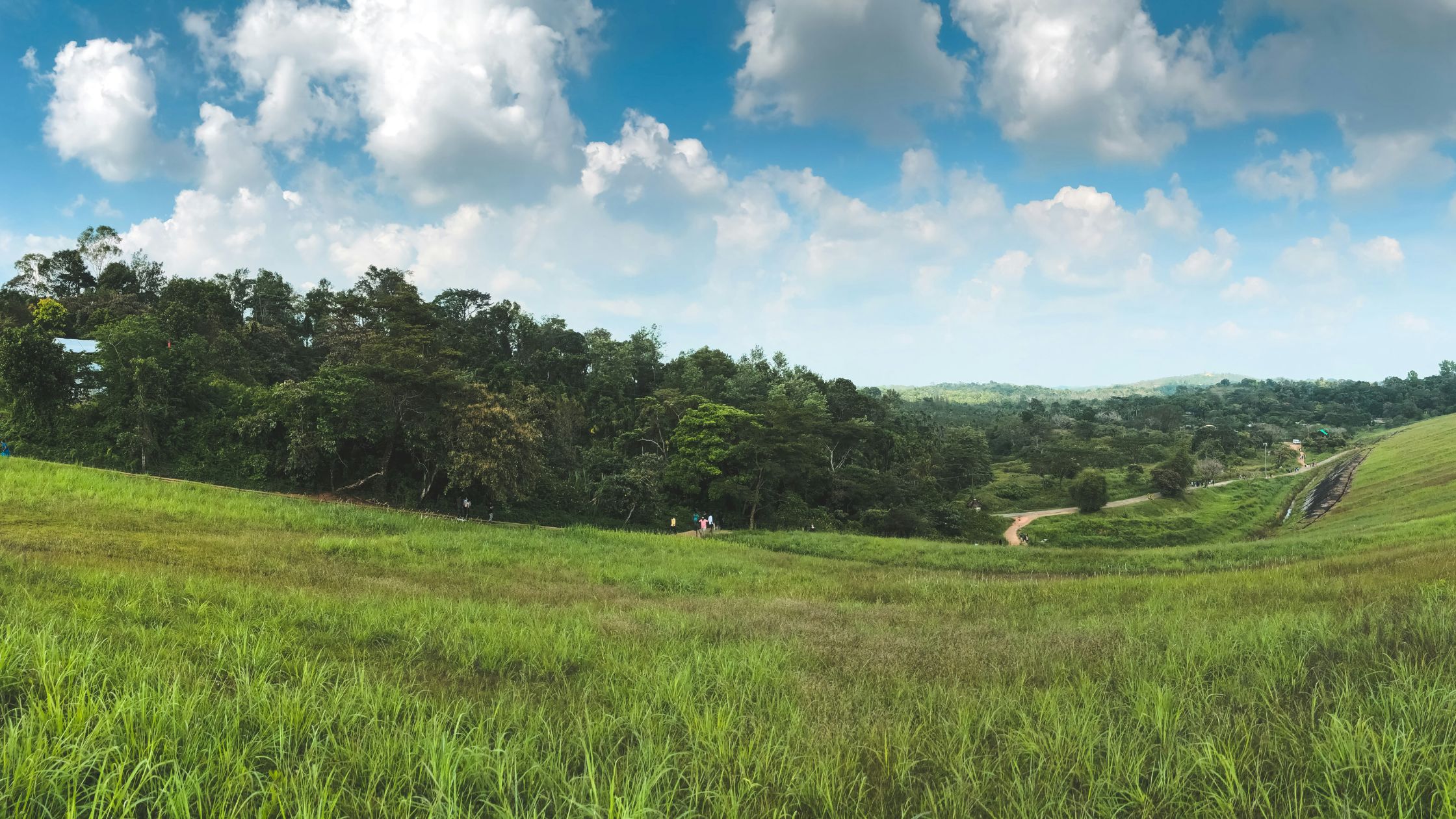
Namaskaram from the enchanting hills of Wayanad!
This gem of God’s Own Country has touched the hearts of many. A variety of things to do in Wayanad attract tourists seeking to uncover its beauty to its core. This hidden gem in the Western Ghats offers a perfect blend of nature, adventure, and culture, making it a must-visit destination for any traveller. It is an ideal destination for thrill-seekers searching for new adrenaline rushes or nature enthusiasts looking for a getaway into the wild. From exploring lush tea estates in Wayanad to enjoying serene moments by Pookode Lake, the list of attractions in Wayanad is endless.
Known as the “Ooty of Kerala,“ it is renowned for its breathtaking scenery and delightful weather. The weather in Wayanad is particularly inviting, with mist-covered hills and a cool breeze that adds to its charm. Wayanad is a destination that offers a perfect mix of adventure, nature, and culture. Each moment here is an experience to cherish, whether it’s trekking up a mountain, exploring ancient caves, or simply sipping tea amidst the green plantations. So, buckle up as we explore the top things to do in Wayanad and craft the perfect itinerary for your visit.
In this Blog
Top Things to do in Wayanad
1. Explore the Tea Estates
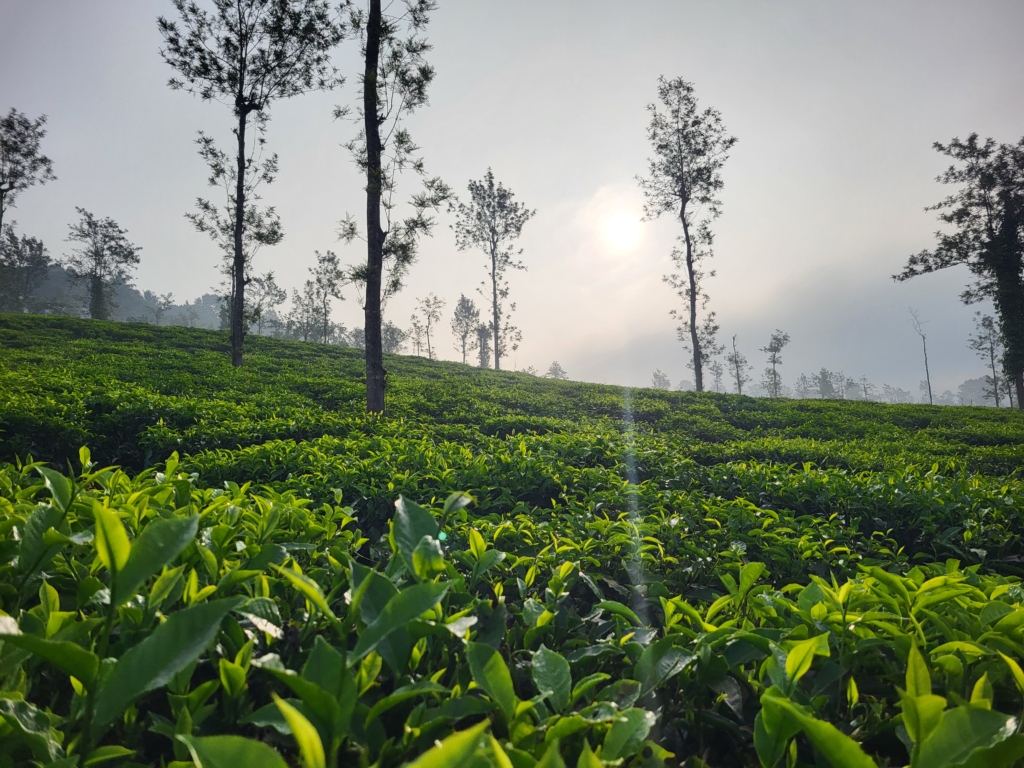
The district in Kerala is famous for its tea plantations, and walking through the tea estates in Wayanad is like stepping into a world of endless greenery. These estates, with their sprawling plantations, offer not only a visual treat but also a chance to learn about tea production. Enjoy a refreshing cup of locally grown tea while soaking in the picturesque views.
2. Trekking at Chembra Peak
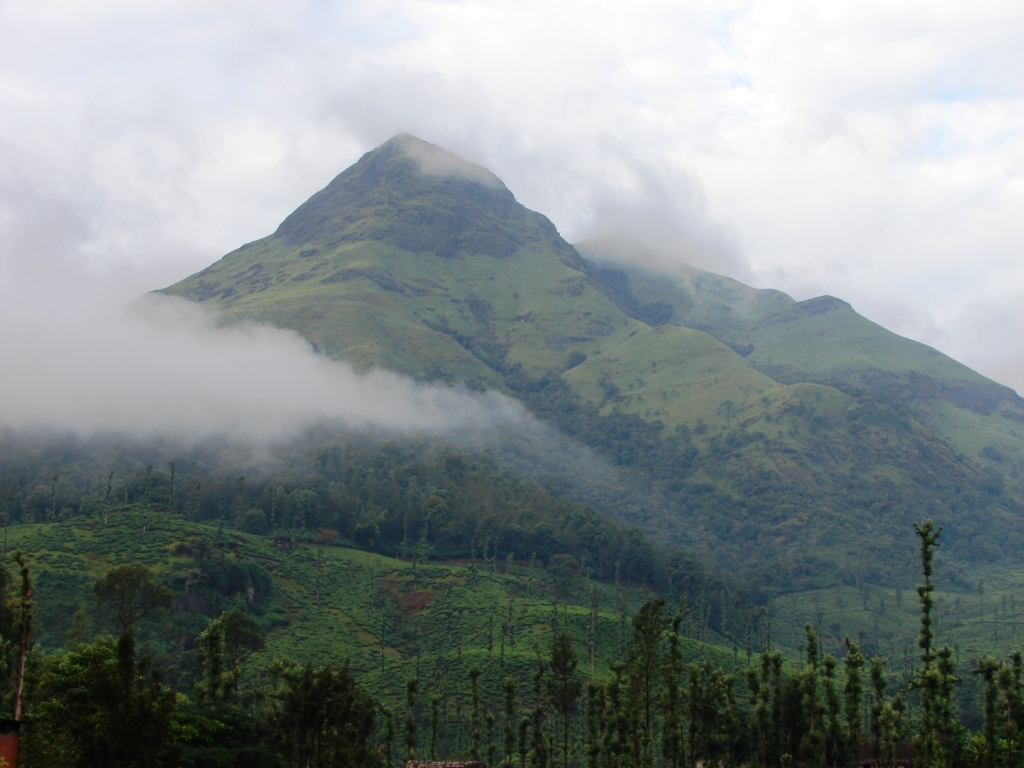
For the adventurous souls, trekking in Wayanad is a must. The region boasts some of the most thrilling trails, including the famous Chembra Peak. Towering at around 6,900ft, Chembra Peak is amongst the most popular trekking spots in Kerala. The trek is challenging but rewarding, with breathtaking views from the top. Don’t forget to carry your camera!
3. Boating at Pookode Lake
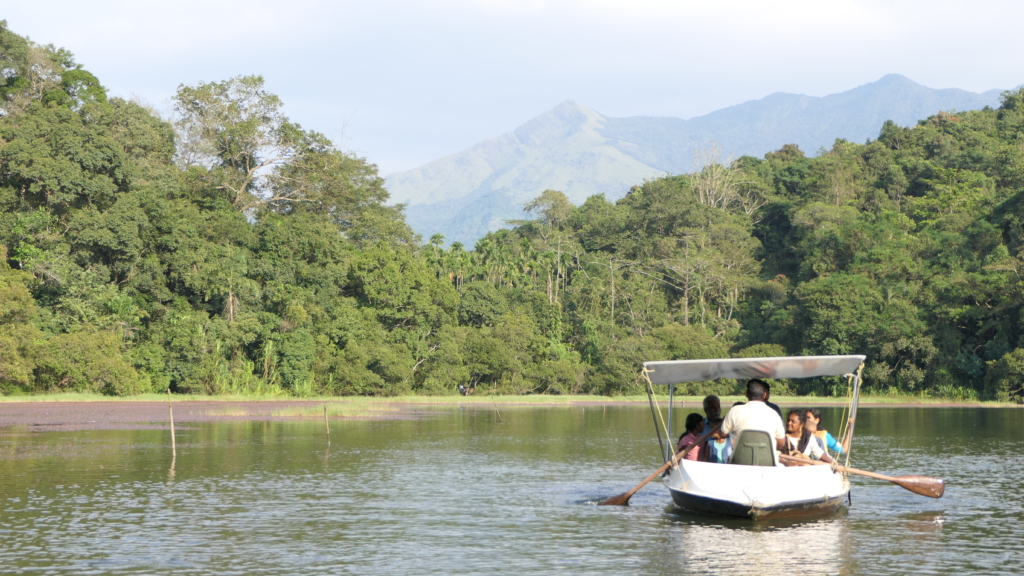
One of the most serene tourist attractions in Wayanad is Pookode Lake. This freshwater lake, shaped like India’s map, is surrounded by lush greenery. Rent a pedal boat and glide over the calm waters while enjoying the natural beauty.
4. Visit the Edakkal Caves
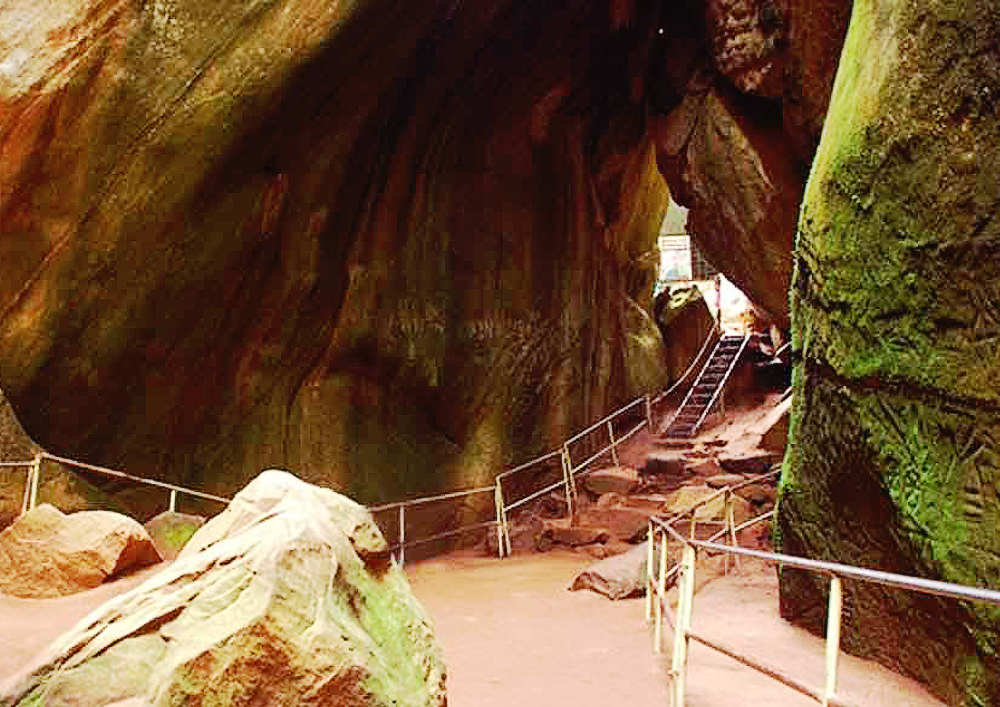
When you visit this gem in Kerela, visit the Edakkal caves, which are twenty-five kilometres from Kalpetta. This is one of the best places to visit in Wayanad. The caves showcase nature’s architectural prowess through stunning rock formations and are one of the top sightseeing places in Wayanad. Situated 1,200 meters above sea level on Ambukutty Mala, the name “Edakkal” translates to a stone in the middle. The caves feature an aperture formed by a massive rock spanning a gap in the stone.
5. Take a Dip at Soochipara Waterfalls

Also known as Sentinel Rock, Soochipara Waterfall (needle rock) is one of the top attractions in Wayanad and is worth a visit. The pool formed at the base of this cascading waterfall is ideal for a refreshing plunge, especially during the summer months. In comparison to other beautiful falls in the area, Soochipara stands out because of its swim-friendly pool. Taking a dip in these cool, clear waters is undoubtedly one of the most refreshing things to do in Wayanad.
6. Explore the Kuruva Islands on Bamboo Rafts
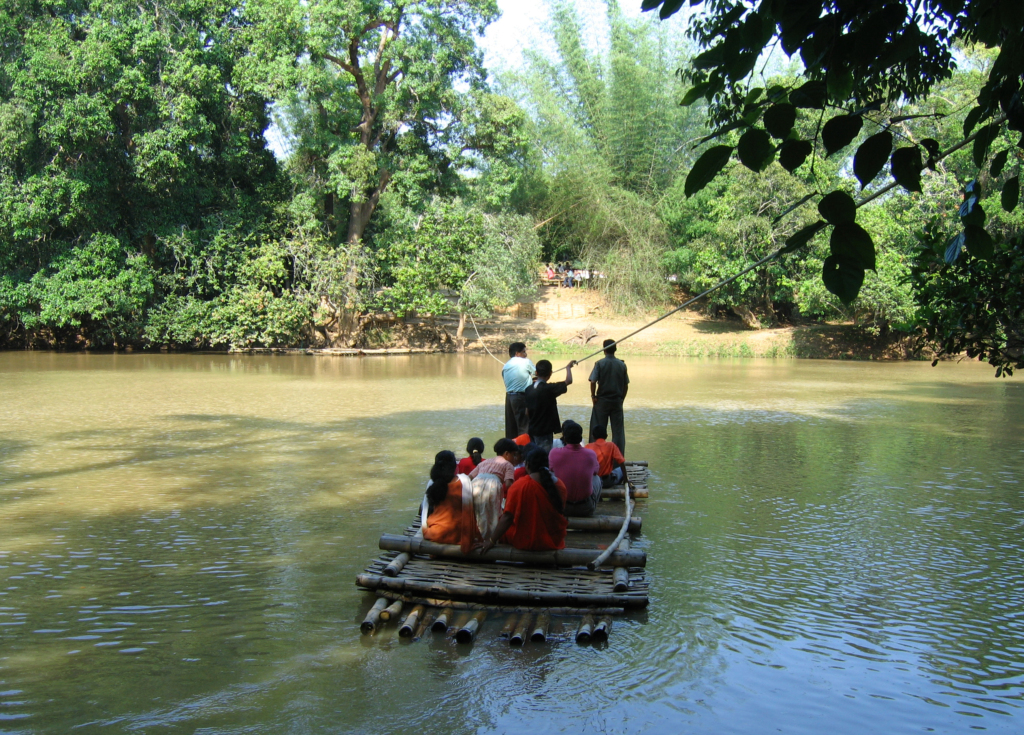
Spread over 950 acres of land, Kuruva Island comprises three scenic islands in the middle of the Kabini River. It is popular for bamboo rafting amidst scenic surroundings and is one of the best things to do in Wayanad. The island offers picturesque sights of bamboo bridges and opportunities to spot rare species of trees, indulge in bird-watching, and explore this extraordinary paradise.
7. Take a Safari at Wayanad Wildlife Sanctuary
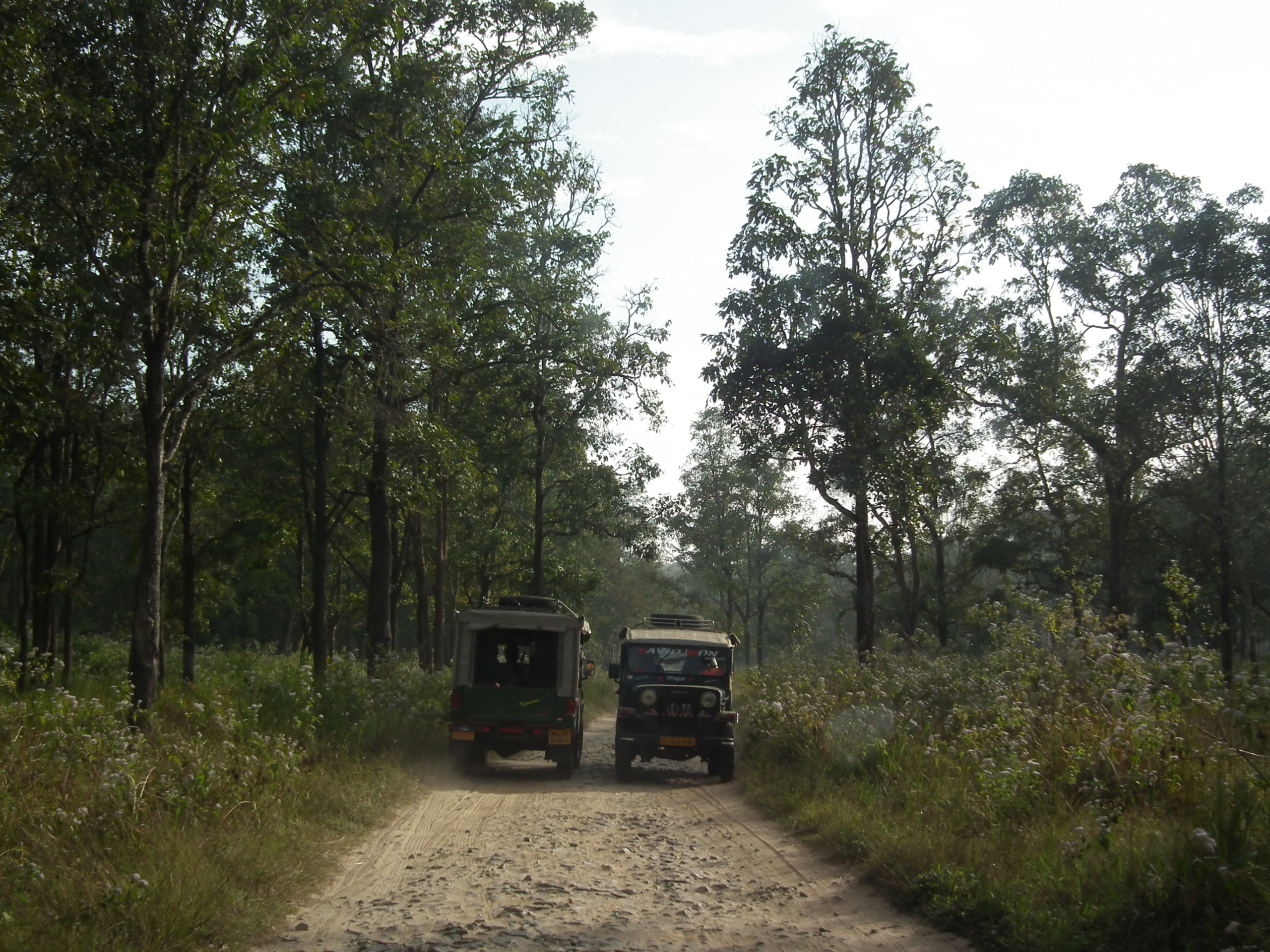
Another top thing to do in Wayanad is to visit the renowned Wildlife Sanctuary. Spread across 344 square kilometres of lush greenery, the Wayanad Wildlife Sanctuary consists of two distinct areas: Tholpetty in the north and Muthanga in the southeast. The sanctuary is home to elephants, tigers, leopards, and a variety of bird species. Opt for a thrilling jeep safari to explore its rich biodiversity and spot these majestic creatures in their natural habitat.
FAQs on Things to Do in Wayanad
1. What is Wayanad famous for?
The area is renowned for being a green paradise. This destination is also well-known for its camping and trekking trails, breathtaking waterfalls, caves, bird-watching sites, diverse flora and fauna, and a plethora of tourist attractions in Wayanad suitable for families, friends, and honeymooners.
2. What are the best things to do in Wayanad with family?
Wayanad is a fantastic destination for families. You can visit Pookode Lake for a peaceful boating experience, explore the Wayanad Wildlife Sanctuary for elephant watching, and enjoy a day at the Banasura Sagar Dam. Don’t miss the Edakkal Caves for a mix of history and adventure that the whole family will love.
3. What are the things to do in Wayanad for couples?
Wayanad offers a romantic setting perfect for couples. You can take a leisurely stroll through the scenic tea estates in Wayanad, enjoy a private boating experience on Pookode Lake, or hike up to Chembra Peak and see the heart-shaped lake, a popular spot for couples.
4. What are the adventure activities to do in Wayanad?
Wayanad is a paradise for adventure enthusiasts. Tourists can enjoy trekking at spots like Chembra Peak and Banasura Hill, which offer challenging trails and breathtaking views. Zip-lining and rock climbing are also popular activities in Wayanad. For water lovers, boating at Pookode Lake or Banasura Sagar Dam adds a bit of adventure to your trip.
5. What should I buy in Wayanad?
If you’re interested in shopping in Wayanad, you can find various items such as bamboo articles, honey, herbal plants, handicraft products, handloom products, coffee, tea, spices, and native art items.
6. Where can I find good homestays in Wayanad?
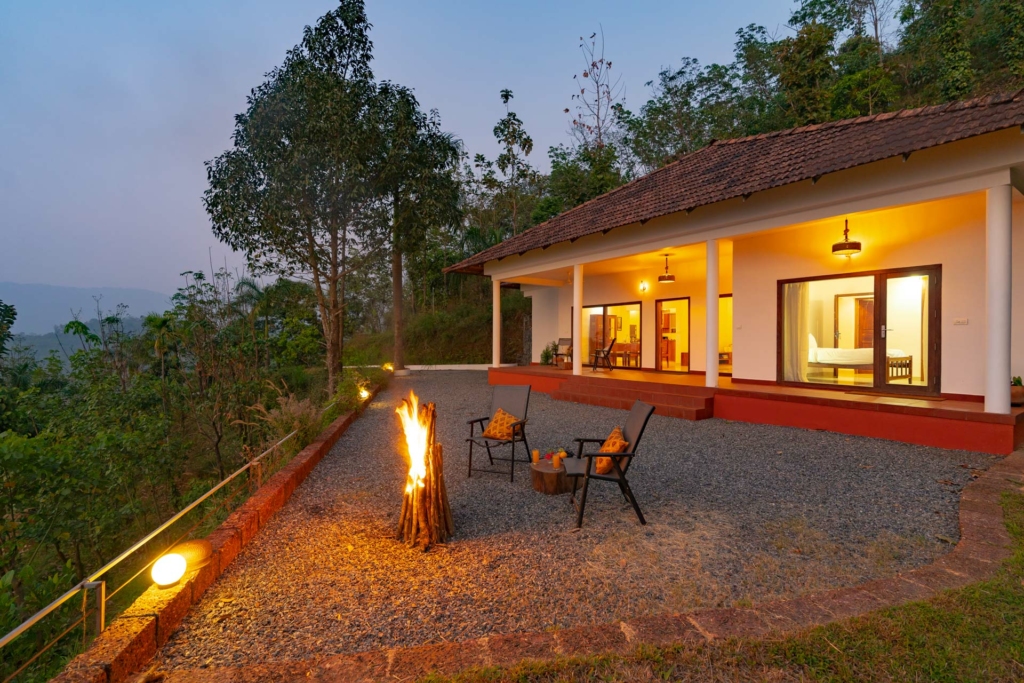
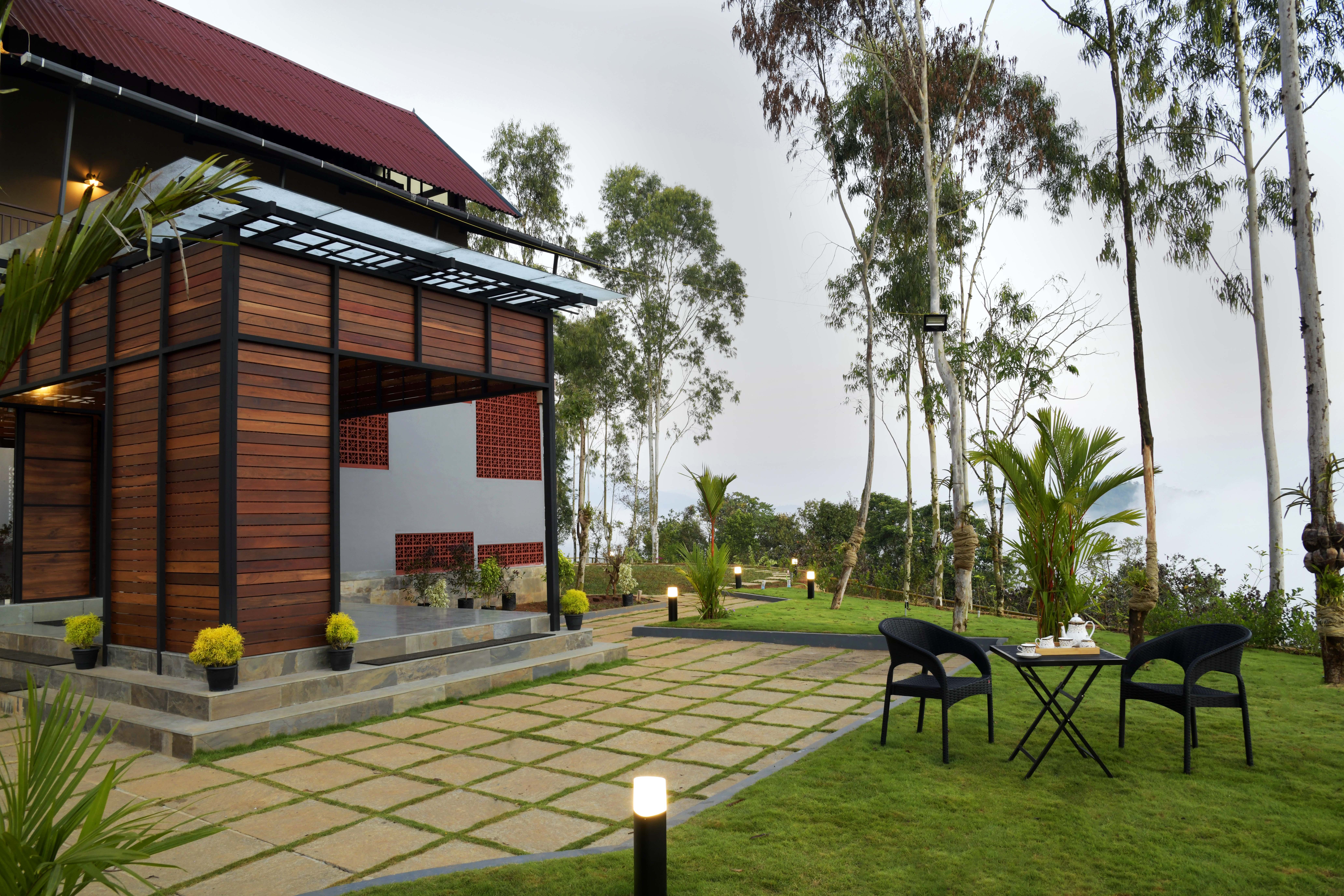
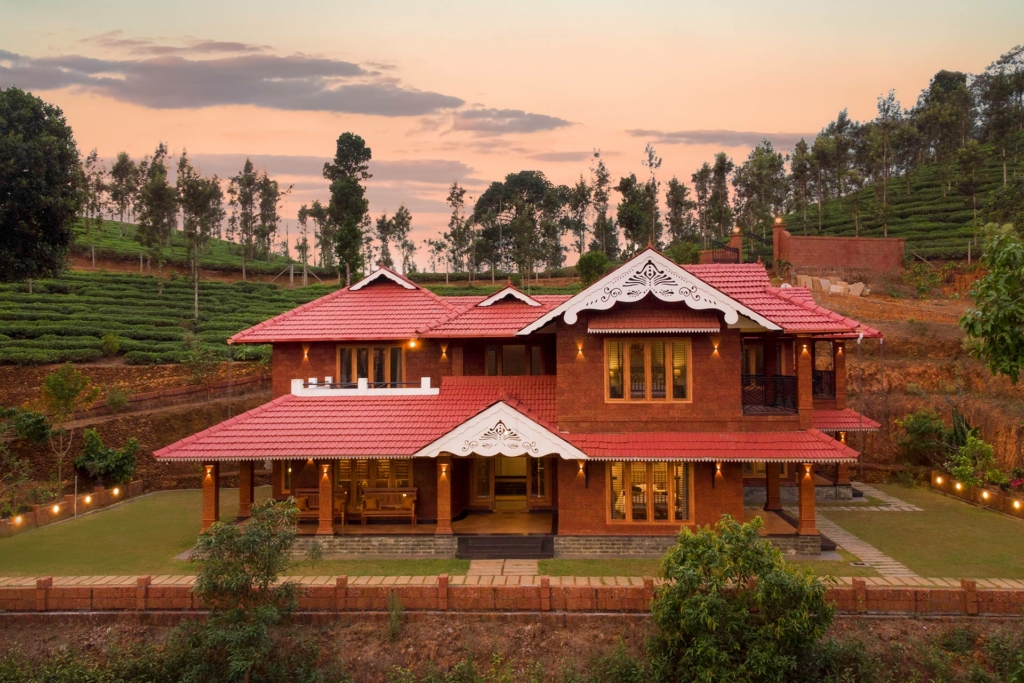
The town has a wide range of options that offer a comfortable and authentic experience. StayVista offers a variety of premium homestays in Wayanad, featuring luxurious amenities and stunning views of the surrounding landscapes. Homestays like La Grove, Novera, and Regal Retreat are ideal for individuals seeking a cosy, personalised stay amid nature.
Read More: The Ultimate Family Getaway to Wayanad: Things to do in Wayanad