
8 Celestial Events to Catch in 2026: Meteor Showers, Eclipses and India’s Best Dark-Sky Spots
The year 2026 is a genuinely good one for anyone interested in watching the sky. India has two eclipse windows, three significant meteor shower peaks in India in 2026, a rare planetary conjunction, and a growing number of purpose-built dark sky places in India from which to watch all of it. Astro tourism in India has moved well past the experimental stage: Hanle in Ladakh is now the country’s first officially designated Dark Sky Reserve, the Ladakh Astro Festival ran for a week in May 2026, and several private observatories and guided stargazing camps operate year-round at high-altitude sites across Ladakh, Himachal Pradesh, Uttarakhand, Rajasthan, and Karnataka. This blog covers eight specific events to plan around in 2026 and the best Indian locations to watch them from.
In 2026, the key celestial events visible from India are the total lunar eclipse in India 2026 on 3rd March, the Perseid meteor shower in India 2026 peaking on 12-13 August (favourable this year due to New Moon), the Leonid shower on 16-17 November, and the Geminid shower on 13-14 December. The best stargazing destinations in India for all of these are Hanle in Ladakh, Spiti Valley, the Rann of Kutch, Jaisalmer, and Coorg.
In this Blog
Why 2026 Is a Stand-Out Year for Astro Tourism in India
Astro tourism in India has been growing steadily since Hanle was formally designated as India’s first Dark Sky Reserve in December 2022, but 2026 is the year when the infrastructure and the astronomical calendar have aligned particularly well. The total lunar eclipse in India in 2026 on 3rd March is the last total lunar eclipse visible from India until 2028, making it especially worth watching. The Perseid peak in August coincides with a New Moon, which the American Meteor Society notes is the darkest Perseid sky since 2018 and the next comparable moonless peak does not arrive until 2029. The Geminid shower in December has near-new Moon conditions as well. And India’s growing network of dark sky places in India means more people can watch these events from genuinely dark locations than was possible even three years ago.
The broader context matters too. Light pollution is now one of the most visible environmental issues in Indian cities, and the contrast between a city sky and a true dark sky is dramatic enough to constitute a travel experience on its own. The Milky Way is invisible to roughly one-third of the global population due to light pollution. From Hanle or the interior of Spiti, it is visible with the naked eye as a solid band of light crossing the entire sky. This contrast is what drives people to plan a trip specifically around a celestial event.
Event 1: Total Lunar Eclipse in India, 3rd March 2026
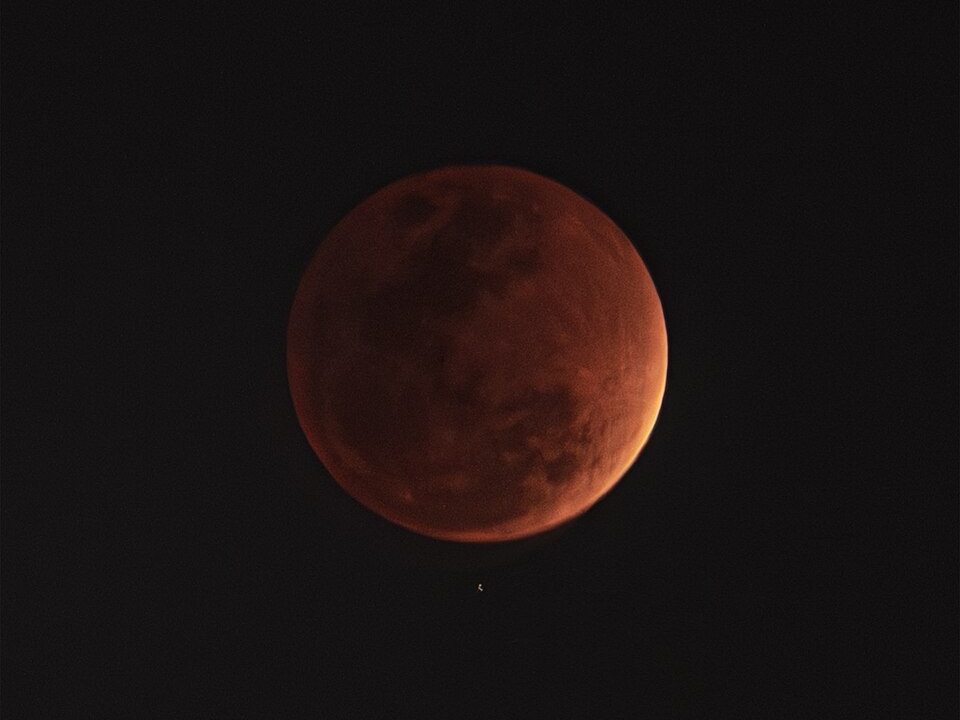
The total lunar eclipse in India 2026 on 3rd March is confirmed by the India Meteorological Department’s Positional Astronomical Centre in Kolkata. The eclipse begins at 15:20 IST and the totality phase, when the Moon turns its characteristic copper-red colour, runs from 16:34 to 17:33 IST. The eclipse ends at 18:48 IST. Most of India will see the Moon rising at or just before the totality ends, which means the viewing experience will vary by location. Northeast India and the Andaman and Nicobar Islands have the most favourable geometry for catching the totality phase above the horizon.
Best stargazing destinations in India for this eclipse: Guwahati, Imphal, and Dibrugarh in Northeast India will see the totality above the horizon. From most of peninsular India and the north, the moon will rise just after totality ends, so the partial phase is still visible. Any open, flat, east-facing location away from buildings works well.
Event 2: Eta Aquarid Meteor Shower, 5-6 May 2026
The Eta Aquarid meteor shower in India 2026 peaks on the night of 5-6 May and is produced by debris left behind by Comet 1P/Halley, the same comet responsible for the Orionid shower in October. What makes the Eta Aquarids particularly interesting for Indian observers is that the radiant point, in the constellation Aquarius, rises high in the southern sky in the pre-dawn hours. This makes the shower unusually well-placed for observers in peninsular India compared to viewers at higher latitudes in the northern hemisphere. Under dark skies in South India, experienced observers can see 30 to 40 meteors per hour at the peak.
The Eta Aquarids are fast-moving meteors, entering the atmosphere at around 66 km per second, and they frequently leave glowing trains that linger for several seconds after the meteor itself has faded. The best viewing window is between 3 AM and 5 AM local time, in the hour or two before astronomical twilight begins. This shower is an excellent reason to visit the stargazing places in India in Karnataka and Tamil Nadu in early May, before the monsoon arrives.
Dark sky places in India for this event: Coorg in Karnataka, the Anamalai Hills in Tamil Nadu, and the Nilgiris all have dark skies and southward-facing horizons that suit this shower particularly well.
Event 3: Perseid Meteor Shower in India, 12-13 August 2026
The Perseid meteor shower in India 2026 is the most widely anticipated shower of the year for a specific reason: the peak on 12-13 August coincides exactly with a New Moon, meaning there is zero moonlight to wash out fainter meteors. The American Meteor Society describes this as the darkest Perseid peak since 2018, with the next comparable conditions not arriving until 2029. The peak viewing window for India is between 2 AM and 4:30 AM IST on both nights, when the radiant in the constellation Perseus reaches a good elevation above the northeastern horizon.
August is peak monsoon season for most of India, which means cloud cover is the main challenge. The regions that reliably escape the monsoon are Ladakh, Spiti Valley in Himachal Pradesh, and the Thar Desert in western Rajasthan. Hanle in Ladakh and Kaza in Spiti are the clearest and darkest options. Jaisalmer in Rajasthan is more accessible and still offers genuinely dark skies over the desert.
How to reach Hanle: The standard route is a flight to Leh followed by a 7 to 10-hour road journey via Chumar. Acclimatisation in Leh for two to three days before continuing to Hanle at 4,500 metres is strongly advised.
Event 4: Hanle Dark Sky Reserve, Ladakh: India’s Premier Dark Sky Place
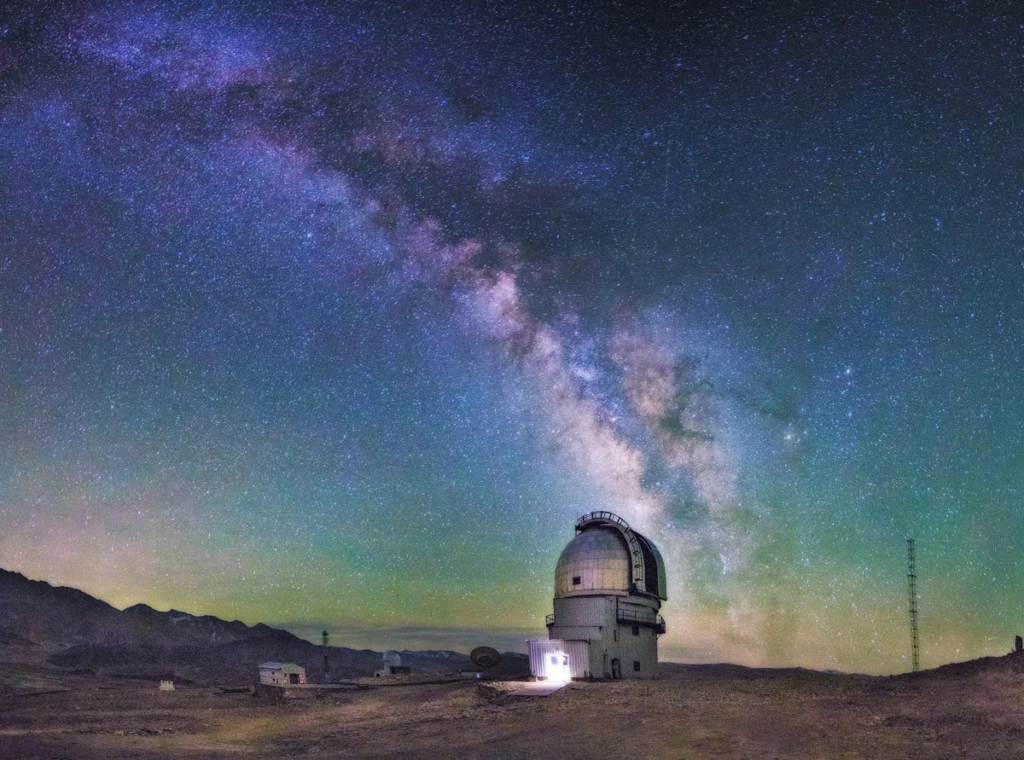
Hanle is not a single celestial event but the centrepiece of astro tourism in India in 2026, and it deserves its own entry. The Hanle Dark Sky Reserve, established in December 2022 through a memorandum signed by the Ladakh Autonomous Hill Development Council, the UT Administration of Ladakh, and the Indian Institute of Astrophysics, covers a 22-kilometre radius around Mount Saraswati. It is the first dark sky reserve in India and one of the highest-altitude stargazing sites in the world, at approximately 4,500 metres above sea level.
Best time to visit Hanle for stargazing is May to October, when the road from Leh is open and the nights are dark. August and September combine the best weather with new moon periods for the Perseid window.
Event 5: Draconid and Orionid Showers, October 2026
October 2026 brings two showers in relatively quick succession. The Draconid meteor shower in India 2026 peaks on 9th October and is unusual among annual showers because the radiant point, in the constellation Draco near the north celestial pole, is highest in the sky in the early evening rather than the pre-dawn hours. This makes the Draconids one of the few showers that are best watched immediately after dark rather than in the middle of the night, which suits family and casual observers particularly well. The Draconids typically produce only 5 to 10 meteors per hour, but in some years the rate spikes unpredictably and the 2026 shower’s Moon phase is not heavily interfering.
Stargazing places in India that work particularly well in October: Spiti Valley, where the autumn harvest season coincides with post-monsoon clarity; Binsar Wildlife Sanctuary in Uttarakhand, where the forest canopy clears enough views of the sky; and the Rann of Kutch in Gujarat, where the flat salt desert gives a 360-degree unobstructed horizon that is extraordinary for watching low meteor trails.
Best time to visit the Rann of Kutch for stargazing is October to February, when the salt flat is dry, white, and flat.
How to reach Rann of Kutch: Bhuj is the gateway city, about 80 km from Dhordo village, and is connected by air and rail from Mumbai.
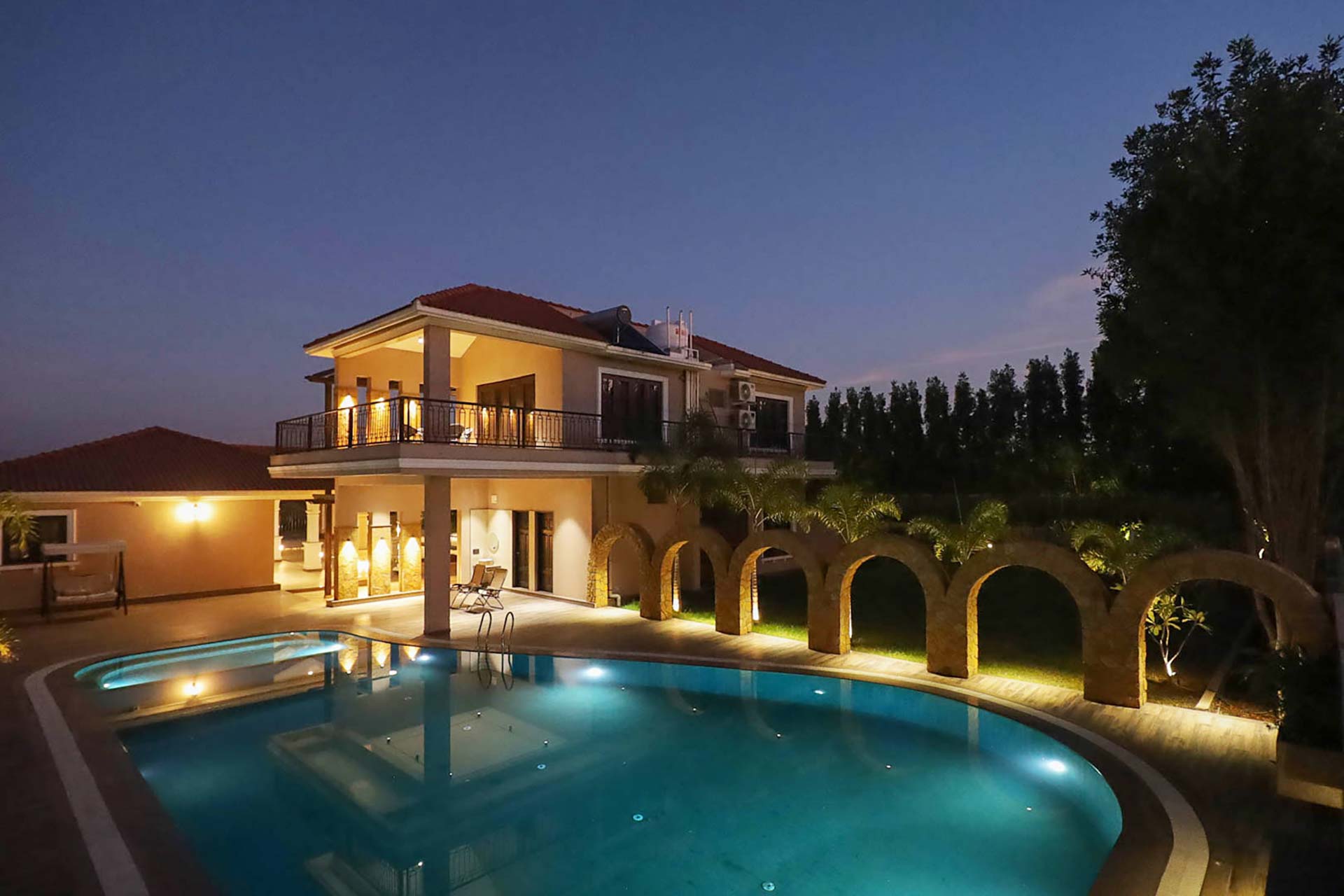
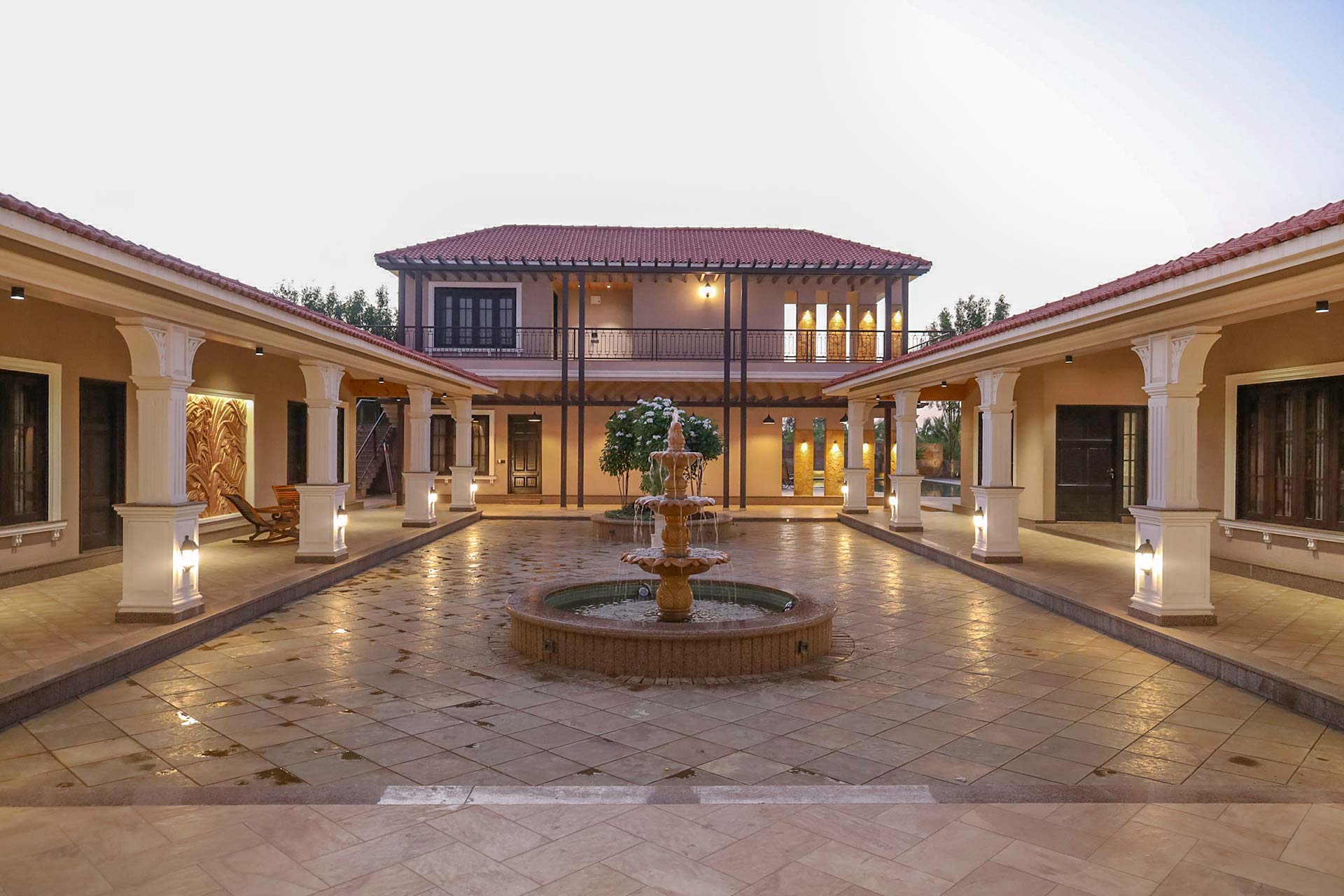
Villas near the Rann of Kutch include heritage tents and cottages at Dhordo that have become a well-supplied cluster of stays during the Rann Utsav season.
Event 6: Leonid Meteor Shower, 16-17 November 2026
The Leonid meteor shower in India 2026 peaks on the night of 16-17 November. The American Meteor Society confirms the Moon will be 45% full during the 2026 Leonid peak, which reduces the viewing conditions compared to the Perseids and Geminids this year, but the Leonids have a specific characteristic that makes them worth watching regardless: they are among the fastest meteors of any annual shower, entering the atmosphere at around 71 km per second. This speed frequently produces fireballs and bright persistent trains that linger in the sky for several seconds.
Spiti Valley is an excellent base for the Leonids. By mid-November, the Manali-Kaza route is likely closed, but the Shimla-Kaza road through Kinnaur remains accessible. The villages of Kaza and Tabo have clear skies in November and very low temperatures, but the viewing conditions are excellent.
Best time to visit Spiti Valley for night sky watching is September to mid-October, before the roads become unpredictable, but Kaza itself remains reachable through November via the Shimla route.
How to reach Spiti Valley in November: Shimla to Kaza via Reckong Peo and Nako, a long but scenic road journey of about 12 to 14 hours.
Event 7: Geminid Meteor Shower, 13-14 December 2026
The Geminid meteor shower in India 2026 is, by most measures, the single best celestial event of the year for Indian observers. The peak falls on the night of 13-14 December, the Moon is a thin waxing crescent that sets early in the evening, and December skies across India are reliably clear after the monsoon and before the winter fog of January. Under ideal dark-sky conditions, the Geminids produce 100 to 120 meteors per hour, making it the most active shower of the year.
Jaisalmer in the Thar Desert is one of the best locations in India for the Geminids. The desert sky in December is dry, clear, and dark beyond the dunes, with the light of the city fading quickly once you are 20 to 30 km outside the fort walls. Places to visit in Jaisalmer alongside a stargazing trip include the Jaisalmer Fort, the Patwon Ki Haveli, and the Sam Sand Dunes, where overnight desert camps set up telescopes for guests.
Best time to visit Jaisalmer for dark sky experiences is October to February.
How to reach Jaisalmer: the city has its own railway station with trains from Jodhpur and Jaipur, and an airport with connections to Delhi and Mumbai.
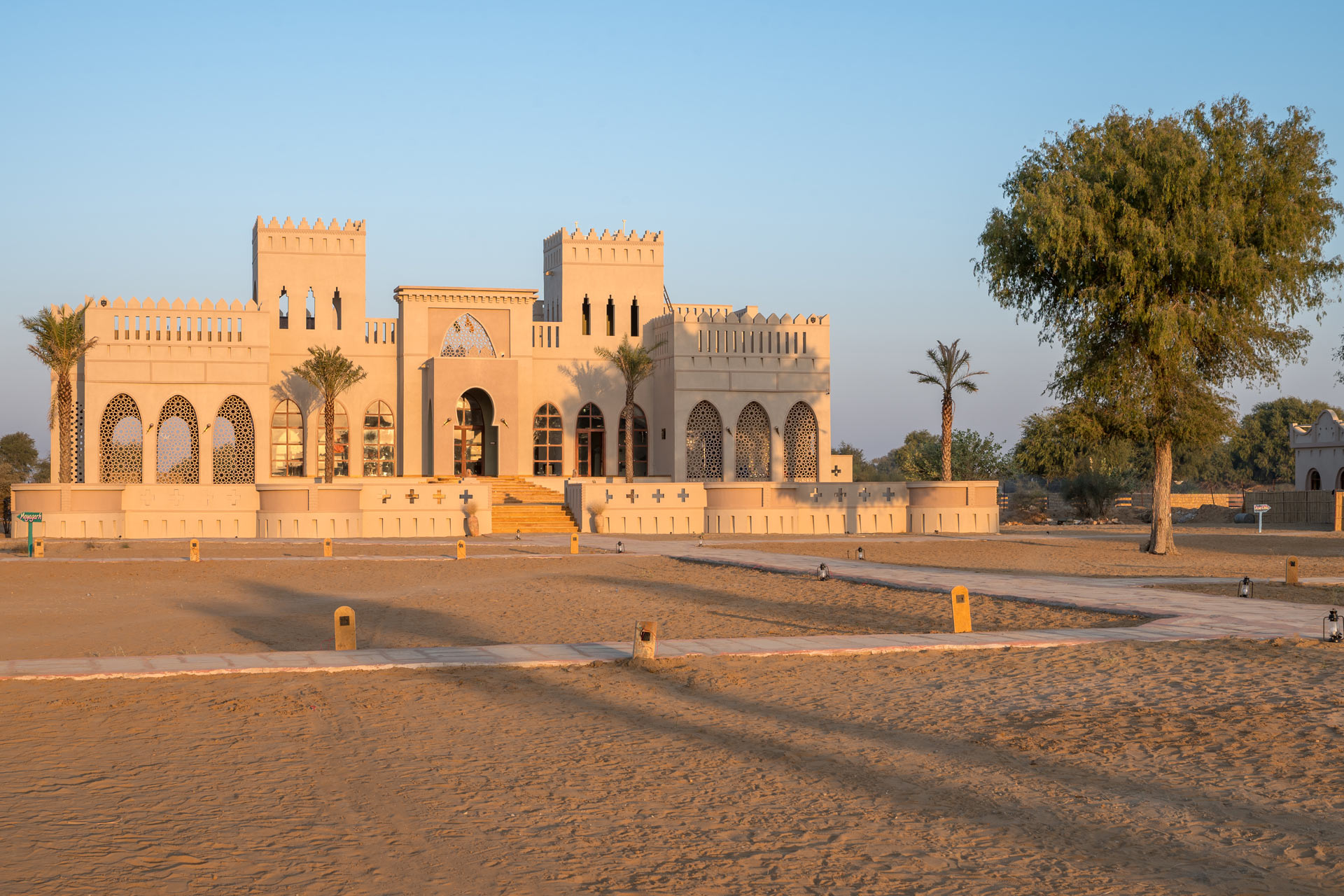

Villas near Jaisalmer desert camp are widely available in the Sam and Khuri dune areas, with several properties specifically marketing their dark sky access.
Event 8: Jupiter-Mars Conjunction, 15-16 November 2026
Alongside the Leonid shower in November, 2026 brings a close planetary conjunction that is worth planning to watch. On the night of 15-16 November, Jupiter and Mars pass within 1 degree 11 arcminutes of each other in the constellation Leo, near the bright star Regulus. Both planets will be visible to the naked eye: Jupiter appearing significantly brighter and white, Mars distinctly reddish by comparison. The pair rises in the eastern sky around midnight and reaches its highest point in the southern sky by dawn.
Coorg in Karnataka is one of the most accessible dark sky places in India for this event. The coffee estate hills at 900 to 1,300 metres above sea level reduce ambient light considerably, and November is a reliably clear month in the region. The Baba Budangiri range and the estates around Aldur and Galibeedu are far enough from any major light source to give reasonable Bortle Class 4 conditions.
Best time to visit Coorg for stargazing is October to March.
How to reach Coorg: Bengaluru is the most common starting point, roughly five to six hours by road. Villas near Coorg coffee estates with open courtyards and minimal surrounding light make practical stargazing bases.
India’s Best Dark Sky Places in 2026: A Practical List
Beyond the event-specific locations above, the consistent best stargazing destinations in India for 2026 are the following, ranked broadly by sky quality and accessibility:
Hanle, Ladakh, at 4,500 metres, is India’s darkest officially designated sky and best for any event between May and October. Spiti Valley, between 3,800 and 4,500 metres across its main villages, is particularly excellent in September and October when autumn clarity peaks. The Rann of Kutch in Gujarat gives the most completely unobstructed horizon of any accessible Indian location and suits meteor showers and planet watching in the winter months. Jaisalmer in Rajasthan is the most accessible high-quality dark sky location in northern India, reachable by train and suitable for large groups. Coorg in Karnataka serves southern India well for all events from October through March. Mukteshwar and Kausani in Uttarakhand, at 2,200 and 1,890 metres respectively, are both home to Starscapes observatories and run guided viewing year-round.
The Sky Is the Destination
Eight events across twelve months, a growing list of dark sky places in India with proper infrastructure, and a celestial calendar in 2026 that has delivered two eclipse windows and three near-moonless meteor shower peaks. Astro tourism in India is no longer a niche activity requiring a research permit or a specialised operator. Village homestays in Hanle now come with Dobsonian telescopes in the garden. Desert camps in Jaisalmer have astrophotography sessions on their December calendar. The gap between wanting to see a meteor shower and actually getting to a dark enough place to see one has narrowed considerably in 2026, and the celestial events this year give people more than enough reason to close it.
FAQs
The major meteor shower in India 2026 peaks are: the Eta Aquarids on 5-6 May, the Perseids on 12-13 August (coinciding with New Moon, making this the best Perseid sky since 2018), the Draconids on 9 October, the Orionids on 21 October, the Leonids on 16-17 November, and the Geminids on 13-14 December (up to 120 meteors per hour with near-new Moon conditions). The Geminids are generally considered the most reliable and productive meteor shower in India 2026 for observers across the country.
The best stargazing destinations in India in 2026 are Hanle in Ladakh (India’s first Dark Sky Reserve, at 4,500 metres), Spiti Valley in Himachal Pradesh (particularly Kaza and Langza), the Rann of Kutch in Gujarat (for its 360-degree unobstructed horizon), Jaisalmer in Rajasthan (most accessible dark sky in north India), Coorg in Karnataka (best for South India observers), and Mukteshwar and Kausani in Uttarakhand (both with professional observatories). These dark sky places in India all have Bortle Class 3 to 4 or better conditions away from their respective town centres.
The total lunar eclipse in India 2026 falls on 3rd March 2026, confirmed by India’s Positional Astronomical Centre. Totality runs from 16:34 to 17:33 IST, with the eclipse ending at 18:48 IST. Most of India sees the Moon rising around or just after the totality ends. Northeast India has the best viewing geometry. After this, the next lunar eclipse visible from India is a partial lunar eclipse on 6th July 2028.
The best stargazing places in India near Jaisalmer are the Sam Sand Dunes, approximately 45 km from the city, and the Khuri Dunes about 48 km away. Both are well outside the city’s light dome and have flat, open desert giving wide sky views. Several overnight camps at Sam and Khuri now include telescopes and guides specifically for the Geminid and other winter meteor showers. Driving 20 to 30 km south of the city on the Barmer road also delivers very dark skies in the open desert.
No. Meteor showers are best watched with the naked eye. Telescopes and binoculars restrict the field of view, making it very difficult to catch fast-moving meteors crossing large sections of sky. The ideal setup is a reclining chair or a mat on the ground, eyes fully adapted to darkness (about 20 to 30 minutes without any screen or artificial light), and as much open sky above as possible. Binoculars are useful between meteor bursts for looking at the Milky Way or deep-sky objects but are not the primary tool for the shower itself.
Yes, significantly. Astro tourism in India has grown quickly since 2022, when Hanle was designated India’s first Dark Sky Reserve. The Ladakh Astro Festival ran for a full week in May 2026, covering Leh, Kargil, Zanskar, Nubra, and Changthang. Private stargazing operators like Starscapes now run guided events at multiple locations across Uttarakhand, Rajasthan, and Karnataka. Several state tourism boards, including those of Himachal Pradesh and Ladakh, now include dark sky experiences in their official promotional campaigns.
The essentials for any stargazing places in India visit are warm layers (night temperatures at high-altitude sites can drop sharply even in summer), a sleeping mat or reclining chair, a red-light torch rather than a white-light one (red light preserves night vision), a fully charged phone or camera with a wide-angle lens and a tripod if astrophotography is planned, and snacks and a warm drink for the hours of waiting between bursts. At Hanle and Spiti, thermal underlayers are essential even in August.
The Geminid meteor shower in India 2026 on 13-14 December is the best choice for families because the radiant rises by 9 PM IST, meaning good rates of meteors are visible before midnight rather than only in the pre-dawn hours. The Draconids on 9th October are even more family-friendly because the radiant is highest in the early evening, making the viewing session shorter and easier to manage. The Jaisalmer desert and the Rann of Kutch are both practical family destinations for these December and October events.