
10 Best Places to Visit in South India in Monsoon 2026 (Where the Rains Are Worth It)

Quick Answer: Best places to visit in south india in August 2026 include Coorg, Munnar, Wayanad, Agumbe, Athirappilly, Chikmagalur, Valparai, Gokarna, Kodaikanal, and Pondicherry. Coorg ranks #1 overall for coffee-country mist and accessible weather; Agumbe is the heaviest-rain pick (one of India’s wettest places); Pondicherry suits travellers who want monsoon ambience without the muddy treks. The southwest monsoon hits South India from early June to mid-September, with July as the peak — and our most-recommended window for travellers who actually want the rain.
The southwest monsoon hits Kerala’s coast on or around June 1 every year, and by July the entire south is green, loud, and dramatic (India Meteorological Department, monsoon onset records). If you’ve been searching for the best places to visit in south india in august, this is the article that doesn’t pretend the rain doesn’t exist — it tells you exactly where the rain is the whole point.
We’ve picked these 10 monsoon tourist places in India based on a single test: would you actually enjoy the rain there, or just tolerate it? Three of the picks are on the Western Ghats (the world’s eighth “hottest hotspot” of biological diversity, per UNESCO World Heritage Centre), four are accessible weekend trips from Bangalore, and one — Agumbe — averages rainfall that rivals Cherrapunji. This list is built for travellers who want the rain to be the main character.
In this Blog
Should I Visit South India in Monsoon?
The southwest monsoon delivers roughly 70-75% of India’s annual rainfall between June and September, and the Western Ghats — running parallel to the west coast through Karnataka, Kerala, and Tamil Nadu — absorb the brunt of it (India Meteorological Department, monsoon climatology). That’s why the best places to visit in monsoon in south india are clustered along this strip: waterfalls run at full volume, coffee and tea estates glow electric green, and crowds thin out by 40-60% versus peak winter season.
For travellers asking about the best places to visit in south india in August, August is statistically the wettest month of the year in Kerala and coastal Karnataka, which means the trade-off is real: you’ll see landscapes you can’t see in any other season, but you’ll also need to plan around heavy showers, occasional landslides, and reduced visibility on ghat roads. The 10 destinations below are picked for the upside — not the inconvenience.
1. Coorg, Karnataka — Best Overall for First-Time Monsoon Travellers

Coorg (Kodagu) is the best place to visit in south india in august if you’re new to monsoon travel — the rains are heavy but not extreme, the roads stay mostly usable, and almost every stay is a coffee estate where the mist becomes part of the breakfast view.
Why it works in monsoon: Coorg receives roughly 2,500-4,000 mm of rainfall annually, most of it concentrated between June and September (Karnataka State Natural Disaster Monitoring Centre). Coffee blossoms peak in March, but the green — the colour you came for — peaks in August. Abbey Falls and Iruppu Falls run at their full thunder volume only during monsoon.
Weather in June, July & August:
- June 2026: The southwest monsoon reaches Coorg between 5 and 10 June, bringing daytime temperatures of 18-26°C, frequent afternoon showers, and the first wave of heavy rainfall in the second half of the month.
- July 2026: This is peak monsoon, with daytime temperatures of 17-24°C, near-continuous cloud cover, dense morning mist that often lasts until 10 AM, and the heaviest rainfall of the year averaging 800-1,000 mm across the month.
- August 2026: Rainfall eases to roughly 70-80% of July’s volume, with 17-24°C daytime temperatures and longer sun-breaks between spells, which makes August the sweet spot for travellers who want monsoon scenery without constant downpour.
What to do:
- Walk to Raja’s Seat viewpoint at sunset, since the daily rain break in Coorg typically arrives between 4 PM and 6 PM and opens up sweeping valley views toward the Kerala border.
- Visit a working coffee plantation — estates around Pollibetta, Suntikoppa, and Virajpet accept day visitors for ₹300-500 per person with guided walks through arabica and robusta blocks.
- Trek to Mandalpatti viewpoint by 4×4 jeep (₹1,800-2,500 round-trip per 6-seater) for misty grassland views, since the access road is impassable to regular cars in heavy monsoon.
- Sip estate-grown Coorg coffee at Tata Coffee’s Plantation Trails properties or at any home-stay roastery, where most estates serve the freshly-roasted previous-harvest beans through June and July.
- Drive to Abbey Falls (8 km from Madikeri, ₹15 entry) and Iruppu Falls (48 km from Madikeri, ₹30 entry), both running at peak volume from late June through September.
- Eat traditional Kodava food — pandi curry (pork), kadambuttu, and noolputtu — at a local home-stay or at Coorg Cuisine in Madikeri town.
Practical details:
- How to reach: Coorg is 250 km from Bangalore via Mysore (a 5.5-6 hour drive), with the nearest railhead at Mysore (120 km) and the nearest airports at Mangalore International (135 km) and Kempegowda Bangalore (250 km).
- Best for: Couples planning a romantic monsoon escape, families with children old enough for short plantation walks, and first-time monsoon travellers who want manageable rain rather than extreme weather conditions.
- Avoid if: You’re planning strenuous trekking, since most steep Western Ghats trails like Tadiandamol and Brahmagiri become slippery and dangerous in July and are far safer to attempt in October after the monsoon eases.
- Budget estimate: A comfortable 3-day Coorg trip from Bangalore costs roughly ₹12,000-18,000 per person, including a mid-range home-stay (₹3,500-5,500/night), fuel, and entry fees.
Best Places to Stay in Coorg:

2. Munnar, Kerala — Best for Tea-Hill Drama

Munnar is the best place to visit in june in south india if your idea of monsoon is tea estates that go from green to neon-green overnight. Here the cloud cover deepens through peak monsoon. By August, the entire valley is wrapped in low cloud most mornings, and the rain has a rhythm — dramatic showers, then sunlight, then mist, then more rain.
Why it works in monsoon: Munnar sits at 1,600 metres elevation in the Western Ghats, which means it stays cool (15-22°C) even in August (Kerala Tourism, Munnar climate page). The Eravikulam National Park reopens to visitors after its February-March closure, and the surrounding tea estates — Tata, KDHP, Harrison Malayalam — turn extraordinary.
Weather in June, July & August:
- June 2026: The monsoon hits Munnar by the first week of June with daytime temperatures of 15-22°C, low cloud cover by mid-morning, and a sharp increase in rainfall after 10-12 June as the southwest current strengthens.
- July 2026: Peak monsoon delivers 13-20°C daytime temperatures, dense valley fog that often blocks visibility before noon, and steady rainfall that frequently exceeds 700-900 mm across the month, with the tea estates at their most photogenic.
- August 2026: Rainfall stays heavy but spaced out, with 14-21°C temperatures and slightly more sun-breaks than July, making it the best month for travellers who want photographs of light hitting tea hills between showers.
What to do:
- Visit the Tata Tea Museum to walk through Munnar’s 130-year colonial-era tea history (₹160 entry, open Tuesday to Sunday, 10 AM to 4 PM).
- Drive to Top Station for sweeping views into Tamil Nadu’s Theni district, where the road crests at 1,880 metres and clouds frequently roll across the viewpoint.
- Walk along Mattupetty Dam at golden hour (free entry; speedboat rides cost ₹400-800 for 20 minutes) for reservoir-and-mountain views that peak between 5 PM and 6:30 PM.
- Try lesser-known Anaerangal Lake, which sees a fraction of Mattupetty’s foot traffic and offers cleaner reflections of the surrounding Kannan Devan hills on still mornings.
- Take a guided tea-tasting session at KDHP’s Lockhart Tea Factory or at any working estate, where you can sample first-flush Munnar tea straight from the curing line.
- Stop at Cheeyappara and Valara Falls on the drive in from Kochi, both at full thunder volume between July and September and visible directly from NH-85.
Practical details:
- How to reach: Munnar is 130 km from Kochi (a 4-hour drive on NH-85), with Cochin International Airport (130 km) as the nearest airport and Aluva (115 km) or Ernakulam Town (130 km) as the nearest railheads.
- Best for: Photographers chasing mist-and-tea compositions, slow travellers who want one base for three or four days, and honeymooners looking for a romantic and cool-weather escape during the Indian summer-monsoon transition.
- Avoid if: You’re prone to motion sickness, since the road from Aluva to Munnar is a relentless climb of switchbacks that can last over an hour even after you’ve reached the foothills.
- Budget estimate: A 3-day Munnar trip costs approximately ₹14,000-22,000 per person, including a mid-range estate-view stay (₹4,000-7,000/night), driver-hire for sightseeing, and entry fees to the tea museum and Eravikulam National Park.
Best Villas to Stay in Munnar:
3. Wayanad, Kerala — Best for Wildlife and Wilderness

Wayanad is the best place to visit in Kerala in August for travellers who want forest, not town. The Wayanad Wildlife Sanctuary borders Bandipur and Nagarhole, creating one of the largest contiguous forest stretches in peninsular India.
Why it works in monsoon: Banasura Sagar — Asia’s largest earthen dam — overflows during good monsoon years, and Soochipara Falls drops a roaring 200 metres in three tiers. The forests of the Western Ghats here host roughly 60-80 tigers and a healthy elephant population (National Tiger Conservation Authority, 2022 census).
Weather in June, July & August:
- June 2026: The monsoon onset in Wayanad usually falls between 1 and 8 June, with daytime temperatures of 19-27°C, rising humidity, and intermittent heavy showers that ramp up sharply in the second half of the month.
- July 2026: July is the wettest month in Wayanad with 18-25°C daytime temperatures, cloud cover that rarely breaks before mid-afternoon, and rainfall totals that can cross 900-1,100 mm — the forest comes alive but landslide risk peaks now.
- August 2026: August delivers steady but more spaced-out rainfall with 19-26°C temperatures, frequent rainbows in the late afternoon, and the safest combination of green landscape and accessible roads for first-time monsoon visitors.
What to do:
- Hike Chembra Peak with its iconic heart-shaped lake near the summit (₹750 entry per group of up to five, with a forest department guide mandatory and treks restricted on heavy-rain days).
- Visit Edakkal Caves to see prehistoric petroglyphs dated to roughly 6,000 BCE (₹40 entry, closed Mondays, with a 30-minute uphill climb from the parking lot).
- Spend a half-day at Banasura Sagar Dam (₹50 entry; speedboat rides ₹500 per person) where the reservoir is at peak water levels between mid-July and September.
- Stay overnight in a plantation home-stay in the Vythiri, Kalpetta, or Meppadi belt to wake up to the sound of rain on tiled roofs and direct estate access at dawn.
- Visit Soochipara Falls (Sentinel Rock Falls) for a 200-metre three-tier drop that is at full thunder between July and August (₹50 entry, plus a 1-km descent on a stepped path that gets slippery).
- Drive to Pookode Lake for a 30-minute paddle-boat ride (₹250) through a natural freshwater lake ringed by evergreen forest on the Kalpetta-Vythiri road.
Practical details:
- How to reach: Wayanad is 270 km from Bangalore via Mysore-Gundlupet (a 6-hour drive that crosses Bandipur and Muthanga forest reserves), with the nearest airports at Calicut (100 km) or Kannur (90 km) and the nearest railhead at Calicut.
- Best for: Wildlife lovers planning safaris at Muthanga or Tholpetty, trekkers comfortable with shorter monsoon-friendly hikes, and group trips of four to eight people splitting a plantation property.
- Avoid if: You’re booking late in August when Wayanad is particularly landslide-prone — always check road status on the Kerala State Disaster Management Authority website (sdma.kerala.gov.in) the day before you travel.
- Budget estimate: A 3-day Wayanad trip costs approximately ₹13,000-20,000 per person, covering a forest-edge home-stay (₹3,500-6,000/night), Chembra trek fees, wildlife safari (₹400 per head), and self-drive or hired-car fuel.
Villas to Stay in Wayanad:
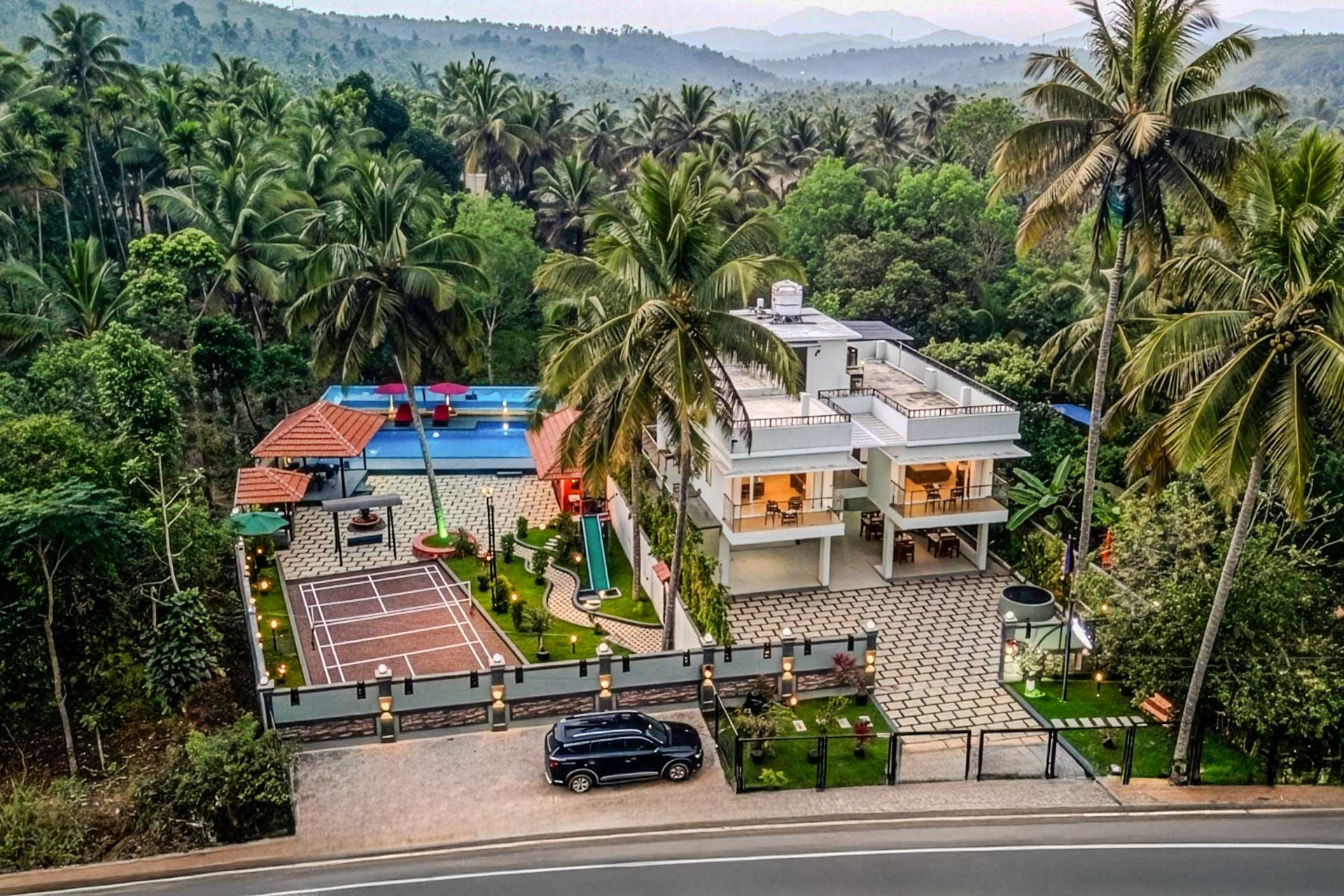
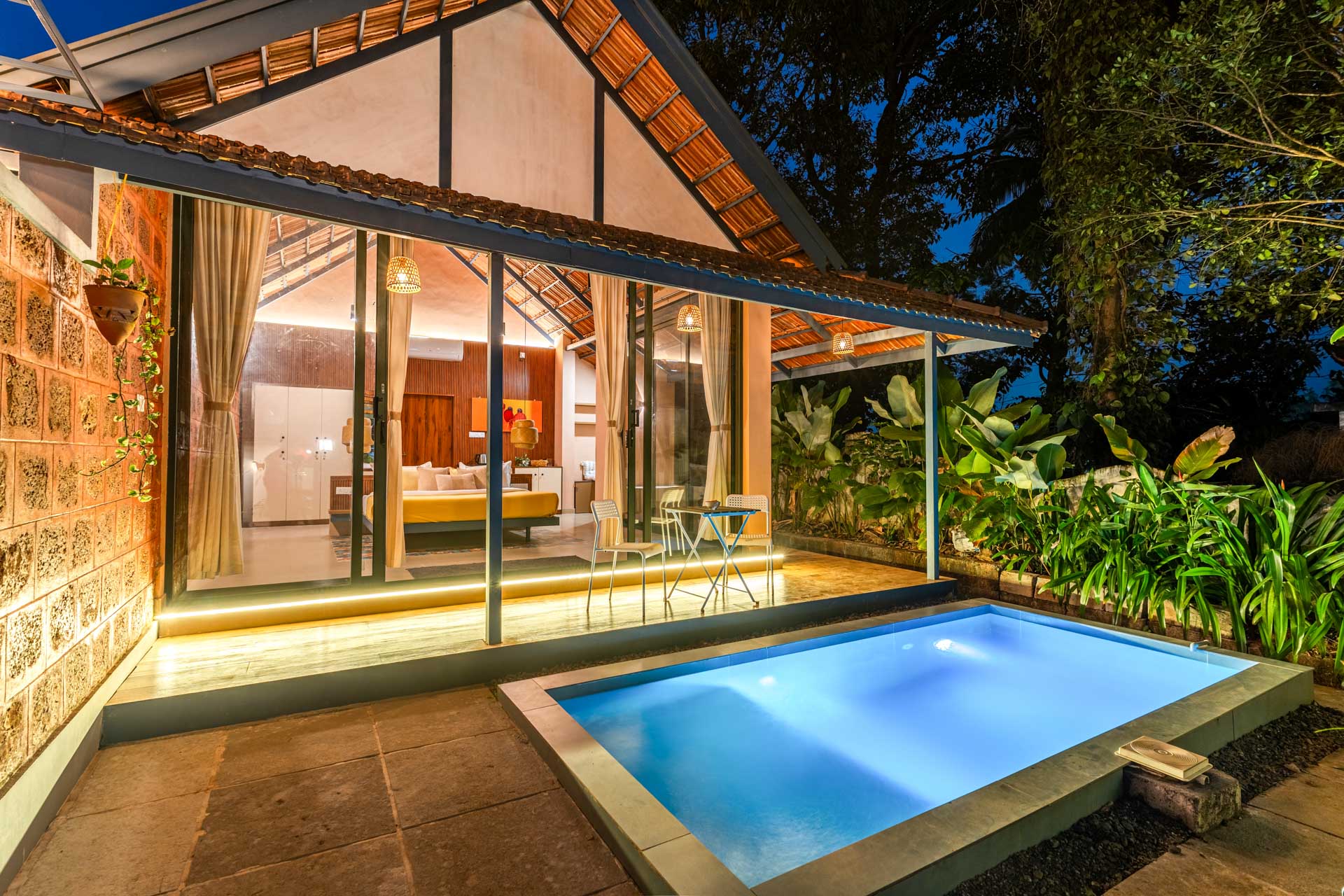
4. Agumbe, Karnataka — Best for the Heaviest, Most Authentic Rainforest

Agumbe is the best places to visit in Karnataka in august for travellers who want the real, full-volume monsoon experience. It’s nicknamed “Cherrapunji of the South” for a reason — Agumbe receives roughly 7,000-7,500 mm of annual rainfall, making it one of the wettest places in peninsular India (Karnataka State Natural Disaster Monitoring Centre).
Why it works in monsoon: This is where you go when you want the idea of monsoon — leeches, mist, primary rainforest, and the sound of frogs at night. The Agumbe Rainforest Research Station here studies the King Cobra (Agumbe has one of the densest King Cobra populations in the world). The Sunset Point gives clear-day views all the way to the Arabian Sea.
Weather in June, July & August:
- June 2026: The monsoon usually hits Agumbe within 24-48 hours of the Kerala onset, with daytime temperatures of 21-26°C, near-immediate heavy rainfall, and high humidity that rarely drops below 90% after the first week.
- July 2026: July is the heaviest rainfall month with 20-24°C temperatures, sustained downpours that can deliver 1,500-1,800 mm across the month, and forest canopy so dense that direct sunlight barely reaches the ground.
- August 2026: August stays extreme with 20-25°C temperatures and only marginal easing from July, though brief sun-breaks between spells become more common in the second half of the month and make sunset-point visits viable.
What to do:
- Walk the Kunchikal Falls trail to view India’s tallest waterfall at 455 metres total drop, with access closely regulated by KPCL and best arranged through a registered Agumbe guide.
- Visit Barkana Falls and Onake Abbi Falls in nearby Hebri (45 km), both reached by short forest treks that require sturdy footwear and leech socks during peak monsoon.
- Tour the Agumbe Rainforest Research Station to learn about King Cobra ecology and Western Ghats biodiversity, booking ahead since the station accepts only small visitor groups by appointment.
- Eat a traditional Malenadu-style meal at Doddamane (the house from the 1980s TV show Malgudi Days), where lunch is served on banana leaves and includes kotte kadubu, mango curry, and seasonal forest greens.
- Sit at the Sunset Point with a flask of filter coffee, since on clear-evening days you can see the Arabian Sea coastline roughly 80 km away across the Ghats.
- Spot endemic Western Ghats wildlife — Malabar pit viper, giant Malabar squirrel, and Asian giant tortoise are commonly seen on monsoon walks led by ARRS-trained naturalists.
Practical details:
- How to reach: Agumbe is 380 km from Bangalore (an 8-9 hour drive via Tumkur and Shivamogga), with the nearest railhead at Udupi (55 km via the Agumbe Ghat) and the nearest airport at Mangalore International (100 km).
- Where to stay: Choose one of the very limited Agumbe village home-stays for full immersion in the rainforest, or base yourself at Sringeri (40 km) for hotel comfort and day-trip into Agumbe.
- Best for: Serious nature travellers committed to a rough, immersive experience, photographers chasing fog and forest light, and herpetology or birding enthusiasts who tolerate leeches in exchange for rare sightings.
- Avoid if: You want comfort, convenience, or any predictability — Agumbe is rough, wet, slow, and frequently loses mobile signal and power during peak monsoon spells.
- Budget estimate: A 3-day Agumbe trip costs approximately ₹10,000-16,000 per person, covering a basic village home-stay (₹1,500-3,000/night), naturalist guide fees (₹500-1,200/walk), and shared transport from Mangalore or Udupi.
5. Athirappilly, Kerala — Best for Waterfall Tourism

Athirappilly Falls is one of the most popular places to visit in Kerala in august — and arguably the best place to visit in monsoon in south india — if a single, massive waterfall is what you came to see. At 80 feet tall and 330 feet wide, it’s the largest waterfall in Kerala and the closest thing India has to a Niagara (Kerala Tourism official destination guide).
Why it works in monsoon: Volume. In dry season the falls are pretty; in August, they are thunderous. The mist alone reaches 100 metres downwind. The drive in — through the Sholayar forest range — adds another layer: dense canopy, narrow road, occasional elephant sightings.
Weather in June, July & August:
- June 2026: Athirappilly is in the lowland Western Ghats and hits 23-30°C in June with the monsoon onset bringing waterfall volume up sharply by mid-month and forest greenery transforming visibly within 7-10 days.
- July 2026: July delivers 22-29°C temperatures, the fullest waterfall flow of the year, and frequent afternoon downpours that can briefly close the lower-deck viewpoint for safety; the mist from the falls is at its most photogenic.
- August 2026: August stays warm at 23-30°C with steady rainfall, slightly clearer mid-morning skies than July, and the highest density of green canopy along the Sholayar route — the best month for the full drive-plus-falls experience.
What to do:
- View Athirappilly Falls from both the upper and lower vantage points (₹50 entry per adult), where the upper deck offers a head-on panorama and the lower deck takes you to the base for full-spray immersion.
- Visit Vazhachal Falls 5 km further into the forest (free entry), which is a wider but shorter cascade and sees a fraction of the foot traffic of the main Athirappilly viewpoint.
- Combine the trip with Charpa Falls and the Sholayar Dam route, since this triangle of viewpoints can be covered in a single half-day drive of 35-40 km through the forest.
- Stay overnight at one of the falls-side resorts (Rainforest Resort, Hotel Plantation) to hear the waterfall’s full volume after dark and reach the viewpoints before the 8 AM tourist rush.
- Look out for the rare Great Hornbill, which nests in the Vazhachal forest division and is most active at the canopy edge during early monsoon afternoons.
- Try a Kerala-style meal at one of the local toddy shops on the Chalakudy road, where appam-and-stew lunches cost ₹150-300 and are best between 12:30 PM and 2:30 PM.
Practical details:
- How to reach: Athirappilly is 70 km from Kochi (a 2-hour drive via NH-544), with Cochin International Airport as the nearest air access point and Chalakudy (32 km) as the nearest railhead with frequent KSRTC bus connections.
- Where to stay: Pick one of the very limited Athirappilly falls-side resorts for soundscape immersion, or base yourself at Thrissur (70 km) for hotel variety, cultural sightseeing, and easier connectivity.
- Best for: Day-trippers from Kochi or Thrissur who want maximum monsoon impact in a single visit, families with children old enough to handle stair descents, and photographers chasing waterfall-and-mist compositions.
- Avoid if: You’re claustrophobic or crowd-averse, since the lower-deck viewpoint can get genuinely packed on weekend mornings between 10 AM and 1 PM during the long monsoon weekends.
- Budget estimate: A day-trip from Kochi costs approximately ₹2,500-4,500 per person including fuel, entry fees, and lunch; an overnight stay adds ₹4,000-9,000/night for a resort room with falls or forest views.
6. Chikmagalur, Karnataka — Best Weekend Trip from Bangalore

If you live in Bangalore, Chikmagalur is the best place to visit in june in south india if you can wait one extra month for fuller waterfalls — for a 2-3 day reset. The drive make it one of the best places to visit in Kerala in August from the Bangalore, and the destination delivers Western Ghats scenery without Coorg’s tourist density.
Why it works in monsoon: Mullayanagiri (1,930 metres) is Karnataka’s highest peak, and the road to its base is paved most of the way. Surrounding it are coffee estates that supply names like Blue Tokai, Subko, and Maverick & Farmer. Heavy rain here is gentler than Agumbe but more consistent than Coorg — about 2,000-2,800 mm annually (Karnataka State Natural Disaster Monitoring Centre). For travellers tired of monsoon in bangalore — which delivers mostly grey drizzle and traffic — Chikmagalur is what the rain is supposed to feel like.
Weather in June, July & August:
- June 2026: Chikmagalur sees the monsoon arrive between 6 and 12 June with daytime temperatures of 19-27°C, gradual cloud build-up across the first two weeks, and significantly heavier rainfall after 15 June.
- July 2026: July is peak monsoon with 18-25°C daytime temperatures, frequent intense showers, and the highest rainfall of the year — Mullayanagiri summit visibility drops to under 50 metres on most days.
- August 2026: August keeps the rain consistent at slightly lower volumes than July, with 18-25°C temperatures, cleaner sun-breaks at Z Point and Baba Budangiri, and the best photographic conditions of the season.
What to do:
- Drive to the Mullayanagiri summit, where the final 200-metre stretch is a steep stair climb that takes 15-20 minutes and rewards you with views across the Baba Budangiri range (free entry, parking ₹50).
- Visit Hebbe Falls accessed by jeep through Kemmangundi (₹3,000 round-trip per 6-seater jeep), since the 8-km approach road requires high-ground-clearance vehicles during monsoon.
- Walk the Z Point or Baba Budangiri ridge for cloud-and-grassland views, a 4-5 km return trek that takes roughly 2 hours and is one of the gentler monsoon-safe walks in the Western Ghats.
- Tour a working coffee curing facility in the Aldur or Koppa belt, where estates like Halli Berri and The Plantation Trails accept curated visits with cupping sessions for ₹500-1,500 per person.
- Stop at Kemmangundi (KR Hills) for the colonial-era rose garden, the Z Point viewpoint, and a stay at the Karnataka Tourism Horticulture Department guest house if you want a budget option close to nature.
- Eat at Town Canteen in Chikmagalur town for proper Malenadu thalis, neer dosa, and pandi curry — the local Bangalore-weekender favourite for under ₹250 per head.
Practical details:
- How to reach: Chikmagalur is 245 km from Bangalore (a 5-hour drive via Tumkur and Kadur on NH-75), with the nearest railhead at Kadur (40 km) and the nearest airports at Mangalore (165 km) and Kempegowda Bangalore (245 km).
- Best for: Bangalore-based weekenders looking for a 2-3 night reset, coffee enthusiasts who want estate visits without Coorg’s tourist density, and solo travellers comfortable with quieter destinations.
- Avoid if: You’re going specifically for technical or steep trekking, since most challenging trails like Kudremukh, Mullayanagiri full-traverse, and the Bababudangiri loop are restricted or unsafe during July.
- Budget estimate: A 3-day Chikmagalur trip from Bangalore costs approximately ₹10,000-16,000 per person, covering a plantation home-stay (₹3,000-5,500/night), the Hebbe Falls jeep, and self-drive fuel from Bangalore.
Best Places to Stay in Chikmagalur:
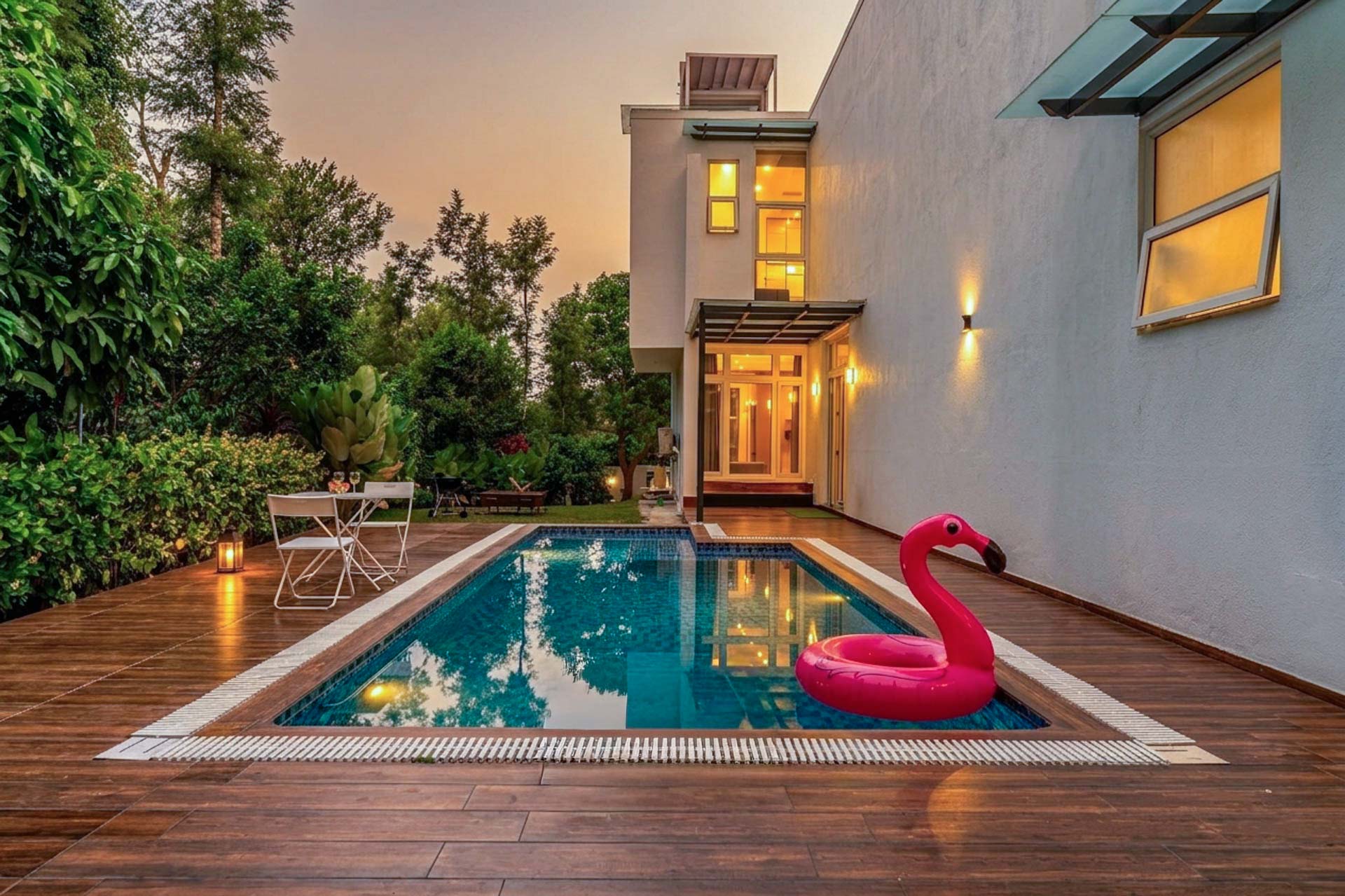
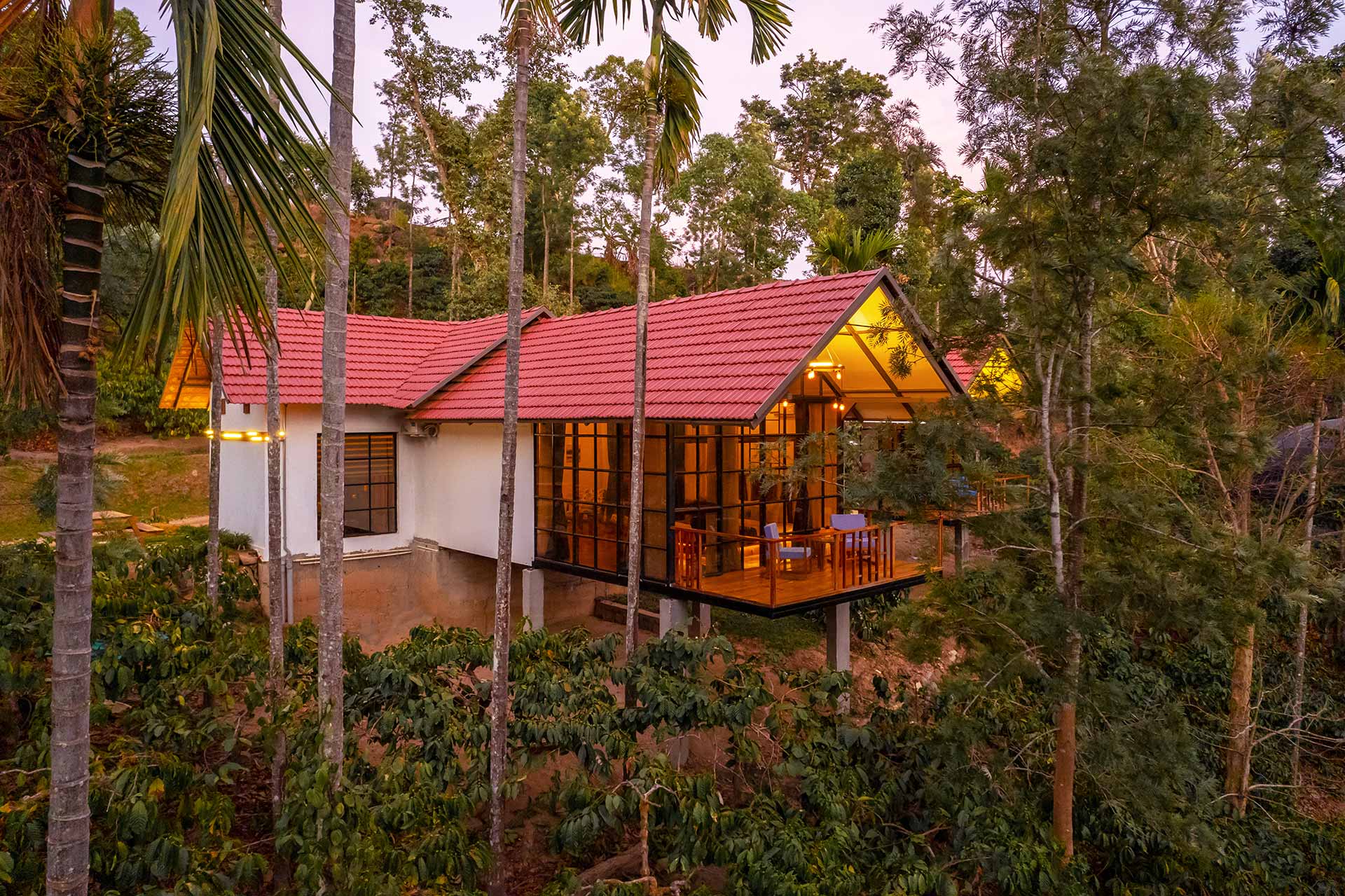
7. Valparai, Tamil Nadu — Best for Quiet Solitude

Valparai is the best places to visit in monsoon in south india and the best place to visit in August in India for travellers, if you want zero crowds. It’s a tea-plantation town at 1,193 metres in the Anamalai Hills, and the road in includes 40 hairpin bends through dense rainforest — one of the few roads in India where leopard, gaur, and lion-tailed macaque sightings are routine.
Why it works in monsoon: Valparai gets serious rainfall — 3,500-4,500 mm annually — and the Sholayar reservoir at full level is genuinely breathtaking (Tamil Nadu Tourism, hill stations). The lion-tailed macaque, found only in the Western Ghats and listed as Endangered by IUCN, is the local mascot; sightings on the drive in are common.
Weather in June, July & August:
- June 2026: Valparai catches the southwest monsoon early thanks to its windward-slope position, with daytime temperatures of 16-23°C, heavy rainfall from around 5 June onward, and frequent cloud-cover at the Aliyar Ghat hairpins.
- July 2026: July is the wettest month at Valparai with 15-22°C temperatures, sustained heavy showers, and the Sholayar reservoir at peak levels — wildlife sightings on the ghat road remain high despite reduced visibility.
- August 2026: August stays heavily wet with 16-23°C temperatures, slightly more sun-breaks than July, and tea estates at their most vivid green — this is the photographer’s preferred month if you can handle 60-70% cloud cover throughout the day.
What to do:
- Drive the 40-hairpin Aliyar Ghat road from Pollachi to Valparai, starting before 7 AM since lion-tailed macaques and Nilgiri tahr are most active on the road shoulder between dawn and 10 AM.
- Stop at Aliyar Dam (₹20 entry) and Loam’s View Point on the way up, where the latter offers panoramic views of the Coimbatore plains 1,000 metres below on clear-monsoon mornings.
- Spend an afternoon at Nirar Dam and the surrounding tea estates of the Parry Agro and Tata Coffee belts, with most estates allowing a stroll-through to non-residents on weekdays.
- Visit Monkey Falls on the lower Aliyar approach, named for the macaque troops in the area rather than tourist crowds, with a ₹25 entry fee and changing facilities for a quick swim in calmer pools.
- Drive out to the Karianshola and Andiparai tea estates for the deepest Anamalai forest scenery, accessible only with a local guide and at slow speeds because of wildlife crossings.
- Take a guided wildlife walk with the Nature Conservation Foundation’s Valparai team if conservation tourism interests you, since they run small-group walks focused on macaque behaviour and rainforest fragmentation.
Practical details:
- How to reach: Valparai is 100 km from Coimbatore (a 3-hour drive that includes the 40-hairpin Aliyar Ghat), with Coimbatore International as the nearest airport and Pollachi (65 km from Valparai town) as the nearest railhead.
- Where to stay: Book one of the very limited heritage tea-bungalow stays such as Briar Tea Bungalows or Sinna Dorai’s Bungalow well in advance, since Valparai has fewer than 200 quality rooms across the entire region.
- Best for: Solo travellers seeking deep quiet, writers and photographers planning week-long retreats, and slow-travel couples comfortable with limited dining and no nightlife.
- Avoid if: You want any nightlife or dining variety, since Valparai has only a handful of restaurants and most properties expect guests to dine on-site at fixed meal hours.
- Budget estimate: A 3-day Valparai trip costs approximately ₹18,000-30,000 per person, since heritage bungalows charge ₹7,000-15,000/night including meals and often require a 2-night minimum stay.
8. Gokarna, Karnataka — Best for Coastal Monsoon

Gokarna is on this list because someone always asks: is there a beach option in monsoon? Yes — Gokarna. It’s the best place to visit in south india in August if you want the coast in monsoon mood: empty beaches, dramatic surf, the Western Ghats meeting the Arabian Sea, and almost zero international crowd.
Why it works in monsoon: The southwest monsoon hits the Karnataka coast hard, but Gokarna’s beaches (Om, Kudle, Half Moon, Paradise) face west and become postcard-dramatic in heavy weather. The town itself is an ancient temple town — Mahabaleshwar Temple dates to the 4th century. You won’t swim much in August, but you’ll have the entire coast effectively to yourself.
Weather in June, July & August:
- June 2026: Gokarna sees the monsoon hit between 1 and 6 June with daytime temperatures of 24-30°C, dramatic swells on the west-facing beaches by mid-month, and humidity that pushes above 85% almost daily.
- July 2026: July delivers 23-28°C temperatures and the heaviest rainfall of the year, with the Arabian Sea swells reaching their tallest and most photogenic peaks — beach shacks shut down but the coastline becomes cinematic.
- August 2026: August stays wet at 23-28°C with marginal easing of swell, slightly more reliable mid-morning sun for the Kudle-to-Paradise trek, and the lowest tourist density of the entire year.
What to do:
- Walk the Gokarna beach trek from Kudle to Om to Half Moon to Paradise (3-4 hours one way), since the cliff-edge trail is one of India’s most underrated coastal walks and is entirely uncrowded in monsoon.
- Visit Mahabaleshwar Temple in Gokarna town, a 4th-century Shiva shrine where the inner sanctum is closed to non-Hindus but the temple complex itself is open for darshan and architectural appreciation.
- Eat at Namaste Cafe on Om Beach, which is one of the few year-round beach restaurants and serves Israeli, Italian, and South Indian food at ₹250-500 per main course through monsoon.
- Take a day-trip to Yana Caves and Vibhuti Falls (45 km inland), where two black-rock karst formations rise dramatically from the forest and the waterfall is at peak flow between July and September.
- Watch sunset from Kudle Beach with the sea wall taking heavy surf, but stay well above the waterline since monsoon high-tide can rise unexpectedly by 1-2 metres.
- Eat a traditional Konkani thali at Pai Restaurant or any of the temple-town eateries on Car Street, where banana-leaf meals cost ₹100-180 and stay open through the wet season.
Practical details:
- How to reach: Gokarna is 480 km from Bangalore (a 10-hour drive on NH-66 via Shivamogga) and 250 km from Goa (a 6-hour drive), with the nearest railhead at Gokarna Road and the nearest airport at Goa-Dabolim (140 km away).
- Best for: Backpackers willing to slow-travel for under ₹2,000/night, off-season seekers who want an empty coast, and photographers chasing storm-and-sea compositions.
- Avoid if: You want to swim or surf in calm conditions, since Karnataka’s coastal currents become genuinely dangerous between June and September and lifeguard cover is minimal at most beaches.
- Budget estimate: A 4-day Gokarna trip costs approximately ₹8,000-15,000 per person on a backpacker budget, or ₹20,000-40,000 per person at SwaSwara or Om Beach Resort with full-board meals included.
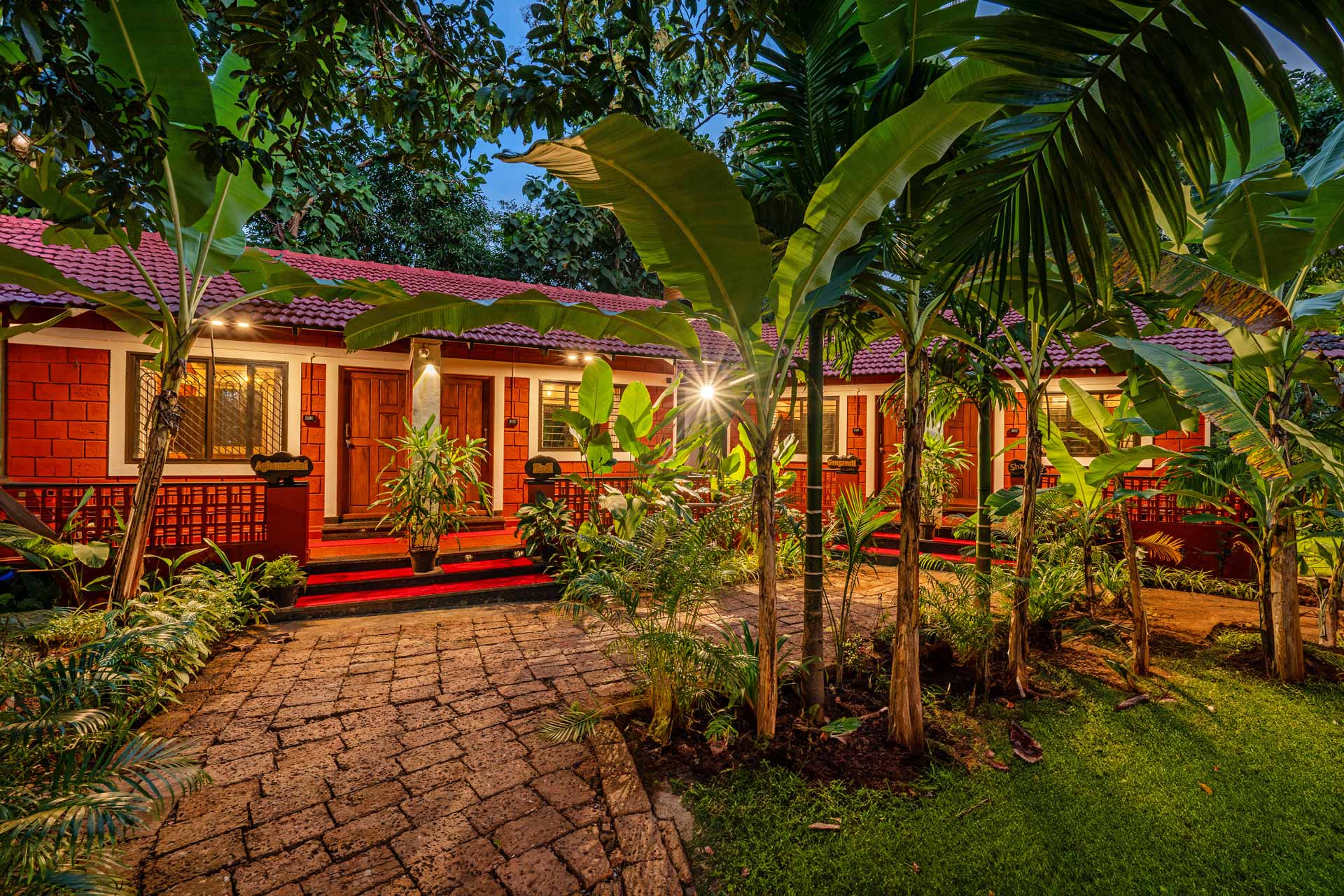
Best Villa to Stay in Gokarna:
9. Kodaikanal, Tamil Nadu — Best for Hill-Station Comfort

Kodaikanal is the best place to visit in june in south india if you want hill-station comfort without committing to a remote estate, and remains a strong places to visit in south india in august pick for travellers who prefer drizzle to downpour. The town sits at 2,133 metres, has a proper lake, and is large enough to have actual restaurants and cafes — rare for Western Ghats destinations.
Why it works in monsoon: Kodai gets a slightly drier monsoon than Munnar or Wayanad (it’s on the eastern slope of the Western Ghats), which means cloud-and-mist drama without the relentless heavy rain. Daytime temperatures sit between 11-18°C in July (Tamil Nadu Tourism, Kodaikanal). The Kurinji flower blooms only once every 12 years — last bloom was 2018, next is 2030 — so check that calendar.
Weather in June, July & August:
- June 2026: Kodaikanal sees relatively mild monsoon onset with daytime temperatures of 12-20°C, scattered showers rather than continuous rain, and frequent cloud-cover that lifts by late morning for several hours of usable sightseeing time.
- July 2026: July is the wettest month at Kodai with 11-18°C temperatures, sustained drizzle interspersed with occasional heavy spells, and mist that often blankets Coaker’s Walk and Pillar Rocks for hours at a stretch.
- August 2026: August stays cool at 12-19°C with reduced rainfall versus July, longer sun-breaks in the afternoon, and the best photographic conditions across the lake and the forested ridges of the Palani Hills.
What to do:
- Rent a paddle-boat or row-boat at Kodai Lake for ₹150-250 per 30-minute slot, which is the iconic Kodaikanal activity and works best between sun-breaks when the lake’s surface is calm.
- Walk Coaker’s Walk at sunrise (₹10 entry, opens at 7 AM), a 1-kilometre cliffside promenade with views over the Vaigai plains 1,500 metres below on cloud-free mornings.
- Drive to Pillar Rocks viewpoint, but check cloud-cover before you leave — the three vertical granite cliffs at 122 metres are spectacular when visible and disappointingly fogged in on heavy-rain mornings.
- Visit the Bryant Park rose garden (₹30 entry) for landscaped flower beds with over 300 plant varieties, ideally in the late-morning sun-break when blooms are at their freshest.
- Drive 5 km to Vattakanal (locally called “Little Israel”) for a quieter forest-edge village with shola-grassland walks, smaller cafes, and the trail down to Dolphin’s Nose viewpoint.
- Try locally-made Kodaikanal chocolate from any of the dozen shops on Bazaar Road, with hand-made artisanal bars from places like Pat’s and Reliance Chocolates priced ₹150-400 per 100g.
Practical details:
- How to reach: Kodaikanal is 120 km from Madurai (a 3.5-hour drive that climbs steeply over the last 40 km), with Madurai International as the nearest airport and Kodaikanal Road (80 km) as the nearest railhead.
- Best for: Multi-generation family trips with grandparents and children, travellers with mobility limitations who want a hill station without trekking demands, and couples on a comfortable budget escape.
- Avoid if: You’re chasing remote, off-grid, or genuinely uncrowded Western Ghats experience — Kodaikanal is the busiest hill station on this list and weekend traffic on the main road can be slow.
- Budget estimate: A 3-day Kodaikanal trip costs approximately ₹11,000-18,000 per person, with mid-range hotels at ₹3,500-6,000/night and Madurai-Kodai cab transfers around ₹3,500-4,500 round-trip.
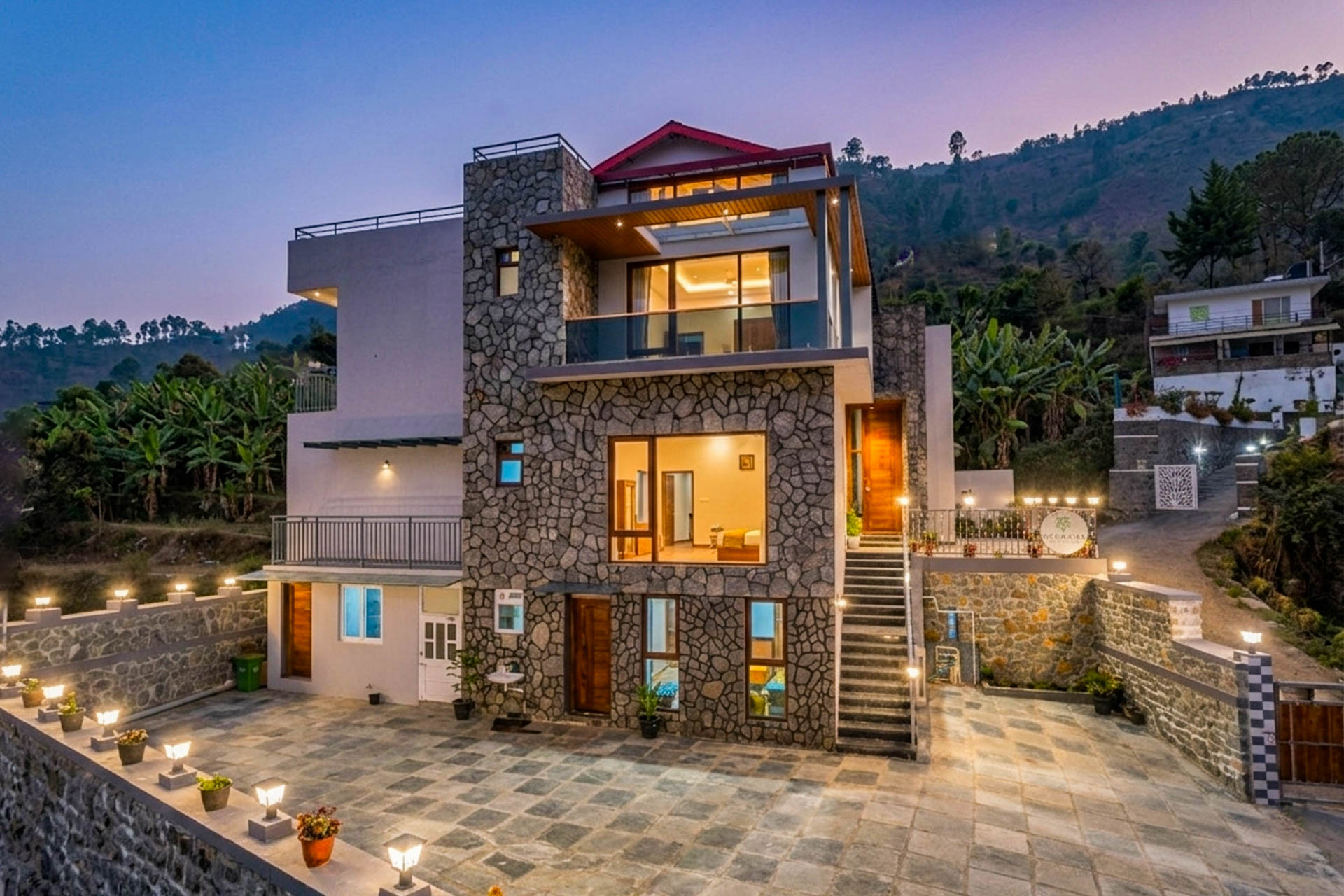
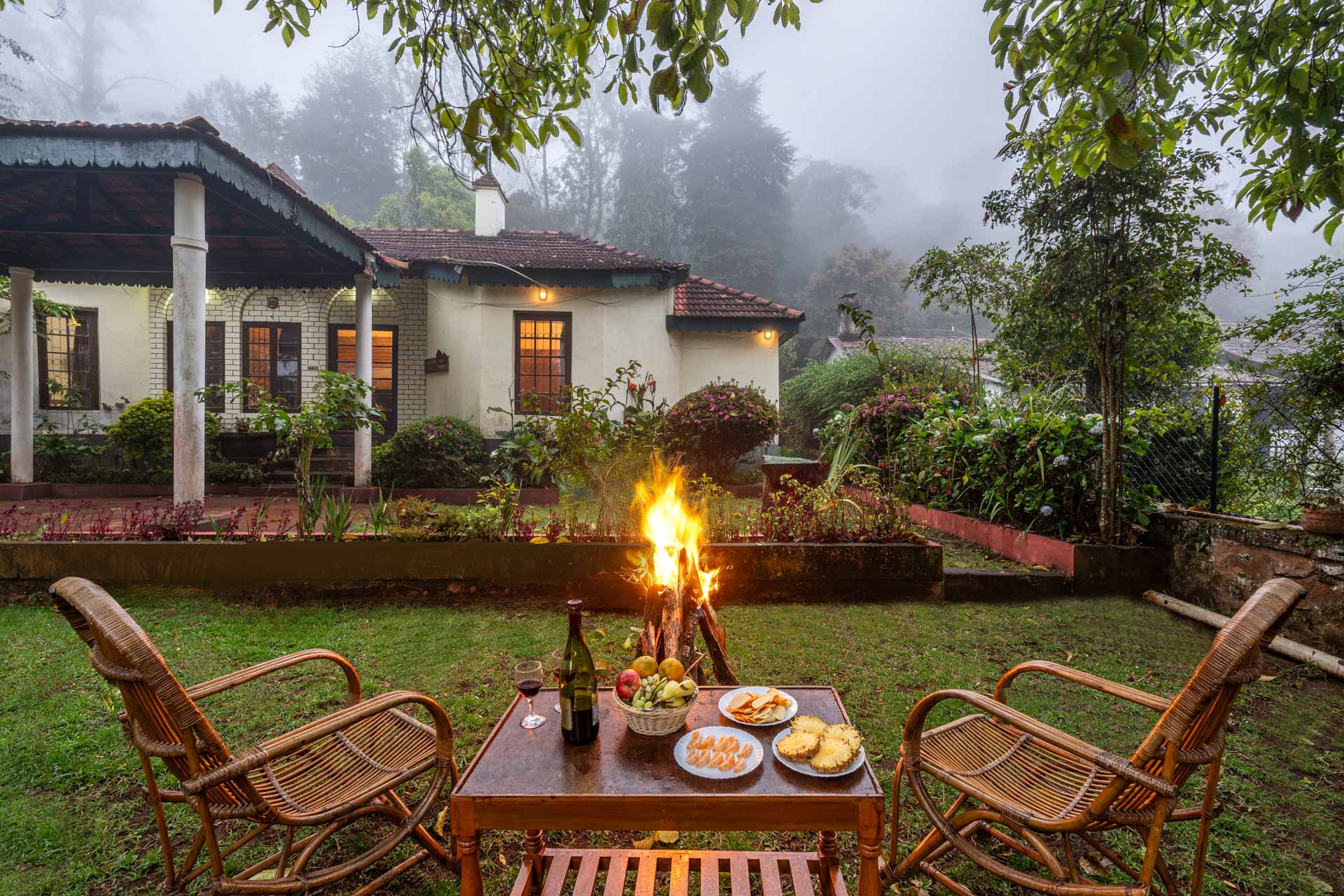
Best Places to Stay in Kodaikanal:
10. Pondicherry, Tamil Nadu — Best for “Rain Without Ruggedness”

Pondicherry (Puducherry) is the surprise pick. It’s the places to visit in Tamil Nadu in August if you want the atmosphere of monsoon — rain on red-tiled French colonial roofs, the sea wall taking heavy waves, mustard cafes lit warm against grey afternoons — without the logistical complexity of the Western Ghats.
Why it works in monsoon: Pondicherry sits on the southeast coast, which technically receives more rain from the northeast monsoon (October-December) than the southwest. But the southwest monsoon does reach it as scattered heavy showers — enough to transform the French Quarter without flooding the streets (India Meteorological Department, regional monsoon distribution). You can walk, eat, browse, and ride a scooter through gentle rain. That’s the experience.
Weather in June, July & August:
- June 2026: Pondicherry sees warm, humid weather with daytime temperatures of 27-35°C and only scattered SW monsoon showers, since the heaviest rains here arrive later in October-December via the northeast monsoon system.
- July 2026: July is mildly wet with 26-33°C daytime temperatures, brief afternoon thundershowers that cool the streets without disrupting plans, and slightly fewer tourists than the December-January peak season.
- August 2026: August stays warm at 26-33°C with marginally higher rainfall than July, breeze coming off the Bay of Bengal in the afternoons, and pleasant early-morning and late-evening windows for promenade walks.
What to do:
- Walk Rue Romain Rolland and Rue Suffren in the French Quarter, where 19th-century colonial villas have been restored to mustard, ochre, and cream facades that photograph beautifully under wet skies.
- Visit Auroville and the Matrimandir, the geodesic golden dome at the centre of the universal township (entry ticket needed in advance via auroville.org, with the inner chamber requiring a separate prior appointment).
- Eat at Bread & Chocolate (Auroville), Cafe des Arts (Suffren Street), or Baker Street (Bussy Street), three of the most reliable bakeries-cum-cafes for French-style breakfasts and lunches at ₹400-700 per person.
- Sit on the Rock Beach promenade at evening high tide between 6 PM and 7:30 PM, when the seafront is closed to traffic and the wave-action at the rocks is at its most theatrical during monsoon.
- Rent a scooter for ₹250-400/day to explore the surrounding villages of Ariyankuppam and Veerampattinam, plus the lesser-visited Serenity Beach and Paradise Beach access points.
- Browse independent shops on Mission Street and Suffren Street for hand-block prints, Auroville-made organic incense, leather sandals, and Sri Aurobindo Ashram-sourced paper products.
Practical details:
- How to reach: Pondicherry is 160 km from Chennai (a 3.5-hour drive on ECR), with Chennai International as the nearest airport and Villupuram (40 km) as the nearest major railhead, plus direct trains from Chennai Egmore.
- Best for: Couples planning a romantic weekend, food-focused travellers, photographers chasing colonial architecture in soft monsoon light, and mobility-restricted travellers who want a walkable destination.
- Avoid if: You came for waterfalls, trekking, or wildlife — Pondicherry delivers ambience and food, not adventure, and there are no Western Ghats activities within a 100-km radius.
- Budget estimate: A 3-day Pondicherry trip costs approximately ₹12,000-25,000 per person, including a heritage stay (₹5,000-10,000/night), restaurant meals, and scooter rental for local exploration.
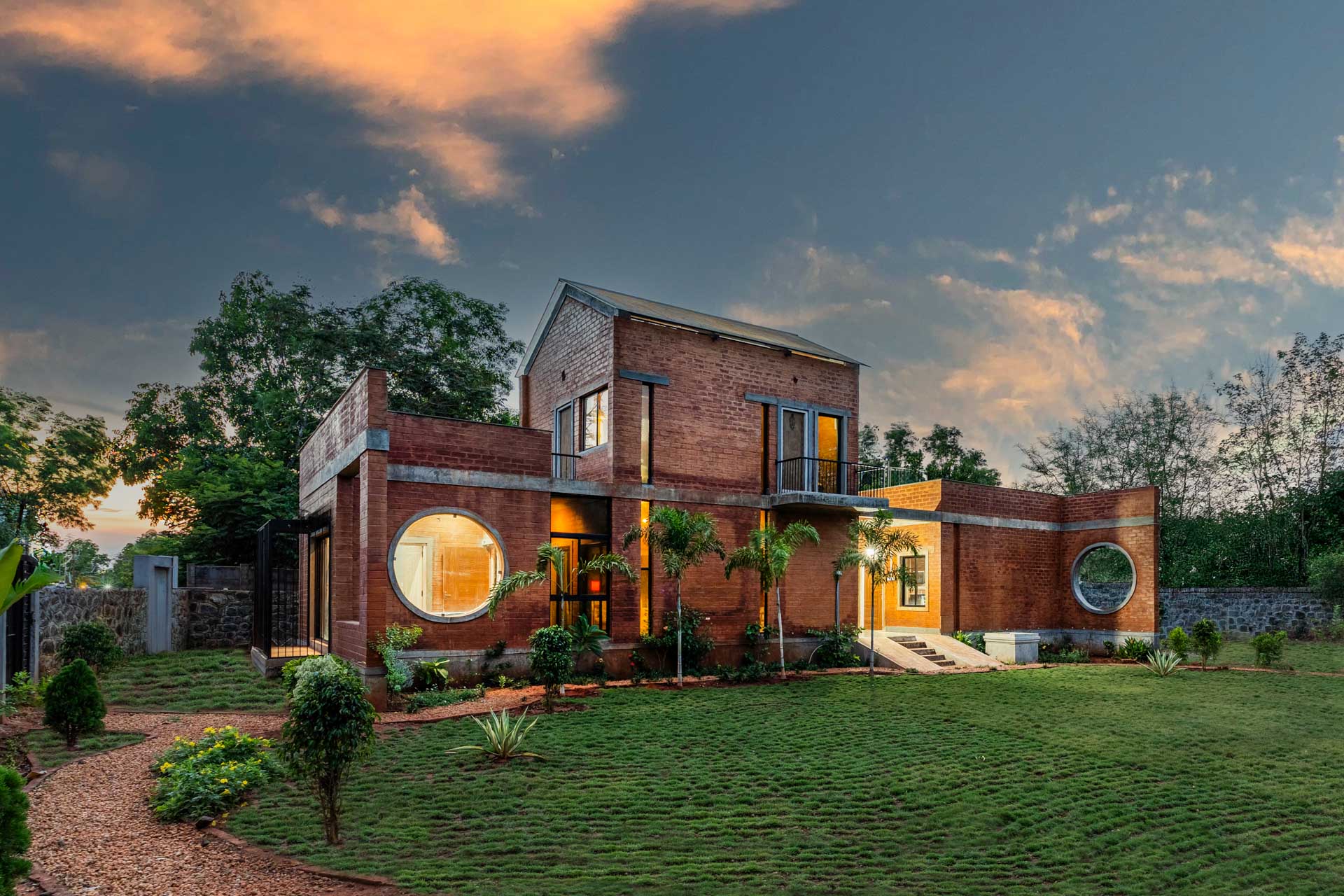
Best Places to Stay in Pondicherry:
Quick-Compare: All 10 Places to visit in South India in August
| Destination | State | Best For | Monsoon Rainfall | Drive from Nearest Metro | Difficulty |
|---|---|---|---|---|---|
| Coorg | Karnataka | Overall + coffee mist | 2,500-4,000 mm | Bangalore 5.5 hr | Easy |
| Munnar | Kerala | Tea hill drama | 2,500-3,500 mm | Kochi 4 hr | Easy |
| Wayanad | Kerala | Wildlife + forest | 2,500-3,500 mm | Calicut 2.5 hr | Moderate |
| Agumbe | Karnataka | Heaviest monsoon | 7,000-7,500 mm | Mangalore 3 hr | Hard |
| Athirappilly | Kerala | Waterfall volume | 3,000-3,500 mm | Kochi 2 hr | Easy |
| Chikmagalur | Karnataka | Bangalore weekend | 2,000-2,800 mm | Bangalore 5 hr | Easy |
| Valparai | Tamil Nadu | Quiet solitude | 3,500-4,500 mm | Coimbatore 3 hr | Moderate |
| Gokarna | Karnataka | Coastal monsoon | 3,000-3,500 mm | Goa 6 hr | Moderate |
| Kodaikanal | Tamil Nadu | Hill-station comfort | 1,500-2,000 mm | Madurai 3.5 hr | Easy |
| Pondicherry | Tamil Nadu | Rain ambience | 800-1,200 mm (SW) | Chennai 3.5 hr | Easy |
Rainfall figures are approximate annual totals based on long-period averages from the India Meteorological Department and respective state disaster management authorities.
Monsoon Travel in South India: What to Actually Pack and Plan
If you’ve decided which of these is the places to visit in South India in August — or, more specifically, the best place to visit in south india in monsoon for your trip, here’s what most listicles skip:
What to Pack
- Two pairs of footwear: quick-dry sandals for wet days, closed shoes for treks. Leather shoes will be ruined.
- Dry-bag for electronics: even waterproof bags fail eventually. Use ziplocks inside ziplocks.
- Wind-resistant umbrella + hooded rain jacket: umbrellas alone are useless in Ghat winds.
- Quick-dry clothing: cotton stays wet for hours; synthetic blends dry in 30 minutes.
- Antifungal foot powder, anti-leech salt or DEET spray: mandatory for Wayanad, Agumbe, Valparai.
- Power bank + offline maps: mobile signal drops in forest stretches; pre-download Google Maps.
When to Book
Most hill-station accommodations offer 30-40% discounts in monsoon vs December peak but the very best plantation stays (Briar in Valparai, Old Kent in Coorg, certain Tata Coffee Trails properties) book out 8-10 weeks ahead even in August. If you’re chasing those specifically, plan early.
Safety: Landslides and Road Closures
Landslides on Western Ghats roads are real. Check the Kerala State Disaster Management Authority (sdma.kerala.gov.in) and Karnataka State Natural Disaster Monitoring Centre (ksndmc.org) updates the day before you drive. Avoid driving Ghat roads between 9 PM and 5 AM in heavy rain.
Frequently Asked Questions
Coorg, Karnataka, ranks #1 for most travellers — it offers heavy monsoon scenery without extreme weather, accessible roads, and a high density of coffee-estate stays. For travellers who want the most dramatic rain experience, Agumbe (Karnataka) is the answer. For travellers who want monsoon ambience without ruggedness, Pondicherry is the surprise pick.
Yes — August is statistically the wettest month, which means the landscape is at peak green and waterfalls run at full volume. The trade-off is occasional heavy showers, slick roads, and reduced visibility in the Western Ghats. For travellers who want the rain (rather than tolerate it), August is the single best month.
Kerala’s monsoon is intense but manageable in most years. The state’s disaster management authority publishes daily updates, and major roads remain functional. The exceptions are landslide-prone stretches near Wayanad, Munnar, and Idukki — check sdma.kerala.gov.in for daily advisories and avoid Ghat roads at night during heavy spells.
Quick-dry clothing, a hooded rain jacket (not just an umbrella), two pairs of footwear (wet/dry), a dry-bag for electronics, antifungal foot powder, leech protection if heading into forests (Wayanad, Agumbe, Valparai), and a power bank since mobile signal drops on Ghat roads
Monsoon in Bangalore is mostly grey drizzle and serious traffic — pleasant for a day, frustrating for a week. If you live there or are visiting, the smarter play is using Bangalore as a base and doing weekend trips to Coorg (5.5 hours), Chikmagalur (5 hours), or Wayanad (6 hours) where the monsoon is the experience rather than the obstacle.
If you want to expand the search for places to go in monsoon in india beyond the south, Cherrapunji and Mawsynram in Meghalaya record the heaviest rainfall in India, Lonavala and Mahabaleshwar (Maharashtra) offer accessible monsoon escapes from Mumbai and Pune, and Spiti Valley (Himachal Pradesh) is a rain-shadow destination that stays dry while the rest of India floods. But for sustained drama plus accessibility, the Western Ghats win.
Yes — most hill stations offer 30-40% discounts in July versus December peak, with the exception of a small number of premium plantation stays (Briar in Valparai, certain CGH Earth and Tata Coffee Trails properties) that maintain pricing year-round because they cap inventory.
Yes, with conditions. Drive only during daylight (5 AM-7 PM), check landslide advisories the day before, allow 30-50% more travel time than Google Maps estimates, and consider hiring a local driver for unfamiliar routes. Avoid the Charmadi Ghat and Bisle Ghat during peak rain spells.
Final Recommendation
If you can only pick one, Coorg is the best places to visit in South India in August for most travellers — it balances scenery, access, and stay quality better than any single alternative on this list. Agumbe is the pick for travellers who want monsoon at its most extreme. Pondicherry is the pick for travellers who want monsoon as atmosphere rather than adventure.
Whichever you pick, the underlying truth holds: South India in August is one of the few times of year when the landscape itself is the attraction, and the rain isn’t an obstacle to your itinerary — it is your itinerary.
Last updated: August 4, 2026