
Char Dham Yatra 2026: Complete Guide with Opening Dates, Registration, Route & Budget

The Char Dham Yatra 2026 is expected to see one of the highest pilgrim footfalls in recent years, driven by improved road connectivity, digital registration systems, and increased accessibility through helicopter services. What was once a physically demanding pilgrimage has now evolved into a structured journey with multiple travel formats – ranging from budget group tours to premium chardham yatra package options.
At the same time, the yatra still involves high-altitude travel, unpredictable mountain weather, and strict regulations by Uttarakhand authorities. The Char Dham Yatra 2026 is operating under one of the most structured and regulated frameworks seen so far. With rising pilgrim numbers each year, Uttarakhand authorities have introduced stricter entry rules, health protocols, and movement controls to manage both safety and crowd flow across the Himalayan circuit.
For anyone planning the char dham yatra, this means the journey now requires more than just booking a chardham yatra package. From digital registration and route sequencing to understanding altitude challenges and temple-specific rules, preparation has become central to the experience.
This blog breaks down everything in detail- confirmed dates, new 2026 rules, how to travel from Mumbai, Delhi, Ahmedabad, and Dehradun, distance mapping, costs, and practical insights- aligned with what pilgrims are actively searching for.
In this Blog
Char Dham Yatra 2026 Opening & Closing Dates
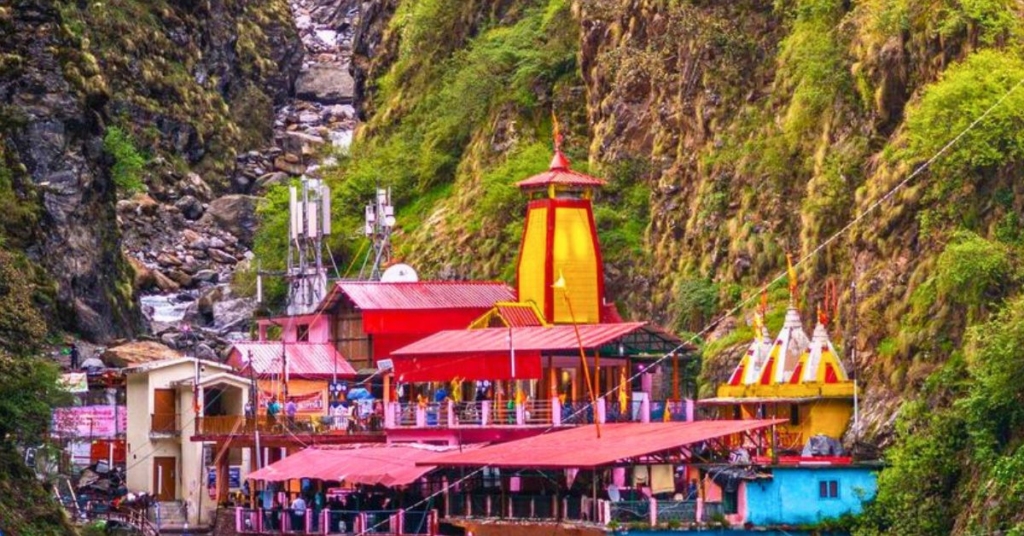
The official yatra calendar for 2026 is fixed:
- Yamunotri: April 19 – November 11, 2026
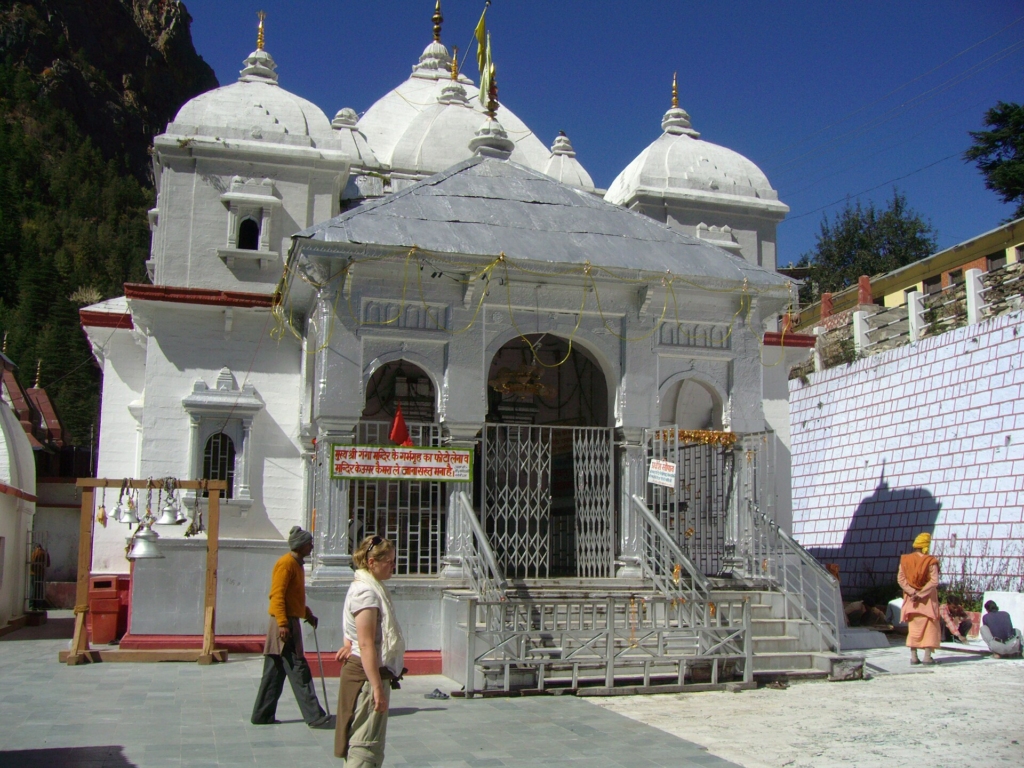
- Gangotri: April 19 – November 10, 2026
- Kedarnath: April 22 – November 11, 2026
- Badrinath: April 23 – November 13, 2026
The chardham yatra begins on Akshaya Tritiya and continues until early November, depending on weather conditions.
Key takeaway: While the window spans months, peak travel happens between May–June and September–October.
The Spiritual Journey of a Lifetime: Char Dham Yatra 2026
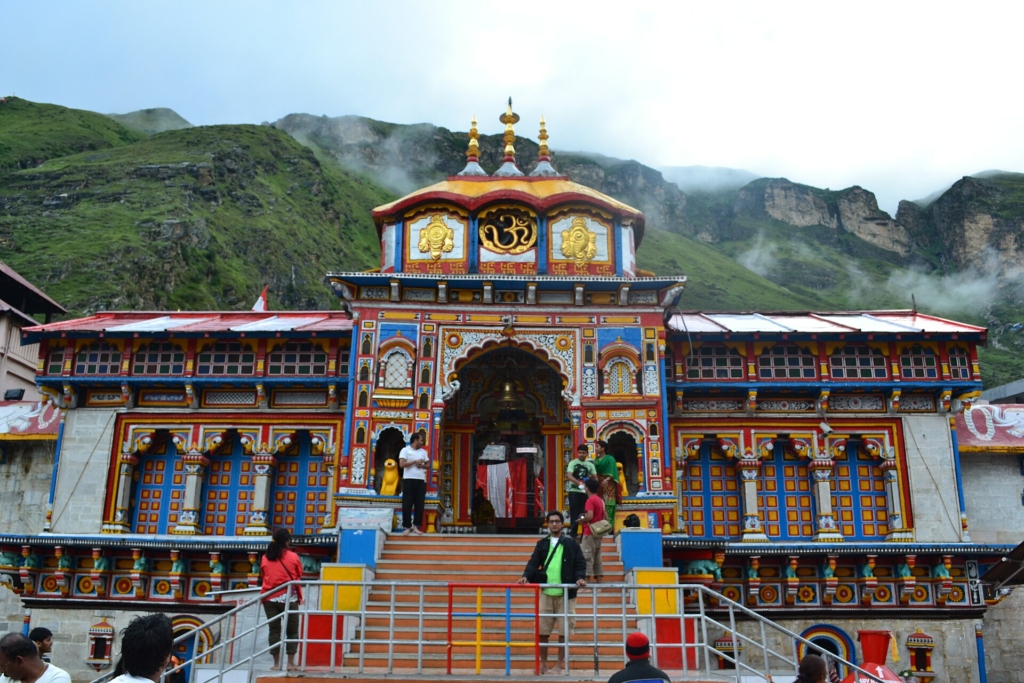
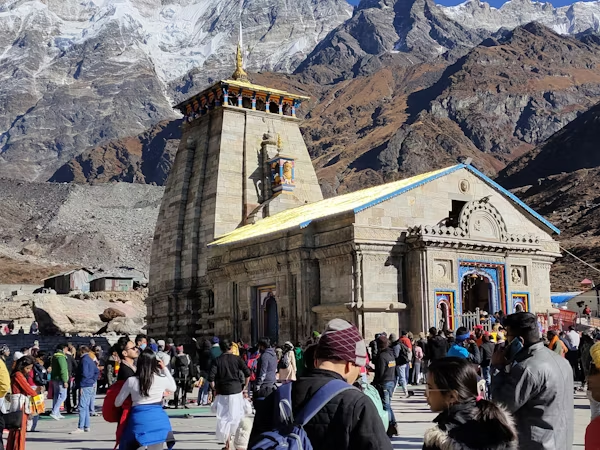
The Char Dham Yatra is not merely a mountain expedition; it is the pinnacle of spiritual aspiration in the Hindu faith. Nestled in the Garhwal region of the Himalayas, the four shrines-Yamunotri, Gangotri, Kedarnath, and Badrinath – represent the ultimate purification of the soul. For the 2026 season, the government of Uttarakhand has introduced a robust framework of rules to balance the heavy influx of devotees with the fragile ecology of the “Land of the Gods” (Devbhoomi).
- Yamunotri: Associated with Goddess Yamuna
- Gangotri: Associated with Goddess Ganga
- Kedarnath: One of the 12 Jyotirlingas of Lord Shiva
- Badrinath: Dedicated to Lord Vishnu
These are the 4 dham yatra places, and the 4 dham names together form a complete pilgrimage route that is traditionally followed in a clockwise direction.
New 2026 Rules & Regulations: A Strict Shift in Protocol
As of late April 2026, authorities have tightened regulations to maintain the sanctity of the temples and the safety of pilgrims. These rules are being strictly enforced at checkpoints in Rishikesh, Sonprayag, and Joshimath.
1. Mandatory Digital Registration (The QR Code System)
Every individual, regardless of age or VIP status, must register on the Tourist Care Uttarakhand portal.
- Verification: Upon successful registration, you receive a QR-coded e-pass.
- Checkpoints: This code is scanned at multiple entry points. You must carry a physical printout of this pass along with your government-issued ID (such as an Aadhaar card or Voter ID).
2. Strict Ban on Electronics and Filming
In an effort to restore the meditative atmosphere of the temples, a total ban on mobile phones, cameras, and recording devices is now in place inside the main temple premises (sanctum sanctorum) of Kedarnath, Badrinath, and Gangotri.
- Confiscation: Security personnel are authorized to seize devices found recording inside the inner shrines.
- Social Media: Filming reels or promotional videos within a 200-meter radius of the temple entrances is also heavily discouraged and monitored.
3. Entry Restrictions
The 2026 season marks a significant change in entry protocols based on religious affiliation:
- Badrinath & Kedarnath: Entry for non-Hindus is restricted. Individuals belonging to other faiths who wish to enter must submit a notarized affidavit verifying their deep faith in Sanatan Dharma.
- Gangotri: A new purification ritual has been introduced. Non-Sanatanis are required to consume Panchgavya (a sacred mix of five cow products) before they are permitted entry into the temple area.
- Yamunotri: This shrine remains open to all pilgrims regardless of religious background, maintaining its traditional status as a universal spiritual site.
4. Health and High-Altitude Safety
The trek to Kedarnath (18km) and Yamunotri (6km) involves significant physical strain.
- Mandatory Screening: For 2026, physical health screenings are compulsory at the base camps (Gaurikund and Janki Chatti) for all pilgrims over the age of 55.
- Pre-existing Conditions: Those with comorbidities like asthma, heart conditions, or diabetes are required to present a medical fitness certificate from a registered practitioner.
- Drug/Alcohol Ban: The consumption of alcohol or any intoxicant is strictly forbidden throughout the Yatra circuit.
- Acclimatization: Authorities recommend a minimum of 24 – 48 hours of stay at lower altitudes (like Rishikesh or Uttarkashi) before ascending to the shrines.
Logistic and Transportation Guidelines
Night Travel Restrictions
Safety is paramount on the “all-weather” roads. There is a blanket ban on vehicle movement between 10:00 PM and 4:00 AM. If you are traveling by private car or taxi, ensure you reach your destination town (like Rudraprayag or Uttarkashi) before sunset.
Char Dham Yatra Green Card
Every vehicle entering the Char Dham circuit, including those booked as part of a char dham yatra package from Mumbai or Ahmedabad, must possess a “Green Card” and a “Trip Card”. This ensures the vehicle has passed a technical fitness test specifically designed for steep mountain gradients.
- Technical Inspection: Vehicles must pass a mountain-readiness check, including brake and engine tests.
- Driver Endorsement: Drivers must have a “Hill Endorsement” on their license to operate on these specific terrains.
Chardham Helicopter Booking 2026
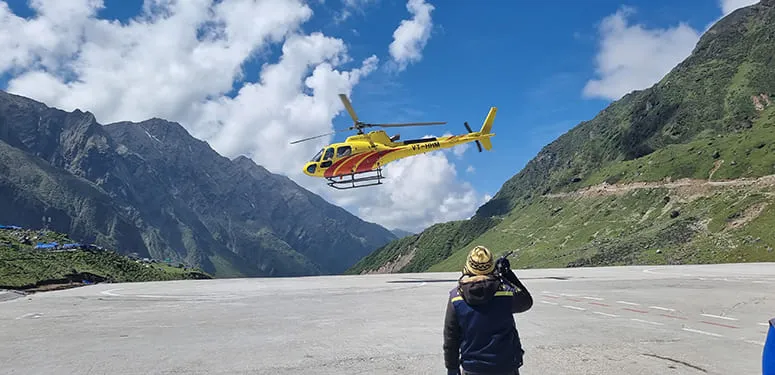
Helicopter services for Kedarnath are managed exclusively via the IRCTC HeliYatra portal.
- Avoid Scams: Never book helicopter tickets via WhatsApp or third-party agents. Only the official IRCTC portal is authorized.
- Weight Limits: Strict weight checks are conducted at the helipads (Sirsi, Phata, and Guptkashi). Excess baggage is not permitted.
- Verification: You must have a valid Yatra Registration Number (URN) to book helicopter tickets.
- Reporting: Arrive at the helipad (Sirsi, Phata, or Guptkashi) at least 2 hours before your slot for weight verification and document checks.
The Ideal Route Map
The spiritual circuit is traditionally completed in this order to follow the “Parikrama” (circumambulation) logic:
- Haridwar/Rishikesh: The gateway.
- Barkot (for Yamunotri): 6 km trek from Janki Chatti.
- Uttarkashi (for Gangotri): Driveable directly to the temple.
- Guptkashi/Sonprayag (for Kedarnath): 16–18 km trek from Gaurikund.
- Badrinath: Final destination, accessible by road.
Step-by-Step Registration Guide for 2026
Registration for the 2026 season opened on March 6. If you are planning a trip now, follow these four official channels:
- Online Portal: Register at registrationandtouristcare.uk.gov.in.
- WhatsApp Service: Send the keyword “YATRA” to +91-8394833833.
- Mobile App: Download “Tourist Care Uttarakhand” (available on iOS and Android).
- Toll-Free Helpline: Dial 0135-1364 for assisted registration.
Note: Registration is free of charge. Be cautious of unofficial websites or agents requesting payment for basic registration services.
Budget Breakdown for Char Dham Yatra 2026
Costs vary widely depending on travel style. Costs have seen a marginal increase in 2026 due to fuel and logistics adjustments.
Estimated cost range:
| Category | Cost (Per Person) |
| Solo/ Budget (Shared buses) | ₹20,000 – ₹35,000 |
| Mid-range (Private cab + hotels) | ₹40,000 – ₹80,000 |
| Luxury (Helicopter + Premium Stays) | ₹1,95,000 – ₹2,25,000. |
Cost factors:
- Travel season
- Mode of transport
- Hotel category
- Distance from starting city
Booking early helps secure better rates on chardham yatra package deals.
Best Time for Char Dham Yatra 2026
Choosing the right travel window significantly impacts safety and comfort.
Season-wise breakdown
May to June (Peak Season)
- Pleasant weather
- Heavy crowd
- Higher hotel and transport costs
July to August (Monsoon)
- Landslides and roadblocks common
- Flight/helicopter delays possible
- Not recommended unless necessary
September to October (Ideal Window)
- Clear skies
- Better road conditions
- Lower crowd density
September is often the most balanced month for undertaking the char dham yatra.
Accommodation Options During Char Dham Yatra
Accommodation ranges from basic lodges to premium hotels.
Types of stays:
- Budget dharamshalas
- GMVN guest houses
- Mid-range hotels
- Premium resorts (limited availability)
- Villas
Key locations:
- Barkot (Yamunotri)
- Uttarkashi (Gangotri)
- Guptkashi / Phata (Kedarnath)
- Badrinath town
Tip: Pre-booking is essential during peak months.
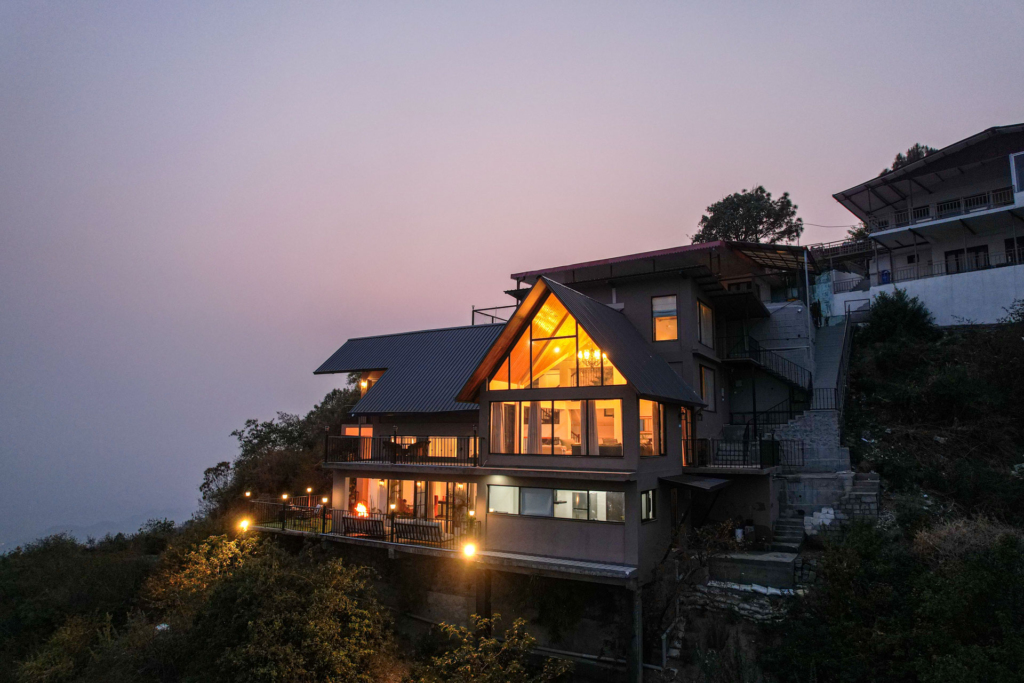
Bourbon Sky
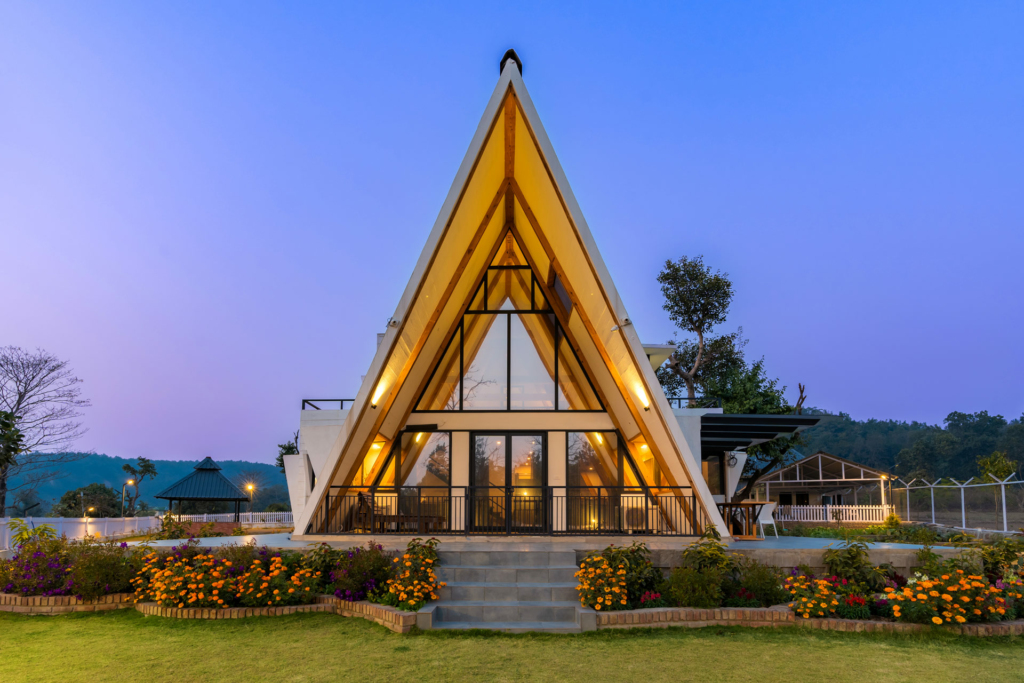
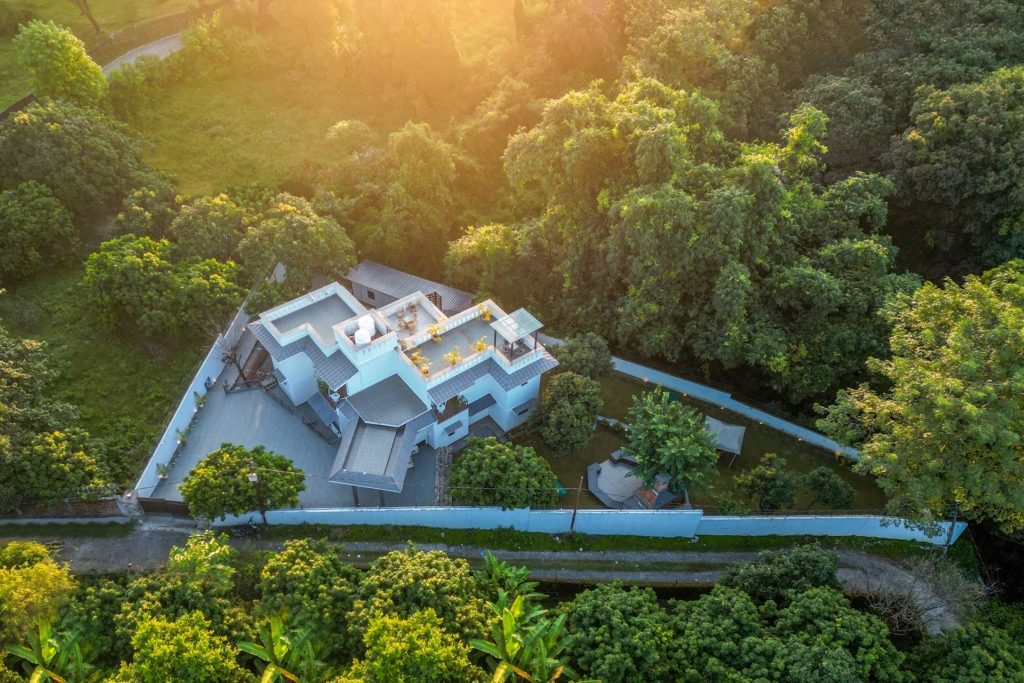
Villa Sierra Sky
Essential Packing List
A quick checklist ensures preparedness:
- Thermal wear and jackets
- Comfortable trekking shoes
- Rain protection
- Personal medicines
- Power bank and flashlight
Even during summer, temperatures can drop sharply at higher altitudes.
Travel Tips for a Smooth Char Dham Yatra
- Start early each day to avoid weather disruptions
- Keep buffer days in your itinerary
- Follow government advisories strictly
- Avoid last-minute bookings
- Choose verified operators for packages and helicopter services
FAQs
Char Dham Yatra 2026 starts on April 19, 2026, with Yamunotri and Gangotri opening first, followed by Kedarnath on April 22 and Badrinath on April 23.
The full char dham yatra typically takes 10–12 days by road. Helicopter packages complete it in about 4–6 days.
You must apply online through the Uttarakhand Transport Department portal. You will need your vehicle’s RC, insurance, and a fitness certificate. Every private and commercial vehicle must obtain a Green Card via the greencard.uk.gov.in portal to verify its fitness for high-altitude mountain roads.
As per the new 2026 regulations, non-Sanatani pilgrims are requested to consume a mixture of five cow products (milk, curd, ghee, urine, and dung) as a symbolic purification before entering the temple.
You can carry it in your pocket or bag while trekking, but it must be switched off or deposited outside the temple gate. Photography inside the sanctum is strictly prohibited.
The four sacred sites are Yamunotri, Gangotri, Kedarnath, and Badrinath.
Yes. While digital copies are often accepted in cities, the remote checkpoints in the Himalayas frequently require a physical copy of your registration and your ID for verification when the internet is unstable.
While not mandatory for everyone, pilgrims over 50 or those showing signs of respiratory distress will be stopped at Sonprayag for a compulsory medical screening by state health officials.
The 2026 system is slot-based. If you miss your registered date due to weather or road blocks, you must visit a local registration counter to have your e-pass rescheduled based on availability.
No. Amarnath yatra registration is handled by the SASB (Shri Amarnathji Shrine Board) for the cave in J&K, whereas Char Dham is managed by Uttarakhand Tourism.
Also Read:
Kedarnath Opening Date 2026: Registration, Route, Booking & What Pilgrims Need to Know
IRCTC HeliYatra 2026: Step-by-Step Kedarnath Helicopter Booking Guide