
Too Hot to Travel? The Cold Places in India Month-by-Month Guide
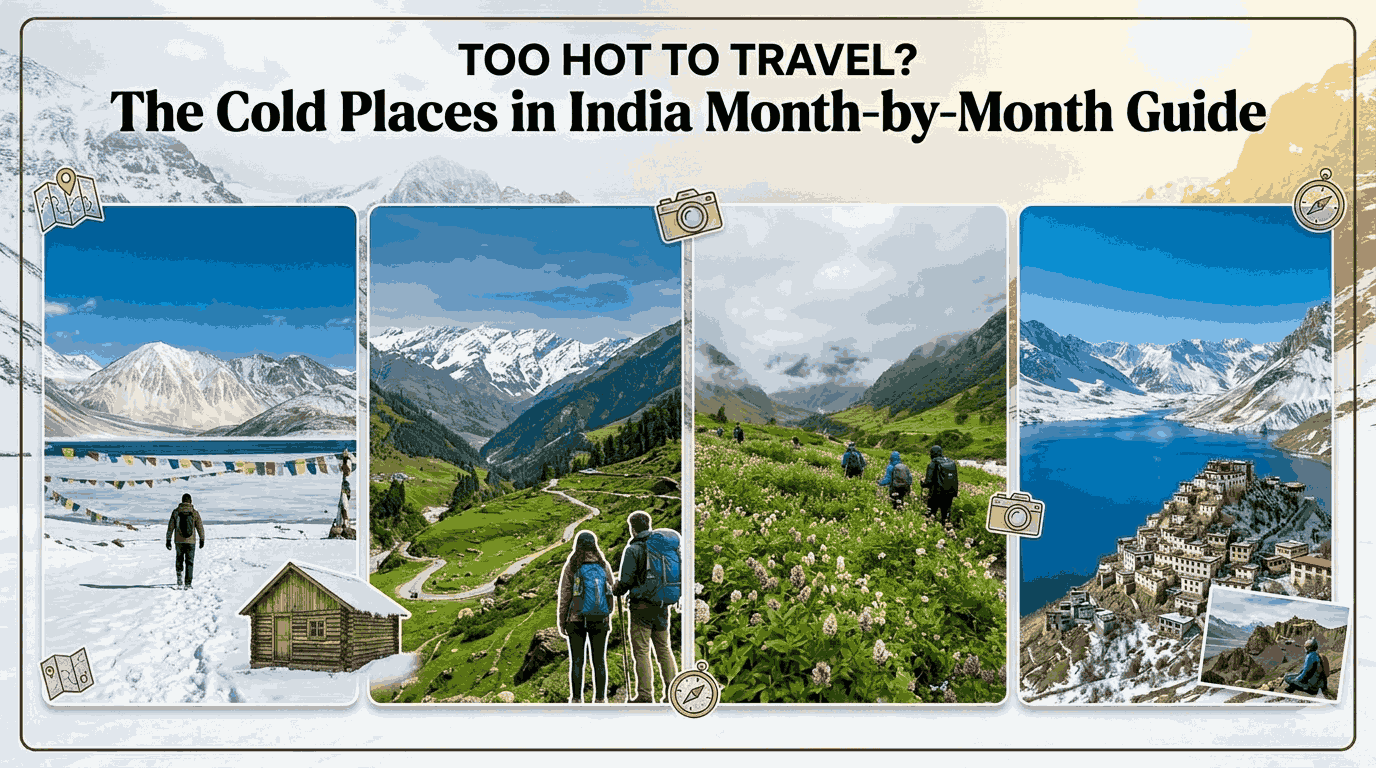
India’s geography means there is almost always somewhere with good weather. The country spans from high-altitude deserts at 5,000 m to tropical coasts, from the rain-shadow valleys of Ladakh to the wettest place on earth in Meghalaya. The answer to “where is it cool in India?” changes completely depending on the month. This guide organises it by month so you can find the right destination quickly without reading through sections that do not apply to your travel dates.
In this Blog
Cold Places in India by Month: Quick Answer
If you want cool weather in India, the best destination depends heavily on the month.
| Month | Best Cool Destinations |
| January | Kerala, Goa, Andaman, Ooty, Kodaikanal |
| February | Kerala, Goa, Rajasthan, Andaman |
| March | Goa, Rajasthan, Darjeeling, Sikkim |
| April | Kashmir, Ooty, Darjeeling, Munnar |
| May | Ladakh, Manali, Shillong, Spiti |
| June | Ladakh, Spiti, Kinnaur |
| July | Ladakh |
| August | Ladakh |
| September | Ladakh, Meghalaya, Sikkim, Kashmir |
| October | Rajasthan, Goa, Kerala, Spiti |
| November | Rajasthan, Kerala, Goa |
| December | Kerala, Goa, Andaman, Rajasthan |
Key rule:
- Summer (April–June): Go to the Himalayas or high-altitude regions
- Monsoon (July–August): Ladakh rain shadow is best
- Winter (December–February): South India and coasts
Why India Always Has Cool Destinations Throughout the Year?
India’s geography makes year-round cool travel possible.
The country stretches across dramatically different climates:
- High-altitude deserts above 5,000 m in Ladakh
- Himalayan hill stations in Himachal and Uttarakhand
- Rain-shadow valleys like Spiti and Zanskar
- Tropical coastal climates in Kerala and Goa
- Cloud forests and plateaus in the Northeast
Because of this range, the coolest place in India shifts throughout the year.
This guide helps you quickly find the best cool destinations based on your travel month.
January and February: The South is Your Best Bet
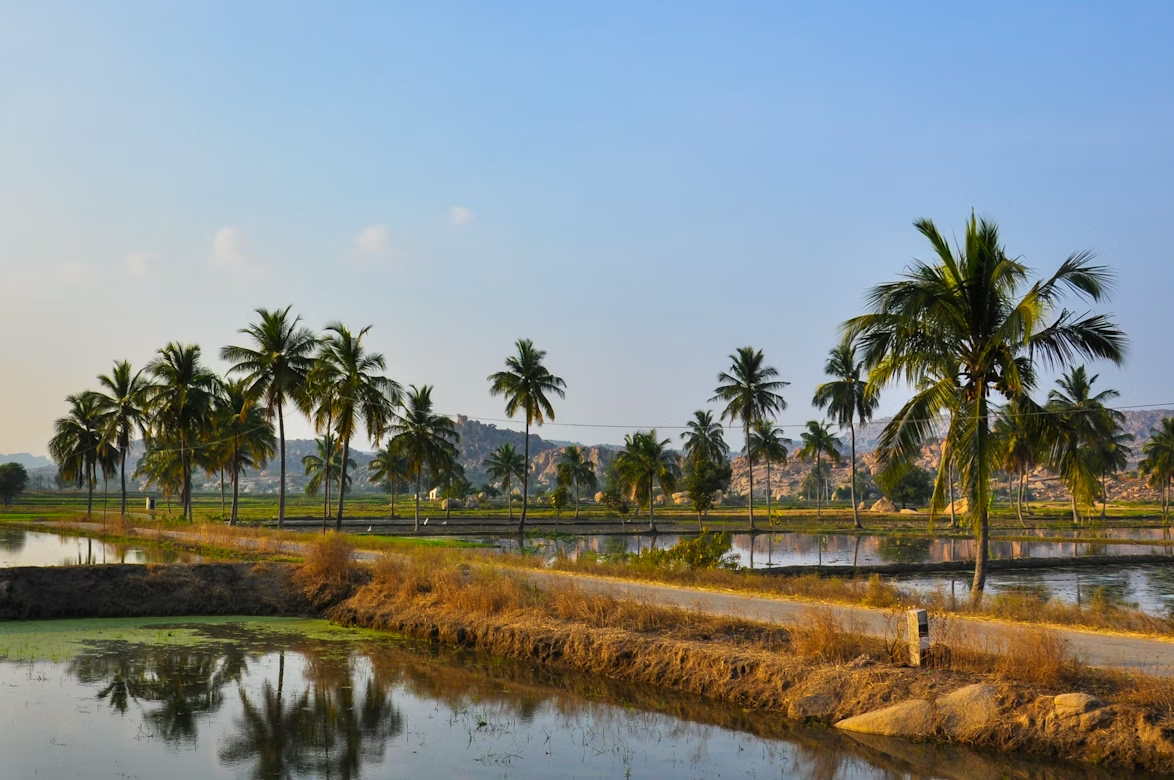
January and February are the best months for southern India and the coastal west. Kerala, Goa, and the Karnataka coast sit between 20 and 28°C with low humidity and clear skies. Rajasthan is pleasant during the day (20 to 26°C) with cold nights (5 to 10°C). Andaman and Nicobar Islands are at their absolute peak in both months, with calm seas, visibility down to 30 m for diving, and temperatures around 26 to 28°C.
In the north, most hill stations are deep winter. Shimla gets snow, Manali is extreme cold with road access sometimes disrupted, and Mussoorie is cold and quiet. If you want a hill station in January and February, Ooty and Kodaikanal in the south sit at 10 to 18°C and feel like a mild Indian winter without the extreme cold of the north. Darjeeling occasionally sees snow in late December and January but the cold at 2,050 m is real.
March: The Best Month for Almost Everywhere

March is the best overall month for domestic travel across India. Most of the country sits in the 20 to 32°C range. Goa and Kerala are at their last good window before the heat builds. Rajasthan is still comfortable for full-day sightseeing. Darjeeling and Sikkim begin their spring season with rhododendrons in bloom by late March. The Ziro Valley in Arunachal Pradesh opens up in March. The March travel guide explains why experienced travellers consider March one of the most underrated months in the Indian calendar.
April: Escape to the Hills or the Northeast
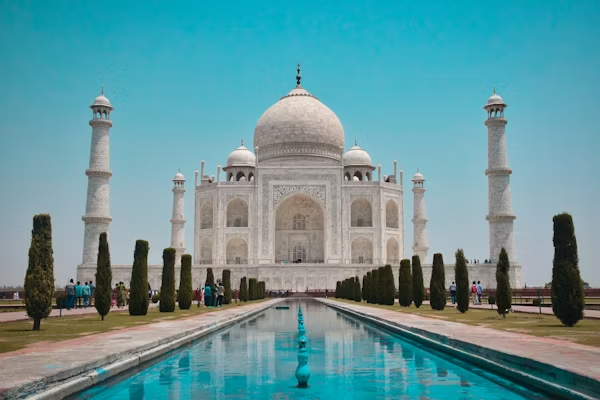
Plains temperatures climb sharply through April. Delhi, Agra, Jaipur, Lucknow, Bhopal, and most of central India push 36 to 42°C. The correct response is to go up or go northeast.
The most reliable cool destinations in April: Darjeeling (10 to 18°C), Gangtok (14 to 20°C), Ooty (14 to 20°C), Munnar (14 to 22°C), Coorg (18 to 24°C), and Kashmir (8 to 20°C in the valley, cooler in the hills). April is one of the best months for Kashmir. The tulip gardens in Srinagar are in bloom in early April and the Srinagar-Leh Highway reopens around this time, making it the natural start of the Ladakh road season. The best places in April and May guide covers these in more detail.
May: Hills, Ladakh, and the Northeast
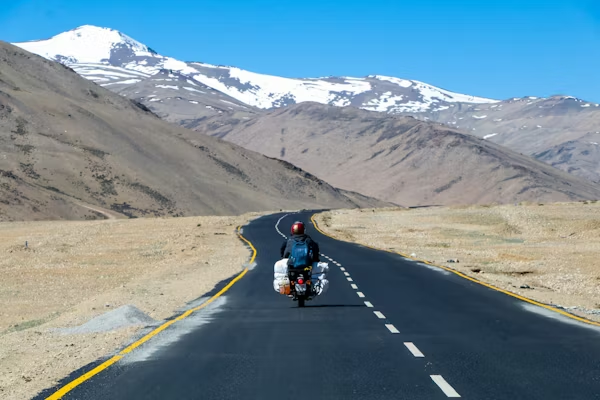
By May, most Indian plains cities are genuinely hostile. The reliable cool destinations expand to include Ladakh (Leh at 10 to 22°C once the Manali highway opens around May 15 to 25), Spiti (5 to 18°C), and Manali (18 to 24°C). Shillong and Meghalaya are pleasant at 16 to 22°C. Coorg and Munnar are at the tail end of their pre-monsoon window. The cool places in India in May and June guide has the most detailed coverage for this specific window.
June: Ladakh and Upper Himachal
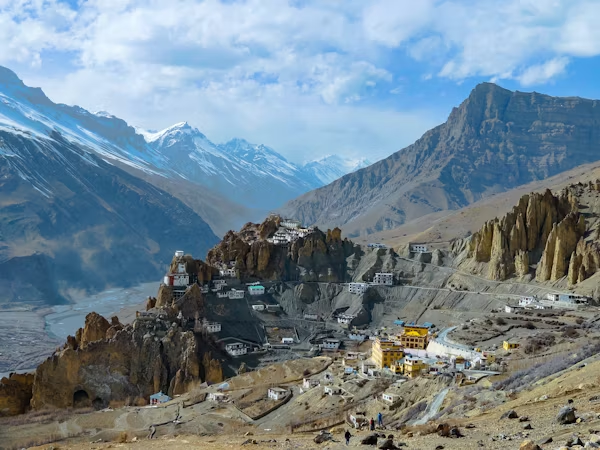
June is the hardest month to plan around. The southwest monsoon arrives on the Kerala coast around June 1 and sweeps progressively northeast through the month. By mid-June, the entire western coast, the northeast, and most of central India is in heavy monsoon. What remains dry and accessible: Ladakh, Spiti, and upper Himachal (Kinnaur). Leh in June sits at 10 to 25°C and is bone dry. The Manali-Leh highway is fully open. The Zanskar Valley also becomes accessible from June. If you are travelling in June, Ladakh is the overwhelmingly correct answer.
July and August: Ladakh, and Very Little Else in the Hills
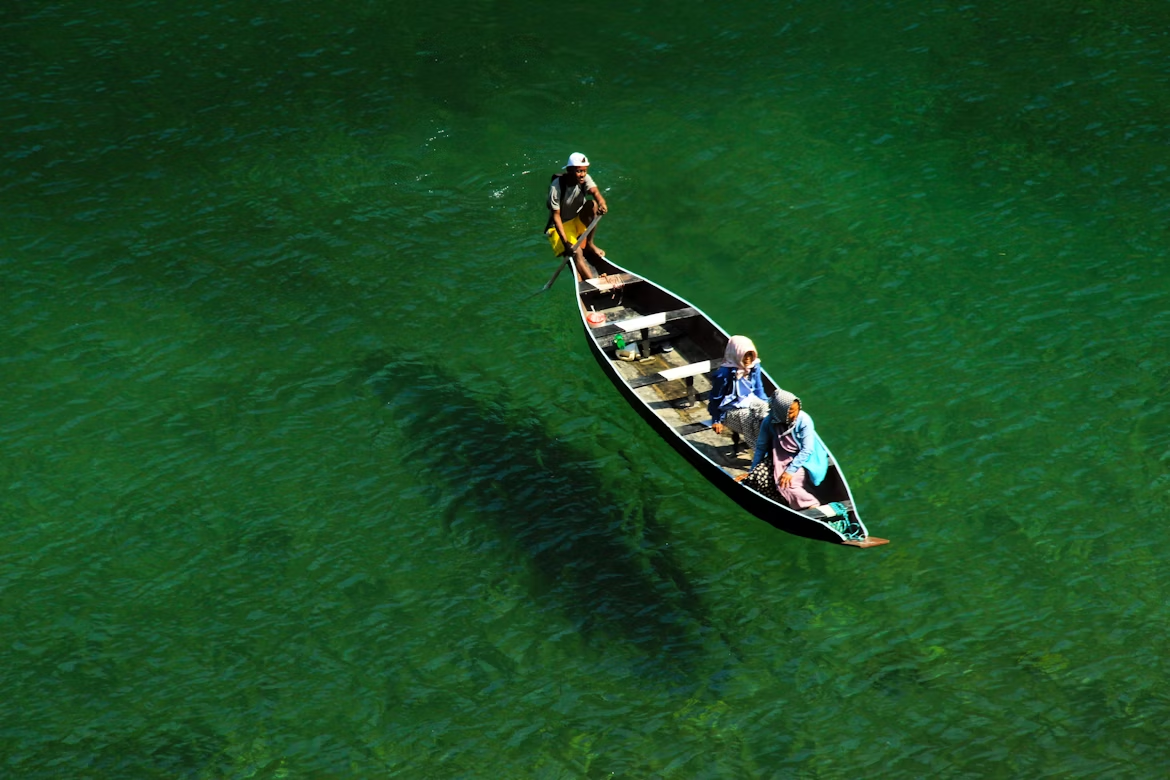
The monsoon at peak intensity covers most of India through July and August. Darjeeling, Sikkim, Meghalaya, Coorg, Munnar, and the entire Western Ghats are fully in monsoon with regular rain, cloud, and landslide risk. Ladakh sits in the rain shadow of the Himalayas and stays almost entirely dry. Leh in July and August has 15 to 28°C temperatures, full highway access, and every major attraction open. Pangong Tso, Nubra Valley, and Tso Moriri are all accessible. This is Ladakh’s actual peak season in terms of visitor numbers.
September: Ladakh Winding Down, Northeast and Hills Opening Up
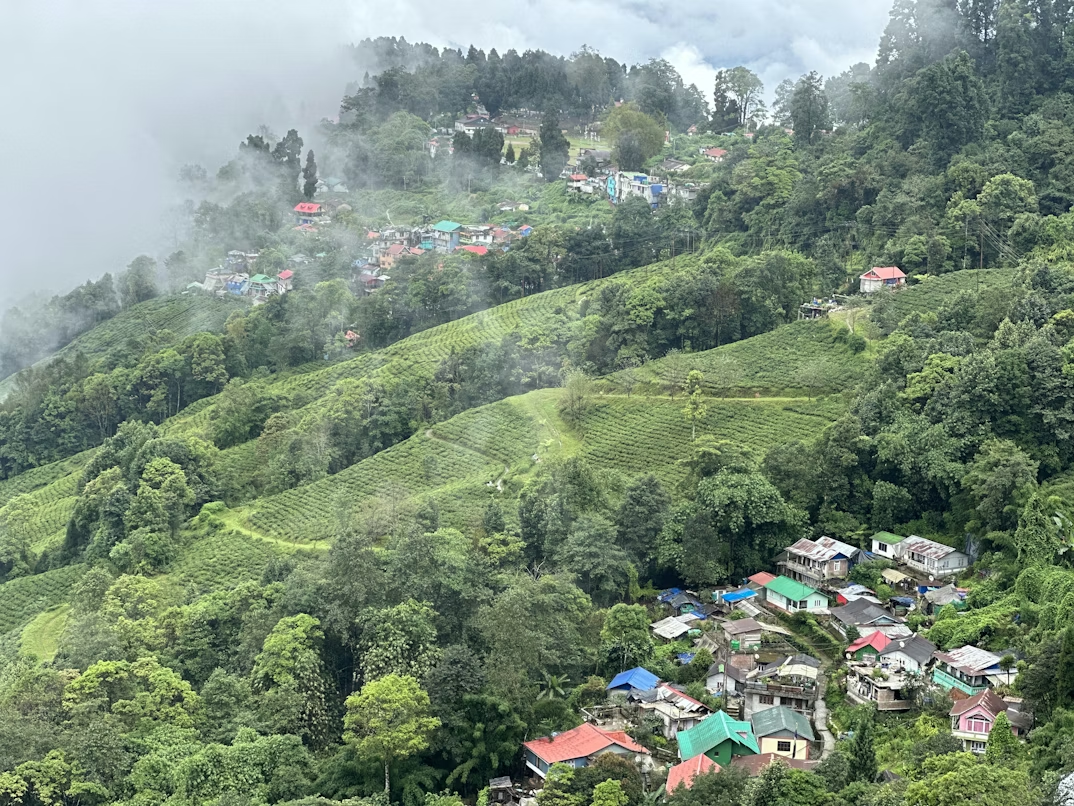
September marks the transition. Ladakh is fully accessible in early September and the Manali-Leh highway typically stays open until October, but September is the last fully comfortable month before the nights get seriously cold at altitude. As the monsoon retreats from east to west, the northeast begins clearing. By mid-September, Meghalaya, Sikkim, and Darjeeling are excellent. Kashmir post-monsoon (September to October) is one of the most underrated travel windows in India, with clear skies, autumn colour in the chinar trees, and lower tourist density than spring.
October and November: The Best Overall Travel Months in India
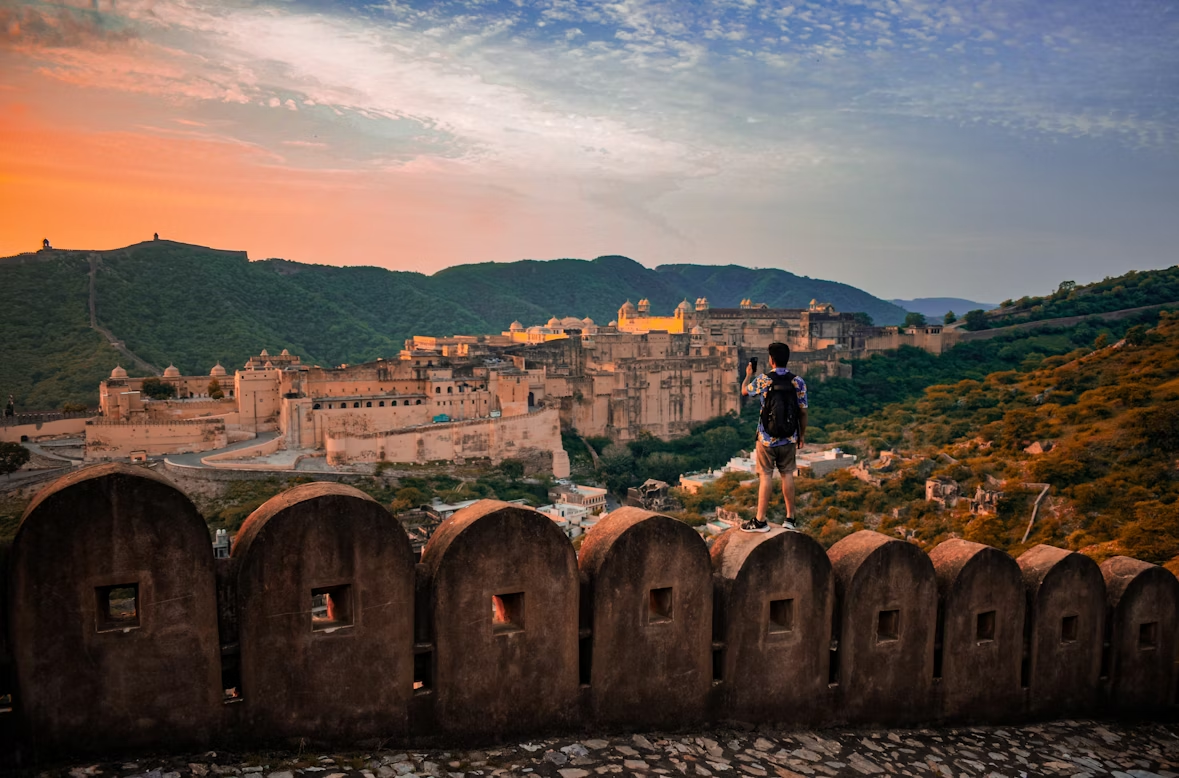
October and November are when India’s travel calendar resets. The monsoon has left, temperatures across most of the country are in the 20 to 32°C range, and visibility is at its clearest. Ladakh is open until late October. Rajasthan, Goa, and Kerala are all excellent. Hill stations from Darjeeling to Ooty to Coorg have their clearest skies of the year. Spiti closes for winter in late October or early November. Andaman reopens fully. This is the correct time for almost any destination in India.
December: South India and Winter Plains

December is peak season for Kerala, Goa, Rajasthan, and the Tamil Nadu and Karnataka hills. The Andaman Islands are at their best in December and January. North Indian plains are pleasant for sightseeing: Delhi, Agra, and Varanasi all have comfortable December temperatures (8 to 22°C). North Indian hill stations are cold to very cold, Manali can reach minus 5 to minus 10°C at night.
Where to Stay During Your Vacation?
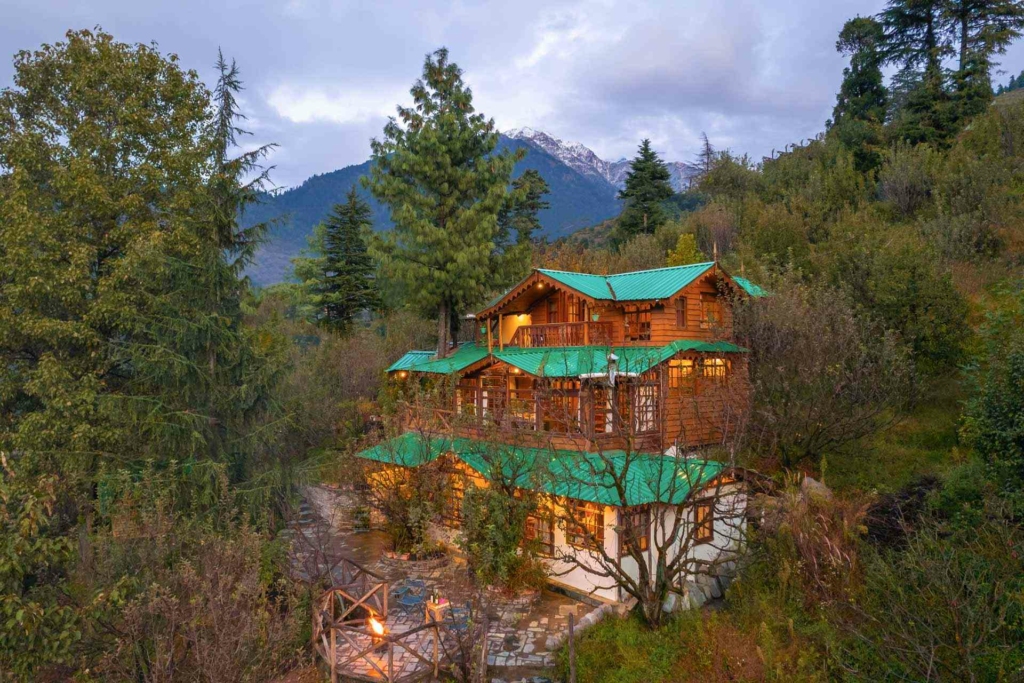
From Himalayan retreats to coastal escapes, the right accommodation can make a seasonal trip even more memorable. Many travellers now prefer private villas that offer space, privacy, and scenic surroundings.
You can browse StayVista’s collection of homes across destinations like Goa, Coorg, Ooty, Manali, and the Himalayas, and choose a stay that matches the best travel month for your trip.



Frequently Asked Questions– Cold Places in India Month-by-Month Guide
Leh in Ladakh and Spiti Valley are the coolest accessible destinations from May to August, with temperatures between 8 and 22°C.
Manali, Leh, Darjeeling, Ooty, Coorg, and Shillong all sit between 14 and 24°C in May.
October and November. Clear skies post-monsoon, comfortable temperatures across most regions, and manageable crowds outside festival weeks.
Ladakh and upper Himachal (Spiti, Kinnaur) stay dry and cool in June when the rest of India is in monsoon.
Not cold, but very pleasant. 20 to 30°C with low humidity and clear skies. January is one of Goa’s best months.
Leh, Ladakh. It is the only major Indian destination that stays reliably dry through July and August.