
Delhi–Mumbai Expressway 2026: Route, Tolls & Travel Time Guide
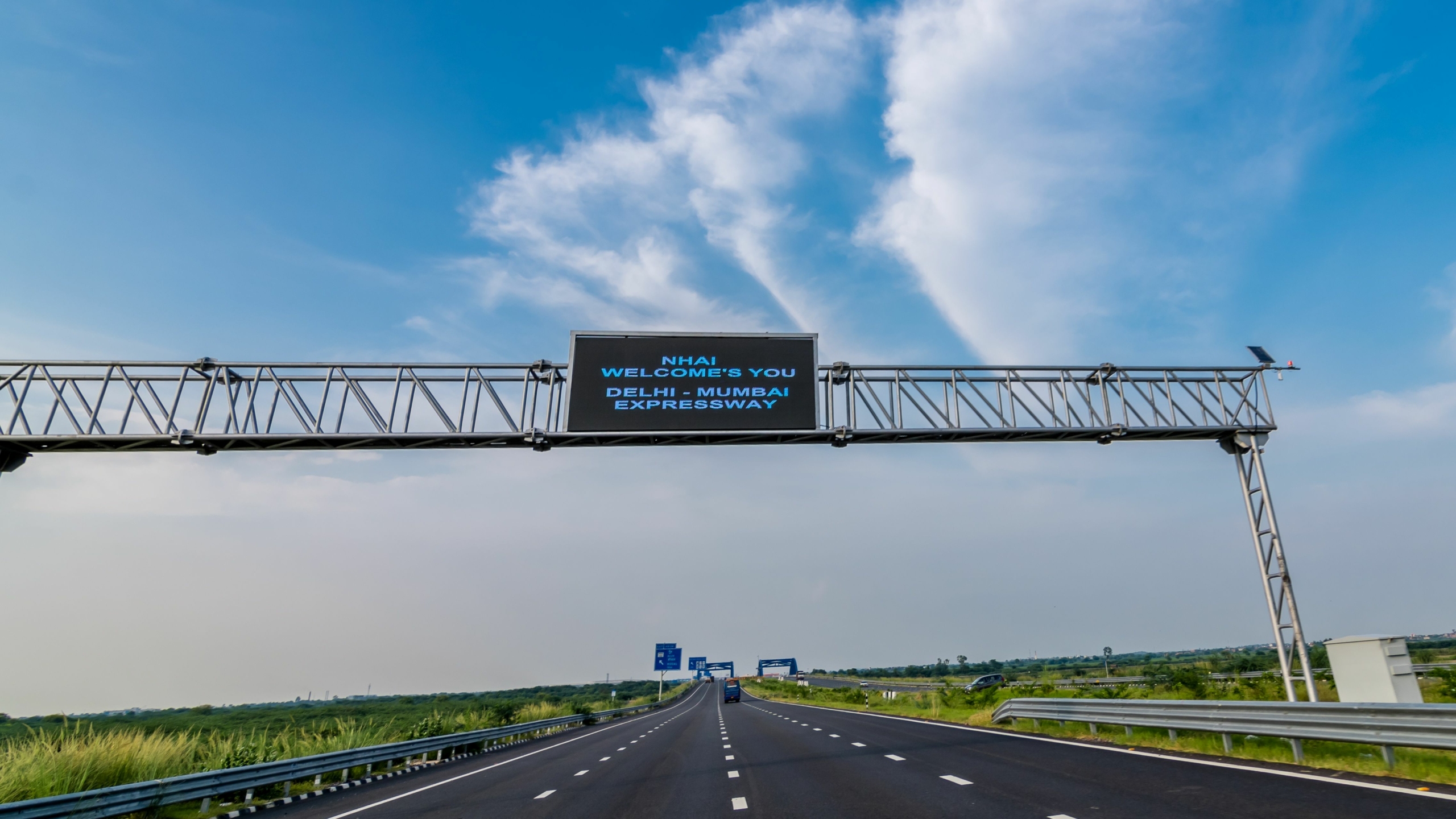
The Delhi Mumbai Expressway is a 1,350–1,386 km access-controlled highway connecting Delhi and Mumbai through six states – Delhi, Haryana, Rajasthan, Madhya Pradesh, Gujarat, and Maharashtra. Once fully operational, it is expected to reduce the Mumbai to Delhi distance to about 1,242 km and cut travel time from around 24 hours to nearly 12 hours.
In this Blog
What is the Delhi–Mumbai Expressway and why is it important?
The Delhi Mumbai Expressway is India’s longest expressway and one of the country’s largest infrastructure projects. Built by the National Highways Authority of India (NHAI), the expressway is designed as an 8-lane access-controlled corridor (expandable to 12 lanes) connecting major economic hubs across northern and western India.
Key facts about the project:
- Total length: ~1,350–1,386 km
- Estimated cost: ~₹1 lakh crore
- States covered: Delhi, Haryana, Rajasthan, Madhya Pradesh, Gujarat, Maharashtra
- Maximum speed limit: 100–120 km/h
- Expected full completion: Around 2027–2028 as remaining sections open gradually.
The expressway significantly improves logistics, tourism, and long-distance road trip connectivity between Mumbai and Delhi.
Delhi–Mumbai Expressway Route Map: Which cities does it pass through?
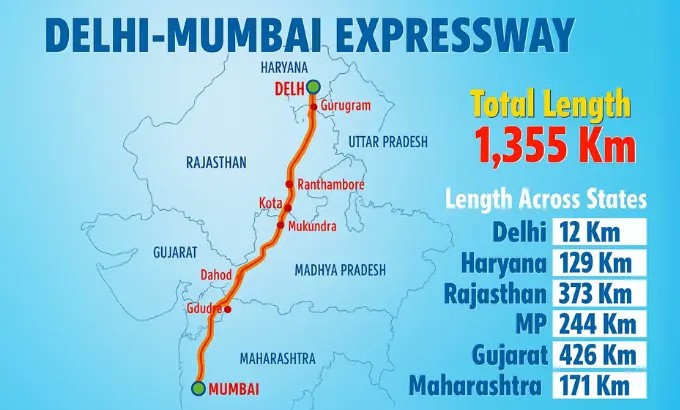
The expressway connects several major cities and industrial corridors across India.
Major cities along the route include:
- Gurugram / Sohna
- Dausa
- Jaipur region
- Kota
- Ratlam
- Indore
- Vadodara
- Surat
- Mumbai region (JNPT / Navi Mumbai)
The corridor passes through six states with the following approximate lengths:
| State | Approx. Expressway Length |
| Delhi | 12 km |
| Haryana | 129 km |
| Rajasthan | 373 km |
| Madhya Pradesh | 244 km |
| Gujarat | 426 km |
| Maharashtra | 171 km |
These connections allow faster road access between northern India and western industrial hubs such as Gujarat and Maharashtra.
Mumbai to Delhi Distance via the Expressway
Here is how the new expressway changes travel distances.
| Route | Distance | Average Travel Time |
| Old NH-48 route | ~1,420 km | 22–24 hours |
| Delhi–Mumbai Expressway | ~1,242 km | ~12–14 hours |
The shorter alignment reduces distance by roughly 12% and travel time by nearly half, depending on traffic and completed sections.
For travellers planning a Mumbai to Delhi road trip, this makes the journey feasible within a single long driving day.
Entry and Exit Points on the Delhi–Mumbai Expressway
The expressway operates as a controlled-access highway, meaning vehicles can enter or exit only at designated interchanges.
Important entry and exit zones include:
Delhi / NCR
- DND Flyway connection (planned)
- Meethapur
- Faridabad
- Sohna (major starting point)
Rajasthan
- Dausa
- Lalsot
- Sawai Madhopur region
- Kota
Madhya Pradesh
- Mandsaur
- Ratlam
- Garoth
Gujarat
- Dahod
- Vadodara
- Bharuch
- Surat
Maharashtra
- Vapi region
- Palghar corridor
- Navi Mumbai / JNPT
Across the entire corridor, the expressway will include over 90 entry and exit points for regional connectivity.
Delhi–Mumbai Expressway: Current Status (August 2026)
The expressway isn’t a single on/off project — different stretches are opening on different timelines, and it’s worth knowing where things actually stand before you plan a route.
Delhi/NCR: The DND–Faridabad–Sohna spur, which feeds traffic onto the main expressway, is nearly done. Two of its three packages are already open; the final piece, a 9-km stretch linking DND to Jaitpur, was over 94% complete as of early 2026 and is expected to open around mid-2026.
Rajasthan: This is the most mature part of the corridor. The original Sohna–Dausa stretch has been open since 2023, and the state is now almost entirely operational, including the Kota–Bundi section and the tunnel near Mukundra Hills Tiger Reserve.
Madhya Pradesh: Largely complete and functional, connecting through Mandsaur and Ratlam.
Gujarat: This is where most of the remaining work sits. The Godhra–Vadodara stretch opened on a trial basis in April 2026, and the Vadodara–Ankleshwar–Surat corridor is largely operational. However, three specific packages on the Vadodara–Virar section — covering roughly 87 km between Jujuwa, Gandeva, Karvad, and Talsari — are running significantly behind schedule and aren’t expected to open until 2027–28. If you’re driving the full Delhi–Mumbai route before then, budget extra time (or a detour onto NH-48) for this segment.
Maharashtra: The Virar–JNPT stretch remains under construction, with completion tracking alongside the rest of the Vadodara–Mumbai section.
Delhi–Mumbai Expressway Toll System Explained
The expressway uses a distance-based tolling system, but exactly how it’s collected varies by section. Older and spur stretches (like Sohna–Dausa) still run on conventional toll plazas, where FASTag is scanned as you pass through a barrier. Newer sections are moving to Multi-Lane Free Flow (MLFF) tolling — overhead gantries with sensors that read your FASTag as you drive past at full speed, with no physical barrier or toll booth at all. Expect to see more of the corridor shift to this barrier-free model as remaining packages open.
How much does it cost?
NHAI’s standard rate for cars on this class of expressway works out to roughly ₹2.00–2.50 per km (commonly cited around ₹2.19/km on already-operational stretches). For the full ~1,362 km Delhi-to-Mumbai run, that puts a one-way car toll in the ballpark of ₹2,700–3,400 — though this is an estimate based on current per-km rates, not an officially published end-to-end fare. NHAI has not yet released a consolidated toll schedule for the complete corridor, since the expressway itself isn’t fully open yet.
For context on how this plays out on individual stretches: the Sohna–Dausa run has been priced around ₹500–535 for cars, while shorter interchange-to-interchange hops can run anywhere from ₹85 to a few hundred rupees depending on distance.
A quick note on accuracy: NHAI revises toll rates periodically (typically each April), and rates on newly opened sections are added as those stretches go live. If you’re planning a trip, check current rates on the NHAI website or your FASTag provider’s app before you leave rather than relying on any published figure — including this one.
How tolls work
- Vehicles enter the expressway through an interchange.
- Entry point is recorded through FASTag sensors.
- Toll is calculated based on the distance travelled.
- The amount is deducted when the vehicle exits.
This system removes traditional toll plazas and reduces congestion.
Typical toll range (car)
| Section | Approx Toll |
| Short stretch | ₹85–₹100 |
| Delhi–Dausa stretch | ~₹450–₹500 |
| Long stretches | Varies by distance |
Some segments currently offer temporary toll discounts of around 50% while construction continues.
Speed Limits and Driving Rules
Drivers should follow these standard expressway rules:
- Maximum speed: 100–120 km/h depending on section
- FASTag mandatory for toll payment
- Entry restricted to motor vehicles only
- No pedestrians, tractors, or slow vehicles
The controlled-access design ensures uninterrupted travel similar to global expressways.
Key Infrastructure Features of the Expressway
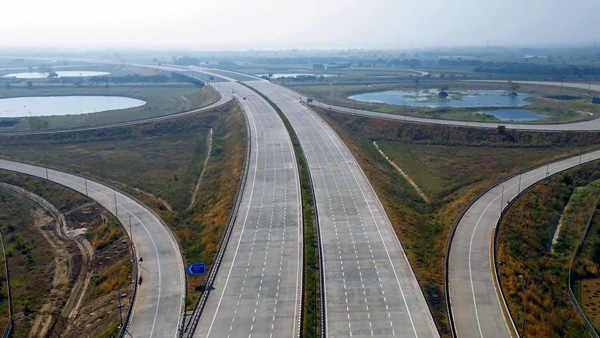
The Expressway is designed as a smart, green highway corridor.
Important features include:
- 8 lanes (expandable to 12)
- EV charging infrastructure
- Smart traffic monitoring
- Solar-powered lighting
- Wildlife crossings near forest areas
- Over 90 wayside amenities including fuel stations, food courts, and rest areas.
These features aim to improve safety and sustainability for long-distance highway travel.
Delhi to Mumbai Road Trip via the Expressway
For road trip enthusiasts, this corridor transforms the Mumbai to Delhi road trip experience.
Bottom line for travellers: As of mid-2026, you can drive nearly the entire Delhi–Vadodara stretch on the expressway. From Vadodara to Mumbai, most of the route is open, but plan for a detour around the Gujarat gap until those three packages are finished — realistically sometime in 2027 or later.
Typical driving plan
Route example:
Delhi → Sohna → Dausa → Kota → Ratlam → Vadodara → Surat → Mumbai
Potential advantages:
- Smoother driving with fewer traffic signals
- Reduced travel fatigue
- Predictable travel times
- Better highway infrastructure
Once fully operational, drivers could potentially complete the journey in 12–14 hours of continuous driving.
Facilities Available Along the Expressway
The expressway will eventually include over 90 roadside facilities.
These include:
- Fuel stations
- EV charging points
- Rest areas
- Food courts
- Medical and trauma centres
- Highway patrol and emergency services
These amenities make long-distance road travel safer and more convenient.
Delhi–Mumbai Expressway Completion Timeline
The project has been opened in phases.
Current timeline
- 2023: Sohna–Dausa stretch opened
- 2024–2026: Multiple segments in Rajasthan and Madhya Pradesh opened
- Expected full corridor completion: 2027–2028
Delays have occurred due to construction challenges and infrastructure integration in certain sections.
Accomodations
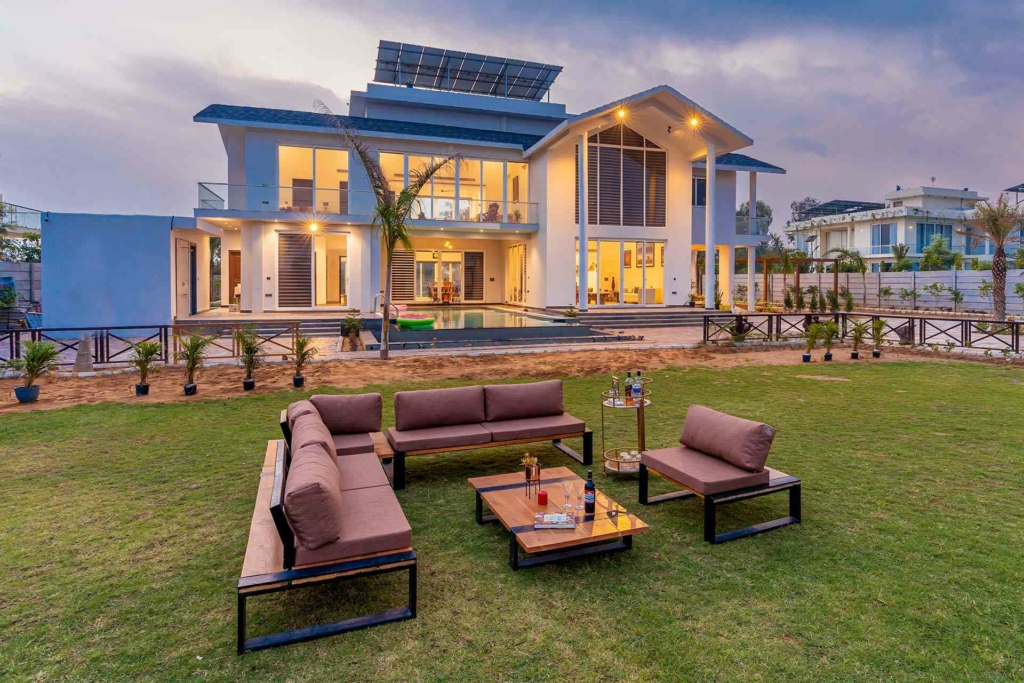
Francolin Farmstay – New Delhi

FAQs:
The Delhi Mumbai Expressway is approximately 1,350–1,386 km long, making it India’s longest expressway connecting Delhi and Mumbai through six states including Rajasthan, Gujarat, and Maharashtra.
The Mumbai to Delhi distance via the new expressway will be roughly 1,242 km, shorter than the older NH-48 route of around 1,420 km.
The expressway is expected to reduce travel time from about 24 hours to nearly 12–14 hours, depending on driving speed, traffic, and completed sections.
The maximum permitted speed on most sections of the expressway is 100–120 km/h, depending on the zone and safety regulations.
Toll charges are calculated using a distance-based closed tolling system. FASTag sensors record the entry and exit points, and the toll amount is automatically deducted when exiting the expressway.
The expressway passes through Delhi, Haryana, Rajasthan, Madhya Pradesh, Gujarat, and Maharashtra, connecting several major cities and industrial corridors.
No. Several sections are operational, but the entire expressway is expected to be completed around 2027–2028 as remaining segments open gradually.
Yes. Once fully operational, the expressway will provide a high-speed, signal-free corridor, making the Mumbai to Delhi road trip faster, smoother, and significantly safer.
Banner Image Credit: shutterstock.com