

Sar Pass Trek 2026: YHAI Dates, Difficulty& 7-Day Itinerary
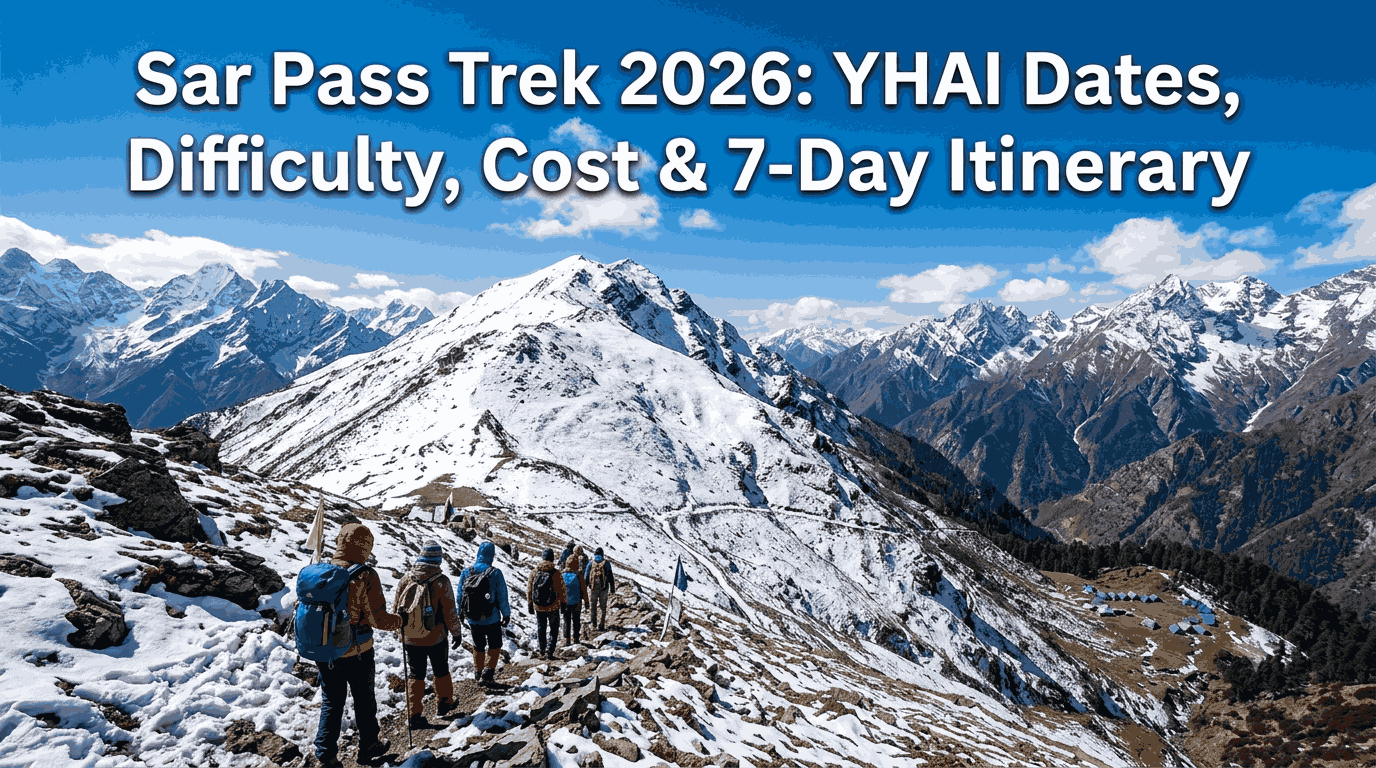
High-altitude trekking in the Indian Himalayas provides a unique sense of accomplishment, especially when the mountain tracks are covered in thick blankets of winter snow. Among the various alpine routes in Himachal Pradesh, the Sar Pass Trek 2026 remains one of the most celebrated options for outdoor enthusiasts. Situated in the heart of the scenic Parvati Valley in the Kullu district, this journey takes people through deep pine forests, beautiful high meadows, and steep snowy ridges before crossing a high pass at 13,800 feet. For decades, the Youth Hostels Association of India (YHAI) has been the leading organisation conducting this expedition safely and at a highly economical rate. Choosing to complete this journey under their guidance is a fantastic way for young people and fitness lovers to see the high mountains without spending a fortune on private guiding companies.
Quick Answer: The Sar Pass Trek 2026 is a classic summer trek in Himachal Pradesh. Organized by YHAI, the official YHAI dates run throughout May, starting from the Sumaropa base camp. It features a moderate Sar Pass difficulty level, and the total Sar Pass trek cost remains highly affordable for students and budget trekkers.
In this Blog
Choosing Your Dates with the YHAI Sar Pass batch schedule
When planning this mountain journey, checking the official YHAI dates is your very first step. For the current season, the registration windows are open, and the YHAI Sar Pass dates for May 2026 are highly sought after by snow lovers. The organisation sets up a daily departure system from their permanent base camp, meaning that a new group of thirty trekkers sets off every single morning throughout the month. This organized YHAI Sar Pass batch schedule helps manage the flow of people on the mountain and ensures that the high camps do not become overcrowded.
To join one of these batches, individuals must hold a valid YHAI membership, which is easily obtained online. The entries are strictly monitored, and the age limit is set between 18 and 60 years to ensure that everyone on the trail can manage the physical demands. Booking your spot early for the May slots is highly recommended, as the presence of deep snow on the pass during this specific month makes it the most popular time for university students and young working professionals from across the country.
Assessing the Sar Pass trek difficulty level and Fitness Needs
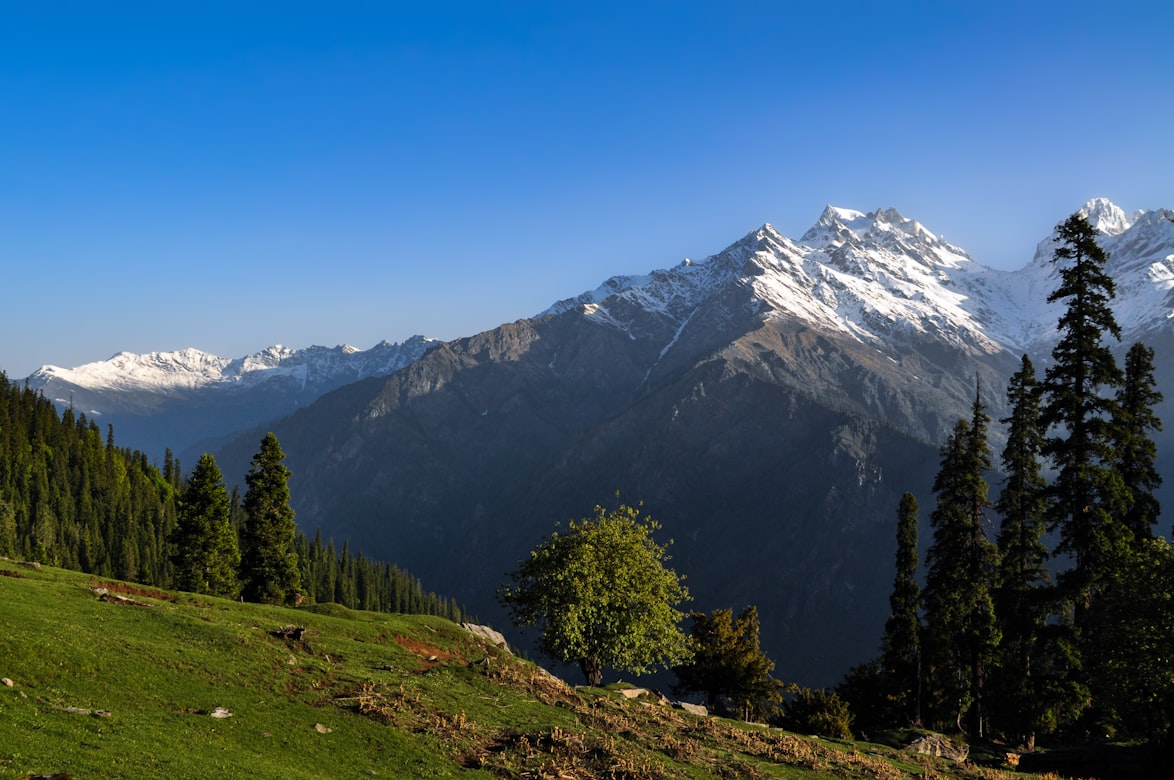
Before tying your trekking boot laces, it is essential to have an honest understanding of the Sar Pass difficulty parameters. The route is officially classified as moderate to tough, making it a great step up for individuals who have already completed a few low-altitude walks. The Sar Pass trek difficulty level becomes most evident during the steep climb from the Min Thach meadow camp up to the rocky ridge of Nagaru. At this stage, the altitude rises above 12,000 feet, the air becomes significantly thinner, and the path can be covered in hard ice or deep soft snow, depending on the afternoon weather.
To ensure your safety and enjoyment on the trail, physical preparation is key. The local guides look for good cardiovascular endurance; you should be able to jog a distance of five kilometres in under thirty minutes without feeling completely wiped out. The most exciting yet challenging part of the trail is the legendary snow slide on the descent from the summit. This acts like a giant, natural roller coaster where trekkers sit on the snow and slide down the slope for several hundred metres, a feature that makes the physical strain of the uphill climb completely worth the effort.
Following the Official Sar Pass 7-Day Itinerary
The classic Sar Pass 7-Day Itinerary managed by the association is designed to give your body enough time to adjust to the high elevation, keeping the risk of altitude sickness very low.
Day 1 involves reporting at the permanent Sumaropa base camp, located a few kilometres before the main market town of Kasol. Here, trekkers submit their mandatory medical certificates, get their tents assigned, and meet their fellow batch mates.
Day 2 is dedicated entirely to orientation and acclimatisation walks through the nearby pine woods, where camp leaders inspect your gear and teach you how to pack your rucksack efficiently to save your shoulders from strain.
Day 3 marks the official start of the walking trail as the batch moves from Kasol to Grahan Village. There are plenty of fun Things to do in Kasol before you hit the trail, such as visiting the old wooden bridge over the roaring Parvati River or sampling fresh cinnamon rolls at the local German bakeries. The trek to Grahan village takes about five hours, following a clear dirt path along a cold mountain stream where the villagers grow local herbs and apples.
Day 4 takes the group from Grahan Village to Min Thach, crossing thick forests of ancient deodar, oak, and rhododendron trees. The trail involves a massive uphill climb of nearly 1,000 metres in a short distance, and the tree roots across the path act like natural wooden stairs to help your balance.
Day 5 involves a short but very steep three-hour climb from Min Thach to Nagaru, a camp that sits like an island on a sharp ridge line where the night temperatures routinely drop well below freezing.
Day 6 is the long-awaited summit day, where the batch wakes up at 4:00 AM to cross the high Sar Pass at 13,800 feet before the morning sun melts the snow crust. After enjoying the magnificent 360-degree views of the snow-clad peaks, you enjoy the famous long snow slide down into the beautiful valley of Biskeri Thach.
Finally, Day 7 takes you from Biskeri Thach down through the ancient wooden houses of Pulga and Manikaran, before a short drive brings the group back to the base camp for their certificates.
Choosing a villa in Kasol for Extra Comfort
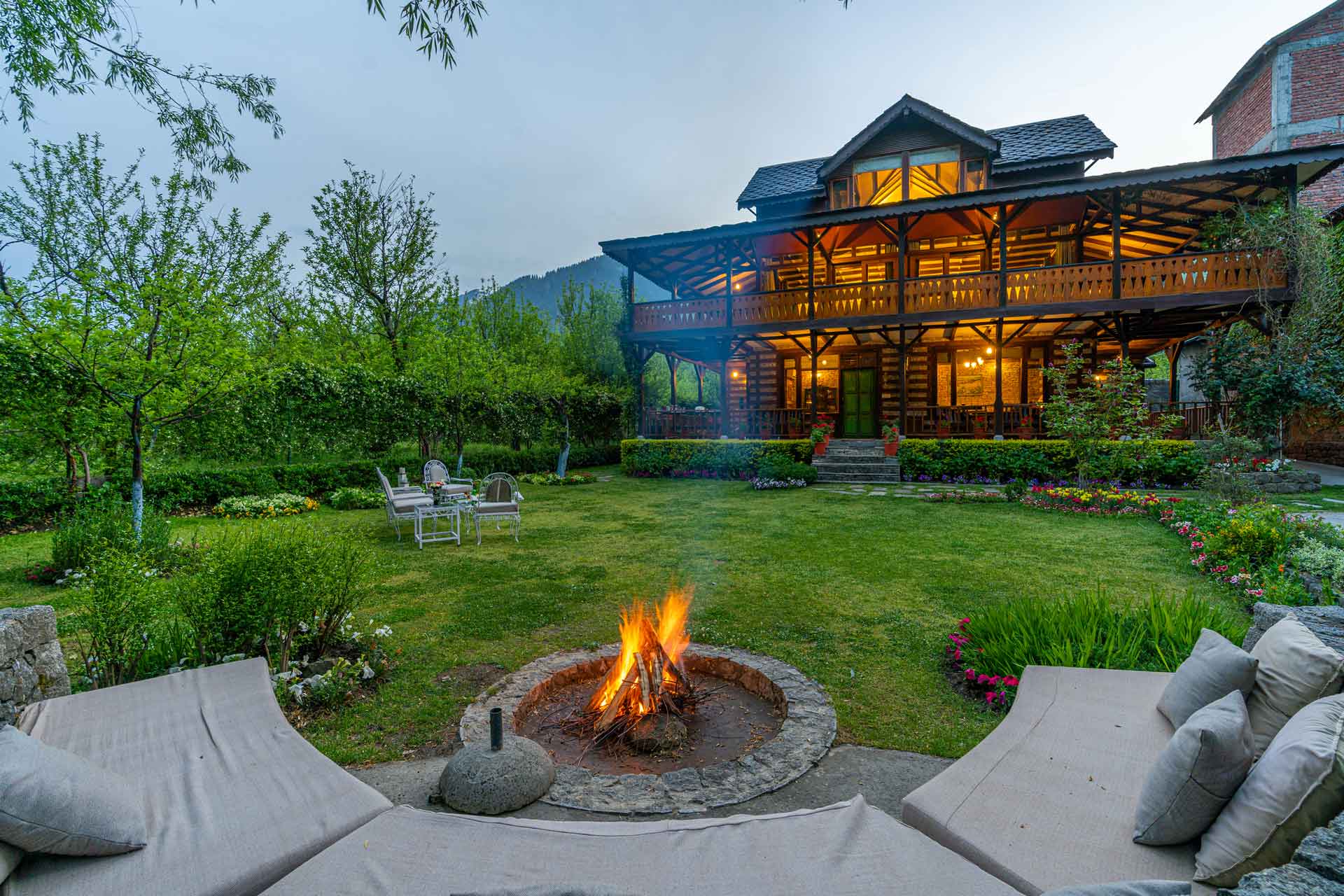
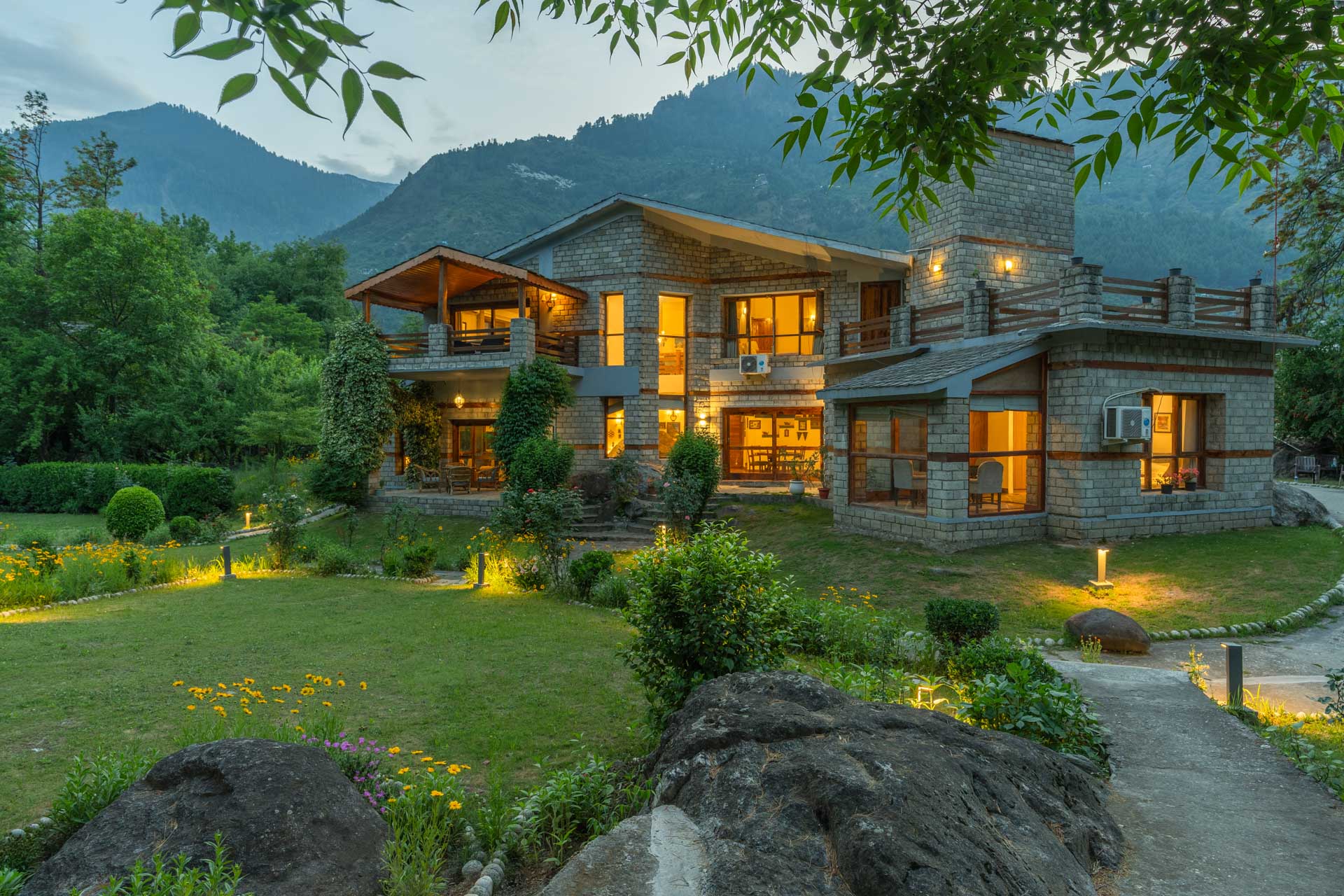
If you prefer to arrive in the valley a few days early to rest your body after a long bus journey from Delhi, renting a private villa in Kasol town can provide a highly comfortable and peaceful base before you report to the strict environment of the base camp. It gives your group a spacious setting to double-check your cold-weather gear, dry out any wet items, and enjoy local trout meals in a relaxed environment.
Best Stays in Kasol:
Frequently Asked Questions
No, prior experience is not mandatory, but a good level of physical fitness is highly necessary. The Sar Pass trek difficulty level is moderate, meaning that beginners with good stamina can complete it safely.
You can easily register by creating an account on the official YHAI website, selecting the YHAI Sar Pass batch schedule, and paying the participation fee online.
The standard Sar Pass cost breakdown for 2026 includes all vegetarian meals from the base camp onwards, tent stays on a sharing basis, forest permits, safety equipment, and guidance from trained leaders.
Yes, choosing the YHAI Sar Pass dates for May 2026 is ideal if you want to experience deep snow. May is the peak season for long snow walks and the famous snow slides.
Fun things to do in Kasol include tasting local pastries at the bakeries, buying warm woollen caps from the local markets, and relaxing by the banks of the Parvati River.
Yes, renting a local villa in Kasol is a popular option for groups who want to rest and unpack their gear comfortably a day before the official program starts.
If someone feels unwell or struggles with the elevation, the camp leaders arrange for a safe descent back to the lower camps with a support guide.
Beyond the basic Sar Pass trek cost, it is smart to carry about ₹3,000 in cash for personal equipment rentals, emergency transport, and buying hot snacks at the local tea stalls along the way.