
12 Best Summer Festivals in India 2026: Dates & Travel Guide
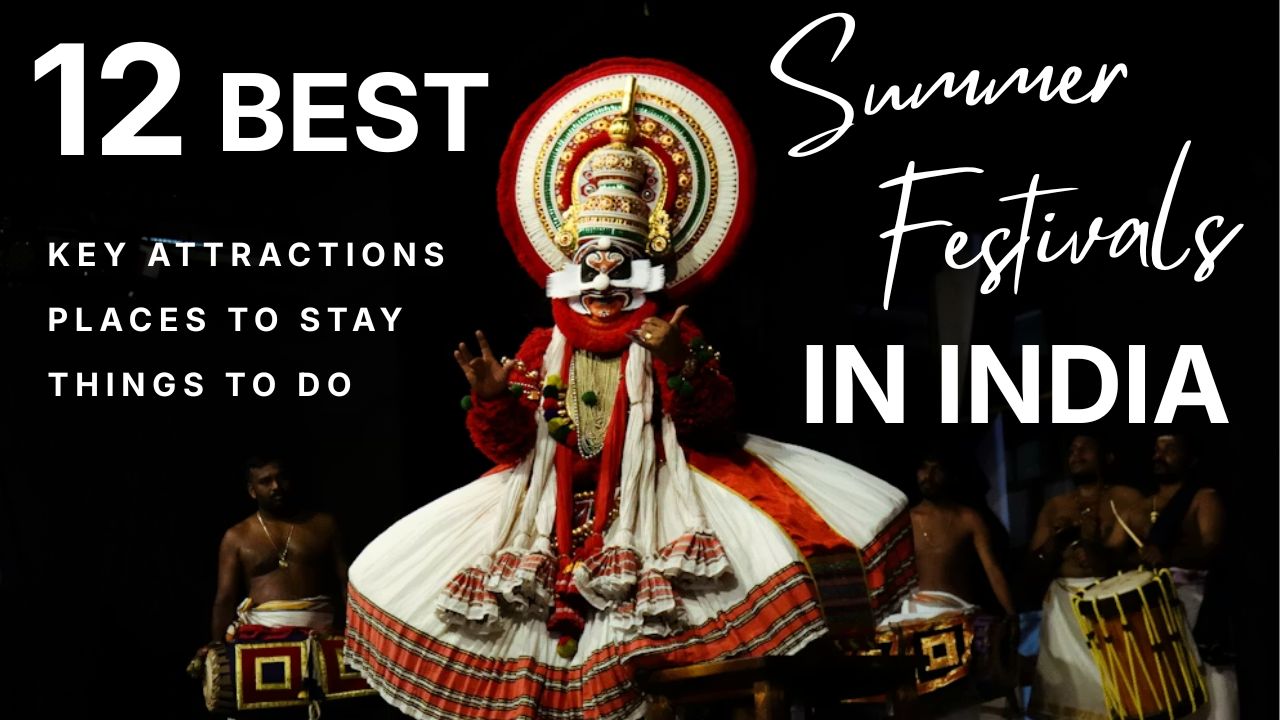
India’s summer festival season from April to June 2026 features twelve diverse celebrations spanning hill stations, coastal regions, and tribal heartlands. From Pahela Baishakh’s Bengali New Year in Kolkata to Hemis Festival’s Buddhist masked dances in Ladakh, these events offer cultural immersion during peak travel season. Plan visits around Ooty Flower Festival in May, Goa’s unique Sao Joao well-jumping in June, or Shimla’s heritage celebrations for authentic regional experiences.
Summer in India transforms the cultural calendar. Between April and June, when plains simmer at 40°C, hill stations and coastal towns host vibrant festivals that draw travellers seeking cooler climates and authentic experiences. The 2026 season coincides with several heritage celebrations returning to full capacity post-pandemic restrictions, making advance planning essential.


This guide covers twelve festivals distributed across India’s geographic and cultural zones, each selected for accessibility, visitor experience, and regional significance. Unlike typical listicles, we’ve organised entries month-wise with crowd management tips, transport options, and 2026-specific booking windows.
In this Blog
What Makes Summer Festivals Different in India?
Summer festivals in India occur when agricultural cycles pause and religious calendars align with longer daylight hours. Unlike winter celebrations concentrated in plains, summer events migrate to elevations above 1,500 metres or coastal areas with monsoon-moderated temperatures.

Three factors define these gatherings:
- Climate-driven locations: Most happen in hill stations (Shimla, Ooty, Gangtok) where daytime temperatures stay below 25°C
- Harvest gratitude themes: April festivals like Baisakhi and Pahela Baishakh mark spring harvests
- Extended duration: Unlike single-day winter festivals, summer celebrations often span 5-10 days with multiple events
Travellers benefit from established tourist infrastructure in these regions, though accommodation fills quickly during festival weeks. Book hotels 8-10 weeks ahead for May-June events.
April Festivals in India 2026
1. Baisakhi Festival

When is Baisakhi in 2026?
April 13-14, 2026
Where celebrated: Punjab (Amritsar, Anandpur Sahib), Haryana, Himachal Pradesh
What is the festival about?
Baisakhi marks the Punjabi New Year and commemorates the formation of the Khalsa in 1699 by Guru Gobind Singh. It coincides with the wheat harvest, making it both a religious and agricultural celebration. Sikhs gather at gurdwaras for prayers, followed by community feasts (langar) and processions.
Key Attractions:
- Golden Temple ceremonies: Morning prayers (Asa di Var) begin at 3 AM, followed by special kirtans throughout the day
- Nagar Kirtan processions: Colourful parades with martial arts displays (Gatka), traditional dances (Bhangra and Gidda)
- Anandpur Sahib fair: Historical reenactments, folk performances, and craft stalls near Takht Sri Kesgarh Sahib
- Rural Punjab visits: Experience harvest activities in villages around Patiala and Ludhiana
- Community feasts: Participate in langars serving traditional dishes like kadhi chawal and makki di roti
Travel tips: Amritsar’s Sri Guru Ram Dass Jee International Airport is 11 km from the Golden Temple. Book gurdwara accommodation (niwaas seva) 3-4 weeks ahead, most are free but require registration.
Temperatures range 18-32°C; carry light cotton clothing and head coverings for gurdwara visits.
Best place to stay in Amritsar
Fiddle Leaf Home


2. Pahela Baishakh (Pohela Boishakh)

When is Pahela Baishakh in 2026?
April 14-15, 2026
Where celebrated: Kolkata and across West Bengal; also observed in Bangladesh
What is the festival about?
Pahela Baishakh marks the Bengali New Year, rooted in Emperor Akbar’s agricultural tax calendar reforms. It’s a secular celebration of Bengali identity through music, art, food, and social renewal. Shops traditionally clear old accounts (haal khata) and start fresh ledgers.
Key Attractions:
- Mangal Shobhajatra: UNESCO-recognised procession starting from Dhaka University (in Bangladesh); Kolkata hosts similar rallies from College Street to Maidan
- Rabindra Sarobar morning concerts: Classical music performances (Rabindra Sangeet) begin at sunrise
- Cultural programmes: Baul folk music at Rabindra Sadan, Jatra theatre performances in Santiniketan
- Traditional markets: Shop for Bengal handloom (tant sarees, Nakshi Kantha) at Gariahat and New Market
- Bengali cuisine trail: Try panta bhat (fermented rice), ilish maach (hilsa fish curry), and mishti (sweets) at iconic eateries like Bhojohori Manna and KC Das
Travel tips: Netaji Subhas Chandra Bose International Airport (Kolkata) serves the city. Metro connectivity to major venues is excellent. Book hotels in Park Street or Salt Lake areas.
April temperatures reach 35-38°C with high humidity, stay hydrated. Most events are free but crowded; arrive early for seating at cultural venues.
Places to stay in Kolkata:
Pastels @ Simply Beige

3. Chithirai Festival

When is Chithirai Festival in 2026?
April 19-30, 2026 (exact dates per Tamil calendar)
Where celebrated: Madurai, Tamil Nadu (centred at Meenakshi Amman Temple)
What is the festival about?
The Chithirai Festival celebrates the divine marriage of Goddess Meenakshi (Parvati) to Lord Sundareswarar (Shiva) and the coronation of Goddess Meenakshi as Madurai’s queen. It’s one of Tamil Nadu’s oldest festivals, blending mythology with regional history spanning over 2,500 years.
Key Attractions:
- Celestial wedding ceremony (Thirukalyanam): Held on the 10th day with elaborate rituals inside Meenakshi Temple’s golden sanctum
- Ther procession: Massive temple chariots (rathas) carrying deities through Madurai’s streets, pulled by thousands of devotees
- Alagar’s arrival: Procession of Lord Kallalagar from Alagar Koil temple (21 km away) to Vaigai River, symbolising his journey to attend his sister’s wedding
- Cultural programmes: Classical Bharatanatyam performances and Carnatic music concerts at Thirumalai Nayakkar Mahal
- Street bazaars: Local crafts, brass lamps, and silk sarees in lanes around the temple
Travel tips: Madurai Airport is 10 km from the city centre. Stay near temple areas (West Masi Street, Town Hall Road) for walking access.
Book 6-8 weeks ahead, hotels fill fast. Dress modestly for temple entry (no shorts or sleeveless tops).
Temperatures hover around 35-40°C; visit temple early morning (5-7 AM) to avoid heat and crowds. Processions peak between 6-10 PM.
4. Kollam Pooram

When is Kollam Pooram in 2026?
April 23-24, 2026
Where celebrated: Kollam (Quilon), Kerala, at Asramam Maidan
What is the festival about?
Kollam Pooram is Kerala’s second-largest temple festival after Thrissur Pooram, showcasing the state’s caparisoned elephant processions, traditional percussion ensembles (panchavadyam), and fireworks. It originated as a ritual to honour the deity at Asramam Sree Krishna Swamy Temple.
Key Attractions:
- Elephant procession: 40-50 decorated elephants lined up with gold-caparisoned howdahs, parasols (muthukuda), and peacock feather fans (aalavattom)
- Panchavadyam performance: Five-instrument orchestra (timila, maddalam, ilathalam, idakka, kombu) creating rhythmic crescendos lasting 2-3 hours
- Kudamattam ritual: Competitive umbrella swapping between elephant groups, judged for speed and coordination
- Fireworks display: Traditional vedikettu (crackers) and amittu (aerial shells) lighting up Ashtamudi Lake backdrop
- Food stalls: Kerala snacks like unniyappam, pazham pori, and fish fry from makeshift eateries
Travel tips: Trivandrum International Airport is 65 km south; Kollam Junction Railway Station is 2 km from Asramam Maidan. The festival runs 3-5 PM for elephant display; fireworks start after 8 PM.
Best viewing from Asramam Maidan’s western side (arrive by 2 PM for seats).
Temperatures around 32-35°C with coastal humidity. Accommodation limited, book homestays or stay in Trivandrum and take day trips.
Best place to stay in Trivandrum
Nayara Farmhouse


May Festivals in India 2026
5. Ooty Flower Festival

When is Ooty Flower Festival in 2026?
May 15-17, 2026 (subject to Tamil Nadu Tourism confirmation)
Where celebrated: Ooty (Udhagamandalam), Tamil Nadu, at Botanical Gardens
What is the festival about?
The Ooty Summer Festival revolves around the Government Botanical Garden’s annual flower show, established in 1896. It showcases over 1,000 hybrid plant species, topiary art, and rare orchids. The festival also includes cultural programmes celebrating Nilgiri tribal heritage.
Key Attractions:
- Flower show exhibits: Thematic displays including bonsai gardens, medicinal plants section, and giant vegetable competitions
- Topiary sculptures: Animal and geometric shapes crafted from trimmed shrubs (elephants, peacocks, Taj Mahal replicas)
- Cultural evenings: Toda tribal dances, Badaga folk music performances at the open-air theatre
- Dog show and fruit exhibitions: Companion events at Gymkhana Club and Rose Garden
- Tea estate tours: Visit nearby Doddabetta tea plantations (16 km) for factory tours and tastings
- Photography opportunities: Nilgiri Mountain Railway photo stops, Ooty Lake boating against Dodabetta peak backdrop
Travel tips: Coimbatore Airport (88 km, 3-hour drive) is the nearest; alternatively, take the toy train from Mettupalayam.
Temperatures range 15-25°C (cool evenings require light jackets).
Botanical Garden entry: ₹50 for adults, special festival pass ₹100. Arrive before 10 AM to avoid afternoon crowds (10,000+ daily visitors during festival). Parking limited, use hired taxis or walk from nearby hotels.
Best place to stay in Ooty
The Woodscapes – Coonoor

6. Mount Abu Summer Festival

When is Mount Abu Summer Festival?
May 20-22, 2026 (Rajasthan Tourism dates TBC)
Where celebrated: Mount Abu, Rajasthan, at Nakki Lake and various venues
What is the festival about?
Mount Abu Summer Festival celebrates Rajasthan’s only hill station through folk arts, tribal traditions, and adventure sports. Organised by Rajasthan Tourism, it aims to promote Mount Abu as a summer retreat alternative to Himachal Pradesh and Uttarakhand destinations.
Key Attractions:
- Folk performances: Ghoomar and Kalbeliya dances by tribal artists, puppet shows (kathputli) narrating Rajput legends
- Qawaali nights: Sufi music concerts at Nakki Lake amphitheatre under open sky
- Boat races: Decorated boat competitions on Nakki Lake with rowing contests
- Sham-e-Qawaali: Evening mehfil featuring regional musicians from Ajmer and Pushkar
- Tribal art exhibitions: Bhil and Garasia tribal paintings, jewellery, and handicrafts at temporary markets
- Adventure activities: Rock climbing at Trevor’s Tank, trekking to Guru Shikhar peak (1,722 m), paragliding demos
Travel tips: Abu Road Railway Station (27 km, shared taxis available) connects to major cities; Udaipur Airport (185 km) is nearest.
May temperatures: 23-33°C (pleasant compared to plains).
Festival events scattered across venues; download Rajasthan Tourism app for schedules. Entry to most events free, except qawaali nights (₹200-500). Carry sun protection for daytime treks; evenings get breezy.
Places to stay in Mount Abu
Mangal House by the Lake
7. Yercaud Summer Festival
When is Yercaud Summer Festival in 2026?
May 24-26, 2026 (dates typically coincide with school holidays)
Where celebrated: Yercaud, Tamil Nadu, at Yercaud Lake and Anna Park
What is the festival about?
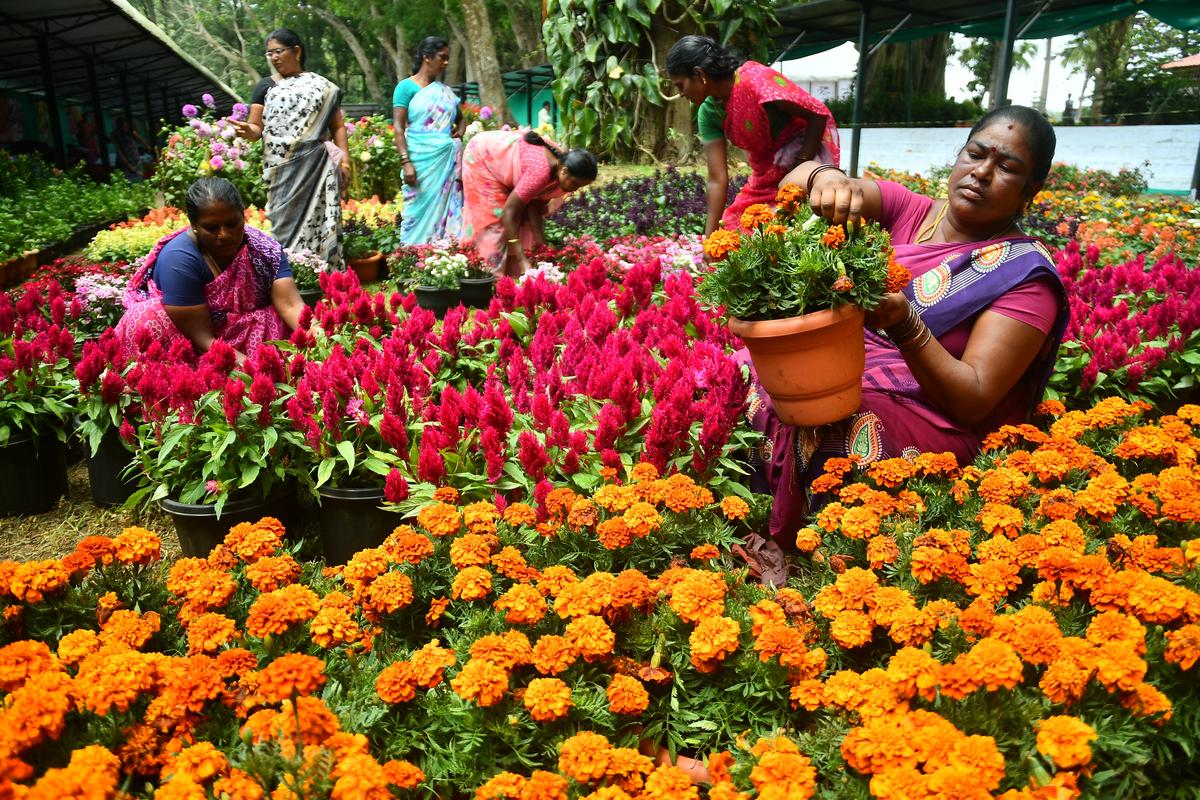
Yercaud Summer Festival is a lesser-known hill station celebration focusing on sericulture, coffee cultivation, and tribal heritage of the Shevaroy Hills. It’s more relaxed than Ooty’s festival, attracting families and nature enthusiasts rather than mass tourism crowds.
Key Attractions:
- Horticultural show: Orchid displays, exotic ferns, and coffee plantation exhibits at Anna Park
- Dog and cattle shows: Local breed competitions (Rajapalayam dogs, Kangayam cattle) reflecting agrarian culture
- Boat races: Traditional coracle races and speedboat events on Yercaud Lake (known locally as Emerald Lake)
- Tribal cultural programmes: Malayali tribal folk dances and music at Lady’s Seat viewpoint amphitheatre
- Adventure sports: Trekking to Kiliyur Falls (5 km trail), zip-lining across valleys, campfire evenings
- Coffee estate tours: Guided walks through organic coffee plantations with tasting sessions
Travel tips: Salem Junction Railway Station (30 km, 1-hour climb via ghat roads) and Salem Airport (35 km) serve Yercaud.
May temperatures: 18-28°C (cooler than plains). Roads narrow with hairpin bends, hire experienced local drivers.
Festival crowds much lower than Ooty (2,000-3,000 daily visitors). Most events free; boating charges ₹50-100 per person. Combine with visits to Pagoda Point and Bear’s Cave.
8. Moatsu Festival

When is Moatsu Festival in 2026?
May 1-3, 2026 (exact dates vary by village)
Where celebrated: Nagaland, primarily in Mokokchung district (Ao Naga tribe villages)
What is the festival about?
Moatsu marks the end of the Ao Naga tribe’s sowing season and the beginning of summer. It’s a purification ritual where villagers seek blessings for abundant harvests, clean water sources, and community health. Unlike Hornbill Festival’s tourist focus, Moatsu retains authentic tribal practices with limited external influence.
Key Attractions:
- Sangpangtu ceremony: Ritual cleansing of village wells and water sources, performed by village elders at dawn
- Traditional feasts: Community meals featuring smoked pork with bamboo shoot (anishi), fermented soya beans (akhuni), and sticky rice (kholam)
- Folk dances: Ao tribal war dances (Tozü) with performers in traditional attire, cowrie shell decorations, boar tusk necklaces, cane helmets
- Log drum competitions: Teams demonstrate rhythmic patterns on hollowed wooden drums (lungdung) used for communication
- Village hopping: Visit Ungma Village (Nagaland’s oldest Ao settlement), Chuchuyimlang (famous for weaving), and Mopungchuket
- Hiking trails: Trek to Langpangkong Caves or Mokokchung Town Ridge for panoramic valley views
Travel tips: Jorhat Airport (Assam, 95 km) is nearest; alternatively fly to Dimapur (195 km) and drive 5 hours.
May weather: 18-30°C with occasional pre-monsoon showers. Inner Line Permit (ILP) mandatory for non-Nagaland residents (apply online 7-10 days ahead).
No ATMs in villages, carry cash. Photography restrictions apply at sacred sites, always ask permission. English widely spoken. Alcohol available locally (rice beer, zutho). This is immersive cultural tourism, not a spectacle, respect local customs.
June Festivals in India 2026
9. Sikkim Summer Festival (Gangtok)

When is Sikkim Summer Festival in 2026?
June 5-8, 2026
Where celebrated: Gangtok, Sikkim, at Paljor Stadium and MG Marg
What is the festival about?
Sikkim Summer Festival celebrates the state’s multicultural heritage, Nepali, Bhutia, Lepcha, and Tibetan communities, through music, adventure sports, and culinary showcases. Tourism Department organises it to extend the spring tourist season and highlight Sikkim’s eco-tourism initiatives.
Key Attractions:
- Cultural performances: Tamang Selo dance, Lepcha bamboo flute music, Bhutia masked dances (chaam) at Paljor Stadium
- Paragliding demonstrations: Tandem flights from Bulbulay Dara viewpoint (advance booking required)
- Flower exhibitions: Rare orchid species (over 600 varieties found in Sikkim) and rhododendron displays
- Local cuisine stalls: Taste momos, thukpa (noodle soup), chhurpi (hardened yak cheese), and tongba (millet beer) on MG Marg food lanes
- Adventure race: Mountain biking and trail running competitions in surrounding hills
- Handicraft bazaar: Buy Lepcha handwoven textiles, Tibetan singing bowls, and Sikkimese carpets
Travel tips: Pakyong Airport (35 km, opened 2018) connects via Kolkata; alternatively, reach Bagdogra Airport (125 km) and drive 4 hours. Helicopter service from Bagdogra (20 minutes, ₹4,500) operates subject to weather.
June temperatures: 12-22°C with intermittent rain, carry waterproof jackets. Permit required for North Sikkim excursions (available in Gangtok, ₹200). Festival events free except paragliding (₹2,500-3,500).
Evening cultural shows start 6 PM at Paljor Stadium (open-air seating for 5,000). Combine with day trips to Tsomgo Lake (40 km, permit needed) and Rumtek Monastery (24 km).
Places to Stay in Sikkim
La Ipsing Farm – Samdong


10. Shimla Summer Festival

When is the Shimla Summer Festival?
June 10-16, 2026
Where celebrated: Shimla, Himachal Pradesh, at The Ridge, Gaiety Theatre, and Annandale
What is the festival about?
Shimla Summer Festival, established in 1982, celebrates colonial-era cultural legacy alongside Himachali folk traditions. It marks the peak of summer tourism season when Shimla hosted British India’s government from May to October pre-independence. The festival blends heritage walks, music concerts, and fashion shows.
Key Attractions:
- Musical concerts: Bollywood playback singers, classical Hindustani recitals, and Western rock bands perform at open-air Ridge stage
- Heritage walks: Guided tours of Viceregal Lodge, Christ Church, Gaiety Theatre’s Victorian interiors
- Himachali folk events: Nati dance performances (UNESCO intangible heritage), traditional songs with dhol and ransingha instruments
- Floral decoration contest: Government buildings and hotels compete for best summer flower displays (petunias, dahlias)
- Fashion shows: Regional designers showcase Himachali woollens, Kullu shawls, and contemporary fusion wear
- Food festival: Stalls serving Himachali dishes, sidu (wheat bread), madra (chickpea curry), babru (black gram kachoris)
Travel tips: Shimla Airport (Jubbarhatti, 23 km) has limited connectivity; major gateway is Chandigarh Airport (117 km, 3.5 hours). Alternatively, take the Kalka-Shimla toy train (UNESCO heritage, 5 hours, book Shivalik Deluxe Express).
Temperatures: 15-25°C (pleasant, but afternoons can reach 28°C).
Evening performances at The Ridge start 6:30 PM; arrive 30 minutes early for seating. Most events free; Gaiety Theatre shows ₹100-300. Parking banned on Mall Road, use lower bazaar lots (₹50/day). Combine with Kufri (16 km, horse riding), Mashobra (13 km, apple orchards), and Chail (45 km, world’s highest cricket ground).
Cottages in Shimla
Peak @ The Altair


11. Hemis Festival

When is Hemis Festival in 2026?
June 25-26, 2026 (based on Tibetan lunar calendar, 5th month, 10th day)
Where celebrated: Hemis Monastery, Ladakh (45 km south of Leh)
What is the festival about?
Hemis Festival commemorates Guru Padmasambhava’s birth, the Indian Buddhist master who brought Vajrayana Buddhism to Tibet in the 8th century. It’s Ladakh’s largest monastic festival, featuring masked dances (chham) that narrate Buddhist teachings and exorcise evil spirits. Every 12 years, a giant thangka (religious painting) is unveiled, next due in 2028.
Key Attractions:
- Cham dance performances: Monks in elaborate brocade costumes and carved wooden masks perform sacred dances in monastery courtyard (10 AM to 5 PM, with breaks)
- Ritual music: Monastic orchestra with long horns (dungchen), cymbals (tingsha), and drums (dhol) creating otherworldly soundscapes
- Traditional attire: Ladakhi villagers in perak (turquoise-studded headgear), goncha robes, and coral jewellery, excellent photography
- Market stalls: Artisans sell Pashmina shawls, Tibetan prayer wheels, thangka paintings, and apricot products
- Monastery exploration: Visit Hemis Museum (opened 2004) housing 200+ Buddhist artefacts, ancient manuscripts
- Side trips: Combine with visits to Thiksey Monastery (30 km, morning prayers at 6 AM), Shey Palace ruins, and Indus River rafting
Travel tips: Leh Kushok Bakula Rimpochee Airport (60 km from Hemis, 1.5 hours) serves the region. Fly via Delhi or Srinagar. Acclimatise in Leh for 2-3 days before visiting (Hemis at 3,505 m altitude). Monastery entry ₹100; photography is ₹200 extra. Festival peaks 11 AM-2 PM (main masked dances). Roads from Leh paved but winding, hire taxis (₹2,500-3,000 return).
June temperatures: 10-28°C (cold mornings, warm afternoons). Carry layers, sun protection (UV intense at altitude), and altitude sickness medication (Diamox).
Mobile network unreliable, download offline maps. Inner Line Permit not required for Hemis, but needed for Pangong Tso or Nubra Valley excursions (obtain in Leh, ₹400). Respect monastic rules, no smoking, modest clothing, silence during rituals.
12. Goa Sao Joao Festival

When is Goa Sao Joao Festival?
June 24, 2026
Where celebrated: Throughout Goa—primarily in Siolim, Terekhol, and Arambol villages; also celebrated in coastal areas of Mangalore (Karnataka)
What is the festival about?
Sao Joao (St. John the Baptist Festival) celebrates the onset of monsoon and honors St. John the Baptist’s birth. It’s Goa’s most unique Christian festival, blending Catholic traditions with pre-Portuguese fertility rituals. Young men wearing crowns of flowers and fruits (kopels) jump into wells, ponds, and streams to retrieve gifts thrown by locals—a symbolic baptism ritual.
Key Attractions:
- Well-jumping competitions: Young men dive into decorated wells at Siolim, Calangute, and Candolim to collect bottles of feni (local cashew liquor), fruits, and flowers thrown by spectators
- Kopel parades: Participants wear elaborate flower crowns made of seasonal blooms (champak, jasmine, hibiscus) and march through villages singing traditional konkani songs
- Boat parades: Decorated boats cruise along Chapora River, Mandovi River, and coastal areas with participants dancing to live music
- Feni tasting festivals: Sample Goa’s signature cashew and coconut feni at village taverns and beach shacks
- Traditional Goan feasts: Try sannas (rice cakes), sorpotel (spicy pork curry), and bebinca (layered dessert) at community gatherings
- Beach celebrations: Arambol and Ashwem beaches host evening concerts with Goan folk music (mando, dulpod) and contemporary bands
Travel tips: Goa International Airport (Dabolim, 29 km from Panaji) is well-connected.
June marks monsoon onset—expect intermittent rain, 25-32°C temperatures, high humidity (85-90%).
Carry waterproof bags and quick-dry clothing. Most well-jumping events happen 10 AM-2 PM; boat parades start around 4 PM. Entry to most events free; some organized boat parties charge ₹500-1,500. Roads can be slippery—hire experienced local drivers.
Combine with visits to Old Goa churches (UNESCO World Heritage), spice plantations in Ponda, and Dudhsagar Waterfalls (60 km, spectacular during end of summer and early monsoon).
Villas in Goa
Casa Lumina


Essential Travel Checklist for Summer Festivals 2026

Packing essentials:
- Light cotton or linen clothing (plains/South India)
- Layers and fleece jacket (hill stations and high altitude)
- Sun protection: SPF 50+ sunscreen, sunglasses, wide-brimmed hat
- Comfortable walking shoes (temple visits involve hours of standing)
- Reusable water bottle and ORS sachets (heat and altitude management)
- Power bank (rural areas have intermittent electricity)
Cultural sensitivity:
- Temples: Remove footwear, cover shoulders and knees, no photography inside sanctums (ask before clicking)
- Monasteries: Walk clockwise around stupas, no pointing feet at Buddha statues, silence during prayers
- Tribal festivals: Request permission for photographs, avoid touching sacred objects, dress modestly
- Gurdwaras: Cover head (scarves provided), wash feet before entry, participate in langar if offered
Health and safety:
- High altitude (Ladakh/Sikkim): Carry Diamox, ascend gradually, avoid alcohol first 48 hours
- Heat precautions (South India): Start sightseeing by 7 AM, rest during 1-4 PM peak heat
- Monsoon prep (North-East in late May/June): Waterproof bags, quick-dry clothing, leech socks for treks
- Travel insurance: Mandatory for Himalayan regions covering altitude sickness and emergency evacuation
Suggested Multi-Festival Itineraries for 2026
Route 1: South India Temple & Hill Circuit (12 days)
Festivals: Chithirai (Madurai) + Ooty Flower Festival
Chennai → Madurai (4 nights, festival April 19-22) → Kodaikanal (2 nights, hill station rest) → Ooty (4 nights, festival May 15-17) → Coimbatore departure
Best for: Culture + nature combination, manageable distances (300 km total)
Route 2: North India Harvest & Heritage Trail (10 days)
Festivals: Baisakhi (Amritsar) + Shimla Summer Festival
Delhi → Amritsar (3 nights, festival April 13-14) → Dharamshala (2 nights, Tibetan culture) → Shimla (4 nights, festival June 10-13) → Chandigarh departure
Best for: Punjab-Himachal cultural contrast, easy train/road connectivity
Route 3: Himalayan Buddhist Exploration (14 days)
Festivals: Sikkim Summer Festival + Hemis Festival
Bagdogra → Gangtok (4 nights, festival June 5-8) → Pelling (2 nights, Pemayangtse Monastery) → Leh (5 nights, acclimatisation + Hemis June 25-26) → Nubra Valley (2 nights) → Delhi return
Best for: High-altitude adventure, monasticism immersion, requires fitness
Conclusion: Maximising Your Summer Festival Experience
India’s summer festival calendar offers distinct advantages over monsoon or winter travel: clearer skies for photography, accessible high-altitude regions, and comfortable hill station climates. The 2026 season sees several festivals returning to pre-pandemic scale, with tourism departments enhancing infrastructure and visitor services.

For 2026 specifically, monitor state tourism websites (Kerala Tourism, Himachal Tourism, Sikkim Tourism) for festival date confirmations by January-February, as lunar calendar events shift slightly each year. Early planning compensates for limited accommodation in remote areas and secures better flight prices.
Summer festivals in India blend heritage with living traditions, a contrast to staged cultural shows. Whether witnessing Kerala’s elephant processions tasting Bengali New Year feasts or watching Buddhist masked dances at 3,500 metres, these summer festivals in India offer glimpses into India’s regional diversity beyond typical tourist circuits.
FAQs
Top festivals include Baisakhi (April 13-14), Ooty Flower Festival (May 15-17), and Hemis Festival (June 25-26), offering diverse cultural experiences from harvest celebrations to Buddhist masked dances across various regions.
Ooty Flower Festival and Sikkim Summer Festival suit families best due to structured programmes, moderate climates (15-25°C), developed tourist infrastructure, and child-friendly activities like boating and cultural shows.
Visit May 15-17, 2026 for the main festival days. Arrive May 14 to secure accommodation and avoid last-minute crowds. Book hotels near Botanical Gardens by early March.
Hemis Festival requires no advance tickets. Pay ₹100 monastery entry fee (₹200 for photography) at the gate. Arrive by 9 AM on June 25 for seating; main dances occur 11 AM-2 PM.
Yes, Pahela Baishakh (April 14-15, 2026) is a state public holiday in West Bengal. Banks, government offices close. Expect heavy crowds at cultural venues; book transport and hotels in advance.
Plan 4-5 days: 1 day arrival, 2 days festival (most run 2-3 days), 1-2 days exploring nearby attractions. This allows unhurried experience without fatigue from crowds or heat.
Yes, combine festivals within regions: Chithirai + Ooty (April-May, Tamil Nadu), Baisakhi + Shimla (April-June, North India), or Sikkim + Hemis (June, Himalayas). Allow 7-10 days between festivals for travel and rest.
Wear light cotton clothing for plains (25-38°C); add fleece layers for hill stations (15-25°C). Cover shoulders/knees at temples. Carry sun hats and comfortable shoes for standing/walking.
Yes, major festivals have heavy police presence and tourist crowds. Solo women should avoid late-night isolated areas, use registered taxis, and book reputable accommodations. Homestays offer added security.
April-May festivals draw moderate crowds (5,000-15,000 daily) compared to winter peaks. June Himalayan festivals see lower numbers (3,000-8,000) due to altitude and accessibility. Book 6-10 weeks ahead regardless.