
Glowcation 2026: Ayurveda & Skincare Retreats for a Monsoon Reset in India
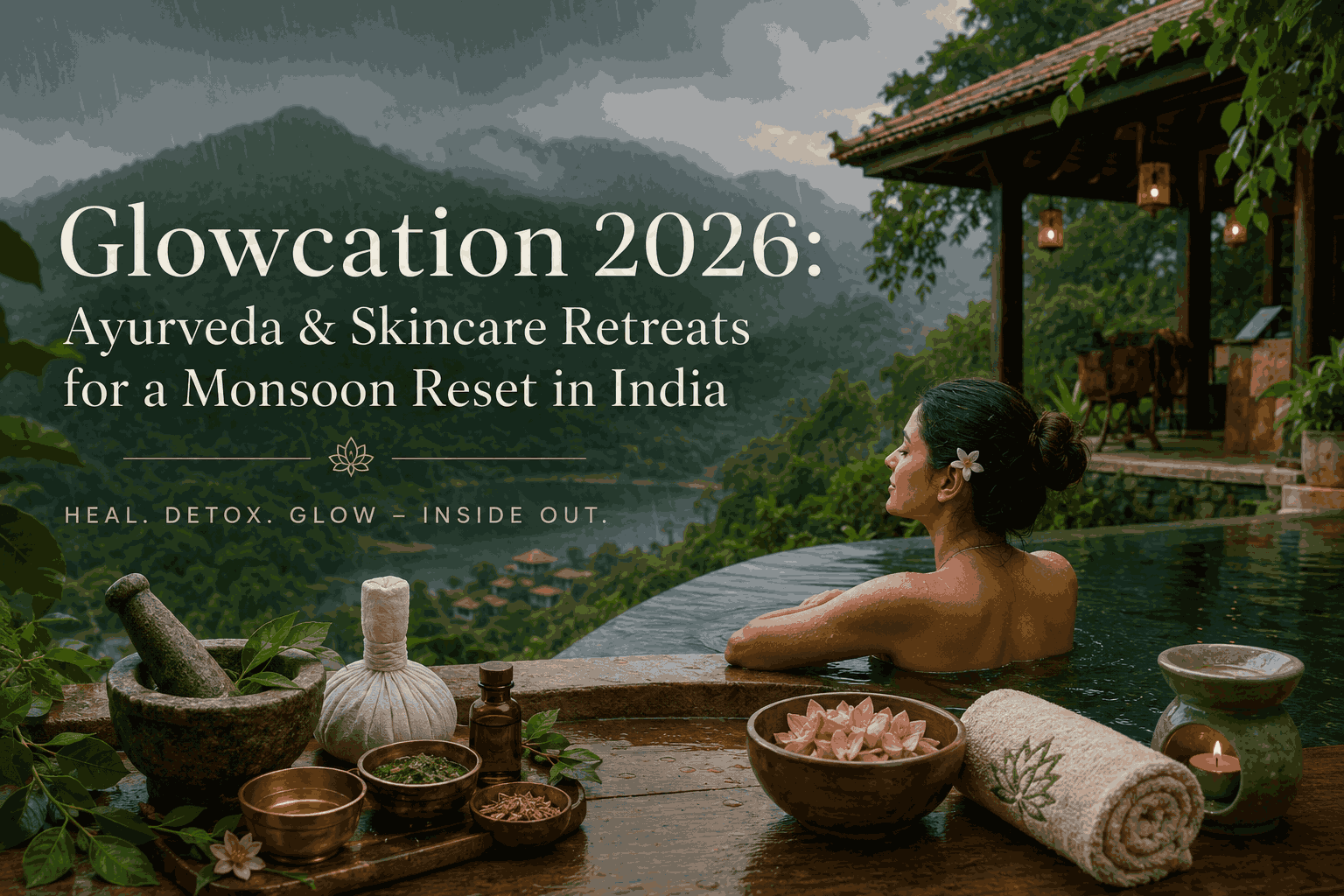
An Ayurveda glowcation in India 2026 is a wellness trip built around Ayurvedic skincare and detox treatments, typically taken during the monsoon (June–September) when humidity and cooler air are considered ideal for therapies like Panchakarma and Abhyanga. Kerala, Maharashtra, and Wayanad are the leading regions, with stays ranging from ₹21,000 to ₹40,000+ per night.
A “glowcation” pairs travel with skincare and Ayurvedic rituals. Monsoon suits it because traditional Ayurveda treats the rainy season as the prime window for detox and skin therapy. Demand is real: 80% of travellers are open to a glowcation in 2026. Kerala and Maharashtra lead; budgets start near ₹21,000/night.
The idea is simple, even if the word is new. A glowcation is a holiday where the point isn’t sightseeing — it’s coming home with calmer skin, a quieter head, and a body that feels reset. In India, that instinct has a 3,000-year-old framework behind it: Ayurveda. And the season most Westerners avoid for travel, the monsoon, is the one classical Ayurvedic texts single out as the best time for deep treatment.
This guide explains what a glowcation actually involves, why monsoon matters, which treatments do what, the regions worth knowing in Kerala and Maharashtra, realistic 2026 budgets, and how to choose a retreat without getting sold a spa menu dressed up as medicine.
In this Blog
What Is a Glowcation, and Why Monsoon 2026?
A glowcation is a wellness vacation focused on skincare, beauty treatments, and Ayurvedic rituals rather than tourism. In 2026 it’s gone mainstream: 80% of global travellers say they’re open to trying at least one beauty or wellness treatment on a trip ([Booking.com](https://www.booking.com/articles/2026-travel-predictions.html), 2025), and Skyscanner named “Glowmads” — travellers chasing skin and beauty experiences — a defining 2026 trend.
The Rise of Glowcations in 2026
The numbers explain why hotels and villas are scrambling to add treatment rooms. Booking.com surveyed 29,733 travellers across 33 markets and found 80% open to a glowcation, while 59% would even use AI to find their next skin-focused destination. Skyscanner’s 2026 report adds that 40% of Gen Z plan to seek out beauty treatments or skincare while travelling, and explicitly flags Ayurveda in Kerala as a draw ([Skyscanner, 2025).
Quote: The glowcation isn’t a marketing invention layered onto travel — it’s existing demand finding a name. Younger travellers were already booking Rishikesh yoga and Kerala Ayurveda for the *outcome* (better skin, less stress). The “glowcation” label simply made that outcome the headline instead of the destination.
Why Monsoon Is Perfect for Ayurvedic Treatments
Classical Ayurveda treats *Varsha Ritu* (the monsoon) as the prime season for therapy, and the reasoning is physiological. Cooler, humid air softens the skin and opens pores, which practitioners say improves absorption of medicated oils during massage. The season is also associated with aggravated *vata*, the dosha governing movement and dryness — so grounding, oil-based treatments are considered most beneficial precisely when it rains.
There’s a practical layer too. Resorts are quieter, therapists less rushed, and many Kerala centres traditionally schedule their deepest detox programmes between June and August. So “best time for Ayurveda treatment monsoon” isn’t a marketing line — it’s the historical default.
Benefits of an Ayurveda Monsoon Reset
A monsoon reset bundles four outcomes most glowcation travellers are actually after.
Detoxification through Panchakarma, the classical cleansing protocol
Clearer, glowing skin as herbal oils and facials work on humid, receptive skin
Stress relief via Shirodhara and slow, rhythmic massage
Holistic balance when yoga, sattvic food, and treatment are combined
Which Ayurvedic Treatments Work for Glowing Skin?
The combination most retreats recommend for skin is a Panchakarma detox alongside Mukhalekha (an Ayurvedic facial) and Abhyanga (full-body oil massage). Panchakarma clears systemic toxins thought to dull skin, while the facial and massage work directly on tone and circulation. India holds 68.9% of the global Ayurveda market, and its domestic Ayurveda sector is projected to grow 20.3% annually through 2030.
Panchakarma for Skin Detox
Panchakarma (“five actions”) is Ayurveda’s signature cleansing programme. It uses preparatory oiling and steam, followed by elimination therapies, to clear accumulated metabolic waste (*ama*). Skin is considered a mirror of internal balance, so practitioners treat dullness and breakouts from the inside out. A full Panchakarma runs 14–21 days; shorter 7-day versions offer a lighter reset. Monsoon is the classical window for it.
Abhyanga (Full-Body Oil Massage)
Abhyanga is a synchronised full-body massage using warm, dosha-specific herbal oils. The rhythmic strokes are designed to improve circulation, calm the nervous system, and nourish skin from the surface. Done daily across a retreat, it leaves skin softer and visibly less dry — the reason it anchors almost every Ayurvedic skincare retreat in India.
Mukhalekha (Ayurvedic Facial)
Mukhalekha is a herbal facial treatment using cleansing pastes, medicated oils, and facial massage tailored to skin type. Unlike a cosmetic facial, it works on lymphatic drainage and circulation to brighten tone over a course of sessions. It’s the most direct Ayurvedic face glow treatment and pairs naturally with internal detox.
Shirodhara for Stress & Glow
Shirodhara involves a steady stream of warm oil poured over the forehead and scalp. It’s primarily a nervous-system therapy — deeply calming, often used for sleep and anxiety — but the skin benefit is indirect and real: lower stress means less cortisol-driven breakouts and dullness. This is why wellness retreats for stress and skin glow almost always include it.
Herbal Scrubs & Packs
Udvartana (herbal powder scrubs) and medicated packs exfoliate and tone using ingredients like triphala, sandalwood, and chickpea flour. They’re the finishing layer of a herbal skincare retreat, removing dead skin so oils and facials work better.
What’s an Ayurvedic Monsoon Skincare Routine You Can Do at Home?
A monsoon Ayurvedic routine centres on gentle oil cleansing, warm internal hydration, and grounding food. The principle is consistency over products: warm water, herbal teas, light oiling, and a turmeric-based weekly pack do more for monsoon skin than any single serum. This routine extends a retreat’s results and works even if you never leave home.
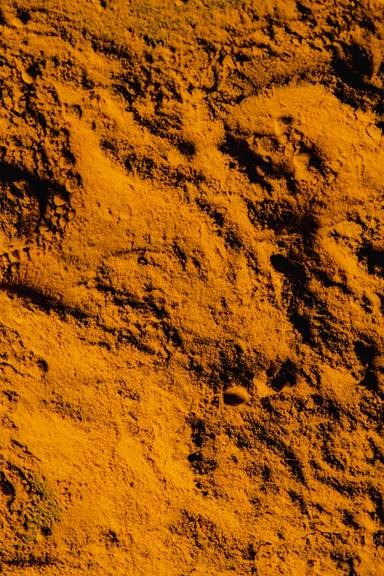
Turmeric, sandalwood, and chickpea flour are the backbone of DIY Ayurvedic skincare.
Morning Routine (Ayurvedic)
Start with warm water and a squeeze of lemon to support digestion. Cleanse with a mild herbal face wash or chickpea-flour (besan) paste rather than harsh foaming cleansers, which strip humid skin. Follow with a light, non-comedogenic oil — kumkumadi or plain sesame for dry skin. Finish with tongue scraping and a few minutes of breathing before the day starts.
Evening Routine (Ayurvedic)
Remove the day’s grime with oil cleansing, then a gentle wash. Twice a week, apply a DIY face pack: one teaspoon turmeric, one tablespoon sandalwood powder, and enough rosewater or curd to form a paste. Leave it 15 minutes. This is the core Ayurvedic skincare routine for glowing skin in monsoon — simple, cheap, and time-tested.
Foods for Glowing Skin in Monsoon
Eat warm, freshly cooked, easily digestible food. Favour:
• Cooked vegetables, moong dal, and warm soups
• Ginger, turmeric, cumin, and black pepper
• Herbal teas and warm water through the day
• Seasonal fruits like jamun and pears
Foods to Avoid
Skip cold, raw, and heavy foods that tax monsoon digestion: raw salads, leftover or street food (higher contamination risk in the rains), chilled drinks, and excess dairy or fried items. The goal is a light internal load so skin clears rather than congests.
What Are the Top Regions for an Ayurveda Glowcation in India?
India offers diverse regions for Ayurveda and wellness retreats. Kerala leads for authentic, full Panchakarma; Maharashtra (Karjat, Nashik) suits accessible monsoon resets near Mumbai and Pune. Below are the top destinations for a 2026 glowcation, with notable villa types that feature wellness facilities — described as examples, not endorsements.
This table summarises where each region fits and what private villa stays typically cost per night.
| Region | Best For | Key Features | Notable Villa Types | Typical Price Range |
| Kerala (Cochin) | Full Ayurveda treatments | On-site spas, steam rooms, pools | Villas with Ayurvedic spa | ₹35,000–₹40,000/night |
| Wayanad, Kerala | Wellness retreats | Coffee plantations, river views | Wellness villas with steam rooms | ₹28,000–₹33,000/night |
| Karjat, Maharashtra | Local monsoon reset | Mountain-side luxury, pools, gardens | Mountain villas | ₹25,000–₹35,000/night |
| Nashik, Maharashtra | Vineyard + pool experience | Lakeside views, near Sula | Infinity pool villas | ₹22,000–₹35,000/night |
| Near Tirupati | Eco-friendly wellness | Natural farming, pools | Ecostay villas | Varies |
| Koyilandi, Kerala | Lagoon-side reset | Kerala lagoon, waterfront | Lagoon villas | ₹25,000–₹30,000/night |
Indicative private-villa nightly rates, 2026. Actual rates vary by season, group size, and amenities.
1. Kerala (Cochin / Chalakudy) — The Authentic Heartland
Kerala is the heartland of authentic Ayurveda and the natural home of a monsoon Panchakarma detox retreat for glowing skin. Around Cochin and Chalakudy, you’ll find on-site Ayurvedic spas, steam rooms, Turkish baths, and pools built into villa stays. Notable villa examples include properties with dedicated Ayurvedic spa facilities and resident therapists. Expect roughly ₹37,000/night for a full setup. Best for travellers wanting the complete, traditional glowcation with certified treatment, not just a spa menu.
Best stay nearby by StayVista

2. Wayanad, Kerala — Green, Calm, Wellness-First
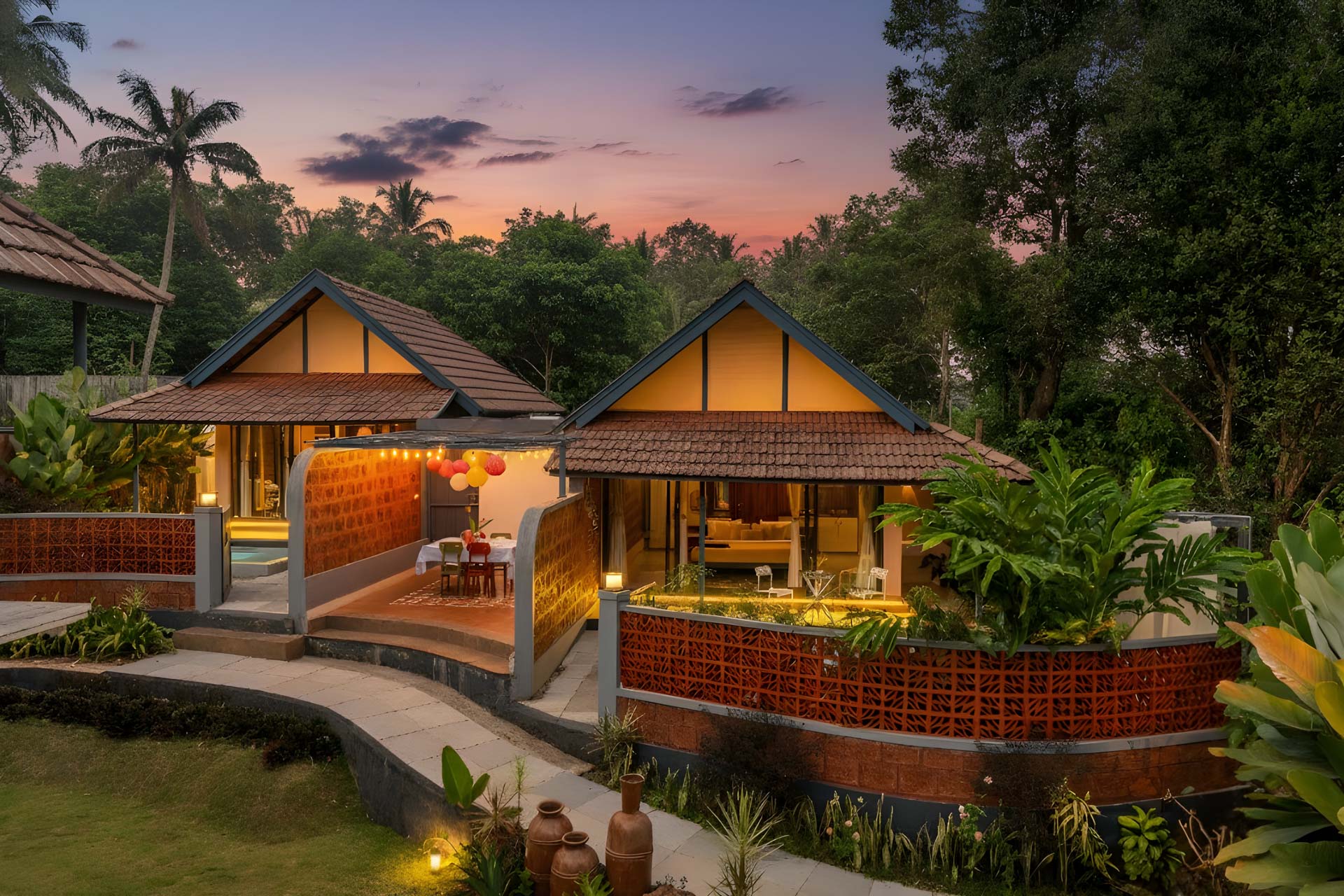
Wayanad trades coastline for misty hills, coffee plantations, and river views — a quieter, wellness-focused monsoon reset. Villas here are often marketed explicitly for retreat experiences, with steam rooms and space for yoga. Pricing sits near ₹31,000/night. Best for travellers who want greenery and stillness over a busy treatment schedule, and who value the mental reset as much as the skincare.
Best stay nearby by StayVista
3. Karjat, Maharashtra — The Reset Near Mumbai
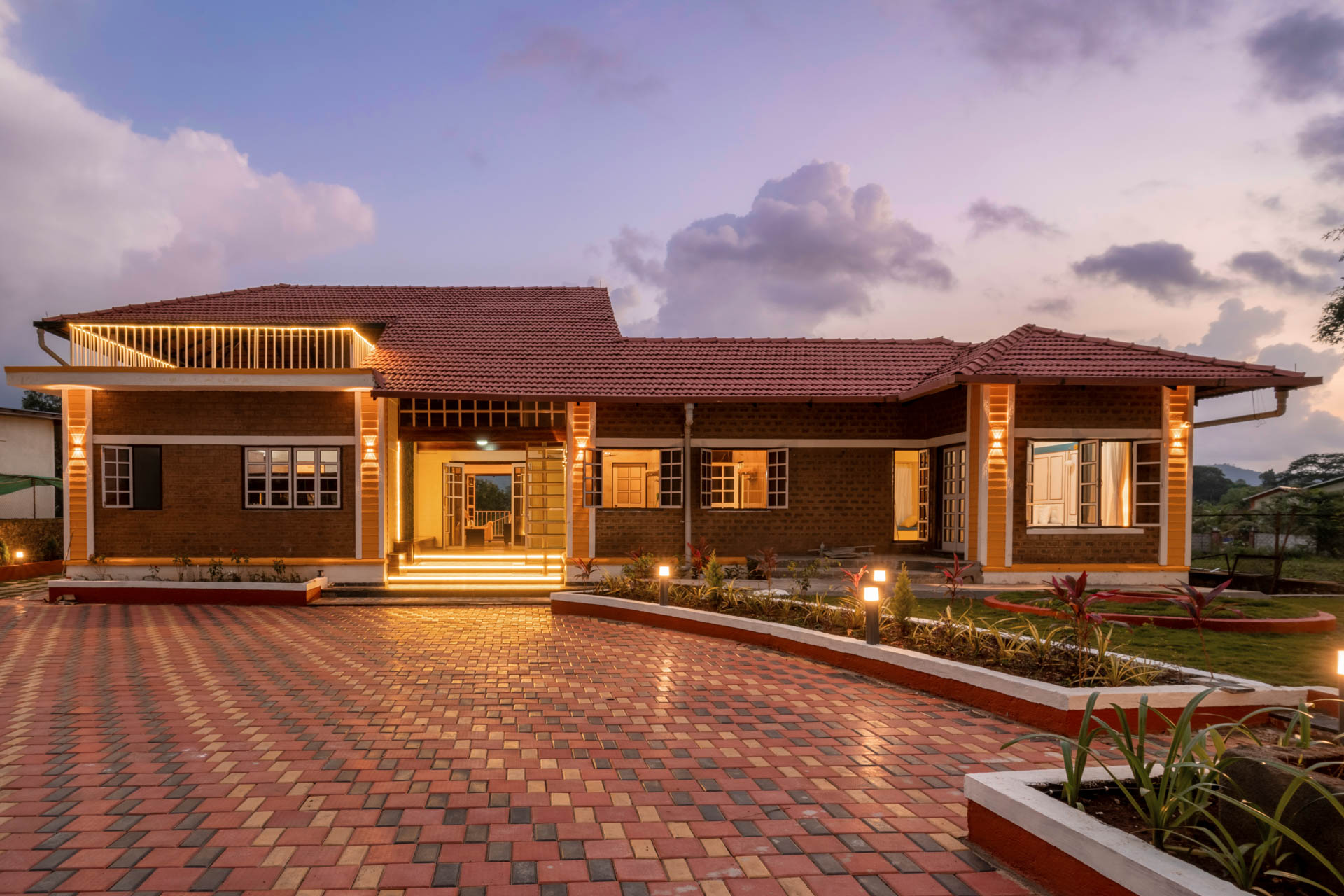
Karjat is the practical choice for a Karjat mountain retreat in 2026: lush hills, pools, gardens, and terraces, all just 2–3 hours from Mumbai or Pune. Villa examples run to mountain-side luxury homes with private pools and outdoor space. For anyone searching Ayurveda resorts near Mumbai 2026 or an Ayurveda retreat near Artist Village Maharashtra, Karjat delivers a local monsoon glowcation without a flight.
Best stay nearby by StayVista
4. Nashik, Maharashtra — Vineyards and Pool Villas
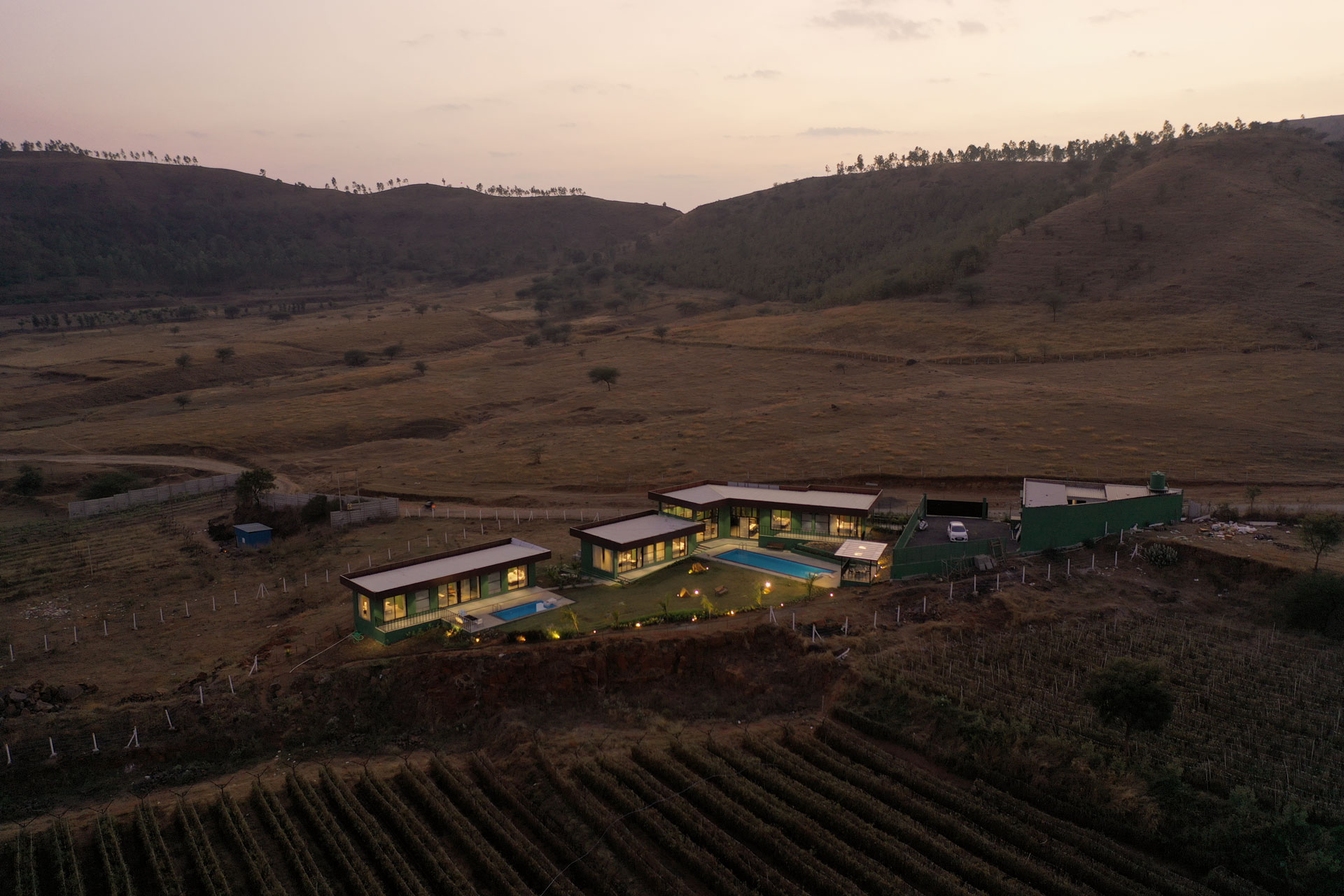
Nashik pairs wine country with cool, green monsoon weather. Expect lakeside views, infinity pools, and private hills near the Sula vineyards. A pool villa in Nashik during monsoon — rates roughly ₹22,000–₹35,000/night — suits travellers who want a relaxed reset with scenery rather than an intensive treatment programme. It’s the lighter, more social end of the wellness glowcation in Maharashtra 2026.
Best stay nearby by StayVista
5. Near Tirupati — Eco-Friendly Wellness
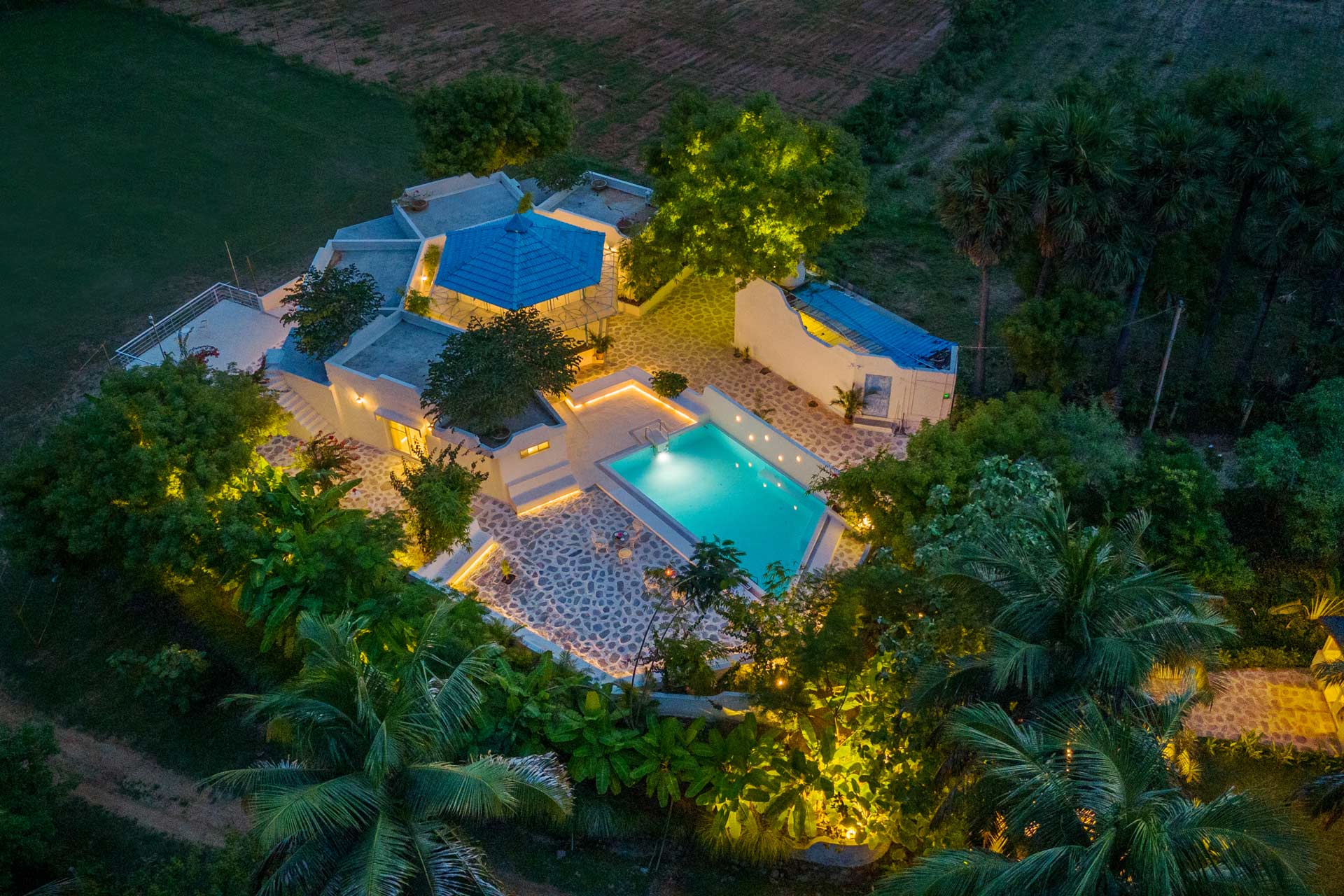
The Tirupati corridor is emerging for organic, eco-conscious stays: natural-farming settings, pools, and ecostay-format villas. Pricing varies. Best for travellers who want their reset to include clean food and a low-footprint setting alongside rest.
Best stay nearby by StayVista
6. Koyilandi, Kerala — Lagoon-Side Stillness
Koyilandi (Quilandy) offers an authentic North Kerala lagoon experience — waterfront villas, slow days, and water views, around ₹27,000/night. Best for a lagoon-side monsoon reset where the setting itself does much of the calming work.
Best stay nearby by StayVista

How Much Does an Ayurveda Glowcation Cost in India in 2026?
Ayurveda glowcation packages range from about ₹21,000/night for budget villas to ₹40,000+/night for luxury wellness resorts, depending on region and facilities. Kerala’s full-treatment properties sit at the top; Maharashtra’s Karjat and Nashik villas offer the most affordable entry points. Splitting a private villa across a group often makes per-person costs competitive with mid-range resorts.
Affordable Packages (₹20,000–₹30,000/night)
The entry tier covers Nashik pool villas, Koyilandi lagoon stays, and lower Karjat options. These suit travellers wanting setting, pool, and rest, with treatments arranged on request. For groups researching affordable Ayurveda glowcation packages for women in India 2026, this band — split across 6–8 guests — can drop to a few thousand rupees per person per night.
Mid-Range Packages (₹30,000–₹40,000/night)
This band buys Wayanad wellness villas and well-equipped Karjat homes with steam rooms and structured wellness options. It’s the sweet spot for a balanced glowcation: real facilities without resort-level pricing.
Luxury Retreats (₹40,000+/night)
Top-tier Kerala villas with dedicated Ayurvedic spas, resident therapists, and full Panchakarma scheduling sit here. You’re paying for authenticity and certified treatment, not just square footage.
How Do You Choose the Right Ayurveda Retreat? (Checklist)
Choosing well comes down to one distinction: treatment versus decoration. A pool and a “spa room” don’t make a retreat Ayurvedic — a certified practitioner and a real protocol do. Use this five-point checklist to separate genuine wellness retreats for stress and skin glow from villas that simply add the word “wellness” to a listing.
- Wellness facilities. Confirm an actual treatment space, steam room, and pool, not just a massage table in a spare room.
- Treatment customisation. Good retreats assess your dosha and tailor oils and therapies. Fixed menus are a flag.
- Practitioner credentials. Ask for the therapist’s qualification. A certified Ayurvedic doctor (BAMS) matters more than thread-count.
- Location and accessibility. Kerala for depth and authenticity; Maharashtra for a quick, flight-free reset from Mumbai or Pune.
- Capacity and reviews. Match villa size to your group, and read recent reviews specifically mentioning treatments, not just the view.
Maharashtra Spotlight: Monsoon Ayurveda Near Artist Village
For readers in and around Mumbai and Navi Mumbai, Maharashtra makes a glowcation a weekend decision rather than a flight. Karjat and Nashik — both close to the Artist Village belt — offer hills, vineyards, and pool villas built for the rains, with no airport involved. This is the most practical wellness glowcation in Maharashtra for 2026.

Why Karjat and Nashik Suit Monsoon Glowcations
Karjat turns spectacularly green in the monsoon, with waterfalls and mist across the Sahyadris, and sits 2–3 hours from both Mumbai and Pune. Nashik runs cooler and quieter in the rains, with vineyards at their most photogenic. Both are close enough to the Artist Village area to suit local readers planning a short reset.
Notable Villa Types in Karjat
Karjat’s range covers three broad profiles:
• Mountain-side luxury villas with pools for full-comfort group stays
• Hill-view villas for smaller, intimate retreats
• Private pool cottages when privacy is the priority
Together these make a Karjat mountain retreat in 2026 flexible for everything from a couple’s reset to an eight-person wellness weekend.
Notable Villa Types in Nashik
Nashik divides into three useful types:
• Lakeside villas with infinity pools near Sula for the classic pool villa Nashik monsoon experience
• Private hill villas sized for larger groups
• Affordable farmhouse options for budget-conscious resets
What Makes Maharashtra Unique for Wellness Retreats?
Maharashtra’s edge is access. You get genuine monsoon greenery, pool villas, and a real change of scene without the cost and time of flying south. It won’t match Kerala’s depth of authentic Panchakarma — but for an Ayurveda retreat with yoga and skincare layered onto a long weekend, it’s hard to beat on convenience.
Frequently Asked Questions
Monsoon humidity and cooler air soften skin and open pores, which practitioners say improves absorption of herbal oils during treatment. Classical Ayurveda also treats the rainy season as the prime detox window, which is why Kerala centres traditionally schedule deep Panchakarma between June and August.
A Panchakarma detox combined with Mukhalekha (an Ayurvedic facial) and Abhyanga (oil massage) is the most recommended combination. Panchakarma clears internal toxins linked to dull skin, while the facial and massage improve circulation and tone directly, working from the inside out.
A basic monsoon reset runs about 7 days, while a full Panchakarma cleanse takes 14–21 days. Shorter stays suit relaxation and a light reset; genuine detox protocols need the longer window to complete preparation, elimination, and recovery phases.
Yes. Budget villa packages start near ₹21,000/night, mid-range options run ₹30,000–₹40,000/night, and luxury Kerala retreats exceed ₹40,000/night. Splitting a private villa across a group lowers per-person cost significantly, making the affordable tier accessible for women’s groups and friends.
Yes. Ayurvedic treatments are gender-neutral and beneficial for everyone. Panchakarma, Abhyanga, and Shirodhara are practised for men and women alike, and most retreats welcome solo travellers, couples, and mixed groups without separate programming.
Kerala — especially Cochin and Wayanad — leads for authentic Ayurveda, while Maharashtra’s Karjat and Nashik offer accessible monsoon resets near Mumbai and Pune. Skyscanner’s 2026 trends report specifically names Ayurveda in Kerala as a draw for wellness travellers
June to September aligns with the classical Ayurvedic detox season. Centres are quieter, therapists less rushed, and rates often lower than peak winter. Mid-week starts and longer stays typically secure the best value.
Conclusion
Monsoon 2026 is the season the calendar and the classical texts agree on for an Ayurveda glowcation India 2026 trip. Kerala — Cochin, Wayanad, Koyilandi — offers the most authentic Ayurvedic spas and full Panchakarma; Maharashtra’s Karjat and Nashik provide accessible, flight-free mountain and vineyard resets near Mumbai and Pune. Treatments genuinely work better in monsoon humidity, and budgets span ₹21,000 to ₹40,000+ per night by region and facility.
Two things matter most before you go: research certified Ayurvedic practitioners rather than spa branding, and confirm exactly what a stay includes. Private villa options exist for groups who want wellness facilities, privacy, and shared costs in one place — a quiet, considered way to reset skin and mind as the rains arrive.