

Bohag Bihu 2026 (Rongali Bihu): Dates, Significance, Travel Guide & Celebration Ideas
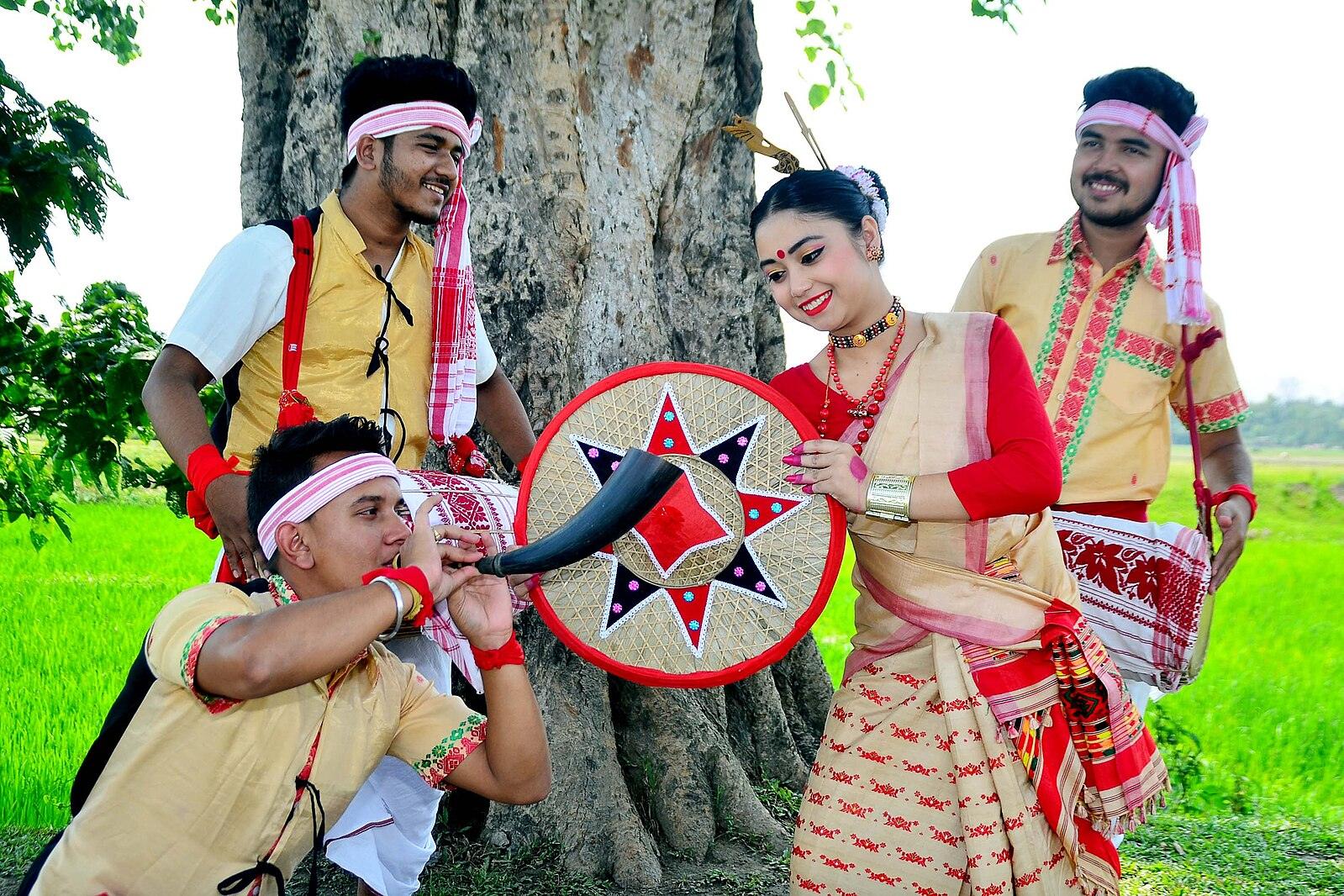
April in Assam is not merely a month — it is the heartbeat of an entire civilisation. Rongali Bihu 2026, falling on April 14–15, 2026, marks the Assamese New Year and is the grandest cultural festival in India’s northeast. Whether you are planning a trip to Assam, celebrating Bihu 2026 at home in Mumbai, Delhi, or Kolkata, or simply trying to understand the deep significance of this ancient festival, this is your most complete guide.
This page covers everything: Bihu 2026 exact dates, the difference between Bohag Bihu and Rongali Bihu, the three types of Bihu, traditional food and pitha recipes, Assamese dress and jewellery, Guwahati and Jorhat events, travel packages, celebration ideas at home, Bihu wishes in Assamese, and much more — all updated for 2026.
In this Blog
Bihu 2026 — Quick Reference
| Festival Name | Rongali Bihu / Bohag Bihu 2026 |
| Date — Goru Bihu | April 14, 2026 (Tuesday) |
| Date — Manuh Bihu | April 15, 2026 (Wednesday) — Main Celebration |
| Festival Duration | Month-long; core celebrations April 14–30, 2026 |
| Also Known As | Bohag Bihu, Rongali Bihu, Assamese New Year 1432 |
| Other Names (India) | Vishu (Kerala), Puthandu (Tamil Nadu), Baisakhi (Punjab) |
| Primary State | Assam, India |
| UNESCO Status | Recognised Intangible Cultural Heritage (2023) |
| Holiday Status India | Gazetted public holiday in Assam (April 15, 2026) |
| 3 Bihu Types | Rongali (Apr), Kongali (Oct), Bhogali / Magh (Jan) |
Bihu 2026 Dates & Festival Calendar
Rongali Bihu 2026 begins on April 14, 2026 (Goru Bihu, dedicated to cattle) and continues through the entire month of April. The main human celebration — Manuh Bihu — falls on April 15, 2026, which is also the gazetted public holiday in Assam for the Assamese New Year.
| Day / Name | Date 2026 | What Happens |
|---|---|---|
| Goru Bihu | April 14, 2026 (Tue) | Cattle are bathed, fed, and honoured; ritual protection of farm animals |
| Manuh Bihu (Main Day) | April 15, 2026 (Wed) | Assamese New Year; new clothes, family visits, feasts, Bihu dance begins |
| Gosain Bihu | April 16, 2026 (Thu) | Worship of household deities and namghars (prayer halls) |
| Kutum Bihu / Visiting Season | April 17–21, 2026 | Social visits to relatives; exchange of Gamosas and gifts |
| Senehi Bihu | April 21–22, 2026 | Neighbourly celebration and community bonding |
| Mela Bihu / Chera Bihu | April 22–30, 2026 | Open-air Bihu fairs (Bihu Mela); major cultural performances; Husori singing |
| Mukoli Bihu Performances | Throughout April 2026 | Open-air public Bihu dance anyone can join; peak events in Guwahati & Jorhat |
Astrology & 2026 Date Note: The exact date of Bihu is determined by the Assamese solar calendar and falls when the sun enters the zodiac sign of Mesha (Aries). In 2026, this transition — called Maha Bishuba Sankranti — occurs at sunrise on April 14, making April 14 Goru Bihu and April 15 the official Assamese New Year public holiday.
What is Rongali Bihu? Significance & History

Rongali Bihu (also called Bohag Bihu) is the spring harvest festival and Assamese New Year celebration of Assam, India. The word Rongali means “joyful” or “merry” in Assamese; Bohag is the name of the Assamese month (April–May) in which it falls.
The festival has pre-Hindu, agrarian roots tracing back over a thousand years to the indigenous communities of the Brahmaputra Valley. It celebrates the arrival of spring, the beginning of the agricultural sowing season, and the hope of a good harvest. Over centuries, Bihu absorbed Vaishnavite, tribal, and folk traditions to become the pan-Assamese cultural identity marker it is today.
Why Rongali Bihu 2026 is Significant
Assamese New Year 1432
Bihu 2026 marks the start of Assamese year 1432 Saka. It is the cultural and astronomical new year for the Assamese people, coinciding with the solar new year across South Asia.
Agricultural Renewal
Bihu marks the start of the Ahu paddy cultivation season. Farmers pray for good rains, fertile fields, and abundant harvests in the year ahead.
UNESCO Heritage
In December 2023, UNESCO inscribed Bihu on its Representative List of Intangible Cultural Heritage of Humanity — recognising its unique music, dance, and cultural traditions.
Pan-Assamese Unity
Bihu transcends caste, religion, and tribal identity. Every community in Assam — Bodo, Mishing, Rabha, Koch, Bengali, and others — participates in Bihu celebrations.
The Three Types of Bihu: Rongali, Kongali & Magh Bihu 2026
Assam celebrates three distinct Bihu festivals across the year, each corresponding to a different agricultural phase and emotional register:
| Bihu Name | Also Called | 2026 Date | Character |
|---|---|---|---|
| Rongali Bihu | Bohag Bihu | April 14–15, 2026 | Joyful; Assamese New Year; spring; sowing season |
| Kongali Bihu | Kati Bihu | October 18, 2026 | Solemn; lamps lit in fields; prayers for the standing crop |
| Bhogali Bihu | Magh Bihu | January 14–15, 2026 | Festive harvest; bonfires (meji); feasting; community games |
Among the three, Rongali Bihu is by far the most exuberant and widely celebrated. When people simply say “Bihu,” they almost always mean Rongali Bihu / Bohag Bihu.
Difference between Bohag Bihu and Rongali Bihu 2026: There is no difference — they are two names for the exact same festival. “Bohag” refers to the Assamese month, while “Rongali” (meaning merry/joyful) describes the festive mood. Both terms are used interchangeably across Assam and in media.
Bihu Dance & Music: What Makes It Unique

The Bihu dance is one of India’s most energetic and expressive classical-folk dance forms. Performed by both men and women in vibrant traditional attire, it is inseparable from the Rongali Bihu celebration.
Key Features of Bihu Dance
- Rapid hand movements (bhangi): intricate wrist and arm gestures that depict nature, life, and emotion
- Brisk footwork: energetic steps that keep pace with the quickening dhol beats
- Expressive facial gestures: the face is integral to storytelling in Bihu performance
- Open-air performances (Mukoli Bihu): held in fields, community grounds, and stages — anyone can join
- UNESCO status: inscribed on the Representative List of Intangible Cultural Heritage of Humanity in 2023
Bihu Musical Instruments
Dhol
The two-headed cylindrical drum — the heartbeat of Bihu. Its tempo drives the energy of every dance performance.
Pepa
A single-reed horn flute carved from buffalo horn. Its high, wailing note is the signature sound of Rongali Bihu.
Gogona
A bamboo or iron jaw harp played by pressing against the teeth. Produces a resonant, hypnotic drone.
Toka & Baanhi
Toka is a bamboo clapper for rhythm; Baanhi is a transverse bamboo flute for melody.
Bihu Songs (Bihu Geet & Husori)
Bihu geet are traditional Assamese folk songs sung during Rongali Bihu. Many songs are affectionately playful, romantic, and sometimes gently ribald — expressing the feelings of young people through metaphor and nature imagery. Husori are blessings sung by groups that visit homes early on Manuh Bihu morning, invoking prosperity and good fortune for the household.
Best Places to Experience Bihu 2026 in Assam
While any corner of Assam comes alive during Rongali Bihu, some destinations offer experiences that go beyond the ordinary:
Guwahati
Known for: Bihu Mela
The largest city in Assam hosts the most spectacular Bihu Mela events. The Sarusajai Stadium celebrations are massive, with thousands of dancers performing simultaneously. Guwahati also has vibrant evening cultural programmes and markets.
Jorhat
Known for: Cultural Nights
The cultural capital of upper Assam. Jorhat hosts authentic nightlong Bihu cultural programmes and is the gateway to Majuli. Book a homestay in Jorhat for an immersive, non-touristy experience.
Majuli Island
Know for: River Island
The world’s largest inhabited river island hosts Bihu within a living Vaishnavite cultural tradition. Stay in a bamboo hut, witness Bihu dances by satras (monasteries), and experience island life in April. Reach via ferry from Jorhat.
Sivasagar
Known for: Its Heritage
Bihu against the backdrop of Ahom-era monuments: Rang Ghar (royal amphitheatre), Talatal Ghar (seven-storey palace), and Sivasagar Tank. Cultural programmes here feel like a portal to medieval Assam
Barpeta
Bihu here takes a spiritual dimension, centred on the famous Barpeta Satra. Namghar celebrations blend devotion with folk tradition. The local sweets and pitha are exceptional — don’t miss the community feast.
Pathsala (Bajali)
A hidden cultural gem rarely covered in mainstream travel guides. Pathsala hosts some of the most competitive Bihu dance tournaments, drawing performers from across Assam. Also famous for Assamese mobile theatre (Ojapali).
Bihu 2026 Events — Guwahati, Jorhat & Dibrugarh
Bihu 2026 Guwahati Events
Bihu Mela, Sarusajai Stadium, Guwahati: The flagship state-level Bihu event, typically organised in the last two weeks of April. Tens of thousands of visitors attend nightly; hundreds of Bihu dance troupes compete. Check Dispur Government announcements for 2026 Bihu Mela exact dates and entry details. The Mela typically runs 10–14 days and is free to attend.
Other Guwahati events include: Bihu performances at Srimanta Sankardev Kalakshetra (cultural complex), neighbourhood Bihu celebrations in Paltan Bazar and Fancy Bazar, and special evening programmes at the Brahmaputra riverfront.
Bihu 2026 Cultural Programmes in Jorhat
Jorhat hosts nightlong cultural events through April, with top Bihu artists performing live. The Jorhat Gymkhana Club grounds and town fields host multiple parallel events. For 2026 Jorhat programme schedules, follow the Jorhat Bihu Sanmilan and local newspaper Asomiya Pratidin for announcements from March 2026 onwards.
Bihu 2026 Dibrugarh Food Festival
Dibrugarh, Assam’s tea-garden city, hosts special Bihu food festivals in April featuring traditional pithas, Assamese thali, and local sweets. Tea estate hospitality during Bihu is a growing tourism segment — several estates open their bungalows to visitors during this period.
Pro Tip for Bihu 2026 Event Timing: Most large public Bihu Melas in Guwahati run from approximately April 20–30, 2026 — after the main family celebration days (14–16 April). Plan your Assam trip to arrive by April 14 for Goru Bihu, participate in family traditions, and then attend Mela events in the final week of April for the full festival experience.
Bihu 2026 Travel Guide — Getting to Assam
Bihu 2026 Travel Packages from Mumbai
Mumbai to Guwahati by air takes approximately 3–3.5 hours. IndiGo, Air India, and Vistara (Air India Express) operate direct daily flights. During Bihu week (April 12–20, 2026), fares typically rise 30–50% — book at least 6–8 weeks in advance. From Guwahati, hire a self-drive car or join a guided tour to reach Jorhat, Majuli, or Sivasagar.
Bihu 2026 Weekend Trip from Kolkata
Kolkata to Guwahati is approximately 1 hour by air (multiple flights daily) or 12–14 hours by overnight train on the Saraighat or Kamrup Express. Kolkata travellers are well-placed for a long-weekend Bihu trip — fly out April 13, return April 17, catching Goru Bihu, Manuh Bihu, and the initial cultural events.
General Bihu 2026 Travel Tips
- Book flights and homestays at least 2 months before April 14
- Carry light cottons and a rain jacket — April in Assam is warm (28–34°C) with occasional pre-monsoon showers
- Learn 2–3 Bihu dance steps in advance — locals will genuinely appreciate the effort
- Carry cash for Bihu Mela markets; card acceptance is limited in smaller towns
- Respect the spiritual dimensions — ask before photographing prayer ceremonies
- Try to stay with a local family or a heritage homestay rather than a chain hotel for the full cultural experience
Where to Stay in Assam?
Bihu is a festival best experienced from the inside — and that means skipping the cookie-cutter hotel corridor for something that actually feels like Assam. If you’re heading to Guwahati for the Bihu Mela, StayVista has a handpicked private villa right in the city, so you can return each night to your own space, your own kitchen, and your own pace with no lobbies, no itineraries, no strangers at the breakfast table. It’s the kind of stay that turns a festival trip into a proper memory. Book early though as Bihu week is one of the fastest-selling windows in northeast India, and the best homes go weeks in advance.
Ohana 36


Bihu 2026 Traditional Food & Pitha Recipes
Food is at the soul of Rongali Bihu. Assamese families spend days before the festival preparing an array of traditional rice cakes (pitha), sweets (laru), and festive meals that have been passed down for generations.
Bihu 2026 Traditional Pitha Lis
- Til Pitha: Thin rice wafer rolled with roasted sesame and jaggery. The most iconic Bihu pitha.
- Narikol Pitha: Rice cake stuffed with freshly grated coconut and jaggery. Crisp outside, sweet inside.
- Tekeli Pitha: Steamed rice cake cooked inside a clay pot (tekeli). Earthy, delicate, served with jaggery.
- Sunga Pitha: Rice and coconut mixture roasted inside a bamboo tube over an open fire. Rustic and smoky.
- Kholasapori Pitha: Soft pitha made in banana leaf parcels and grilled over coals.
- Ghila Pitha: Circular fried rice cake with a soft centre, usually paired with curd or jaggery.
- Bora Saul Pitha: Made from glutinous sticky rice (bora saul) — chewy, fragrant, and distinctive.
- Xutuli Pitha: Crescent-shaped steamed pitha filled with coconut and sesame. Named for its moon shape.
Other Traditional Bihu Foods
Aloo Pitika: Mashed potato with mustard oil, green chilli, and raw onion — deceptively simple and addictive
Jolpan: Traditional breakfast platter — beaten rice (chira), curd (doi), sticky rice, fresh fruits, and local jaggery
Laru: Round sweets made from rice flour and coconut or sesame
Doi-Chira: Flattened rice soaked in fresh curd — a simple, beloved Bihu morning dish
Mustard fish curry: Assamese-style fish with mustard paste, tomatoes, and aromatics
Khar: The signature Assamese dish made with raw papaya or banana, pulses, and water filtered through burnt banana skin ash
Assamese Traditional Dress & Jewellery for Bihu 2026
Bihu 2026 Assamese Traditional Dress
For women: The traditional Bihu attire is the Mekhela Chador — a two-piece handloom garment. The Mekhela is the lower wrap draped around the waist; the Chador is the upper piece draped elegantly over the shoulder. During Bihu, these are typically woven in silk (Muga, Pat, or Eri) with traditional motifs like kingkhap (peacock), sereki (geometric border), and jaapi (traditional hat) patterns. Colours are vibrant: deep reds, sunset oranges, rich greens, and ivory with golden borders are Bihu favourites.
For men: The traditional attire is dhoti (lower garment) with a kurta or seleng sador (upper cloth), often in white with coloured borders. The Gamosa — the iconic hand-woven white cloth with red border — is draped across the shoulder or chest as a mark of Assamese identity.
Bihu 2026 Assamese Jewellery Trends
Traditional Assamese jewellery worn during Bihu has seen a major revival, with young women combining heirloom pieces with contemporary Assamese designer jewellery:
Lokaparo: Traditional bird (loka = bird) motif earrings symbolising the spirit of Bihu
Junbiri: Crescent moon-shaped earrings — the most iconic Assamese jewellery piece
Doogdoogi: Cylindrical gold necklace with intricate filigree work
Bena: Traditional Assamese bangles in gold or bell metal
Gejera: Delicate ankle bracelet with bells, worn by Bihu dancers
Golpata: Flat floral gold necklace set with coloured stones
How to Celebrate Bihu 2026 at Home

You don’t need to be in Assam to feel the joy of Rongali Bihu 2026. Here is a practical guide to celebrating Bihu 2026 at home in any city, or even alone:
Bihu 2026 Celebration Ideas at Home
Make Bihu Pitha
Try Til Pitha or Narikol Pitha. Recipes use basic ingredients (rice flour, sesame, jaggery, coconut) and are manageable for a home kitchen. Involve children for a meaningful cultural activity.
Dress in Traditional Attire
Wear your Mekhela Chador or dhoti-kurta. Order Assamese handloom sets online; many Assamese weavers sell directly through Instagram and Etsy.
Play Bihu Geet
Create a Bihu 2026 playlist on Spotify or YouTube with traditional Bihu geet, Husori, and contemporary Assamese folk fusion. Set the mood early on April 14.
Decorate with Assamese Elements
Use banana leaves as table runners, earthen clay lamps, marigold garlands, and a decorative Gamosa. Simple, authentic, and beautiful.
Virtual Celebration
Host a Bihu video call with family in Assam on April 15. Watch the live-streamed Guwahati Bihu Mela on Doordarshan North East or local Assamese YouTube channels.
Send Bihu Wishes
Send traditional Bihu 2026 greetings in Assamese to your contacts. WhatsApp statuses, Instagram reels with Bihu geet, and handwritten cards are all meaningful gestures.
Eco-Friendly Bihu 2026 Celebration Ideas
- Use banana leaf plates and clay cups instead of plastic for Bihu feasts
- Grow a small tulsi or paddy sapling at home as a symbolic agricultural gesture
- Gift handloom products, organic Assam tea, or homemade pitha instead of plastic-wrapped gifts
- Donate to Assamese artisan cooperatives — purchasing directly supports weavers of Mekhela Chador and Gamosa
- Plant a fruit tree in your garden or balcony on Manuh Bihu as a tribute to the agricultural spirit of the festival
Bihu 2026 — Frequently Asked Questions
Rongali Bihu 2026 (Bohag Bihu) begins on April 14, 2026 with Goru Bihu. The main human celebration — Manuh Bihu — and the official Assamese New Year public holiday falls on April 15, 2026. Festivities continue throughout the entire month of April 2026.
There is no difference — they are two names for the same festival. “Bohag” is the Assamese month (April) in which the festival falls. “Rongali” means “joyful/merry” in Assamese. Both terms are used interchangeably in Assam and in all media.
Rongali Bihu / Bohag Bihu — the spring Assamese New Year festival (April); (2) Kongali Bihu / Kati Bihu — the solemn autumn festival of lamps (October); and (3) Bhogali Bihu / Magh Bihu — the winter harvest festival with feasting and bonfires (January). Rongali Bihu is by far the most celebrated of the three.
Goru Bihu is the first day of Rongali Bihu, observed on April 14, 2026. It is dedicated to cattle — essential to Assamese agrarian life. Farmers take their cattle to rivers for ritual baths, feed them special foods, and apply turmeric paste for health and protection. The practice reflects deep gratitude to the animals that sustain agricultural livelihoods.
Make traditional Bihu pitha (Til Pitha or Narikol Pitha), dress in Assamese traditional attire, play Bihu geet, decorate with banana leaves and earthen lamps, host a family feast with Assamese food, send Bihu 2026 greetings in Assamese, and watch live-streamed Guwahati Bihu Mela on Doordarshan North East or YouTube.
Mukoli Bihu (“open Bihu”) is a public open-air Bihu dance performance where anyone — including visitors and tourists — is welcome to participate. These are held in fields and community grounds throughout April. It is the most accessible way for non-Assamese visitors to engage with the festival authentically
Yes. Bihu 2026 is celebrated by large Assamese diaspora communities across India and the world. Major Bihu events will be held in Delhi (Assam Bhavan), Mumbai, Kolkata, Bengaluru, and internationally in New York, London, and Singapore.
Bohag Bihu is More Than a Festival — It’s a Way of Life
The Bihu festival 2026 is not simply a date on the calendar for Assamese people — it is an emotional anchor, a cultural inheritance, and a joyful defiance against the ordinary passage of time. When the dhol beats quicken and the pepa wails at dawn on April 14, something ancient and unstoppable wakes up across the Brahmaputra Valley.
Whether you celebrate Rongali Bihu 2026 in Guwahati with 50,000 people at the Bihu Mela, on Majuli island in a bamboo hut, in your Mumbai apartment with homemade Til Pitha, or with a WhatsApp call to family in Jorhat — what matters is the intention: to welcome the new year with gratitude, joy, and love.
Shubh Bihu 2026. শুভ বিহু ২০২৬।
Banner image courtesy Diganta Talukdar via Wikimedia
Article by: Ruben Saha