


Pongal Festival Celebrations: Harvest, Traditions, and Delicious Recipes
Last updated: October 2026
Pongal is Tamil Nadu’s four day harvest festival celebrating the sun’s transition into the Makara zodiac sign (parallel to Makar Sankranti elsewhere in India). Pongal 2027 runs 13 to 16 January 2027, with the main Thai Pongal on Thursday, 14 January 2027. The four days are Bhogi Pongal (clearing the old), Thai Pongal (main festival with ceremonial cooking of Sakkarai Pongal), Mattu Pongal (cattle veneration and Jallikattu in Madurai region), and Kaanum Pongal (family visits and outings). The 2027 calendar sits across Wednesday to Saturday which creates a natural 4 day weekend window for South India trips. Signature dishes are Sakkarai Pongal (sweet) and Ven Pongal (savoury), both ceremonially cooked in a new clay pot.
Imagine four days filled with colourful pots, sweet aromas, and joyful celebrations. That’s the Pongal Festival celebrations for you—a time when South India thanks nature for its bounty. But it’s not just about prayers and food. It’s about cow parades, playful rituals, and even rural competitions that make this harvest festival unforgettable. From boiling milk, until it overflows to symbolise prosperity to traditional Pongal recipes, every moment of this celebration bursts with meaning.
Whether you’re looking to learn about Pongal festival traditions or simply excited to try some traditional Pongal dishes, this guide covers it all—including tips for celebrating Pongal 2027.
| Feature | Detail |
|---|---|
| Pongal 2027 dates | 13 to 16 January 2027 |
| Main festival day | Thai Pongal, 14 January 2027 (Thursday) |
| Core dishes | Sakkarai Pongal (sweet), Ven Pongal (savoury) |
| Parallel festivals | Makar Sankranti (North India), Sankranti (Andhra and Karnataka), Lohri (Punjab) |
| Peak Pongal destinations | Tamil Nadu (Madurai, Chennai, Thanjavur, Tiruchirappalli), Puducherry |
| Signature event | Jallikattu bull taming around Mattu Pongal in Madurai district villages |
In this Blog
Significance of Pongal?
The Pongal Festival is a harvest festival celebrated primarily in Tamil Nadu, marking winter’s end and new crops’ arrival. Observed from 14th to 17th January, it coincides with Makar Sankranti in other parts of India but has distinct rituals and flavours.
The word “Pongal” means “to boil over,” symbolising abundance and prosperity. Farmers celebrate the success of their harvest with prayers, feasts, and community gatherings. The festivities last four days, each with its own customs and rituals.
The Mythological and Spiritual Significance of Pongal

Sun Worship and Harvest Celebrations
The Pongal Festival is dedicated to Surya, the Sun God, whose rays nurture crops and life. Legends say the festival honours Surya’s chariot ride through the heavens, marking longer days and shorter nights.
The Tale of Lord Krishna and Indra
Mattu Pongal, the third day, is specifically dedicated to cattle veneration. Cows, bulls, and buffaloes are bathed, decorated with turmeric, kumkum, bells, and painted horns, and offered a special Pongal preparation. The tradition reflects the central role of cattle in traditional Tamil agriculture. Jallikattu, the bull taming sport practised in Madurai and surrounding districts, happens around Mattu Pongal and has specific regulatory oversight under current Tamil Nadu law. The association of Mattu Pongal with Krishna Govardhan narratives varies across traditions. Some Tamil sources connect it to the Govardhan hill story more commonly associated with Diwali Govardhan Puja. Others frame it independently of the Govardhan tradition. Verify with your family’s regional tradition for the specific framing.
Key Traditions and Rituals of Pongal

Day 1: Bhogi Pongal – Cleaning and Renewal
The festival begins with Bhogi Pongal, where homes are scrubbed clean, and unused items are burned in bonfires. This ritual isn’t just about cleanliness; it’s about letting go of the old to welcome new beginnings. Families light lamps, decorate entrances with colourful kolams (rangoli), and prepare for the festivities ahead.
Day 2: Thai Pongal – Cooking the First Traditional Pongal Dishes
The most awaited day, Thai Pongal celebrates abundance. Families gather outdoors, boiling freshly harvested rice and milk in clay pots until they overflow—an act symbolising prosperity. People cheer as the milk bubbles over, shouting, “Pongalo Pongal!” Traditional Pongal recipes like Sakkarai Pongal (sweet) and Ven Pongal (savoury) are prepared, filling the air with delicious aromas.
Day 3: Mattu Pongal – Honouring Cattle
This day is dedicated to cows and bulls, the backbone of farming. They are washed, adorned with colourful beads, bells, and garlands, and paraded through villages. Events like bull races and cattle shows add excitement. For visitors, places to visit in Madurai during Mattu Pongal include local fairs where these vibrant traditions come alive. Don’t miss seeing bull-taming contests like Jallikattu for an adrenaline rush.
Day 4: Kaanum Pongal – Social Gatherings
On the final day, families relax, visit friends, and enjoy outings. Parks, beaches, and picnic spots come alive with laughter and music. In Chennai, Marina Beach is a popular destination, buzzing with food stalls, kites, and cultural shows. Tourist attractions in Chennai also host special Pongal-themed events, making it a fun day for families and tourists alike.
Pongal Foods and Delicious Recipes

The two dishes specifically associated with Pongal are Sakkarai Pongal (sweet Pongal with jaggery, moong dal, cardamom, cashews, and ghee) and Ven Pongal (savoury Pongal with rice, moong dal, black pepper, cumin, ginger, and ghee). These are the actual Pongal dishes, cooked ceremonially in a traditional clay pot (preferably new for the festival) and offered to the Sun deity before being shared with family.
Beyond these two core dishes, Payasam (a milk and rice or vermicelli based dessert) is commonly served during Pongal though not Pongal specific. Medu Vada (deep fried urad dal doughnuts) and Murukku (fried rice flour spirals) are classic Tamil festive snacks served at Pongal and other celebrations such as Deepavali and family functions, rather than Pongal exclusive dishes.
Pro Tip: If you’re planning celebrations at home, prepare these Pongal Festival recipes ahead to enjoy stress-free gatherings.
How Pongal is Celebrated Across Different Regions
Tamil Nadu – The Heart of Pongal Traditions
Tamil Nadu bursts into festivities with colourful kolams (rangoli), traditional music, and bull-taming contests like Jallikattu in Madurai. Madurai sees a specific concentration of Jallikattu events around Mattu Pongal in the surrounding Theni, Dindigul, and Sivagangai districts. The Alanganallur village Jallikattu is one of the oldest documented bull taming events and draws significant visitor interest.
Karnataka and Andhra Pradesh
Though named differently, the spirit remains the same. People prepare traditional Pongal dishes and decorate their homes. Tamil diaspora communities in Bengaluru organise community Pongal feasts through cultural associations and Tamil Sangams in Jayanagar, Basavanagudi, and Malleswaram neighbourhoods. These are community events rather than public festivals.
Urban Celebrations
Cities like Chennai combine modern events with cultural practices, making them some of the best places to visit in South India during the festival.
Pongal 2027: The Four Day Celebration Calendar

Pongal 2027 runs from 13 January to 16 January 2027 following the standard Tamil solar calendar. The dates are fixed year on year because Pongal is tied to the solar transition into the Makara zodiac sign (Makar Sankranti).
| Pongal Day | Date 2027 | Day of the week |
|---|---|---|
| Bhogi Pongal | 13 January 2027 | Wednesday |
| Thai Pongal (main festival) | 14 January 2027 | Thursday |
| Mattu Pongal | 15 January 2027 | Friday |
| Kaanum Pongal | 16 January 2027 | Saturday |
The combination of Thai Pongal on Thursday and Mattu Pongal on Friday sets up a natural 4 day weekend when combined with the regular Saturday and Sunday. For Pongal 2027 trip planners, this calendar is particularly favourable because minimal extra leave is needed to cover the full festival window.
The Social and Cultural Importance of Pongal
More than a harvest festival, Pongal strengthens family bonds and community spirit. Sharing sweets and visiting relatives creates lasting memories, while rituals like Mattu Pongal highlight respect for animals and nature.
Modern celebrations incorporate cultural shows, cooking contests, and social initiatives, making it both a spiritual and social occasion.
Where to Stay for Pongal 2027
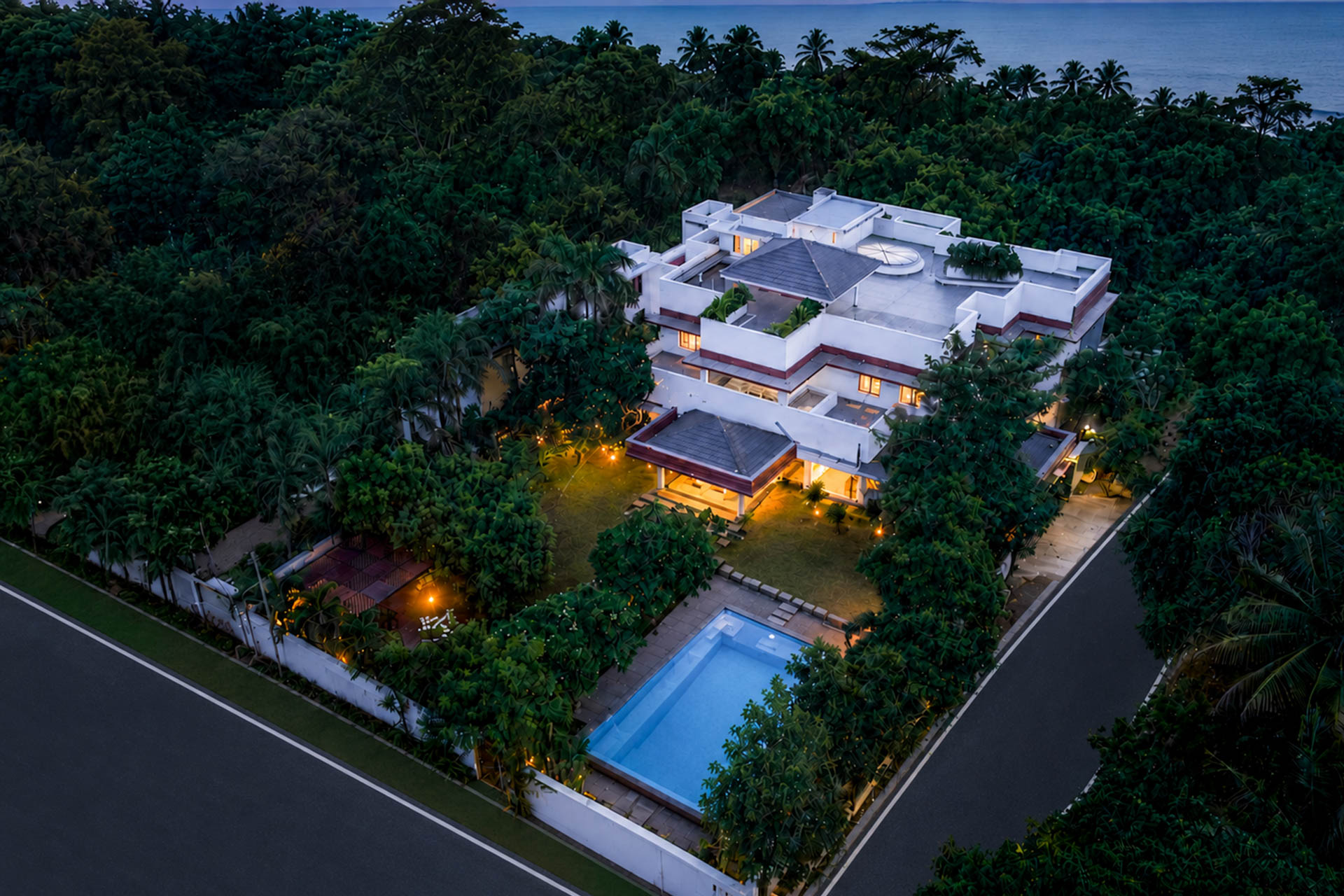
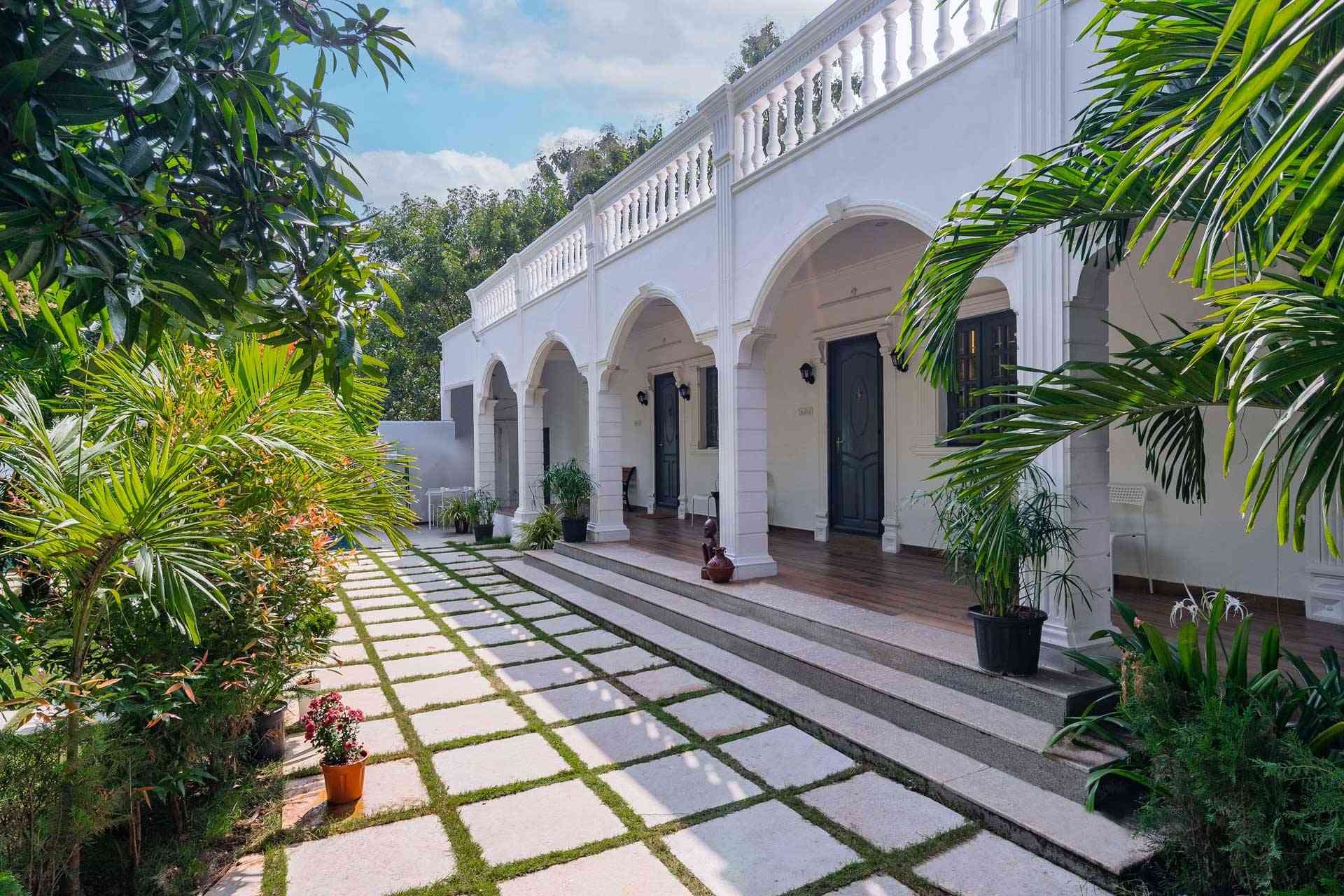
A good villa base matters for Pongal trips because the four day festival spreads across different cities (Chennai city for the capital expression, Madurai region for Jallikattu, Pondicherry for the cultural layer). The 2027 calendar sits across Wednesday to Saturday, which creates a natural 4 day weekend for a Tamil Nadu coastal corridor route trip. Three StayVista picks:

Conclusion: Wishing You a Joyous Pongal Festival Celebration!
Whether you’re lighting a bonfire on Bhogi Pongal or cooking delicious Pongal recipes, this harvest festival promises joy, togetherness, and gratitude. As Pongal 2027 approaches, make plans to celebrate with family, try out new Pongal Festival recipes, and embrace the rich traditions of South India.
From vibrant decorations to steaming pots of Sakkarai Pongal, let the festival remind you of the beauty in simplicity and thankfulness. Happy Pongal Festival!
FAQs: Pongal 2027
Pongal 2027 runs 13 to 16 January 2027. The main Thai Pongal day is Thursday, 14 January 2027. The dates are fixed by the solar calendar because Pongal marks the sun’s transition into the Makara zodiac sign.
Thai Pongal (14 January 2027) delivers the main festival experience with family cooking traditions, kolam decorations in front of houses, and temple visits. For the Jallikattu cultural experience, Mattu Pongal day (15 January 2027) in the Madurai region (Alanganallur, Palamedu, Avaniyapuram) is the main event. For a mix, cover both Thai and Mattu Pongal across a 2 or 3 day trip to the Madurai belt.
Jallikattu is legally regulated under the Tamil Nadu Regulation of Jallikattu Act, 2017, which includes animal welfare protocols and visitor safety requirements. Spectator areas are fenced and ticketed. Avoid the arena fringe where bulls can veer unexpectedly. Not recommended for very young children because of crowd density and noise.
Both festivals mark the same solar event (the sun’s transition into the Makara zodiac sign). Pongal is the Tamil Nadu expression of this transition. Makar Sankranti is celebrated across North India, Gujarat, Maharashtra, and other regions with distinct local traditions (kite flying in Gujarat, Tilgul exchange in Maharashtra, Lohri the previous day in Punjab). All are solar harvest festivals rooted in the same astronomical event.
Yes. Pongal is widely welcoming of visitors. Tamil diaspora communities in Bengaluru, Mumbai, and Delhi organise community Pongal feasts open to all. In Tamil Nadu itself, hotels, resorts, and heritage properties organise Pongal breakfast events open to guests regardless of background. Participating in a village or community Pongal in Tamil Nadu as a visitor is best done through a local contact or organised cultural tour rather than walking in uninvited.
Article by: Ruben Saha
Banner image courtesy Prakash via Unsplash


