
Pilgrimage Travel in India: The Complete July–December 2026 Yatra Calendar (Dates & Routes)
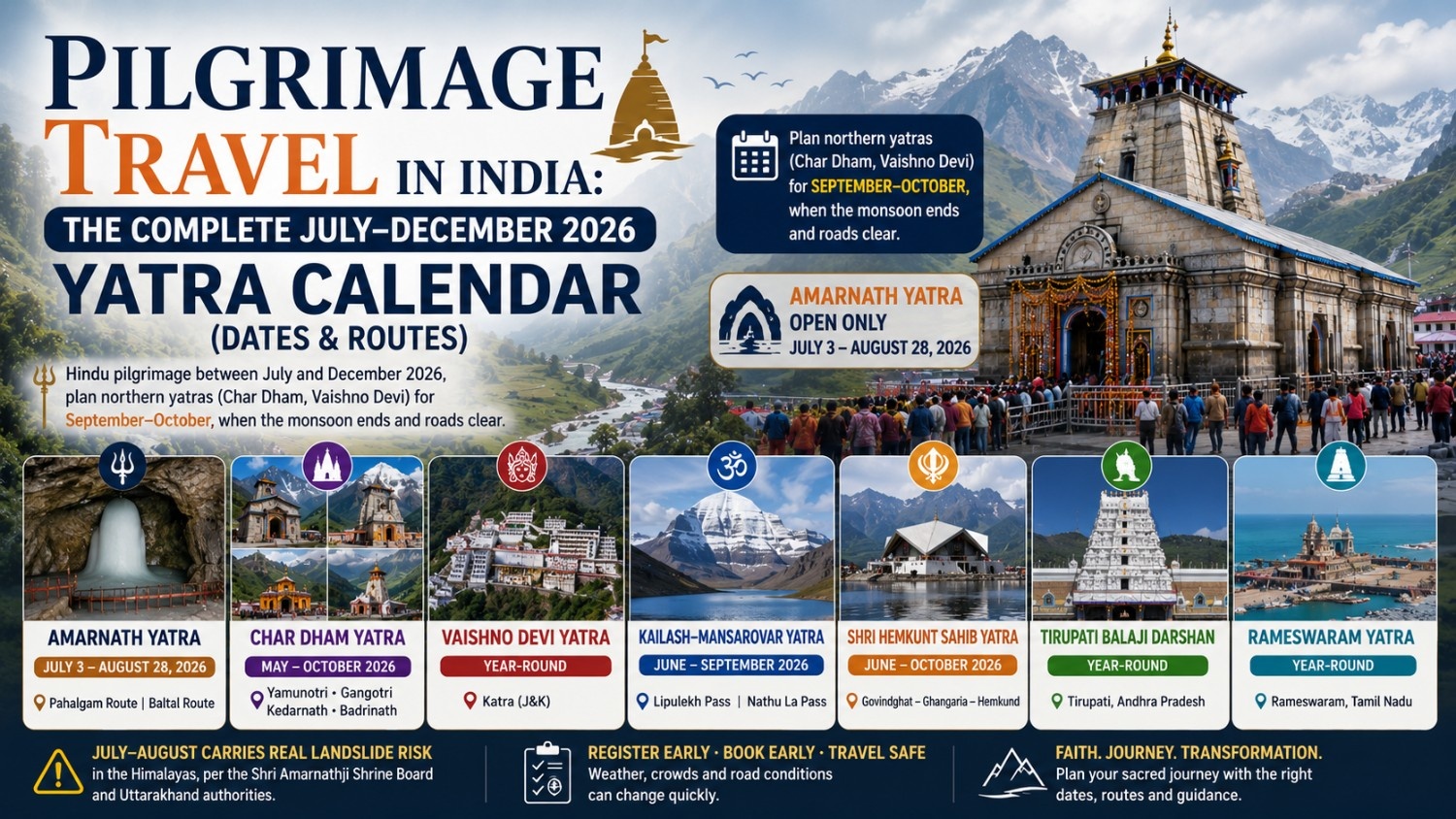
July to December 2026 covers the busiest stretch of Hindu pilgrimage in India. The Amarnath Yatra runs July 3 to August 28, 2026, while the four Char Dham shrines in Uttarakhand close between November 1 and 11. Monsoon affects northern routes July–August; September–October is the safest window.
For Hindu pilgrimage between July and December 2026, plan northern yatras (Char Dham, Vaishno Devi) for September–October, when the monsoon ends and roads clear. Amarnath is open only July 3–August 28. July–August carries real landslide risk in the Himalayas, per the Shri Amarnathji Shrine Board and Uttarakhand authorities.
The second half of 2026 is when the calendar gets crowded and the weather gets complicated. Amarnath opens in early July and shuts in late August. The Char Dham circuit stays open through autumn but begins closing for winter in the first half of November. Vaishno Devi, Tirupati, Shirdi, and Rameswaram run year-round, but each has a “best” window that’s easy to miss if you book on instinct.
This guide gives you the dates, the routes, the crowd patterns, and the weather risks for every major yatra in this period. It also flags the honest trade-off most travellers underestimate: the monsoon. Between July and mid-September, the Himalayan shrines are technically open but genuinely hazardous, with landslides closing highways for hours or days at a time. The plains and southern temples carry far less risk.
Here’s how the season breaks down at a glance:
• July–August: Monsoon. Northern treks (Amarnath, Char Dham) are open but risky. Safer choices sit in the south and west.
• September–October: The golden window. Rain eases, roads reopen, temperatures stay pleasant. Best for Char Dham.
• November: Char Dham closes for winter. A short closing rush, then the doors shut.
• December: Cold, clear, and quiet. Ideal for southern and western shrines; the high Himalayas are snowbound.
A quick word on one keyword many readers search for: there is no Kumbh Mela in 2026. The last Maha Kumbh was held at Prayagraj in early 2025, and the cycle of Kumbh and Ardh Kumbh gatherings does not place a Kumbh in this calendar year. If you came looking for Kumbh dates, the short answer is below in the FAQ.
For broader trip planning, see our
In this Blog
What major Hindu pilgrimages run between July and December 2026?
Eight pilgrimages dominate this period, and their open/closed status shifts month to month. The table below maps each yatra against the four sub-seasons so you can match your travel dates to a shrine that’s actually safe and accessible.
Here’s the at-a-glance status for every major yatra from July through December 2026:
| Pilgrimage | Jul–Aug | Sep–Oct | November | December |
| Amarnath | ⚠️ Open (risky) | ❌ Closed (Aug 28) | ❌ Closed | ❌ Closed |
| Char Dham | ⚠️ Open (avoid) | ✅ Best | ⚠️ Closing (Nov 1–11) | ❌ Closed |
| Vaishno Devi | ⚠️ Caution | ✅ Best | ✅ Good | ✅ Good |
| Shirdi Sai Baba | ✅ Open | ✅ Best | ✅ Good | ✅ Good |
| Tirupati | ✅ Open | ✅ Best (Brahmotsavam) | ✅ Good | ✅ Good |
| Rameswaram | ⚠️ Moderate | ✅ Best | ✅ Good | ✅ Good |
| Pandharpur Wari | ⚠️ Extreme (Jul 25) | — | — | — |
| Varanasi | ✅ Open | ✅ Good | ✅ Best (Kartik Purnima) | ✅ Good |
A few takeaways worth committing to memory before you book anything:
• Amarnath shuts on August 28. There is no September, November, or December option — it’s a summer-only cave shrine.
• Char Dham closes November 1–11. If autumn is your only window, target September–October and avoid the closing-week scramble.
• The monsoon-safe choices are Shirdi, Tirupati, Rameswaram, and Varanasi. Vaishno Devi is doable with caution.
• Peak comfort runs September–December across most of the country — cool, dry, and clear.
According to the Shri Amarnathji Shrine Board, the 2026 Amarnath Yatra is scheduled from July 3 to August 28 — a 57-day window. The cave shrine, at roughly 3,888 metres in the Kashmir Himalayas, is accessible only in summer; heavy snow seals both approach routes for the rest of the year, making this the shortest major-yatra season in India.
Amarnath Yatra 2026: dates, routes, and the monsoon question

The Amarnath Yatra 2026 runs July 3 to August 28, with registration opening April 15 and an RFID card mandatory for every pilgrim (Shri Amarnathji Shrine Board, 2026). The cave temple in Kashmir houses a naturally forming ice Shivling, drawing hundreds of thousands of devotees on a journey that’s equal parts demanding and revered.
!Snow-capped peaks along the Amarnath cave temple trek route in the Kashmir Himalayas
How do the two Amarnath routes compare?
There are two approaches to the cave, and the choice shapes your entire trip. The traditional Pahalgam route is longer but gentler; the Baltal route is short but steep.
| Route | Distance | Duration | Difficulty | Key stops |
| Pahalgam (traditional) | ~46 km | 3–5 days | Moderate | Chandanwari → Sheshnag → Panchtarni → Cave |
| Baltal (shorter) | ~14 km | 1–2 days | Steep / challenging | Narrow paths, icy streams |
Helicopter services operate from both Pahalgam and Baltal toward Panchtarni, cutting hours off the climb. They’re popular with older pilgrims and families — but they’re also weather-dependent. Cloud cover and rain routinely ground flights at short notice, so never build a tight itinerary around a guaranteed chopper slot.
When is the Amarnath crowd lightest?
Crowds peak hard in the middle of the season. If you have flexibility, the closing fortnight is calmer.
• July 3–15: Heavy. Opening-week enthusiasm draws the first big wave.
• July 16–August 10: Peak. Queues at the cave can stretch for hours.
• August 11–28: Moderate to high. The crowd thins as the season winds down.
What weather risks should Amarnath pilgrims plan for?
This is a high-altitude trek during the monsoon, and the conditions are unforgiving. Treat the warnings seriously.
• Monsoon rain: Heavy downpours leave trails slick and visibility poor.
• Landslides: A genuine, recurring hazard that triggers route suspensions.
• Cold nights: Temperatures can drop to 0°C or below even in midsummer.
• Thin air: At around 13,000 feet, altitude sickness is a real concern.
• Helicopter halts: Clouds stop flights without warning.
The Amarnath cave sits at roughly 3,888 metres, where night temperatures fall to or below freezing even in July and August. The Shri Amarnathji Shrine Board requires every pilgrim to carry a Compulsory Health Certificate and obtain an RFID card before the trek, a system designed to track movement and respond faster to weather emergencies on the route.
Safety checklist for the Amarnath temple trek:
1. Follow the daily weather advisory and official instructions without exception.
2. Pack for both cold and rain — warm layers, waterproofs, sturdy boots.
3. Carry water, basic medication, and high-energy snacks.
4. Keep your RFID card and Health Certificate accessible at all times.
Bottom line: If your dates are flexible, weigh the monsoon risk carefully. If you’re committed, prepare for cold and wet conditions and check the forecast every morning.
Char Dham Yatra 2026: opening and closing dates for all four shrines
The four Char Dham shrines in Uttarakhand — Yamunotri, Gangotri, Kedarnath, and Badrinath — opened in late April 2026 and close between November 1 and 11 (Uttarakhand Char Dham Devasthanam Management Board, 2026). They’re open through the monsoon, but July and August carry the highest landslide and road-blockage risk of the year.
The Hindu Char Dham yatra is the spiritual heart of Garhwal Himalaya travel, and “four dham of Hindu” tradition treats the circuit as a single journey. Here are the exact 2026 gates:
| Dham | Opens | Closes (2026) |
| Yamunotri | April 19 | November 11 |
| Gangotri | April 19 | November 10 |
| Kedarnath | April 22 | November 2 |
| Badrinath | April 23 | November 1 |
What are the routes and treks for each Dham?
Two shrines need a real trek; two are road-accessible. Knowing which is which helps you judge the physical demand and the weather exposure.
| Dham | Trek distance | Key risk |
| Yamunotri | ~14 km from Jankichatti | Slippery path during afternoon rain |
| Gangotri | Road-accessible (no major trek) | Afternoon thunderstorms |
| Kedarnath | ~16–18 km from Gaurikund | Altitude; emergency medical teams deployed |
| Badrinath | Road-accessible (no major trek) | Highway closures toward Haridwar |
Why avoid Char Dham in July and August?
The monsoon turns the Garhwal hills into one of India’s most slide-prone landscapes. Roads close for hours, sometimes days, and the afternoon rain makes the open treks treacherous.
• Heavy rainfall affects all four shrines and the connecting roads.
• Landslides are frequent, with blockages lasting 12 to 48 hours or more.
• Highway closures on the Haridwar–Badrinath corridor are routine.
• Afternoon thunderstorms make the Yamunotri and Kedarnath treks dangerous after midday.
Uttarakhand authorities deploy a large fleet of ambulances and health teams along the Kedarnath route each season, reflecting both the altitude and the volume of pilgrims. The standard official guidance during the monsoon is direct: check real-time road status before setting out, and avoid afternoon treks when thunderstorms are most likely.
The honest recommendation: Plan Char Dham for September–October, full stop. The monsoon eases, roads stabilise, and daytime temperatures sit in a comfortable 10–25°C range.
Read More :Char Dham Yatra 2026: Complete Guide with Opening Dates, Registration, Route & Budget
Vaishno Devi Yatra 2026: is the monsoon trek safe?
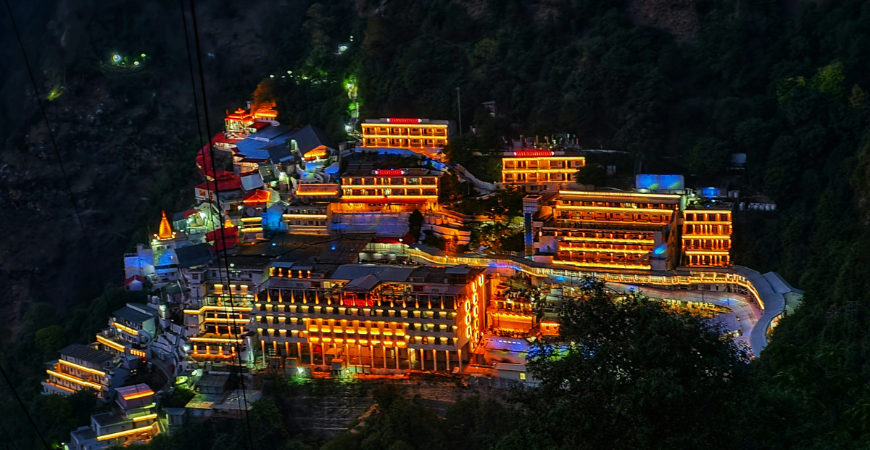
The Mata Vaishno Devi shrine near Katra is open year-round, but the best window is September to March; July–August brings slippery, landslide-prone conditions (Shri Mata Vaishno Devi Shrine Board, 2026). The 13-km trek from Katra to the Bhawan is well-managed, yet monsoon rain demands extra caution.
What are the trek options to the Bhawan?
You can walk the main track, take the newer route via Adhkuwari, or fly part of the way by helicopter. Here’s how the segments break down:
| Segment | Distance | Mode |
| Katra → Bhawan | ~13 km | Trek (main route) |
| Katra → Adhkuwari | ~8 km | Trek (new track) |
| Adhkuwari → Bhawan | ~5 km | Trek |
| Katra → Sanjichhat | ~8 min | Helicopter (approx. ₹2,320 one-way) |
What goes wrong during the monsoon?
The path is paved and patrolled, but heavy rain still creates real hazards on the higher stretches.
• Slippery, muddy sections make footing unreliable, especially after dark.
• Landslide risk has forced temporary closures of the Himkoti track between Adhkuwari and Bhawan during severe weather in past seasons.
The Shri Mata Vaishno Devi Shrine Board maintains designated halt points in the safest zones along the route and closes the newer Himkoti track during dangerous weather. Pilgrims are advised to wear non-slip footwear and carry both rain protection and sun cover, as Himalayan-foothill weather shifts quickly between the two within a single day.
If you go in July–August: wear proper trekking shoes, carry rain gear, and don’t rush the climb in poor visibility.
Pandharpur Wari 2026: the most crowded day of the season

The Pandharpur Ashadhi Wari culminates on Ashadhi Ekadashi, July 25, 2026, when lakhs of Warkari pilgrims converge on the Vithoba temple in Maharashtra. It’s one of India’s densest pilgrimages, with palanquin processions from Dehu and Alandi merging on the road to Pandharpur.
This isn’t a Himalayan trek — it’s a centuries-old walking procession across the Maharashtra plains, and the crowd density is the defining feature. Mobility near Pandharpur on the day itself is severely limited.
The two main processions follow these corridors:
• Dehu (Sant Tukaram) → Pune → Jejuri → Akluj → Pandharpur
• Alandi (Sant Dnyaneshwar) → Pune → Jejuri → Akluj → Pandharpur
Because it falls in peak monsoon, expect rain throughout. Carry waterproofs, wear comfortable broken-in shoes, and keep water and essentials on you, since stepping out of the crowd to resupply isn’t always possible. Families travelling with elderly members or young children should plan around the periphery rather than the core procession.
Which pilgrimages are safe during the July–August monsoon?
For monsoon-safe Hindu pilgrimage in July–August 2026, the strongest options are Shirdi, Tirupati, and Rameswaram — temple towns in the south and west where rain disrupts comfort but rarely closes routes. Unlike the Himalayan shrines, these carry no landslide or altitude risk.
Here’s why each works when the north is washed out:
| Pilgrimage | Why it’s safe in monsoon | Notes |
| Shirdi Sai Baba | Temple fully accessible; no trek | Open ~21 hours daily (4 AM–11:15 PM) |
| Tirupati | Year-round; moderate monsoon | Brahmotsavam falls in September |
| Rameswaram | Temple open; only outdoor sites affected | Best months October–April |
Shirdi’s Sai Baba temple in Maharashtra keeps darshan open roughly 21 hours a day, from 4:00 AM to 11:15 PM, and remains fully accessible through the monsoon. With no trek and no altitude involved, it’s among the most reliable Hindu pilgrimage sites for July–August travel, when northern shrines face landslide closures and weather-grounded helicopter services.
Worth noting for Shiva pilgrimage seekers specifically: while Amarnath and Kedarnath are the headline Shiva shrines of the north, Rameswaram’s Ramanathaswamy temple — one of the twelve Jyotirlingas — stays open and safe through these months. It’s a practical alternative for devotees set on a Shiva pilgrimage but wary of monsoon mountains.
September–December 2026: the peak season for northern yatras
September through December is the most comfortable stretch for Hindu pilgrimage in India, with clear roads, low rain, and pleasant temperatures across most regions. It’s the only realistic window for Char Dham after the monsoon, and the prime season for Tirupati, Rameswaram, and Varanasi.
Char Dham: September–October only
Once the monsoon withdraws, the Garhwal roads clear and the four shrines enter their best phase — but it’s brief. Snow starts blocking the high passes by early November, which is why the gates close November 1–11. Plan September–October and book early; don’t gamble on the final closing week.
Tirupati Brahmotsavam, September 2026
Tirupati’s nine-day Brahmotsavam in September is the temple town’s grandest festival, drawing peak crowds to the Sri Venkateswara shrine. The weather is workable and the atmosphere is extraordinary, but expect long darshan queues — book your TTD slot well ahead.
Rameswaram and the post-monsoon south, October–December
Rameswaram comes into its best season from October, when the Tamil Nadu coast dries out and the Dhanushkodi confluence becomes safe to visit again. October to April is the comfortable window for the whole far-southern circuit.
Varanasi and Kartik Purnima, November 2026
Varanasi peaks around Kartik Purnima in November, when the Ganga ghats fill for the grand evening aarti and Dev Deepawali lamps. October to March is the city’s best season — cool mornings, manageable crowds outside festival nights, and the river at its most atmospheric.
December: cold, clear, and quiet
December is winter-pilgrimage season. The high Himalayas are snowbound and Char Dham is shut, but the south, west, and the plains are at their best. It’s the ideal month for Tirupati, Rameswaram, Varanasi, and a cautious Vaishno Devi trip — cool days, cold nights, and clear skies throughout.
Char Dham’s closing dates are dictated by snowfall, not administration: Badrinath shuts first on November 1, followed by Kedarnath on November 2, Gangotri on November 10, and Yamunotri on November 11. After these dates, the deities’ symbolic winter seats shift to lower-altitude temples, and the high shrines remain inaccessible until the gates reopen around late April.
Festival calendar: key pilgrimage dates, July–December 2026
This period overlaps with several major festivals that swell crowds and shape access. Use this calendar to either join the gathering or deliberately avoid the densest days.
| Date / month | Festival | Pilgrimage impact |
| July 3 – August 28 | Amarnath Yatra | 57-day Shiva pilgrimage in Kashmir |
| July 25 | Ashadhi Ekadashi (Pandharpur Wari) | Extreme crowds in Maharashtra |
| Late July | Guru Purnima (Shirdi) | Major festival at the Sai Baba temple |
| September | Tirupati Brahmotsavam | Nine-day peak event |
| September–October | Pitru Paksha (Gaya) | Shraddha rites; busy Gaya |
| November | Kartik Purnima (Varanasi) | Grand Ganga aarti, Dev Deepawali |
| November 1–11 | Char Dham closing | All four shrines shut for winter |
A note for those tracking the wider yatra 2026 picture: this calendar is heavily weighted toward summer-autumn. The Himalayan shrines compress their entire season into these months, while the southern temples stay steady year-round. There’s no Kumbh Mela in the mix — the next gatherings in that cycle fall in later years.
Safety tips and a preparation checklist for 2026 yatras
Mountain yatras and plains temples demand very different kits. The single biggest packing mistake is treating a Himalayan trek like a temple-town visit. This table sorts what you actually need by destination type.
| Item | Mountain yatras | Plains temples |
| Warm clothing | ✅ Required (0°C nights) | ❌ Not needed |
| Rain gear | ✅ Required (monsoon) | ✅ Recommended |
| RFID card | ✅ Amarnath mandatory | ❌ Not needed |
| Health certificate | ✅ Amarnath mandatory | ❌ Not needed |
| Trekking shoes | ✅ All trek routes | ✅ Comfortable footwear |
| Water & essentials | ✅ Carry 2L+ | ✅ Carry water |
| Sun protection | ✅ Hat + sunscreen | ✅ Hat |
| Advance booking | ✅ Amarnath / Char Dham | ✅ Tirupati (TTD quota) |
Monsoon safety (July–August):
• Check the daily weather advisory before setting out.
• Avoid afternoon treks, when thunderstorms peak.
• Carry rain gear and warm layers together — mountain weather flips fast.
• Verify real-time road status, especially in Garhwal.
Peak-season safety (September–December):
• Book quotas early for Tirupati and any helicopter segments.
• Pack for cold nights — temperatures hit 0°C in the high north.
• Build buffer days into the itinerary for travel delays.
A practical pattern most first-time pilgrims miss: in the Himalayas, mornings are usually clear and afternoons turn dangerous. Starting treks at dawn and finishing by early afternoon — well before the typical thunderstorm window — meaningfully lowers the risk of being caught on an exposed slope during rain. It’s the simplest safety lever available, and it costs nothing.
Where to stay near the major 2026 pilgrimage routes
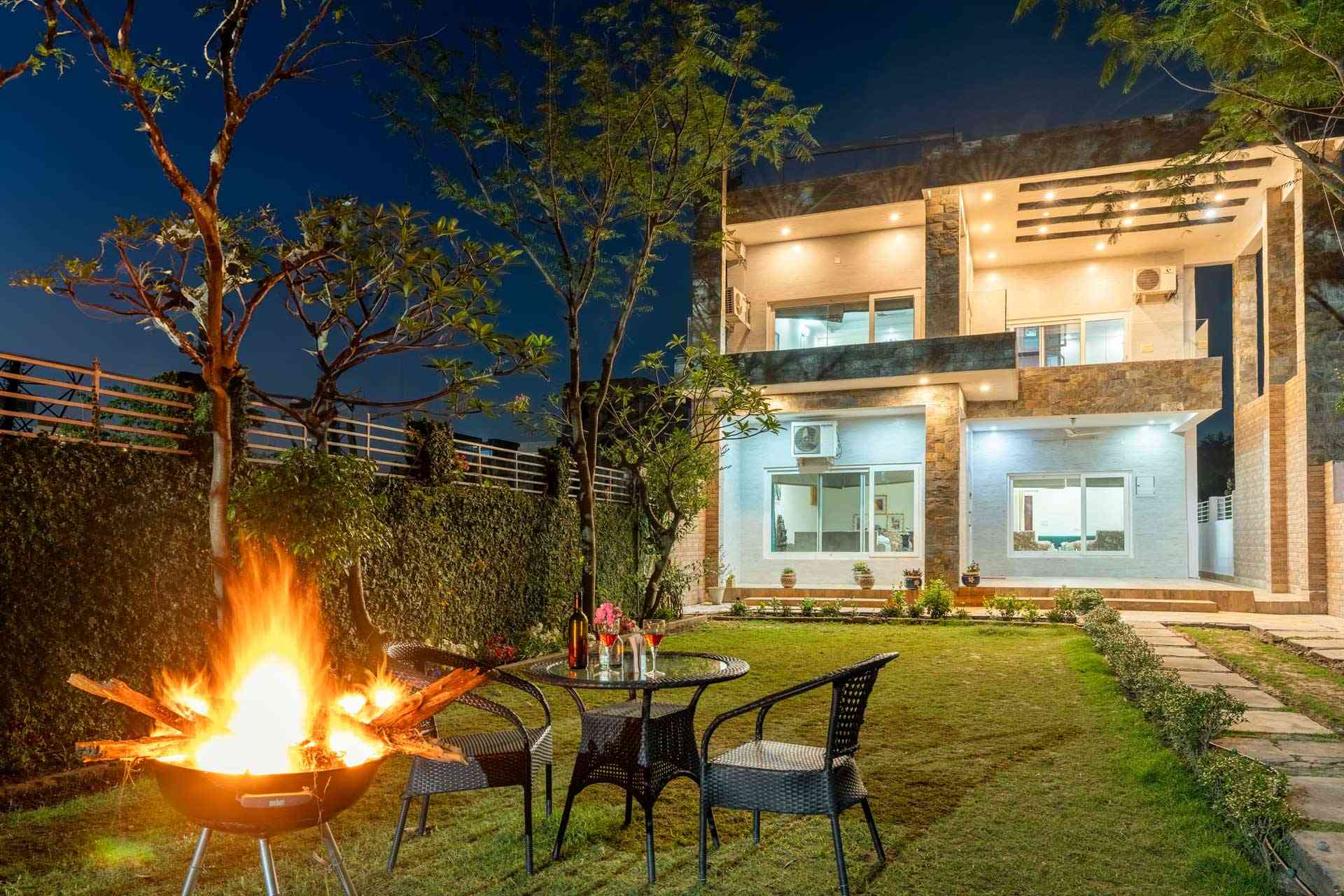
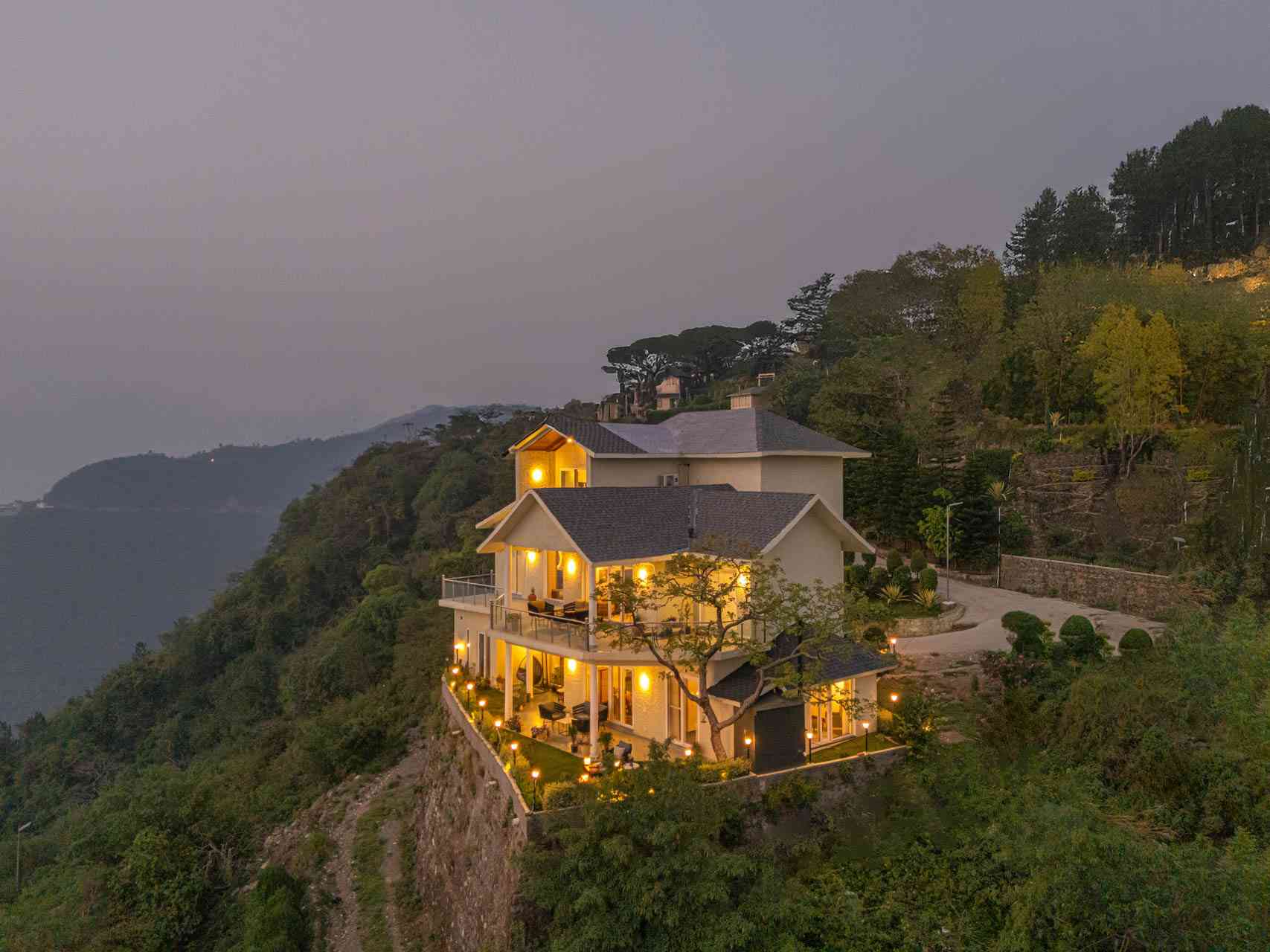
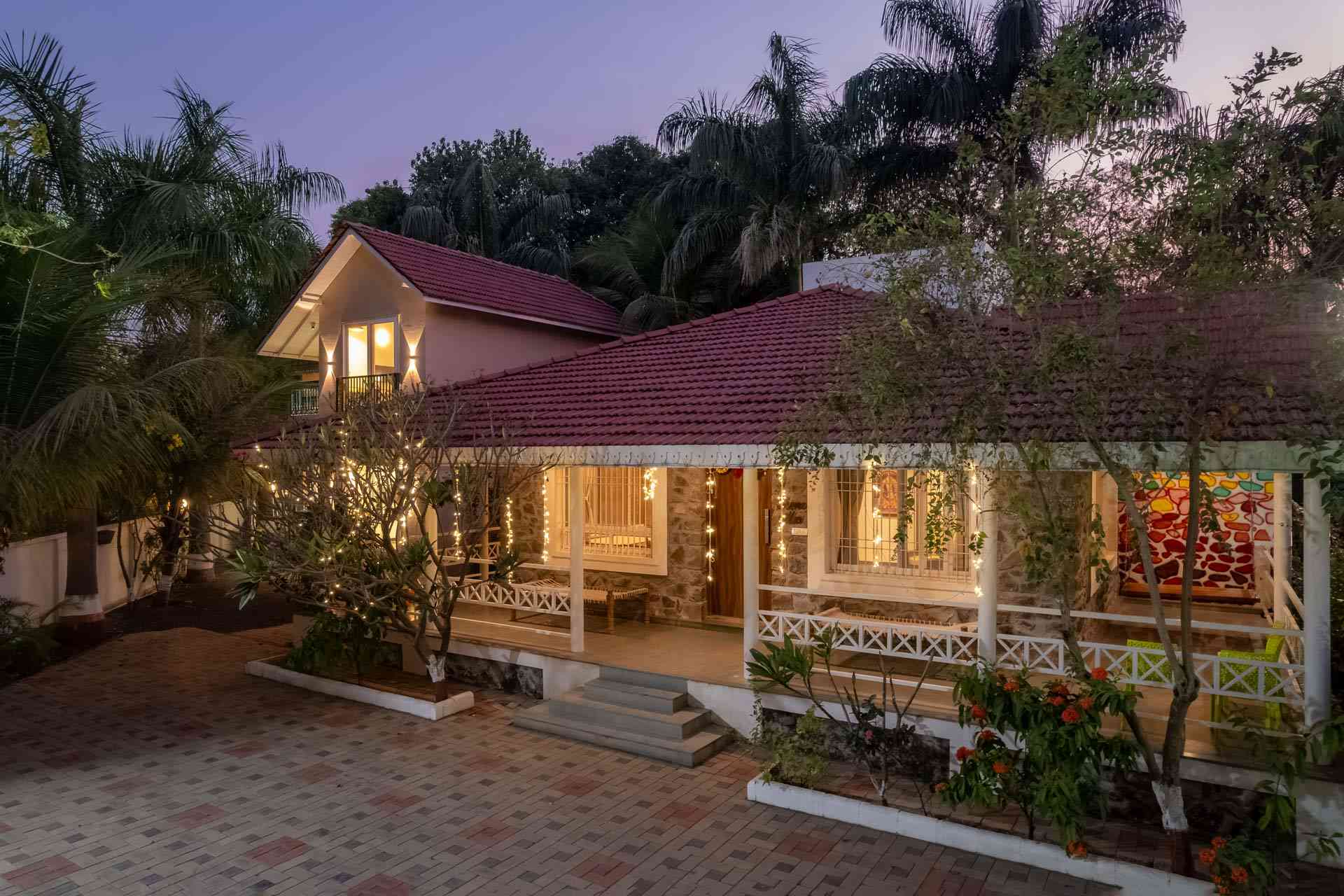
A comfortable base matters more on a yatra than most pilgrims expect — high-altitude treks need acclimatisation before and recovery after, and temple towns reward an early, rested start. StayVista runs private-pool villas, riverside homes, and family homestays close to the main pilgrimage hubs, which work well for groups travelling together.
Best Stays For Hindu Pilgrimage in 2026?
A few specific homes that suit pilgrim groups, grouped by the route they serve:
For Char Dham (Rishikesh base):
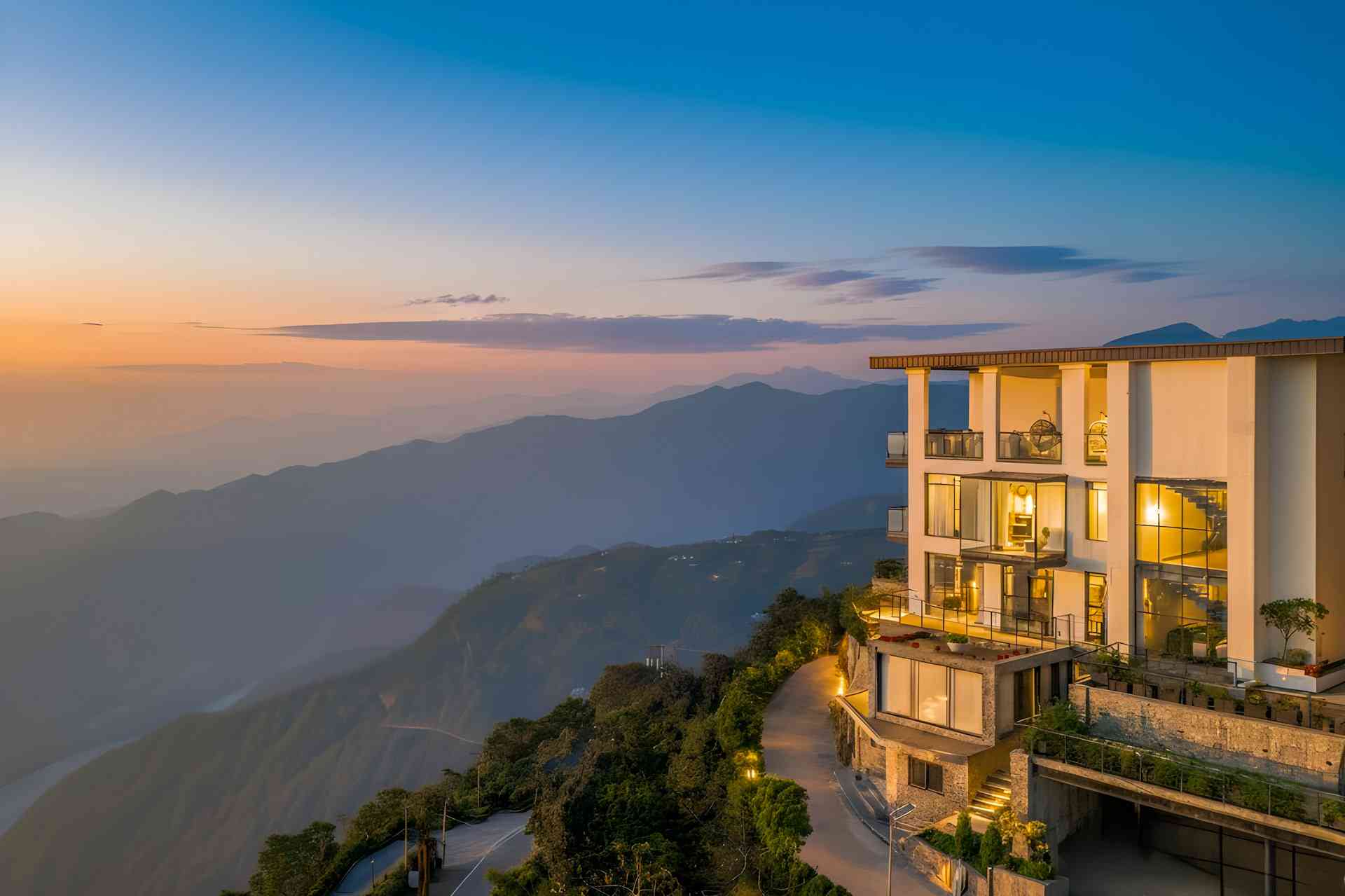
For Shirdi (Nashik base):

For Varanasi:
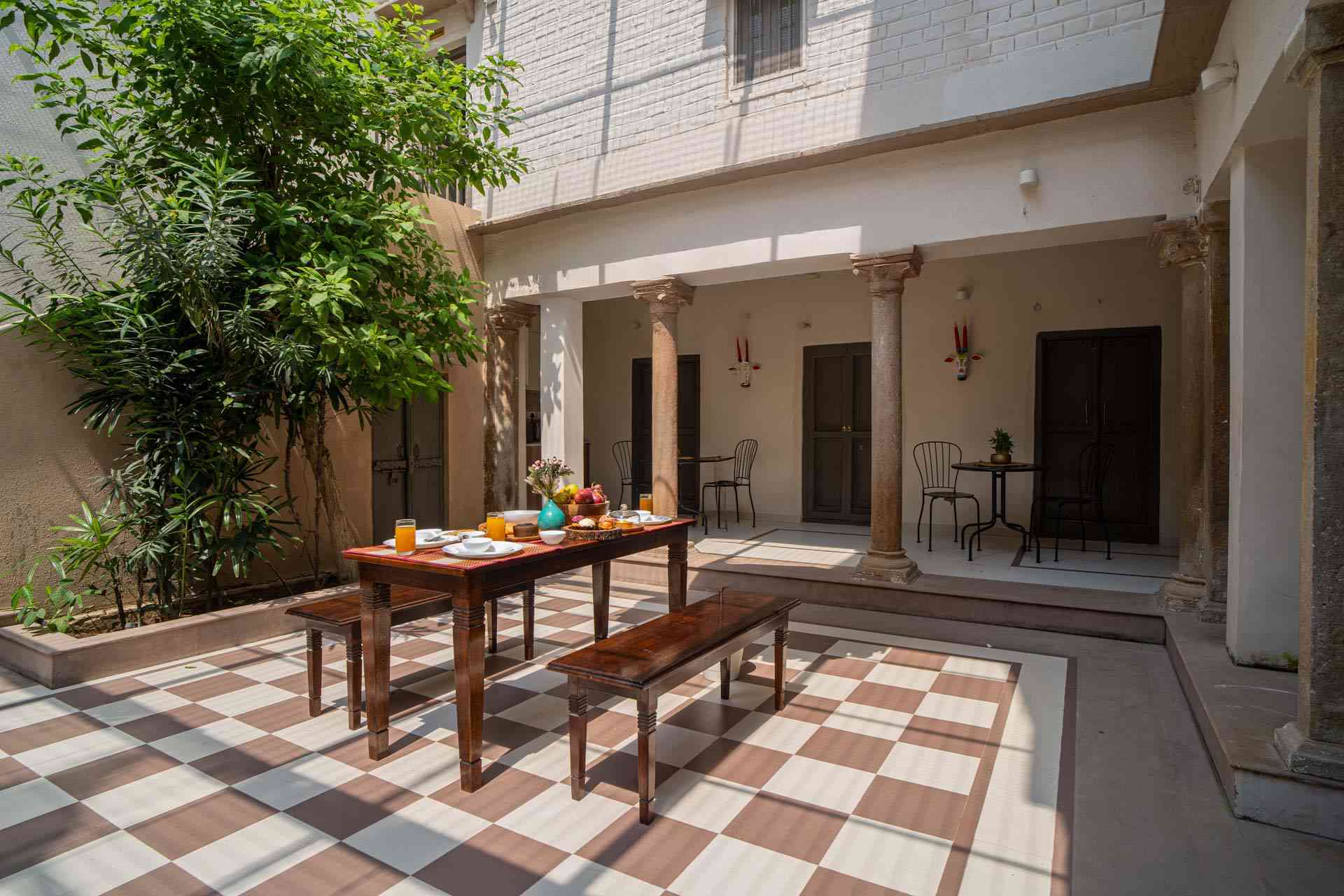 Vintage Varanasi by the Ganges
Frequently asked questions
The Amarnath Yatra 2026 runs July 3 to August 28 — a 57-day window, per the Shri Amarnathji Shrine Board. Registration opens April 15, and every pilgrim needs an RFID card and a Compulsory Health Certificate to trek.
Yes. All four Char Dham shrines opened in late April 2026 and stay open through the monsoon. But July–August is best avoided — heavy rain triggers landslides that block roads for hours or days across the Garhwal region.
It’s open year-round but caution is advised in July–August. Rain makes the 13-km trek slippery and raises landslide risk on higher sections. The shrine board may temporarily close the Himkoti track during severe weather.
September–October is the safest post-monsoon window for Char Dham in 2026, with clear roads and pleasant 10–25°C days. May–June works too, but July–August brings the heaviest rain and landslide risk of the year.
The four shrines close on staggered dates: Badrinath on November 1, Kedarnath on November 2, Gangotri on November 10, and Yamunotri on November 11. Snowfall seals the high routes until they reopen around late April.
Yes. The Shirdi Sai Baba temple stays open roughly 21 hours daily, from 4:00 AM to 11:15 PM, and remains fully accessible through the monsoon. With no trek or altitude involved, it’s a reliable monsoon-season pilgrimage.
Vaishno Devi, Shirdi, Tirupati, Rameswaram, and Varanasi are open year-round. The Himalayan shrines — Amarnath and the Char Dham — are seasonal, accessible only in the warmer months because winter snow seals their routes.
No. There is no Kumbh Mela in 2026. The last Maha Kumbh was held at Prayagraj in early 2025. The Kumbh Mela is a rotating Hindu pilgrimage gathering held at Prayagraj, Haridwar, Ujjain, and Nashik on a roughly 12-year cycle.
Yes. The Ramanathaswamy temple stays open through the monsoon. Indoor darshan is unaffected, but outdoor sites like Dhanushkodi and Agni Theertham can be disrupted by rain. The best months for Rameswaram are October to April.
There’s no fixed closure date — roads block intermittently whenever heavy rain triggers landslides, especially on the Haridwar–Badrinath corridor. Closures can last 12 to 48 hours. Always check real-time road status before travelling in July–August.
For Vaishno Devi, Amarnath and Rameswaram: browse Jammu homestays for Katra, Pahalgam villas for the traditional Amarnath route, and Rameswaram cottages for the southern circuit.
How to choose a base for a Himalayan yatra
For the Char Dham circuit, Rishikesh and Haridwar are the natural launch points — close to the highways, low enough for easy acclimatisation, and well-placed for a rest stop on the way back down. A few practical pointers:
• Acclimatise before you climb. Spend a night at a lower-altitude base like Rishikesh before heading into Garhwal, especially for Kedarnath’s 16–18 km trek.
• Book recovery nights too. A private home with a kitchen and garden is a gentler landing after a hard descent than a roadside hotel.
• Travel as a group. Multi-bedroom villas split well across a family pilgrimage and keep everyone on one schedule.
StayVista lists over 1,200 properties across India, Sri Lanka, and the Maldives, including private homes within reach of the Char Dham highways and the Vaishno Devi base at Katra. For pilgrim groups, a self-contained villa with a kitchen suits early-morning starts and special dietary needs better than conventional hotel dining.
Browse the full map of stays on the StayVista destinations page to match a property to your exact route.
Conclusion: how to time your 2026 yatra
The right month matters as much as the right shrine. Here’s the season distilled:
• July–August: Monsoon. Skip Amarnath and Char Dham if you can; choose Shirdi, Tirupati, or Rameswaram instead. Vaishno Devi is fine with caution.
• September–October: The golden window. Best for Char Dham — but book early, before the November closing rush.
• November: Char Dham closes between the 1st and 11th. Travel before November 1 to be safe.
• December: Cool, clear, and calm. Ideal for the southern and western shrines; the high Himalayas are shut.
If you’re planning a Hindu pilgrimage between July and December 2026, September–October is your strongest window for the northern yatras, especially Char Dham. For monsoon months, lean on Shirdi, Tirupati, and Rameswaram, where rain affects comfort rather than safety. Avoid July–August for Amarnath and Char Dham, where landslide risk is real. And December rewards anyone seeking a quieter, cooler pilgrimage in the south.
Ready to plan where you’ll stay along the route? See the where to stay section above for StayVista homes near Rishikesh, Katra, Nashik, and Varanasi.