

Hyderabad weekend monsoon getaways in 2026: 3-Day Araku, Coorg & Wayanad Itineraries
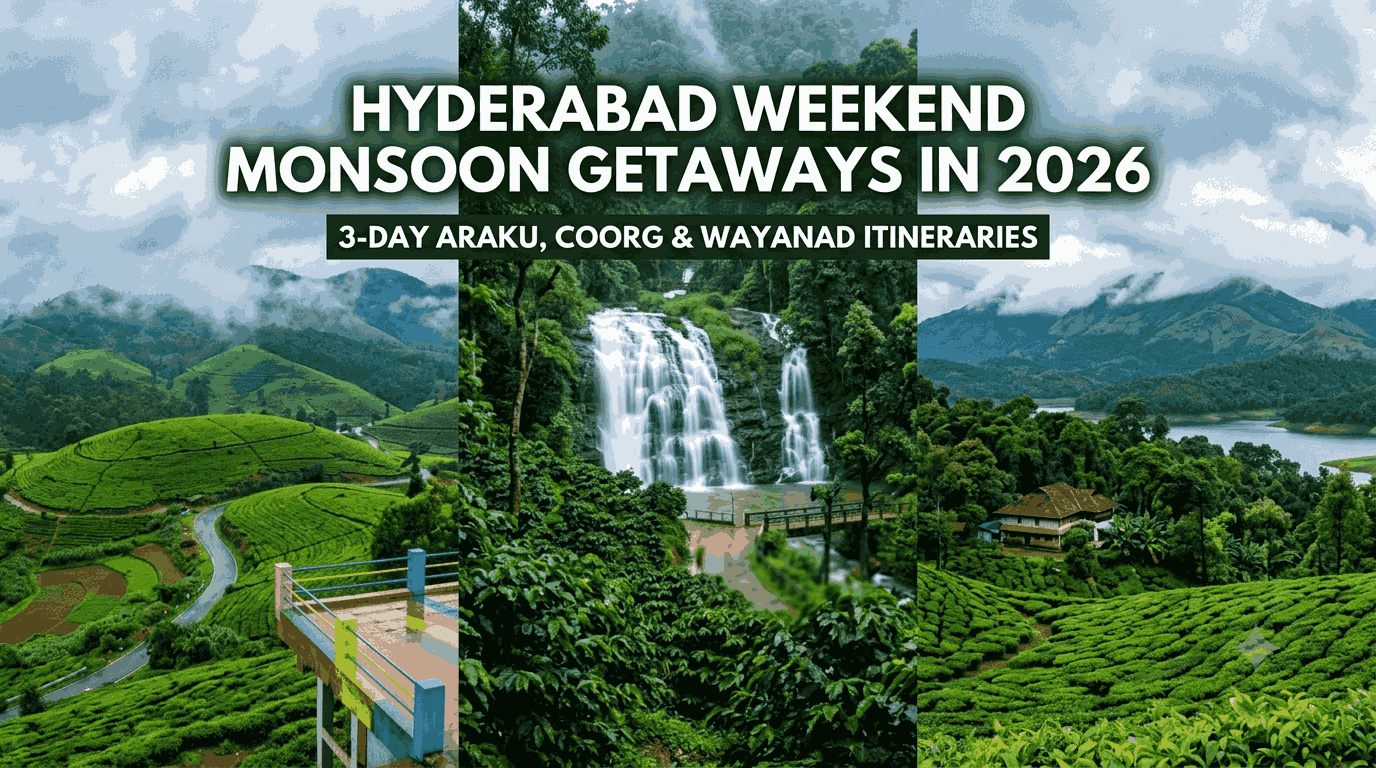
When the rain reaches the Deccan Plateau, Hyderabad changes overnight. The hot, dry summer air gives way to cool winds and grey, rain-heavy clouds. For many in the city, that’s the cue to escape. A three-day break is enough to reach the hills of Andhra Pradesh, the coffee estates of Karnataka, or the forests of Kerala — without burning through your annual leave.
For many residents, this seasonal change is the perfect time to plan short journeys into the surrounding states. Finding the right Hyderabad monsoon weekend getaways can turn a regular holiday into an unforgettable experience where you can witness nature at its most vibrant. Choosing a three-day break allows you to reach deep into the hills of Andhra Pradesh, the coffee estates of Karnataka, or the historic forests of Kerala without using up too much annual leave. These short breaks give you a chance to breathe clean air, watch the rainfall from a dry porch, and learn about unique local traditions that remain hidden during the crowded winter months.
The best monsoon weekend getaways from Hyderabad are Araku Valley (a scenic train ride through 50-plus Eastern Ghats tunnels), Coorg (private coffee-estate stays), and Wayanad (the 8,000-year-old Edakkal Cave petroglyphs). All three sit within a 3-day, low-leave window and look their greenest June–September.
In this Blog
Planning Your Hyderabad Monsoon Weekend Getaways
The monsoon runs June to September across the Western and Eastern Ghats, and that’s exactly when these hills look their best. Plan a Thursday-evening departure, pack waterproof bags, and expect slower but more beautiful mountain roads. Rates also dip in the rainy months, so a 3-day trip costs less than in peak winter.
Preparing for a trip during the rainy season requires a slightly different approach than planning a summer holiday. The weather can change quickly, bringing sudden heavy downpours that make the mountain roads slow but incredibly beautiful. For those looking at Hyderabad monsoon weekend getaways, the timing is highly essential to make the most of the three days. Most people choose to leave the city on a Thursday night via an overnight train or a late-evening flight, ensuring they wake up close to their destination on Friday morning. This smart scheduling provides three full days of sightseeing before returning on Sunday night.
Packing requires plenty of light clothing that dries quickly, sturdy shoes with a strong grip for walking on wet stones, and reliable waterproof bags to protect your phones and cameras from the moisture. It is also a good period to look for special discounts, as many premium resorts and homestays reduce their prices during these months, allowing you to enjoy luxury properties at a fraction of their usual winter cost. By mapping out your route around specific historic towns and natural formations, you can ensure a smooth, highly educational journey that reveals the true character of the southern hills.
The Green Hills of Andhra: A Complete 3-day Araku Itinerary
The Araku train from Visakhapatnam climbs through the Eastern Ghats via 50-plus tunnels and 80-odd bridges (go2india), making the journey itself the headline experience. Over three days you’ll ride the rails, walk the Borra Caves, and wake to coffee grown under silver oaks.
The journey from the coastal plains up into the Eastern Ghats is one of the most scenic rail trips in India. Following a carefully structured 3-day Araku itinerary allows visitors to see the dramatic change in the environment as the train passes through more than fifty mountain tunnels. In the rainy season, the hillsides are covered in wild ferns and small water streams that drop directly next to the railway tracks. This valley is home to indigenous communities who have maintained their unique lifestyle for centuries, providing a cultural experience that goes far beyond simple sightseeing.
Day 1
The first day of this plan begins with the famous morning train ride from Visakhapatnam, which climbs steadily into the Ananthagiri hill range. As you reach the valley, the first stop is the village of Borra, famous for its ancient limestone caves. A fascinating thing about the Borra Caves during the rain is that the temperature inside stays warm and dry, even when the outside rock faces are cold and wet. Visitors can stand inside the massive cavern and listen to the muffled sound of the rain hitting the mountain peak above. After checking into your accommodation, the afternoon can be spent visiting the local tribal museum, where you can see traditional hunting gear, old metal ornaments, and clay models of tribal homes. The evening is a perfect time to try the famous local bamboo chicken, which is cooked inside a hollow bamboo shoot over an open wood fire without using any oil or water, resulting in a unique smoky taste.
Day 2
Moving into the second day, the focus shifts to the deep agricultural roots of the valley, particularly the organic coffee plantations managed by local tribal cooperatives. One unique feature of coffee cultivation here is that the plants are grown under the shade of massive silver oak trees, which are wrapped in black pepper vines, creating a double crop on the same patch of land. Things to do in Araku coffee estates include joining a guided walk with a local farmer who can show you how the heavy monsoon rain helps the small white coffee blossoms turn into green berries. Later in the day, you can visit the Chaparai water cascade, where the river water slides over wide, flat stone beds.
Day 3
The third day of the 3-day Araku itinerary is dedicated to reaching the highest viewpoints and spectacular waterfalls that achieve their full strength during the rainy months. Early in the morning, the journey takes you to the Galikonda Viewpoint, which is the highest geographic point in the entire district. In the monsoon, this spot provides an incredible sight where the clouds sit directly inside the valley below the mountain peaks, making you feel as if you are standing above a sea of white fog. From there, the route moves towards the Katiki Waterfalls, which are fed by the Gosthani River. Reaching the base of these falls involves a short walk through the jungle paths, where you can see wild ginger and mountain orchids growing along the wet rocks. After spending the morning by the water, the afternoon is spent visiting the Padmapuram Botanical Gardens to see the historic rose gardens and rare trees before boarding the evening train back to the coast.
Where to Stay near Araku Valley?
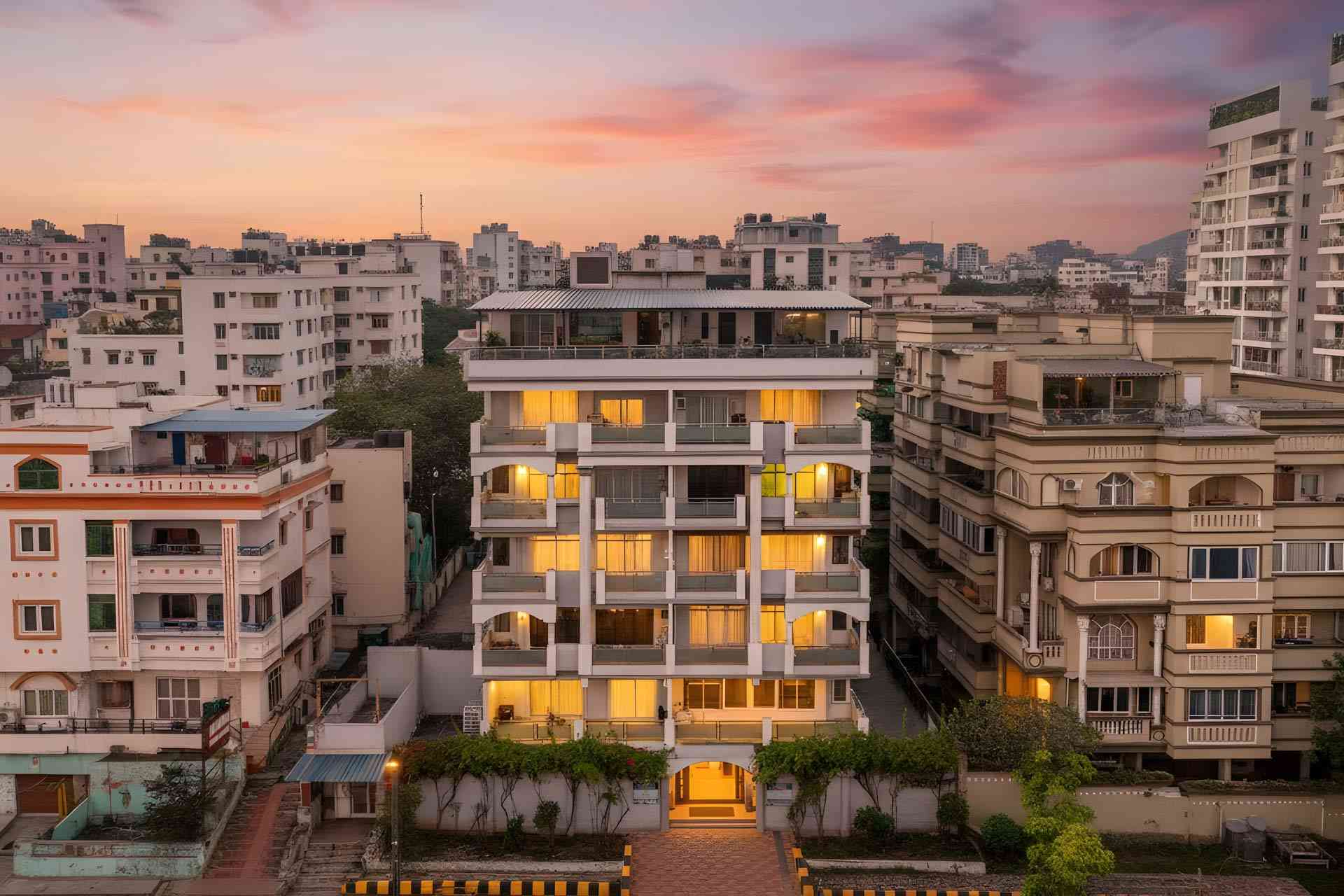
Araku’s hospitality is still largely cottage- and resort-based, so many travellers prefer to anchor their trip in Visakhapatnam — the start point of the scenic train ride — and head up into the valley for day trips. StayVista’s luxury villas in Visakhapatnam make a comfortable base for your arrival and return nights, with spacious rooms and easy access to the railway station before your early-morning climb into the Ananthagiri hills. If you’d rather wake up inside the valley, a comfortable cottage or government tourism resort with large windows facing the mountain ridges lets you watch the morning fog settle over the paddy fields.
Superior Rooms @ StayVista Residences – RK Beach
The Coffee Estates of Karnataka: A Detailed 3-day Coorg itinerary
Moving towards the Western Ghats of Karnataka, Coorg provides a completely different style of holiday centered around sprawling coffee estates and ancient warrior traditions. A 3-day Coorg itinerary during the wet months is ideal for people who enjoy the sound of heavy rain hitting the roof while surrounded by thick green woods. The district, also known as Kodagu, receives a massive amount of rainfall between June and September, which causes the local waterfalls to grow into powerful torrents and fills the air with the rich, earthy scent of rotting leaves and fresh cardamom. The local culture is deeply tied to the land, and visitors will find that the hospitality here is warm and highly personal.
Day 1:
Your first day in Coorg begins with a drive from the nearest airport or railway station, passing through dense bamboo groves and rubber plantations. The afternoon is best spent settling into a traditional estate bungalow or a private villa in Coorg that sits deep within a working plantation. Things to do in Coorg on this opening day include taking a quiet walk along the private paths of your estate, where you can see how black pepper vines climb high up the jungle trees. The local hosts often serve a traditional evening meal featuring Kachampuli, a thick, dark vinegar made from the fruit of the Garcinia gummi-gutta tree. This ingredient gives local vegetable and meat dishes a distinct sour and smoky flavour that you will not find anywhere else in India.
Day 2:
Day two is dedicated to seeing the major historical and natural landmarks of the region. The morning should start with a visit to the Abbey Falls, where the water drops from a height of seventy feet into a deep stone pool. The force of the water during the monsoon creates a thick mist that covers the hanging bridge facing the falls. After the waterfall visit, the itinerary takes you to the historic town of Madikeri to check out the old fort. This fort has an interesting design because it houses a palace, a temple, and a church all within the same stone walls. Local farmers here use a unique traditional method to check their soil health during the rains by observing the movement of specific mountain beetles, a piece of local knowledge passed down through generations.
Day 3:
The third day brings a shift in scenery as you travel down to the plains of Bylakuppe, which is one of the largest Tibetan settlements in India outside of Dharamshala. The main attraction here is the Namdroling Monastery, also known as the Golden Temple. Inside the massive prayer hall, three giant golden statues of Buddha look grand against the colourful wall paintings. A unique experience here is watching the young monks practice their daily debating sessions in the courtyard, where they use firm hand-claps to emphasize their philosophical points. This mix of Tibetan Buddhist peace and the heavy rain creates a steady background sound, making it a deeply memorable final stop before heading back to the city.
Where to Stay in Coorg?
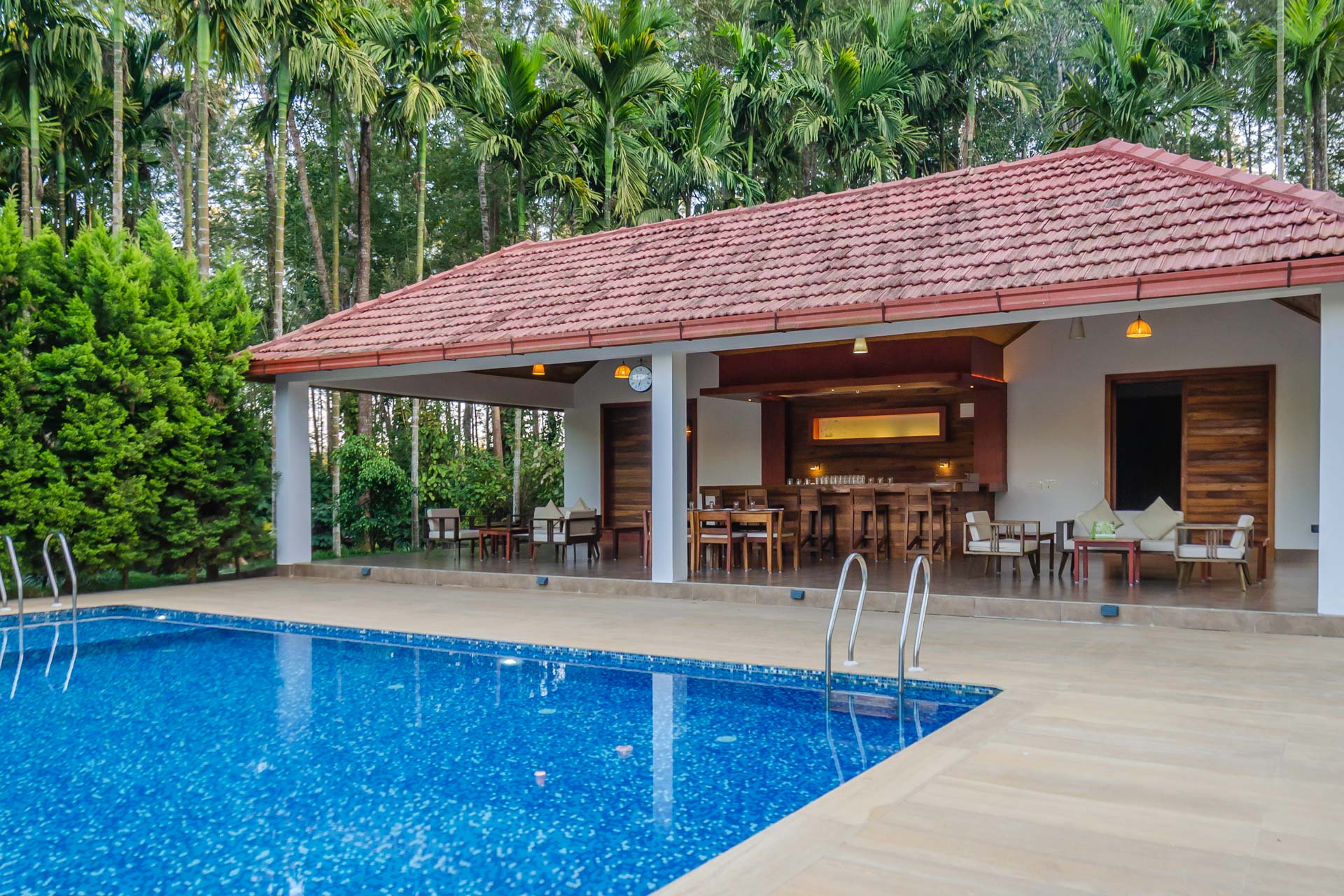
For your stay, picking a secluded estate home with an open fireplace can make your nights highly comfortable, as the mountain temperatures drop significantly during a storm. StayVista has a strong line-up of luxury villas in Coorg with private pools set right inside working plantations. Tall Silver, a 2BHK villa ringed by silver oak trees in a private coffee estate, is ideal for couples who want to wake up to the smell of fresh cardamom and rain.
Tall Silver
The Historic Forests of Kerala: An Expert 3-day Wayanad itinerary
Wayanad is a northern district of Kerala that sits high on the Western Ghats, characterized by its deep tribal history, spice gardens, and high peaks that are often hidden inside rain clouds. An expert 3-day Wayanad itinerary provides a perfect balance between adventure and relaxation for people looking for Hyderabad weekend monsoon getaways in 2026. The region becomes incredibly alive during the rainy months, and the local tourism board even organizes a special monsoon festival called Splash to celebrate the arrival of the rains with mud sports and cultural programmes.
Day 1:
Day one of your Wayanad adventure involves climbing up the mountain roads from Kozhikode, crossing nine sharp hairpin bends that provide fantastic views of the valley when the clouds clear for a moment. The first major stop is the Edakkal Caves, which are located on the Ambukuthi Hills. These are not regular caves but a natural rock cleft where massive boulders have wedged together to create a stone shelter. A fascinating feature of Edakkal is the presence of Neolithic petroglyphs, or rock carvings, that date back more than 8,000 years.
Day 2:
Day two is focused on water and wildlife. The morning begins with a unique bamboo rafting trip on the quiet Pozhuthana River. Unlike modern plastic boats, these rafts are constructed entirely out of local bamboo poles tied together with coir ropes, and a local guide uses a long pole to push the raft smoothly through the water. The gentle rain hitting the river surface creates a peaceful sound as you float past giant ferns and wild grass. In the afternoon, the plan takes you to the ancient Jain temple at Sultan Bathery. This temple has a highly unusual history; built in the 14th century using large granite blocks, it was later taken over by Tipu Sultan in the 18th century and used as his primary military ammunition store, which is how the town got the name “Bathery” or Battery.
Day 3:
Day three is all about relaxation and enjoying the local wellness traditions. Wayanad is famous for its Ayurvedic centres, and the rainy season is considered the absolute best period for these treatments because the high humidity causes the pores of the skin to open fully, allowing the herbal oils to be absorbed deeply into the body. You can spend your morning receiving a traditional oil massage while listening to the heavy downpour outside. The afternoon can be spent walking through the local spice gardens to see how fresh vanilla, green cardamom, and black pepper are harvested during the wet months, before preparing for your return journey.
Where to Stay in Wayanad
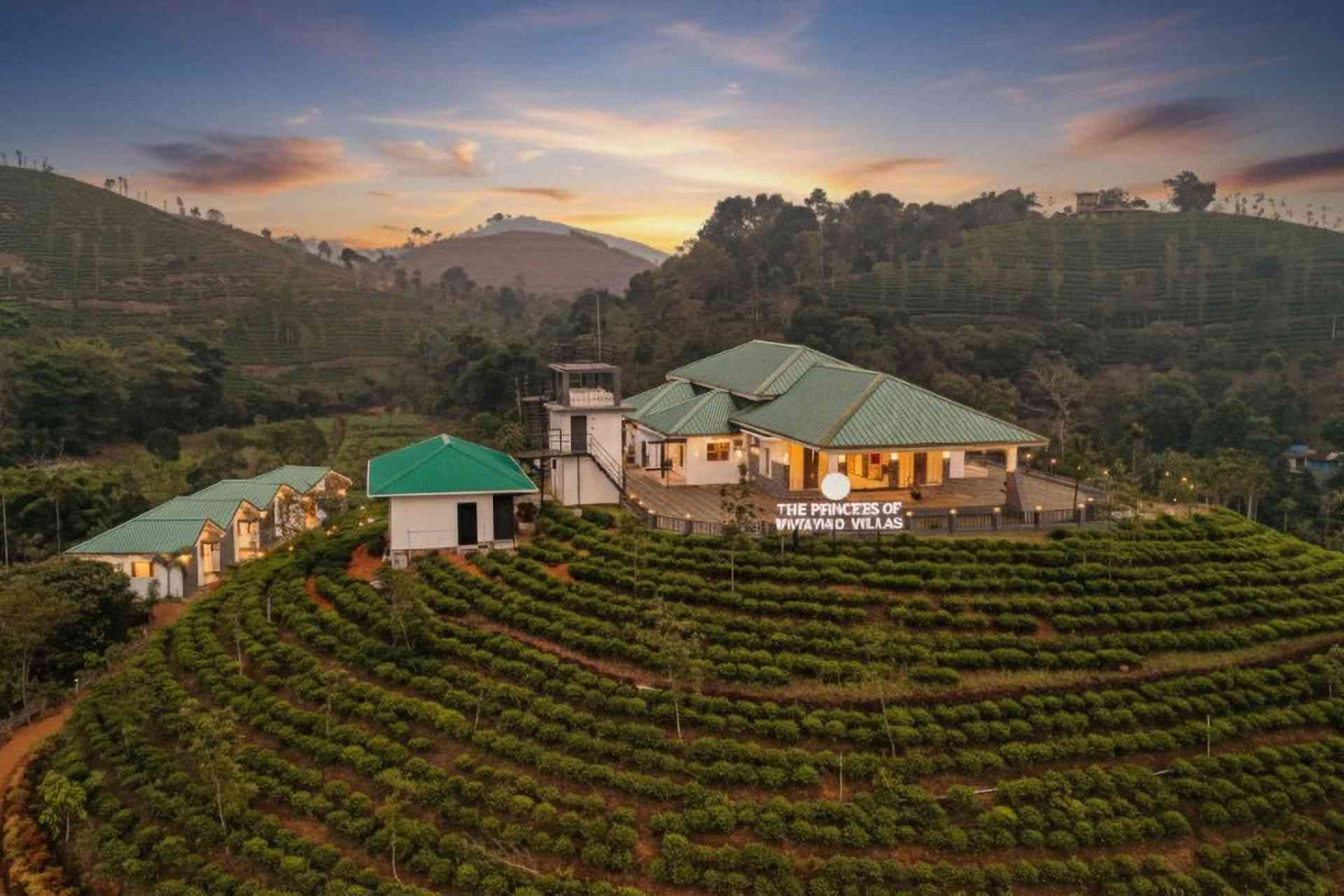
For those who value privacy and comfort, booking an independent villa that faces a tea estate or a natural stream is highly recommended. StayVista’s villas in Wayanad sit amid lush greenery with views over the surrounding hills. Mountain Rain lives up to its name during the monsoon, while Princess Of Wayanad offers spacious, well-appointed spaces for families and groups who want to listen to the downpour from a dry verandah. Many of these properties feature traditional Kerala architecture with high tiled roofs and wooden pillars made from jackfruit wood, which naturally repels moisture and stays strong for centuries.
Princess of Wayanad
Organizing 3-day trips to Hyderabad during the monsoon
While many people look to leave the city for a break, organizing 3-day trips to Hyderabad during the monsoon is also becoming a popular choice for tourists from neighbouring states. The city itself takes on a much gentler character during the rains, with the historic stones of the Golconda Fort and the Charminar looking dark and grand against the grey skies. Visitors coming into the city can spend their three days exploring the massive museum collections, trying the famous hot Hyderabadi biryani on a cold rainy evening, and walking through the quiet gardens of the Qutb Shahi Tombs. The connectivity via the international airport and the extensive railway network make it very easy for people to plan these short weekend visits, ensuring that the region remains a busy centre for travel throughout the year.
Frequently Asked Questions
Araku Valley and Coorg are excellent choices for families. Araku provides a fun mountain train ride and simple cave walks, while Coorg provides comfortable estate stays where families can relax together in a quiet environment.
The morning hours during the monsoon are the best time to visit the Edakkal Caves. The rainwater seeping through the rock cleft makes the 8,000-year-old petroglyphs look darker and much easier to identify.
Yes, there are many independent properties and premium villas located right inside active coffee estates. Staying here allows you to experience the daily life of a plantation and enjoy fresh filter coffee every morning.
Food lovers must try the traditional local bamboo chicken, which is cooked inside a hollow bamboo shoot without oil or water, and sample the organic coffee grown by the local tribal cooperatives under the shade of silver oak trees.
Yes, the roads are generally safe, but drivers must be careful as the mountain hairpins can become slippery when wet. It is always wise to use experienced local drivers and check the vehicle’s tyres and brakes before starting the trip.
The rainy season is ideal because the waterfalls are flowing at their maximum capacity, the spice gardens are fresh, and the local resorts offer traditional Ayurvedic wellness treatments, which are most effective during high humidity.
Yes, booking your stay early is highly recommended, especially for weekends, as heritage hotels and modern boutique villas in the city can fill up quickly with regional travellers looking for a quick break.
Conclusion
Choosing to break away from the busy routines of city life by planning a short holiday during the rainy months is a wonderful way to experience the true beauty of the Indian countryside. Whether you follow a detailed 3-day Araku itinerary to see the mountain tunnels of Andhra Pradesh, relax in a private villa in Coorg surrounded by coffee bushes, or climb the ancient rock paths of Wayanad, these journeys provide a unique look at nature’s resilience and beauty. The year 2026 presents excellent calendar opportunities to turn simple weekends into rich travel experiences without the need for extensive planning or long-distance flights. By focusing on the unique local stories, traditional foods, and hidden architectural features of these close-by destinations, you can ensure a smooth, safe, and deeply refreshing holiday. So, check the weather updates, pack your rain gear, and get ready to see the world turn green on your next mountain adventure!