
Jim Corbett Tiger Safari Guide: April–June 2026 (Last Chance Before Monsoon)

April to June 2026 is your last window for a Jim Corbett tiger safari before the monsoon closes major park zones. This is peak wildlife season — rising temperatures force animals to concentrate around waterholes and the Ramganga River, making sightings more predictable than at any other time of year. Tiger pugmarks are clearest in the dry soil. Elephant herds move toward water in large groups. Gharial crocodiles bask visibly on riverbanks. If you’ve been waiting for the right time to do Corbett, this is it — and the clock is ticking.
In this Blog
Why April–June Is Peak Safari Season at Jim Corbett
April through June is the most productive wildlife viewing period in Jim Corbett National Park. As water sources outside the park dry up, animals have no choice but to cluster around the Ramganga River, forest waterholes, and seasonal streams inside the park. This concentration effect dramatically increases sighting frequency compared to the cooler months when wildlife disperses across the forest.

April: High Heat, Highest Tiger Activity
April temperatures (25°C–38°C) push Bengal tigers to move at dawn and dusk rather than midday — which aligns perfectly with safari slots. Morning safaris (6:00–9:30 AM) offer the best chance of catching tigers at waterholes or patrolling forest trails. Elephant herds near the Ramganga River are frequently sighted in large groups. Gharial crocodiles become visible on riverbanks as they bask in the April sun. Tiger pugmarks in dry, dusty soil are clearer and easier to follow for tracking.
May: Waterholes Concentrate All Wildlife
May is the hottest month (30°C–42°C) and arguably the most rewarding for wildlife sightings. Every waterhole becomes a reliable wildlife magnet. Dhikala’s chaurs (grasslands) and the Ramganga reservoir see frequent large mammal gatherings. Tigers, elephants, deer, and sloth bears all share the same shrinking water sources — creating extraordinary multi-species sightings. Book the early morning safari slot and plan to be at a waterhole well before 7 AM.
June: Last Chance Window — Book Now
June is your final window before monsoon closures. Wildlife activity remains extremely high through mid-June. The forests begin greening with early monsoon moisture, creating a dramatic backdrop for wildlife photography. But the clock is ticking: Bijrani and Dhikala zones typically close by June 15–30. After that, Jhirna and Dhela (buffer zones) remain open through monsoon, but core zone access is gone until October. If you want Dhikala in 2026, June is your last chance — and seats are filling fast.
Zone Closure Alert: Bijrani, Dhikala, and other core zones close for monsoon between June 15–30, 2026. Book your June safari immediately — permit availability is limited and fills weeks in advance. Book online at uttarakhandforest.gov.in.
| Month | Temperature | Best For | Zone Status |
|---|---|---|---|
| April | 25°C–38°C | Tiger tracking at dawn/dusk, elephant herds, gharials | All zones open |
| May | 30°C–42°C | Waterhole sightings, peak multi-species activity | All zones open |
| June | 28°C–38°C | Final core zone safaris before monsoon | Core zones close June 15–30 |
What is the Weather in Jim Corbett April–June?

April–June brings warm to hot conditions in Corbett, but this heat is exactly what drives peak wildlife activity.
Typical weather conditions include:
- April: 25°C to 38°C, dry, excellent visibility in dry forests
- May: 30°C to 42°C, hottest month, wildlife clusters near water
- June: 28°C to 38°C, pre-monsoon humidity increases, forests start greening
- Early mornings: 20°C–25°C, best time for safaris
Wear lightweight breathable clothing in neutral colors. Carry water, a hat, and sunscreen. Book morning safari slots exclusively — afternoon slots in May can feel extreme.
How to Reach Jim Corbett National Park
Jim Corbett National Park is located near the town of Ramnagar in Uttarakhand and is well connected by road, rail, and nearby airports. Its accessibility makes it one of the most popular wildlife destinations and weekend getaways from Delhi NCR.
By Road
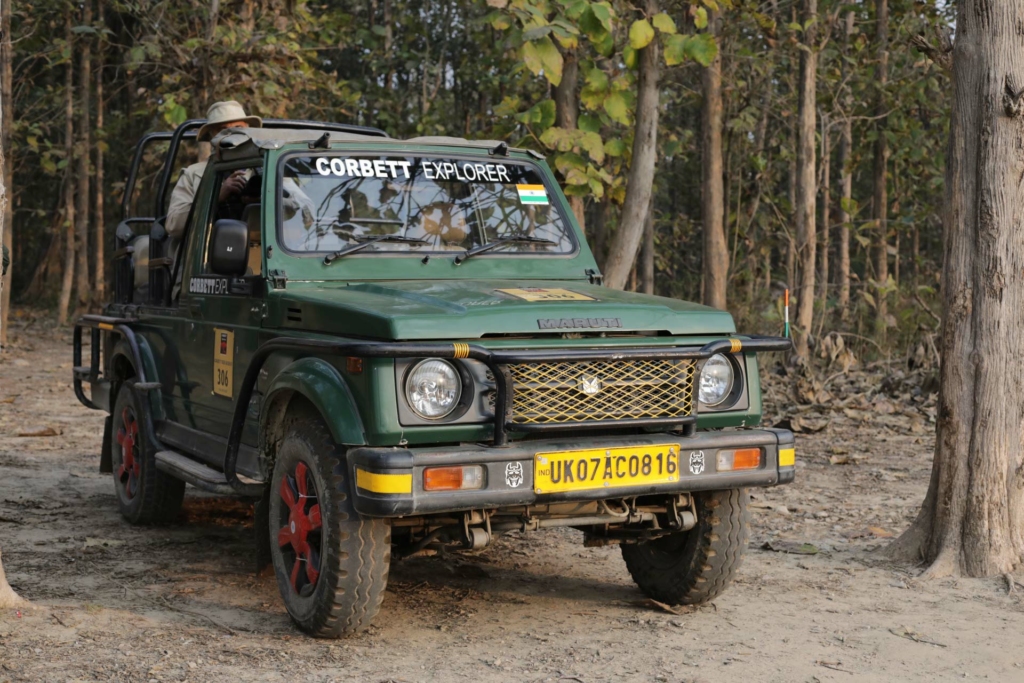
Jim Corbett is approximately 250 km from Delhi and can be reached in about 5–6 hours by car. The most common route is via NH9 and NH309 through Hapur, Moradabad, and Kashipur before reaching Ramnagar. Many travelers prefer driving or hiring a cab because it offers flexibility for early morning safari schedules.
By Train
The nearest railway station is Ramnagar Railway Station, located about 12–15 km from the main safari gates. Direct trains from Delhi such as the Ranikhet Express connect Ramnagar with major cities in North India. From the station, taxis and local transfers are easily available to resorts and safari entry gates.
By Air
The closest airport is Pantnagar Airport, located around 80 km from Jim Corbett National Park. From Pantnagar, travelers can hire taxis to reach Ramnagar in roughly two to three hours. Another major option is Indira Gandhi International Airport in Delhi, from where many visitors continue the journey by road.
Because of its proximity to Delhi, the park is frequently included in short wildlife trips and weekend travel itineraries across North India.
Best Safari Zones in Jim Corbett: April–June 2026
Jim Corbett National Park has multiple safari zones, each offering different landscapes and wildlife experiences. The zones below are among the most popular for a Jim Corbett safari in March 2026.
| Zone | Best For | Entry Gate | Wildlife Highlights |
| Dhikala | Tiger sightings, grasslands | Dhangarhi Gate | Tigers, elephants, deer |
| Bijrani | Dense Sal forests | Amdanda Gate | Tigers, birds, leopards |
| Jhirna | Year-round safari | Dhela Gate | Leopards, sloth bears |
Dhikala Zone
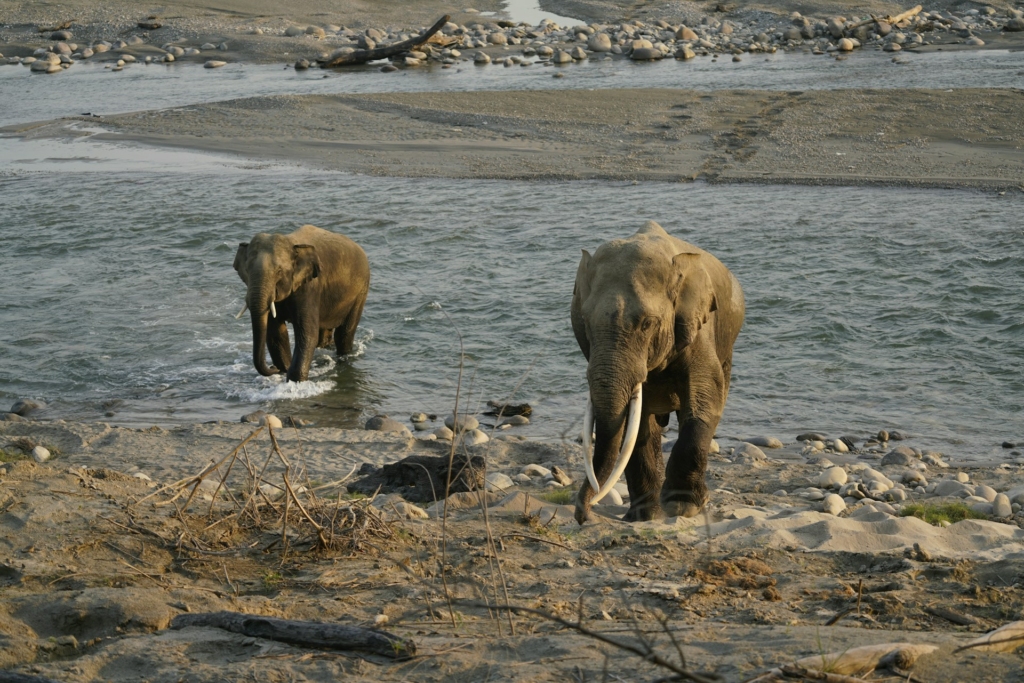
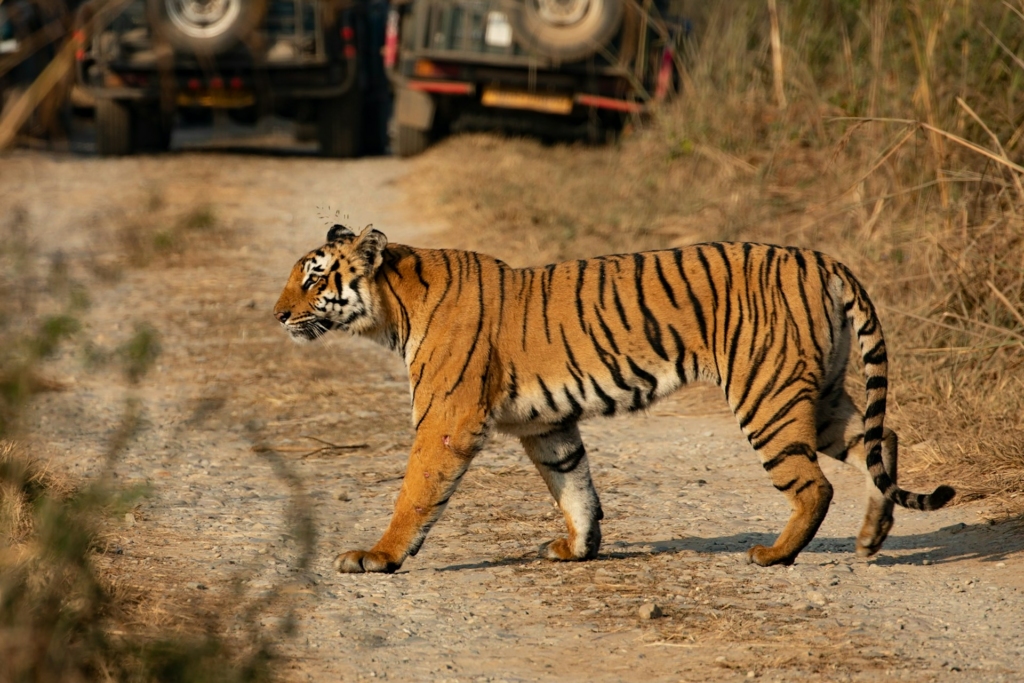
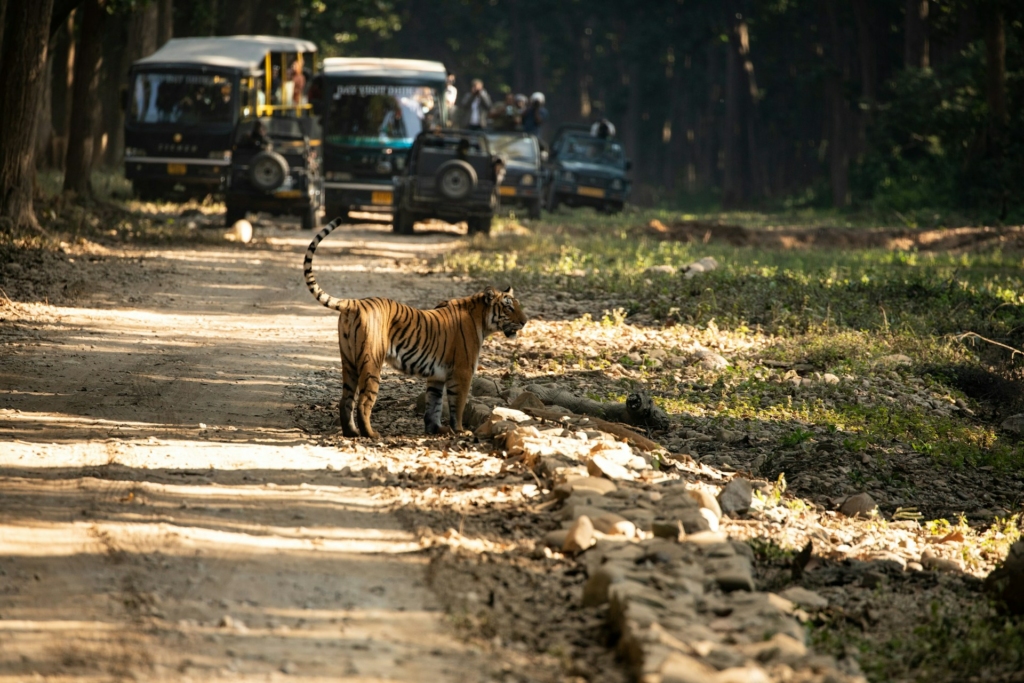
Dhikala is widely considered the most iconic safari zone in Jim Corbett National Park and is often associated with the best chances of spotting Bengal tigers. Located deep inside the core area of the reserve, this zone features expansive grasslands, dense forests, and the scenic Ramganga River ecosystem. The open chaurs (grasslands) make wildlife easier to spot compared to denser forest zones. April and May are the most rewarding months in Dhikala. Tigers emerge at dawn and dusk to drink at waterholes, elephant herds congregate near the Ramganga reservoir, and gharial crocodiles bask visibly on the riverbanks in the morning sun. Visitors often encounter large herds of Asiatic elephants, sambar deer, hog deer, and occasionally tigers crossing the grasslands. The zone is also known for rich birdlife, including raptors and riverine birds.
Dhikala is unique because visitors can stay inside the forest at the Dhikala Forest Rest House, which allows access to deeper safari routes not available on regular day safaris. However, permits for overnight stays are limited and usually need to be booked weeks in advance.
Bijrani Zone

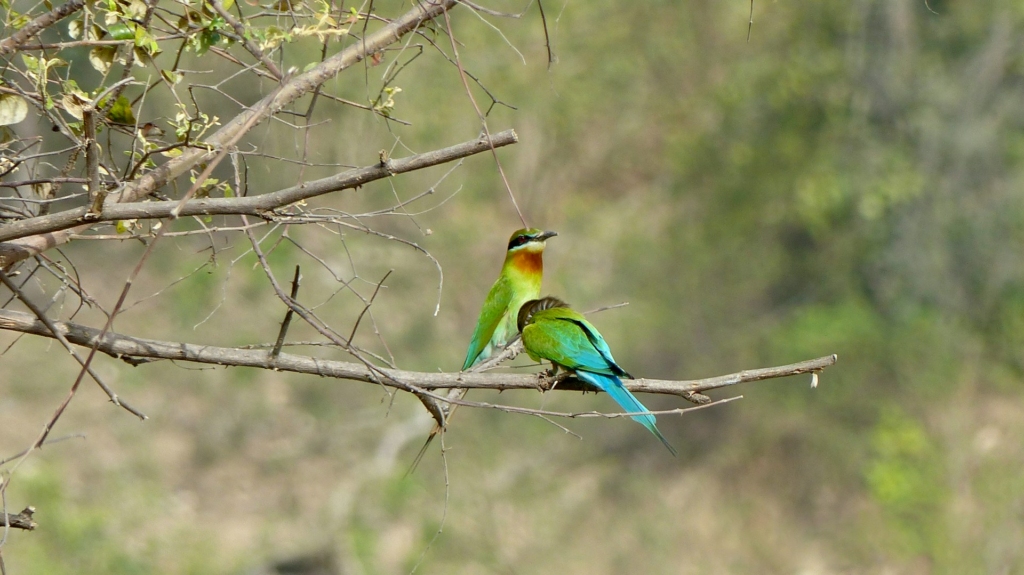
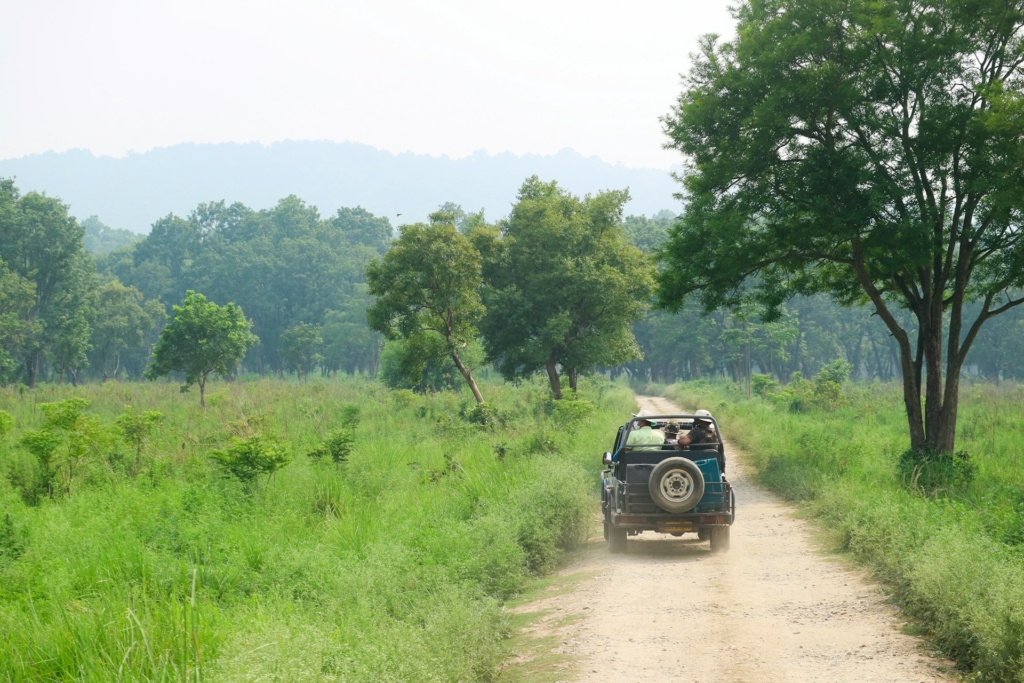
Bijrani is one of the most popular safari zones in Jim Corbett and is known for its dense Sal forests, open grass patches, and diverse wildlife habitat. The zone is accessible via the Amdanda Gate near Ramnagar and is particularly favored by wildlife photographers and first-time safari visitors. During April–June, thinning vegetation and increasing heat improve animal visibility dramatically. By May, every forest trail near water becomes a potential sighting zone. Tigers, elephants, wild boars, and several species of deer are regularly sighted during morning safaris. The zone also supports a vibrant bird population including hornbills, minivets, and woodpeckers.
Bijrani’s varied terrain of grasslands, woodland, and riverine areas makes each safari route unique. Because it is a day-safari zone, visitors typically explore the area during either the morning or afternoon jeep safari slot.
Jhirna Zone
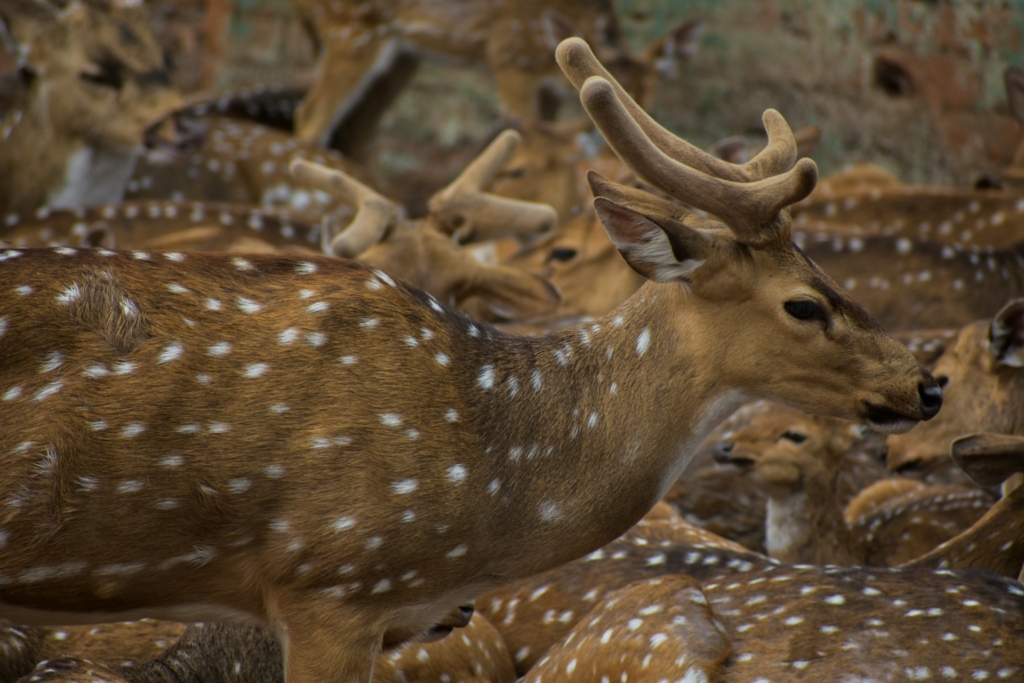
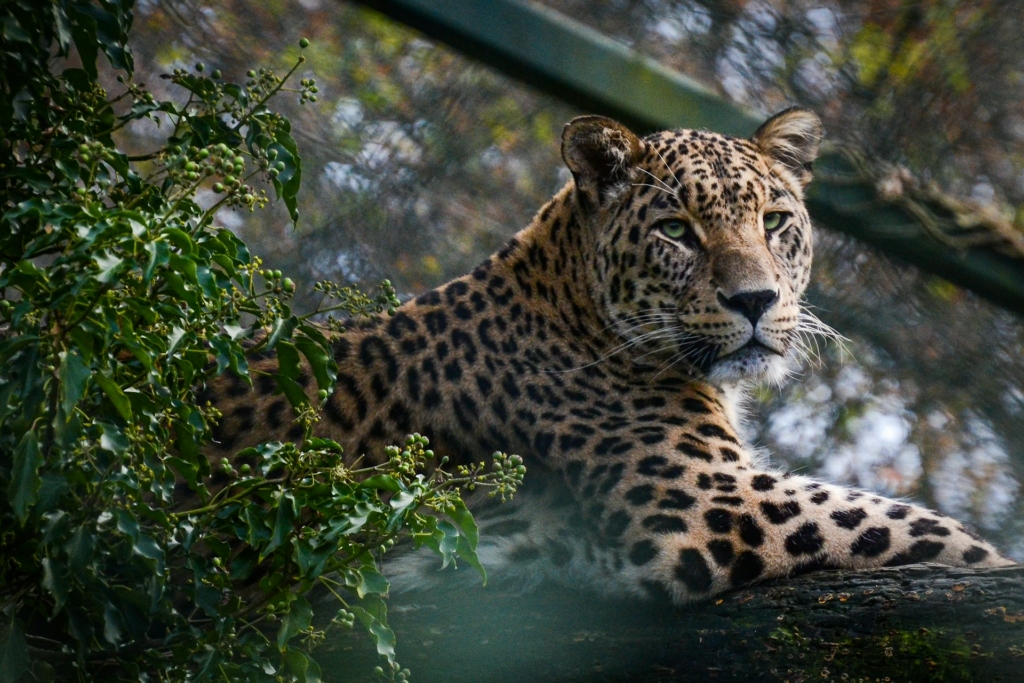
Jhirna is a buffer safari zone located on the southern side of Jim Corbett National Park and remains open throughout the year, even during the monsoon season. It is often recommended for travelers who cannot secure permits in core zones such as Dhikala or Bijrani. The landscape here is a mix of dry deciduous forests, scrubland, and grass patches. These habitats attract animals like sloth bears, leopards, wild boars, and several deer species including chital and sambar. Elephant sightings are also common in this zone.
April–June conditions in Jhirna are excellent for wildlife sightings. As a buffer zone that stays open year-round, Jhirna is your fallback if core zone permits are unavailable — and it delivers strong leopard, sloth bear, and elephant sightings through the monsoon season. The zone is also a good choice for birdwatchers, with species like drongos, owls, and flycatchers regularly spotted during safaris.
Wildlife Species to See in Jim Corbett April–June
April–June is the most active wildlife period in Jim Corbett. Heat concentrates animals at water sources, vegetation thins further, and breeding season activity adds to the action.
Mammals and Reptiles
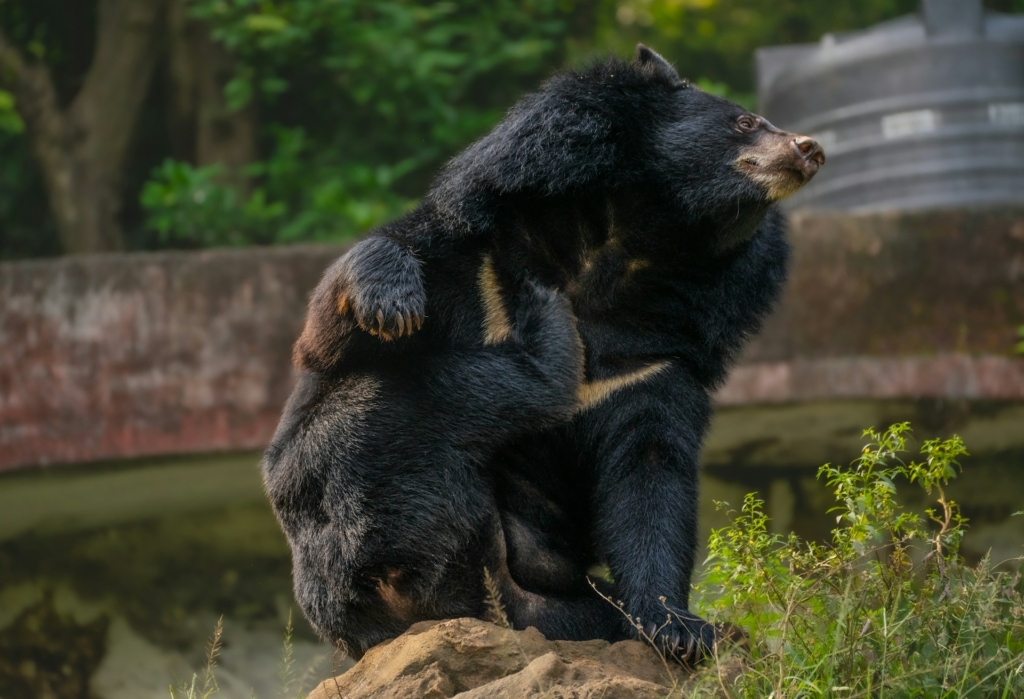
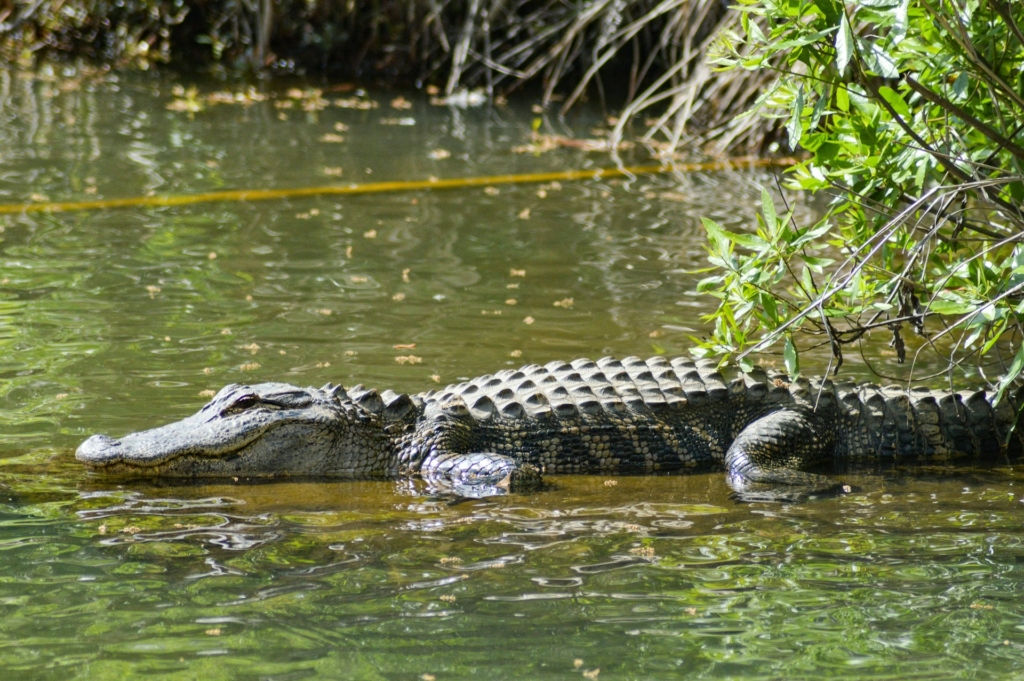

Jim Corbett is home to 50+ mammal species, making it one of the richest wildlife habitats in northern India. Early summer warmth in March often brings reptiles out for sun-basking along riverbanks and forest trails.
Visitors on a tiger safari in India at Jim Corbett may encounter the following species:
- Bengal Tiger
- Asiatic Elephant
- Leopard
- Sloth Bear
- Himalayan Black Bear
- Spotted Deer (Chital)
- Sambar Deer
- Barking Deer
- Wild Boar
- Mugger Crocodile
- Gharial
Dry forest conditions often bring predators and herbivores to the same water sources, creating excellent viewing opportunities.
Bird Species in Jim Corbett April–June
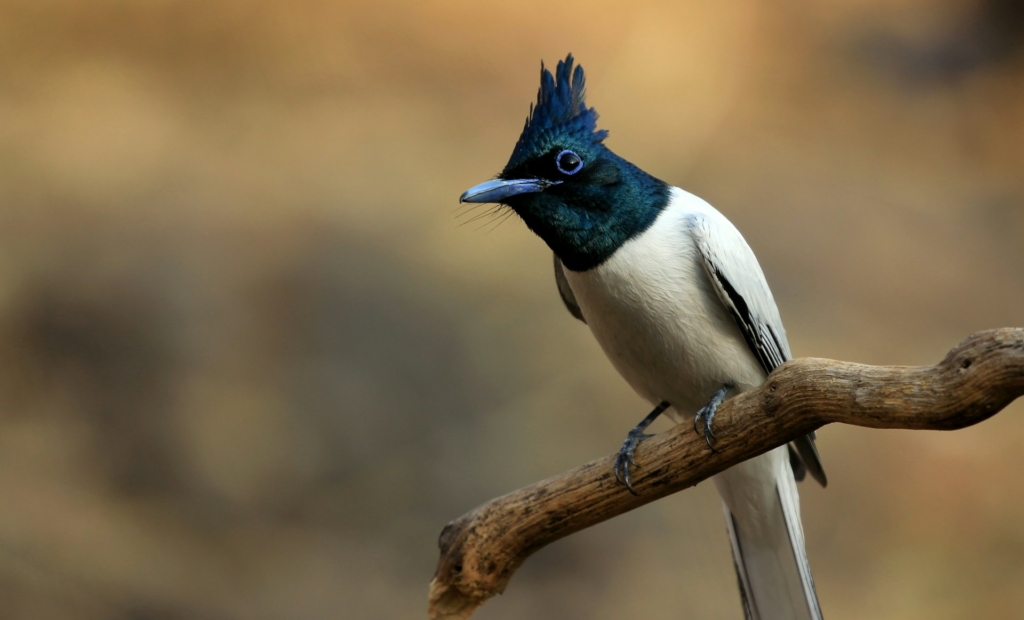


Jim Corbett is home to over 600 bird species, making it one of the best birdwatching destinations in India.
Birdwatchers visiting in March may spot:
- Paradise Flycatcher
- Scarlet Minivet
- Drongos
- Leafbirds
- Great Pied Hornbill
- Golden Oriole
- Indian Pitta
- Tawny Fish Owl
- Verditer Flycatcher
- Wagtails
April–June continues the breeding season for many resident birds. Courtship displays are common, and the pre-monsoon period sees active nesting across the forest.
Flora and Plant Species in March

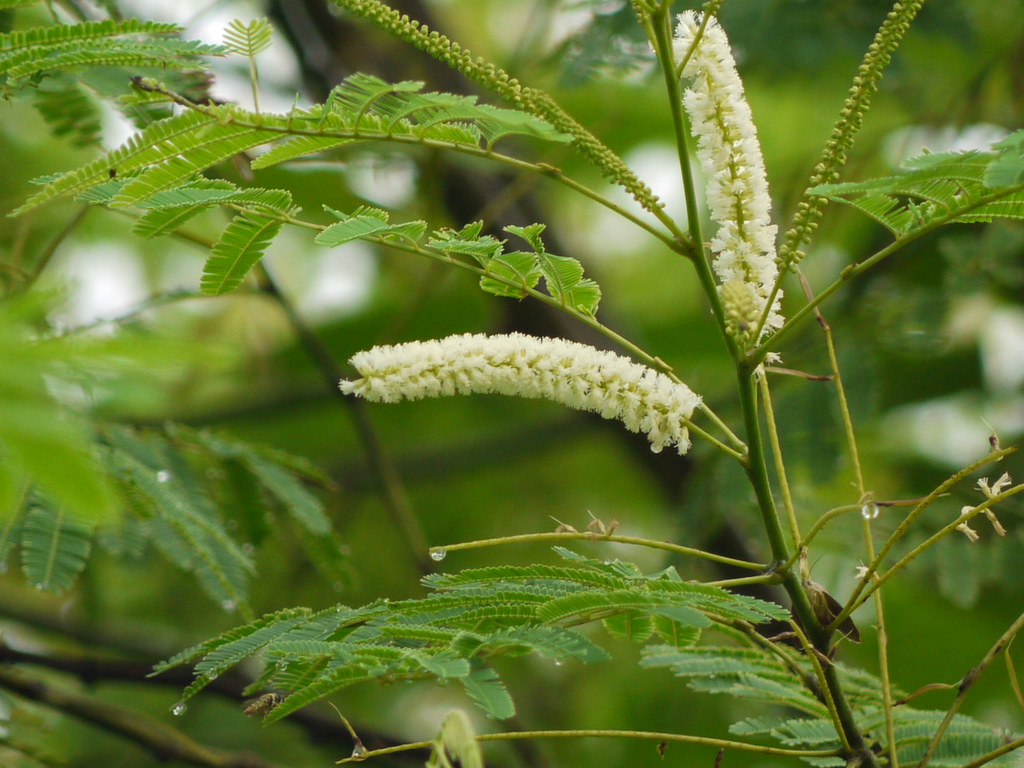
The forest landscape of Jim Corbett is dominated by Sal trees, which begin seasonal changes during March.
Key plant species visible during this time include:
- Sal (Shorea robusta)
- Sissoo (Sheesham)
- Khair
- Haldu
- Semal
- Kachnar
- Bamboo
By June, early monsoon green begins to appear, creating dramatic contrast between the dry forest floor and the first flush of new leaves — excellent conditions for wildlife photography.
How to Book a Jim Corbett Safari April–June 2026

Safari permits are limited and should be booked in advance through the official Corbett booking portal.
Follow these steps to book a safari:
- Choose your safari zone (Dhikala, Bijrani, Jhirna, etc.)
- Select your preferred safari slot
- Provide ID details for all visitors
- Pay the safari permit fee online
Typical safari timings:
- Morning safari: 6:00 AM – 9:30 AM
- Afternoon safari: 2:30 PM – 5:30 PM
Private jeep safaris usually accommodate up to six visitors.
2–3 Day Jim Corbett Safari Itinerary
A short wildlife trip from Delhi NCR typically lasts two or three days.
Day 1
- Arrive in Ramnagar
- Check into a jungle lodge or resort
- Evening nature walk or river visit
Day 2
- Early morning safari in Bijrani zone
- Afternoon safari in Jhirna or Dhela
Day 3
- Birdwatching near riverbeds
- Visit Garjia Temple before departure
This itinerary works well for travelers planning weekend trips from Delhi or short wildlife getaways in Uttarakhand.
Things to Do in Jim Corbett Besides Safari


While safaris are the main attraction, several other experiences are available in the region.
Things to do in Jim Corbett:
- Birdwatching along the Kosi River
- Nature walks in buffer forests
- Visit the Corbett Museum
- Explore Garjia Devi Temple
- Riverside picnics near Dhikuli
These activities make the destination suitable for families and wildlife enthusiasts alike.
How Jim Corbett Compares to Other National Parks in India
Jim Corbett is often ranked among the top national parks in India due to its accessibility and biodiversity.
| National Park | State | Known For |
| Jim Corbett | Uttarakhand | Tigers and diverse landscapes |
| Ranthambore | Rajasthan | High tiger visibility |
| Bandhavgarh | Madhya Pradesh | Dense tiger population |
| Kaziranga | Assam | One-horned rhinoceros |
Its proximity to Delhi makes Jim Corbett one of the most popular weekend wildlife destinations in North India.
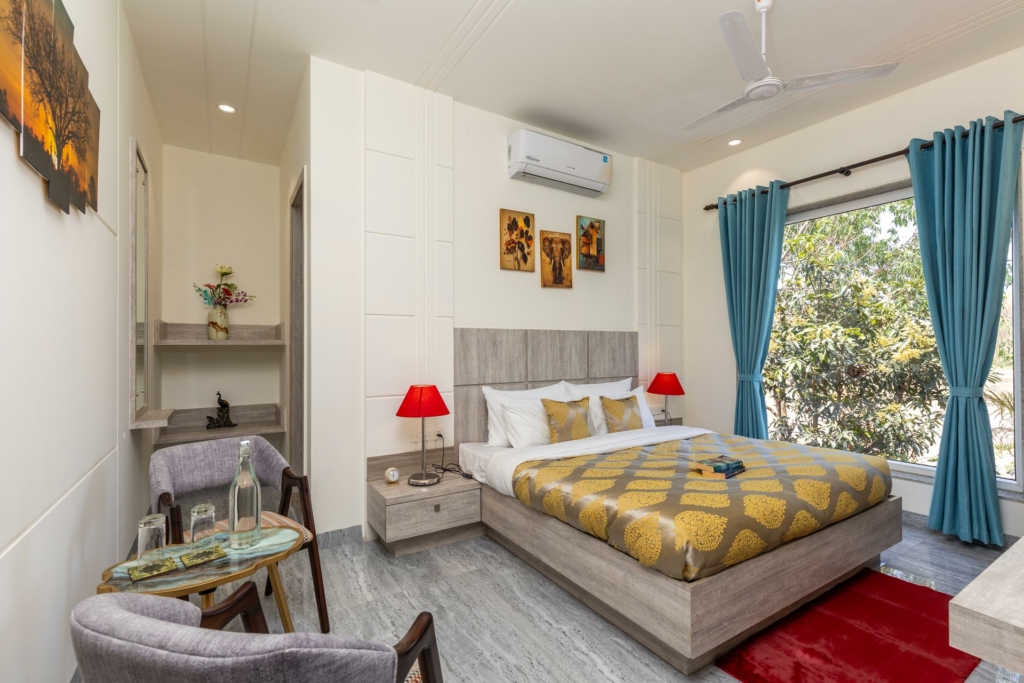
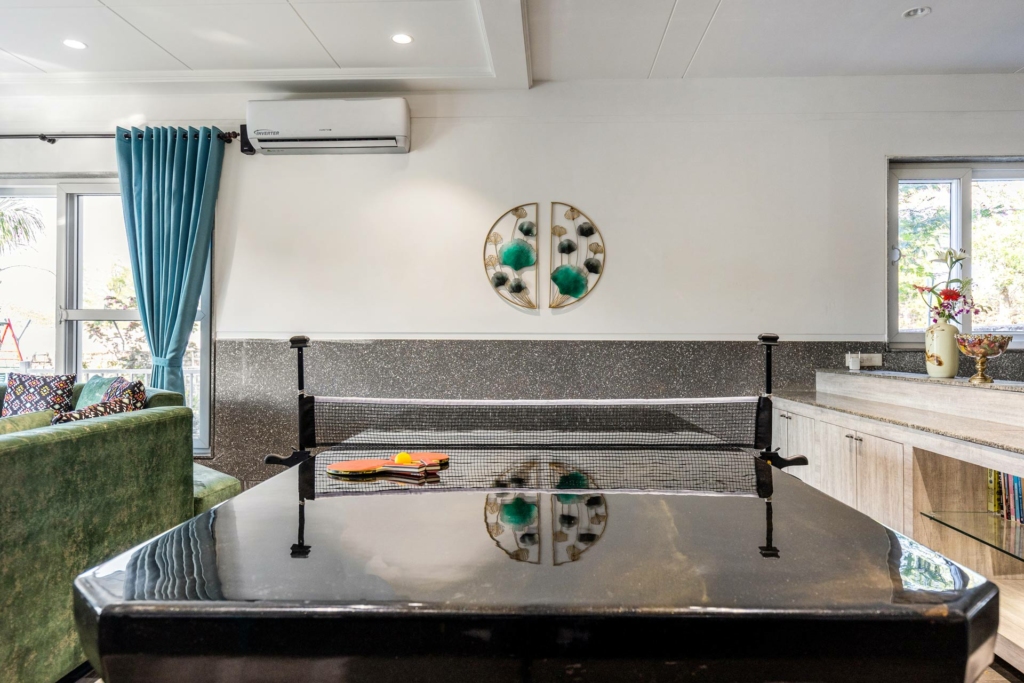
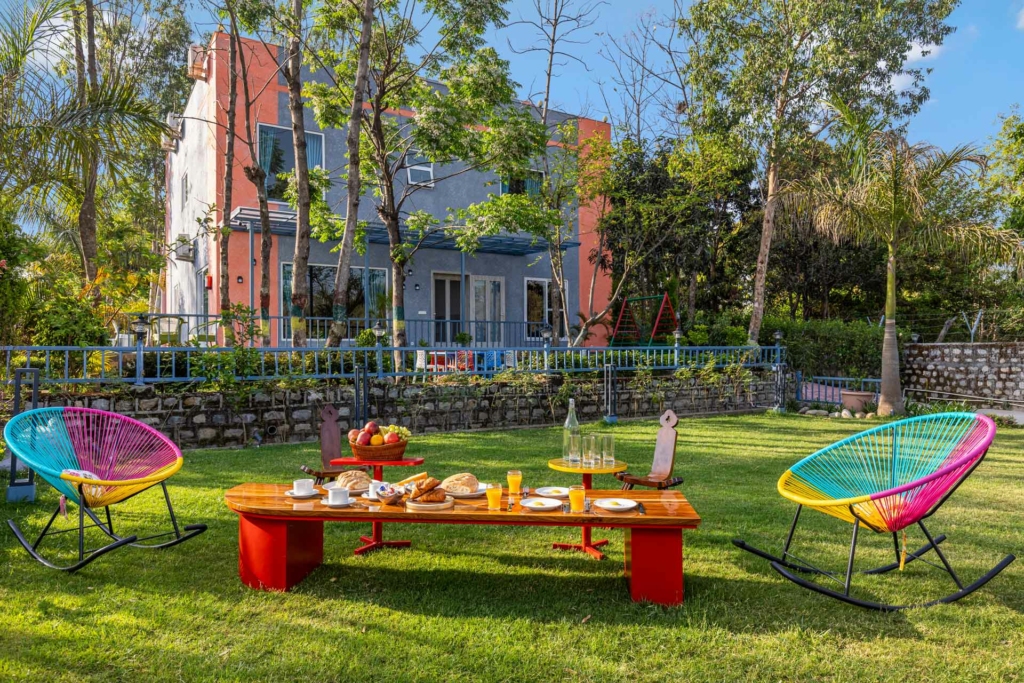
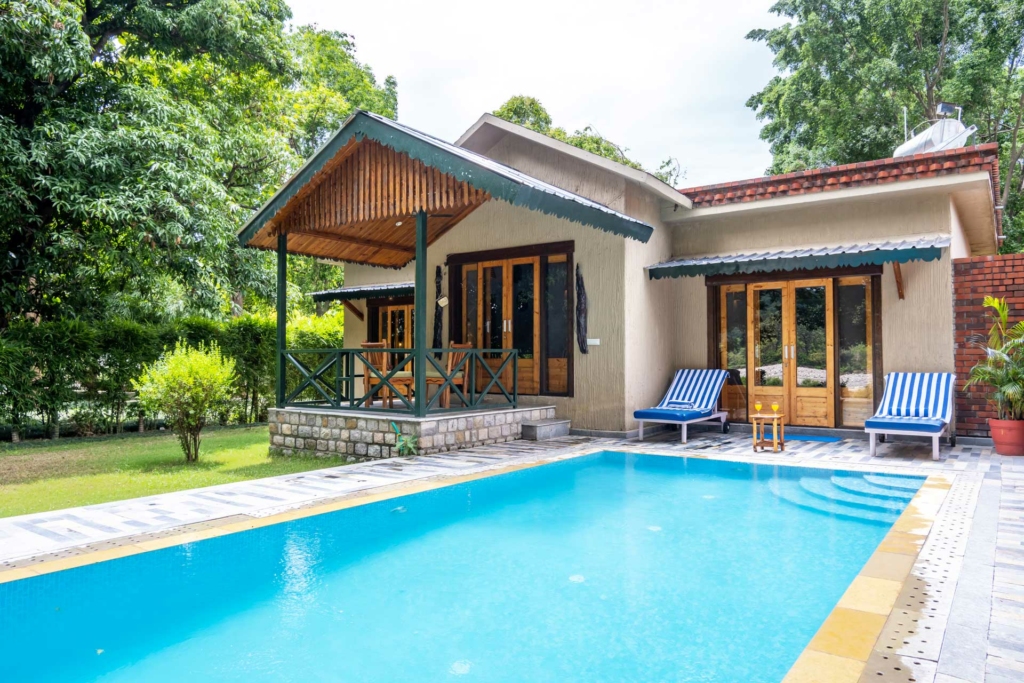
Best places to stay in Jim Corbett
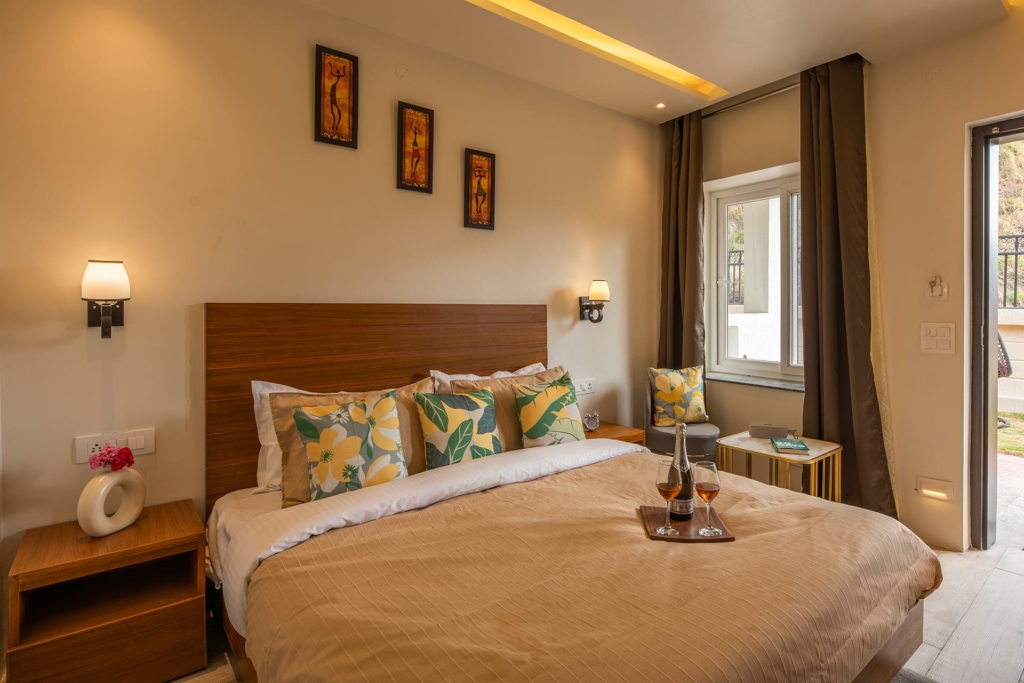
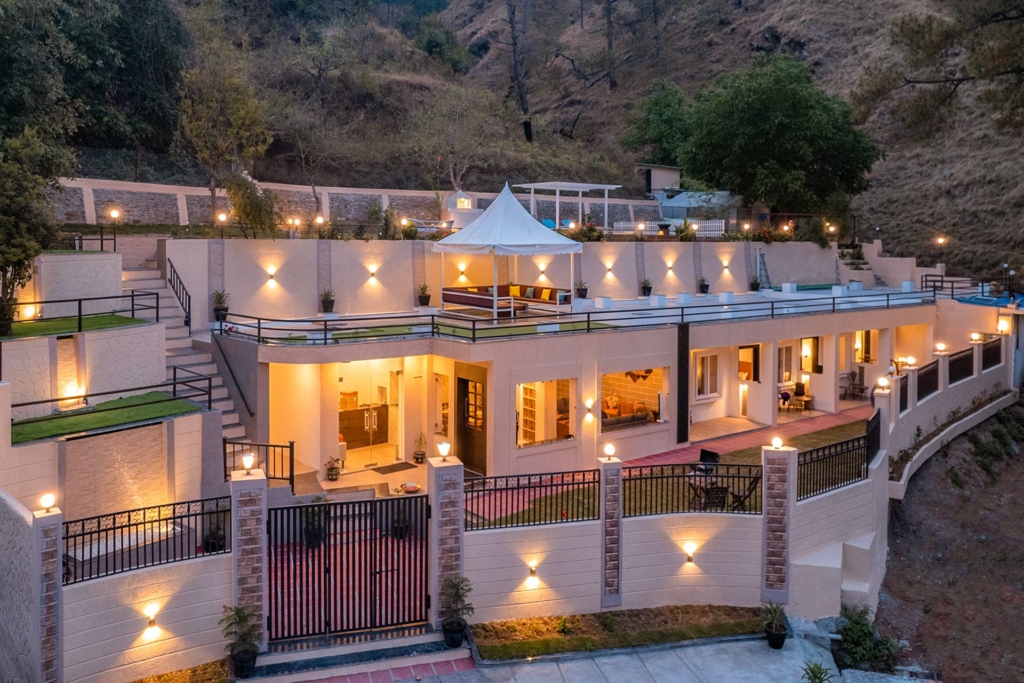
Corbett Calling
Rolling Hills

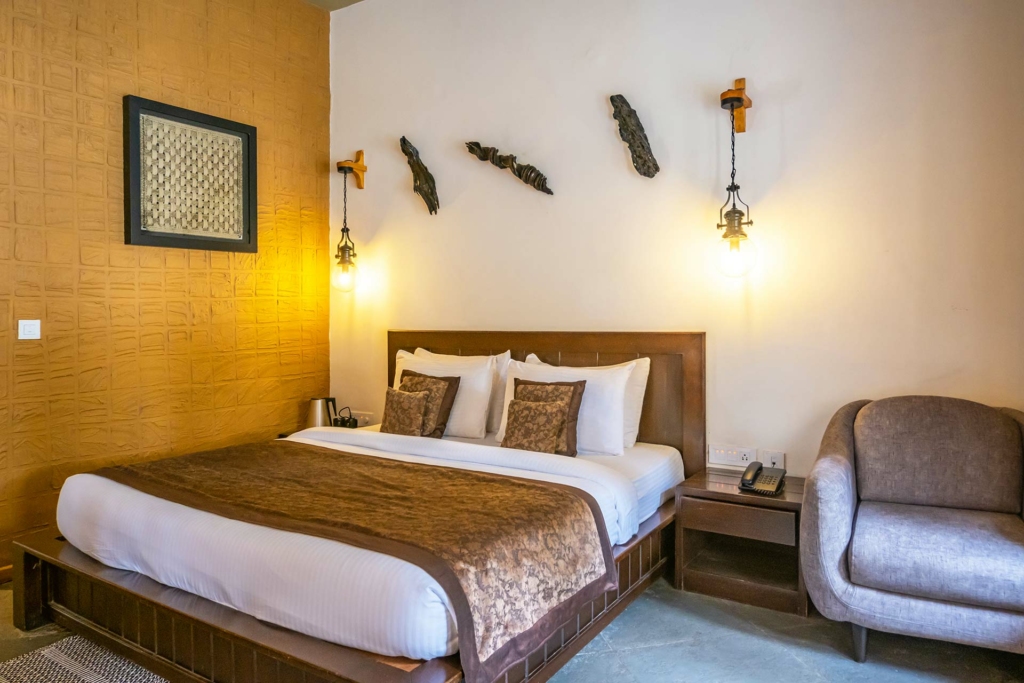
Rhythmic Woods
FAQs
Yes. April–June is peak safari season in Corbett. Rising heat concentrates animals at waterholes, making sightings more reliable than any other period. The urgency is real: core zones like Dhikala and Bijrani close for monsoon by June 30. as animals gather around water sources. The combination of dry forest trails and breeding season also improves birdwatching and photography opportunities.
Dhikala and Bijrani are widely considered the best zones for tiger sightings in March due to their grasslands, river systems, and established wildlife corridors.
April: 25°C–38°C. May: 30°C–42°C. June: 28°C–38°C. Mornings are cooler (20°C–25°C) — always book the morning safari slot. Mornings can be cool while afternoons are warm and sunny, making it ideal for jeep safaris and wildlife photography.
Jim Corbett National Park is approximately 250 km from Delhi NCR. The drive typically takes around 5–6 hours via NH9 and NH309, making it one of the most accessible wildlife destinations from the capital region.
Bijrani and Dhikala (core zones) close between June 15–30, 2026. Jhirna and Dhela remain open through monsoon. Book your June safari now at uttarakhandforest.gov.in before availability closes.
Wildlife experts generally recommend at least two to three safaris across different zones to improve the chances of spotting tigers and other wildlife.
Pack lightweight breathable clothing in neutral tones, a wide-brim hat, high-SPF sunscreen, a 2-litre water bottle, insect repellent, and a camera with at least a 300mm telephoto lens. Skip heavy layers — temperatures are warm even at dawn in May and June.
Final Thoughts
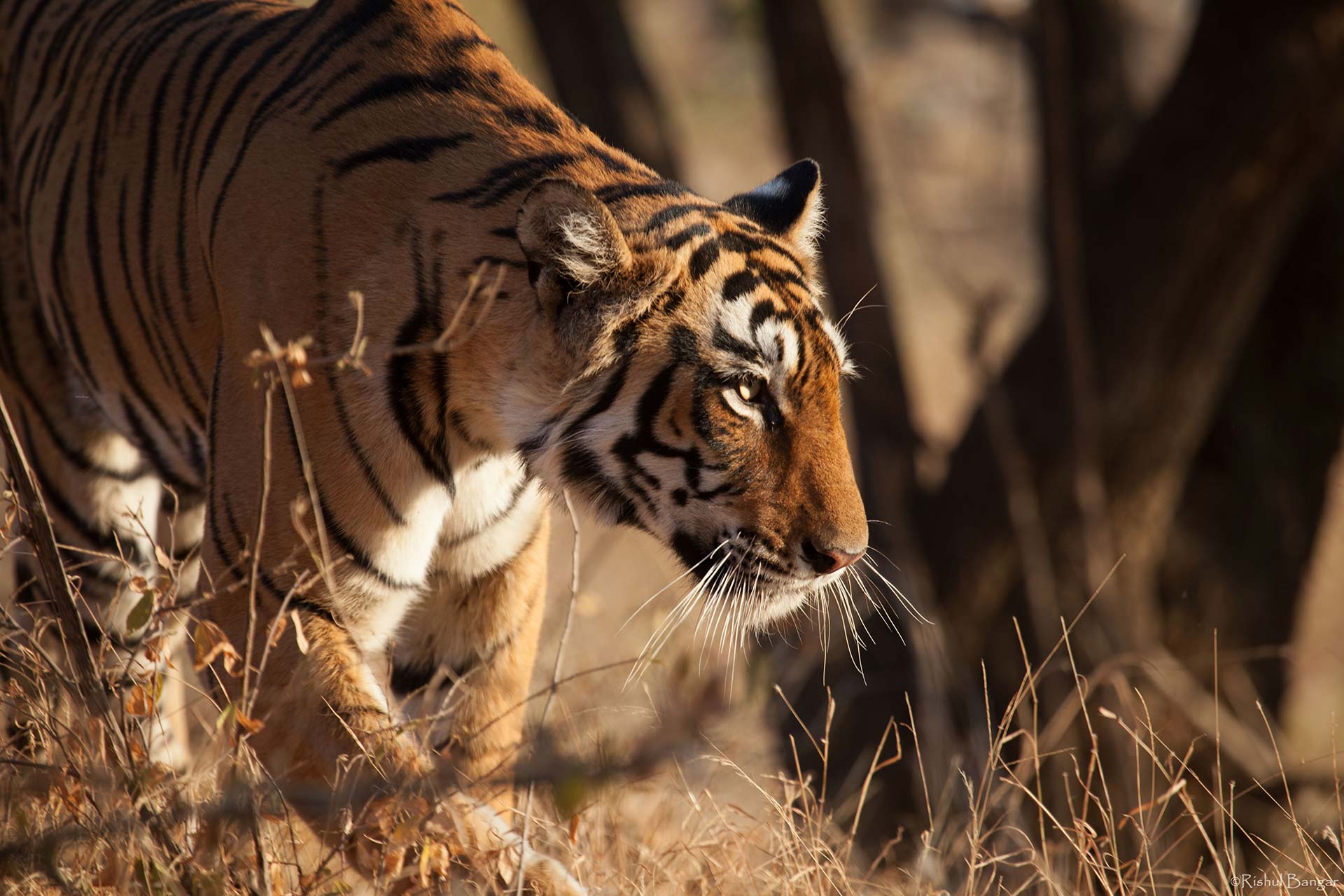
A Jim Corbett safari from April to June 2026 offers one of the best wildlife experiences in India. Pleasant weather, active wildlife, and open safari zones create ideal conditions for spotting tigers, elephants, and hundreds of bird species. Whether you are chasing your first tiger sighting or returning for peak waterhole action, April–June 2026 is your best opportunity before Corbett’s core zones close for monsoon. Book now at uttarakhandforest.gov.in — permits fill weeks in advance.