
Lonavala vs. Mahabaleshwar in Monsoon 2026: Which Is the Better Weekend Trip From Mumbai?

When the first heavy rains arrive in Maharashtra, one question appears again and again among Mumbai residents: should the next monsoon trip be to Lonavala or Mahabaleshwar? Both hill stations become dramatically greener during the rainy season, both are packed with viewpoints and waterfalls, and both have been favourite escapes for decades. Yet the experience they provide is surprisingly different. Lonavala is closer, easier to reach and ideal for spontaneous trips, while Mahabaleshwar rewards visitors with cooler temperatures, larger valleys and longer sightseeing opportunities.

The decision becomes even more important in 2026, as many travellers are looking for shorter road trips rather than long holidays. Whether the goal is a romantic escape, a family break or simply a refreshing pause from city life, understanding the differences between these two destinations helps travellers make the most of their monsoon weekend.
For a quick weekend getaway from Mumbai in the monsoon, Lonavala is the better choice because it is only around two to three hours away and is perfect for one-day or two-day trips. Mahabaleshwar in monsoon is better for travellers who have at least two nights and want cooler weather, dramatic valley views and a quieter atmosphere.
In this Blog
Lonavala vs Mahabaleshwar in Monsoon 2026
Before we get into the detailed July 2026 breakdown, here is the head-to-head comparison most Mumbai travellers ask about:
| Factor | Lonavala | Mahabaleshwar |
|---|---|---|
| Distance from Mumbai | ~83–85 km | ~260 km |
| Drive time (July 2026) | 2–3 hours via NH-48 / Mumbai–Pune Expressway | 5–6 hours via NH-48 & SH-72 |
| Elevation | ~622 m | ~1,353 m |
| July average temperature | 21–26°C | 17–22°C |
| July average rainfall | ~1,200–1,500 mm | ~2,400–2,800 mm |
| Train access | Yes — major station on Mumbai–Pune line | No direct station; rail till Wathar (60 km) or Pune (120 km) |
| Ideal trip length | 1–2 days | 2–3 days |
| Best for | Spontaneous weekenders, couples, day-trippers | Slow weekends, families, valley-view stays |
| Crowd level in July | High on weekends, moderate weekdays | Moderate, more dispersed |
For a quick weekend getaway from Mumbai in the monsoon, Lonavala is the better choice because it is only 2–3 hours away and works for one-night plans. Mahabaleshwar in monsoon wins if you have at least two nights and want cooler temperatures, dramatic valley views and a quieter atmosphere. July is the wettest month for both, so plan around weather windows and check ghat road advisories before you drive.
Both hill stations sit in the Western Ghats, a UNESCO World Heritage biodiversity hotspot that absorbs the full force of the southwest monsoon between mid-June and late September. By the first week of July 2026, both destinations will be at peak green — with seasonal waterfalls, low cloud cover and the kind of rain-soaked scenery that disappears entirely by November.
Lonavala Weather in July 2026: What to Expect
Lonavala’s July weather is what gives the hill station its reputation. The Sahyadri ranges trap moist air rolling in from the Arabian Sea, and the result is steady rain interrupted by short, magical clear spells.
| July weather metric | Lonavala (typical July range) |
|---|---|
| Daytime temperature | 23–26°C |
| Nighttime temperature | 20–22°C |
| Average rainfall | ~1,200–1,500 mm across the month |
| Rainy days | 26–29 days |
| Humidity | 88–95% |
| Cloud cover | Heavy; sun visible 10–20% of daylight hours |
| UV index | Low (2–4) |
What this means for July travellers: expect heavy showers most mornings and evenings, with brief afternoon clearings that are perfect for viewpoint photography. Bhushi Dam typically reaches overflow by the second week of July, and waterfalls along Old Pune Highway are at their best between 5 and 25 July.
What to pack for Lonavala in July: a windproof rain jacket (umbrellas blow out on ghat viewpoints), quick-dry trekking shoes with grip, one full change of clothes per day, a dry-bag for your phone, a light fleece for evenings, and mosquito repellent. Avoid white sneakers — the red soil stains permanently.
Road conditions in July: the Mumbai–Pune Expressway stays open throughout the monsoon but is prone to fog patches between Khandala and Lonavala exits. Old Mumbai–Pune Highway (NH-48 old) is the more scenic option, though it occasionally sees minor landslide closures — check Maharashtra State Road Development Corporation updates before driving.
Weather in Mahabaleshwar in July 2026: What to Expect
Mahabaleshwar is one of the wettest places in peninsular India in July. The town sits at 1,353 metres on the Sahyadri plateau, and the same monsoon clouds that drop heavy showers on Lonavala arrive at Mahabaleshwar with double the punch and noticeably lower temperatures.
| July weather metric | Mahabaleshwar (typical July range) |
|---|---|
| Daytime temperature | 18–22°C |
| Nighttime temperature | 15–18°C |
| Average rainfall | ~2,400–2,800 mm across the month |
| Rainy days | 28–31 days |
| Humidity | 92–98% |
| Cloud cover | Near constant; fog covers viewpoints most afternoons |
| Wind | Strong gusts at exposed points (20–40 km/h) |
What this means for July travellers: dense fog is part of the experience. Arthur’s Seat and Wilson Point are often whited-out by 11 am, so plan early-morning visits between 6:30 and 9:30 am for the best chance of clear valley views. Lingmala Waterfall, Dhobi Waterfall and Chinaman’s Waterfall hit their full force in the second and third weeks of July.
What to pack for Mahabaleshwar in July: a heavier jacket than you’d wear in Lonavala, woollen socks for evenings, anti-slip trekking shoes, a waterproof phone pouch, and motion-sickness tablets if you’re prone — the final 30 km up from Wai involves continuous switchbacks.
Road conditions in July: the Pasarni Ghat (the main approach via Wai) and the Ambenali Ghat (from the Konkan side) both stay open but see frequent fog. The state government occasionally issues advisories for the Ambenali stretch after very heavy rain — always check before leaving Mumbai.
How to Reach Lonavala from Mumbai in Monsoon

Lonavala is one of the easiest hill stations in India to reach — which is exactly why it’s the default Mumbai monsoon weekend pick.
By road (recommended for monsoon)
- Mumbai–Pune Expressway (fastest): 83 km, 2–2.5 hours from Bandra-Kurla Complex in normal traffic. Toll: approximately ₹320 one-way for a hatchback. Exit at Khandala (Exit 16).
- Old Mumbai–Pune Highway (NH-48 old): 96 km, 3–3.5 hours but far more scenic in monsoon — you’ll pass roadside waterfalls between Khopoli and Khandala. Better for first-time visitors.
- Self-drive: any sedan, hatchback or SUV works. Avoid two-wheelers in July — ghat roads get slick.
By train
Lonavala has a dedicated railway station on the Central Railway Mumbai–Pune line. From CSMT or Dadar, take a Pune-bound Intercity, Deccan Queen, Pragati Express or Indrayani Express — the journey takes 2–2.5 hours. Local EMUs run between Karjat/Khopoli and Pune as well. Pro tip: the stretch between Karjat and Lonavala goes through 28 tunnels and over the Bhor Ghat — sit on the right side from Mumbai for the best monsoon views.
By bus
MSRTC Shivneri (Volvo) and private operators like Neeta, Purple and Konduskar run hourly from Dadar, Borivali and Thane to Lonavala. Fare: ₹350–550 one-way. Travel time: 2.5–3.5 hours depending on traffic.
Nearest airport
Pune International Airport (PNQ) is 65 km away (1.5 hours). Mumbai (BOM) is 90 km away. For domestic travellers from outside Maharashtra, fly into Pune — it’s faster.
How to Reach Mahabaleshwar from Mumbai in Monsoon

Mahabaleshwar takes more planning but rewards the effort. There’s no direct train, so road travel is standard for almost all Mumbai visitors.
By road (the main option)
- Via NH-48 and Pasarni Ghat (most common): Mumbai → Panvel → Khopoli → Khandala → Pune bypass → Wai → Mahabaleshwar. Total: ~260 km, 5–6 hours. Tolls: approximately ₹650 one-way.
- Via Mahad and Poladpur (Konkan route, scenic): Mumbai → Mahad → Poladpur → Ambenali Ghat → Mahabaleshwar. Total: ~250 km, 6–7 hours. More waterfalls and less traffic but Ambenali Ghat is steep and gets fog-bound — not recommended for first-time drivers in monsoon.
- Self-drive or hire: an SUV or sedan with good tyres is ideal. The last 30 km involves continuous hairpin bends — petrol pumps are limited above Wai, so fill up at Surur.
By train + road
Take any Mumbai–Pune train, then a cab from Pune (120 km / 3 hours to Mahabaleshwar). Alternatively, ride a Konkan Railway train to Veer or Karad and pick up a cab from there. Wathar station (60 km) has limited connections but can work for return journeys.
By bus
MSRTC runs daily Volvo and semi-luxury buses from Mumbai Central, Dadar and Borivali to Mahabaleshwar. Fare: ₹700–1,100 one-way. Travel time: 6–7 hours. Book on the MSRTC website or at Mumbai Central depot.
Nearest airport
Pune International Airport (PNQ) is 120 km away (3 hours). Mumbai (BOM) is 260 km away. For most travellers, Pune is the smarter arrival point.
Things to Do and Places to Visit in Lonavala in Monsoon (July 2026)


Lonavala in monsoon is a compact playground — almost every attraction sits within 20 km of the town centre, which is why it works so well for a 1–2 day trip. Below are 12 places to visit in Lonavala in monsoon, with all the practical details for July 2026.
1. Bhushi Dam
The most photographed spot in Lonavala monsoon. Water cascades down concrete steps and visitors wade through the natural overflow. By mid-July, the dam is in full flow.
- Entry fee: Free
- Timings: 24 hours (best visited 7–10 am to avoid crowds)
- Best time: Second week of July onwards
- How to reach: 6 km from Lonavala station; auto-rickshaws charge ₹200–300 one-way
- Time required: 1–2 hours
- Ideal for: Families, friends, group photos
- Pro tip: Local administration occasionally restricts access during heavy spells — [VERIFY: 2026 monsoon access advisories with Pune district administration]. Wear sandals with grip, not flip-flops.
2. Tiger’s Leap (Tiger Point)
A cliff-top viewpoint over a 650-metre drop, with a near-perpetual mist in July. The valley below resembles a leaping tiger when fog parts — hence the name.
- Entry fee: Free
- Timings: 6 am – 7 pm
- Best time: 6:30–9 am for clear views
- How to reach: 11 km from Lonavala station via INS Shivaji Road
- Time required: 45 minutes
- Ideal for: Couples, photographers
- Pro tip: The Manmodi waterfall right next to the viewpoint is fed only during monsoon — one of the best photo spots in Lonavala.
3. Lion’s Point
Quieter than Tiger’s Leap and arguably more scenic in monsoon. The road to Lion’s Point is lined with seasonal waterfalls and corn-on-the-cob stalls.
- Entry fee: Free
- Timings: 6 am – 7 pm
- Best time: Sunset (5:30–6:30 pm) when fog briefly clears
- How to reach: 12 km from Lonavala station; the route also passes Bhushi Dam
- Time required: 1 hour
- Ideal for: Couples, solo travellers
- Pro tip: Try the masala bhutta (spiced corn) and adrak chai at the roadside stalls — a Lonavala monsoon ritual.
4. Lohagad Fort
A 17th-century Maratha fort and one of the most popular monsoon treks in Maharashtra. The Vinchu Kata (scorpion-tail-shaped ridge) is the photographic highlight.
- Entry fee: Free
- Timings: 9 am – 6 pm
- Best time: Early July, weekday mornings
- How to reach: 22 km from Lonavala (Malavli station + 9 km uphill); trek base is at Lohagadwadi village
- Time required: 4–5 hours (round trip including trek)
- Ideal for: Trekkers, history buffs
- Pro tip: The trek is moderate but slippery in monsoon — carry a walking stick. Avoid the steps to Vinchu Kata if it’s actively raining.
5. Karla Caves
One of the largest and oldest rock-cut Buddhist cave complexes in India, dating to 2nd century BCE. The main chaitya hall has a 14-metre arched roof.
- Entry fee: ₹25 for Indians; ₹300 for foreigners [VERIFY: 2026 ASI ticket prices]
- Timings: 9 am – 5:30 pm; closed Fridays
- Best time: Anytime; cave interiors are dry even in heavy rain
- How to reach: 16 km from Lonavala station via Karla village
- Time required: 1.5–2 hours
- Ideal for: History enthusiasts, families with older children
- Pro tip: The Ekvira Devi temple at the entrance is locally significant and worth a quick stop.
6. Bhaja Caves
A smaller, less-crowded set of 22 Buddhist rock-cut caves just across the valley from Karla. The cluster of stupas in Cave 20 is one of the oldest of its kind in India.
- Entry fee: ₹25 Indians; ₹300 foreigners [VERIFY: 2026 ASI prices]
- Timings: 9 am – 5:30 pm
- Best time: Pair with Karla on the same day
- How to reach: 18 km from Lonavala; 3 km from Malavli station + short climb
- Time required: 1.5 hours
- Ideal for: Solo travellers, photographers
- Pro tip: Two seasonal waterfalls flank the climbing path in July — one of the most underrated waterfall combos in Lonavala.
7. Kune Falls
India’s 14th-highest waterfall at 200 metres, with three cascade tiers. Only fully visible in the monsoon.
- Entry fee: Free (viewpoint)
- Timings: Sunrise to sunset
- Best time: Second week of July onwards
- How to reach: 5 km from Lonavala towards Khandala; viewable from the Mumbai–Pune Expressway service road
- Time required: 30–45 minutes
- Ideal for: Photographers, day-trippers
- Pro tip: Best viewed from the road; descent to the base is risky in July and not recommended.
8. Pawna Lake
A backwater reservoir famous for lakeside camping in winter. In monsoon, camping is paused but the lake itself is at its most photogenic — ringed by green hills and three forts.
- Entry fee: Free
- Timings: All day
- Best time: Mid-July afternoons
- How to reach: 23 km from Lonavala via Kamshet
- Time required: 2–3 hours
- Ideal for: Couples, picnic groups
- Pro tip: Camping at Pawna is suspended in July–August due to safety norms — book a villa nearby instead.
9. Rajmachi Point
A panoramic viewpoint at the edge of the Bhor Ghat. The Kondhane caves and the twin forts of Shrivardhan and Manaranjan are visible on clear days.
- Entry fee: Free
- Timings: 7 am – 6:30 pm
- Best time: Early morning
- How to reach: 6.5 km from Lonavala on the old Mumbai–Pune highway
- Time required: 30 minutes
- Ideal for: Sunrise photographers
- Pro tip: Pair with Tiger’s Leap for a morning viewpoint loop.
10. Duke’s Nose (Nagphani)
A protruding cliff resembling the Duke of Wellington’s nose, with sweeping views of the Sahyadri spine. A favourite monsoon trek.
- Entry fee: Free
- Timings: Daylight only
- Best time: Early July weekday mornings
- How to reach: 12 km from Khandala via Kurvande village
- Time required: 3–4 hours including trek
- Ideal for: Trekkers, photographers
- Pro tip: The final scramble to the tip is unprotected — do not attempt during active rain or strong wind.
11. Visapur Fort
The taller twin of Lohagad (1,084 m), with a vast plateau on top. A waterfall flows directly across the trekking path in July — the iconic Lonavala monsoon image.
- Entry fee: Free
- Timings: Daylight only
- Best time: July weekday mornings
- How to reach: 20 km from Lonavala (Malavli + 11 km drive + trek)
- Time required: 5–6 hours
- Ideal for: Experienced trekkers
- Pro tip: The Bhaja-side route is more scenic than the Patan-village side. Carry your own water.
12. Ryewood Park & Shivaji Udyan
An old British-era park with towering Indian gum trees and a Shiva temple, useful when rain forces a city-side day.
- Entry fee: Free
- Timings: 6 am – 7:30 pm
- Best time: Evenings
- How to reach: 2 km from Lonavala station, walkable from the main market
- Time required: 45 minutes
- Ideal for: Families with small children, elderly travellers
- Pro tip: Combine with chikki shopping at Maganlal or Cooper’s on Mumbai–Pune Old Highway.
Things to Do and Places to Visit in Mahabaleshwar in Monsoon (July 2026)


Mahabaleshwar covers a much larger area than Lonavala, with viewpoints scattered across a 20 km radius. A 2–3 day stay lets you see the major sights without rushing. Here are 14 places to visit in Mahabaleshwar in monsoon for July 2026.
1. Arthur’s Seat
The most famous viewpoint in Mahabaleshwar, perched between the Brahma Aranya valley and the Savitri river gorge. The 600-metre drop on one side and the gentle slope on the other create the legend of the “Queen of Points”.
- Entry fee: Free
- Timings: 5:30 am – 6 pm
- Best time: 6:30–9 am before fog rolls in
- How to reach: 14 km from Mahabaleshwar bus stand
- Time required: 1.5 hours
- Ideal for: Couples, photographers
- Pro tip: Walk further to Tiger’s Spring and Window Point on the same trail.
2. Wilson Point (Sunrise Point)
The highest point in Mahabaleshwar at 1,439 m and the only spot offering a 360° panorama. The official sunrise viewing area.
- Entry fee: Free
- Timings: 5 am – 7 pm
- Best time: Sunrise (~6:05 am in July)
- How to reach: 1.5 km from the main market — the closest viewpoint to town
- Time required: 45 minutes
- Ideal for: Sunrise photographers
- Pro tip: Fog usually rolls in within 90 minutes of sunrise — reach by 5:45 am at the latest.
3. Kate’s Point
Twin views of Dhom Dam and the Krishna river basin from a 1,290 m cliff. The Needle’s Hole rock formation is the photographic highlight.
- Entry fee: Free
- Timings: 6 am – 6 pm
- Best time: Early morning
- How to reach: 8 km from main market
- Time required: 1 hour
- Ideal for: Couples, families
- Pro tip: Combine with Echo Point and Needle Point on the same route.
4. Lingmala Waterfall
A 600-foot two-tier waterfall and the most accessible big waterfall in Mahabaleshwar in monsoon. The upper falls are visible from the road; the main drop needs a 1.5 km walk.
- Entry fee: ₹30–50 per person [VERIFY: 2026 forest department ticket]
- Timings: 8 am – 5 pm
- Best time: Mid-July onwards
- How to reach: 6 km from main market on the Mahabaleshwar–Panchgani road
- Time required: 2 hours
- Ideal for: Families, photographers
- Pro tip: Swimming is prohibited during monsoon — the current is dangerous.
5. Venna Lake
An artificial lake built in 1842, ringed by tall pines. Boating is the main attraction but is paused during heavy monsoon spells.
- Entry fee: Free entry; boating ₹200–600 depending on type [VERIFY: 2026 boating rates]
- Timings: 8 am – 6 pm
- Best time: Afternoons during clear spells
- How to reach: 2 km from main market, walkable
- Time required: 1–1.5 hours
- Ideal for: Families with children
- Pro tip: Horseriding is also offered but usually paused in heavy rain.
6. Mapro Garden
The strawberry-and-mulberry empire of the Mahabaleshwar belt. The cafe serves fresh strawberry pizzas, milkshakes and crepes — pure rainy-day comfort.
- Entry fee: Free
- Timings: 8 am – 8 pm
- Best time: Lunch and early evenings
- How to reach: 9 km from Mahabaleshwar on the Panchgani road
- Time required: 2 hours
- Ideal for: Families, food-focused trips
- Pro tip: Strawberries are out of season in July — the mulberry crush is the must-try monsoon drink.
7. Elephant’s Head Point (Sharp’s Point)
A cliff outcrop shaped like an elephant’s head and trunk, discovered by Dr Murray Sharp. The view of the Sahyadri spine is unmatched on clear mornings.
- Entry fee: Free
- Timings: 6 am – 6 pm
- Best time: Sunrise
- How to reach: 7 km from main market on the Old Mahabaleshwar road
- Time required: 45 minutes
- Ideal for: Couples, hikers
- Pro tip: Combine with Lodwick Point on the same trail.
8. Pratapgad Fort
A 1656 hill fort built by Chhatrapati Shivaji Maharaj, scene of his famous encounter with Afzal Khan. Monsoon-time clouds drift between the bastions.
- Entry fee: ₹25 per Indian visitor [VERIFY: 2026 ASI rates]
- Timings: 10 am – 6 pm
- Best time: Late morning
- How to reach: 24 km from Mahabaleshwar via the Ambenali Ghat road
- Time required: 3–4 hours including drive
- Ideal for: History buffs, families
- Pro tip: Hire the local Marathi-English guide at the base — the Afzal Khan tomb story is missed entirely without context.
9. Panchgani & Table Land
A flat volcanic plateau 19 km from Mahabaleshwar, the second-largest in Asia. In monsoon, the surface forms shallow puddles that reflect the sky — the “sky mirror” effect.
- Entry fee: Free
- Timings: Daylight only
- Best time: Late afternoon
- How to reach: 19 km drive on the Mahabaleshwar–Panchgani road
- Time required: 2–3 hours (including drive)
- Ideal for: Families, photographers
- Pro tip: Many Bollywood films have been shot here — ask the locals to point out the famous spots.
10. Dhobi Waterfall
A small but pretty waterfall surrounded by dense forest, named after the dhobi (washermen) community that once washed clothes here.
- Entry fee: Free
- Timings: 6 am – 6 pm
- Best time: Late July
- How to reach: 3 km from main market, on the road to Lodwick Point
- Time required: 45 minutes
- Ideal for: Couples, short-walk seekers
- Pro tip: Less crowded than Lingmala — better for quiet photos.
11. Chinaman’s Waterfall
Off the main tourist circuit, this 500-foot fall is easy to skip but worth the detour in peak monsoon.
- Entry fee: Free
- Timings: Daylight only
- Best time: Second half of July
- How to reach: 2.5 km from Koteshwar Mandir, off the Pratapgad road
- Time required: 1.5 hours including walk
- Ideal for: Photographers, off-circuit explorers
- Pro tip: The walk in can get slushy — trekking shoes are essential.
12. Mahabaleshwar Temple & Krishnabai Temple (Old Mahabaleshwar)
The 16th-century Mahabaleshwar Temple houses a self-manifested Shiva lingam, and the nearby Krishnabai Temple marks the source of the Krishna river. Quiet, atmospheric, especially in light rain.
- Entry fee: Free
- Timings: 6 am – 8 pm
- Best time: Early morning
- How to reach: 6 km from main market, Old Mahabaleshwar village
- Time required: 1.5 hours
- Ideal for: Spiritual travellers, history-lovers
- Pro tip: Five rivers (Krishna, Venna, Koyna, Savitri, Gayatri) are said to originate within this temple complex.
13. Tapola (“Mini Kashmir”)
A lakeside village 28 km from Mahabaleshwar, surrounded by the Koyna and Shivsagar lakes. Monsoon dresses the hills around it in an emerald green that locals genuinely compare to Kashmir.
- Entry fee: Free; boat rides extra [VERIFY: 2026 boat rates]
- Timings: Daylight only
- Best time: Late July afternoons
- How to reach: 28 km drive via the Bamnoli road
- Time required: Half-day trip
- Ideal for: Couples, slow-travellers
- Pro tip: Carry packed lunch — eating options at Tapola are limited.
14. Bombay Point (Sunset Point)
The oldest viewpoint in Mahabaleshwar, set up by British administrators on the road back to Bombay. Sunset viewing on clear July evenings is a tradition.
- Entry fee: Free
- Timings: Until 7 pm
- Best time: 6–7 pm
- How to reach: 5 km from main market on the Bombay road
- Time required: 45 minutes
- Ideal for: Couples, families
- Pro tip: Reach by 5:30 pm to get a parking spot — this is the most popular evening stop.
Lonavala vs Mahabaleshwar for Families in Monsoon

For families with young kids, elderly parents or anyone prone to motion sickness, Lonavala wins on logistics. The travel time is half, the train option means no winding ghats, and most attractions are within 30 minutes of any villa. The Karla Caves and Ryewood Park are kid-friendly without needing a trek.
Mahabaleshwar suits families with older children (8+) and travellers who want a multi-day itinerary with multiple stops. Mapro Garden, Venna Lake and the Panchgani Table Land break up the heavier sightseeing days for kids. Families with elderly travellers should book Mahabaleshwar accommodations close to the main market to minimise daily commute.
Crowd Comparison in July 2026

Lonavala’s proximity means it sees significant day-tripper crowds on every monsoon weekend — particularly on the second and third Saturdays of July, which are local school holidays in Mumbai. Tiger Point and Bhushi Dam can have 5,000+ visitors by noon on busy weekends. Weekday visits are noticeably calmer.
Mahabaleshwar is more dispersed across viewpoints and gets a higher proportion of overnight visitors, which means daytime crowds at any one spot are usually lower. Expect busy evenings at Mapro Garden and Bombay Point but quieter mornings everywhere.
Monsoon Itineraries: How to Spend Your Weekend
1-day Lonavala monsoon itinerary (from Mumbai)
- 6:00 am — Leave Mumbai via the Expressway
- 8:00 am — Breakfast at Khandala (a vada-pav stop along the highway is a tradition)
- 8:45 am — Tiger’s Leap and Lion’s Point
- 10:30 am — Bhushi Dam
- 12:30 pm — Lunch at a Lonavala cafe
- 2:00 pm — Karla Caves and Ekvira Devi Temple
- 4:30 pm — Chikki shopping at the main market
- 5:30 pm — Drive back to Mumbai
2-day Lonavala monsoon itinerary
- Day 1: Tiger’s Leap, Lion’s Point, Bhushi Dam, Karla & Bhaja Caves, villa check-in by 5 pm.
- Day 2: Sunrise at Rajmachi Point, Lohagad Fort trek (carry breakfast), lunch at a Pawna Lake viewpoint cafe, drive back via Old Mumbai–Pune Highway for waterfall stops.
2-day Mahabaleshwar monsoon itinerary (best for first-timers)
- Day 1: Leave Mumbai 5:30 am, breakfast at Khopoli (Datta Snacks is the classic stop), reach Mahabaleshwar 12:30–1 pm, check into villa, lunch, afternoon at Mapro Garden, sunset at Bombay Point.
- Day 2: Sunrise at Wilson Point, breakfast, Arthur’s Seat & Kate’s Point cluster, Lingmala Waterfall, lunch at Mahabaleshwar bazaar (try the corn patties at Cafe Mahabaleshwar), Venna Lake, Bombay Point if you missed it, drive back in the evening.
3-day Mahabaleshwar monsoon itinerary (the unhurried version)
- Day 1: Travel from Mumbai, light sightseeing — Venna Lake, main market, Bombay Point sunset.
- Day 2: Pratapgad Fort half-day; afternoon at Mapro Garden.
- Day 3: Tapola morning trip; lunch back at Mahabaleshwar; Wilson Point and depart.
Where to Stay: StayVista Villas for the Monsoon
Best Places to Stay in Lonavala

Best Places to Stay in Mahabaleshwar
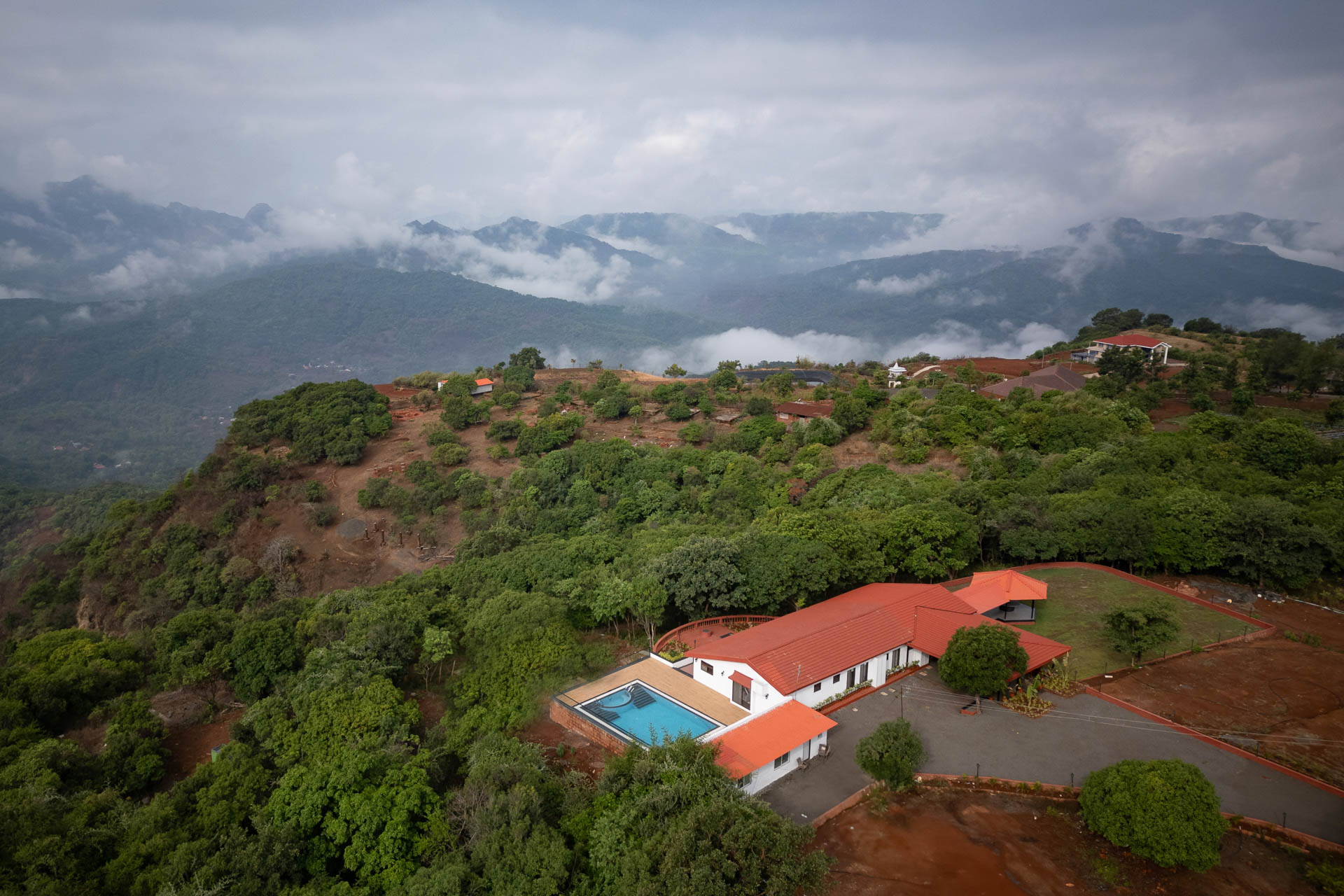

Lonavala vs Mahabaleshwar in Monsoon: Which One Should You Pick in July 2026?

Choose Lonavala in monsoon if: you have 1–2 days, want to travel by train, are visiting with very young kids or elderly relatives, prefer a packed sightseeing day, or plan a spontaneous weekend.
Choose Mahabaleshwar in monsoon if: you have 2–3 days, want cooler weather (under 22°C), are planning a couple’s anniversary or a slow family weekend, prioritise dramatic valley fog and big waterfalls, and don’t mind a 5–6 hour drive each way.
The honest verdict: most Mumbai travellers should do both at least once each monsoon season. Lonavala for July’s first weekend, Mahabaleshwar for a longer August stay — that’s the rhythm long-time Maharashtra travellers swear by.
FAQs:
Lonavala is better for short weekend trips (1–2 days) from Mumbai because it’s only 85 km away. Mahabaleshwar is better for longer trips (2–3 days) because it sits at 1,353 m, gets nearly twice the rainfall, and stays 4–6°C cooler than Lonavala in July.
Lonavala is significantly closer at about 83–85 km via the Mumbai–Pune Expressway, reachable in 2–3 hours. Mahabaleshwar is around 260 km away and typically takes 5–6 hours by road.
Lonavala can be enjoyed comfortably in one or two days. Mahabaleshwar is best explored over two to three days because the attractions are spread across a 20 km radius.
Mahabaleshwar receives roughly 2,400–2,800 mm of rainfall in July versus Lonavala’s 1,200–1,500 mm. Mahabaleshwar is among the highest-rainfall destinations in peninsular India.
Yes, Lonavala can get very busy on July weekends, particularly at Tiger Point and Bhushi Dam. Visit on weekdays for a quieter experience, or arrive at viewpoints before 9 am.
Technically yes, but it isn’t recommended. With 10–12 hours of return driving and only 4–5 hours on the ground, you’ll miss the morning viewpoint clarity and most waterfalls. At least one overnight stay is strongly advised.
Mahabaleshwar generally suits couples better for romantic monsoon trips — the fog, cooler nights and quieter atmosphere create a more cinematic mood. Lonavala is the better option for a short, spontaneous romantic break.
Lonavala is more family-friendly thanks to shorter travel time, train access and concentrated attractions. Karla Caves and Ryewood Park are easy on small children and senior travellers.
Lonavala’s July weather typically ranges from 21–26°C with humidity above 88% and rainfall on 26–29 days of the month. Expect frequent heavy showers with short clear spells.
Mahabaleshwar in July sees temperatures of 17–22°C, humidity of 92–98%, and rainfall on 28–31 days. Dense fog covers most viewpoints by mid-morning.
You can reach Lonavala from Mumbai by road (Mumbai–Pune Expressway, 2–3 hours, 85 km), by train (any Mumbai–Pune line train stops at Lonavala station in 2–2.5 hours), or by bus (MSRTC and private operators run hourly from Dadar, Borivali and Thane).
Mahabaleshwar is best reached by road via NH-48 and Pasarni Ghat (260 km, 5–6 hours), or by combining a Mumbai–Pune train with a 120 km cab from Pune. MSRTC also runs direct buses from Mumbai Central and Dadar.
Both routes remain open through July, but the Ambenali Ghat to Mahabaleshwar and the Old Mumbai–Pune Highway to Lonavala occasionally see landslide-related closures after very heavy rain. Always check Maharashtra State Road Development Corporation advisories before driving.
Blog Article Written by Ruben Saha