
Majuli Island Travel Guide 2026: India’s Most Surprising Offbeat Destination
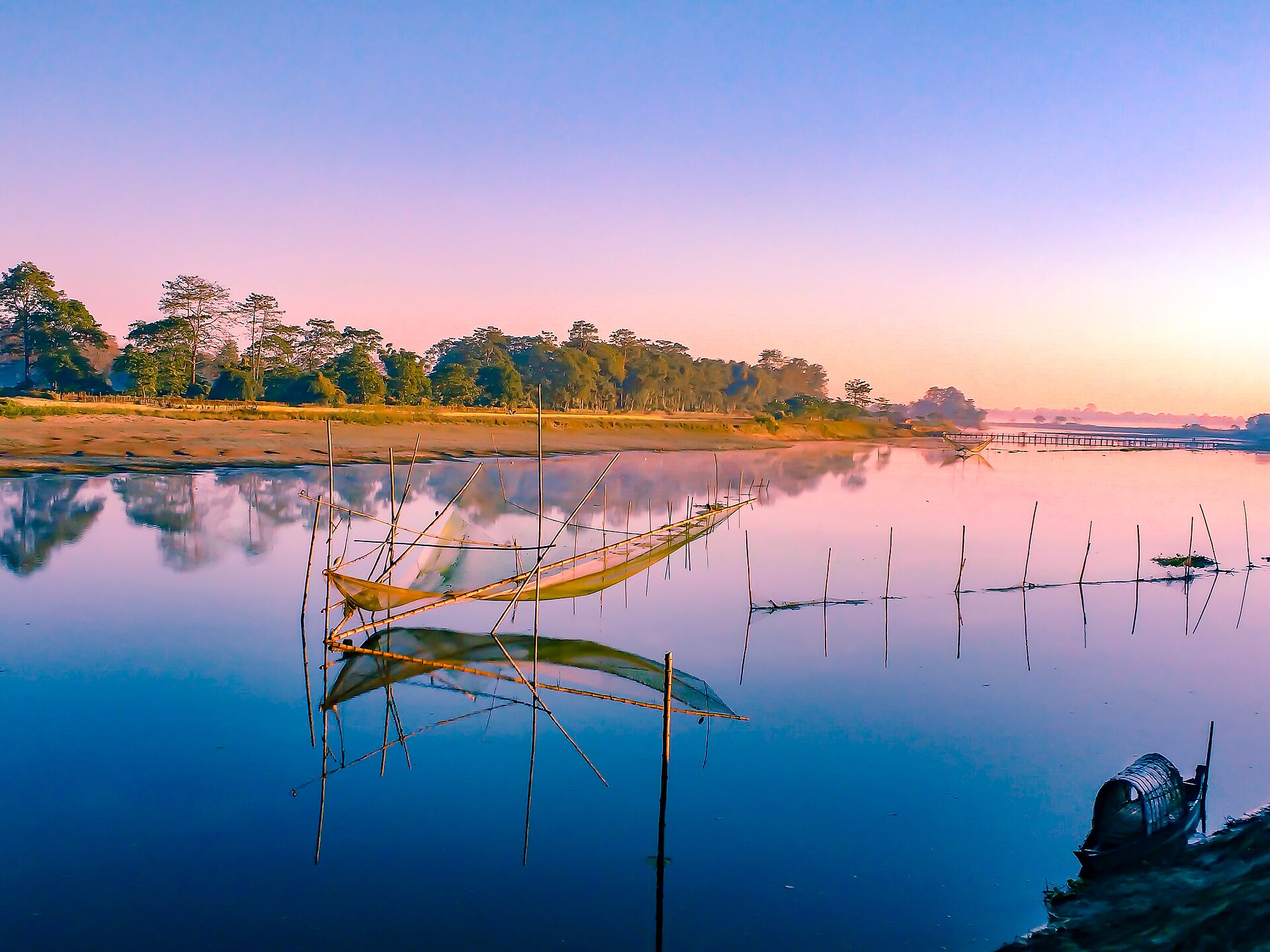
There are very few places left in India where the journey itself slows you down before you even arrive. Majuli Island is one of them.
Set adrift on the vast waters of the Brahmaputra River, Majuli doesn’t announce itself with dramatic skylines or curated experiences. It unfolds gradually-through a ferry ride that replaces highways, through villages that move at the rhythm of the land, and through traditions that have outlived centuries of change.
In 2026, as travel trends lean toward sustainability and slower, more meaningful experiences, Majuli is no longer just a remote destination-it’s becoming one of India’s most surprising cultural landscapes.
In this Blog
What Makes Majuli Unlike Anywhere Else in India
Majuli is widely recognized as the world’s largest river island, but that statistic alone doesn’t capture its essence. What truly sets it apart is how deliberately untouched it feels.
There are no bridges connecting it to the mainland. No dense traffic. No rush to modernize at the cost of identity.
Instead, what exists is a rare balance:
- A living cultural ecosystem rooted in Neo-Vaishnavite traditions
- A landscape shaped continuously by the river
- A lifestyle that prioritizes simplicity over scale
This isn’t accidental preservation-it’s a way of life that has remained intact despite external pressures.
Why Majuli Is Trending in 2026
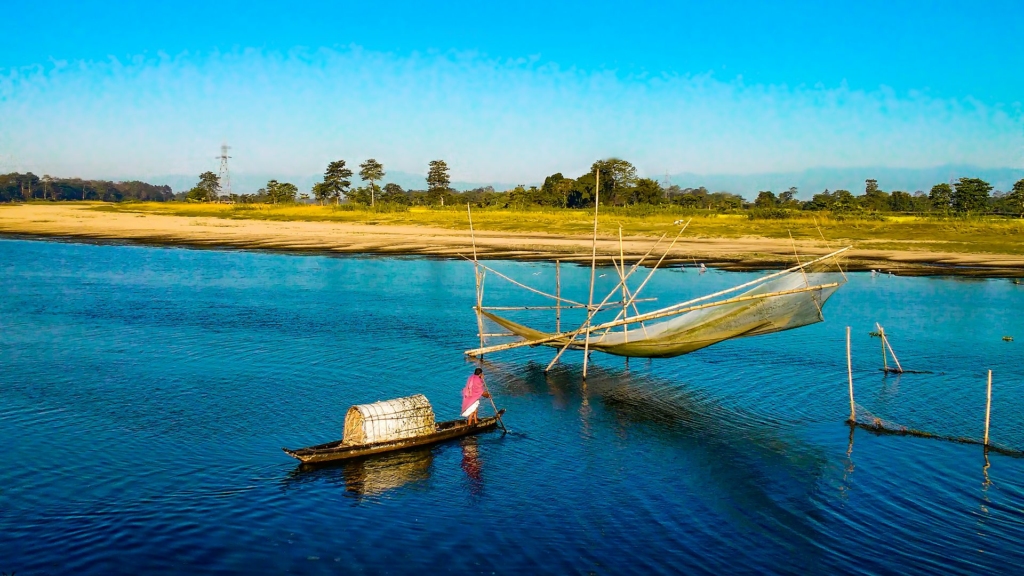
The shift is subtle but significant. Travelers are moving away from checklist tourism and toward places that offer depth over distraction. Majuli fits that shift almost perfectly. The rise in interest comes down to a few clear factors:
1. Slow Travel Appeal
Majuli forces a slower pace. Ferries replace flights, bicycles replace cars, and time stretches in a way that feels increasingly rare.
2. Sustainability Without Performance
Unlike destinations that market eco-tourism, Majuli simply lives it. Bamboo homes, locally sourced food, and minimal infrastructure reduce environmental impact organically.
3. Cultural Continuity
The island is a stronghold of Assamese Vaishnavism, largely shaped by the teachings of Srimanta Sankardeva. His influence continues through monasteries, performing arts, and community life.
4. Digital Detox by Default
Patchy connectivity isn’t a drawback here—it’s part of the experience.
How to Reach Majuli (And Why the Journey Matters)
Getting to Majuli requires intention, and that’s precisely what keeps it special.
Step 1: Reach Jorhat
Jorhat is the closest city with an airport and rail connectivity.
Step 2: Head to Nimati Ghat
A short drive (30–40 minutes) takes you to the ferry point.
Step 3: Ferry Across the Brahmaputra
The ferry ride lasts between 60 to 90 minutes. It’s not just transport-it’s a transition. The river opens up into vast, quiet expanses, and the absence of urban noise becomes immediately noticeable.
There are no bridges to Majuli, and that absence defines the entire experience.
The Cultural Core: Understanding the Satras
To understand Majuli, one has to understand its Satras-monastic institutions that are equal parts spiritual centers and cultural archives.
Key Satras to explore include:
- Kamalabari Satra
- Auniati Satra
- Dakhinpat Satra
These are not tourist sites in the conventional sense. They are living institutions where daily rituals, music, dance (Sattriya), and philosophy are practiced with continuity.
Time spent here isn’t about ticking off landmarks—it’s about observing a system that has remained largely unchanged for centuries.
Life on the Island: What a Day in Majuli Feels Like
Mornings begin early. Mist hangs low over open fields, and the soundscape is dominated by birds rather than engines.
Cycling is the most natural way to move through the island. The terrain is flat, distances are manageable, and the absence of traffic changes how you perceive space.
Afternoons are unhurried:
- Visiting artisans working on traditional masks
- Watching handloom weaving in village homes
- Sharing meals that are grown and cooked locally
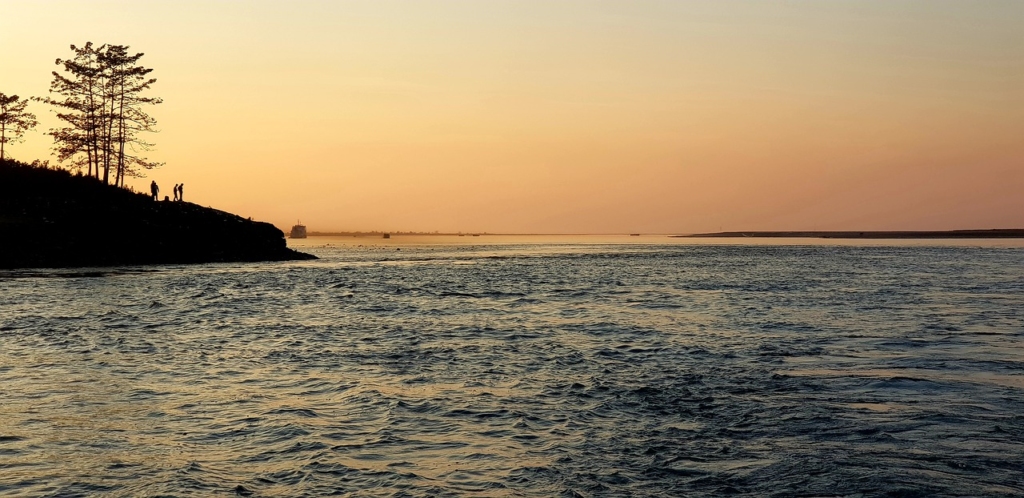
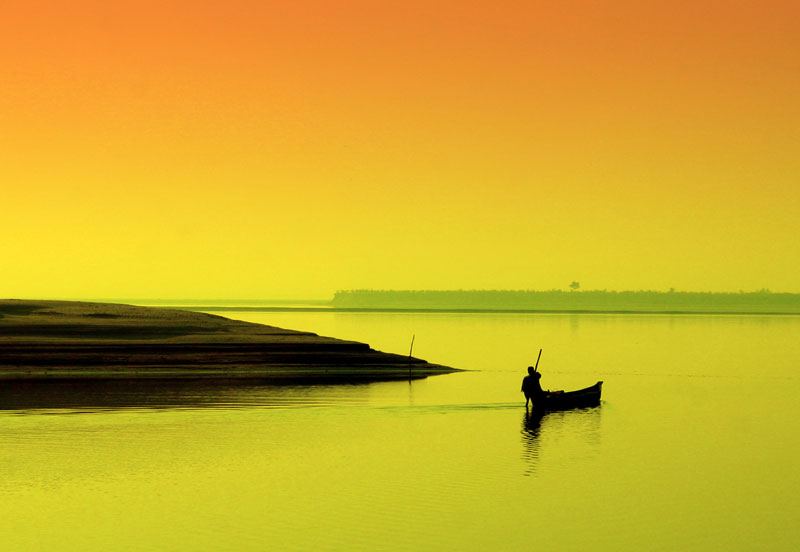
Evenings belong to the river. Sunsets along the Brahmaputra aren’t dramatic—they’re expansive. The horizon stretches endlessly, and the light fades without interruption.
Things to Do in Majuli
Majuli is centered around immersive experiences rather than conventional sightseeing.
1. Explore the Satras (Monasteries)
- Kamalabari Satra
- Auniati Satra
- Dakhinpat Satra
These monasteries are central to Majuli’s identity, preserving centuries-old traditions of music, dance, and spirituality.
2. Cycle Across the Island
- Rent a bicycle locally
- Explore villages, fields, and riverbanks
With minimal road infrastructure and almost no traffic, cycling is the most effective way to explore Majuli. There’s no fixed path or itinerary. The island reveals itself best when explored without urgency.
3. Experience Traditional Art and Culture
- Mask-making workshops
- Local performances
- Handloom weaving traditions
Samaguri Satra is particularly known for its intricate mask-making traditions used in cultural performances.If timing aligns, witnessing Sattriya dance or devotional music offers deeper cultural context.
4. Watch the Sunset Over the Brahmaputra
The best sunsets in Majuli can be experienced along the riverbanks, offering expansive and uninterrupted views.
5. Stay in Eco-Friendly Accommodations
- Bamboo cottages
- Traditional Assamese homestays
Travelers often combine this trip with premium villa stays in Assam or nearby regions.
Best Time to Visit Majuli
Timing can significantly shape your experience.
October to March is ideal—pleasant weather, clearer skies, and access to cultural events.
One of the most important festivals here is the Raas Mahotsav, where mythology, performance, and community come together in a way that feels immersive rather than staged.
Avoid monsoon months (June to September), as flooding can disrupt travel and access.
Food in Majuli: A True Farm-to-Table Culture
Food here reflects the land and river.
Expect meals that are:
- Seasonal
- Locally sourced
- Minimally processed
Common dishes include:
- Assamese thalis with rice, vegetables, and fish
- Fish tenga (light, tangy curry)
- Bamboo shoot preparations
- Apong (traditional rice beer)
There’s no attempt to cater to global tastes-and that’s precisely what makes it memorable.
Where to Stay in Majuli
Accommodation in Majuli prioritizes authenticity over luxury.
Homestays are the most recommended option. They offer:
- Cultural immersion
- Home-cooked meals
- Direct interaction with local families
For travelers seeking a contrast—combining Majuli with a more comfortable stay in Assam (such as boutique villas or curated properties) helps create a balanced itinerary.
Majuli vs Typical Tourist Destinations
Majuli doesn’t compete with destinations like Goa or Manali—it exists outside that framework.
| Aspect | Majuli | Goa | Manali |
| Experience | Cultural, slow | Leisure, nightlife | Adventure |
| Infrastructure | Minimal | Developed | Developed |
| Crowd Levels | Low | High | High |
Majuli appeals to a different kind of traveler—one who values presence over activity.
Travel Tips for Majuli
- Carry sufficient cash-ATMs are limited
- Check ferry timings in advance (they can vary seasonally)
- Pack light and practical
- Expect limited mobile connectivity
- Respect for local customs and traditions enhances your experience on the island.
Who Should Visit Majuli
Majuli isn’t for everyone-and that’s its strength.
It suits:
- Solo travelers
- Cultural explorers
- Photographers
- Those seeking a digital detox
It may not appeal to travelers looking for nightlife or structured itineraries.
What Makes Majuli Worth the Journey in 2026
Majuli Island isn’t just a destination-it’s a reminder of an alternative way to experience travel.
No bridges. Minimal vehicles. No urgency to modernize for the sake of convenience.
What remains is something increasingly rare: a place that hasn’t been reshaped to meet expectations.
Visit not just to see it—but to understand it.
FAQs
Majuli is known for being the world’s largest river island and a cultural hub of Assamese traditions and monasteries.
Travel to Jorhat, proceed to Nimati Ghat, and take a ferry to Majuli.
Yes, Majuli is considered very safe with welcoming local communities.
Two to three days are sufficient for a relaxed visit.
Road infrastructure is limited, which contributes to its peaceful environment.
Banner Image Credit: Udit Kapoor via Unsplash