

Monsoon Trekking Rules 2026: Banned Waterfalls, Dams & Fort Treks by State
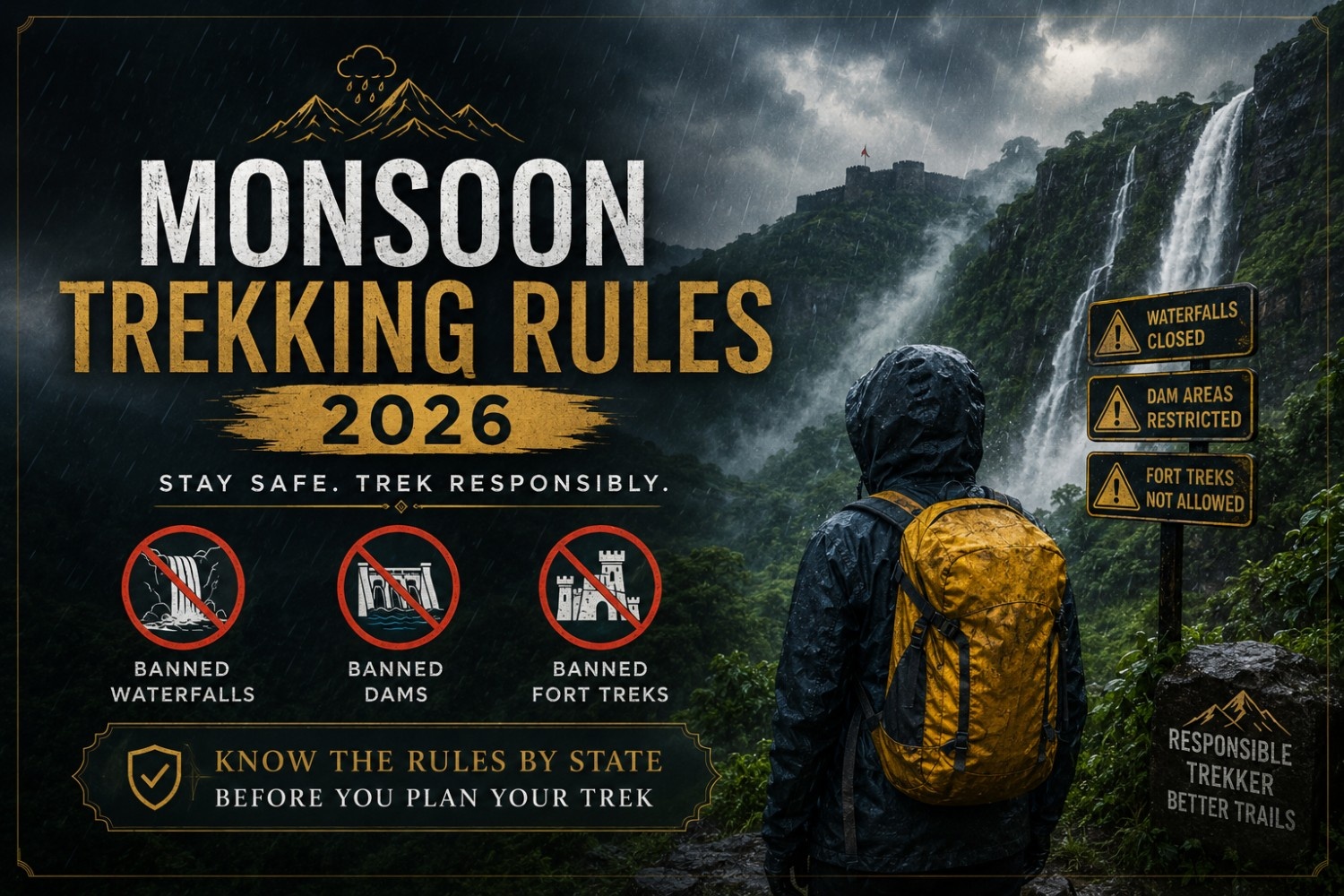
India’s 2026 monsoon has triggered the strictest safety enforcement in a decade. The monsoon trekking rules 2026 now invoke Section 163 of the Bharatiya Nagarik Suraksha Sanhita (BNSS), 2023, in Pune, Thane, Raigad and Nashik districts — banning entry to major waterfalls, dams and forts through the peak rainfall window. Goa has closed Dudhsagar’s railway trek route under the Disaster Management Act, 2005, while Karnataka and Kerala have shut Kumara Parvatha and Agasthyakoodam entirely for the season. This guide breaks down every state’s restrictions, lists the specific forts and falls that are off-limits, and points you toward trails that remain legally open — including the guided Malshej Ghat trek, which continues to operate under a controlled permit system.
Quick Answer: Yes, most popular monsoon treks in Maharashtra, Goa and Karnataka are banned or restricted between June and September 2026. The bans are legally enforceable, carry criminal penalties, and are being actively policed with CCTV and undercover officers.
In this Blog
Why the Monsoon Trekking Rules for 2026 Are the Strictest Yet

The 2025 monsoon was India’s deadliest weather season in four years. According to the Centre for Science and Environment’s Climate India 2025 report, the country recorded extreme weather on 331 of 334 days that year, with 4,419 total deaths and 3,007 fatalities during the June–September window alone. Landslides and flooding together accounted for 2,707 of those deaths. The Bloomberg wire from 21 August 2025 pegged the combined India–Pakistan monsoon toll at 1,860 in a single season.
Trekking-specific incidents drove much of the local outcry. Lonavala Rural Police confirmed that 15 tourists drowned in the Pawana Dam area in a single monsoon after misjudging water depth, and 6 more were swept away in the hills under Lonavala City Police jurisdiction. On the Goa side, at least 14 documented fatalities have occurred on the illegal railway-track route to Dudhsagar Falls. These numbers are the reason the 2026 rulebook is being enforced with criminal law rather than mere advisories.
The 2026 rulebook has three big shifts from previous years:
- Prohibitory orders are now issued under Section 163 BNSS (2023) instead of the older Section 144 CrPC — violations attract detention and prosecution, not just fines.
- CCTV monitoring, drone patrols, and plain-clothes officers are deployed at high-risk trailheads and waterfall bases.
- Permit-only access for legal monsoon trekking has been formalised in Karnataka (Aranya Vihara), Goa (Forest Dept ticketing) and Kerala (KFDC passes).
Maharashtra Monsoon Trekking Rules 2026: The Widest Ban Zone
Maharashtra hosts the most-visited and most-banned monsoon treks in India. Between June and September 2026, the state’s district collectors in Pune, Thane, Raigad and Nashik have issued sweeping prohibitory orders covering hundreds of trails, waterfalls, dams and forts. The Maharashtra monsoon trekking rules for 2026 are enforced by a mix of Forest Department, District Police and Rural Police, with penalties escalating for repeat offenders and organised group violations.
Pune District: Section 163 BNSS in Lonavala

The Pune District Collector has invoked Section 163 BNSS across the Lonavala region for the second consecutive year, effective from midnight of 6 July 2026 until 6 a.m. on 31 July 2026. Under the order, visitors are prohibited from entering waterfalls, rivers, streams and dams, and from taking selfies or filming reels near cliff edges. The Pune order also bans alcohol, loud music and littering at every listed spot, and gives sub-inspectors on-the-spot authority to detain violators.
Locations under active enforcement in Pune district:
| Category | Restricted Sites |
| Dams & lakes | Bhushi Dam, Pawna Dam, Mulshi Dam, Panshet, Varasgaon |
| Viewpoints | Lion’s Point, Tiger Point, Sunset Point (Lonavala) |
| Forts | Lohagad, Visapur, Tikona, Tung Fort, Korigad |
| Waterfalls | Kataldhar, Bhaja Falls area, Kune Falls base |
| Temple areas | Ekvira Devi Temple (crowd-control zone) |
Thane District: Total Ban Until Further Notice
Thane’s district administration has gone further than Pune’s, banning entry to all tourist destinations — including forts, waterfalls, dams, lakes and rivers — until further notice, citing past landslide and drowning tragedies. Popular Thane-side treks including Malanggad, Peb (Vikatgad), Chanderi, Mahuli, and the base villages of Karnala are formally off-limits to individual trekkers during peak rainfall alerts.
Raigad District: Tamhini Sanctuary Closed 1 July – 30 September
The Raigad Collectorate has confirmed a hard closure of Tamhini Wildlife Sanctuary routes from 1 July to 30 September 2026. Six specific sub-routes are shut: Kondhwal, Chondi-Khopiwali, Nhani, Subhedar, Ghongal Ghat and Shidi Ghat. Devkund Waterfall, one of Maharashtra’s most Instagrammed monsoon spots, sits inside this restricted zone and cannot be legally accessed without a Forest Department permit.
Malshej Ghat: Guided Access, Solo Bans

The Malshej Ghat trek zone straddles Thane and Pune districts and receives some of the heaviest rainfall in the state. In 2026, the ghat’s restrictions allow vehicular through-traffic but ban stopping along the ghat road, entering the four biggest waterfalls, and clustering at Ganesh Leni, Padale Dam and Siddhagad. Roughly 35 police officers, plus plain-clothes patrols, are deployed on weekends and public holidays.
That said, the Malshej Ghat trek continues to run legally through licensed operators. The Kalu Waterfall trail — often described as the most spectacular monsoon waterfall trek in the Sahyadris — reopens in the second week of July 2026 under a controlled permit system. If you want to attempt Malshej Ghat trekking this season, you must book with a registered agency, travel in a group with a certified guide, and stay within the marked trail. Self-planned Malshej Ghat trekking to the falls edge or the ghat’s roadside cliffs is not permitted and attracts on-the-spot detention.
Nashik District: Kalsubai, Harishchandragad, Sandhan Valley
Nashik-side monsoon trekking sees rolling advisories rather than blanket bans. Kalsubai (1,646 m) — Maharashtra’s highest peak — remains open through the season, but ascents after 11 a.m. are discouraged, and solo climbs are refused permit sign-off at the Bari village base. Harishchandragad’s Nalichi Vaat and Sandhan Valley (the ‘Valley of Shadows’) are hard-closed during active red-alert days because of flash-flood risk in the gorge. Andharban’s jungle river crossings are declared unsafe on any day with more than 80 mm of rainfall in the preceding 24 hours.
Goa Monsoon Trekking Rules 2026: Dudhsagar Locked Down

Goa’s forest department has banned public entry to all waterfalls located within its wildlife sanctuaries for the 2026 monsoon. Dudhsagar Falls — the state’s iconic four-tier cascade — is the flagship enforcement case. The South Goa District Magistrate has invoked the Disaster Management Act, 2005, meaning violators face criminal prosecution, not just a warning.
Under the 2026 Goa monsoon trekking rules, the popular railway-track walk from Castle Rock or Kulem to Dudhsagar is completely off-limits. The Divisional Security Commissioner of the Railway Protection Force has been directed to post personnel around the clock, with CCTV installed at all four railway stations along the corridor and on-site at the falls themselves.
What is still allowed in Goa this monsoon:
- Vehicle-based entry to the Dudhsagar base via the Collem forest gate, 7:30 a.m. to 11:00 a.m. only, with a Forest Department jeep permit.
- Viewing of the falls from prescribed platforms — no swimming, no rope crossings, no wading into the plunge pool.
- Guided treks in non-sanctuary zones such as Chorla Ghat’s outer trails, subject to daily weather calls.
Karnataka Monsoon Trekking Rules 2026: Permits, Guide Ratios and Peak-Season Shutdowns

Karnataka’s Aranya Vihara programme has quietly become the most structured permit system in India. From 2026, the state mandates a certified nature guide on every approved Western Ghats route, with a guide-to-trekker ratio of 1:10 and daily caps of roughly 300 trekkers per major trail. Slots open at midnight, exactly 15 days before the trek date, and popular weekends on Netravati, Kudremukh, Gangadikal and Kurinjal sell out within minutes.
Peak-monsoon closures in Karnataka:
- Kumara Parvatha — completely closed during peak monsoon; officially open only September through March.
- Kudremukh National Park — permits restricted to designated grassland loops; several stream-crossing routes shut.
- Mullayanagiri and Baba Budangiri — day-hike only, no camping, no post-sunset entry.
- Various waterfall bases in Coorg and Chikmagalur — swimming banned, viewing decks only.
Kerala Monsoon Trekking Rules 2026: Forests Closed to Recreation

Kerala’s approach is the strictest in principle and the simplest to explain: the Kerala Forests and Wildlife Department does not permit recreational trekking inside its reserve forests during the southwest monsoon. Agasthyakoodam, the state’s most sought-after peak trek, is entirely closed in the June–September window and opens only from the second week of January to late March, when the Kerala Forest Development Corporation (KFDC) issues 100 passes for the 45-day season.
Beyond Agasthyakoodam, the state’s 2026 restrictions also cover:
- Meesapulimala and the Kolukkumalai ridge — closed for trekker permits during monsoon; only estate-controlled jeep visits run.
- Athirapally and Vazhachal falls in monsoon — viewing from designated platforms only, no downstream trekking.
- Ponmudi and Silent Valley National Park — entry regulated by daily weather assessment; trail entry restricted after 10 a.m.
Tamil Nadu Monsoon Trekking Rules 2026: Landslide Zones and Nilgiris Advisories

Tamil Nadu tends to lean on advisories rather than statutory bans, but the 2024 Wayanad landslide has changed how the Nilgiris district treats monsoon adventure travel. Kolli Hills and the Agaya Gangai waterfall trail are officially discouraged from June through September, with district-level advisories citing landslide hazard. Kodaikanal’s Bear Shola and Guna Caves trails are closed on red-alert days, and Kotagiri’s tea-estate trekking routes require a homestay-linked guide on any 24-hour period with more than 60 mm of rainfall.
Where Tamil Nadu differs is in its winter push: the state actively promotes October–March as its trekking window, with the Tamil Nadu Tourism Trek portal running guided programmes across the Nilgiris, Yelagiri, Yercaud and the Palani Hills.
Uttarakhand & Himachal Monsoon Trekking Rules 2026: National Park Closures and Alpine Camping Bans

The Himalayan states run monsoon trekking on a different logic. Rather than shutting entire regions, Uttarakhand and Himachal Pradesh close specific national parks and impose blanket alpine-meadow camping bans. Enforcement in 2026 is handled by the state forest departments, with checkposts at trailheads and mandatory GPS check-ins on longer routes.
Key closures and restrictions:
- Govind Pashu Vihar National Park (Uttarakhand) — officially closed during peak monsoon due to landslides on the approach road and dangerous river crossings.
- Nanda Devi Biosphere and the Valley of Flowers approaches — permit-only, with daily entry caps and no camping in the buffer meadows.
- Statewide Uttarakhand rule — no overnight camping on alpine or sub-alpine meadows; all camps must be off-meadow on rock or hardened ground.
- Himachal’s Chandratal and Baralacha approaches — river-crossing routes on Hampta Pass are safe only up to early August; permits revoked on flash-flood alert days.
Waterfall access is treated case by case. Rishikesh’s Neer Garh and Kotli Bhel remain low-risk and open, while the higher-altitude Kempty Falls area sees crowd-control ropes and no-swim rules during red alerts.
Legal Monsoon Trekking Options for 2026: Where You Can Still Go
The 2026 bans are not a blanket end to monsoon adventure. Several trails remain fully legal, either because they sit outside sanctuary boundaries or because they operate on a permit-and-guide model. If you want the monsoon experience without the legal risk, these are your best options.
| State | Legally Open Trail | Access Model |
| Maharashtra | Malshej Ghat (Kalu Waterfall route) | Licensed operator + certified guide |
| Maharashtra | Rajmachi Fort (from Lonavala side) | Group booking recommended |
| Maharashtra | Naneghat plateau trek | Permit at Vaishakhare base village |
| Karnataka | Kudremukh grassland loop | Aranya Vihara online permit |
| Karnataka | Kodachadri (post-alert days only) | Forest gate ticketing |
| Goa | Chorla Ghat outer trails | Guided groups only |
| Uttarakhand | Neer Garh & Kotli Bhel waterfall trails | Open access, weather-dependent |
| Himachal | Hampta Pass (up to early August) | Registered expedition operator |
| Kerala | Ponmudi day trails (pre-10 a.m.) | Forest Dept day pass |
Why the Malshej Ghat Trek Remains a Standout
Even with the wider Maharashtra crackdown, the Malshej Ghat trek retains a special status because of how it is structured. Licensed operators run permit-controlled Malshej Ghat trekking programmes on the Kalu Waterfall route, on the ancient Ghatwat jungle trail, and on a shorter monsoon walk to the ridge viewpoint. The catch: you cannot show up solo and walk in. Every legal Malshej Ghat trek route in 2026 requires you to be part of a registered group with a certified guide, and it is one of the few controlled experiences that lets you actually stand next to a Sahyadri waterfall in full flow without breaking the law.
The Universal Monsoon Trekking Rules That Apply Everywhere in India

Beyond the state-specific bans, a common set of monsoon trekking rules applies across every legally open trail in India in 2026. These are not suggestions — most of them are enforceable at the trailhead, and several are conditions of your permit.
- No entry into the plunge pool of any waterfall, regardless of how calm the surface looks.
- No selfies, reels or drone flying within 3 metres of a cliff edge, gorge lip or dam wall.
- No alcohol at any trailhead, base village, or campsite; consumption on-trail is grounds for permit revocation.
- No solo trekking on any Western Ghats sanctuary trail during monsoon — group size minimum is typically 4.
- Mandatory GPS check-in at the start and end of longer routes; failure to check out triggers a search protocol you will be billed for.
- No entry after the trail’s daily cut-off time — usually between 10 a.m. and 12 noon on high-rainfall days.
- Certified guide compulsory on all Karnataka Aranya Vihara routes and on all Kerala Forest Department trails.
- No plastic bottles or single-use plastics inside any national park or wildlife sanctuary trail.
Penalties: What Happens If You Break the Monsoon Trekking Rules
The 2026 legal framework is more aggressive than in previous years. Section 163 BNSS orders and Disaster Management Act notifications both carry criminal liability. Practical enforcement looks like this:
- On-the-spot fines of INR 500 to INR 5,000 for entering a restricted waterfall, dam or fort area.
- Detention under Section 163 BNSS — typically overnight — for repeat or aggravated violations.
- Vehicle seizure and towing for parking on banned ghat stretches or near restricted waterfalls.
- Prosecution under the Disaster Management Act, 2005 for acts endangering others (e.g., organising unauthorised group walks on the Dudhsagar track).
- Search-and-rescue billing — trekkers who go missing on unauthorised routes are billed the full cost of the SAR operation.
- Blacklisting from Aranya Vihara / KFDC portals for a full season after a documented violation.
2026 Monsoon Trek Safety Checklist


Even on legally open trails, monsoon trekking demands a different kit and mindset than fair-weather hiking. The following checklist is used by most licensed operators in Maharashtra and Karnataka as their minimum trekker readiness bar.
Gear
- High-grip trekking shoes (Vibram Megagrip or equivalent) with drainage.
- Full poncho, not just a rain jacket — must cover backpack too.
- Waterproof phone pouch and a dry-bag inside your rucksack.
- Two pairs of quick-dry synthetic socks; cotton socks cause blisters within an hour on wet trails.
- Head-torch with fresh batteries — visibility drops fast in monsoon squalls.
- Leech socks or salt sachet for Western Ghats routes.
Documents
- Permit printout (digital copy alone is not always accepted at checkposts).
- Government ID matching the permit name exactly.
- Emergency contact card in a waterproof sleeve.
Judgement calls
- Turn back at any river crossing where you can’t see the streambed.
- Abandon summit attempts if you hear thunder within 30 seconds of a lightning flash.
- Do not proceed to a waterfall base if upstream rainfall was 50 mm+ in the last 12 hours — flash-flood risk is real.
Basing Yourself for a Legal 2026 Monsoon Trek
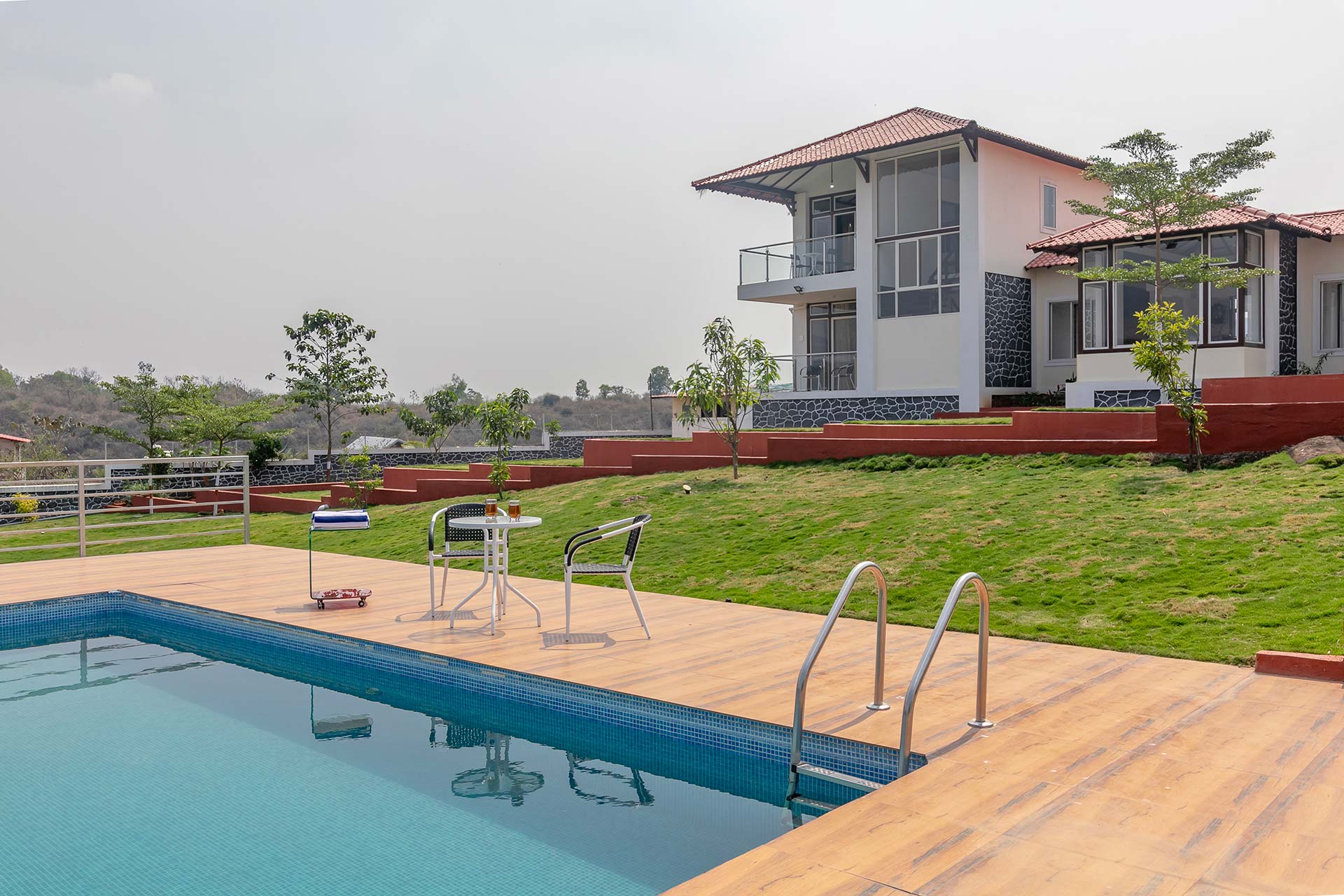
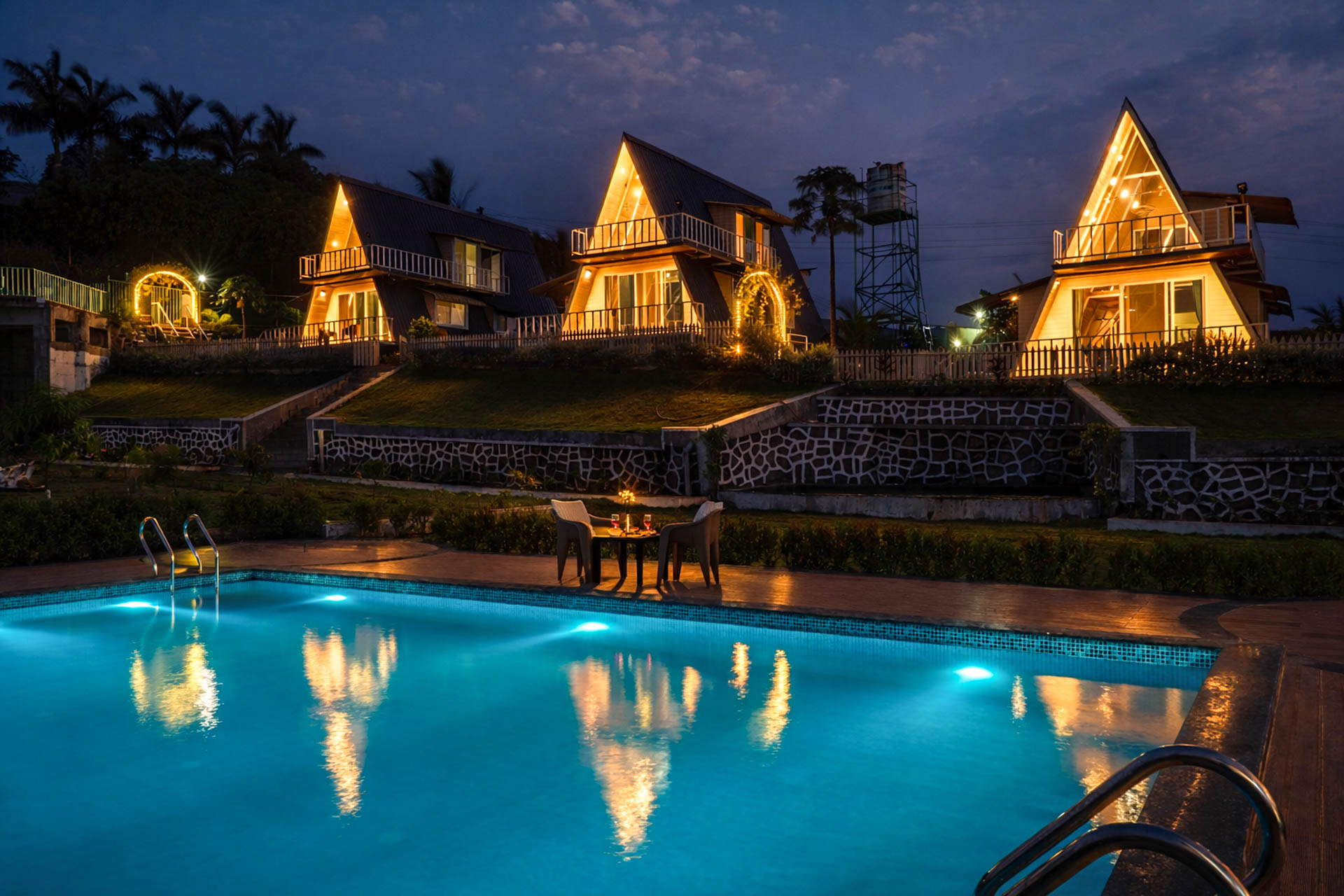
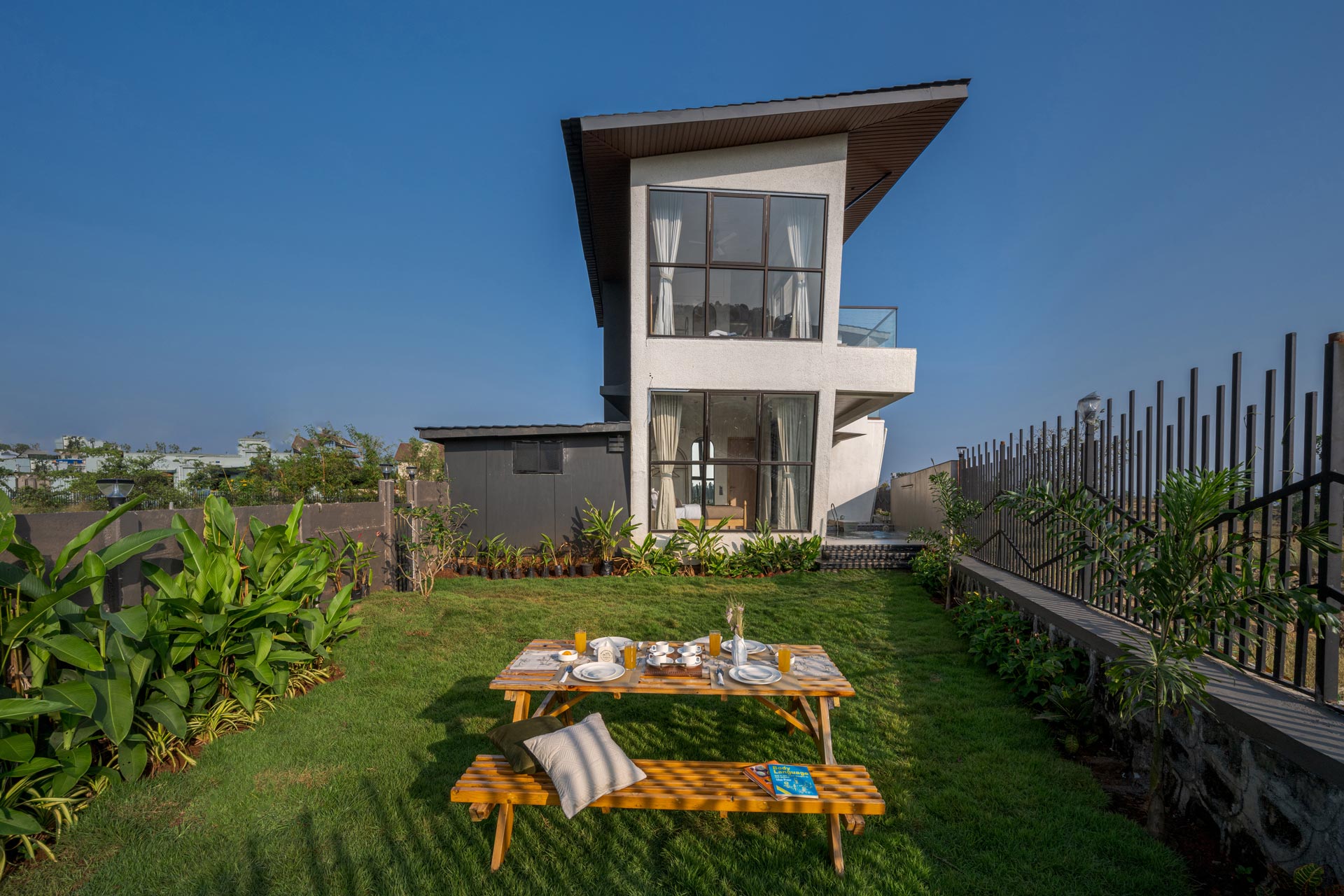
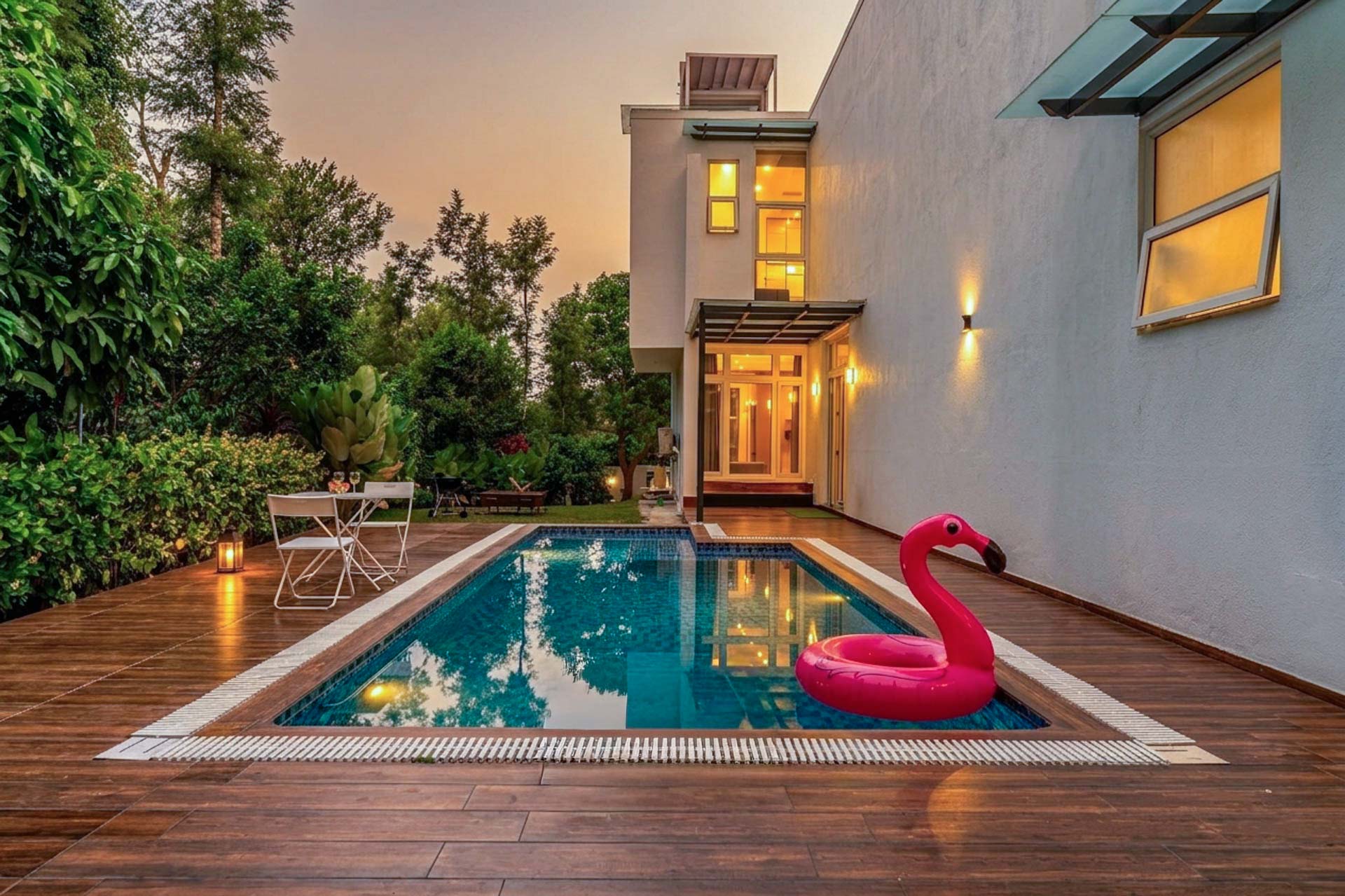
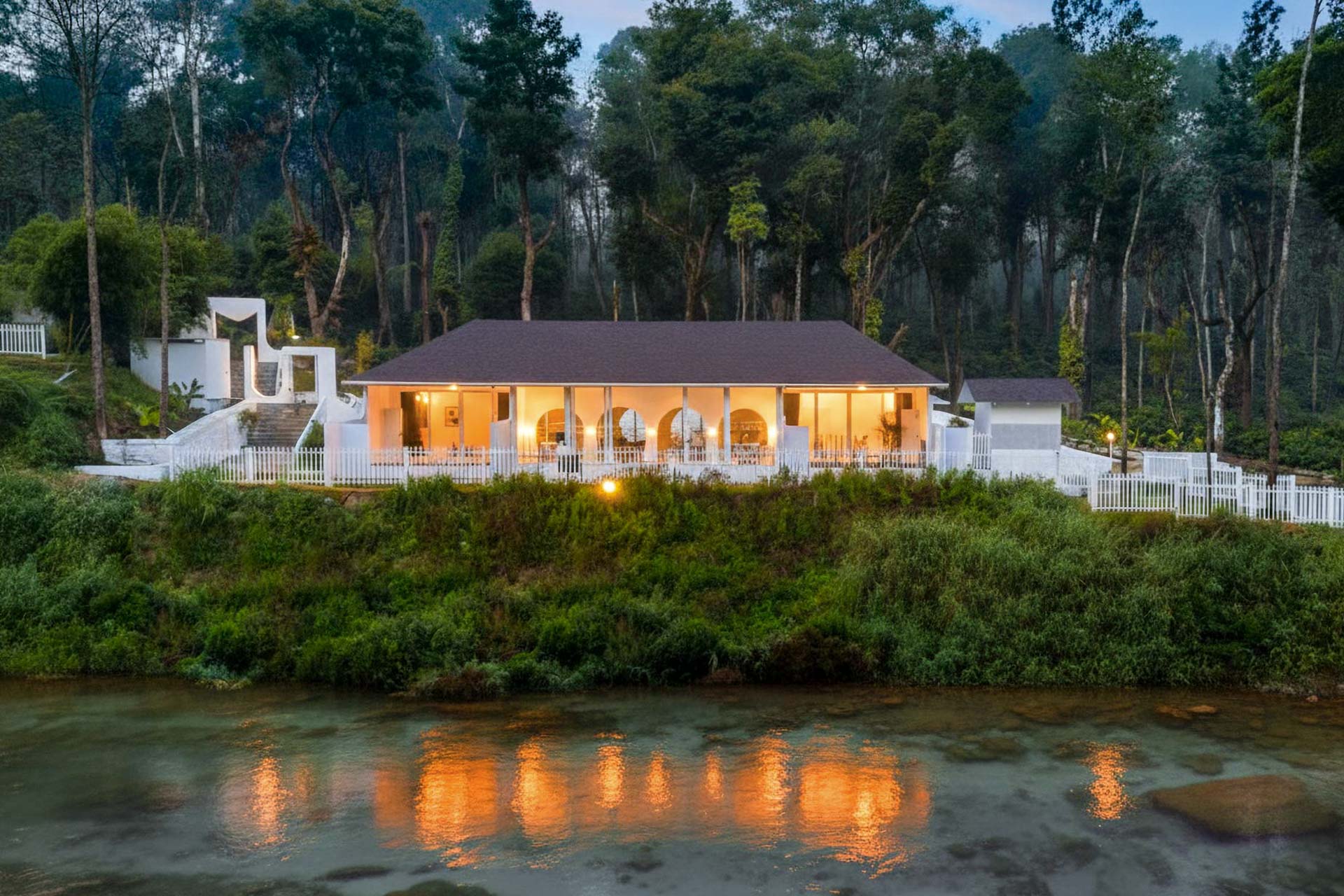
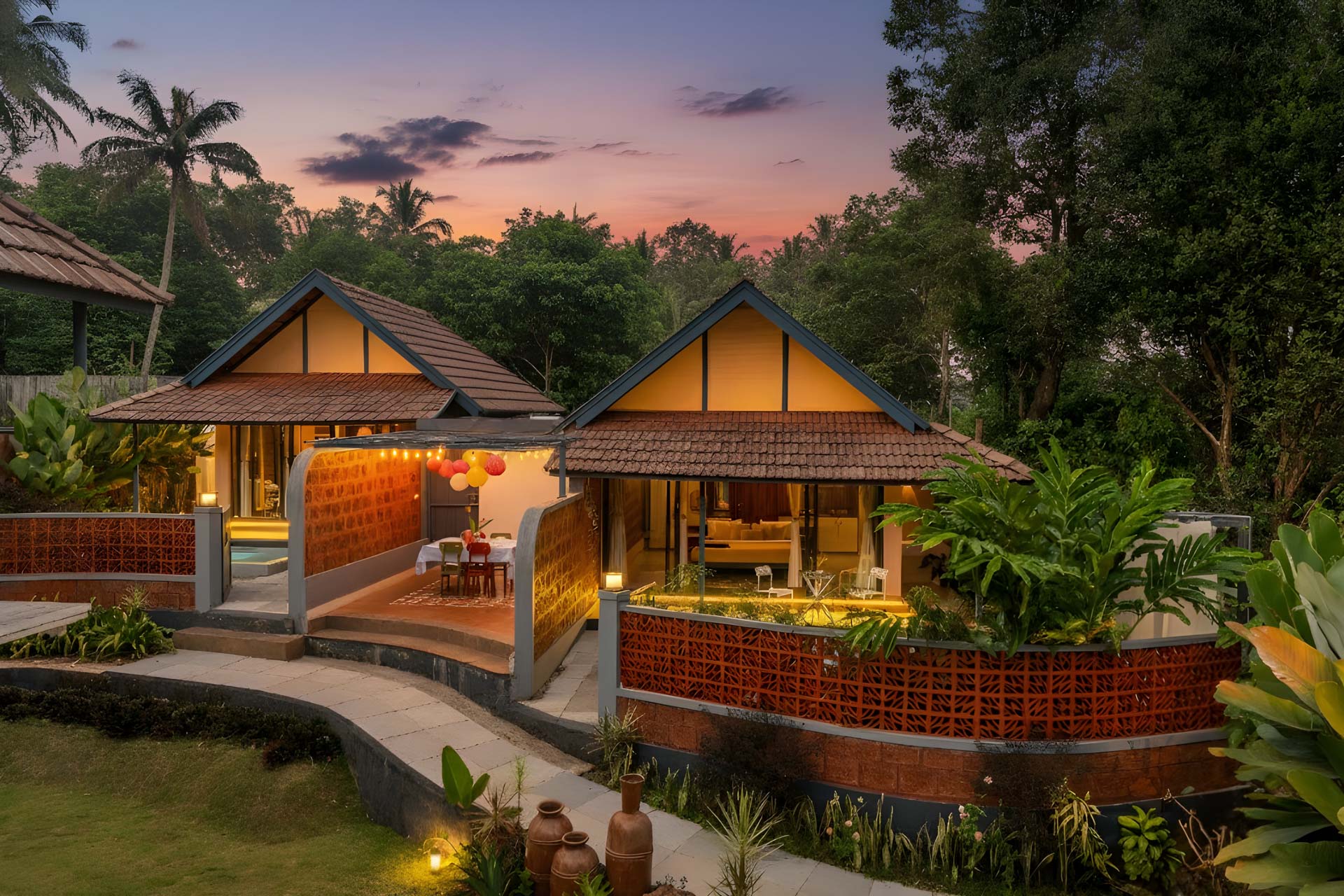
Because most 2026 permit systems have a hard morning cut-off — trailheads often close entry by 10 a.m. — the single biggest edge you can give yourself is staying close to the base. Villas and homestays within a 30-minute drive of the trailhead let you start early, avoid the traffic on ghats that see stop-restriction policing, and return to a dry space to change and rest.
For the Malshej Ghat, Lonavala and Karjat trailheads, villa clusters in Kamshet, Karjat and along the Mumbai–Nashik corridor are the most practical bases. For Karnataka’s Aranya Vihara routes, homestays in Chikmagalur, Kalasa and around Sringeri put you within an hour of the Kudremukh and Kumara Parvatha gates. In Goa, Chorla Ghat and the Sattari belt are the closest legal-monsoon bases outside the Bhagwan Mahavir Sanctuary boundary.
Villas to Stay Near Popular Treks



Monsoon Trekking Rules 2026: FAQs
No. Blanket bans apply only to specific waterfalls, dams and forts under Section 163 BNSS orders in Pune, Thane, Raigad and parts of Nashik. Licensed operators still run guided treks on approved trails, including the Malshej Ghat Kalu Waterfall route and the Rajmachi Fort trek.
Yes, but only through a licensed operator with a certified guide. Solo Malshej Ghat trekking to the waterfalls and cliff edges is banned. The Kalu Waterfall route typically becomes fully active from the second week of July.
Section 163 of the Bharatiya Nagarik Suraksha Sanhita, 2023 is the successor to the old Section 144 CrPC. It lets a District Magistrate ban specified activities in a defined area for public safety. Violation is a cognisable offence and can lead to on-the-spot detention.
The railway-track walk from Castle Rock or Kulem to Dudhsagar is banned. You can visit the falls base via the Collem forest gate, 7:30 a.m. to 11:00 a.m. daily, with a Forest Department jeep permit. Swimming is prohibited.
Kumara Parvatha is closed entirely (open only September–March). Several stream-crossing routes inside Kudremukh National Park are shut. Grassland loops and designated day-hike routes remain open through the Aranya Vihara permit system.
Fines range from INR 500 to INR 5,000, plus possible overnight detention under Section 163 BNSS. Repeat or aggravated violations — such as ignoring a plain-clothes officer’s warning — attract prosecution under the Disaster Management Act, 2005.
No. Drone flying is prohibited in all wildlife sanctuaries, national parks, and within 3 metres of any cliff, gorge or waterfall in the current 2026 orders. You need separate Ministry of Civil Aviation and Forest Department permissions for aerial filming.
Kalsubai remains open but is treated as an advanced-level monsoon climb. Base-village permit clerks in Bari refuse sign-off for solo climbers, and ascents after 11 a.m. are actively discouraged on days with rainfall over 60 mm in the previous 24 hours.
Not everywhere, but the trend is toward mandatory guides. Karnataka’s Aranya Vihara and Kerala’s KFDC trails require certified guides. Maharashtra requires them on all sanctuary trails, and Uttarakhand requires them on all high-altitude route permits.
Only on genuinely unrestricted trails — mostly low-altitude waterfall walks in Rishikesh, some outer Chorla Ghat routes, and a few Sahyadri ridge walks that sit outside sanctuary boundaries. Any trail inside a wildlife sanctuary, national park, or under a District Collector’s prohibitory order needs a permit.
Check the specific District Collector’s website (Pune, Thane, Raigad, South Goa), the state Forest Department portal, and the operator you’re booking through. Bans are updated week by week based on rainfall alerts, so a trail that was open on Monday may be shut by Thursday.
The India Meteorological Department’s 2026 outlook classifies the season as below normal, meaning lighter and more predictable rain windows than 2025. That said, extreme single-day events remain likely, and the district-level ban system is designed to react to those spikes rather than to average rainfall.
The Bottom Line
The 2026 season is the year India finally moved from advisory to enforcement on monsoon safety. Following the monsoon trekking rules laid out above is no longer optional — it is a legal condition of being in the hills, and the enforcement infrastructure now exists to back it up. Pick trails that are legally open, book through licensed operators, respect the daily cut-off times, and treat every waterfall as more dangerous than it looks. The Sahyadris and the Western Ghats will still be there, greener than ever, waiting for you to do this right.