

New Bengaluru–Mumbai Express: 15 Stops, ₹750 Fare & 6 Monsoon Weekend Trips It Unlocks
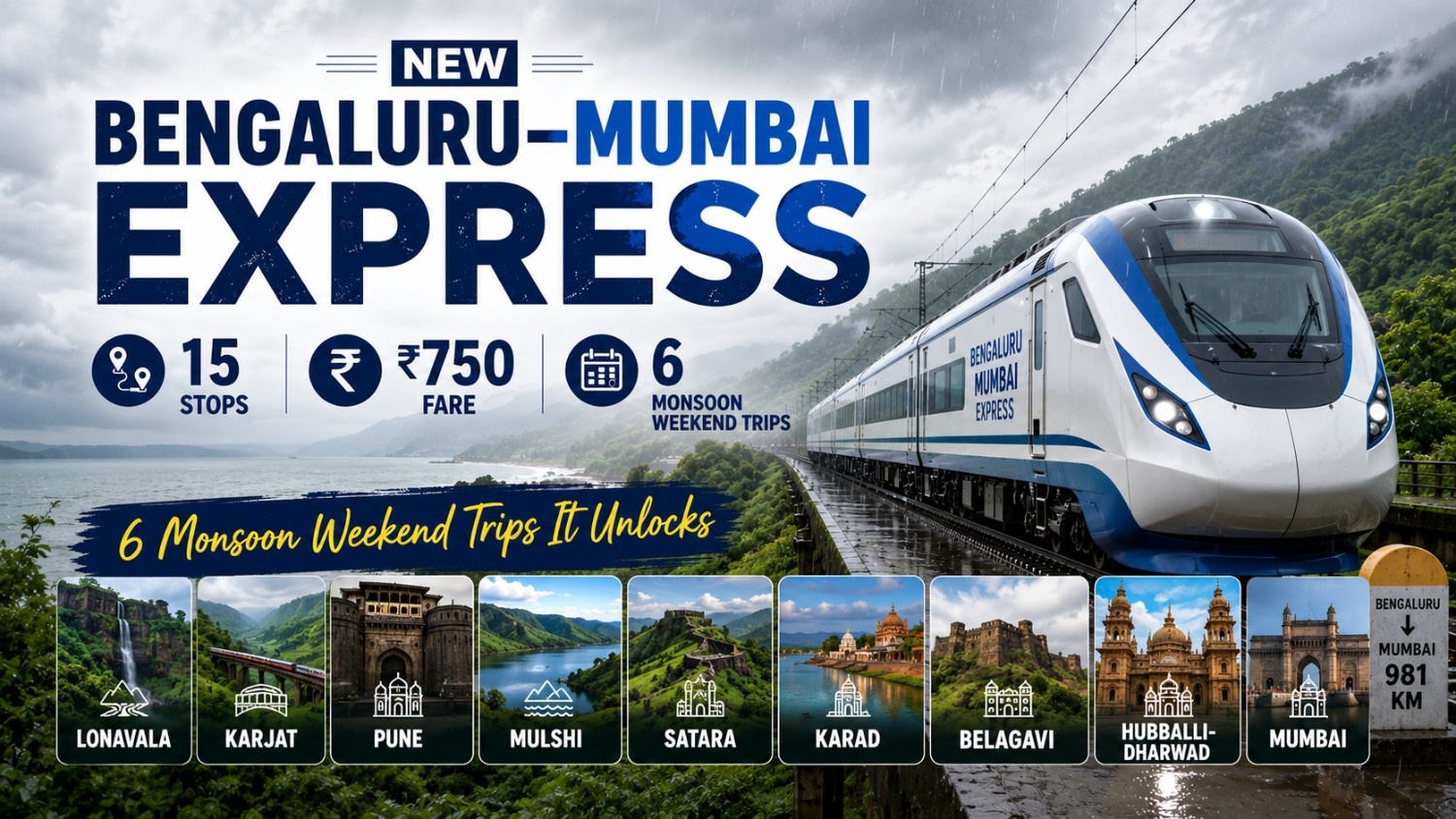
A direct train links Bengaluru and Mumbai again — only the second one in roughly three decades — and it arrives just as the first monsoon clouds roll over the Western Ghats. The new SMVT Bengaluru–Lokmanya Tilak Terminus Express (trains 16553/16554) covers 1,210 km and 15 stops in about 24 hours. But the timetable is only half the story. This train threads some of India’s greenest monsoon country, and it puts Lonavala, Karjat and Pune within an easy hop. Here’s the full route, every fare, and the six rainy-season weekend trips it quietly unlocks.
The new SMVT Bengaluru–Lokmanya Tilak Express (16553/16554) runs bi-weekly across 1,210 km and 15 halts in 24 hours 5 minutes, with fares from ₹750 (Sleeper) to ₹2,575 (2AC). It leaves Bengaluru at 8:35 PM every Saturday and Tuesday and reaches Lonavala by 5:53 PM the next day — perfect timing for a monsoon weekend in the Western Ghats.
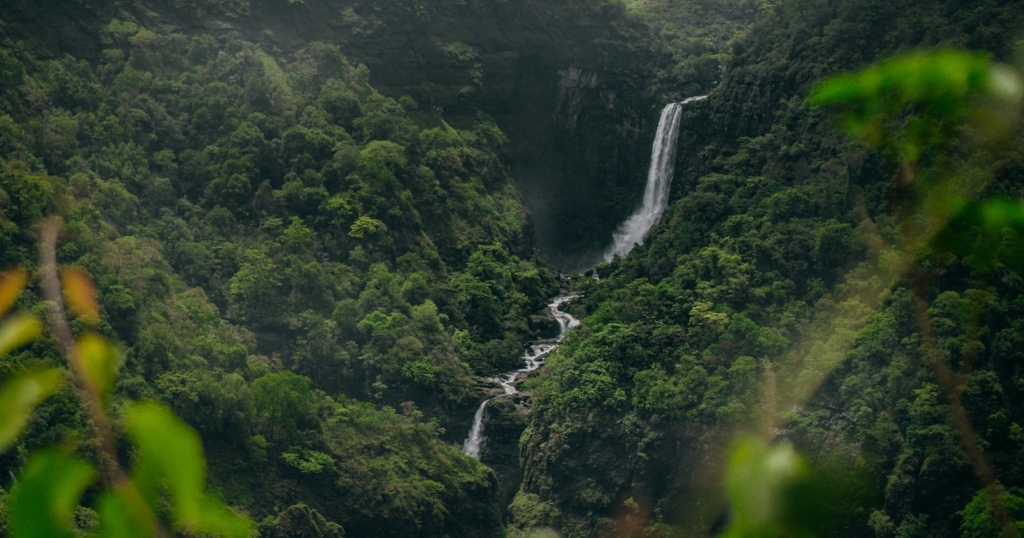
The Western Ghats around Lonavala in full monsoon — minutes from a stop on the new route.
In this Blog
What is the route of the new Bengaluru–Mumbai Express?
The new Bengaluru–Mumbai Express runs as train 16553 from SMVT Bengaluru to Lokmanya Tilak Terminus (LTT) in Mumbai, covering 1,210 km with 15 halts (Onmanorama, 2026). It’s the second direct superfast train between the two cities in about 30 years, and it threads the Karnataka–Maharashtra corridor through Hubballi, Belagavi and Pune.
The route matters more than most train routes because of where it goes. After climbing out of north Karnataka, it crosses into the Sahyadri belt — Satara, Pune, then the dramatic Bhor Ghat descent through Lonavala and Karjat into the Mumbai plains. These are exactly the places that turn electric green between July and September.
Here are all 15 halts in running order, with distance markers, so you can pick where to get off.
| Stop | Station | Distance from Bengaluru |
| Start | SMVT Bengaluru | 0 km |
| 1 | Tumakuru | 77 km |
| 2 | Davangere | 332 km |
| 3 | SSS Hubballi Jn | 476 km |
| 4 | Dharwar | 496 km |
| 5 | Belagavi | 618 km |
| 6 | Miraj Jn | 755 km |
| 7 | Sangli | 762 km |
| 8 | Karad | 830 km |
| 9 | Satara | 889 km |
| 10 | Lonand | 942 km |
| 11 | Pune Jn | 1,034 km |
| 12 | Lonavala | 1,098 km |
| 13 | Karjat | 1,126 km |
| 14 | Kalyan Jn | 1,172 km |
| 15 | Thane | 1,192 km |
| End | Lokmanya Tilak Terminus (Mumbai) | 1,210 km |
Source: Indian Railways schedule for train 16553, cross-checked on RailYatri and ConfirmTkt, 2026.
For monsoon travellers, the three stops in bold — Pune, Lonavala and Karjat — are the ones to circle. We’ll come back to each.
What are the timings and running days?
Train 16553 departs SMVT Bengaluru at 8:35 PM every Saturday and Tuesday and reaches Lokmanya Tilak Terminus in Mumbai at 8:40 PM the next day (Onmanorama, 2026). The return train, 16554, leaves Mumbai at 11:15 PM every Sunday and Wednesday and arrives back in Bengaluru at 10:30 PM the following day. It’s a bi-weekly service — two departures a week in each direction.
One detail trips up first-timers: this train starts from SMVT Bengaluru (Sir M. Visvesvaraya Terminal in Baiyappanahalli), not the city’s older KSR Bengaluru (SBC) or Yesvantpur (YPR) stations. Reach the right terminal. SMVT has an AC waiting lounge, a food plaza and parking, so arriving 45 minutes early is no hardship.
The timings are quietly perfect for a weekend. Board Saturday night, sleep through Karnataka, wake up to the ghats on Sunday, and step off at the stop of your choice by late afternoon. Here’s exactly when the outbound train reaches the stops that matter:
- Pune Jn — arrives 4:50 PM (Sunday)
- Lonavala — arrives 5:53 PM (Sunday)
- Karjat — arrives 6:37 PM (Sunday)
- Mumbai LTT — arrives 8:40 PM (Sunday)
Get off at Lonavala just before 6 PM, and you’re at a villa with a hot chai and a rain-soaked valley view by nightfall. Try arranging that around a 6 AM flight.
How much does the new Bengaluru–Mumbai train cost?
Fares on the new Bengaluru–Mumbai Express run from ₹750 in Sleeper to ₹2,575 in 2AC, with 3AC at ₹1,880 for the full Bengaluru-to-Mumbai journey (Goodreturns, 2026). That makes it one of the most affordable ways to cover the route — a fraction of a typical flight fare.
For a 24-hour overnight ride, 3AC at ₹1,880 hits the sweet spot — a flat berth, air-conditioning, and bedding for less than you’d spend on a one-way budget flight. Sleeper at ₹750 is the backpacker’s choice. The train runs a 17-coach LHB rake, with six Sleeper coaches, four 3AC, one 2AC and four General coaches, so there’s a fair spread of seats each trip.
How does it compare to flights and the older train?
On raw speed, a flight still wins — about two hours in the air versus 24 on rail. But the new train adds choice rather than replacing anything, and for monsoon travel that choice is genuinely useful. Here’s how the options stack up.
| Mode | Time | Frequency | Typical fare | Best for |
| New Express 16553 (Sleeper/3AC) | ~24 hrs | 2 days/week | ₹750–₹1,880 | Overnight, budget, ghat views |
| Udyan Express 11301 | ~22 hrs | Daily | From ₹600 | Flexible dates, daily option |
| Flight | ~2 hrs (5 hrs door-to-door) | Many daily | ₹3,000–₹8,000+ | Speed, business travel |
| Bus | ~17 hrs | Many daily | ₹1,200–₹2,500 | Last-minute, point-to-point |
Indicative comparison; train times per Indian Railways schedules, 2026.
The Udyan Express has run this corridor for years and still does — daily, and slightly quicker. The new train’s edge is the overnight timing, the city-centre-to-city-centre convenience, and the stops at Lonavala and Karjat that let you treat the journey as the holiday. If you’re flying for a meeting, fly. If the ghats in the rain are the point, take the train.
Why is the monsoon the best time to take this train?
Monsoon is widely considered the best season to travel India’s mountain railways, and this route runs straight through the reason why (EaseMyTrip, 2026). Between Pune and Karjat the train tackles the Bhor Ghat — the same Sahyadri escarpment the Deccan Queen has climbed since 1930 — and in July and August it’s a wall of green stitched with waterfalls.
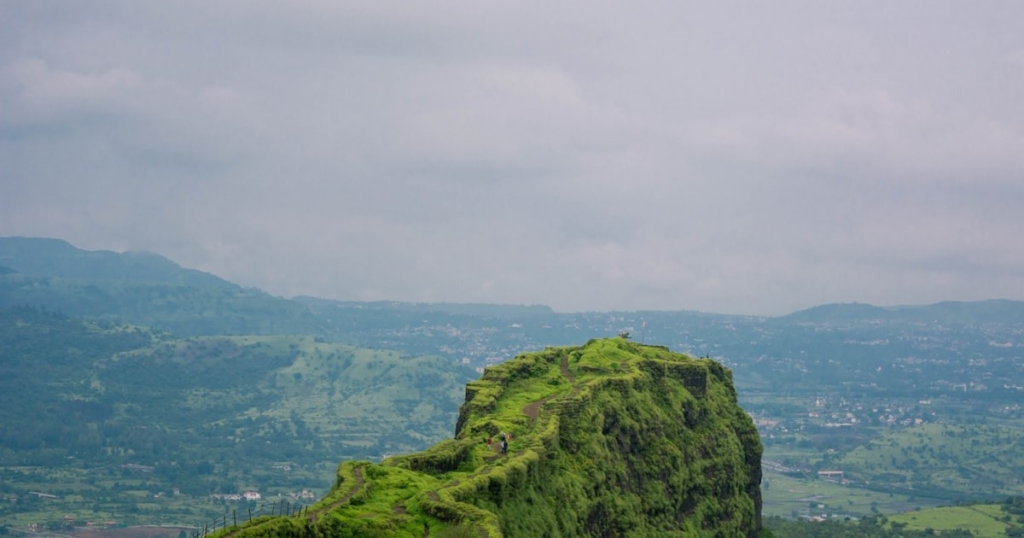
The Bhor Ghat belt near Lohagad — the most scenic stretch of the descent into Mumbai.
The best window is the descent from Lonavala (5:53 PM) to Karjat (6:37 PM). The line loops through tunnels and over old stone viaducts, with seasonal waterfalls spilling down rock faces close enough to photograph. Sit on the left side of the train heading towards Mumbai for the valley drops. With the outbound train reaching this stretch in the late-afternoon light, you get the ghats lit gold under monsoon cloud — a view no aircraft window offers.
This is also why the timing of the launch is so neat. The train began regular service in late May 2026, and by mid-June the monsoon is setting in across the Ghats. Plan a July or August trip now, and you’ll catch the route at its greenest.
6 monsoon weekend trips the new train unlocks
Each of these is reachable on a single Saturday-night departure, with the train dropping you at the relevant station by Sunday afternoon. We’ve added the practical details — how to reach, what to do, and where to stay — for each.
1. Lonavala — waterfalls, forts and a misty valley (arrives 5:53 PM)
Lonavala is the monsoon postcard of Maharashtra, and the train sets you down right in town. From the station, every major sight is a short auto or cab ride away.
- What to do: Bhushi Dam (free; busiest on weekends), Tiger’s Leap viewpoint, Rajmachi Point, the 2nd-century Karla Caves (entry ₹25 for Indians; 9 AM–5:30 PM), and a monsoon trek up Lohagad Fort (free; 9 AM–6 PM).
- Best time: July–September for full waterfalls and mist.
- Time required: 2 days / 1 night is ideal.
- Ideal for: Couples, families, first-time monsoon travellers.
- Pro tip: Bhushi Dam currents get dangerous after heavy rain — admire from the edge, don’t wade in midstream.
For a deeper list, see our guide to Lonavala and Khandala in the monsoon and the best places to visit in Lonavala.
Where to stay: La Palm, an 8BHK estate with a 22×70 ft pool that sleeps 16, or the 4-bedroom hill-view Bianco Villa for smaller groups.


2. Karjat — riverside green and Sahyadri treks (arrives 6:37 PM)
Karjat is where the Ulhas river runs full and the hills go emerald. It’s quieter than Lonavala and built for slow, rain-soaked weekends close to the water.
- What to do: Ulhas River rafting (operates July–September; ~₹1,000–₹1,500 per person), the Peb Fort and Rajmachi treks, and a side trip to car-free Matheran via the Neral toy train.
- Best time: July–September, when the river is high enough to raft.
- Time required: 2 days / 1 night.
- Ideal for: Groups, adventure seekers, families wanting riverside calm.
- Pro tip: Book rafting a day ahead in peak monsoon — slots fill fast and operators cap numbers when the river is in spate.
Our roundup of why Karjat shines in the monsoon and the best monsoon treks near Karjat have more
Where to stay: The Den, a 7BHK with an L-shaped pool, poolside bar and butler service for up to 21, or the riverside 4-bedroom Aqua and Sage.
3. Pune & Mulshi — waterfalls, forts and festival season (arrives 4:50 PM)
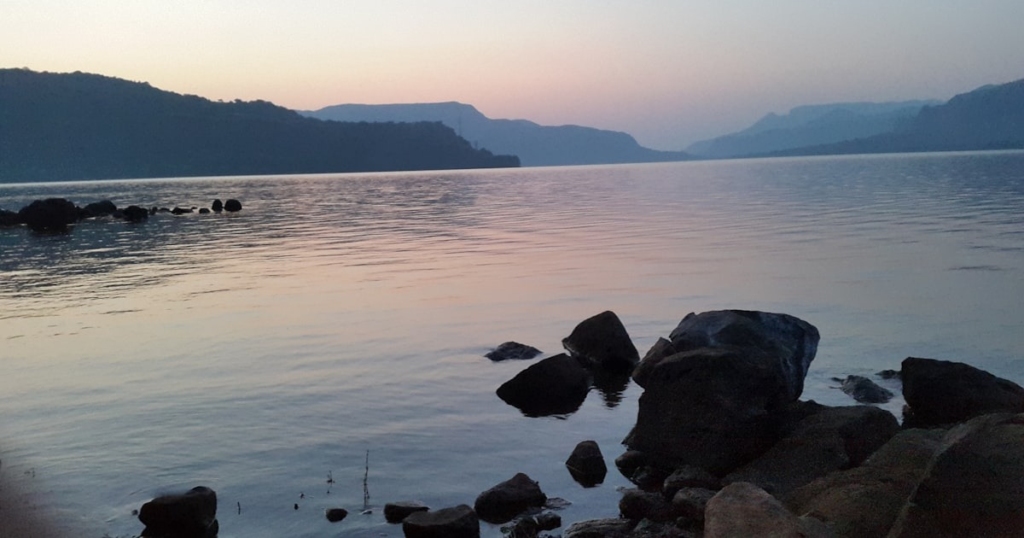
Pune is the route’s biggest city and a launchpad for the Mulshi valley, where the monsoon fills lakes and tips waterfalls over the Sahyadri edge.
- What to do: Shaniwar Wada (entry ₹25; 8 AM–6:30 PM), the Sahyadri waterfalls around Mulshi and Tamhini Ghat, and — if you time it for August or September — Pune’s spectacular Ganesh Chaturthi celebrations.
- Best time: August–September for festivals and peak greenery.
- Time required: 2–3 days.
- Ideal for: Families, culture lovers, groups.
- Pro tip: Tamhini Ghat roads can flood after a downpour — start waterfall trips early and check conditions before you set off.
See our picks for places to visit near Pune in the monsoon and the top waterfalls near Pune.
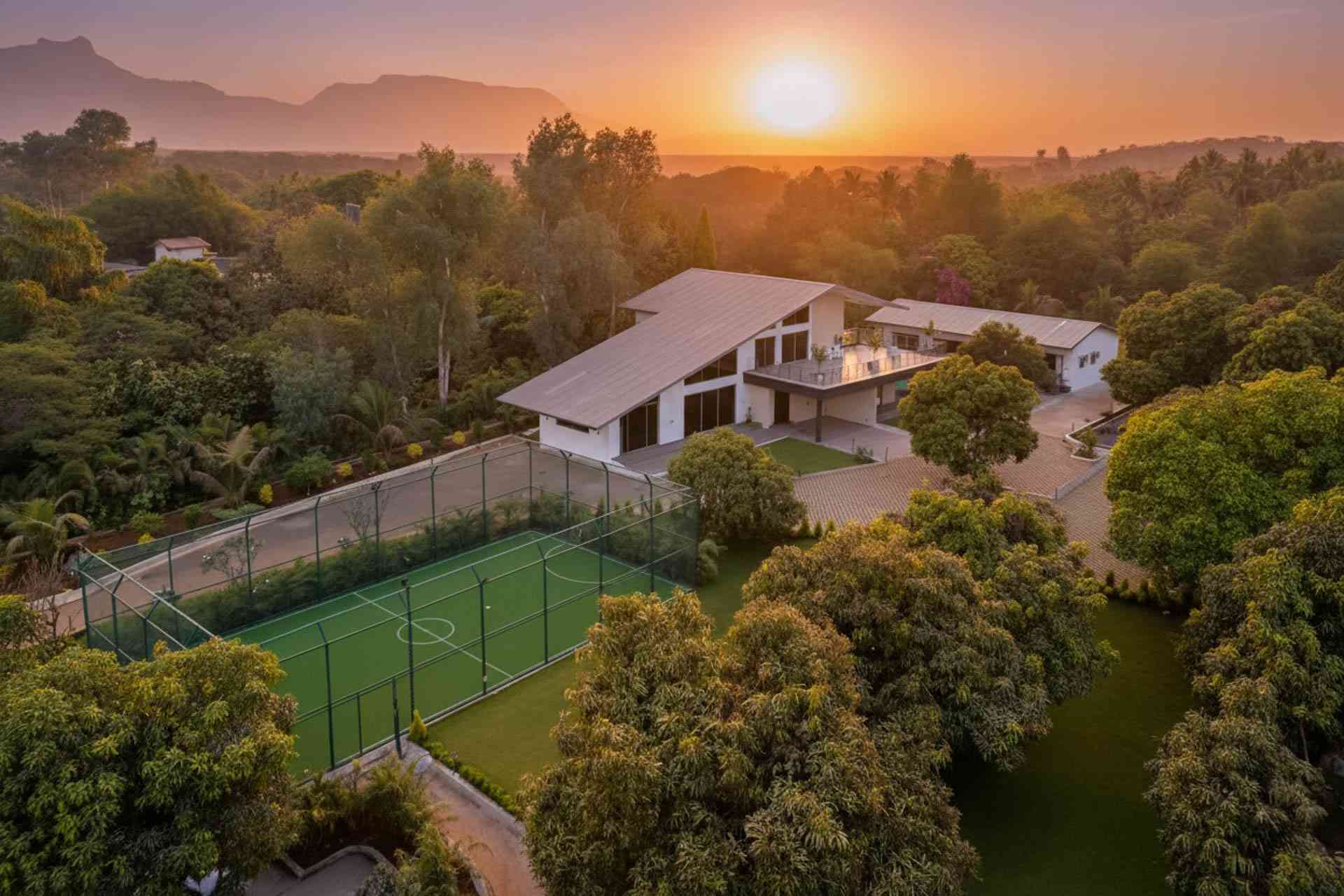
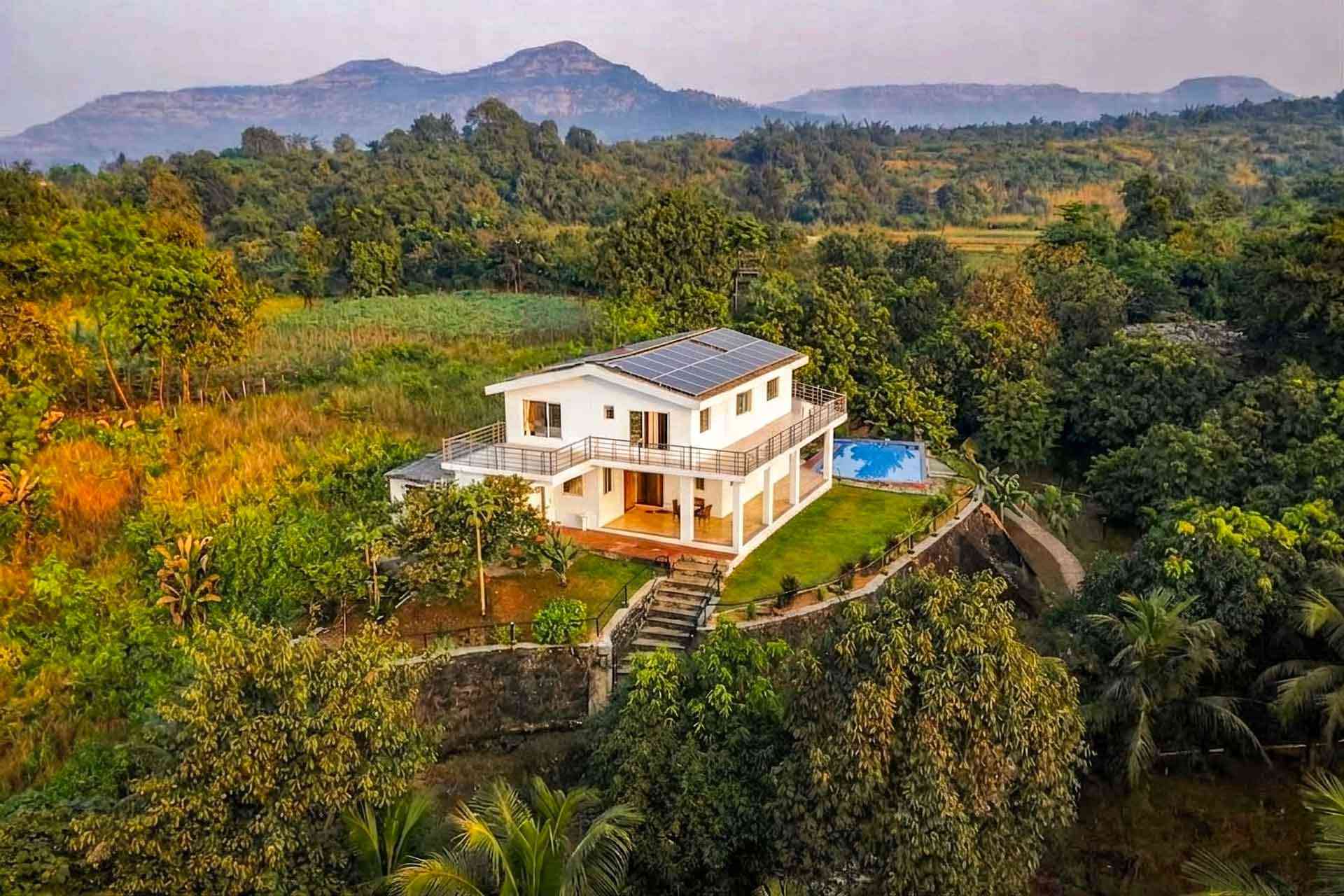
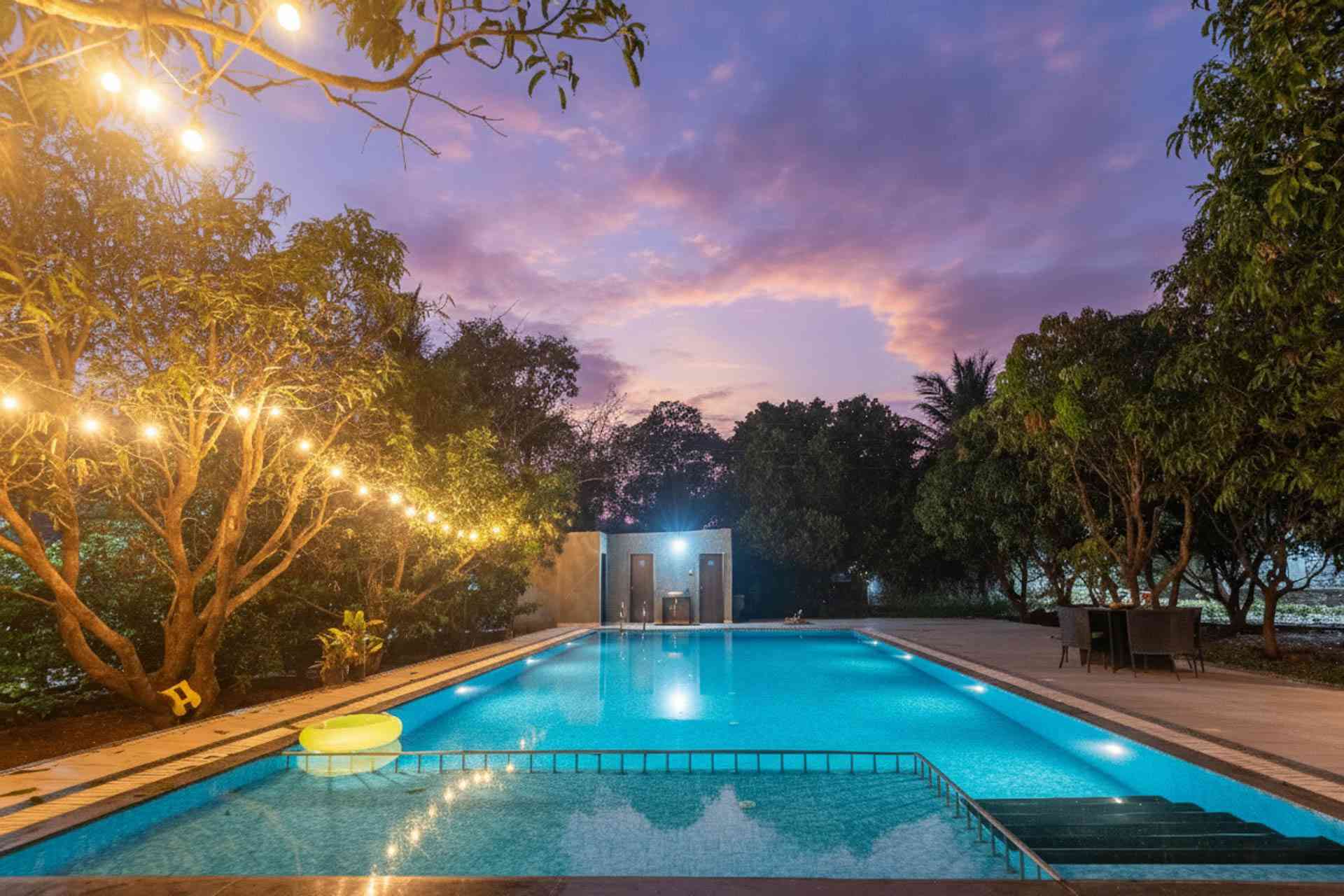
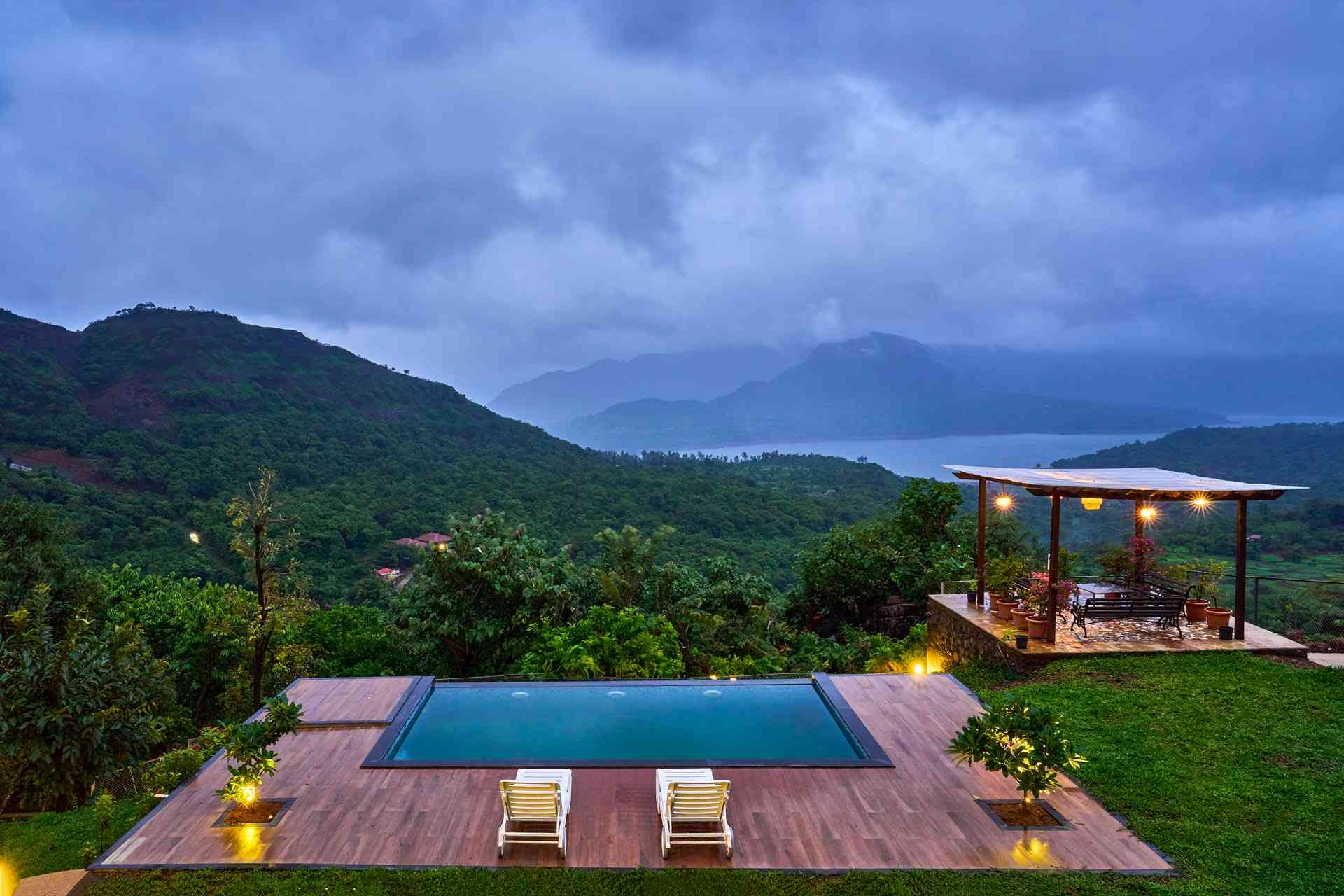
Where to stay: Hindavi Green Escape, a 5BHK in Mulshi with lawns and a private pool, or the lakeside 3-bedroom Waterfront Villa.
4. Satara & Karad — the under-the-radar ghat stops
Most travellers blow straight past Satara and Karad, which is exactly their charm. The train stops at both, and the surrounding Sahyadris are dramatic in the rain.
- What to do: Thoseghar and Vajrai waterfalls near Satara (Vajrai is among India’s tallest), and the Kaas Plateau — a UNESCO-listed wildflower carpet that peaks in late September as the monsoon eases.
- Best time: July–August for waterfalls; September for Kaas blooms.
- Time required: 1–2 days.
- Ideal for: Nature lovers, photographers, quieter trips.
- Pro tip: Kaas Plateau is capped at 3,000 visitors a day across three time slots, and online passes are mandatory on weekends — book ahead on the official portal, kas.ind.in. Entry was around ₹150 per person in 2025; confirm the 2026 rate when bookings open. The plateau only blooms from roughly 20 September to mid-October, so treat it as a late-monsoon payoff rather than a July trip.
These stops don’t yet have StayVista properties, so plan them as day-trips or onward legs rather than overnight bases.
5. Belagavi & Hubballi-Dharwad — north Karnataka’s green side
Heading the other way, the train opens up north Karnataka’s twin-city belt — culturally rich and rarely on tourist radars.
- What to do: Belagavi Fort (free; built by the Kadamba dynasty) and the Kamal Basadi temple within it, plus Unkal Lake and the Nrupatunga Betta viewpoint around Hubballi-Dharwad.
- Best time: The monsoon greens the surrounding countryside; weather is mild year-round.
- Time required: 2 days.
- Ideal for: Solo travellers, history and food lovers (try jolad rotti and Dharwad pedha).
- Pro tip: Belagavi works well as a stopover on the way to or from Goa — pair the two if you have a longer break.
Like Satara, these are travel-only stops for now — no StayVista stays here yet.
6. Mumbai — the classic city weekend (arrives 8:40 PM)
Ride the line end to end and you’re in Mumbai by Sunday night, ready for a Monday off or a longer city break. The monsoon gives Marine Drive a moody, sea-sprayed beauty.
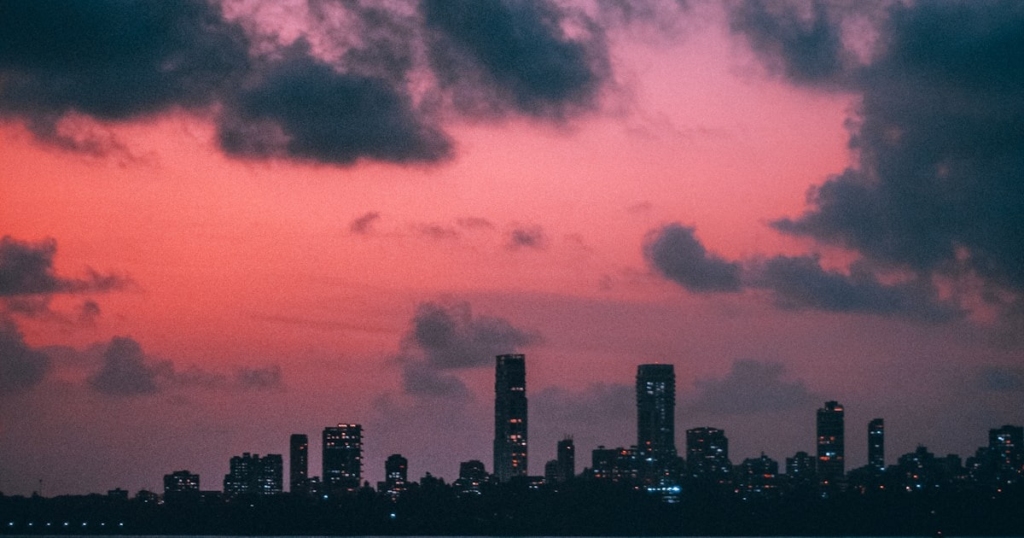
Marine Drive, Mumbai — the train’s final stop is Lokmanya Tilak Terminus.
- What to do: Gateway of India, Marine Drive at dusk, the Elephanta Caves by ferry (ferries pause in rough monsoon seas — check before booking), and the city’s legendary street food.
- Best time: The monsoon is atmospheric but wet; carry rain gear.
- Time required: 2–3 days.
- Ideal for: Families, foodies, first-time visitors.
- Pro tip: StayVista doesn’t have villas inside Mumbai city, but the Alibaug coast is a one-hour RoRo ferry away — a calmer base than the city for a group.
For more ideas, browse our weekend getaways near Mumbai under 5 hours.
Is the Western Ghats route safe during the monsoon?
Mostly yes — but plan with eyes open. The Bhor Ghat section can see weather-related delays during heavy monsoon spells, and very rarely landslide-related disruptions, so trains on this corridor occasionally run late in July and August. The train almost always runs; it just may not run exactly on time.
A few sensible precautions make the trip smooth:
- Build in a buffer day. Don’t schedule a critical commitment for the hour you’re due to arrive.
- Check live status before you leave. Use the NTES app or the IRCTC site to see if 16553 is running on time.
- Pack for rain. A light rain jacket, waterproof bag, power bank, basic medicines and a change of dry clothes go a long way.
- Choose AC coaches on humid stretches, and keep luggage locked on the overnight leg.
- Mind the water at sights. Waterfalls, dams and rivers swell fast in the Ghats — admire from safe ground.
Travel sensibly and the monsoon is the route’s best feature, not a risk to dodge.
How to book and tips for the 24-hour ride
Tickets open 60 days before travel under the current Indian Railways advance reservation period, reduced from 120 days in November 2024 (Press Information Bureau, 2024). Because the train runs only twice a week, popular monsoon weekends fill quickly — book early.
Practical pointers for the overnight journey:
- Where to book: the IRCTC website or app; ConfirmTkt and RailYatri are handy for live seat availability.
- Best class: 3AC for the overnight balance of comfort and price; Sleeper if you’re counting every rupee.
- What to carry: snacks, a full water bottle, power bank and a light layer — AC coaches get cold at night.
- Meals: not included; pre-book e-catering or eat at major halts like Hubballi and Pune.
- Board at SMVT, not KSR Bengaluru — double-check your platform.
Where should you stay along the route?
The train’s real gift is that it drops you within minutes of some of StayVista’s best monsoon villas. Match your stop to a stay and the weekend plans itself.
| Get off at | Arrives | Stay at | Ideal trip |
| Pune Jn | 4:50 PM | Hindavi Green Escape (Mulshi) | 2–3 days |
| Lonavala | 5:53 PM | La Palm / Bianco Villa | 2 days |
| Karjat | 6:37 PM | The Den / Aqua and Sage | 2 days |
| Mumbai LTT | 8:40 PM | Alibaug villas (1-hr ferry) | 2–3 days |
Arrival times for outbound train 16553, Sunday.
Travelling into Bengaluru to catch the 8:35 PM departure? Fernwood by StayVista offers comfortable, budget-friendly rooms in Bangalore — a handy base to rest up before the overnight ride, without booking a whole villa.
Travelling as a big group? Lonavala’s Nova Nest (6BHK, rooftop pool) and Karjat’s riverside Two Villa are strong picks too. For the full monsoon spread, see our guide to monsoon weekend getaways from Mumbai and Bangalore.
Frequently Asked Questions
What is the train number of the new Bangalore–Mumbai Express?
The new train runs as 16553 from SMVT Bengaluru to Mumbai’s Lokmanya Tilak Terminus, and 16554 on the return. It’s the SMVT Bengaluru–Lokmanya Tilak Terminus Express, the second direct superfast train on the route in about three decades (Goodreturns, 2026).
On which days does the Bengaluru–Mumbai Express run?
Train 16553 leaves SMVT Bengaluru at 8:35 PM every Saturday and Tuesday. The return train, 16554, departs Mumbai at 11:15 PM every Sunday and Wednesday. It’s a bi-weekly service, so there are two departures a week in each direction (Onmanorama, 2026).
How long does the Bangalore to Mumbai train take?
The journey takes 24 hours 5 minutes across 1,210 km, departing Bengaluru at 8:35 PM and reaching Mumbai at 8:40 PM the next day. That’s comparable to the daily Udyan Express and far cheaper than flying for budget travellers (Onmanorama, 2026).
What is the ticket price for the Bengaluru–Mumbai Express?
End-to-end fares are ₹750 in Sleeper, ₹1,880 in 3AC and ₹2,575 in 2AC. For an overnight ride, 3AC offers the best balance of comfort and cost — well under a typical flight fare on the route (Goodreturns, 2026).
Does the Bangalore–Mumbai train stop at Lonavala, Karjat and Pune?
Yes. All three are among the 15 halts. The outbound train reaches Pune at 4:50 PM, Lonavala at 5:53 PM and Karjat at 6:37 PM on Sunday — afternoon arrivals that make each a ready-made monsoon weekend base.
How far in advance can I book tickets?
Indian Railways’ advance reservation period is currently 60 days before the journey date, cut from 120 days in November 2024 (Press Information Bureau, 2024). Because the train runs only twice a week, monsoon-weekend seats go fast — book as early as the window opens.
Is the Western Ghats train route safe during the monsoon?
Generally yes. The Bhor Ghat stretch can cause occasional weather delays in heavy rain, and very rarely landslide-related disruptions, but trains keep running. Build in a buffer day, check live status on the NTES app before travel, and carry rain gear.
Which is the most scenic part of the journey?
The Lonavala-to-Karjat descent through the Bhor Ghat — tunnels, stone viaducts and monsoon waterfalls across the Sahyadris. Sit on the left side heading towards Mumbai, and you’ll catch it in late-afternoon light around 6 PM.
The takeaway
The new Bengaluru–Mumbai Express is more than a faster ticket between two metros. It’s an overnight pass into the Western Ghats at their most beautiful. To recap:
- Train 16553/16554, SMVT Bengaluru ⇄ Mumbai LTT, 1,210 km, 15 stops, 24 hours.
- Departs Bengaluru 8:35 PM (Sat/Tue); fares ₹750–₹2,575; book 60 days ahead.
- Best monsoon stops: Lonavala, Karjat and Pune — all reached by Sunday afternoon.
- The Bhor Ghat descent is the view to stay awake for.
Pick your weekend, book the berth, and let the ghats do the rest. When you’re ready to choose a base, browse our monsoon villa picks near the route and plan your stay.