
7 New Glass Bridges, Skywalks and Ropeways Opening Across India in 2026
TL;DR: Vizag’s Kailasagiri skywalk (55m, opened 1 December 2025) is now India’s longest cantilever glass bridge, overtaking Kerala’s Vagamon bridge (40m, 2023). Kanyakumari’s 77m sea-crossing bridge (₹37 crore, opened December 2024) remains the country’s only glass bridge over open water. Five more projects — in Chitrakoot, Rajgir, Ranchi, Dehradun-Mussoorie and Varanasi — round out 2026’s list, though not all of them are open yet.
Walking on transparent glass hundreds of feet above the ground was once the kind of experience people associated with China or the Swiss Alps. That idea is changing fast. India now has a growing list of glass bridges, suspended skywalks, and aerial ropeways drawing visitors from across the country. In 2026, that list has grown further, with new structures at waterfall viewpoints, coastal hills, and pilgrimage towns — though, as this piece found, not every one of them is actually open yet. We’ve checked each claim against official and news sources so you don’t plan a trip around a bridge that’s still on paper. If you’re mapping out a longer trip around any of these, StayVista has villas and homestays near a few of them.
In this Blog
Quick Comparison: All 7 Structures at a Glance
| Structure | State | Length / Span | Status (Sep 2026) | Cost | Ticket price |
|---|---|---|---|---|---|
| Kailasagiri Glass Skywalk | Andhra Pradesh | 55 m | Open since 1 Dec 2025 | ₹7 crore | ₹250 adult / ₹100 child / ₹1,000 VIP |
| Kanyakumari Glass Bridge | Tamil Nadu | 77 m × 10 m | Open since 30 Dec 2024 | ₹37 crore | No bridge fee; ferry ~₹75–300 |
| Chitrakoot Glass Skywalk | Uttar Pradesh | 35 m span / 25 m arrow | Built; public opening unconfirmed | ₹3.70 crore | [VERIFY: not yet public] |
| Rajgir Glass Bridge | Bihar | 85 ft × 6 ft | Open since March 2021 | [VERIFY] | ~₹150 (exact tiers unconfirmed) |
| Dassam & Jonha Falls Bridges | Jharkhand | 44 m / 43 m falls | Proposed only — FY2026-27 budget | Part of ₹361.67 crore tourism allocation | N/A — not built |
| Dehradun–Mussoorie Ropeway | Uttarakhand | ~5.5 km | Under construction; targeted for late 2026 | ₹300 crore | N/A — not open |
| Varanasi Ropeway | Uttar Pradesh | ~3.75 km | Under construction; Supreme Court halted final stretch, Feb 2026 | ₹800–815 crore | ₹50 standard fare (once open) |
1. Kailasagiri Glass Skywalk, Visakhapatnam: India’s Longest Glass Bridge
Vizag’s Kailasagiri skywalk opened to the public on 1 December 2025 and is now India’s longest cantilever glass bridge at 55 metres, surpassing Kerala’s Vagamon Glass Bridge (40m, opened 2023) (Deccan Chronicle, November 2025). Built atop Kailasagiri Hill near the Titanic Viewpoint, it cost ₹7 crore and was developed by the Visakhapatnam Metropolitan Region Development Authority (VMRDA) through a public-private partnership (Deccan Chronicle, 2025).
The structure is supported by 40 tonnes of steel and uses triple-layered, 40mm tempered laminated glass imported from Germany, engineered to bear up to 500 kg per square metre (Yo Vizag, 2026). While the skywalk is rated for up to 100 people, entry is currently capped at 40 visitors per batch for safety (Deccan Chronicle, 2025). No Guinness World Records recognition has been reported for the structure — treat any such claim you see elsewhere with caution.
Kailasagiri Hill is also home to a separate adventure zone with ziplining and sky-cycling, launched over a year earlier in November 2024 under a revenue-share arrangement with a private operator (The Hans India, 2024) — so the skywalk isn’t the only reason to spend a few hours up here.
Glass bridge ticket prices: Standard entry is ₹250 for adults and ₹100 for children, with a ₹1,000 VIP fast-track ticket available during busy periods (Deccan Chronicle, 2025). [VERIFY: exact minutes allowed on the walkway — not confirmed in any tier 1-3 source; drop the “5-10 minutes” claim or verify with VMRDA before publishing.]
How to reach Kailasagiri: The hill is roughly 8 km from Vizag city centre; visitors typically arrive by cab and take the existing ropeway up to the hilltop. October to March is the clearest window for sea-facing views, when the coast is driest.
2. Kanyakumari Glass Bridge, Tamil Nadu: A Walk Above Three Seas
India’s southernmost tip has long drawn visitors for the sight of three seas meeting in one place. Since 30 December 2024, it’s also had a glass bridge letting people walk above that convergence — inaugurated by Tamil Nadu Chief Minister M.K. Stalin, timed to coincide with the silver jubilee of the nearby Thiruvalluvar Statue (Deccan Chronicle, December 2024).
The bridge connects the Vivekananda Rock Memorial and the Thiruvalluvar Statue, spanning 77 metres in length and 10 metres in width at a cost of ₹37 crore (Kanniyakumari District, Government of Tamil Nadu). It uses a bowstring arch design built from steel, cast iron, toughened glass, and polymer, engineered specifically to withstand the strong coastal winds at India’s tip. Unlike Kailasagiri, it’s marketed as India’s first — and longest — glass bridge over open sea, a distinct category from a hilltop cantilever skywalk, so the two “longest” claims coexist without actually contradicting each other.
Glass bridge ticket prices: There’s no separate entry fee for the bridge itself — you pay for the ferry that carries you from the mainland to the Vivekananda Rock Memorial, where bridge access is included. Reported ferry pricing sits around ₹75 for a regular round trip and ₹300 for the express/priority queue option, with a further ₹30 entry fee for the Rock itself (official booking portal: psckfs.tn.gov.in).
How to reach Kanyakumari: Well connected by train and road from Thiruvananthapuram (about 90 km) and Madurai (roughly 250 km). October to March brings the calmest seas.
3. Chitrakoot Glass Skywalk, Uttar Pradesh: Built, But Not Confirmed Open
Uttar Pradesh’s first glass skywalk sits at Tulsi Waterfall in Chitrakoot’s Kodand forest area, shaped like Lord Ram’s bow and arrow — the “bow” spans 35 metres between two pillars, with the “arrow” extending 25 metres into the gorge. It was built at a cost of ₹3.70 crore (Outlook Traveller).
Important caveat: unlike Kailasagiri and Kanyakumari, this project doesn’t have a confirmed public opening date. Every tier 1-3 source found for this piece dates to 2023–2024 and describes the structure as “ready” or awaiting inauguration after the 2024 Lok Sabha elections — no 2025 or 2026 report confirms it has actually opened to visitors. If you’re planning a trip specifically for this skywalk, check current status with UP Tourism before you go; don’t assume it’s operating just because construction finished.
The site was formerly known as Shabari Waterfall; UP Tourism’s stated reason for renaming it Tulsi Waterfall is its proximity to Rajapur, held to be the birthplace of Goswami Tulsidas, author of the Ramcharitmanas.
How to reach Chitrakoot: The nearest major railway station is Chitrakoot Dham (Karwi), with regular trains from Allahabad and Satna. October to February is the most comfortable window to visit.
4. Rajgir Glass Bridge, Bihar: The One That Started the Trend
Before Vizag, Kanyakumari or Chitrakoot, there was Rajgir. Inaugurated by Bihar Chief Minister Nitish Kumar in late March 2021, it was the first glass bridge in Bihar and the second in the country, inside the Rajgir Nature Safari Park in Nalanda district. Per the Ministry of Tourism’s own listing, it measures 85 feet long and 6 feet wide, built from three layers of 15mm glass (Incredible India, Ministry of Tourism).
You’ll often see this bridge described as “modelled after China’s Zhangjiajie Glass Bridge” — that’s not quite right. The official government listing credits it to glass bridges in China generally, without naming Zhangjiajie specifically, so we’ve kept that framing here rather than repeating an unverified detail. The commonly cited “200 feet above the ground” height figure also only appears on unreliable travel-blog aggregators, not in any government or major news source — treat it as unconfirmed.
Glass bridge ticket prices: Reported at roughly ₹150 per person standalone, with a ₹250–300 combo covering the ropeway and safari facilities — but no government press release or major news outlet confirms exact current pricing; every figure online traces back to SEO ticket-price blogs that disagree with each other. The park is widely reported as closed on Mondays, though operating hours shift seasonally (heat-adjusted hours were reported in April 2026).
How to reach Rajgir: About 95 km from Patna, with its own small railway station roughly 6–10 km from the Nature Safari Park. October to March is coolest.
5. Dassam Falls and Jonha Falls Glass Bridges, Jharkhand: Still on Paper
Jharkhand’s 2026-27 state budget set aside ₹361.67 crore for tourism infrastructure, and within that allocation, Finance Minister Radhakrishna Kishore specifically proposed a glass bridge at Dassam Falls and a glass bridge combined with a ropeway at Jonha Falls, both in Ranchi district (ThePrint/PTI, February 2026).
Status check: as of September 2026, these remain budget proposals — there’s no tender notice, groundbreaking, or construction progress reported anywhere since the February 2026 budget announcement. If you’re including this in travel planning content, frame it as “proposed” or “planned,” not “under construction,” until fresh news says otherwise.
Dassam Falls, formed by the Kanchi River, drops 44 metres; its name comes from the Mundari word for “the act of pouring water.” Jonha Falls — also called Gautamdhara Falls, formed by the Raru River — drops 43 metres and is associated with the story of Gautam Buddha meditating in the area.
How to reach Dassam and Jonha Falls: Both are within 40 km of Ranchi city, well connected by road. August to January is when the falls run fullest.
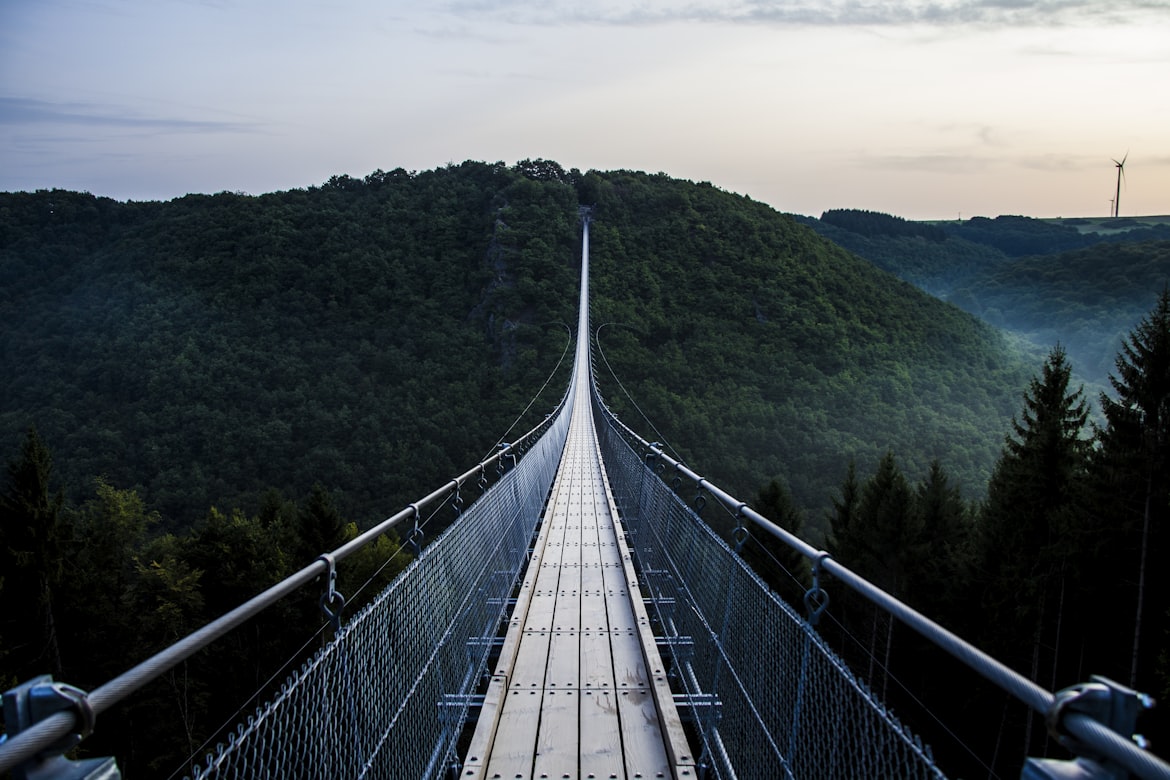
6. Dehradun–Mussoorie Ropeway, Uttarakhand: A New Way Up the Hills
Of the new ropeways planned for India, the Dehradun–Mussoorie link is the most transformative in terms of daily impact. Once open, it will cut the roughly 34 km, 1.5–3 hour drive between the two towns down to a 15–20 minute aerial ride, spanning about 5.5 km and climbing roughly 1,000 metres, with capacity for up to 1,300 passengers per hour in each direction (Swarajya). It’s a ₹300 crore project — but unlike Varanasi’s, it’s a private public-private partnership run by Mussoorie Sky Car Company Pvt. Ltd. (a consortium of FIL Industries, France’s POMA SAS, and SRM Engineering) under Uttarakhand Tourism, not a National Highways Logistics Management Ltd (NHLML) Parvatmala project.
Status check: construction is underway but not complete. Heavy rainfall on 15 September 2025 damaged the lower terminal area and washed away scaffolding, pushing back the timeline (Dainik Jagran, September 2025). Phase I is targeted for completion around September 2026, with full completion targeted by end of 2026 — as of this writing, no source confirms it has opened or even entered trial runs. Cabin seating figures are inconsistent across sources (some cite 10-seater cabins, one cites 8-adult cabins across 18 units), so we’re not repeating the “first of its kind in India” claim without a primary source, and we’ve dropped the “world’s longest” framing too — every credible source calls it India’s or South Asia’s longest mono-cable system, not a world-ranking one.
Beyond tourism, the practical case is straightforward: Mussoorie’s mountain roads get heavily congested during school holidays and festival weekends, and for local residents this ropeway could double as a genuine commuting shortcut rather than just a sightseeing ride, once it’s actually running.
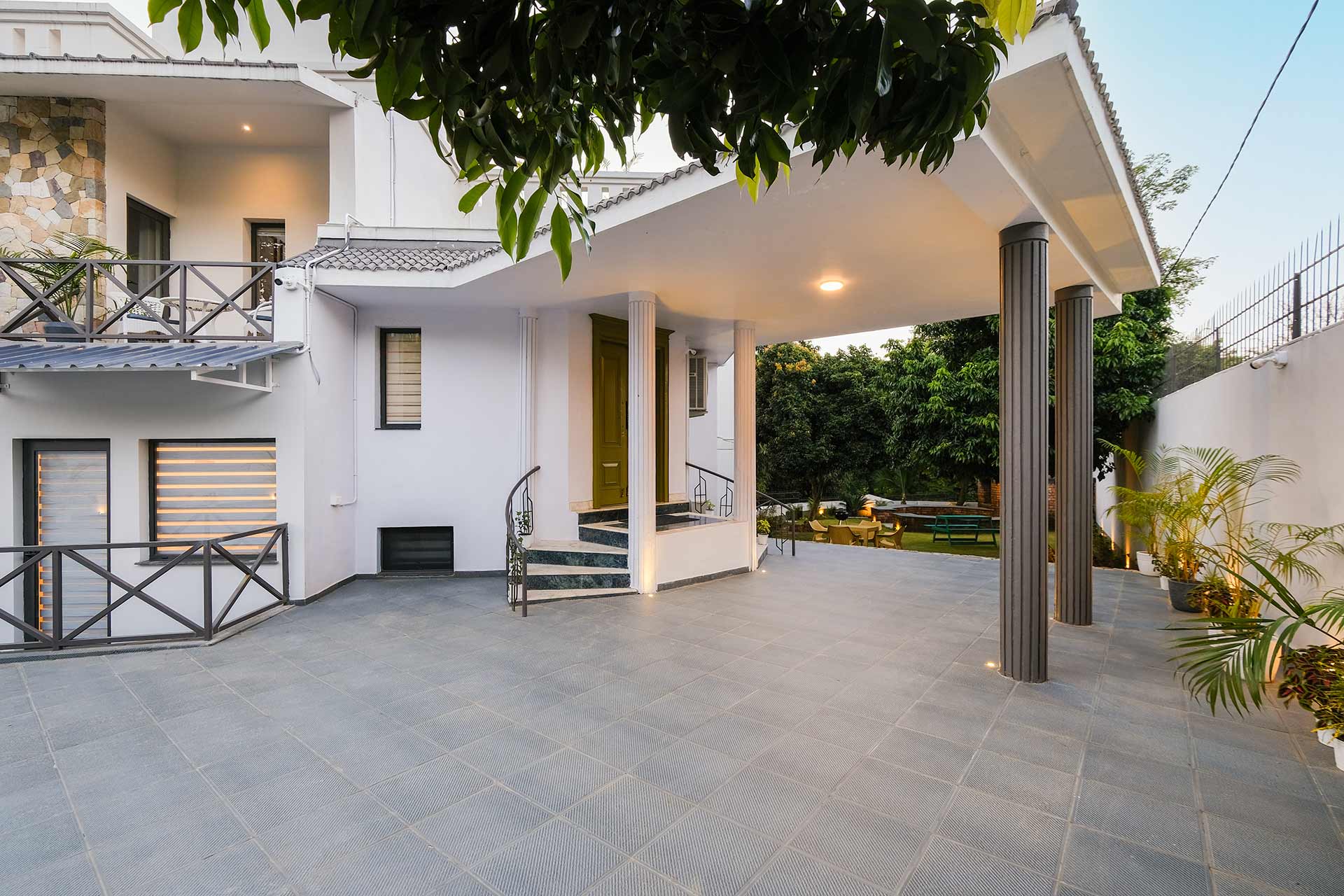
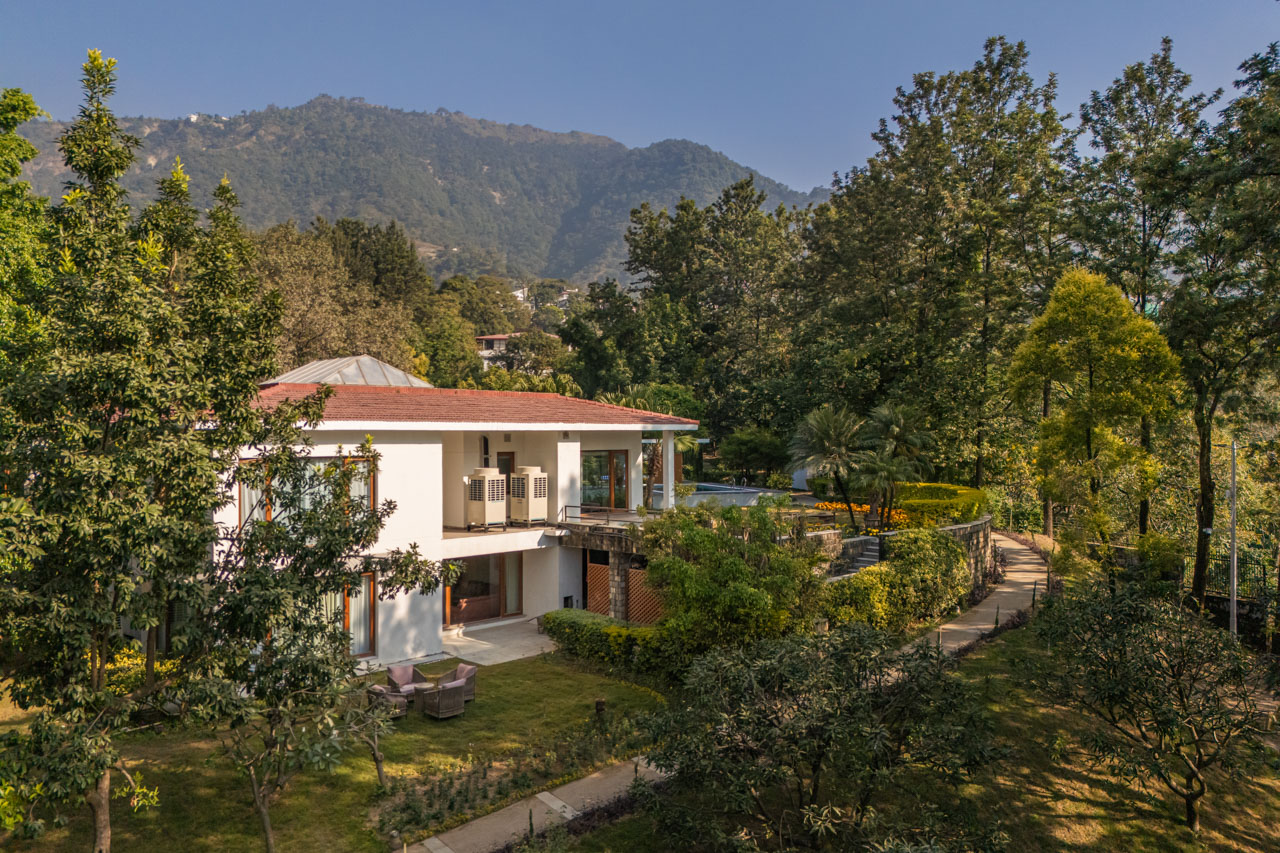
Where to stay near the Dehradun–Mussoorie corridor: Unlike several other locations on this list, StayVista actually has a strong footprint here. In Dehradun, options include Villa Sierra Sky and Everdale Mussoorie Foothills with a heated pool; in Mussoorie itself, properties like Primrose and Treetop at Albert Estate, or Alpine Bliss, sit close to Landour and Camel’s Back Road. Once the ropeway is operational, either base puts you within easy reach of the other end of the line.
How to reach Dehradun: Dehradun has its own airport and is roughly 6 hours by train from Delhi. October through June is the recommended window, before the heavy monsoon sets in.
7. Varanasi Ropeway, Uttar Pradesh: India’s First Urban Ropeway — Delayed by a Supreme Court Order
The Varanasi ropeway will connect Varanasi Cantonment Railway Station to Godowlia Chowk via five stations (Cantt, Kashi Vidyapith, Rath Yatra, Girja Ghar, Godowlia), spanning roughly 3.75 km. It’s being built under the Parvatmala Ropeway Development Programme by National Highways Logistics Management Ltd (NHLML), at a total project cost of ₹800–815 crore including 15 years of operations and maintenance — up from an original ₹645 crore construction contract awarded in December 2022 (PIB; ANI, October 2025). Once operational, it will be India’s first urban public transport ropeway. Standard fare has been fixed at ₹50 for the full Cantonment–Godowlia journey and ₹10 for the shorter Vidyapeeth segment, with a 5% annual fare escalation from each April 1 — a separate ₹2,000-per-trip premium private gondola charter also exists for group bookings (ThePrint, June 2026).
What’s actually holding this up: the project has been hit by a genuine legal dispute, not just construction delays. Three women whose shops near Dashashwamedh Ghat were demolished without notice or compensation to make way for the Godowlia station filed a Supreme Court petition. On 18 February 2026, a bench of Justices M.M. Sundresh and Sanjay Karol issued a status quo order halting construction on the final stretch, directed the UP government to respond, and set the matter for further hearing (Bar and Bench, February 2026). Separately, excavation work near the ghats uncovered the ancient Ghodanala drainage system, which UP Jal Nigam has had to repair before construction could resume in that section, pushing timelines further into the 2026 monsoon.
Trial runs began on the priority Cantonment–Rathyatra corridor in October 2025, but as of the most recent verified reporting the Godowlia station itself remains incomplete and the project is not operational. Original targets (August 2025, later February 2026) have both passed; treat any specific 2026 opening date you see elsewhere as unconfirmed until NHLML or UP Tourism issues an official notice.
The logic behind the project holds regardless of the delay: old Varanasi’s lanes are too narrow for metro rail or wider roads, and a ropeway can travel above all of that without disturbing the street life below — once the legal and engineering hurdles clear.
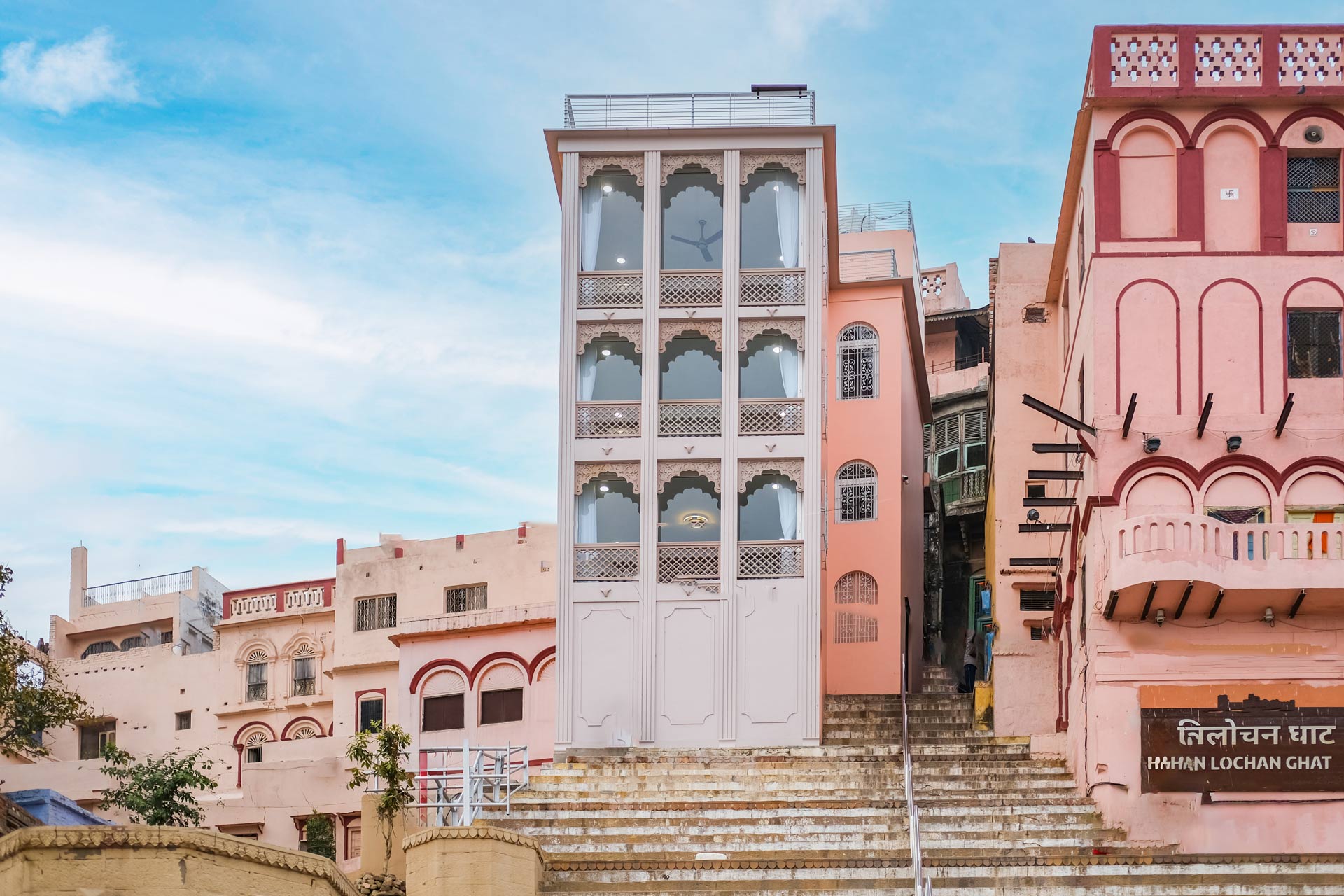
How to reach Varanasi: The city has its own airport and sits on the main railway network from Delhi, Mumbai, and most major cities. October to March gives the clearest skies over the Ganga. StayVista has villas in the quieter parts of Varanasi too — including The Ganga House and Serenity by the Ganges, both within reach of Godowlia, one end of the ropeway line once its Supreme Court dispute clears, and Assi Ghat.
Why 2026 Is the Year to Pay Attention to Glass Bridges and Ropeways in India
The seven projects above aren’t isolated experiments — they’re part of a broader pattern in how Indian states are using engineering to make hard-to-reach places more accessible. But they’re also at very different stages: three are open and operating (Kailasagiri, Kanyakumari, Rajgir), one is built but unconfirmed as open (Chitrakoot), one exists only as a budget line (Dassam/Jonha), and two are under construction with real setbacks — Dehradun-Mussoorie was set back by rain damage in September 2025, and Varanasi is currently paused on its final stretch by a Supreme Court order. Worth checking current status before you build a trip around any single one of them — infrastructure announcements in India routinely slip by a year or more between “proposed” and “open.”
FAQs
Three are confirmed open as of September 2026: the Kailasagiri glass skywalk in Visakhapatnam (opened 1 December 2025), the Kanyakumari glass bridge (opened 30 December 2024), and the Rajgir glass bridge in Bihar (opened March 2021). The Chitrakoot skywalk in Uttar Pradesh is built but has no confirmed public opening date, and the Dassam and Jonha Falls bridges in Jharkhand remain budget proposals only.
The Kailasagiri glass skywalk in Visakhapatnam, Andhra Pradesh is India’s longest cantilever glass bridge at 55 metres, surpassing Kerala’s Vagamon Glass Bridge (40m, opened 2023) (Deccan Chronicle, 2025). Kanyakumari’s bridge is longer overall at 77 metres, but it’s categorised separately as India’s longest glass bridge over open sea, not a cantilever skywalk.
₹250 for adults and ₹100 for children, with a ₹1,000 VIP fast-track ticket available during busy periods (Deccan Chronicle, 2025).
Reported at around ₹150 per person standalone, or ₹250–300 for a combo with the ropeway and safari facilities — but no government or major news source confirms exact current pricing, so check rajgirsafari.bihar.gov.in directly before you go.
The bridge itself has no separate entry fee. You pay for the ferry from the mainland to the Vivekananda Rock Memorial, where bridge access is included — reported at roughly ₹75 for a regular round trip and ₹300 for express/priority queue access.
Construction was reported complete as far back as 2023–2024, but no tier 1-3 source confirms an actual public opening as of September 2026. Check current status with UP Tourism before planning a trip specifically around it.
No. As of September 2026, the Varanasi ropeway is still under construction. Trial runs began on part of the route in October 2025, but a Supreme Court status quo order issued on 18 February 2026 halted construction on the final stretch after shopkeepers near Dashashwamedh Ghat were demolished without compensation, and separate excavation work uncovered an ancient drainage system that needed repair. No confirmed opening date has been announced.
October to March gives the clearest skies and most comfortable temperatures at most of these locations. Coastal spots like Vizag and Kanyakumari also benefit from calmer seas in this window.