

Noida Airport (Jewar Airport) Just Opened: Here’s How It Changes Weekend Travel from Delhi-NCR Forever
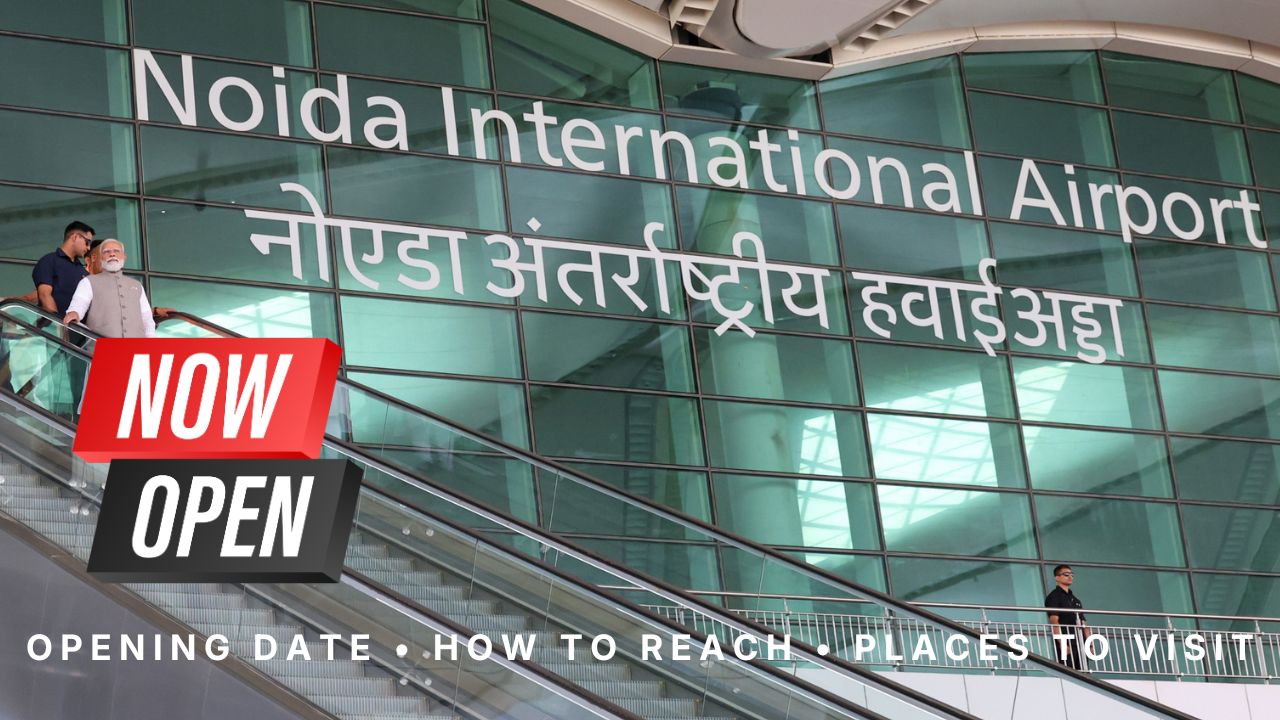
Noida International Airport (DXN), located in the strategic heart of Jewar, was officially inaugurated on March 28, 2026. Commercial domestic operations are scheduled to commence in mid-April 2026, launching with 10 high-demand routes including Mumbai, Goa, and Bengaluru. This landmark project serves as a transformative gateway for residents of Noida, Greater Noida, and the wider Western Uttar Pradesh region, effectively slashing the grueling 2-hour commutes to Delhi’s IGI Airport and unlocking seamless weekend getaways to Agra, Mathura, and the Himalayan foothills. For the millions living in East Delhi and Noida, the “airport run” is no longer a dreaded cross-city expedition, but a smooth transit via the signal-free Yamuna Expressway.

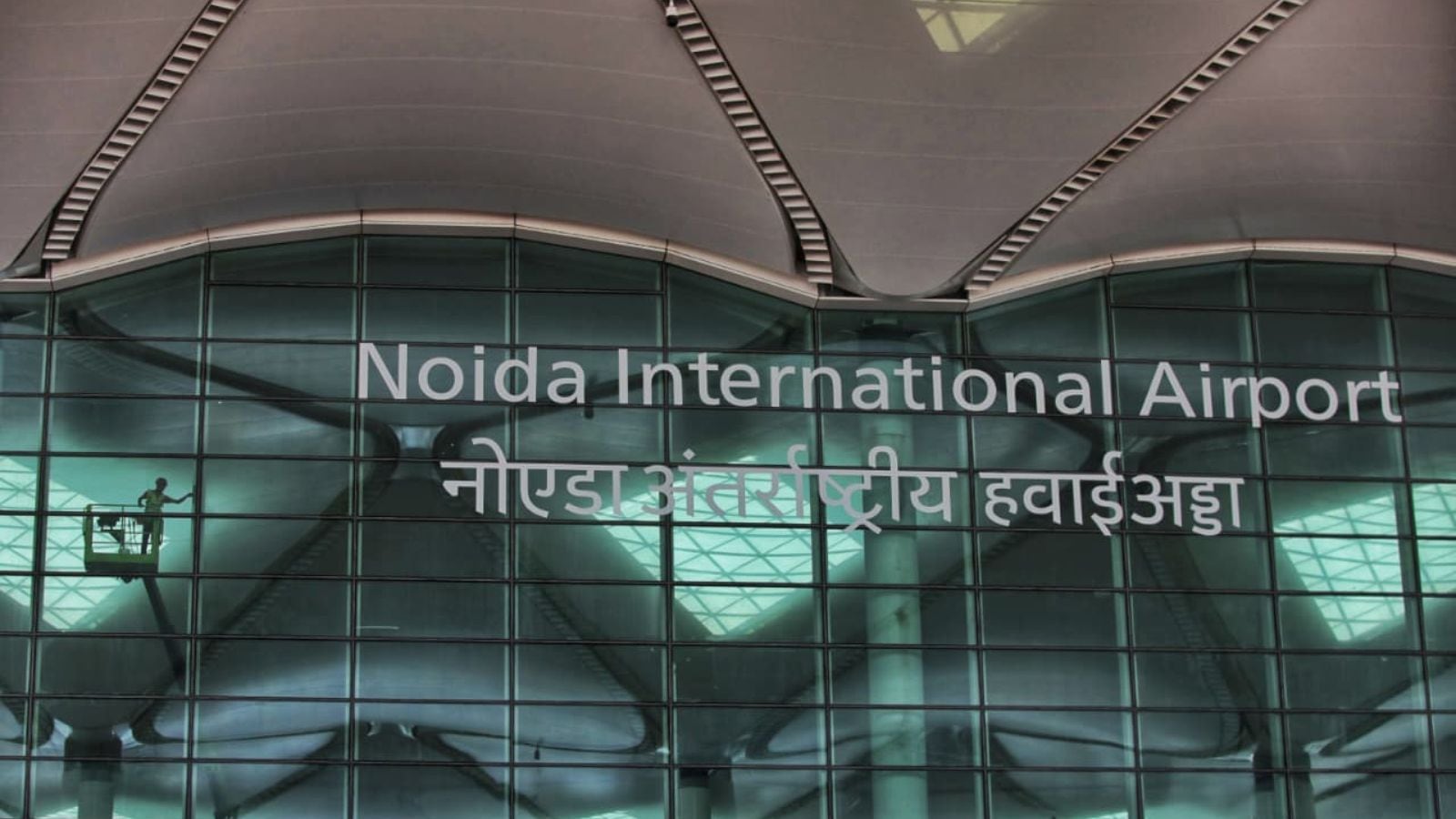
Noida International Airport (Jewar airport) officially opened on March 28, 2026, with domestic flights expected to begin between mid-April and May 2026. Located in Jewar, Uttar Pradesh, about 70 km from central Delhi, it is set to significantly reduce travel time for Delhi-NCR residents, especially those in Noida, Greater Noida, and East Delhi while unlocking faster weekend travel options across India.
In this Blog
What is the Noida International Airport opening date and current status?

Noida International Airport, widely referred to as Jewar Airport, successfully transitioned from a multi-year construction project into a live aviation hub on March 28, 2026. The transition followed a rigorous regulatory process, culminating in the Directorate General of Civil Aviation (DGCA) granting the essential aerodrome licence on March 6, 2026. This certification confirms that all safety protocols, navigational aids, and emergency response systems are fully compliant for all-weather commercial traffic, including low-visibility landings which often plague the region during winter.
Developed and managed by Yamuna International Airport Private Limited (YIAPL)—a wholly-owned subsidiary of Zurich Airport International AG—the facility is a benchmark for sustainable infrastructure as India’s first greenfield net-zero carbon airport. While the ribbon was cut in March, the facility is currently undergoing final “proving flights” to calibrate ground handling systems and baggage carousels. Phase 1 is meticulously designed to process 12 million passengers annually, but the vision is far grander: a phased master plan scales to a staggering 120 million passengers by 2050, potentially positioning DXN as the primary aviation nexus for all of South Asia.
Quick Facts about Noida International Airport (DXN)
| Feature | Detail |
| IATA Code | DXN |
| Location | Jewar, Gautam Buddha Nagar, Uttar Pradesh |
| Inauguration Date | March 28, 2026 (Inaugurated by PM Narendra Modi) |
| Operational Launch | Mid-April to May 2026 (Phased Domestic Rollout) |
| International Flights | Scheduled for Q3 2026 (target: September) |
| Runway Infrastructure | 3,900 Metres (capable of handling wide-body aircraft) |
| Project Investment | Approximately ₹11,200 Crore for Phase 1 development |
When will flights actually start from Noida Airport?
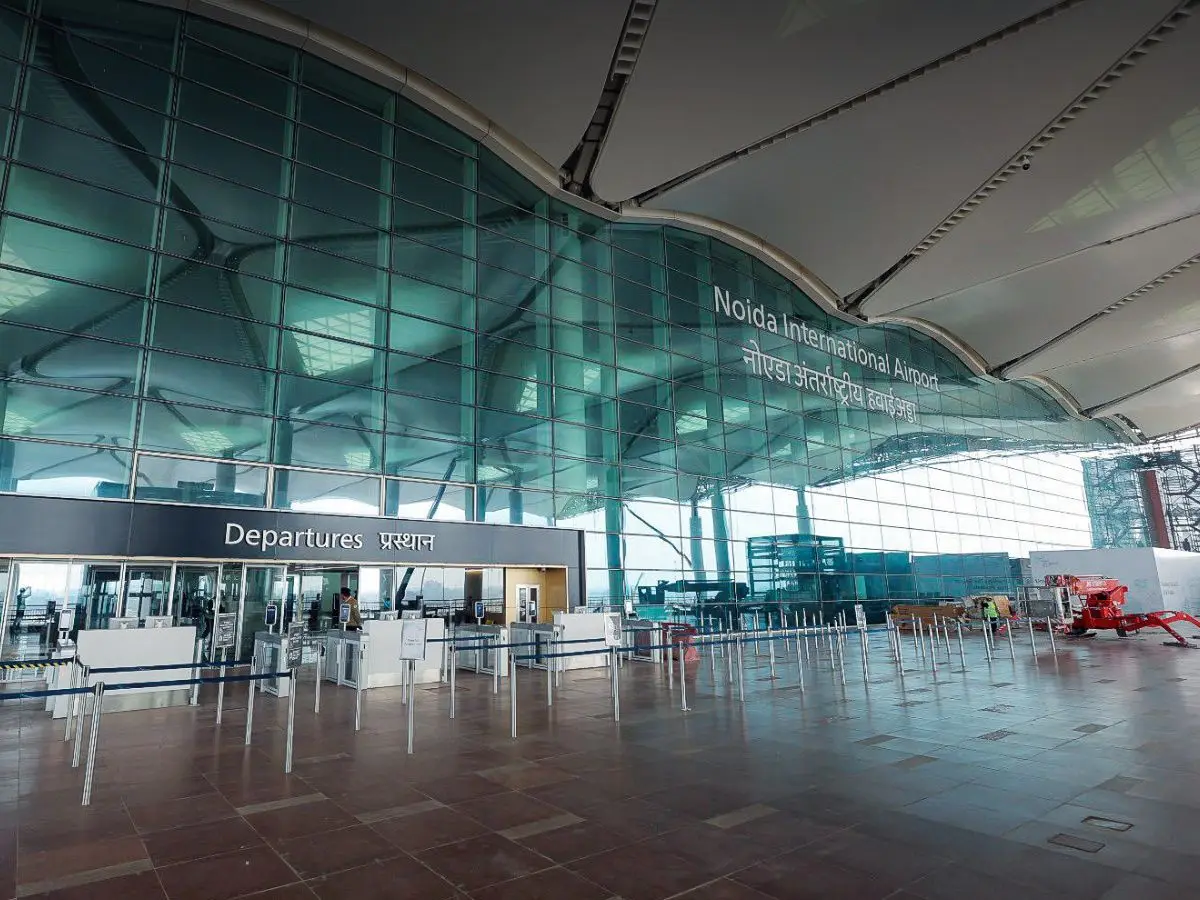
As of early 2026, the airport has secured anchoring partnerships with the nation’s most aggressive carriers, ensuring that “DXN” becomes a synonymous choice for NCR travelers. IndiGo has signed as the primary launch carrier, holding nearly 40% of the initial time slots to ensure high-frequency connectivity. They are followed closely by Akasa Air, which views the tech-savvy demographic of Noida as its core market, and Air India Express, focusing on regional connectivity and future international links to Southeast Asia and the Middle East.
The initial route network is strategically curated to replace long road or rail journeys with 1-to-2-hour flights, bypassing the legendary bottlenecks of Delhi’s Indira Gandhi International Airport (DEL).
Confirmed Initial Domestic Routes (Launching April–May 2026):
- West India: Mumbai (multiple daily slots for business travelers), Pune, Ahmedabad
- South India: Bengaluru (the primary tech corridor), Hyderabad, Chennai, Goa (leisure-focused timings for weekenders)
- North/Central India: Lucknow (administrative and political link), Jaipur
- East India: Kolkata
Both IndiGo and Akasa Air have integrated DXN into their mobile apps and booking engines, with ticket windows opening roughly six weeks before the specific route’s inaugural flight. International travelers can look forward to direct connectivity by the third quarter of 2026, with Zurich, Dubai, and Singapore identified as the high-priority “Phase 1” international destinations to cater to both corporate and labor migration traffic.
Noida Airport (DXN) vs. IGI Airport (DEL): Which is better for your location?


The arrival of DXN marks the birth of a “dual-airport system” in the National Capital Region, similar to London’s Heathrow/Gatwick or New York’s JFK/LaGuardia. This competition is set to drive down short-haul domestic fares and improve passenger service levels across the region. While IGI remains the heavyweight for long-haul international flights and established premium lounge networks, DXN offers a specialized “speed-of-transit” experience designed for the modern traveler who values time over terminal scale.
Comparative Analysis: Choosing Your Departure Gate
This table highlights the significant time savings for residents on the eastern side of the Yamuna River:
| Resident Location | Travel to IGI (DEL) | Travel to Jewar (DXN) | Recommended Hub |
| Noida (Sectors 62, 18, 150) | 75–90 Minutes (Traffic dependent) | 45–55 Minutes (Expressway) | DXN |
| Greater Noida / Pari Chowk | 90–110 Minutes | 35–45 Minutes | DXN |
| Ghaziabad / Indirapuram | 90–120 Minutes | 55–65 Minutes (EPE link) | DXN |
| South Delhi (Saket / GK) | 40–55 Minutes | 75–85 Minutes | DEL |
| Gurugram (Cyber City) | 20–35 Minutes | 90–110 Minutes | DEL |
| Faridabad | 60–75 Minutes | 60–70 Minutes | Equal / DXN (Future Expressway) |
For East Delhi and Western UP residents, the primary advantage is predictability. Jewar International Airport allows you to bypass the volatile congestion of the Ring Road and the Indira Gandhi International Airport Flyway, replacing them with the signal-free, 120km/h flow of the Yamuna Expressway. Psychologically, the journey is less taxing, as the route avoids the dozens of traffic signals and merge-points that make the drive to IGI an unpredictable stressor.
How to reach Noida International Airport from Delhi, Noida, and Gurgaon?

Reaching Noida International Airport is straightforward via expressways, with future metro connectivity planned.
From Noida / Greater Noida
Road (car & cab):
- Yamuna Expressway: 45–55 minutes via Pari Chowk / Sector 82 access
- App cabs (Uber/Ola) and airport taxi zones expected at terminal
Bus services:
- UPSRTC and private shuttles likely from Pari Chowk, Sector 37, and Knowledge Park hubs
- Direct airport buses expected during peak flight windows
Metro & rail (current + upcoming):
- Nearest operational metro: Noida Aqua Line (last-mile via cab)
- Proposed Aqua Line extension directly to the airport
From Delhi
Road (car & cab):
- DND Flyway + Yamuna Expressway: ~80–90 minutes
- NH-44 + Eastern Peripheral Expressway: ~90 minutes (traffic-dependent)
Bus services:
- Intercity buses from ISBT Anand Vihar and Sarai Kale Khan expected to connect to airport corridor
- Airport shuttle buses likely to be introduced as flight frequency increases
Rail & metro:
- Closest major railheads: Anand Vihar, New Delhi Railway Station (last-mile by road)
- Future underground high-speed/metro links planned to integrate with Delhi network
From Gurgaon / Faridabad
Road (car & cab):
- Current: via Ballabhgarh, Agra highway or EPE (~70–90 minutes)
- Upcoming: Jewar–Faridabad Expressway will provide direct high-speed access
Bus services:
- Haryana Roadways expected to run direct airport routes from Faridabad and Gurgaon hubs
Rail & metro:
- Faridabad rail station (intercity trains) with road transfer to airport
- Proposed Ballabhgarh–Jewar metro corridor to improve direct connectivity
Upcoming connectivity (expanded view)

Road network upgrades:
- Jewar–Faridabad Expressway linking to Delhi-Mumbai Expressway
- Enhanced Yamuna Expressway access with dedicated airport exits
- Integrated bus terminals for intercity and airport shuttle services
Railway connectivity:
- Planned integration with high-speed Delhi–Varanasi rail corridor
- Intercity train access via nearby major stations with feeder services
- Potential local rail links for regional connectivity in later phases
Metro & rapid transit:
- Noida Aqua Line extension directly to terminal
- Ballabhgarh–Jewar metro corridor (proposed)
- Namo Bharat RRTS underground station at the airport for high-speed regional travel
Quick takeaway: You can already reach the airport efficiently by road (car or bus), but upcoming metro, RRTS, and rail integrations will make Jewar one of the best-connected airports in North India.
Weekend getaways from Noida: Top destinations reachable in under 90 minutes
The opening of DXN doesn’t just change how we fly; it changes how we vacation. By removing the “airport stress” factor, several iconic Indian destinations are now more accessible to NCR residents than a drive to the local mall.
1. Agra and the Taj Mahal: The 90-Minute Trip

Located just 85 km south via the Yamuna Expressway, Agra is now technically closer to an international airport than many parts of West Delhi are to IGI. For domestic travelers flying into DXN from Mumbai or Bengaluru, the “Golden Triangle” tour now starts at Jewar. This allows tourists to land at noon and be standing in front of the Taj Mahal for sunset, completely bypassing the smog and chaos of central Delhi.
2. Mathura and Vrindavan: The Spiritual Gateway

The Braj region, including Mathura (75 km) and Vrindavan (88 km), has seen a massive surge in luxury hotel development in anticipation of the airport. What was once a long, tiring road trip through industrial belts is now a quick 70-minute drive from the airport terminal. For pilgrimage tourism, especially during major festivals like Janmashtami or Holi, DXN is now the primary entry point for the global Indian diaspora seeking a spiritual reset.
3. The Himalayan Corridor: Rishikesh & Dehradun

The airport’s Ground Transportation Centre features luxury coach services that sync with major flight arrivals. By combining a flight to DXN with a 3-hour luxury bus ride, travelers from South or West India can reach the foothills of the Himalayas faster than ever before. This “Fly-and-Drive” model is expected to revolutionize weekend adventure tourism, making white-water rafting in Rishikesh a viable 48-hour trip for a professional based in Bengaluru.
Where to Stay in Noida near Noida (Jewar) Airport
Comfort Room @ StayVista Residences at GK-1



The Brick House


Aarna Estate


What facilities and passenger experience does Noida Airport offer?

Noida International Airport has been designed as a next-generation, passenger-first airport.
Key features include:
- DigiYatra biometric boarding (face recognition)
- Smart terminal with real-time crowd management
- Premium lounges at launch
- Duty-free retail featuring regional products
- 5G-enabled infrastructure
- EV charging and electric taxi fleet
- Net-zero carbon sustainability goals
The design blends modern efficiency with Indian architectural elements, focusing heavily on natural light and reduced energy consumption.
What Noida Airport means for Delhi-NCR property and the local economy?


The opening of Jewar airport is expected to reshape not just travel—but the broader regional economy.
Key impacts:
- Reduced pressure on IGI Airport:
A significant share of flyers from East and South NCR will shift to Jewar, easing congestion at Indira Gandhi International Airport. This can improve on-time performance, reduce peak-hour crowding, and shorten security and boarding queues across Delhi’s terminals. Over time, airlines may rebalance slots between the two airports.
- Boost to tourism in Agra, Mathura, Vrindavan:
Jewar becomes the closest major airport to the Braj and Agra circuits, cutting last-mile travel time for inbound tourists. This is likely to increase weekend and short-stay traffic, support local hospitality, and enable tighter itineraries (fly in Friday, return Sunday). Seasonal events like Holi and Janmashtami may see higher air arrivals.
- Increased real estate demand along Yamuna Expressway:
Improved connectivity typically drives residential and commercial absorption around airport corridors. The Yamuna Expressway belt is expected to see higher land values, new townships, and warehousing/logistics parks. Retail, hotels, and business parks near interchanges and access roads are likely to expand.
- Job creation across aviation, logistics, hospitality
Airport operations, airlines, ground handling, cargo, and ancillary services generate direct employment. Indirect jobs grow in hotels, transport, food services, and retail. As cargo capacity scales, logistics and e-commerce fulfilment hubs around Jewar are expected to add substantial regional employment.
The airport is also a strategic infrastructure move, positioning Uttar Pradesh as a major aviation hub in India.
FAQs
Yes, it was inaugurated on March 28, 2026. Domestic commercial flights are rolling out between April and May 2026 with a focus on major metro cities.
Yes, Jewar Airport and Noida Airport are the same project. Its official name is the Noida International Airport (NIA) located in Jewar, Gautam Buddha Nagar district, Uttar Pradesh.
IndiGo, Akasa Air, and Air India Express are the launch carriers. IndiGo currently holds the largest share of daily flight movements, offering the best frequency for business travelers.
The code is DXN. You will see this on all booking sites and your luggage tags when flying to or from Noida.
It is roughly 70 km from central Noida (Sector 18). Thanks to the signal-free Yamuna Expressway, the travel time is a consistent 45–55 minutes even during peak hours.
The Aqua Line extension and a high-speed RRTS link are under construction, with a 2028 target. Currently, high-frequency “DXN Express” electric buses are the primary and most efficient public transit option.
International operations are slated for September 2026, starting with routes to Dubai, Singapore, and Zurich, catering to both business and tourism needs.
For those in Noida, Greater Noida, and Ghaziabad, it is significantly faster and less crowded. However, IGI still holds the advantage for long-haul flights to the US and Europe until DXN’s Phase 2 expands its global reach.
Use the DND Flyway to connect to the Yamuna Expressway. The drive takes about 85 minutes from South Delhi, which is often faster than the crawl to IGI during evening rush hours.
The total project area is 12,350 acres (5,000 hectares), making it one of the largest greenfield aviation projects globally and providing ample room for future expansion.
Yes, premium lounges with nap pods, high-speed workstations, and local UP-inspired cuisine are available in the domestic departures wing to ensure a comfortable wait for all passengers.
The Bottom Line: Why Noida (Jewar) Airport changes weekend travel forever
For years, Delhi-NCR travellers planned trips around one constraint: getting to the airport. With Noida International Airport now operational, that constraint shifts dramatically, especially for millions living in Noida, Greater Noida, and East Delhi.
Shorter commutes, lower congestion, and new direct routes mean weekend travel becomes faster, more flexible, and far more spontaneous. As flight frequencies grow through 2026, Jewar airport is set to become the default departure point for a large part of NCR.
In practical terms: your next weekend trip just got a lot easier.