
Religious Tourism in Maharashtra: 10 Must-Visit Pilgrimage Sites for Meaningful Journeys
Last updated: October 2026
Quick Answer: Maharashtra holds some of India’s most significant pilgrimage sites spread across three distinct traditions. The Shaivite Jyotirlinga circuit includes 5 of the 12 Jyotirlingas (3 covered here: Trimbakeshwar, Bhimashankar, Aundha Nagnath). The Vaishnavite Varkari tradition centres on Pandharpur and the connected shrines at Alandi and Dehu. The Devi tradition includes the Mahalaxmi Mandir in Kolhapur, Tuljapur Bhavani, and the Ashtavinayak Ganesh circuit. The 10 sites below span these three traditions. Peak pilgrimage times are Ashadhi Ekadashi (June or July), Kartiki Ekadashi (October or November), and Navratri (September or October), when the sites host their largest annual gatherings and accommodation tightens sharply.
Religious tourism in Maharashtra plays an important role in India’s cultural and spiritual life. The state is home to ancient temples, powerful Jyotirlingas, respected saints, and long-standing pilgrimage traditions that continue to guide millions of devotees every year. Unlike destinations that focus only on rituals, spiritual places in Maharashtra reflect social reform movements, Bhakti traditions, regional architecture, and community-led worship practices.
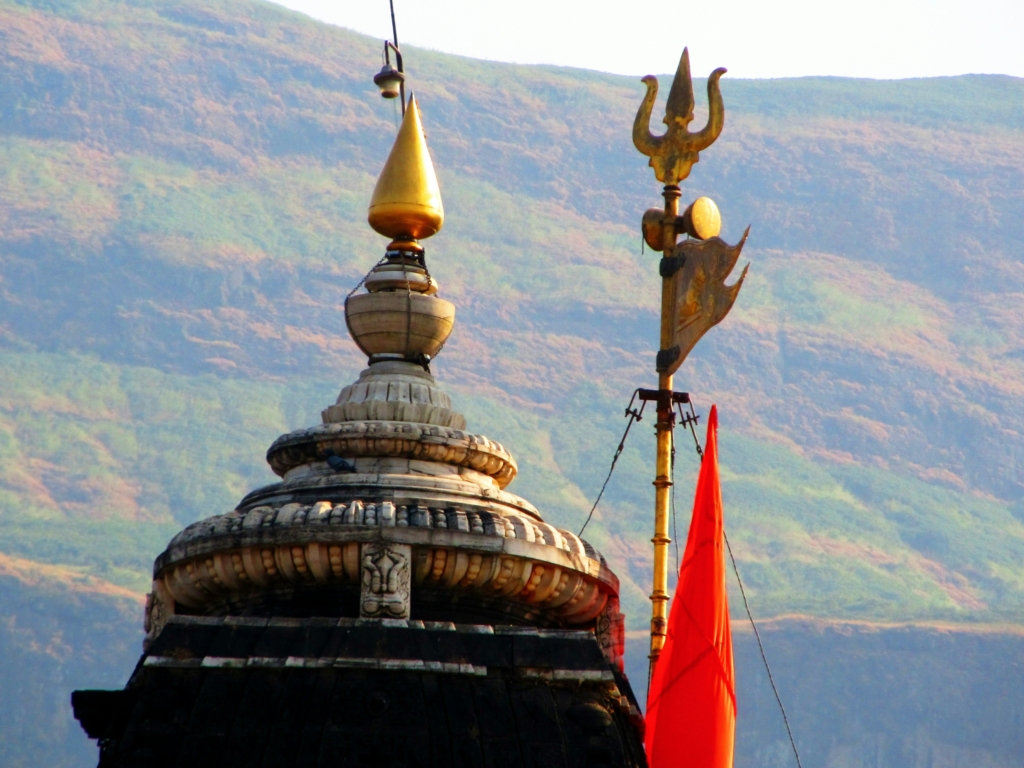
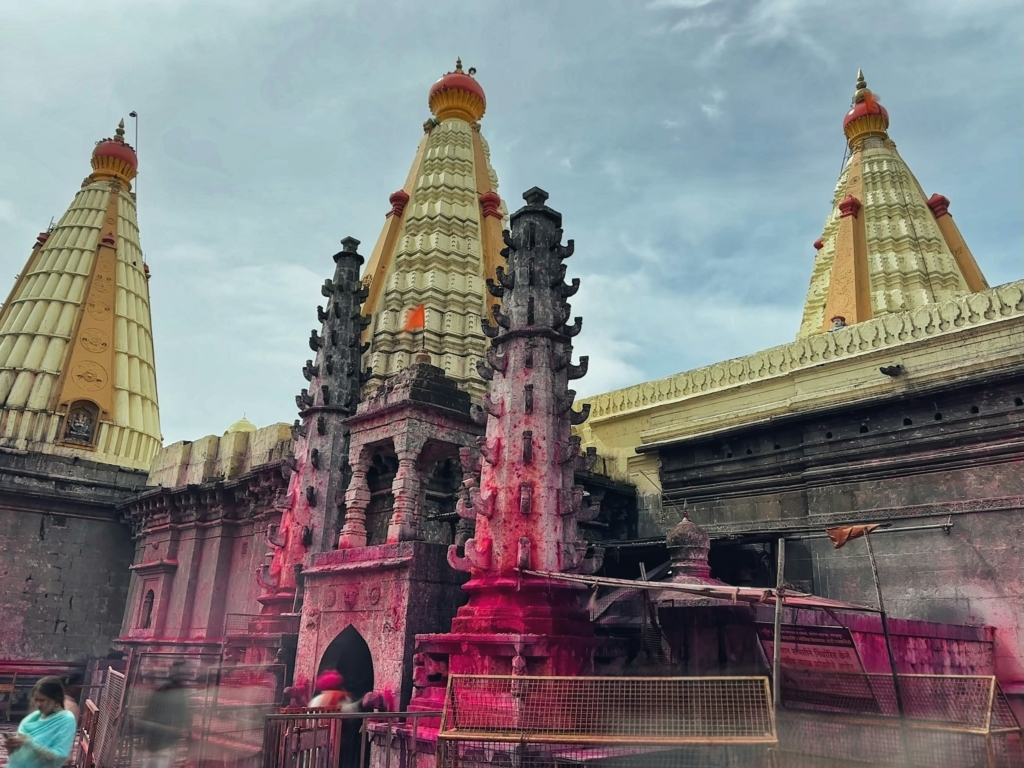
From the disciplined walks of Warkaris to the quiet morning aartis at hill temples, pilgrimage tourism in Maharashtra follows rhythms shaped over centuries. Many religious tourist places here are closely connected to everyday life, markets open after temple timings, festivals decide travel seasons, and entire towns move in sync with religious calendars. This blog presents 10 carefully chosen pilgrimage sites, highlighting what makes each place distinct beyond standard descriptions.
In this Blog
Quick Info.
| Pilgrimage Site | Tradition | District | Nearest city |
|---|---|---|---|
| Trimbakeshwar | Shaivite (Jyotirlinga) | Nashik | Nashik |
| Shirdi | Sant Sai Baba | Ahmednagar | Nashik or Ahmednagar |
| Pandharpur | Varkari (Vitthal) | Solapur | Solapur |
| Bhimashankar | Shaivite (Jyotirlinga) | Pune | Pune |
| Jejuri | Khandoba | Pune | Pune |
| Tuljapur | Devi (Bhavani) | Dharashiv (formerly Osmanabad) | Solapur or Latur |
| Kolhapur | Devi (Mahalaxmi) | Kolhapur | Kolhapur |
| Aundha Nagnath | Shaivite (Jyotirlinga) | Hingoli | Nanded |
| Alandi | Varkari (Dnyaneshwar) | Pune | Pune |
| Nashik | Trimbakeshwar plus Kumbh Mela city | Nashik | Nashik |
1. Trimbakeshwar – One of the Jyotirlingas in Maharashtra

Trimbakeshwar Temple and Religious Tourism in Maharashtra
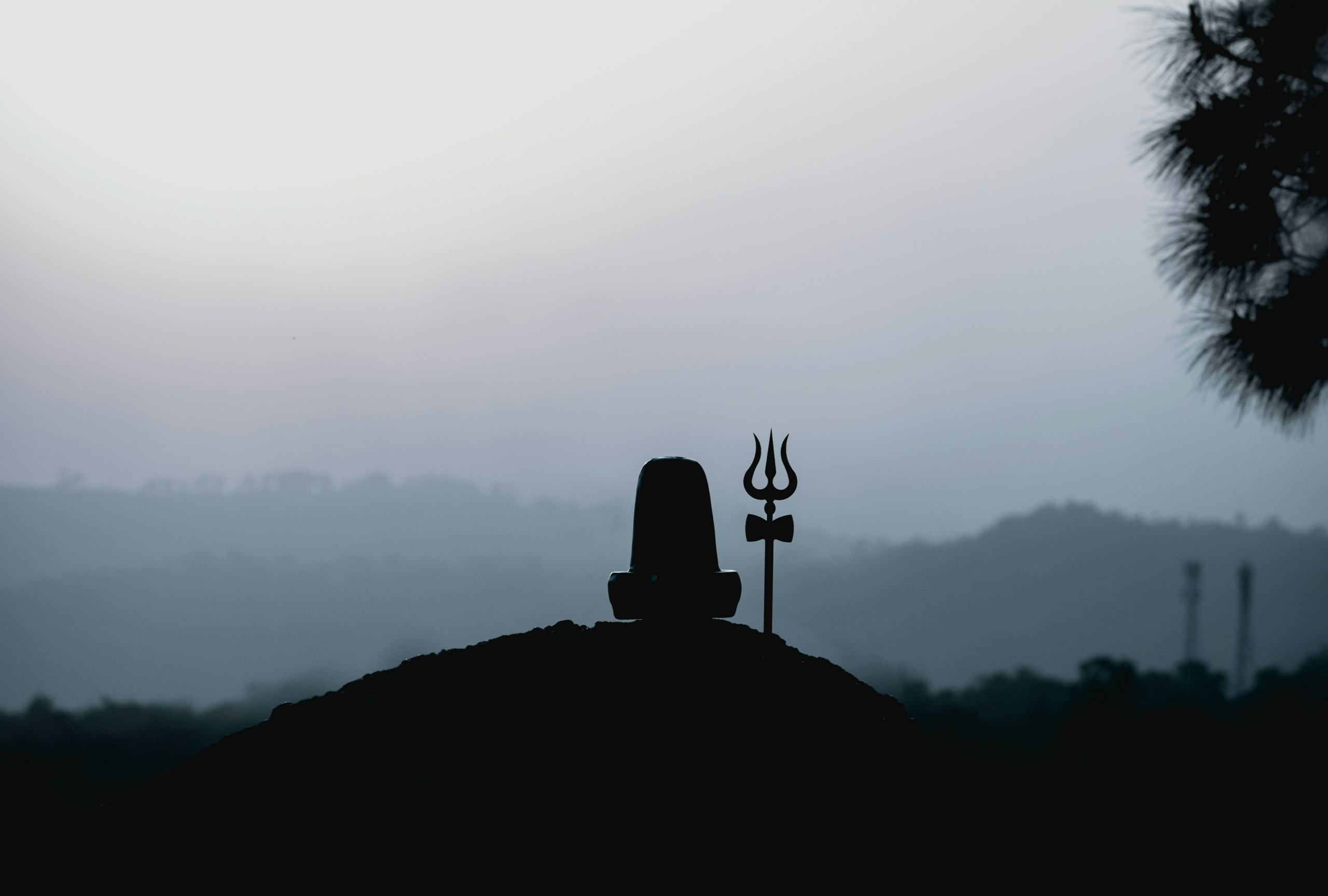
Trimbakeshwar holds a central position among the jyotirlingas in Maharashtra. Unlike other Jyotirlingas, the Shiva lingam here represents the trinity, Brahma, Vishnu, and Mahesh, through three small openings. This symbolic form reflects ancient Shaiva philosophy rather than temple ornamentation. Maharashtra holds five of the 12 Jyotirlingas (the sacred Shiva shrines), the highest count of any Indian state. Three are covered in this guide (Trimbakeshwar near Nashik, Bhimashankar near Pune, and Aundha Nagnath in Hingoli district). The other two are Grishneshwar near the Ellora Caves in Chhatrapati Sambhajinagar (formerly Aurangabad) district, and Parli Vaijnath in Beed district. For pilgrims attempting the full Maharashtra Jyotirlinga circuit, consider a dedicated 7 to 10 day itinerary covering all five.
Best Time to Visit Trimbakeshwar
The best time to visit Trimbakeshwar is between October and March, when rituals such as Narayan Nagbali and Kaal Sarp Shanti are conducted under favourable weather conditions.
Things to Do in Trimbakeshwar
Important Things to do in Trimbakeshwar include participating in Vedic rituals, visiting the origin of the Godavari River, and observing traditional Brahmin-led ceremonies that follow strict lineage rules.
Best places to Stay in Trimbakeshwar
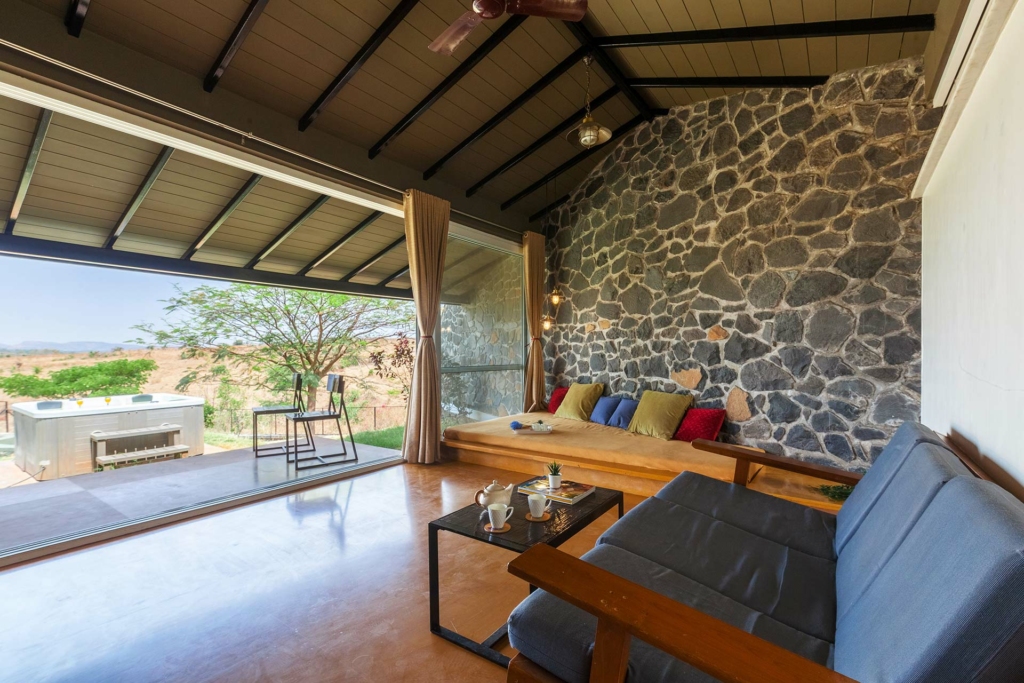
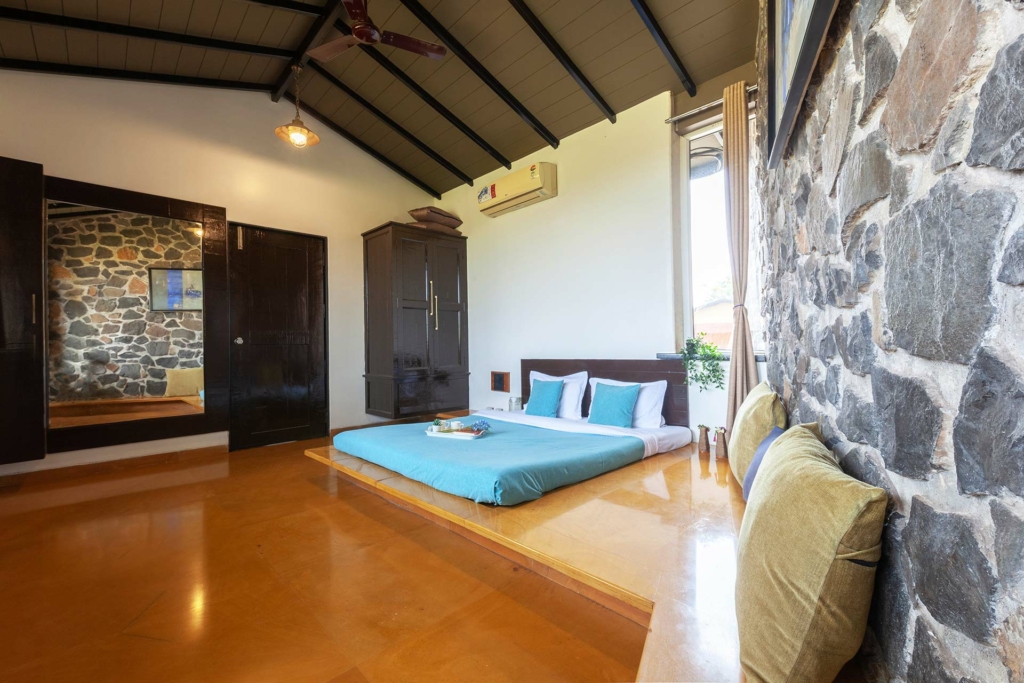
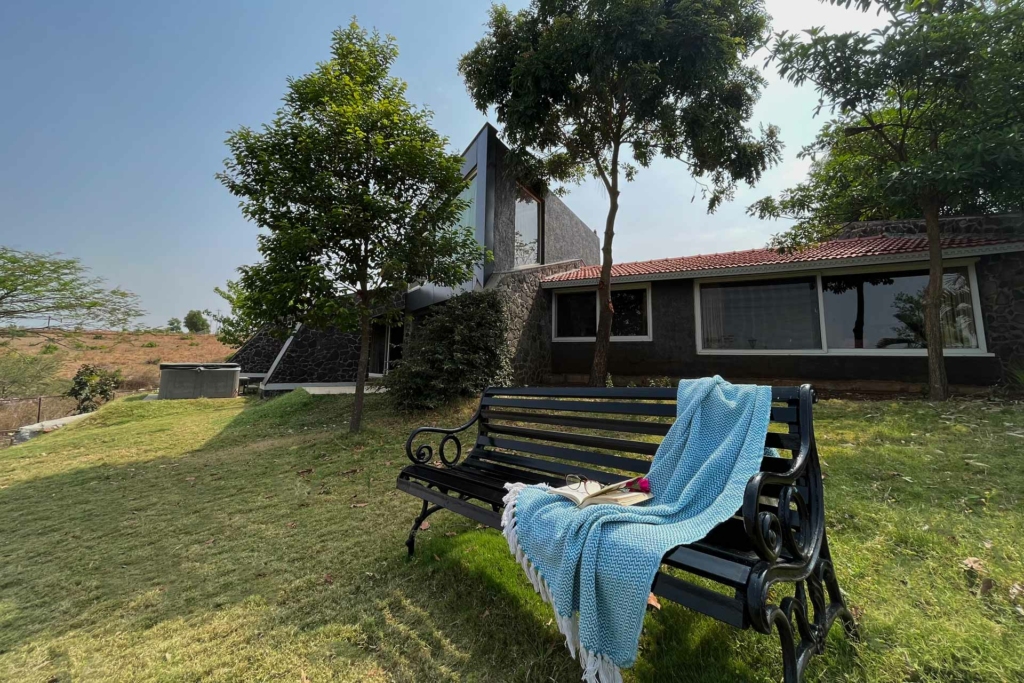
The Stone House in Beze
Terra Tints

Lakeside Summers


2. Shirdi – A Pillar of Pilgrimage Tourism

Shirdi and Spiritual Places in Maharashtra
Shirdi is one of the most visited religious tourist places in India, known for the teachings of Sai Baba that focus on faith, patience, and service. What sets Shirdi apart is the non-sectarian nature of worship, Hindu and Islamic practices coexist within the temple complex.
Best Time to Visit Shirdi
The best time to visit Shirdi is from November to February, especially for senior devotees who prefer moderate temperatures.
Things to Do in Shirdi
Key Things to do in Shirdi include attending Kakad Aarti, visiting Dwarkamai, and walking through Chavadi to understand Sai Baba’s daily routine.
3. Pandharpur – Heart of the Warkari Movement
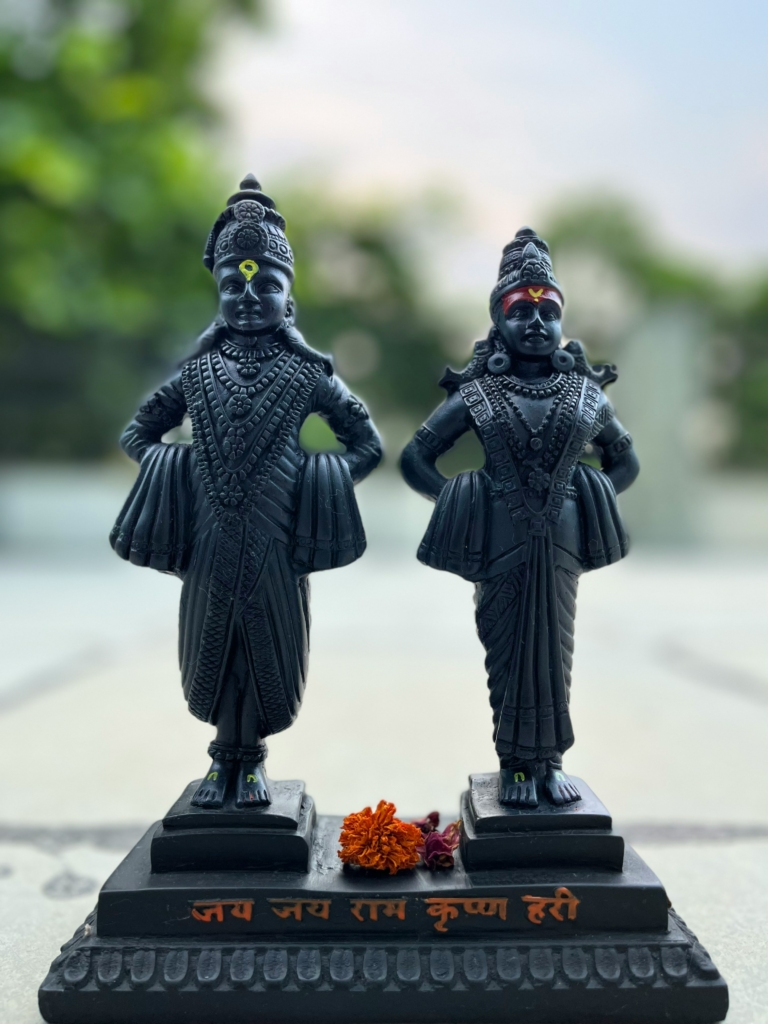
Pandharpur and Religious Tourism in Maharashtra
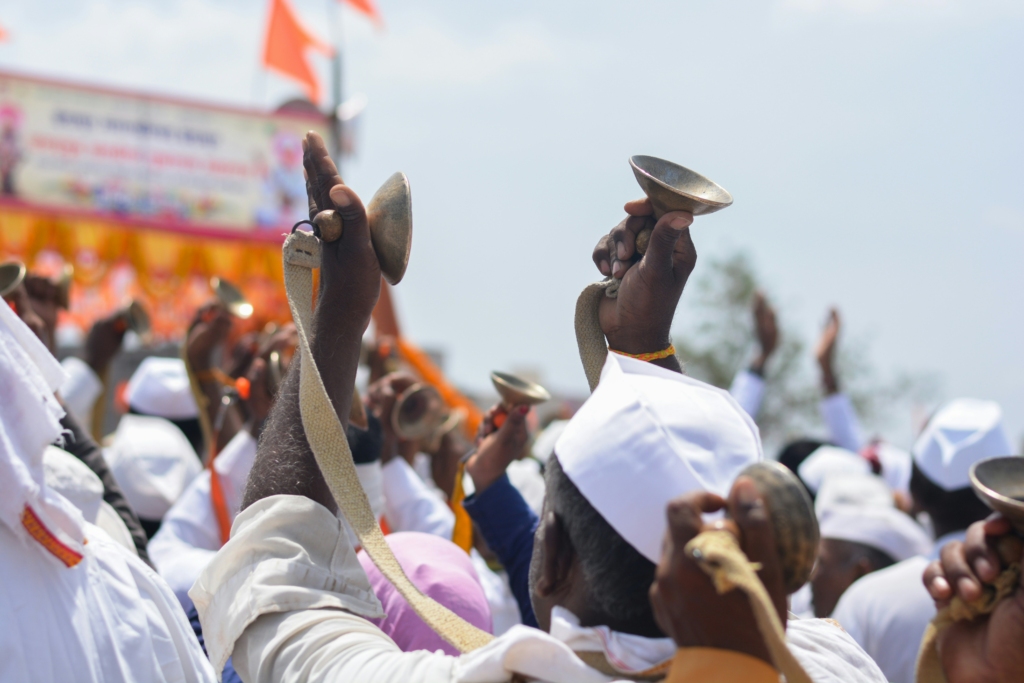
Pandharpur sits at the centre of the Varkari tradition, a devotional bhakti movement with roots going back nearly a thousand years. The tradition’s major saints with specific Pandharpur associations include Sant Namdev (whose shrine sits inside the Vitthal temple complex), Sant Chokhamela, Sant Janabai, and Sant Tukaram (whose annual palkhi from Dehu to Pandharpur during Ashadhi Ekadashi is one of the largest pilgrimages in India). Sant Dnyaneshwar’s primary association is with Alandi, which is also covered later in this guide. His palkhi from Alandi to Pandharpur during Ashadhi Ekadashi connects the two shrines.
Best Time to Visit Pandharpur
The best time to visit Pandharpur is during Ashadhi and Kartiki Ekadashi, when palkhi processions bring the town together.
Things to Do in Pandharpur
Important Things to do in Pandharpur include walking the ghats of the Chandrabhaga River and attending kirtans that continue age-old oral traditions.
4. Bhimashankar – Jyotirlinga with Ecological Importance

Bhimashankar and Jyotirlingas in Maharashtra
Bhimashankar is counted among the sacred jyotirlingas in Maharashtra, where worship is closely tied to natural water sources and forest conservation practices maintained by temple trusts.
Best Time to Visit Bhimashankar
The best time to visit Bhimashankar is from October to February, when paths are accessible and rituals continue smoothly.
Things to Do in Bhimashankar
Meaningful Things to do in Bhimashankar include early morning abhishek and learning about temple-led conservation initiatives.
5. Jejuri – Centre of Khandoba Worship

Jejuri and Famous Temples in Maharashtra
Jejuri is among the famous temples in Maharashtra, dedicated to Lord Khandoba. The temple rituals involve turmeric, symbolising prosperity and protection.
Best Time to Visit Jejuri
The best time to visit Jejuri is during Somvati Amavasya, when traditional ceremonies attract regional devotees.
Things to Do in Jejuri
Key Things to do in Jejuri include observing ritual processions and understanding folk traditions linked to agrarian communities.
6. Tuljapur – Shakti Worship and Social History
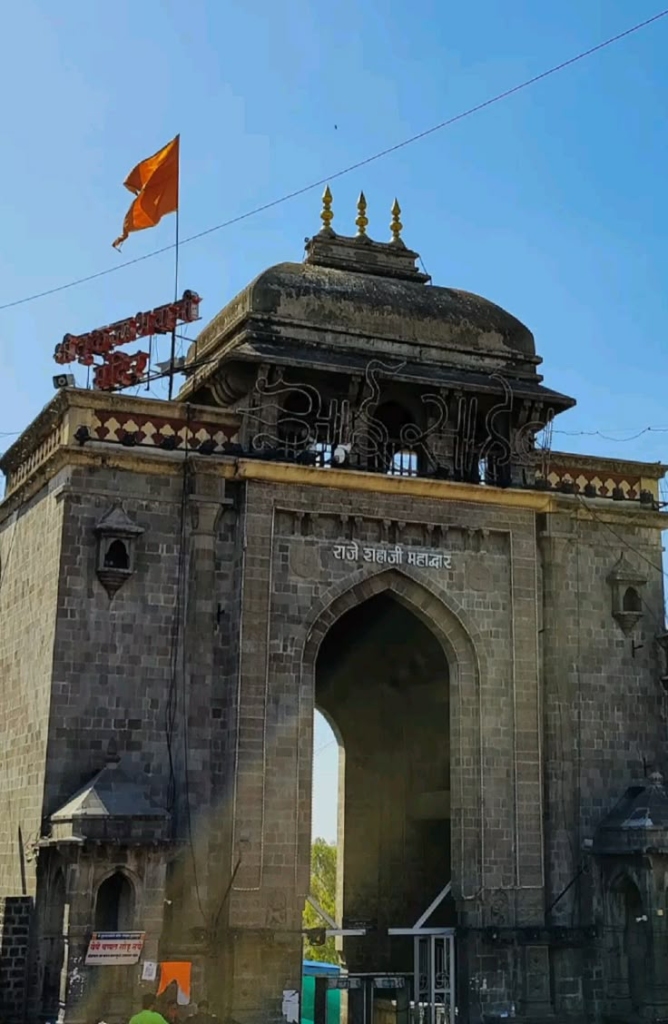
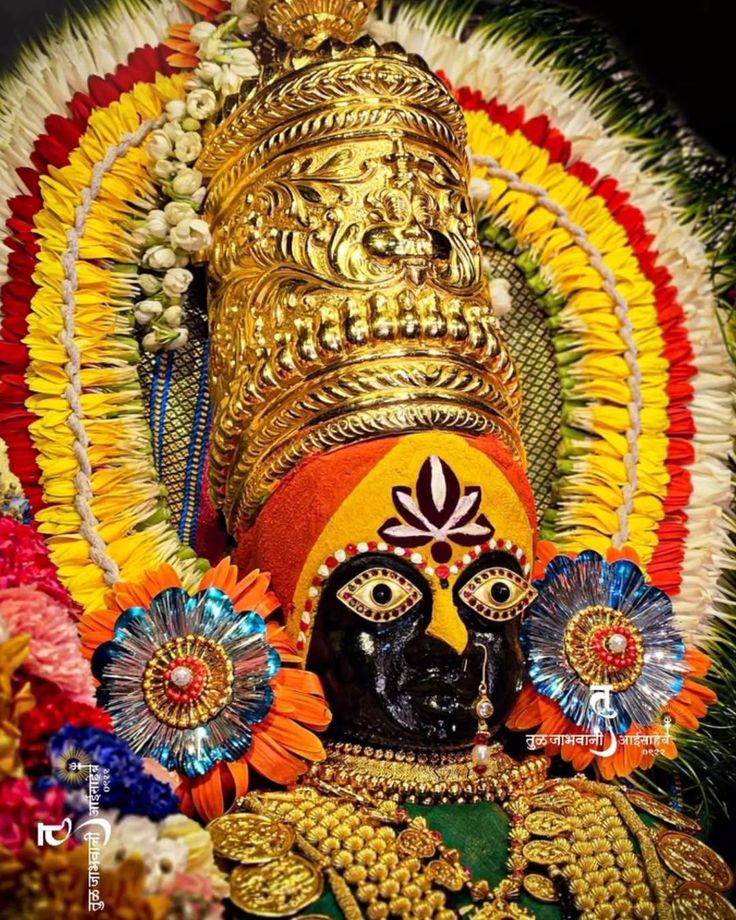
Tuljapur and Religious Tourist Places
Tuljapur is respected among religious tourist places for Goddess Tulja Bhavani, associated with historical figures like Chhatrapati Shivaji Maharaj.
Best Time to Visit Tuljapur
The best time to visit Tuljapur is during Navratri, when structured darshan systems manage large crowds effectively.
Things to Do in Tuljapur
Notable Things to do in Tuljapur include temple rituals and learning about the goddess’s role in regional history.
7. Kolhapur – Mahalakshmi Temple and Living Traditions
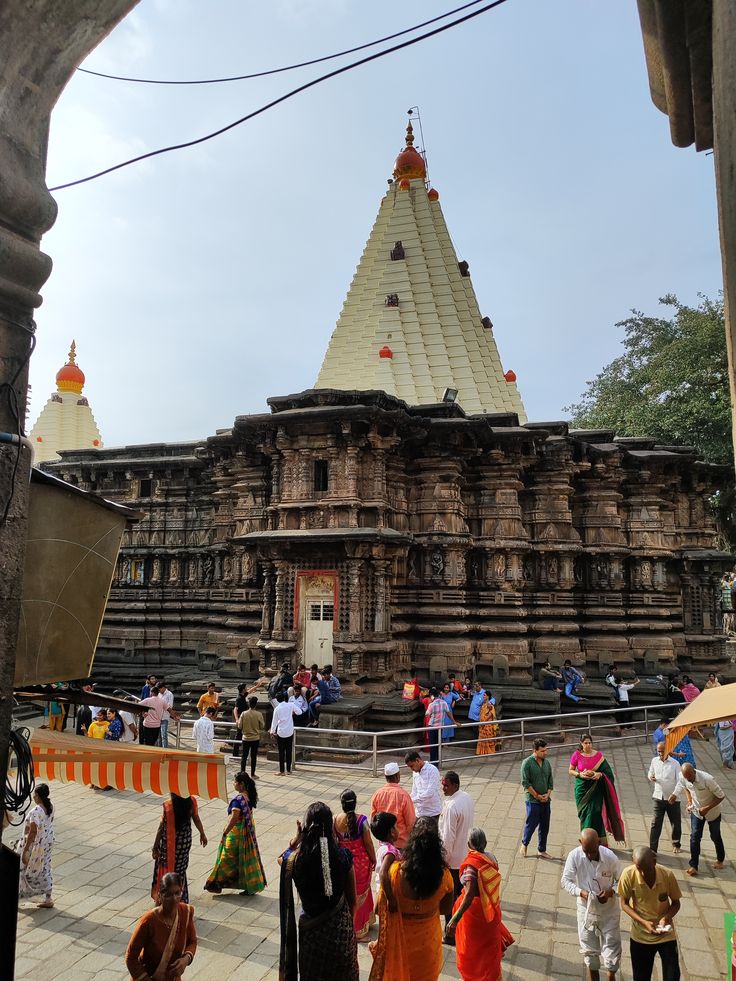
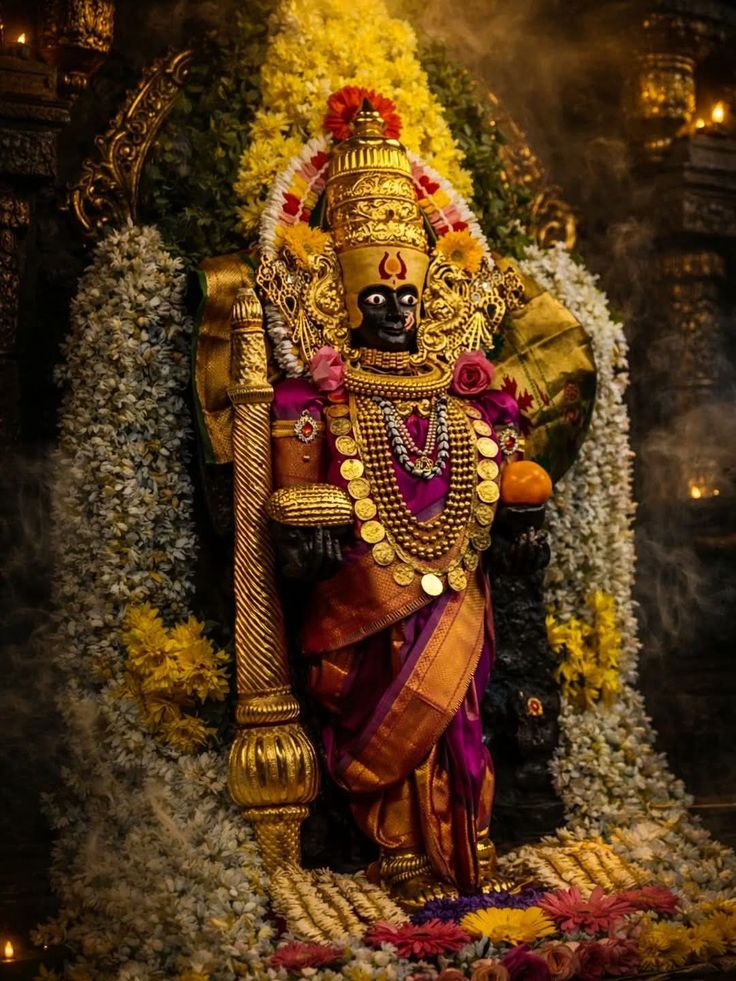
Kolhapur and Spiritual Places in Maharashtra
Kolhapur’s Mahalakshmi Temple is one of the oldest spiritual places in Maharashtra, where daily worship follows strict temple timekeeping methods.
Best Time to Visit Kolhapur
The best time to visit Kolhapur is between October and February for uninterrupted temple access.
Things to Do in Kolhapur
Essential Things to do in Kolhapur include observing temple management systems that date back centuries.
Places to Stay in Kolhapur
Ajuban
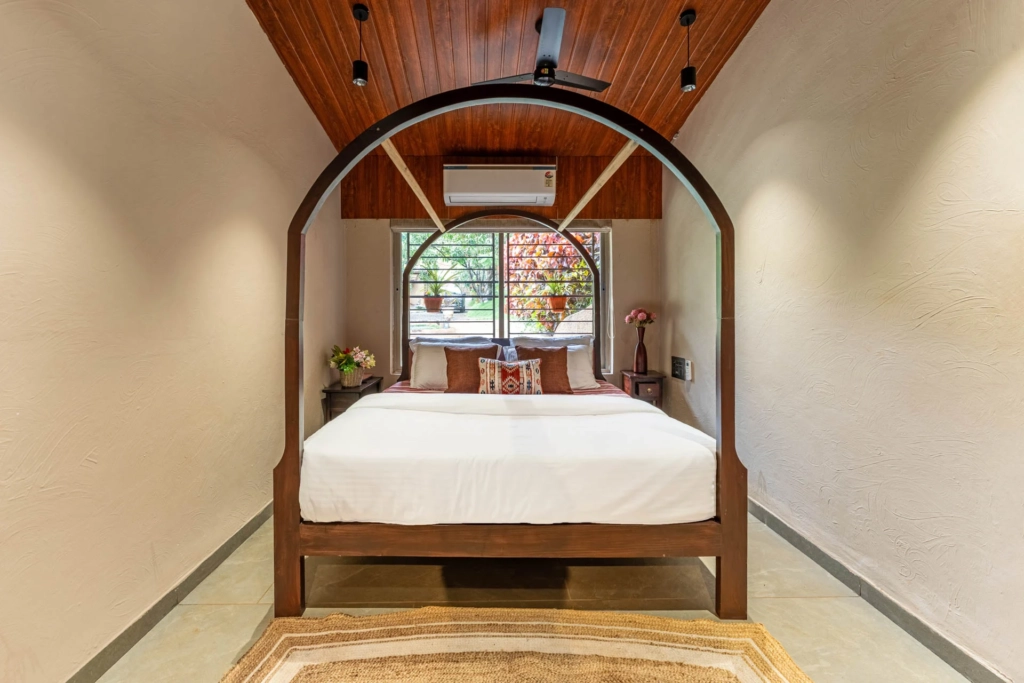
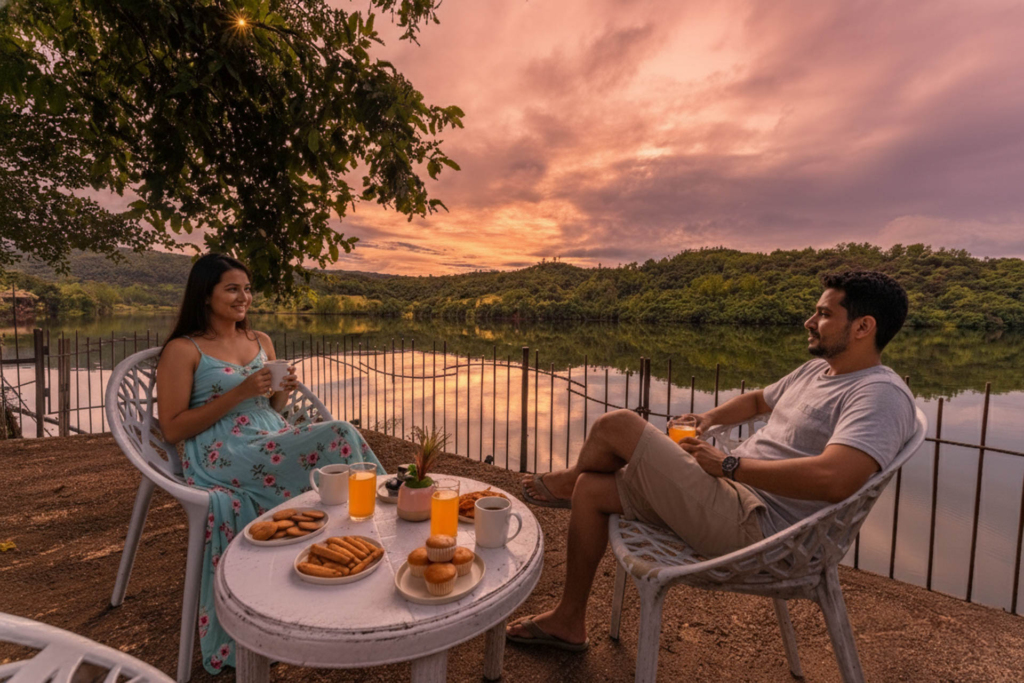
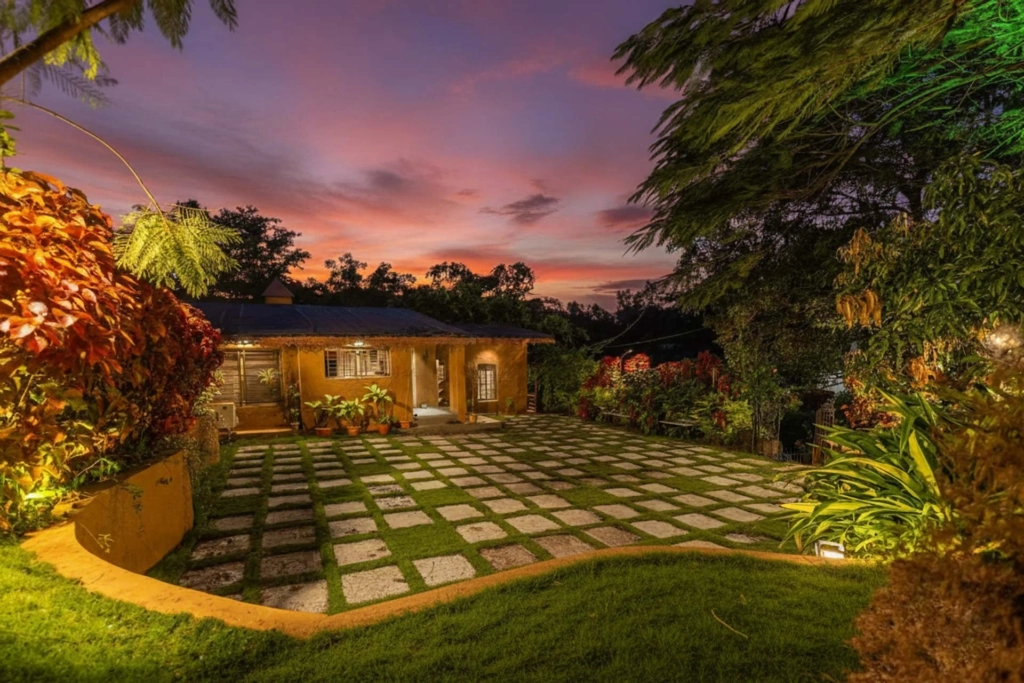
The Redstone Villa

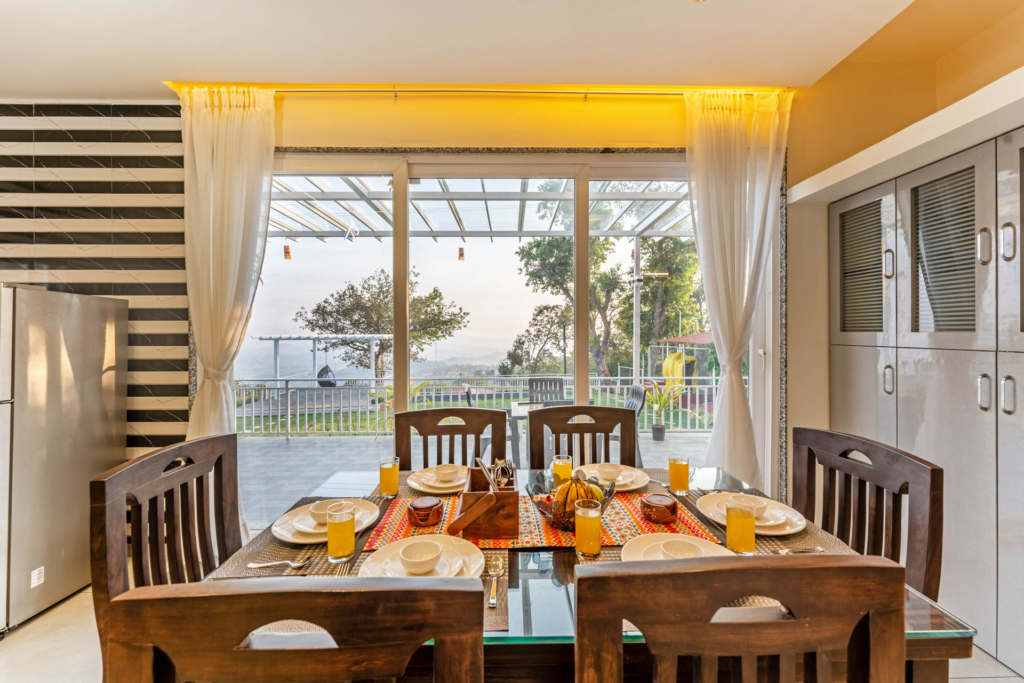
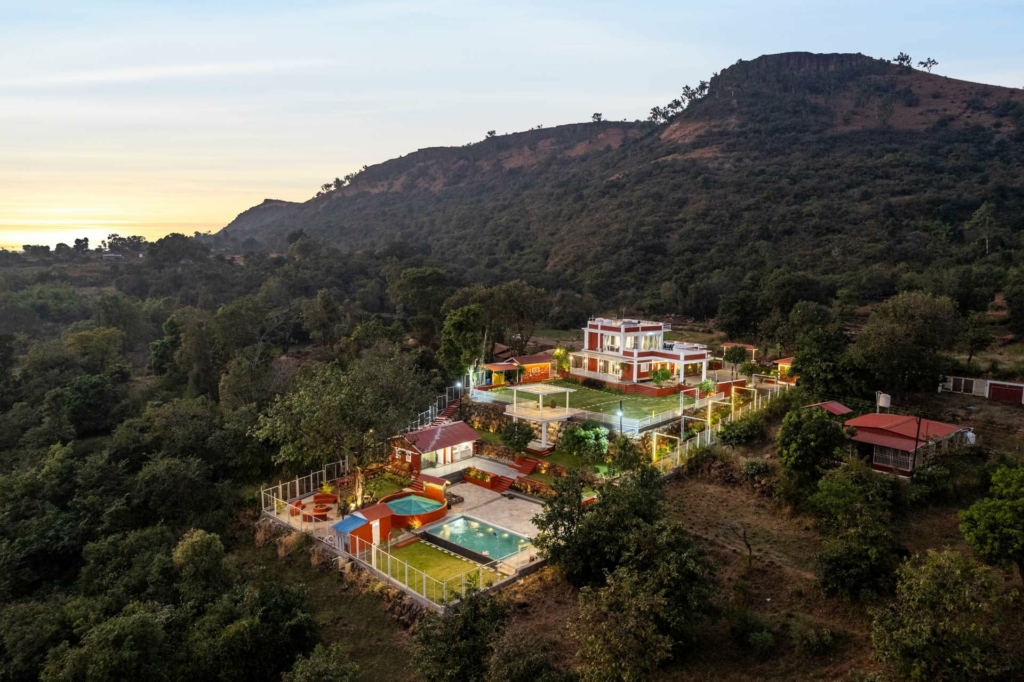
Cliffhanger Solitude – Gaganbawada

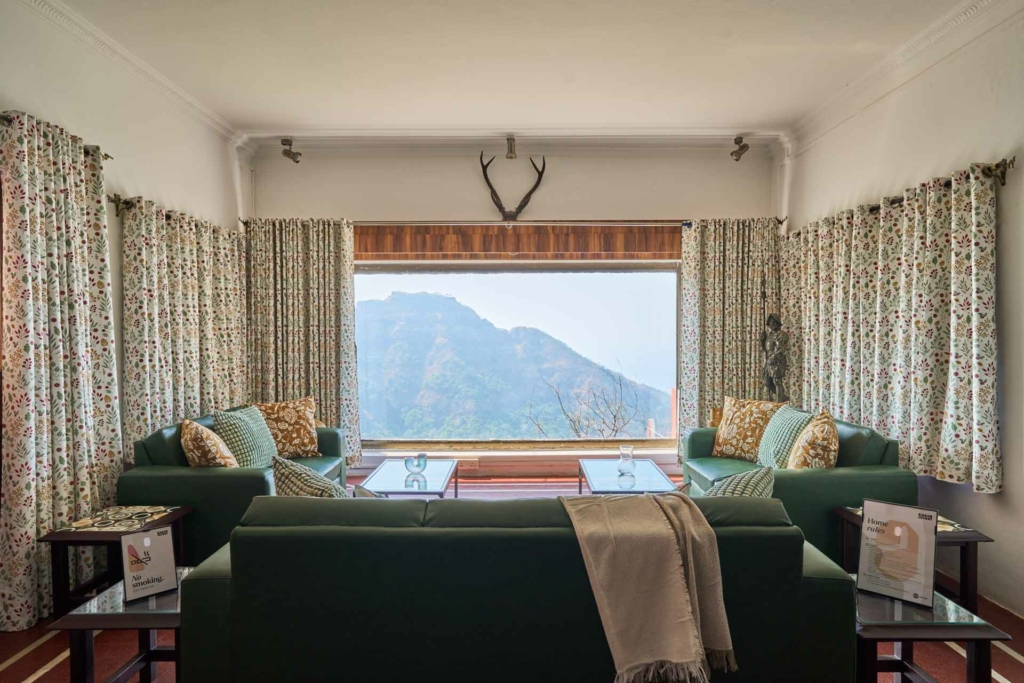
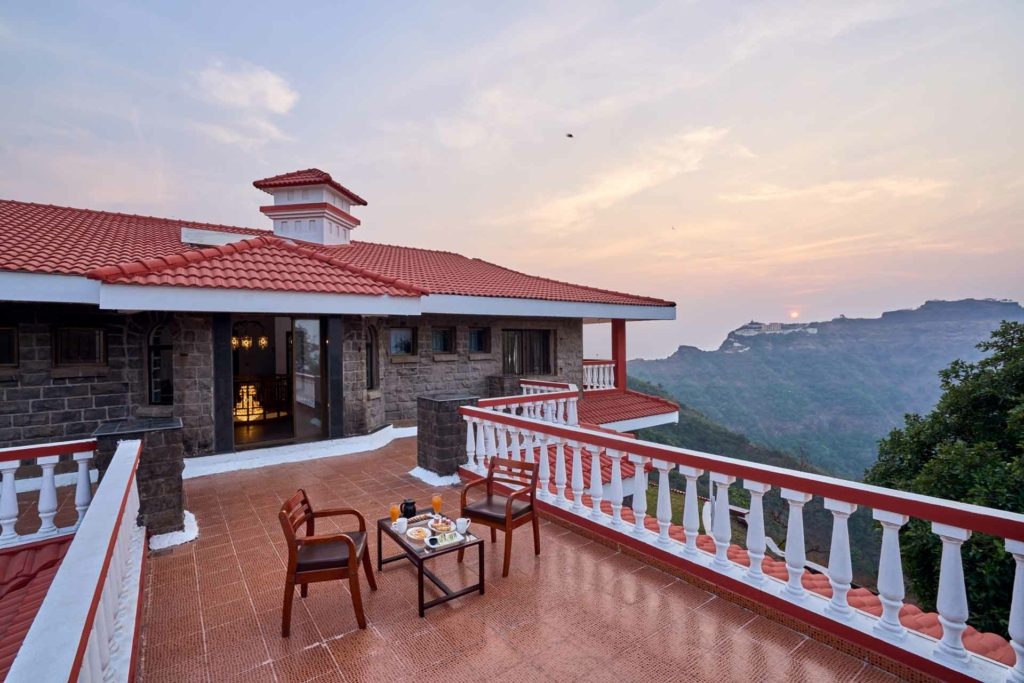
8. Aundha Nagnath – Ancient Jyotirlinga
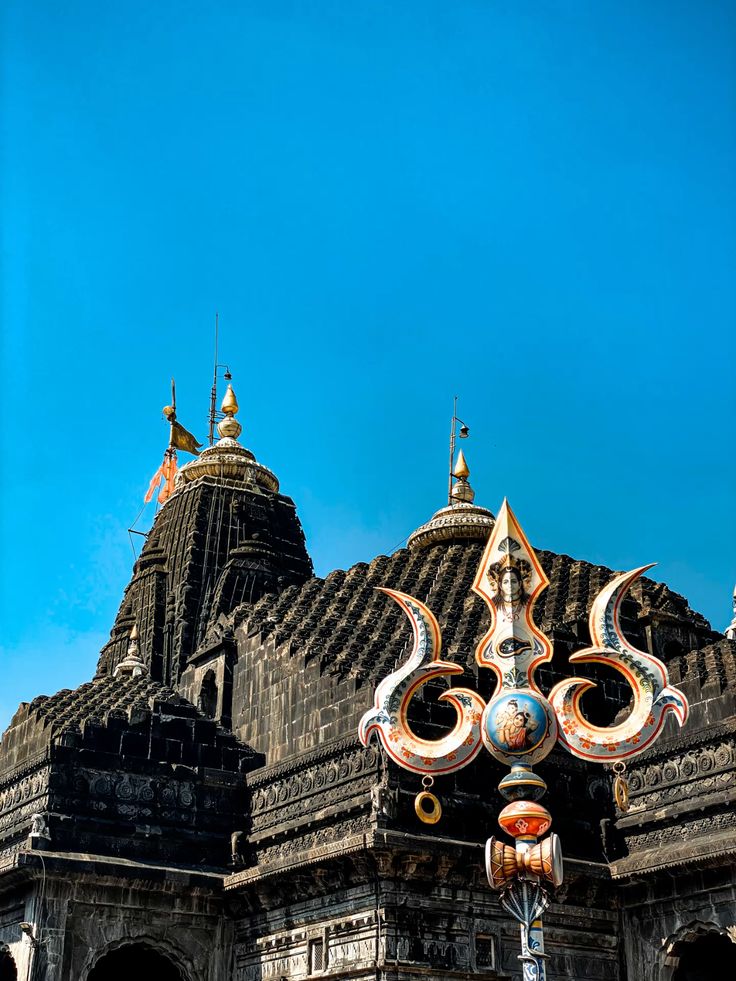
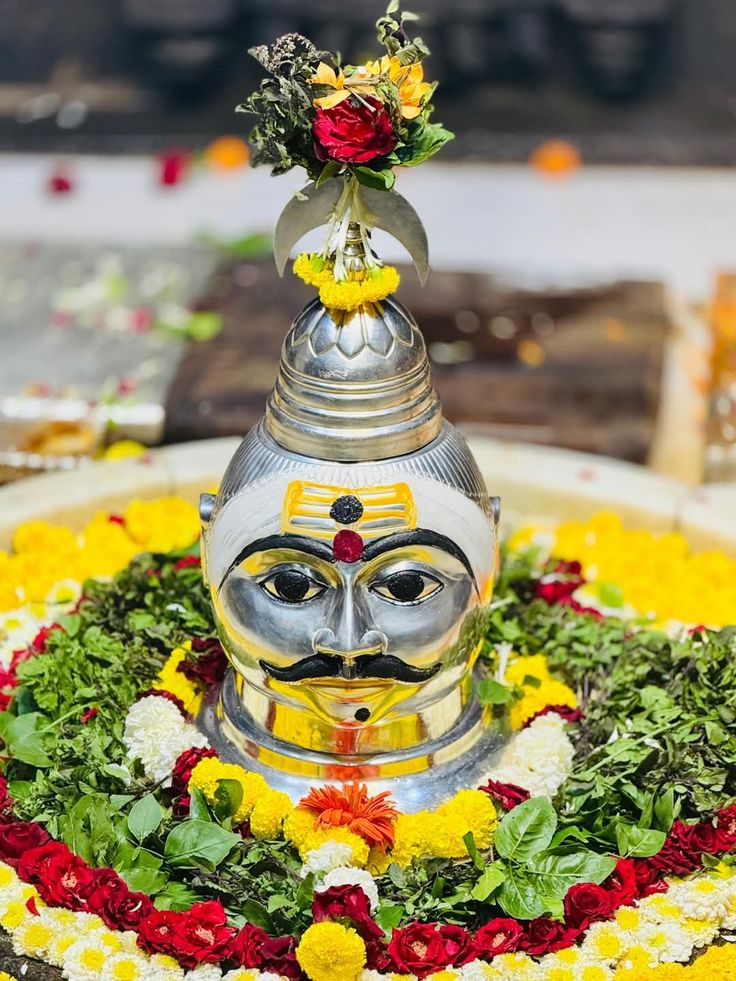
Aundha Nagnath and Jyotirlingas in Maharashtra
Aundha Nagnath sits in Hingoli district, in central Maharashtra and is one of the oldest jyotirlingas. The temple is approximately 25 km from Hingoli town and the nearest railway station is Chondi, roughly 21 km away. Nanded is the practical gateway city with its own airport and railway station. Among the 12 Jyotirlingas, Aundha Nagnath is the least visited of the Maharashtra set, which keeps the atmosphere closer to a traditional pilgrimage experience than a tourist facing one.
Best Time to Visit Aundha Nagnath
The best time to visit Aundha Nagnath is from October to March.
Things to Do in Aundha Nagnath
Important Things to do in Aundha Nagnath include observing architectural features that predate many modern temples.
9. Alandi – Legacy of Sant Dnyaneshwar
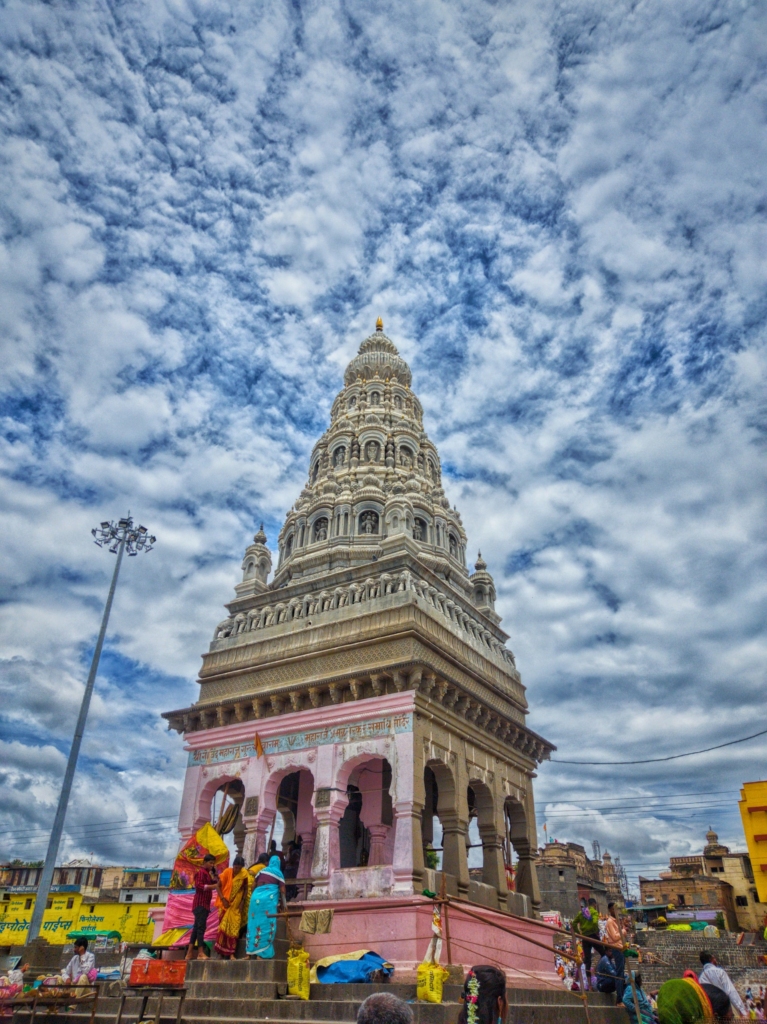
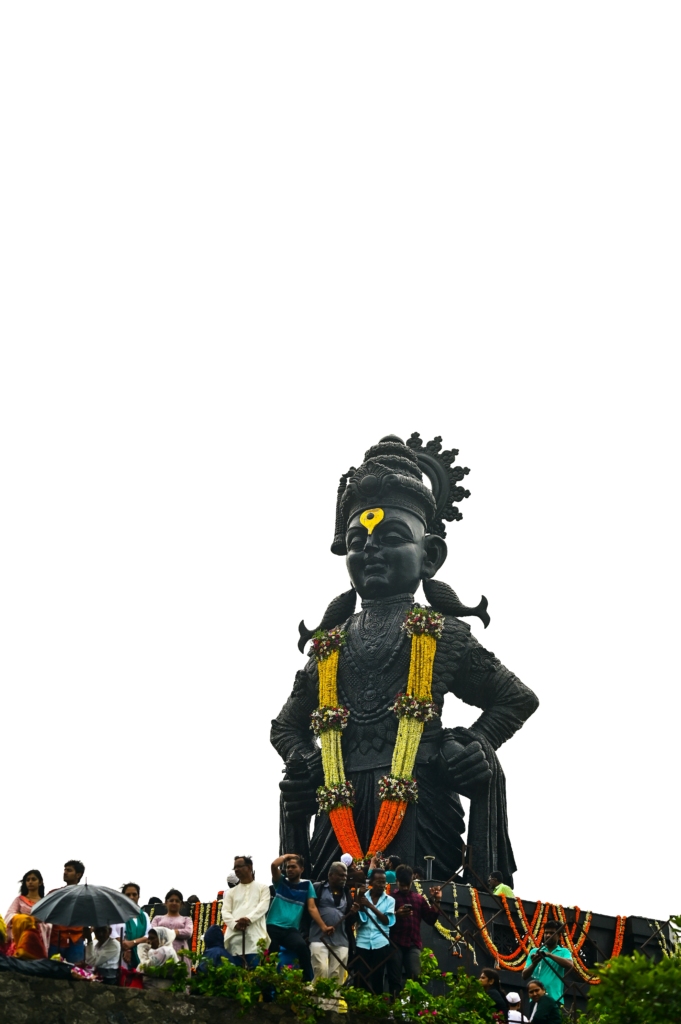
Alandi and Pilgrimage Tourism
Alandi is central to pilgrimage tourism linked to the Warkari tradition and Marathi spiritual literature.
Best Time to Visit Alandi
The best time to visit Alandi is during palkhi departures before Ashadhi Ekadashi.
Things to Do in Alandi
Key Things to do in Alandi include attending bhajan sessions and reading Dnyaneshwari commentaries.
10. Nashik – Multiple Spiritual Layers
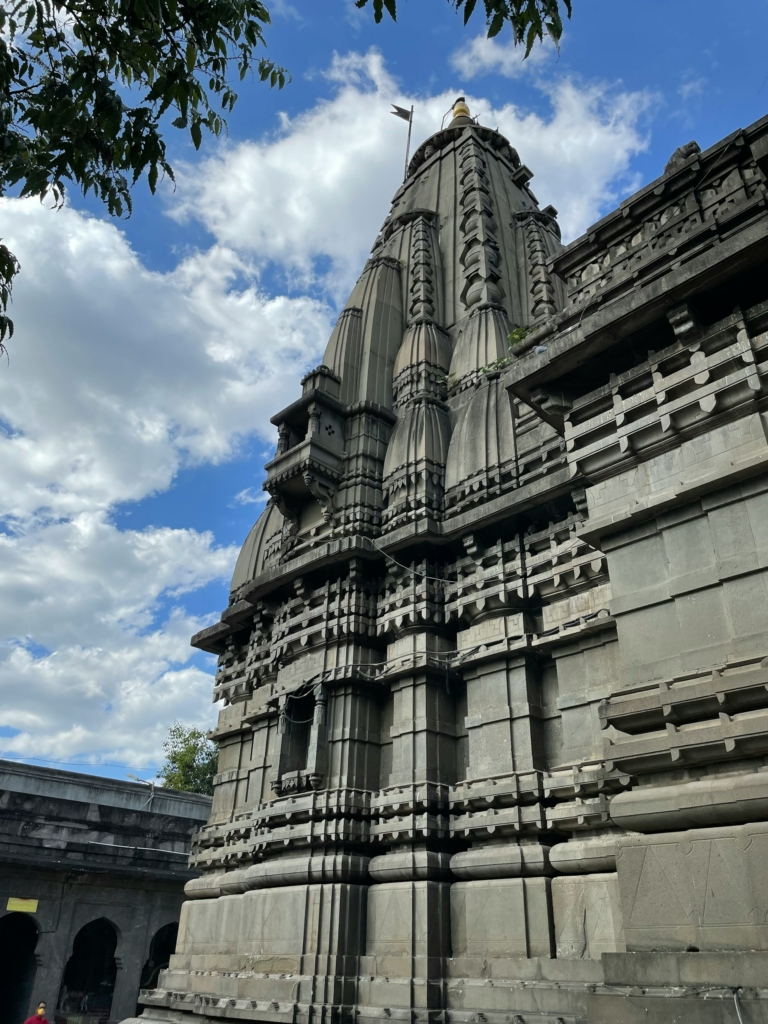
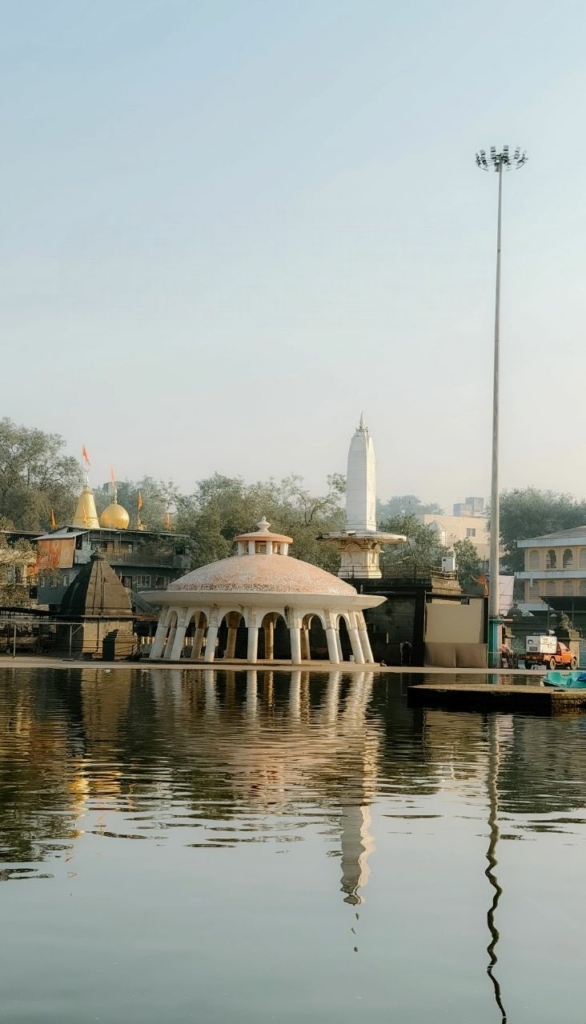
Nashik and Religious Tourism in Maharashtra
Nashik combines river worship, Jyotirlinga proximity, and Kumbh Mela traditions, making it vital to religious tourism in Maharashtra.
Best Time to Visit Nashik
The best time to visit Nashik is from October to February, especially for temple circuits.
Things to Do in Nashik
Key Things to do in Nashik include visiting Panchavati and participating in river-side rituals.
Villas to Stay in Nashik
Villa Blanca

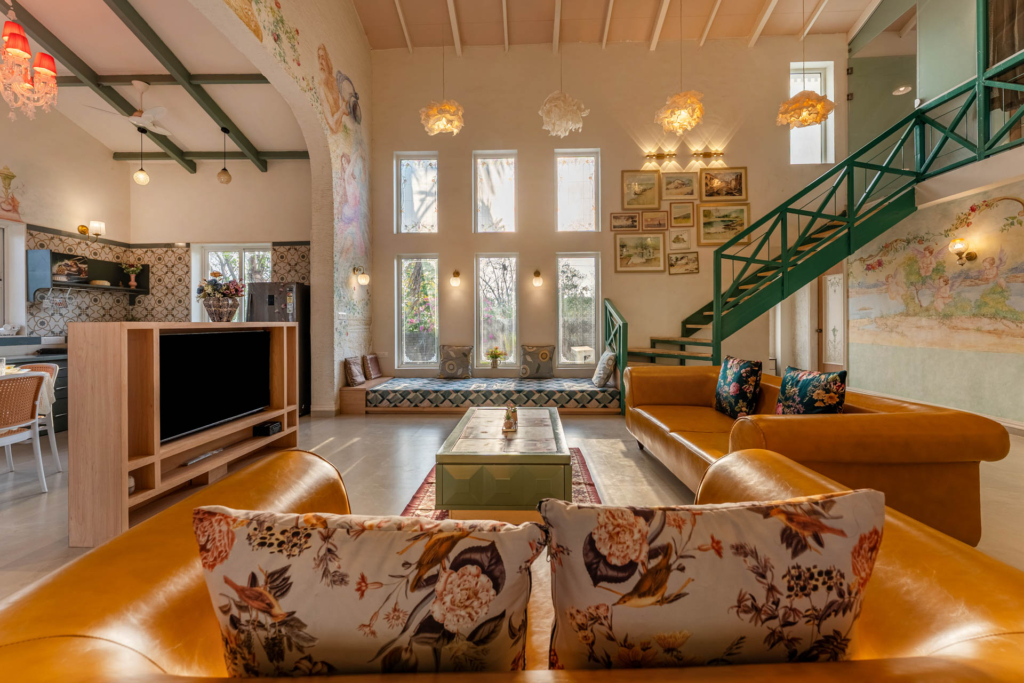
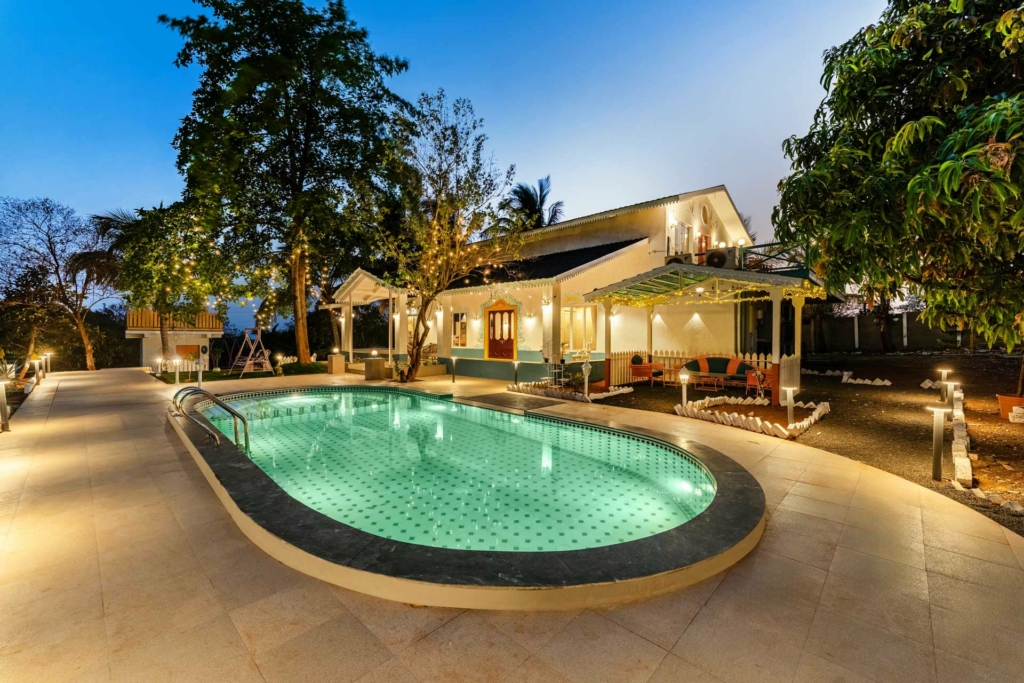
Starlight Springs


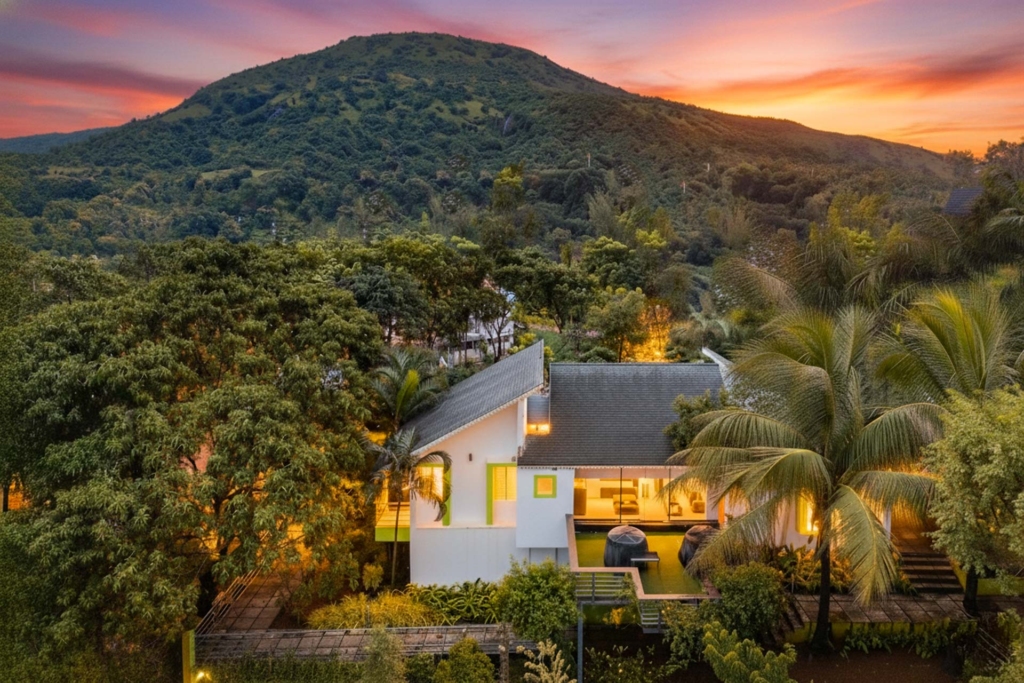
Vinho Sunsets


Conclusion: The Deeper Meaning of Religious Tourism in Maharashtra

Religious tourism in Maharashtra goes beyond temple visits. It reflects how belief systems shape towns, influence daily routines, and preserve traditions through collective participation. From famous temples in Maharashtra to lesser-known ritual centres, each place contributes to a wider spiritual framework that values discipline, equality, and continuity. For those seeking meaningful connections through pilgrimage tourism, Maharashtra presents experiences rooted in practice, history, and shared faith, making every visit purposeful and enriching.
FAQs. Religious Tourism in Maharashtra
Five. Trimbakeshwar (Nashik), Bhimashankar (Pune), Grishneshwar (Chhatrapati Sambhajinagar), Aundha Nagnath (Hingoli), and Parli Vaijnath (Beed). This guide covers three of the five.
October to March works for most of the state’s pilgrimage sites because the weather is comfortable for the walking and darshan queueing format. Ashadhi Ekadashi (June or July) is the most intense pilgrimage window specifically for Pandharpur, with the Palkhi processions from Alandi and Dehu drawing lakhs of devotees. Kartiki Ekadashi (October or November) is a second peak for Pandharpur. Navratri (September or October) brings the biggest crowds to Kolhapur Mahalaxmi and Tuljapur Bhavani.
Possible but demanding. A full 10 site trip typically takes 10 to 14 days with efficient driving between locations. Most travellers break the circuit into three regional sub trips. The Pune cluster (Bhimashankar, Jejuri, Alandi, with Ashtavinayak added) runs 4 to 5 days. The Nashik cluster (Trimbakeshwar, Shirdi, Nashik city) runs 3 to 4 days. The remaining sites (Pandharpur, Kolhapur, Tuljapur, Aundha Nagnath) require their own 5 to 7 day Southern and Central Maharashtra loop.
No special permits for Indian nationals. Online booking is available for VIP darshan at several shrines (Shirdi, Trimbakeshwar, Mahalaxmi Kolhapur). Shirdi specifically runs a tightly managed queue system where online timed slots are advisable for weekends and festival dates.
Shirdi has the strongest tourist infrastructure, the simplest flight connectivity (Shirdi International Airport opened in 2017), and the most organised queue management of any Maharashtra pilgrimage site. It serves as the easiest starting point for a first time Maharashtra religious tourism trip.
Written by Ruben Saha